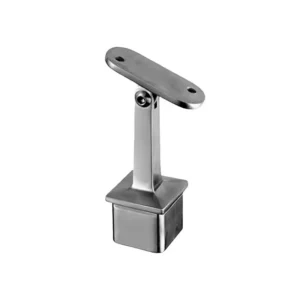
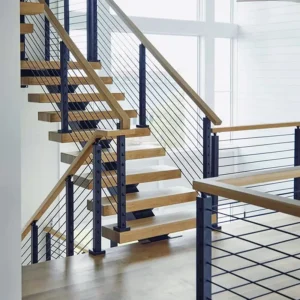
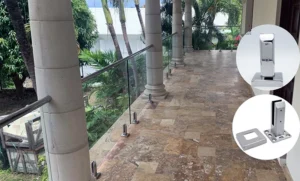
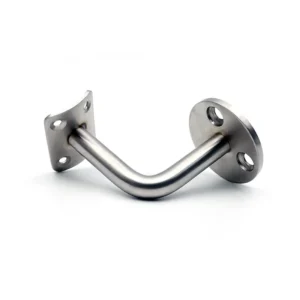
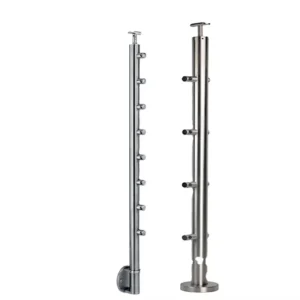
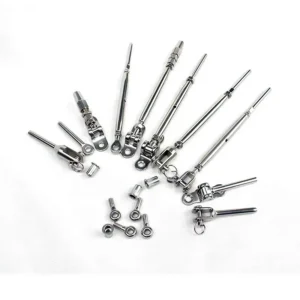
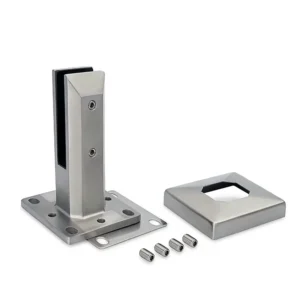
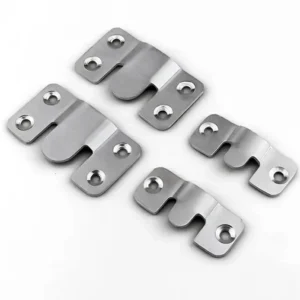
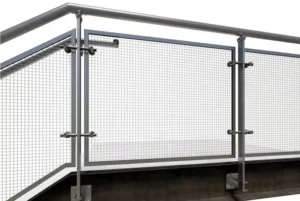
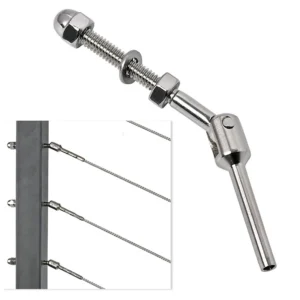
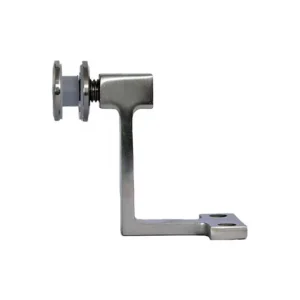
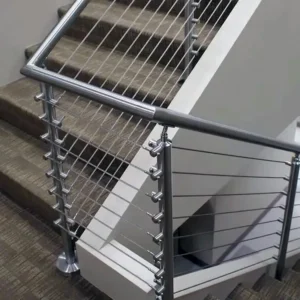
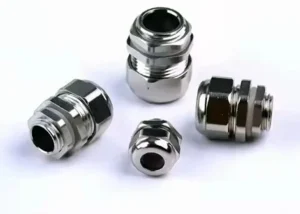
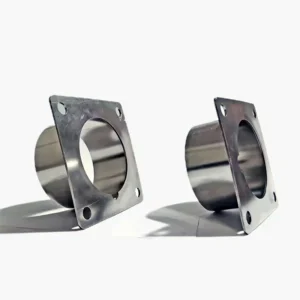
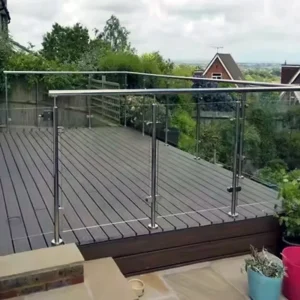
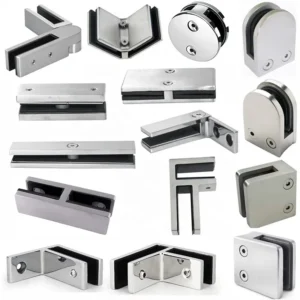
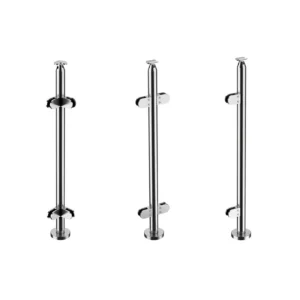
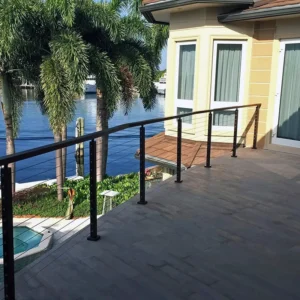
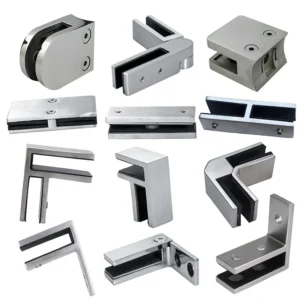
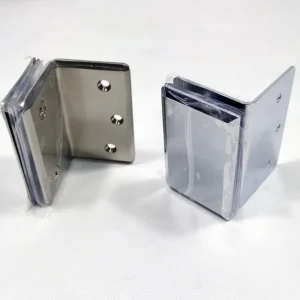
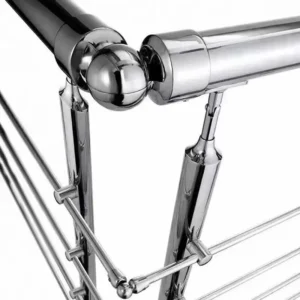
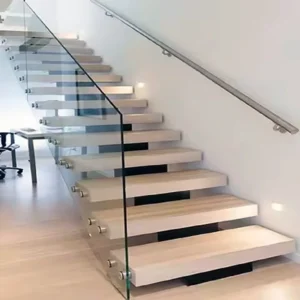
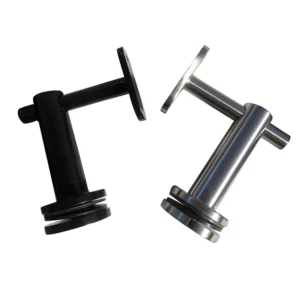
Square post mount brackets support a handrail or adjacent railing component from a square post. A useful quote must resolve the post outside width and corner shape, the rail-side contact form, and how the bracket is fastened without crushing or loosening the hollow post. A photo, rough sketch, estimated quantity and nominal post size are enough to begin.
Choose the post-side form by measured section
“Square post” is not a complete interface definition. State the outside width, wall thickness and corner radius, and note whether a weld seam, cap, sleeve or insert occupies the connection area. A socket-style bracket needs enough clearance to fit without rocking, but excessive clearance can leave the joint dependent on small set screws. A flat-face bracket needs a defined bearing surface and hole pattern.
The post wall must be able to carry the local tightening force. Where a hollow section is thin, the proposed joint may need an internal sleeve, backing piece, rivet nut, welded insert or through-bolt arrangement. The correct solution depends on access, post preparation and the system design; the photograph alone cannot establish it.

Flat faces help alignment but do not finish the joint
Square sections provide flat reference faces and more geometric resistance to rotation than round posts, but the joint can still twist if the socket is loose, the fasteners are undersized for the prepared interface, or the rail load is offset. Ask for the anti-rotation method to be explicit: close-fitting socket faces, multiple fasteners, a locating shoulder, an internal insert or another positive feature.
If the bracket wraps over the post top, confirm insertion depth and any cap or drainage detail. If it mounts to a post side, confirm the face orientation, vertical location, hole centres and interior access. Do not assume that a square socket can be forced onto posts with different corner radii or coatings.
Specify the handrail or railing-side contact
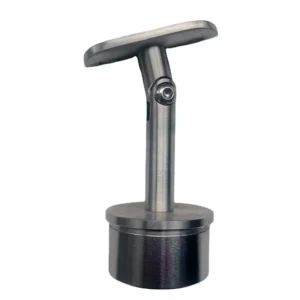
The supported member may be a round handrail, rectangular rail, flat-bottom profile or prepared connector. State the section, orientation, centreline, required stand-off and whether the run is level or sloped. A flat support plate should not be treated as a round-tube saddle; a curved saddle should not be accepted against an unmatched profile.
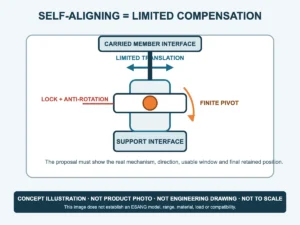
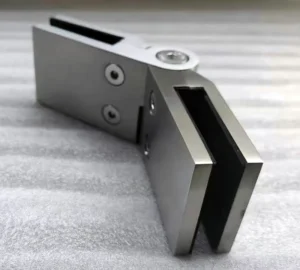
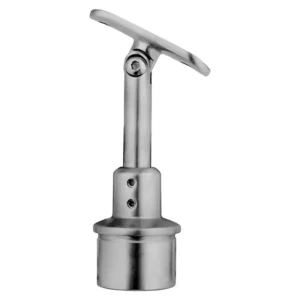
Where the top support pivots, treat that feature as a limited alignment choice rather than a universal angle claim. Confirm the adjustment plane, the required angle range, fastener access and the locking method. The final rail slope should be fixed in the approved drawing or setting instruction.
Compare interface routes, not generic bracket names
- Square socket over a post: useful when the post top and bracket are designed as a pair; requires outside size, corner radius, insertion depth and retention details.
- Flat bracket to a post face: useful when a side connection is intended; requires hole pattern, backing or insert arrangement, wall thickness and access.
- Factory-welded or factory-prepared interface: reduces field layout but must be located and oriented on the post drawing before production.
- Field-drilled interface: offers site sequencing flexibility but needs a controlled template, edge clearances and a defined tightening method.
Divide factory and site responsibility
The proposed supply should say whether ESANG is quoting the bracket only, bracket with matching fasteners, or a prepared post-and-bracket assembly. Site work should separately identify drilling, welding, post insertion, tightening, rail setting and final system inspection. This prevents a bracket quotation from being mistaken for approval of the complete railing’s anchors, posts, rails, infill and structural performance.
Information needed for a comparable quotation
| Interface | Send with the enquiry | Require in the proposed configuration |
|---|---|---|
| Bericht | Outside width, wall thickness, corner radius, face orientation | Socket or face fit, clearance, insert/backing and fastening |
| Rail | Section, centreline, slope and stand-off | Support plate or saddle, hole pattern and included screws |
| Setting | Fixed or limited adjustment; required angle | Adjustment plane/range and positive locking method |
| Supply split | Bracket only or prepared assembly; site restrictions | Included parts, factory operations and excluded field work |
Start with incomplete dimensions, finish with a frozen interface
An initial photo and estimated post size can start the review. Before order release, confirm the post section and wall, rail profile, bracket location, angle, hole pattern, fasteners, internal support, anti-rotation detail, finish request, quantity and factory/site work split. The quote should list these fields so two bracket proposals can be compared on fit and installation responsibility, not appearance alone.
Send your square-post details to WhatsApp: +86 185 6601 2949