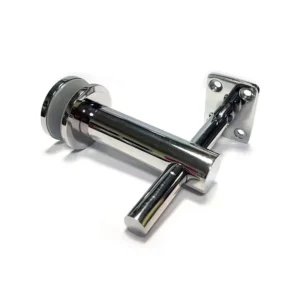
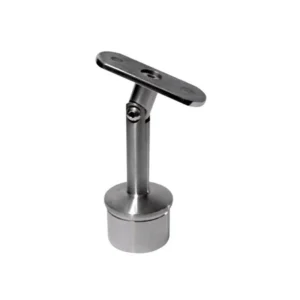
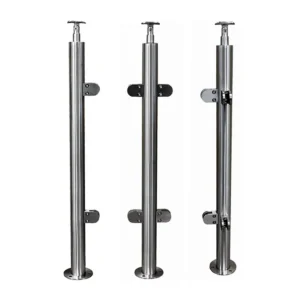
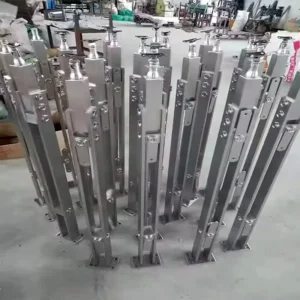
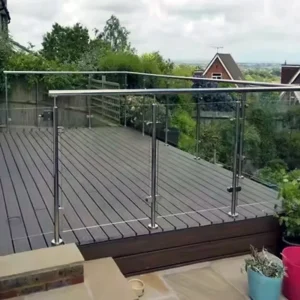
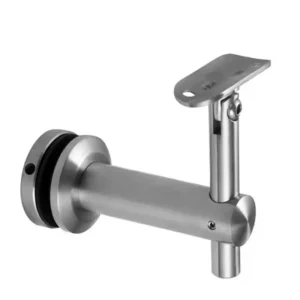
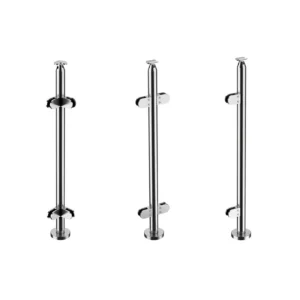
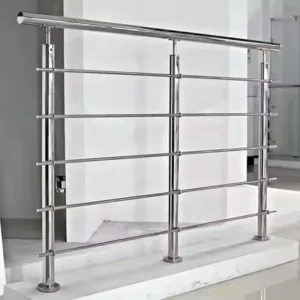
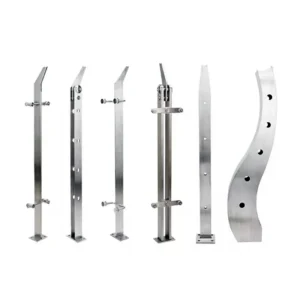
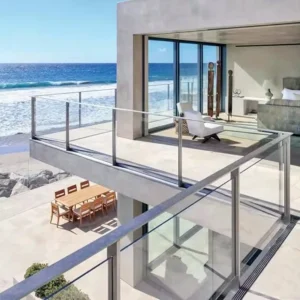
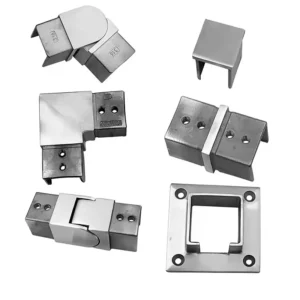
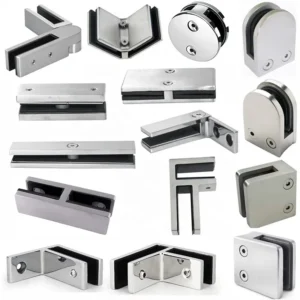
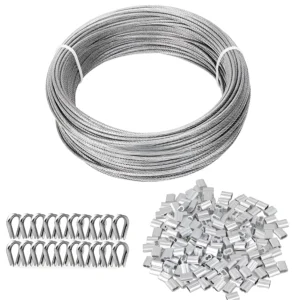
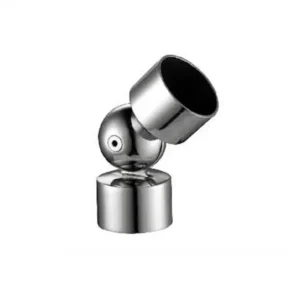
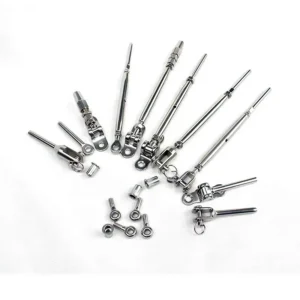
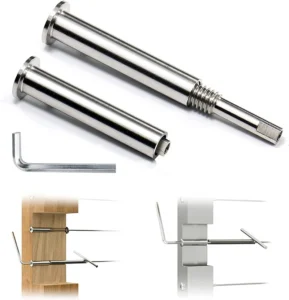
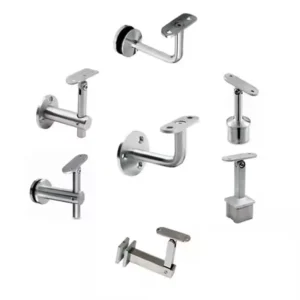
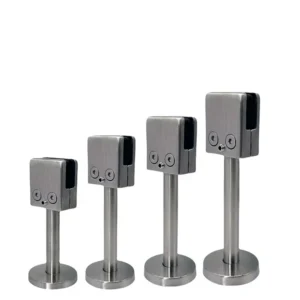
Salt-exposed railing hardware should be purchased as a compatible component chain. A corrosion-resistant clamp or post can still be a poor match if its fastener, gasket, mating rail, anchor or cleaning access is wrong. ESANG can review a component request from a marked-up drawing, photographs, sample dimensions or a preliminary bill of materials.
Review salt-exposed components on WhatsApp
Describe the exposure before naming the component
“Near the sea” can mean airborne salt on a rain-washed upper rail, concentrated deposits under a sheltered bracket, intermittent splash at a dock edge, a chlorinated pool surround, or hardware that remains below the waterline. Those conditions do not justify one universal alloy or maintenance promise.
- Atmospheric exposure: record shelter, prevailing salt deposition, pollution and whether rain naturally washes the surface.
- Splash and wet/dry cycling: identify bases, lower fasteners, tube ends and joints that repeatedly wet and dry.
- Crevice-prone details: flag lap joints, covers, gasket edges, threaded assemblies and tight interfaces where deposits can remain.
- Prolonged water contact: separate intermittent wetting from immersion and obtain a project-specific corrosion review.
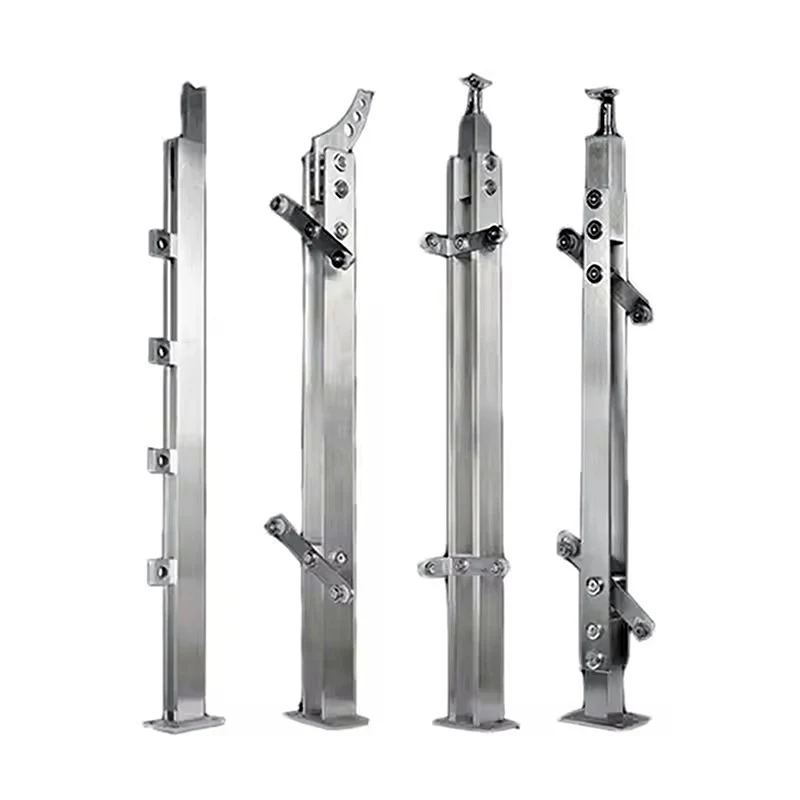
Build one schedule across the exposed connection
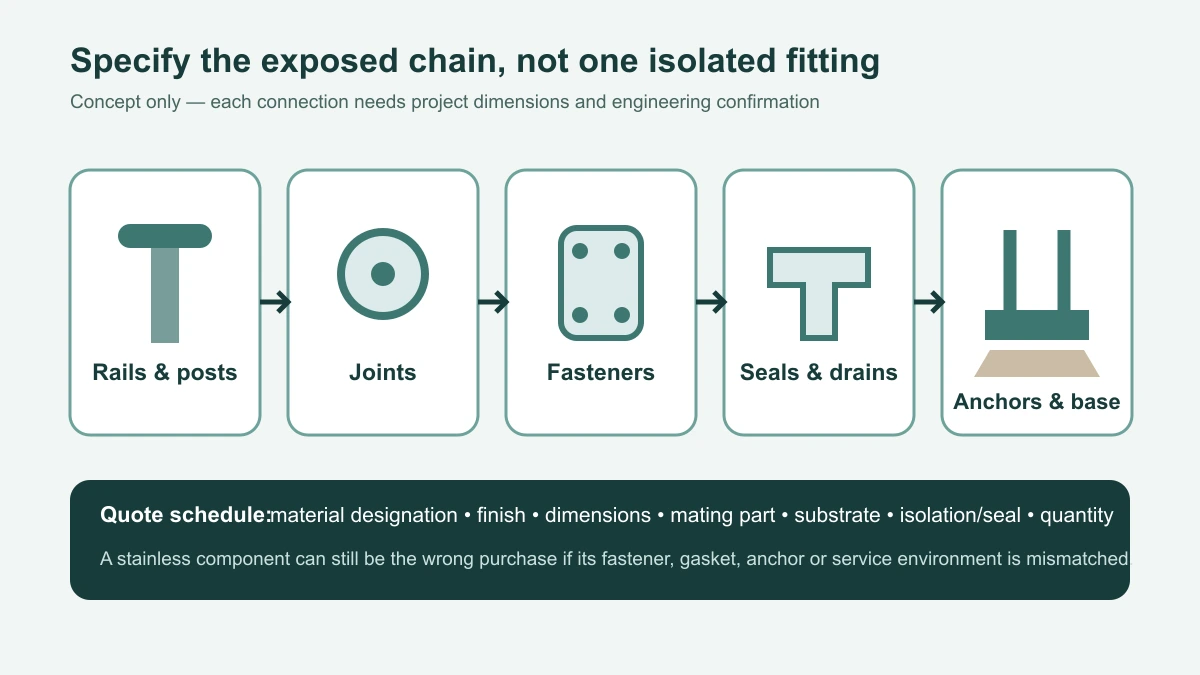
| Componentengroep | Compatibility question | Quotation field |
|---|---|---|
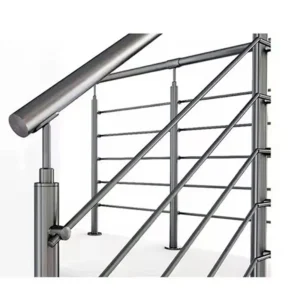
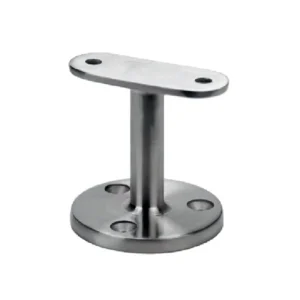
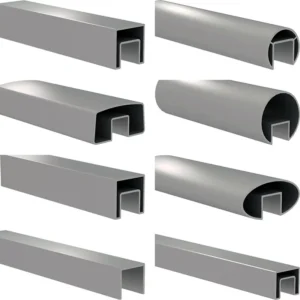
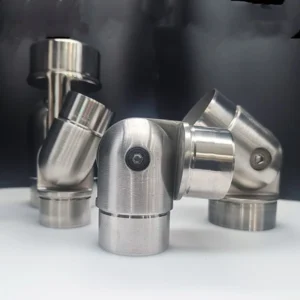
| Posts and rails | Which profile, wall, end condition and fabricated joint meet the project drawing? | Material designation, section, length, holes/cuts, weld status and finish |
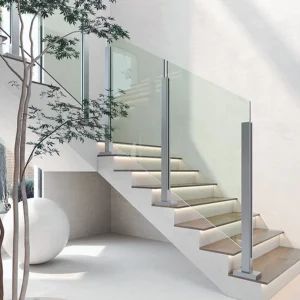
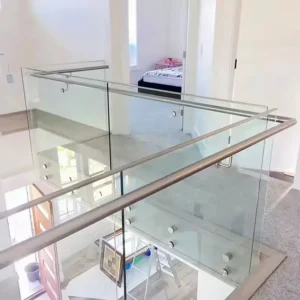
| Glass hardware | Does the clamp, spigot, standoff or channel match the glass build-up and support route? | Glass thickness/build-up supplied by the designer, gasket/inlay, hole requirement and mating profile |
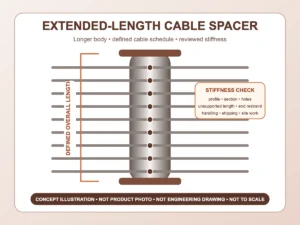
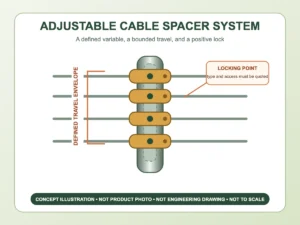
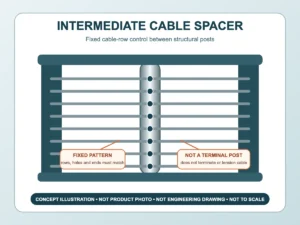
| Cable hardware | Do terminal, tensioner, cable and post holes form one compatible assembly? | Cable construction/diameter, terminal type, thread, adjustment access, post material and quantity |
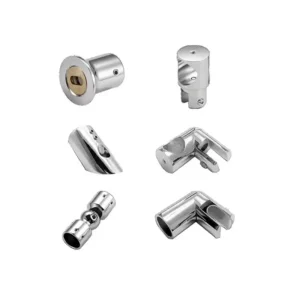
| Fasteners and small fittings | Are screws, nuts, washers and hidden retainers at least suitable for the joint exposure? | Material/finish, thread, mating material, locking method, supplied versus installer-provided |
| Base and anchors | Does the connection match the actual substrate, edge condition and waterproofing detail? | Base/adapter geometry, engineer-approved anchor, isolation, sealant and drain path |
Use 316 and 316L as designations, not warranties
Type 316 is commonly selected for coastal architectural exposure because its molybdenum addition improves resistance to chloride-related pitting compared with 304 in many conditions. Type 316L is the lower-carbon version and is often relevant to welded fabrication. Neither name proves that every supplied part has the same grade, that a complete assembly is immune to corrosion, or that it can remain immersed in seawater.
World Stainless distinguishes coastal land-based handrails from permanent seawater contact. Severe splash, high deposit levels, warm chloride conditions or long immersion may require a more highly alloyed material and specialist selection. Put the service condition into the inquiry rather than relying on the word “marine.”
Prevent local weak points
Rain washing and sheltered deposits
Exposed faces may receive natural rain washing while undersides, covered bases and wall-side brackets retain deposits. The same project can therefore contain more than one corrosion exposure. Record which surfaces are sheltered and how they will be cleaned.
Crevices and water traps
A smooth outer rail does not solve water held inside a tube, beneath a cover or around a gasket edge. Ask for drain direction, tube-end treatment, low-point access and the assembled gap or seal detail where it affects procurement.
Dissimilar materials
Stainless components connected to carbon steel, aluminum or other metals in a wet salt environment can create galvanic and staining risks. The project team should define compatible fasteners, durable isolation, coatings on adjacent work and who installs each barrier. A thin coating or washer should not be assumed to solve every joint.
Productie, verontreiniging
Embedded iron, heat tint and damaged surface finish can undermine an otherwise appropriate grade. If the project requires segregated tooling, weld cleanup, passivation, electropolishing or a maximum surface roughness, state it as an inspection or documentation requirement. Do not infer those processes from the final shine alone.
Separate supply scope from project performance
ESANG’s proposed supply can identify the component, material designation, visible finish, mating dimensions and included hardware. The structural designer remains responsible for loads, guard geometry and the load path. The anchor designer or engineer confirms substrate and anchors. The installer controls field contamination, torque, sealant, isolation and damage. The owner or operator controls inspection and cleaning. Corrosion resistance and service life depend on the complete installed condition.
Start the inquiry with what you know
Useful starting information includes:
- salt air, splash, waterline, poolside or submerged exposure;
- photographs or a sketch of the joint and surrounding surfaces;
- part names, approximate quantities and whether replacements must match existing components;
- profiles, glass build-up, cable details, hole patterns, threads and available installation access;
- required material designation, finish and any fabrication or inspection requirement;
- mating metal, gasket/seal, anchor, substrate and waterproofing responsibilities;
- packaging and identification needs for installation batches.
The quotation should return a line-by-line description rather than a blanket “salt water resistant” claim: proposed grade, dimensions, finish, mating interface, included fasteners/gaskets, quantity, documentation, exclusions and items awaiting confirmation.
Veelgestelde vragen
Can I mix 304 and 316-family components?
Do not decide from the grade names alone. The more exposed or difficult-to-replace item, the contact geometry, the electrolyte, adjacent metals and maintenance access all matter. Ask the project material specialist to confirm mixed-material interfaces and identify each supplied grade.
Does 316L eliminate cleaning?
No. Coastal salt deposits and contamination still need an owner-approved cleaning and inspection plan. Sheltered surfaces often need more attention because rain cannot rinse them.
Are black or polished finishes automatically more corrosion resistant?
No. Appearance does not identify the base alloy or the durability of a coating or surface treatment. Specify the base material, preparation, finish system, acceptable appearance and maintenance expectations separately.
Can a component quotation confirm the complete railing’s compliance?
No. A component schedule supports procurement, but the complete guard, anchors, substrate, glass or cable, installation and local code must be approved as a system by the responsible project parties.