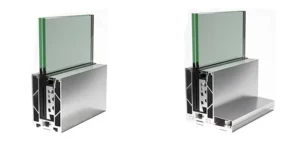
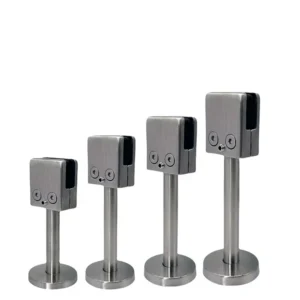
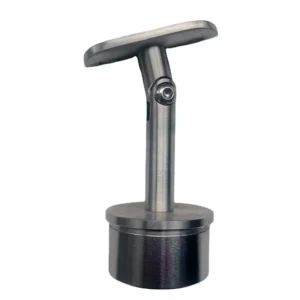
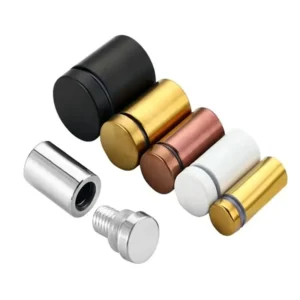
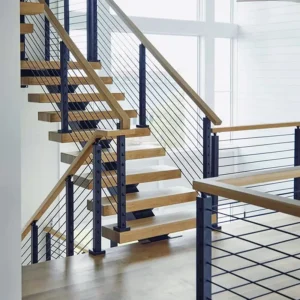
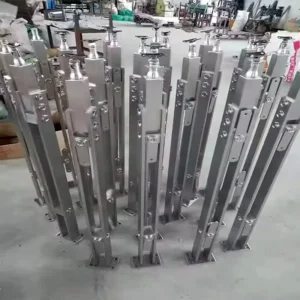
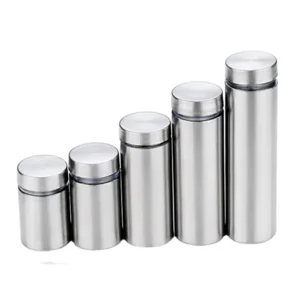
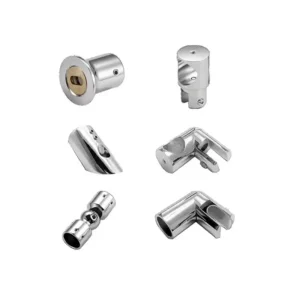
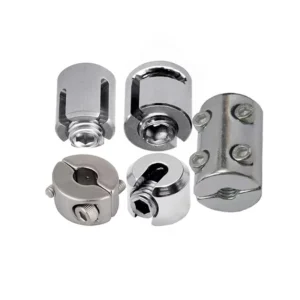
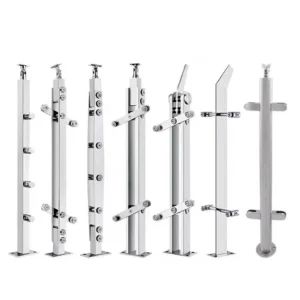
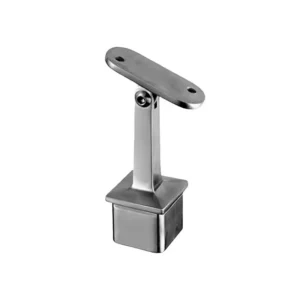
A core mount sets a post, stanchion or designed receiver into a drilled or formed pocket in a structural substrate. It is not the same connection as a plate anchored on top of the surface. The pocket, post embedment, setting material, edge distance, drainage and surrounding structure must work as one detail. Send the post profile, substrate section, nearest edges, required finished height and approximate quantity to begin a quotation.
Ask about core mount systems on WhatsApp
Confirm the core-mount route before selecting a component
Core mounting is normally considered where a vertical member can be embedded in a solid structural base and the project can accommodate coring, pocket preparation and setting material. It may reduce visible base-plate hardware, but it removes concrete or other substrate around the post and creates a below-surface interface that must be detailed for structure and moisture.
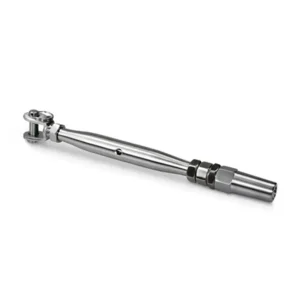
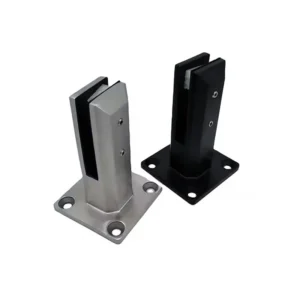
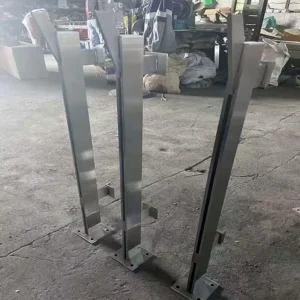
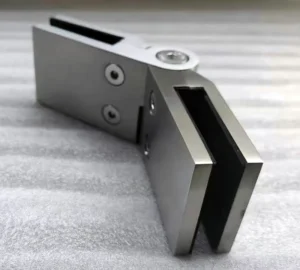
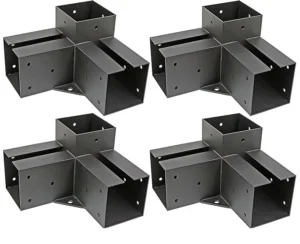
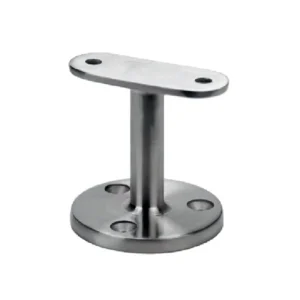
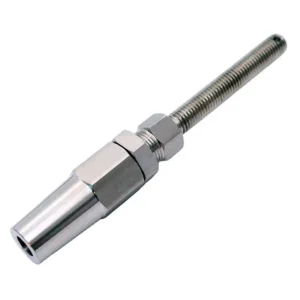
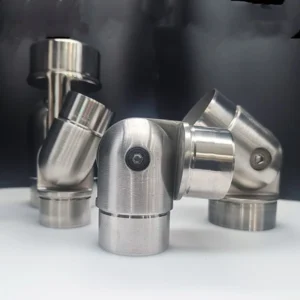
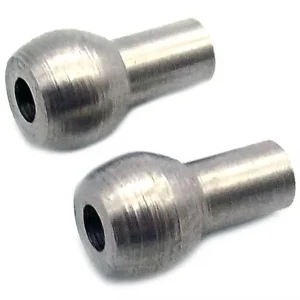
A flanged cylindrical receiver, threaded sleeve or trim ring shown in product media does not by itself prove a core-mount assembly. The quotation must identify whether a flange is a placement stop, template, finish cover or structural attachment; whether the cylinder is embedded or joined to another component; and whether internal threads receive the post, an adjuster or a separate insert.
Four dimensions govern the pocket
- Post or receiver outside profile: provide diameter or side dimensions, wall thickness and the portion that enters the pocket.
- Core diameter and depth: leave room for the specified setting system while maintaining the engineer-required embedment and cover. Do not scale these dimensions from a photograph.
- Distance to edges and other cores: show the nearest slab, stair, kerb or opening edge, plus spacing to adjacent posts and penetrations.
- Structural member thickness: distinguish the structural slab or footing from tile, screed, topping, pavers, insulation and waterproofing.
If the pocket is cast during new work, coordinate the former and reinforcement before the pour. If it is drilled in existing work, the responsible team must check reinforcement, services, tendon zones and drilling permissions before coring. Neither route should be treated as a field decision made only from the post outside diameter.

Setting material is part of the connection
The reviewed detail should identify the project-approved grout, anchoring cement, resin or other setting system; pocket preparation; annular space; working and curing conditions; and the point at which the railing may be loaded. A product used by another manufacturer’s tested railing system cannot automatically be substituted into this assembly.
The project designer or responsible engineer approves the post embedment, surrounding member, reinforcement effects, setting material and complete load path. The installer verifies the actual pocket geometry and cleanliness, holds the post plumb and at the correct elevation, places the setting material without unintended voids, protects the cure, and records deviations.
Resolve water before the pocket is hidden
Exterior and wash-down locations need a deliberate moisture detail. Show the finished surface falls, sealant or boot, trim cover, drainage route, waterproofing transition and how dissimilar materials are isolated. Trapping water around a post or hiding an unsealed membrane penetration can create maintenance problems even when the visible metal looks suitable.
A cover ring is an appearance component unless the approved detail assigns it another role. It does not replace the setting material, waterproofing or structural embedment. Likewise, a threaded receiver should not be treated as self-sealing.
Compare core mount proposals field by field
- post or stanchion profile, wall thickness and finished elevation;
- embedded component, sleeve, thread or receiver included in the offer;
- proposed core diameter, depth and edge clearances for engineering review;
- setting material included or excluded, plus the required installation procedure;
- material, finish, cover ring and visible transition at the floor;
- waterproofing, drainage and sealant responsibilities;
- dimensioned drawing revision, quantity and requested inspection documents.
An initial inquiry can start with photographs and estimated quantities. Before production, provide the structural section, confirmed core locations, post drawing, design actions or the engineer’s criteria, setting-material specification, exposure and finish. ESANG’s quotation should name the exact proposed components and exclusions rather than imply that every sleeve or threaded part is suitable for every core-mounted railing.