Leuningen voor paalmontage
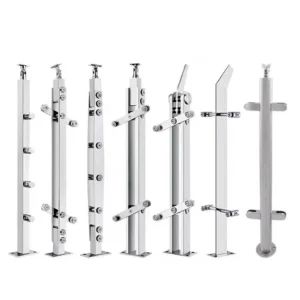
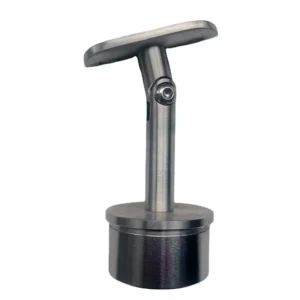
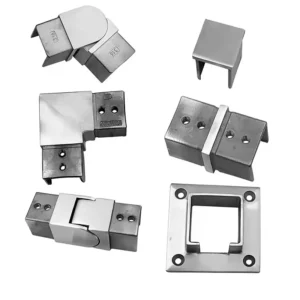
Leuningen voor paalmontage
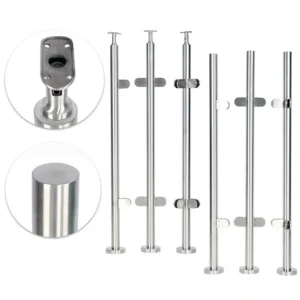
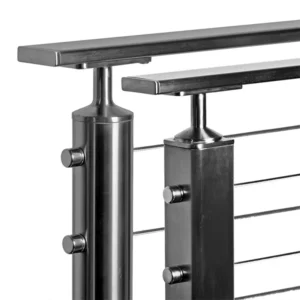
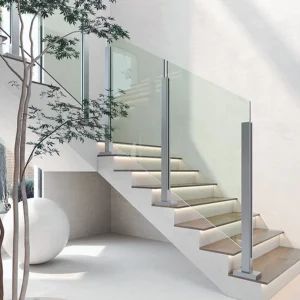
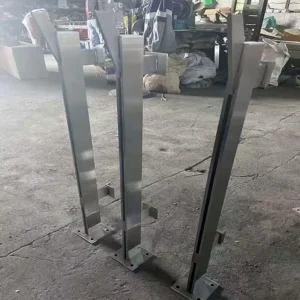
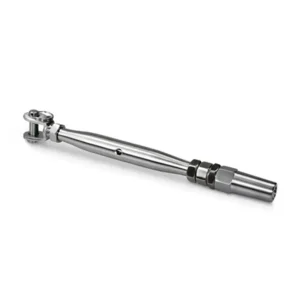
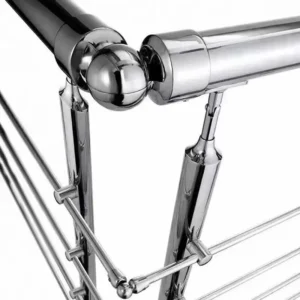
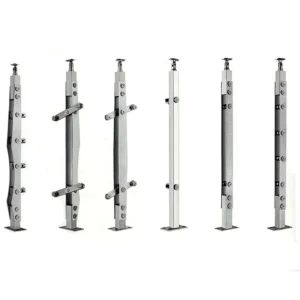
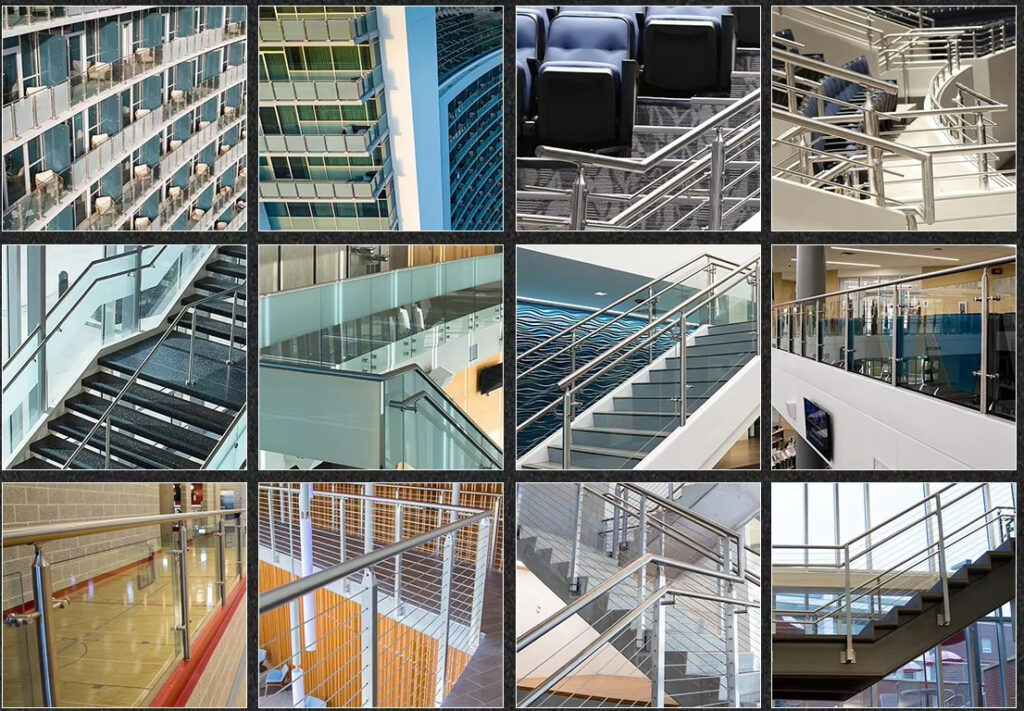
Use this category when railing posts carry the handrail. A post-mounted rail must be selected as an interface, not as an isolated tube: post cross-section, handrail profile, support head, post position, infill and post mounting all affect the assembly. A sketch or marked-up photo is enough to begin.
Discuss post-mount handrails on WhatsApp
Route to the right product family
• Round Post Handrail Systems — start here when the post body is round. Confirm post diameter, rail profile and the geometry of the post-side and rail-side contacts.
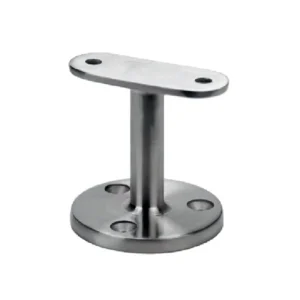
• Square Post Handrail Brackets — use when a flat post face or square/rectangular post must meet the handrail. Confirm the post width, bracket footprint and rail-support shape.
• Adjustable Post Handrails — use for slopes, transitions or defined site tolerance. State which angle or position needs adjustment and how the final connection is to be locked.
• Heavy Duty Post Handrails — use when the tender or engineering brief calls for a higher-duty post/rail assembly. The label is not a verified load class; provide the required loads and support conditions.
• Terminal Post Handrail Components — use for starts, ends and returns where the rail terminates at or near an end post.
• Intermediate Post Handrail Connectors — use for repeated supports along a run. Confirm whether the rail passes continuously over the support or joins at that point.
Specify the interface before the style
Post side
State whether the post is round, square, rectangular or another profile, and provide the relevant outside dimensions, wall information if known, top preparation and hole pattern. A bracket for a flat post face is not interchangeable with one shaped for a round body.
Rail side
State the handrail cross-section and orientation. A round saddle, flat plate and shaped connector contact different rail profiles. Confirm whether the connection is mechanical, welded or supplied for later fabrication, and whether visible fasteners are acceptable.
Position in the run
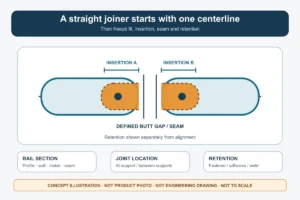
Mark terminal, intermediate, corner, stair and landing posts. These positions can require different support heads, connector angles and terminations. For intermediate posts, say whether the handrail stays unbroken or whether the joint is intentionally located at a support.
Infill and post mounting
Show glass, cable, bars or panels and identify any holes or fittings already allocated on the post. Also state whether the post is surface-, fascia- or core-mounted, but do not assume that handrail components include the post base, anchors or infill hardware. Each boundary should appear in the proposed bill of materials.
A handrail component does not rate the whole railing
Post spacing, base connection, substrate, infill, corner routing and installation affect the complete railing assembly. Product names such as “heavy duty” or a robust-looking bracket do not establish a load capacity or code outcome. Where performance criteria apply, provide them with the drawings and have the full installed system checked by the responsible project team.
What to compare in quotations
Compare the exact post and rail interfaces; bracket or saddle geometry; terminal, intermediate and corner parts; proposed section lengths and joints; material grade and finish offered; fabrication state; included fasteners; relationship to post, base and infill hardware; quantity basis; packaging; and explicit exclusions. This prevents a quote for loose support heads from being mistaken for a complete post-and-handrail assembly.
Minimum information to start
Send a layout or route sketch, post and handrail profiles, post positions and spacing if known, infill type, stair or ramp angles, base-mount condition, material/finish request, exposure, quantity and destination. If exact sizes are not final, send photos and approximate dimensions; the final interface fields must be confirmed before production.
Gerelateerde berichten:
Vlakke, schuine of van schuin naar vlak overgaande gaaspanelen: welke geometrie hoort bij elk leuningtraject?
Choose between level, raked, and raked-to-level mesh panel geometry by railing run, pattern orientation, interfaces, and project drawings.
How to Specify Internal Sleeves and Splice Locks for Handrail Tubes
Specify handrail sleeves and splice locks by the actual tube interior, required retention and installation access so the connector can fit and be secured.
Waar moeten de verbindingen en steunen van leuningen bij lange trajecten worden geplaatst?
Zorg ervoor dat verbindingspunten worden voorzien van steunen, overgangen en toegangsmogelijkheden voor montage, zodat de breekpunten voor het transport ook fungeren als gedocumenteerde verbindingen in de geïnstalleerde leuning.
Continuous Handrails and Joints: A Project Specification Guide
Connect the usable rail path with joint function, supports, movement and transport modules before issuing a continuous handrail specification.
Surface-Mount Handrail RFQ: Drawings and Project Data to Send
Send coordinated run drawings, substrate details, finish references and scope requirements so surface-mount handrail quotes can be compared meaningfully.
Achteraf aanbrengen van opbouwleuningen: checklist voor het terreinonderzoek
Leg de bestaande ondergrond, de toestand van de randen, de afwerkingen, verborgen leidingen en installaties, de toegankelijkheid, de geometrie en de omvang van de reparatiewerkzaamheden vast voordat met de fabricage voor de aanpassing wordt begonnen.
Esangs projecten

Esang's certificaat
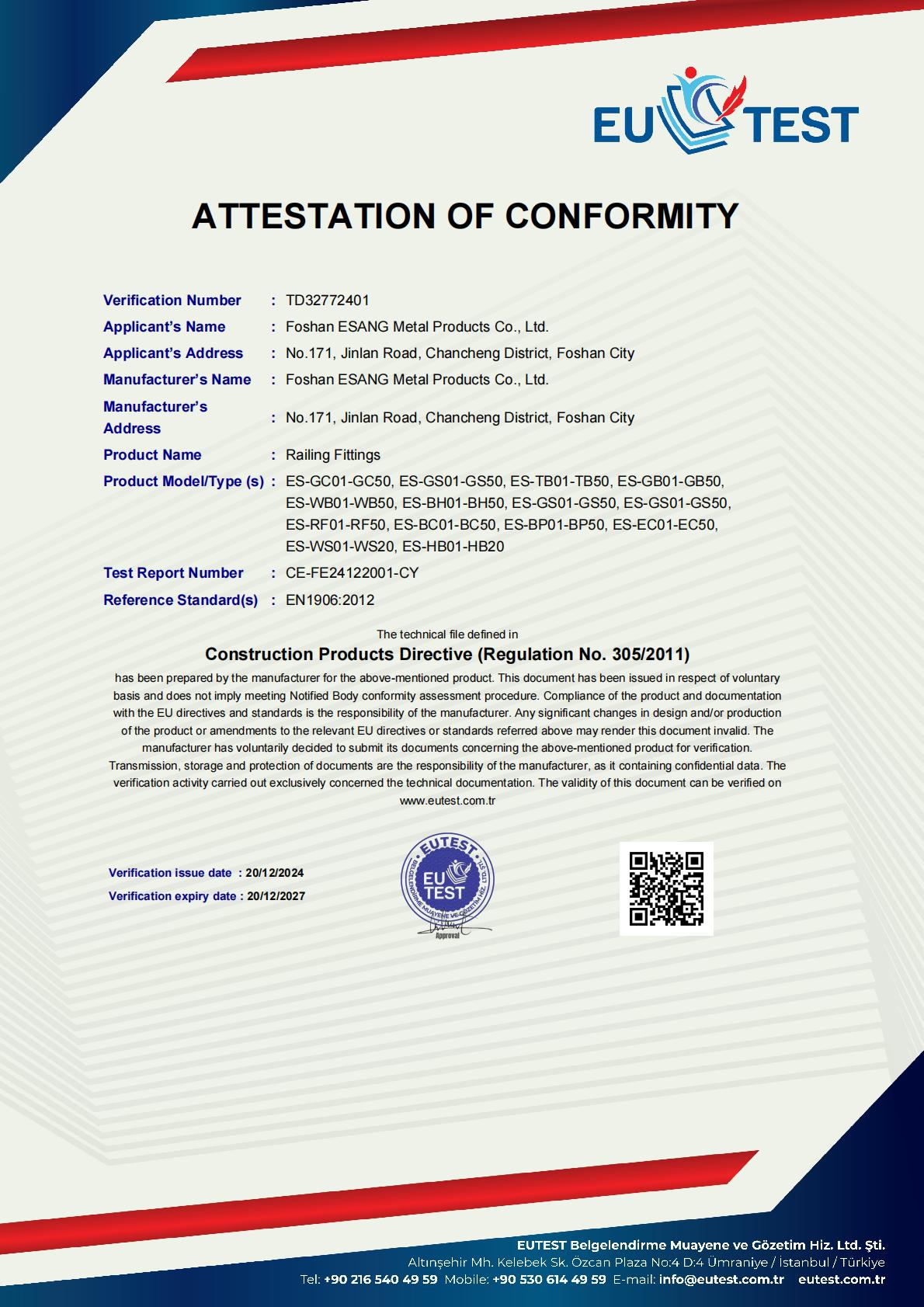
Foshan ESANG Metal Products onderhoudt met trots CE-certificering (Verificatienummer TD32772401) onder de Richtlijn bouwproducten (Verordening nr. 305/2011), waarmee we onze toewijding aan de hoogste Europese veiligheids- en kwaliteitsnormen bevestigen.
Gecertificeerd Assortiment:
Ons uitgebreide assortiment railingbeslag - inclusief glasklemmen, spanners, beugels, muurbevestigingen, basischoenen, leuningbeslag, kabelbeslag en staanderonderdelen - voldoet aan de volgende eisen EN1906:2012 normen, zodat de structurele integriteit en betrouwbaarheid van de prestaties in alle installaties gewaarborgd zijn.
Wat dit betekent voor je project:
✓ Volledige naleving van regelgeving voor Europese en internationale markten
✓ Onafhankelijk geverifieerde veiligheids- en duurzaamheidsprestaties
✓ Documentatie-ondersteuning voor architecturale specificaties
Gemoedsrust dankzij kwaliteitsgarantie van derden
Certificering geldig tot 2027 | Testrapport: CE-FE24122001-CY
Esangs projecten

Referentieproducten