Kabel afstandsbussen
Kabel afstandsbussen
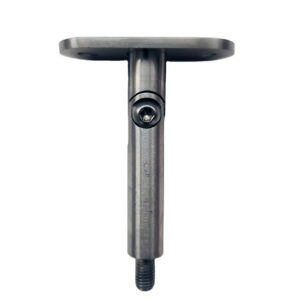
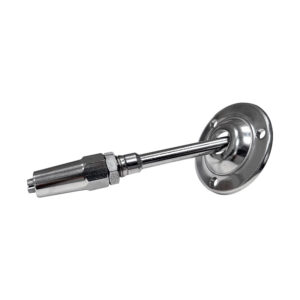
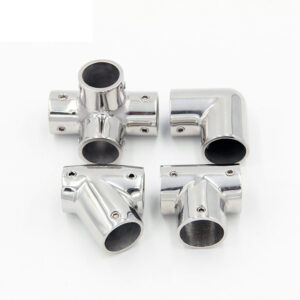
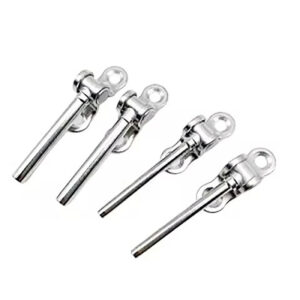
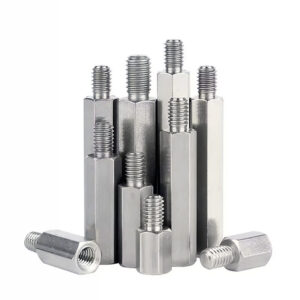
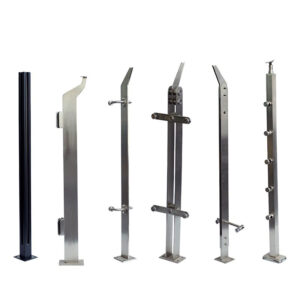
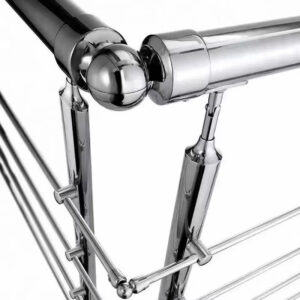
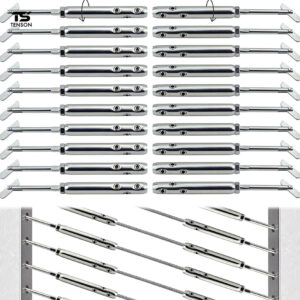
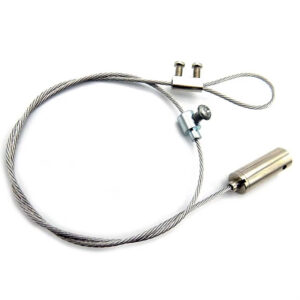
ESANG cable spacer bars are used to support and organize cable lines between railing posts. They help maintain cable spacing, improve alignment, reduce excessive cable deflection, and support cleaner cable railing layouts in stairs, decks, balconies, terraces, and custom architectural projects.
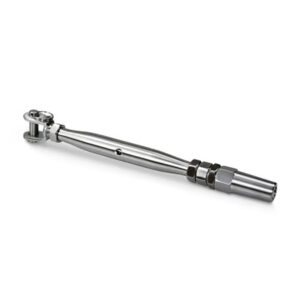
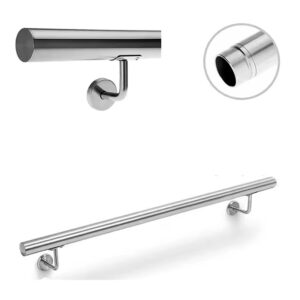
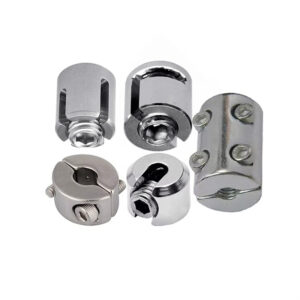
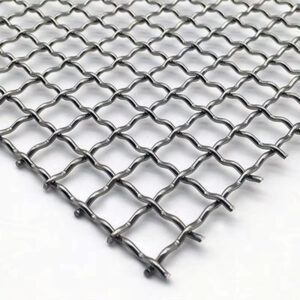
Deze categorie omvat Intermediate Cable Spacers, Adjustable Cable Spacer Systems, Extended Length Spacers, en Multi-Cable Spacer Assemblies.
For contractors, distributors, fabricators, and project buyers, cable spacer selection should consider cable spacing, cable diameter, post spacing, railing span, spacer height, fixing method, adjustability, material grade, finish, and project environment. ESANG can supply and manufacture cable spacer bars according to drawings, dimensions, cable size, material grade, finish requirements, and installation conditions.
Cable Spacer Bar Options
| Spacer option | Het meest geschikt voor | Belangrijke selectievragen |
|---|---|---|
| Intermediate Cable Spacers | Supporting cable lines between posts and maintaining spacing across railing spans | What cable spacing, cable diameter, post spacing, and spacer position are required? |
| Adjustable Cable Spacer Systems | Projects requiring spacing adjustment, field tolerance, or flexible cable alignment | What adjustment range, cable count, cable diameter, and locking method are needed? |
| Extended Length Spacers | Longer cable spans, larger openings between posts, and projects needing additional intermediate support | What spacer length, cable count, span distance, and fixing method should be reviewed? |
| Multi-Cable Spacer Assemblies | Organizing multiple cable lines in one spacer unit or repeated cable layout | How many cable lines, what spacing, and what mounting method are required? |
How to Choose Cable Spacer Bars
Cable spacer bars should be selected according to cable spacing and railing span. They do not replace tensioners or terminal fittings, but they can help support cable alignment between posts.
| Projectstatus | Aanbevolen richting | Waarom dit belangrijk is |
|---|---|---|
| The cable span between posts is long | Use intermediate cable spacers or extended length spacers | Additional support can help maintain cable alignment and reduce visible deflection. |
| The project needs field adjustment | Use adjustable cable spacer systems | Adjustability can help with installation tolerance and cable alignment. |
| Several cable lines need to be organized together | Use multi-cable spacer assemblies | Multi-cable spacers help keep repeated cable lines aligned in a consistent pattern. |
| The railing follows a stair or angled run | Use spacer systems matched to the cable angle and post layout | Angled layouts require careful spacing and cable direction review. |
| The cable system uses posts with through-holes | Coordinate spacer bars with through-post hardware and hole layout | Post holes, cable direction, and spacer positions should align with the full system. |
| Het project vindt plaats in de buitenlucht, aan de kust, bij het zwembad of in een vochtige omgeving | Consider 316 stainless steel and suitable maintenance requirements | Corrosiebestendigheid is belangrijker in natte omgevingen of omgevingen waarin het materiaal wordt blootgesteld aan chloride. |
Spacer Bars vs Tensioners and End Fittings
Cable spacer bars, tensioners, and end fittings all belong to cable railing systems, but they perform different functions. Selecting the right component starts with understanding what problem it needs to solve.
| Component type | Hoofdfunctie | Common use |
|---|---|---|
| Cable spacer bars | Support and organize cable spacing between posts | Intermediate support, spacing control, multi-cable alignment, long spans |
| Cable tensioners | Adjust and maintain cable tension | Terminal posts, end posts, adjustable cable runs, stair and balcony systems |
| Cable end fittings | Terminate cable at the end of a run | End stops, threaded terminals, fork ends, eye ends, ball ends, swaged terminals |
| Through-post hardware | Guide cable through posts | Intermediate posts, corner posts, pass-through holes, cable routing |
Cable Spacing and Layout Planning
Cable spacer bars should be planned together with cable layout, post spacing, and cable tensioning. They are often used where the distance between posts is large enough that cable alignment or spacing needs additional support.
| Planning item | Wat moet worden bevestigd? | Waarom dit belangrijk is |
|---|---|---|
| Cable diameter | Cable size and compatible spacer hole or slot | The spacer must match the cable and allow proper fit. |
| Afstand tussen de kabels | Distance between cable lines | Spacing affects appearance, opening control, and project requirements. |
| Post spacing | Distance between main support posts | Longer spans may need intermediate spacer support. |
| Spacer length | Height or length of the spacer bar and number of cable lines supported | Spacer dimensions should match cable count and layout. |
| Montagewijze | Whether the spacer attaches to a surface, clips onto cables, or is fixed in another way | Fixing method affects installation sequence and appearance. |
| Railing route | Straight run, stair run, angled run, or custom layout | Route changes affect spacer alignment and cable direction. |
Materialen, afwerkingen en productie op maat
ESANG cable spacer bars can be supplied or manufactured according to project requirements, including cable diameter, cable spacing, spacer length, cable count, mounting method, material grade, surface finish, and packaging requirements.
| Materiaal of afwerking | Typische toepassing | Opmerkingen |
|---|---|---|
| 304 roestvrij staal | Kabelbalustradesystemen voor binnen, commerciële interieurs, trappen in woningen en droge omgevingen | A common option for many indoor cable railing projects. |
| 316 roestvrij staal | Kabelbalustrades voor buiten, projecten aan de kust, zwembadomgevingen, vlonders, terrassen en vochtige omgevingen | Wordt meestal verkozen wanneer een betere corrosiebestendigheid vereist is. |
| 316L roestvrij staal | Projecten waarbij een betere lasbaarheid of betere corrosiebestendigheid vereist is | Geschikt wanneer de specificatie koolstofarm roestvrij staal voorschrijft. |
| Geborstelde of satijnen afwerking | Commerciële kabelbalustrades, terrassen, balkons en de meeste architectonische kabelbalustradeprojecten | Helpt kleine gebruikssporen en vingerafdrukken minder zichtbaar te maken. |
| Spiegelglans | Decoratieve of geselecteerde hoogwaardige toepassingen | Zorgt voor een glanzender uiterlijk, maar vereist een zorgvuldiger behandeling en reiniging. |
For non-standard cable railing projects, customers can provide drawings, cable diameter, cable spacing, post spacing, spacer length, cable count, finish requirements, and project environment. ESANG can review the requirements and manufacture cable spacer bars to match the project specification where feasible.
Compatibiliteit met onderdelen voor kabelbalustrades
Cable spacer bars should be coordinated with the complete cable railing system. They help manage cable spacing but still depend on cable fittings, tensioners, posts, and through-post hardware for the full assembly.
- For complete cable fitting selection, coordinate spacer bars with Kabelbevestigingsmaterialen.
- For cable tension adjustment, coordinate with Spanners en spanschroeven.
- For cable termination, coordinate with Eindbevestigingen voor kabels.
- Controleer of de kabel door de palen loopt Doorsteekhardware and hole layout.
- For post-supported cable systems, coordinate with Roestvrijstalen palen and post spacing.
Aanpassing aan de projectvereisten
Many cable spacer bar projects are customized according to cable spacing, cable diameter, cable count, spacer length, post spacing, and installation environment. ESANG can support custom intermediate cable spacers, adjustable cable spacer systems, extended length spacers, and multi-cable spacer assemblies.
When a project has standard-oriented requirements related to guardrail height, cable spacing, opening limitations, material grade, corrosion resistance, or installation method, customers should provide the required drawings and specifications. ESANG can manufacture cable spacer bars to match those provided details, while final compliance depends on the complete installed system, structural design, installation method, and applicable local code.
Overwegingen bij de installatie en het project
Cable spacer bars should be reviewed as part of the complete cable railing layout. Spacer location, cable spacing, post spacing, and tensioning method should be confirmed before production or ordering.
- Kabeldiameter en kabelopbouw
- Number of cable lines
- Cable spacing and spacer hole layout
- Post spacing and railing span length
- Spacer bar length and fixing method
- Straight run, stair run, angled run, or custom layout
- Compatibility with cable tensioners and end fittings
- Materiaalkwaliteit voor gebruik binnenshuis, buitenshuis, in kustgebieden of bij zwembaden
- Vereisten van de lokale bouwvoorschriften en projectspecificaties
For deck, balcony, stair, terrace, and public-access cable railing projects, the complete installed system should be reviewed by the project designer, engineer, contractor, or local authority. ESANG can manufacture spacer bars to match provided requirements, but final compliance depends on the full assembly and site conditions.
Toepassingsscenario's
Long Cable Railing Spans
Cable spacer bars are commonly used where cable runs between posts need additional intermediate support. They help maintain more consistent spacing and alignment across longer spans.
Deck and Balcony Cable Railings
Deck and balcony cable railings may use intermediate or multi-cable spacers to support clean horizontal cable lines. Post spacing, cable spacing, and tensioning method should be coordinated.
Trapleuningen met kabels
Stair cable railing systems may require spacer bars matched to the cable angle and stair pitch. Cable direction, post layout, and spacer position should be reviewed before production.
Commercial Cable Railing Systems
Commercial buildings, offices, public spaces, and hospitality projects may use cable spacer assemblies for repeatable cable spacing and cleaner visual alignment across multiple railing runs.
Kabelbalustrades voor buiten en aan de kust
Outdoor, poolside, coastal, and humid environments require more attention to material grade, cleaning, and corrosion resistance. 316 or 316L stainless steel may be considered for more demanding exposure conditions.
Gerelateerde productcategorieën
- Intermediate Cable Spacers
- Adjustable Cable Spacer Systems
- Extended Length Spacers
- Multi-Cable Spacer Assemblies
- Kabelbevestigingsmaterialen
- Spanners en spanschroeven
- Eindbevestigingen voor kabels
- Doorsteekhardware
- Roestvrijstalen palen
Veelgestelde vragen
What are cable spacer bars used for?
Cable spacer bars are used to support and organize cable lines between railing posts. They help maintain cable spacing, improve alignment, and reduce excessive cable deflection across longer spans.
Do cable spacer bars replace cable tensioners?
No. Cable spacer bars help maintain spacing and alignment, while cable tensioners adjust and maintain cable tension. Both may be used in the same cable railing system, but they perform different functions.
When should intermediate cable spacers be used?
Intermediate cable spacers may be used when the distance between posts is long enough that cable spacing or alignment needs additional support. Post spacing, cable diameter, and cable layout should be reviewed.
What are adjustable cable spacer systems?
Adjustable cable spacer systems allow some adjustment in cable spacing or alignment. They may be useful where field tolerance, cable count, or installation conditions require more flexibility.
When should extended length spacers be considered?
Extended length spacers may be considered for longer spans, larger openings, or layouts where additional intermediate support is needed across multiple cable lines.
What are multi-cable spacer assemblies?
Multi-cable spacer assemblies organize several cable lines in one spacer unit. They help maintain consistent spacing and visual alignment in repeated cable railing layouts.
Can ESANG customize cable spacer bars?
Yes. ESANG can manufacture cable spacer bars according to cable diameter, cable spacing, cable count, spacer length, material grade, finish, mounting method, and project drawings.
Should I choose 304 or 316 stainless steel cable spacers?
Roestvrij staal 304 wordt vaak gebruikt voor binnenruimtes en droge omgevingen. Roestvrij staal 316 heeft doorgaans de voorkeur voor buitenomgevingen, kustgebieden, zwembadomgevingen, vochtige omgevingen of omgevingen met een hoger corrosiegevaar. De uiteindelijke kwaliteit moet worden gekozen op basis van de blootstelling van het project en de specificaties.
What information is needed for a cable spacer inquiry?
Useful information includes cable diameter, number of cable lines, cable spacing, post spacing, spacer length, mounting method, material grade, finish, quantity, drawings, and project environment.
How should stainless steel cable spacer bars be maintained?
Voor de routine reiniging worden doorgaans een mild reinigingsmiddel, schoon water en een zachte doek gebruikt. Vermijd reinigingsmiddelen op basis van chloor, staalwol en schurende hulpmiddelen. Installaties in de buitenlucht, bij het zwembad en aan de kust moeten vaker worden gereinigd om vervuiling van het oppervlak te verminderen en het uiterlijk te behouden.
Gerelateerde berichten:
Replacing Core-Mounted Posts With Surface Bases: Precheck
Check the existing opening, slab condition, edge geometry, drainage, and revised load path before converting an embedded post to a surface base.
Railing Post Base RFQ Checklist for Project Buyers
Request comparable base hardware, substrate inputs, finishes, drawings, anchor boundaries, samples, and inspection documents in one project RFQ.
Adjustable Railing Post Bases for Sloped or Uneven Surfaces
Compare adjustable bases against the actual slope, bearing surface, leveling range, finish interface, and fixing access before selecting a detail.
Railing Post Base Anchors: Inputs for Engineering Review
Define substrate, geometry, loads, exposure, and anchor evidence before engineering review so a hardware label is not mistaken for a connection design.
Tekeningen van de voetplaten voor leuningpalen: gaten, randen en toleranties
Give fabricators and installers a base-plate drawing that resolves hole centers, slab edges, tool access, and agreed tolerances before production.
ESANG Wall Bracket Range: Standard, Heavy-Duty, Adjustable, and Flush
Match standard, heavy-duty, adjustable, and flush wall bracket options to projection, wall build-up, access, finish, and project evidence needs.
Esangs projecten

Esang's certificaat

Foshan ESANG Metal Products onderhoudt met trots CE-certificering (Verificatienummer TD32772401) onder de Richtlijn bouwproducten (Verordening nr. 305/2011), waarmee we onze toewijding aan de hoogste Europese veiligheids- en kwaliteitsnormen bevestigen.
Gecertificeerd Assortiment:
Ons uitgebreide assortiment railingbeslag - inclusief glasklemmen, spanners, beugels, muurbevestigingen, basischoenen, leuningbeslag, kabelbeslag en staanderonderdelen - voldoet aan de volgende eisen EN1906:2012 normen, zodat de structurele integriteit en betrouwbaarheid van de prestaties in alle installaties gewaarborgd zijn.
Wat dit betekent voor je project:
✓ Volledige naleving van regelgeving voor Europese en internationale markten
✓ Onafhankelijk geverifieerde veiligheids- en duurzaamheidsprestaties
✓ Documentatie-ondersteuning voor architecturale specificaties
Gemoedsrust dankzij kwaliteitsgarantie van derden
Certificering geldig tot 2027 | Testrapport: CE-FE24122001-CY
Esangs projecten

Referentieproducten