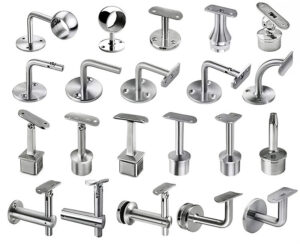
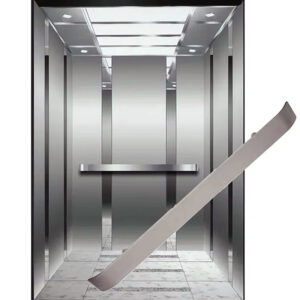
Bovenste reling & onderste reling
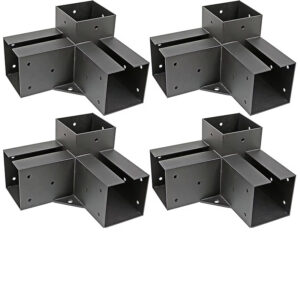
Bovenste reling & onderste reling
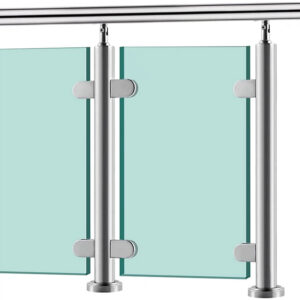
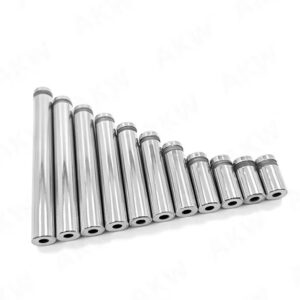
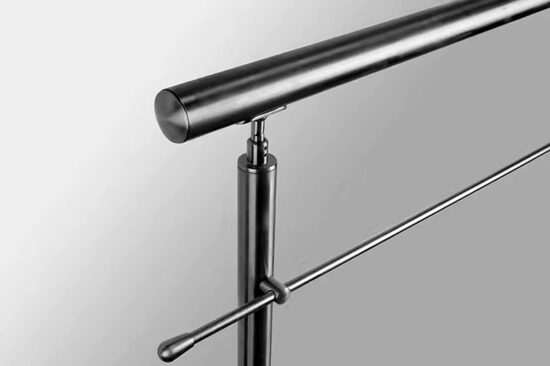
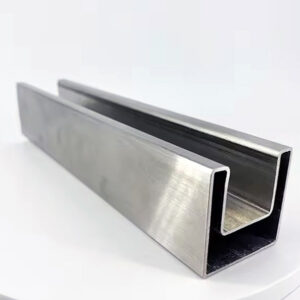
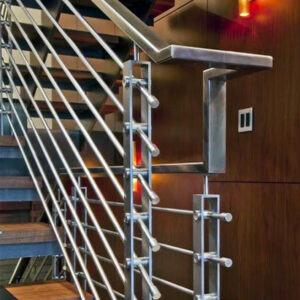
ESANG-boven- en onderrails worden gebruikt voor het verbinden, afwerken en ondersteunen van roestvrijstalen balustradesystemen. Ze bepalen de bovenste lijn, de onderste ondersteuning, het visuele profiel en de verbinding tussen staanders, glas, kabels, stavenvullingen of op maat gemaakte paneelsystemen.
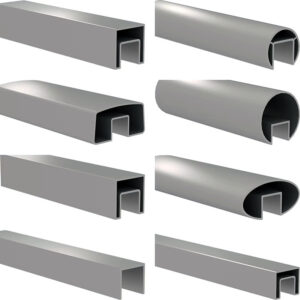
Deze categorie omvat Round Top Rail Systems, Onderdelen voor vierkante bovenrails, Rechthoekige bovenste railconstructies, Ondersteuningssystemen voor onderrails, en Spoorverbindingshulzen.
Voor aannemers, distributeurs, fabrikanten en projectinkopers is het bij de keuze van boven- en onderrails van belang rekening te houden met het profiel van de rails, het type staander, de wijze van invulling, de verbinding tussen de rails, de lengte van de secties, de hoekuitvoering, de materiaalkwaliteit, de oppervlakteafwerking en de projectomgeving. ESANG kan railcomponenten vervaardigen volgens tekeningen, afmetingen, materiaalkwaliteit, afwerkingsvereisten, details van verbindingsstukken en installatievoorwaarden.
Opties voor boven- en onderrails
| Spooroptie | Het meest geschikt voor | Belangrijke selectievragen |
|---|---|---|
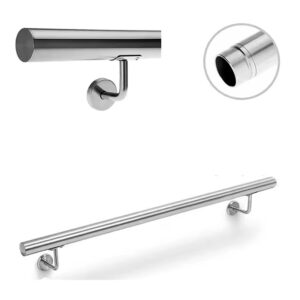
| Round Top Rail Systems | Leuningachtige bovenrails, balkonleuningen, trapleuningen en op palen gesteunde systemen | Welke buisdiameter, aansluiting, verbindingshuls en afwerking zijn vereist? |
| Onderdelen voor vierkante bovenrails | Moderne balustradesystemen, opstellingen met vierkante palen en lineaire architectonische ontwerpen | Welke buismaat, plaatsing van de staanders, hoekverbinding en afwerking passen het beste bij het project? |
| Rechthoekige bovenste railconstructies | Commerciële balustradesystemen, balkonleuningen, op maat gemaakte leuningen en krachtigere visuele lijnen | Welke railoriëntatie, paalverbinding, profiellengte en verbindingsdetail zijn vereist? |
| Ondersteuningssystemen voor onderrails | Leuningsystemen waarbij een lagere ondersteuning nodig is voor vullingen, panelen, stangen, spijlen of structurele uitlijning | Welk type opvulmateriaal, welke steunhoogte, welke afwateringsvoorwaarden en welke paalverbinding zijn vereist? |
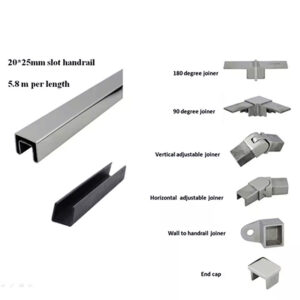
| Spoorverbindingshulzen | Spoorelementen aan elkaar bevestigen, lange trajecten uitlijnen en buizen via palen of spoorverbindingen met elkaar verbinden | Welke buisvorm, aansluitdiepte, zichtbare of verborgen verbinding en uitlijningsmethode zijn vereist? |
Hoe kies je boven- en onderrails?
Boven- en onderrails moeten worden gekozen op basis van de constructie van de balustrade en de wijze van invulling. Een rail die boven glaspanelen wordt geplaatst, een rail die aan roestvrijstalen staanders wordt bevestigd en een onderrail die spijlen of stangen ondersteunt, kunnen verschillende profielen, hulzen, verbindingsstukken en bevestigingsdetails vereisen.
| Projectstatus | Aanbevolen richting | Waarom dit belangrijk is |
|---|---|---|
| De leuning moet aan de bovenkant een comfortabel greepvlak hebben | Gebruik systemen met ronde bovenrails of railprofielen die geschikt zijn voor leuningen | Ronde buizen worden vaak gekozen wanneer het greepcomfort en de functie als leuning van belang zijn. |
| Bij dit project worden vierkante of rechthoekige palen gebruikt | Gebruik vierkante of rechthoekige onderdelen voor de bovenste rail om de onderdelen visueel op één lijn te brengen | Het railprofiel moet aansluiten bij de vormgeving van de paal en het architectonisch ontwerp. |
| De balustrade heeft een stevige, rechte bovenrand nodig | Gebruik rechthoekige bovenrailconstructies of op maat gemaakte railprofielen | Rechthoekige leuningen kunnen een krachtigere visuele lijn creëren en passen bij bepaalde commerciële ontwerpen. |
| De opvulling heeft minder ondersteuning nodig | Gebruik ondersteuningssystemen voor de onderrail | Onderste rails kunnen dienen als ondersteuning voor stangen, balken, panelen of op maat gemaakte vulelementen. |
| De spoorlijn is lang of bestaat uit verschillende delen | Gebruik railverbindingshulzen, rechte verbindingsstukken of compatibele railverbinders | Door de aansluitingen goed te plannen, blijft de uitlijning behouden en worden zichtbare afwijkingen tussen de secties beperkt. |
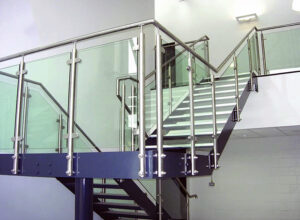
| De rail buigt in de hoeken of volgt de trap | Gebruik geschikte hoekverbindingen, bochten of op maat gemaakte railovergangen | Details met betrekking tot hoeken en overgangen zijn van invloed op de continuïteit, het uiterlijk en de nauwkeurigheid van de installatie. |
Keuze van het bovenste railprofiel
Het profiel van de bovenste rail is van invloed op het uiterlijk, het gevoel bij het aanraken, de bevestigingswijze en de compatibiliteit met staanders of vulelementen. Het juiste profiel moet worden gekozen op basis van zowel de functie als de ontwerpstijl.
| Bovenste railprofiel | Typische toepassing | Algemene overwegingen |
|---|---|---|
| Ronde bovenrail | Leuningen in handrailstijl, trapleuningen, balkonsystemen en op palen gemonteerde vangrails | Buisdiameter, beugelzadel, verbindingshuls, eindkap en gripcomfort |
| Vierkante bovenrail | Moderne balustradesystemen met vierkante staanders of lineaire architectonische details | Buisdiameter, uitlijning van de vlakke zijden, hoekverbinding en afwerkingsrichting |
| Rechthoekige bovenrail | Commerciële balustrades, balkonsystemen, op maat gemaakte leuningen en opvallendere profielen | Railoriëntatie, paalverbinding, profiellengte en details van de verbindingsstukken |
| Op maat gemaakt profiel voor de bovenste rail | OEM, ODM of projectspecifieke architecturale railsystemen | Tekeningen, afmetingen, produceerbaarheid, montage na levering, afwerking en verpakking |
Afstemming tussen de onderste railsteun en de vulling
Onderste leuningen worden gebruikt wanneer het onderste deel van het leuningsysteem extra ondersteuning, uitlijning of een afwerkende horizontale lijn nodig heeft. Ze kunnen worden gecombineerd met verticale spijlen, horizontale stangen, staven, gaaspanelen, op maat gemaakte panelen of bepaalde glas- en metaalvullingen.
| Toestand van de opvulling | De functie van de onderrail | Wat moet worden bevestigd? |
|---|---|---|
| Verticale spijlenvulling | Helpt bij het plaatsen en ondersteunen van stutten tussen palen | Afstand tussen de paaltjes, indeling van de gaten, hoogte van de reling en bevestiging van de paaltjes |
| Vulling met horizontale stangen of staven | Zorgt voor uitlijning of ondersteuningspunten aan de onderkant waar dit volgens het ontwerp nodig is | Afmetingen van de staven, afstand tussen de staven, bevestiging aan de uiteinden en profiel van de rail |
| Gaas of paneelvulling | Kan worden gebruikt om paneelranden te omlijsten of te ondersteunen | Afmetingen van de panelen, bevestigingswijze, randafwerking en afwatering |
| Op maat gemaakte invulsystemen | Biedt projectspecifieke ondersteuning of zorgt voor de afwerking van details | Tekeningen, afmetingen, materiaalkwaliteit, afwerking en montagevolgorde |
Spoorverbindingshulzen en het ontwerpen van verbindingen
Railverbindingsstukken worden gebruikt om railelementen aan elkaar te koppelen, lange trajecten uit te lijnen en de continuïteit van de installatie te verbeteren. Ze zijn vooral handig wanneer railelementen in kortere lengtes moeten worden vervoerd of via meerdere palen en hoeken moeten worden verbonden.
| Gewrichtsaandoening | Connector-benadering | Wat moet worden bevestigd? |
|---|---|---|
| Rechte railverbinding | Gebruik interne hulzen, rechte railverbinders of compatibele verbindingsstukken | Buisvorm, buismaat, inbrengdiepte, bevestigingswijze en zichtbaarheid van de verbinding |
| Bevestiging aan de rail | Gebruik indien nodig zadelsteunen, beugels voor de bovenste rail of verbindingshulzen | Vorm van de paal, profiel van de rail, type beugel en uitlijning |
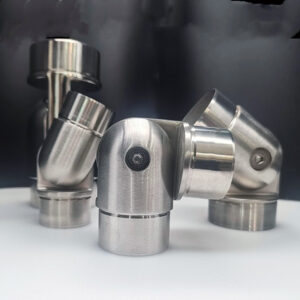
| Hoekrailverbinding | Gebruik hoekverbindingsstukken van 90 graden, 135 graden, flexibele of op maat gemaakte hoekverbindingsstukken | Hoek, railprofiel, hoekgeometrie en visuele continuïteit |
| Lang spoortraject | Lengte van het dwarsprofiel, afstand tussen de steunen en plaats van de verbindingen | Transportlengte, toegankelijkheid voor installatie, indeling van de locatie en continuïteit van de afwerking |
Materialen, afwerkingen en productie op maat
De boven- en onderrails van ESANG kunnen worden vervaardigd volgens de projectvereisten, waaronder het railprofiel, de buismaat, de sectielengte, het ontwerp van de verbindingshuls, de paalverbinding, de compatibiliteit met vullingen, de materiaalkwaliteit, de oppervlakteafwerking en de verpakkingsvereisten.
| Materiaal of afwerking | Typische toepassing | Opmerkingen |
|---|---|---|
| 304 roestvrij staal | Leuningsystemen voor binnenruimtes, commerciële interieurs, trappen in woningen en droge omgevingen | Een veelgebruikte optie voor talrijke architectonische balustradeprojecten binnenshuis. |
| 316 roestvrij staal | Buitenleuningen, balkons, terrassen, zwembadprojecten en vochtige omgevingen | Wordt meestal verkozen wanneer een betere corrosiebestendigheid vereist is. |
| 316L roestvrij staal | Projecten waarbij een betere lasbaarheid of betere corrosiebestendigheid vereist is | Geschikt wanneer de specificatie koolstofarm roestvrij staal voorschrijft. |
| Geborstelde of satijnen afwerking | Commerciële balustrades, balkonsystemen, openbare ruimtes en de meeste architectonische toepassingen | Helpt vingerafdrukken en lichte gebruikssporen minder zichtbaar te maken. |
| Spiegelglans | Decoratieve interieurs, hotels, villa’s en geselecteerde hoogwaardige visuele toepassingen | Zorgt voor een glanzend uiterlijk, maar vereist een zorgvuldiger behandeling en reiniging. |
Voor afwijkende leuningprojecten kunnen klanten tekeningen, afmetingen van de leuningstangen, details over de bevestiging van de staanders, vereisten voor verbindingsstukken, het type vulling, afwerkingsvereisten en montagevoorwaarden aanleveren. ESANG kan de vereisten beoordelen en, voor zover haalbaar, onderdelen voor de boven- en onderleuning vervaardigen die aan de projectspecificaties voldoen.
Compatibiliteit met palen, leuningen en vulsystemen
Boven- en onderrails moeten samen met de rest van het leuningsysteem worden gekozen. Voor hetzelfde railprofiel kunnen verschillende verbindingsstukken of beugels nodig zijn, afhankelijk van of er bij het project gebruik wordt gemaakt van roestvrijstalen palen, glazen panelen, kabelvulling, verticale spijlen, horizontale stangen of op maat gemaakte panelen.
- Bij balustradesystemen met staanders moeten de rails worden afgestemd op Roestvrijstalen palen, de vorm van de palen en de afstand tussen de palen.
- Bij bovenrails in leuningstijl kunt u deze combineren met Leuningen voor paalmontage, zadelbeugels en details van de verbindingsstukken.
- Gebruik voor spoorverbindingen en hoeken compatibele Rail aansluitingen, hoekverbindingen, rechte verbindingsstukken of flexibele verbindingen.
- Bij glazen balustradesystemen moet de bovenrail mogelijk worden afgestemd op Dop Rails, glasklemmen of glasadapters.
- Bij invulsystemen moeten de onderrails worden gekozen in combinatie met Invulsystemen, de indeling van de gaten, de bevestiging van de panelen en de ondersteuningsmethode.
Aanpassing aan de projectvereisten
Veel projecten met boven- en onderrails worden vervaardigd volgens tekeningen en leuningontwerpen van de klant. ESANG kan maatwerk leveren op het gebied van railprofielen, buismaten, sectielengtes, verbindingshulzen, hoekdetails, paalverbindingen, ondersteuningen voor de onderrail, materiaalkwaliteiten, oppervlakteafwerkingen en verpakkingsvereisten.
Wanneer een project aan normgebonden eisen moet voldoen met betrekking tot de hoogte van vangrails, de hoogte van leuningen, beperkingen inzake openingen, de afstand tussen de vullingen, de materiaalkwaliteit of belastingsgerelateerde ontwerpeisen, dienen klanten de vereiste tekeningen en specificaties aan te leveren. ESANG kan railcomponenten vervaardigen die aan deze verstrekte gegevens voldoen, waarbij de uiteindelijke conformiteit afhangt van het volledig geïnstalleerde systeem, het constructieve ontwerp, de installatiemethode en de geldende lokale voorschriften.
Overwegingen bij de installatie en het project
De bovenste en onderste leuningen moeten worden gecontroleerd als onderdeel van de volledige montage van de balustrade. Het profiel van de leuning, de lengte van de secties, het type verbindingsstuk, de bevestiging aan de staanders, de wijze van invulling en de afwerking moeten vóór de productie worden gecontroleerd.
- Railprofiel: rond, vierkant, rechthoekig of op maat
- Buisdiameter, lengte van het buisstuk en plaats van de verbinding
- Vorm van de palen, afstand tussen de palen en wijze van bevestiging aan de rail
- Detail van een verbindingsmof, rechte verbinding of hoekverbinding
- Functie van leuning, bovenrail of afdekrail
- Compatibiliteit van de onderste railsteun en de vulling
- Vereisten voor vullingen van glas, kabel, staven, stangen, gaas of panelen
- Materiaalkwaliteit voor gebruik binnenshuis, buitenshuis, in kustgebieden of bij zwembaden
- Vereisten van de lokale bouwvoorschriften en projectspecificaties
Bij projecten met vangrails, balkons, trappen, terrassen en openbare ruimtes moeten de bovenste en onderste leuningen door de ontwerper, ingenieur, aannemer of lokale overheid worden gecontroleerd als onderdeel van het complete leuningsysteem.
Toepassingsscenario's
Leuningsystemen met steunpalen
Boven- en onderleuningen worden vaak gebruikt in combinatie met roestvrijstalen palen bij balustradesystemen voor balkons, trappen, terrassen en commerciële toepassingen. De afstand tussen de palen, het profiel van de leuningen en de verbindingshulzen moeten vóór de productie op elkaar worden afgestemd.
Glazen balustradesystemen
Bij glazen balustradesystemen kunnen bovenrails, afdekrails of soortgelijke railprofielen worden gebruikt voor randbeveiliging, als leuning of ter visuele afwerking. De keuze van de rails moet worden afgestemd op de glasdikte, het type klem en de ondersteuning door staanders of profielen.
Leuningen met vulling van staven, stangen en palen
Onderste en bovenste rails kunnen dienen als ondersteuning voor verticale spijlen, horizontale stangen of vullingen met staven. De indeling van de gaten, de onderlinge afstanden en de details voor de bevestiging aan de uiteinden moeten in een vroeg stadium worden vastgesteld.
Balcon- en terrasleuningen
Bij balkon- en terrasprojecten kunnen, afhankelijk van de ontwerpstijl, ronde, vierkante of rechthoekige bovenrailsystemen worden gebruikt. Bij buitenprojecten moet ook rekening worden gehouden met de materiaalkwaliteit, de afwatering, de bevestigingsmiddelen en het onderhoud.
Commerciële ruimten en openbare ruimten
Bij commerciële gebouwen, hotels, scholen, openbare voorzieningen en vervoersknooppunten is vaak behoefte aan boven- en onderrails die zijn vervaardigd uit duurzame materialen, een uniforme afwerking hebben, herhaalbare verbindingsdetails bieden en praktische toegang voor onderhoud mogelijk maken.
Gerelateerde productcategorieën
- Round Top Rail Systems
- Onderdelen voor vierkante bovenrails
- Rechthoekige bovenste railconstructies
- Ondersteuningssystemen voor onderrails
- Spoorverbindingshulzen
- Roestvrijstalen palen
- Invulsystemen
- Rail aansluitingen
- Dop Rails
Veelgestelde vragen
Waarvoor worden boven- en onderrails gebruikt?
Boven- en onderrails worden gebruikt om leuningconstructies met elkaar te verbinden, te ondersteunen en af te werken. Bovenrails vormen vaak de bovenste rand of het leuningachtige oppervlak, terwijl onderrails ondersteuning kunnen bieden aan vulelementen, panelen, stangen, spijlen of op maat gemaakte leuningopstellingen.
Wat is het verschil tussen een bovenrail en een leuning?
Een bovenrail is de bovenste rail van een leuning of vangrailsysteem. Een handrail is specifiek bedoeld om vast te pakken ter ondersteuning. Bij sommige projecten kan de bovenrail ook als handrail fungeren, maar dit hangt af van de vorm, de hoogte, het greepprofiel en de projectvereisten.
Hoe kies ik tussen ronde, vierkante en rechthoekige bovenrails?
Ronde bovenrails worden vaak gebruikt wanneer gripcomfort belangrijk is. Vierkante bovenrails komen veel voor in moderne, strakke ontwerpen. Rechthoekige bovenrails zorgen voor een sterker richtinggevend uiterlijk en kunnen geschikt zijn voor bepaalde commerciële of op maat gemaakte balustradesystemen. Bij de uiteindelijke keuze moet rekening worden gehouden met de staanders, verbindingsstukken, vulling en de stijl van het project.
Waarvoor worden spoorverbindingshulzen gebruikt?
Railverbindingsstukken worden gebruikt om railelementen met elkaar te verbinden, de uitlijning te behouden en voor vloeiendere overgangen tussen railelementen te zorgen. Ze kunnen worden gebruikt voor rechte trajecten, lange railelementen, verbindingen tussen palen en rails, of modulaire leuningconstructies.
Wanneer zijn ondersteuningssystemen voor onderrails nodig?
Ondersteuningssystemen voor de onderrail kunnen nodig zijn wanneer het onderste deel van de leuning ondersteuning nodig heeft voor spijlen, stangen, staven, panelen, gaas of op maat gemaakte vullingen. Ze kunnen ook helpen om een strakke onderrand in het ontwerp van de leuning te creëren.
Kan ESANG de boven- en onderrails op maat maken?
Ja. ESANG kan bovenrails, onderrails, verbindingshulzen, railprofielen en aanverwante onderdelen vervaardigen volgens tekeningen, afmetingen, materiaalkwaliteit, afwerking, paalverbinding, type vulling en installatie-eisen.
Kunnen bovenrails worden gebruikt bij glazen balustradesystemen?
Ja. Bovenrails of afdekrails kunnen bij glazen balustradesystemen worden gebruikt als leuning, randbeveiliging of als visuele afwerking. De dikte van het glas, de plaatsing van de staanders, de klemmen en de details van de afdekrail moeten vóór de productie worden bevestigd.
Kunnen boven- en onderrails worden gebruikt bij kabelbalustradesystemen?
Ja. Bij kabelbalustradesystemen worden meestal bovenrails gebruikt, terwijl onderrails afhankelijk van het ontwerp ook kunnen worden toegepast. De kabelgeleiding, de afstand tussen de palen, het op spanning brengen en de details van de railverbindingen moeten op elkaar worden afgestemd.
Welke gegevens zijn nodig voor een aanvraag voor een boven- of onderrail?
Nuttige informatie omvat onder meer het railprofiel, de buismaat, de lengte van het profiel, de materiaalkwaliteit, de afwerking, het type staander, de vereisten voor verbindingsstukken, het type vulling, de hoeveelheid, tekeningen en de projectomgeving.
Hoe moeten roestvrijstalen leuningen worden onderhouden?
Voor de routine reiniging worden doorgaans een mild reinigingsmiddel, schoon water en een zachte doek gebruikt. Vermijd reinigingsmiddelen op basis van chloor, staalwol en schurende hulpmiddelen. Installaties in de buitenlucht, bij het zwembad en aan de kust moeten vaker worden gereinigd om vervuiling van het oppervlak te verminderen en het uiterlijk te behouden.
Gerelateerde berichten:
Replacing Core-Mounted Posts With Surface Bases: Precheck
Check the existing opening, slab condition, edge geometry, drainage, and revised load path before converting an embedded post to a surface base.
Railing Post Base RFQ Checklist for Project Buyers
Request comparable base hardware, substrate inputs, finishes, drawings, anchor boundaries, samples, and inspection documents in one project RFQ.
Adjustable Railing Post Bases for Sloped or Uneven Surfaces
Compare adjustable bases against the actual slope, bearing surface, leveling range, finish interface, and fixing access before selecting a detail.
Railing Post Base Anchors: Inputs for Engineering Review
Define substrate, geometry, loads, exposure, and anchor evidence before engineering review so a hardware label is not mistaken for a connection design.
Tekeningen van de voetplaten voor leuningpalen: gaten, randen en toleranties
Give fabricators and installers a base-plate drawing that resolves hole centers, slab edges, tool access, and agreed tolerances before production.
ESANG Wall Bracket Range: Standard, Heavy-Duty, Adjustable, and Flush
Match standard, heavy-duty, adjustable, and flush wall bracket options to projection, wall build-up, access, finish, and project evidence needs.
Esangs projecten

Esang's certificaat
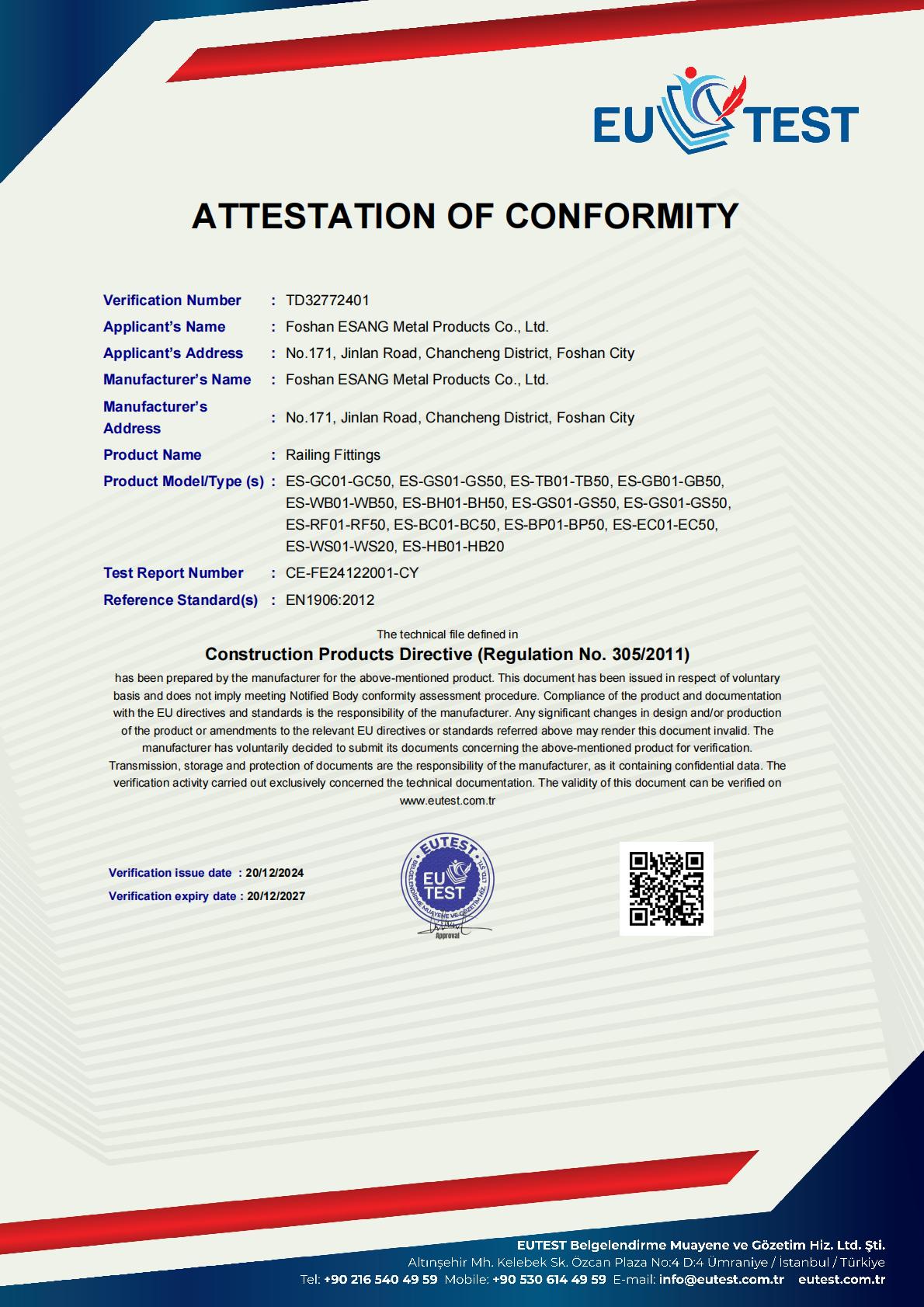
Foshan ESANG Metal Products onderhoudt met trots CE-certificering (Verificatienummer TD32772401) onder de Richtlijn bouwproducten (Verordening nr. 305/2011), waarmee we onze toewijding aan de hoogste Europese veiligheids- en kwaliteitsnormen bevestigen.
Gecertificeerd Assortiment:
Ons uitgebreide assortiment railingbeslag - inclusief glasklemmen, spanners, beugels, muurbevestigingen, basischoenen, leuningbeslag, kabelbeslag en staanderonderdelen - voldoet aan de volgende eisen EN1906:2012 normen, zodat de structurele integriteit en betrouwbaarheid van de prestaties in alle installaties gewaarborgd zijn.
Wat dit betekent voor je project:
✓ Volledige naleving van regelgeving voor Europese en internationale markten
✓ Onafhankelijk geverifieerde veiligheids- en duurzaamheidsprestaties
✓ Documentatie-ondersteuning voor architecturale specificaties
Gemoedsrust dankzij kwaliteitsgarantie van derden
Certificering geldig tot 2027 | Testrapport: CE-FE24122001-CY
Esangs projecten

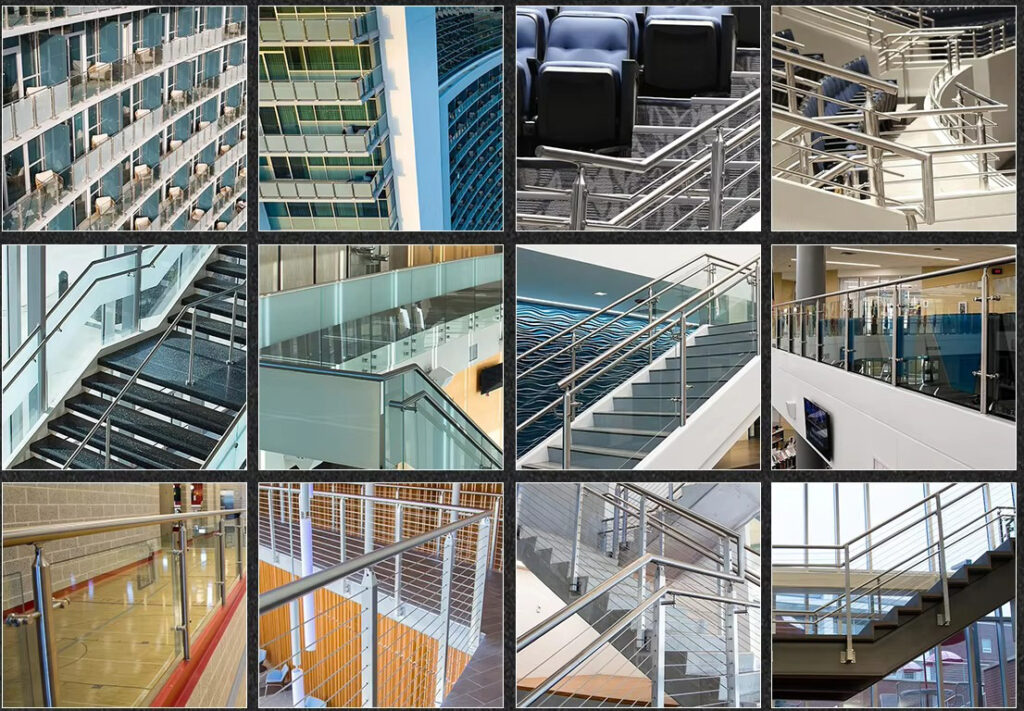
Referentieproducten