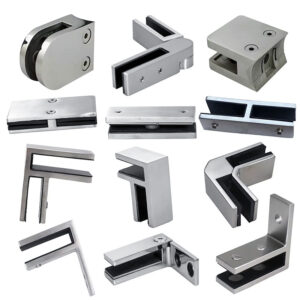
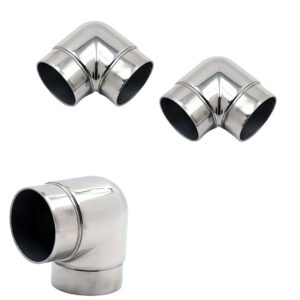
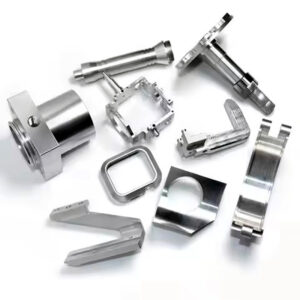
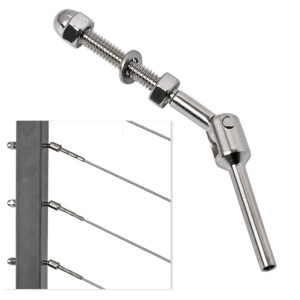
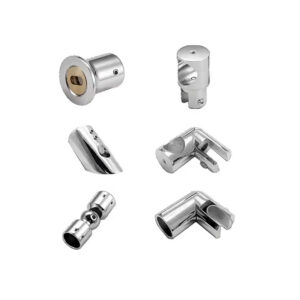
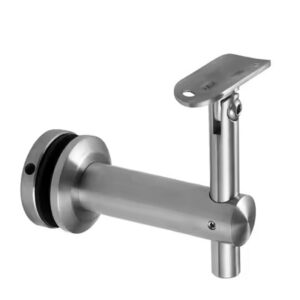
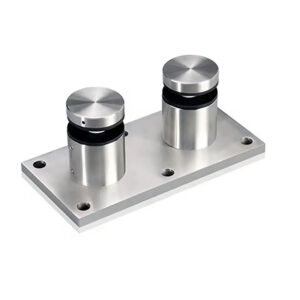
Kabelbeslag en hulpstukken
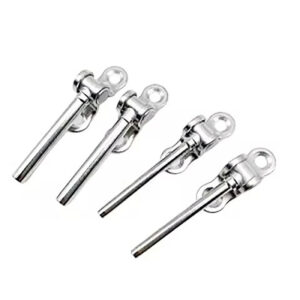
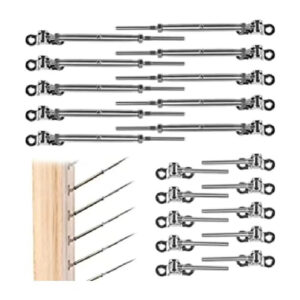
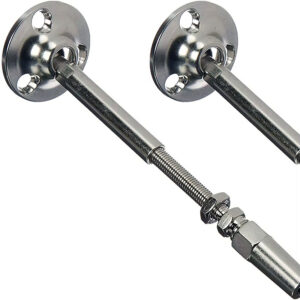
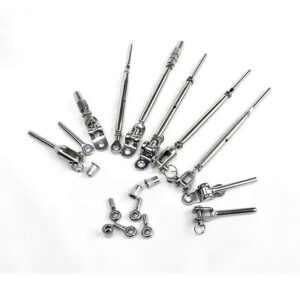
Kabelbeslag en hulpstukken
ESANG-kabelbevestigingsmaterialen worden gebruikt voor het verbinden, leiden, monteren en ondersteunen van roestvrijstalen kabelbalustradesystemen. Deze bevestigingsmaterialen worden gecombineerd met kabels, palen, spanners, eindstukken, doorvoerbevestigingen en opbouwcomponenten om complete kabelbalustradesystemen te realiseren.
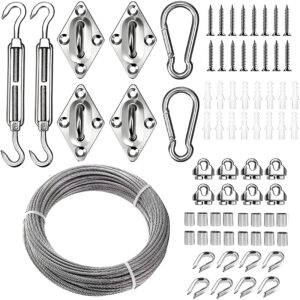
Deze categorie omvat Roestvrijstalen kabelklemmen, Kabelassemblages zonder klemmen, Doorvoerkabelklemmen, Bevestigingsmateriaal voor kabels voor opbouwmontage, en Montagesets voor kabelassemblages.
Voor aannemers, distributeurs, fabrikanten en projectinkopers is het bij de keuze van kabelbevestigingsmaterialen van belang rekening te houden met de kabeldiameter, het type paal, de toestand van de eindstukken, de spanmethode, de doorvoerroute, de opbouwmontage, de materiaalkwaliteit, de afwerking en de projectomgeving. ESANG kan kabelrelingbevestigingen leveren en vervaardigen op basis van tekeningen, afmetingen, kabelafmetingen, materiaalkwaliteit, afwerkingsvereisten en installatieomstandigheden.
Montagemogelijkheden voor kabelbevestigingsmaterialen
| Montagemogelijkheid | Het meest geschikt voor | Belangrijke selectievragen |
|---|---|---|
| Roestvrijstalen kabelklemmen | Algemene kabelbalustradesystemen, balustrades voor buiten, terrassen, balkons en projecten voor de scheepvaart | Welke kabeldiameter, materiaalkwaliteit, type koppeling en installatieomgeving zijn vereist? |
| Kabelassemblages zonder klemmen | Projecten waarbij montage ter plaatse of een vereenvoudigde installatie van kabelbevestigingen de voorkeur geniet | Met welke kabeldiameter, montagemethode, spanwijze en vaardigheden van de installateur moet rekening worden gehouden? |
| Doorvoerkabelklemmen | Kabeltrajecten die langs tussenpalen, eindpalen of rechte leuningdelen lopen | Welk type doorvoer, welke positie van de doorvoeropening, welke kabelrichting en welke bescherming van de doorvoer zijn vereist? |
| Bevestigingsmateriaal voor kabels voor opbouwmontage | Kabelsystemen die aan palen, muren, frames of oppervlakken zijn bevestigd zonder door de paal zelf te lopen | Welk montageoppervlak, welke bevestigingsmethode, welke kabelhoek en welke montagepositie zijn vereist? |
| Montagesets voor kabelassemblages | Projecten waarvoor op elkaar afgestemde fittingen, aansluitingen, spanelementen en installatiemateriaal nodig zijn | Welke leuningopstelling, kabellengte, paaltype en combinatie van bevestigingsmaterialen moeten worden opgenomen? |
Hoe kies je kabelbevestigingsmaterialen?
Kabelbevestigingsmaterialen moeten worden gekozen op basis van de manier waarop de kabel begint, door de reling loopt, van richting verandert, wordt gespannen en eindigt. De juiste set bevestigingsmaterialen hangt af van de opstelling van de palen en het kabeltracé.
| Projectstatus | Aanbevolen richting | Waarom dit belangrijk is |
|---|---|---|
| De kabel loopt door de palen | Gebruik kabeldoorvoeren of doorvoerbevestigingen | Doorvoerdetails dragen bij aan de bescherming van de kabel, het behoud van de uitlijning en de verbetering van de installatiekwaliteit. |
| De kabel wordt aan het oppervlak van een paal of muur bevestigd | Gebruik bevestigingsmateriaal voor oppervlaktebevestiging van kabels | Bij opbouwmontage veranderen de bevestigingswijze, de hoek van de kabel en de positie van de zichtbare bevestigingsonderdelen. |
| Voor het project is kabelassemblage ter plaatse nodig | Gebruik waar mogelijk kabelassemblages zonder krimpkous | Met persvrije bevestigingsmaterialen kan de afhankelijkheid van traditionele persapparatuur worden verminderd. |
| Voor het project is een afgestemd hardwarepakket nodig | Gebruik montagesets voor kabelassemblages | Met behulp van sets kunnen kabelkoppelingen, aansluitklemmen, spanklemmen en aanverwante onderdelen op elkaar worden afgestemd voor een bepaalde opstelling. |
| Het project vindt plaats in de buitenlucht, aan de kust, bij het zwembad of in een vochtige omgeving | Houd rekening met kabelklemmen van 316 roestvrij staal en de bijbehorende onderhoudsvoorschriften | Corrosiebestendigheid is belangrijker in natte omgevingen of omgevingen waarin het materiaal wordt blootgesteld aan chloride. |
| Het systeem omvat hoeken of trappen | Controleer gezamenlijk de kabelrichting, de spanpunten, de aansluitklemmen en de montagehoeken | Bij hoeken en trappen zijn vaak andere plaatsingspatronen nodig dan bij rechte stukken. |
Verschillen tussen gesmeed, niet-gesmeed, doorlopende en opbouwmontage
Kabelbevestigingsmaterialen moeten op functie worden ingedeeld. Sommige bevestigingen dienen om de kabel af te sluiten, andere om de kabel op spanning te houden, weer andere om de kabel door te voeren, en nog andere om de kabel aan een oppervlak te bevestigen.
| Type aansluiting | Hoofdfunctie | Algemene overwegingen |
|---|---|---|
| Geperste fittingen | Bevestig de koppelingen aan de kabel door middel van mechanische compressie of een in de fabriek aangebrachte voorbereiding | Kabeldiameter, aansluitingstype, persmethode, lengte van de afgewerkte kabel |
| Klemloze koppelingen | Maakt het mogelijk om kabels te assembleren zonder traditionele persapparatuur | Compatibiliteit van kabels, montagevolgorde, ervaring van de installateur, spanmethode |
| Doorvoerbussen | Leid de kabel of bescherm deze op de plaats waar deze door een paal loopt | Vorm van de doorvoer, diameter van het gat, kabelrichting, uitlijning van de doorvoer |
| Oppervlaktebevestigingsarmaturen | Bevestig de kabelbevestigingsmaterialen aan een paal, muur, frame of montageoppervlak | Bevestigingsmethode, kabelhoek, oppervlakteweerstand, indeling van zichtbare bevestigingsmaterialen |
| Hardwarepakketten | Bijbehorende onderdelen voor een complete kabelassemblage of projectonderdeel | Indeling, kabellengte, aantal kabelstrengen, type paal, aansluit- en spanvereisten |
Kabelindeling en compatibiliteit met palen
De bevestigingsmaterialen voor de kabel moeten worden afgestemd op de opstelling van de palen. Voor een recht leuninggedeelte, een trapleuning, een hoekverbinding en een terrasleuning kunnen verschillende combinaties van bevestigingsmaterialen nodig zijn.
| Lay-outfactor | Wat moet worden bevestigd? | Bijbehorende hardware |
|---|---|---|
| Type bericht | Ronde, vierkante, rechthoekige, eind-, tussen- of hoekpalen | Doorvoerklemmen, opbouwbevestigingsmateriaal, aansluitklemmen |
| Kabelrichting | Recht stuk, schuin stuk, trapstuk of hoekbocht | Doorvoerfittingen, hoekfittingen, kabeluiteindefittingen, spanelementen |
| Terminale toestand | Waar de kabel begint, eindigt, onder spanning staat of van richting verandert | Kabeluiteinden, spanklemmen, spanschroeven, bevestigingsmateriaal voor aansluitklemmen |
| Paalgaten | Diameter van de gaten, positie van de gaten, afstand tussen de gaten en afwerking rondom de gaten | Bevestigingsmateriaal voor doorvoeren, doorvoerfittingen, geboorde palen |
| Kabellengte | Lengte van de kabel na montage, instelbereik en montagereeks | Geperste aansluitklemmen, persloze assemblages, spanbevestigingen |
Materialen, afwerkingen en productie op maat
ESANG-kabelbevestigingsmaterialen kunnen worden geleverd of vervaardigd volgens de projectvereisten, waaronder kabeldiameter, type bevestigingsmateriaal, schroefdraadspecificaties, aansluitingsvorm, doorvoerontwerp, details voor opbouwmontage, materiaalkwaliteit, oppervlakteafwerking en verpakkingsvereisten.
| Materiaal of afwerking | Typische toepassing | Opmerkingen |
|---|---|---|
| 304 roestvrij staal | Kabelbalustradesystemen voor binnen, commerciële interieurs, trappen in woningen en droge omgevingen | Een veelgebruikte optie bij veel projecten voor binnenleuningen. |
| 316 roestvrij staal | Kabelbalustrades voor buiten, projecten aan de kust, zwembadomgevingen, vlonders, terrassen en vochtige omgevingen | Wordt meestal verkozen wanneer een betere corrosiebestendigheid vereist is. |
| 316L roestvrij staal | Projecten waarbij een betere lasbaarheid of betere corrosiebestendigheid vereist is | Geschikt wanneer de specificatie koolstofarm roestvrij staal voorschrijft. |
| Geborstelde of satijnen afwerking | Commerciële kabelbalustrades, terrassen, balkons en de meeste architectonische kabelbalustradeprojecten | Helpt kleine gebruikssporen en vingerafdrukken minder zichtbaar te maken. |
| Spiegelglans | Decoratieve of geselecteerde hoogwaardige toepassingen | Zorgt voor een glanzender uiterlijk, maar vereist een zorgvuldiger behandeling en reiniging. |
Voor afwijkende kabelbalustradeprojecten kunnen klanten tekeningen, de kabeldiameter, het type staander, de indeling van de gaten, de toestand van de eindstukken, details over de opbouwmontage, afwerkingsvereisten en de projectomgeving aanleveren. ESANG kan de vereisten beoordelen en, voor zover haalbaar, kabelbevestigingsmaterialen vervaardigen die aan de projectspecificaties voldoen.
Compatibiliteit met onderdelen voor kabelbalustrades
Kabelbevestigingsmaterialen moeten samen met spanelementen, eindstukken, palen, leuningen en afstandhouders worden gekozen. Een complete kabelbalustrade bestaat doorgaans uit een combinatie van verschillende soorten onderdelen.
- Voor het afstellen van de kabelspanning moet u de bevestigingsonderdelen afstemmen op Spanners en spanschroeven.
- Voor het aansluiten van kabels moet u de koppelstukken afstemmen op Eindbevestigingen voor kabels.
- Controleer of de kabel door de palen loopt Doorsteekhardware en de indeling van de paalgaten.
- Raadpleeg de informatie over de afstand tussen de palen Kabel afstandsbussen.
- Voor kabelbalustradesystemen met steunpalen dient u af te stemmen met Roestvrijstalen palen en hardware plaatsen.
- Neem voor de integratie van een leuning of bovenrail contact op met Leuningen voor paalmontage of onderdelen voor de bovenste rail.
Aanpassing aan de projectvereisten
Veel projecten met kabelbevestigingsmaterialen worden op maat gemaakt, rekening houdend met de kabeldiameter, de opstelling van de bevestigingspunten, de kabelgeleiding, de aansluitmethode, de materiaalkwaliteit en de installatieomgeving. ESANG kan op maat gemaakte roestvrijstalen kabelbevestigingen, kabelassemblages zonder krimpkousen, kabelbevestigingen met doorvoerbevestiging, kabelbevestigingsmaterialen voor opbouwmontage en montagesets voor kabelassemblages leveren.
Wanneer een project aan normgebonden eisen voldoet met betrekking tot de hoogte van de leuning, de afstand tussen de kabels, beperkingen inzake openingen, de materiaalkwaliteit, de corrosiebestendigheid of de installatiemethode, dienen klanten de vereiste tekeningen en specificaties aan te leveren. ESANG kan bevestigingsmaterialen voor kabelleuningen vervaardigen die aan deze opgegeven specificaties voldoen, waarbij de uiteindelijke conformiteit afhangt van het volledig geïnstalleerde systeem, het constructieve ontwerp, de installatiemethode en de geldende lokale voorschriften.
Overwegingen bij de installatie en het project
De bevestigingsonderdelen voor de kabels moeten worden gecontroleerd als onderdeel van het complete kabelreling-systeem. De kabeldiameter, de plaatsing van de palen, de staat van de eindstukken, de spanmethode en de installatievolgorde moeten vóór de productie of bestelling worden gecontroleerd.
- Kabeldiameter en kabelopbouw
- Montagemethode met of zonder persverbinding
- Type paal, afstand tussen de palen en indeling van de gaten
- Doorvoermontage, opbouwmontage of aansluiting via aansluitklemmen
- Plaats van de spaninrichting en instelbereik
- Uitvoering van de eindfitting en toestand van de aansluitklem
- Vereisten voor hoekfrezen en traphoeken
- Materiaalkwaliteit voor gebruik binnenshuis, buitenshuis, in kustgebieden of bij zwembaden
- Vereisten van de lokale bouwvoorschriften en projectspecificaties
Voor terrassen, balkons, trappen, veranda’s en projecten die toegankelijk zijn voor het publiek, dient het volledige kabelreling-systeem te worden beoordeeld door de projectontwerper, ingenieur, aannemer of lokale overheid. ESANG kan kabelbevestigingsmaterialen vervaardigen die aan de gestelde eisen voldoen, maar of er uiteindelijk aan de voorschriften wordt voldaan, hangt af van de volledig geïnstalleerde constructie en de omstandigheden ter plaatse.
Toepassingsscenario's
Kabelbalustrades voor terrassen en veranda’s
Kabelbevestigingsmaterialen worden vaak gebruikt in balustradesystemen voor terrassen en veranda’s, waar een vrij uitzicht en horizontale kabellijnen gewenst zijn. Bij buitenprojecten moet rekening worden gehouden met 316 roestvrij staal, bevestigingsmiddelen, afwerking en onderhoud.
Balcony Cable Railing Systems
Voor kabelbalustradesystemen op balkons zijn mogelijk kabelbevestigingen, eindstukken, spanmechanismen, bevestigingsmateriaal voor doorvoer door de paal en roestvrijstalen palen nodig. De kabelindeling en de functie van de palen moeten gezamenlijk worden vastgesteld.
Trapleuningen met kabels
Bij projecten met kabelleuningen voor trappen moet zorgvuldig aandacht worden besteed aan de hoek van de kabel, de indeling van de paalgaten, de spanpunten, de afsluitingen en de details van de bevestiging van de leuning.
Kabelreling systemen voor binnen
Kabelleuningen voor binnen worden vaak gebruikt bij moderne trappen, lofts, kantoren en wooninterieurs. Roestvrij staal 304 kan geschikt zijn voor veel droge binnenprojecten.
Kabelbalustrades voor buiten en aan de kust
In buitenomgevingen, aan de kust, bij zwembaden en in vochtige omgevingen moet extra aandacht worden besteed aan corrosiebestendigheid, reiniging en de keuze van bevestigingsmaterialen. Voor veeleisende omgevingsomstandigheden kan roestvrij staal 316 of 316L worden overwogen.
Gerelateerde productcategorieën
- Roestvrijstalen kabelklemmen
- Kabelassemblages zonder klemmen
- Doorvoerkabelklemmen
- Bevestigingsmateriaal voor kabels voor opbouwmontage
- Montagesets voor kabelassemblages
- Spanners en spanschroeven
- Eindbevestigingen voor kabels
- Doorsteekhardware
- Roestvrijstalen palen
Veelgestelde vragen
Waarvoor worden kabelbevestigingsonderdelen gebruikt?
Kabelbevestigingsmaterialen worden gebruikt voor het verbinden, leiden, afsluiten, monteren en ondersteunen van roestvrijstalen kabelreling-systemen. Ze worden gebruikt in combinatie met kabels, palen, spanners, eindstukken, doorvoerbevestigingen en leuningen.
Wat is het verschil tussen kabelklemmen en kabelspanners?
Kabelbevestigingen vormen een brede groep van bevestigingsmaterialen die worden gebruikt voor montage, kabelgeleiding, doorvoer, opbouwmontage en aansluiting. Kabelspanners worden specifiek gebruikt om de kabelspanning af te stellen en op peil te houden. Afhankelijk van het ontwerp kunnen sommige producten zowel bevestigings- als spanfuncties combineren.
Wat zijn kabelassemblages zonder krimpkous?
Kabelassemblages zonder krimpen zijn kabelbevestigingssystemen die zijn ontworpen voor montage zonder traditionele krimpapparatuur. Ze zijn handig wanneer bij projecten de voorkeur wordt gegeven aan montage ter plaatse of een vereenvoudigde installatie, maar de compatibiliteit van de kabels en de installatievolgorde moeten wel worden gecontroleerd.
Wanneer moeten doorvoerbevestigingen voor kabels worden gebruikt?
Kabeldoorvoeren voor palen worden gebruikt wanneer kabels door palen worden geleid. Ze helpen de kabel te beschermen, zorgen voor een betere uitlijning en zorgen voor strakkere doorvoeroplossingen bij tussenpalen of bij bepaalde opstellingen van eindpalen.
Wanneer moet kabelbevestigingsmateriaal voor opbouwmontage worden gebruikt?
Bevestigingsmateriaal voor opbouwmontage wordt gebruikt wanneer de kabel aan het oppervlak van een paal, muur, kozijn of constructie-element wordt bevestigd in plaats van door de paal heen te lopen. De sterkte van het bevestigingsoppervlak, de bevestigingsmethode en de hoek van de kabel moeten worden gecontroleerd.
Wat zit er in een montageset voor kabelassemblages?
Een montageset voor kabelconstructies kan bestaan uit bij elkaar passende bevestigingselementen, aansluitklemmen, spanonderdelen, doorvoerstukken of aanverwante onderdelen voor een specifieke opstelling van een kabelbalustrade. De juiste set moet worden gekozen op basis van de projecttekeningen en de eisen die aan het kabeltraject worden gesteld.
Kan ESANG kabelbevestigingsmaterialen op maat maken?
Ja. ESANG kan kabelkoppelingen vervaardigen op basis van de kabeldiameter, het type koppeling, de schroefdraadspecificaties, de toestand van de aansluitingen, de opstelling van de pennen, de materiaalkwaliteit, de afwerking en de verpakkingsvereisten.
Moet ik kiezen voor kabelklemmen van roestvrij staal 304 of 316?
Roestvrij staal 304 wordt vaak gebruikt voor binnenruimtes en droge omgevingen. Roestvrij staal 316 heeft doorgaans de voorkeur voor buitenomgevingen, kustgebieden, zwembadomgevingen, vochtige omgevingen of omgevingen met een hoger corrosiegevaar. De uiteindelijke kwaliteit moet worden gekozen op basis van de blootstelling van het project en de specificaties.
Welke gegevens zijn nodig voor een aanvraag voor kabelbevestigingsmateriaal?
Nuttige informatie omvat onder meer de kabeldiameter, het type koppeling, het type paal, de afstand tussen de palen, de kabelindeling, de toestand van de aansluitingen, de vereiste spanning, de materiaalkwaliteit, de afwerking, de hoeveelheid, tekeningen en de projectomgeving.
Hoe moeten roestvrijstalen kabelbevestigingsonderdelen worden onderhouden?
Voor de routine reiniging worden doorgaans een mild reinigingsmiddel, schoon water en een zachte doek gebruikt. Vermijd reinigingsmiddelen op basis van chloor, staalwol en schurende hulpmiddelen. Installaties in de buitenlucht, bij het zwembad en aan de kust moeten vaker worden gereinigd om vervuiling van het oppervlak te verminderen en het uiterlijk te behouden.
Gerelateerde berichten:
Replacing Core-Mounted Posts With Surface Bases: Precheck
Check the existing opening, slab condition, edge geometry, drainage, and revised load path before converting an embedded post to a surface base.
Railing Post Base RFQ Checklist for Project Buyers
Request comparable base hardware, substrate inputs, finishes, drawings, anchor boundaries, samples, and inspection documents in one project RFQ.
Adjustable Railing Post Bases for Sloped or Uneven Surfaces
Compare adjustable bases against the actual slope, bearing surface, leveling range, finish interface, and fixing access before selecting a detail.
Railing Post Base Anchors: Inputs for Engineering Review
Define substrate, geometry, loads, exposure, and anchor evidence before engineering review so a hardware label is not mistaken for a connection design.
Tekeningen van de voetplaten voor leuningpalen: gaten, randen en toleranties
Give fabricators and installers a base-plate drawing that resolves hole centers, slab edges, tool access, and agreed tolerances before production.
ESANG Wall Bracket Range: Standard, Heavy-Duty, Adjustable, and Flush
Match standard, heavy-duty, adjustable, and flush wall bracket options to projection, wall build-up, access, finish, and project evidence needs.
Esangs projecten

Esang's certificaat

Foshan ESANG Metal Products onderhoudt met trots CE-certificering (Verificatienummer TD32772401) onder de Richtlijn bouwproducten (Verordening nr. 305/2011), waarmee we onze toewijding aan de hoogste Europese veiligheids- en kwaliteitsnormen bevestigen.
Gecertificeerd Assortiment:
Ons uitgebreide assortiment railingbeslag - inclusief glasklemmen, spanners, beugels, muurbevestigingen, basischoenen, leuningbeslag, kabelbeslag en staanderonderdelen - voldoet aan de volgende eisen EN1906:2012 normen, zodat de structurele integriteit en betrouwbaarheid van de prestaties in alle installaties gewaarborgd zijn.
Wat dit betekent voor je project:
✓ Volledige naleving van regelgeving voor Europese en internationale markten
✓ Onafhankelijk geverifieerde veiligheids- en duurzaamheidsprestaties
✓ Documentatie-ondersteuning voor architecturale specificaties
Gemoedsrust dankzij kwaliteitsgarantie van derden
Certificering geldig tot 2027 | Testrapport: CE-FE24122001-CY
Esangs projecten

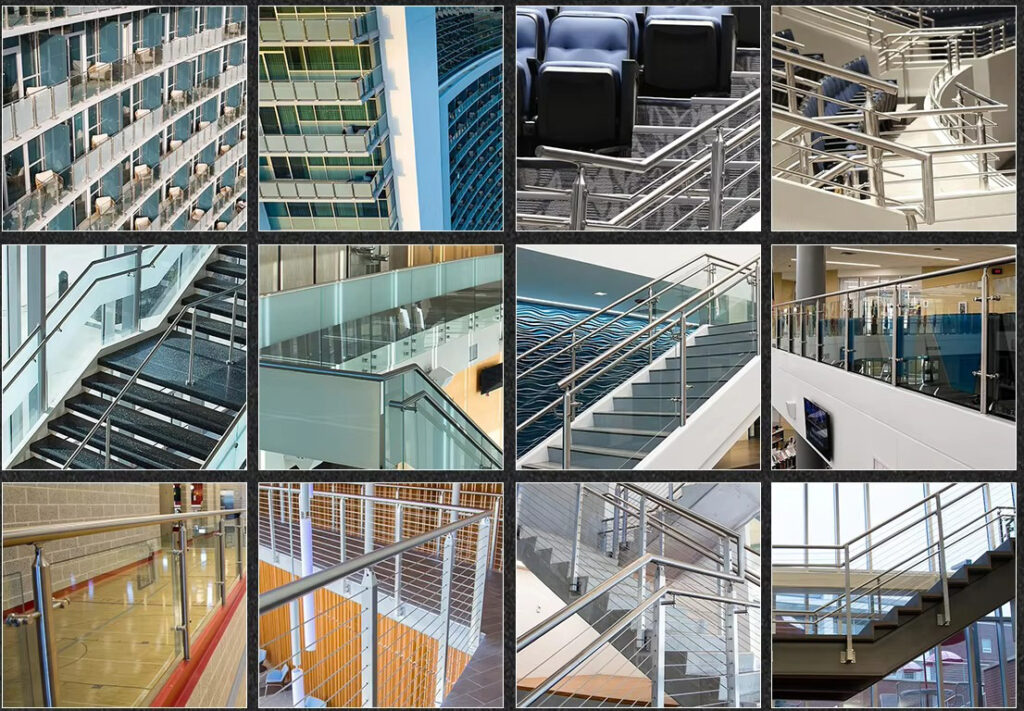
Referentieproducten