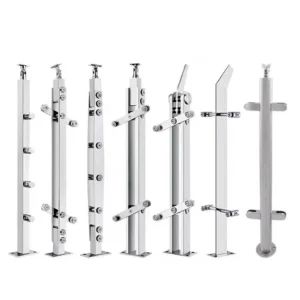
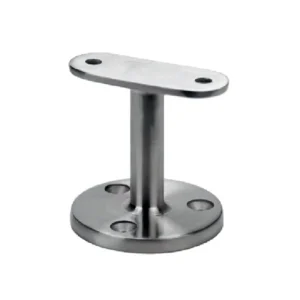
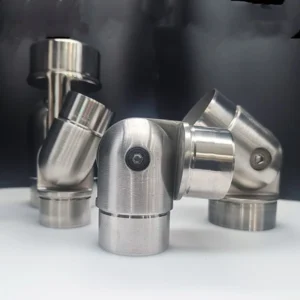
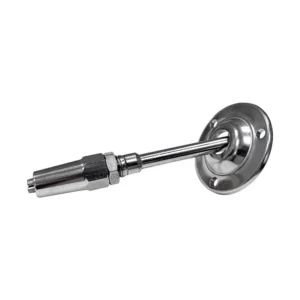
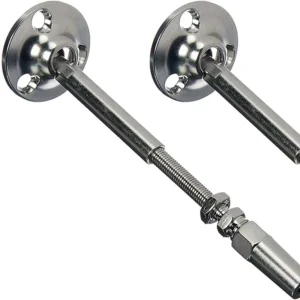
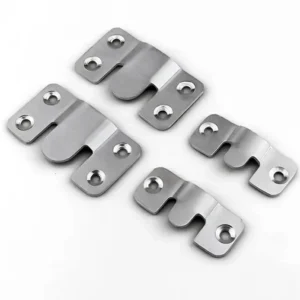
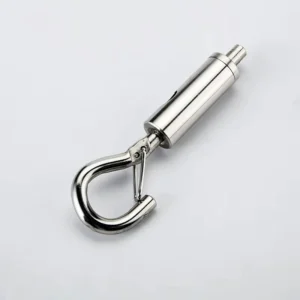
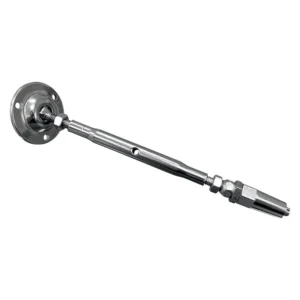
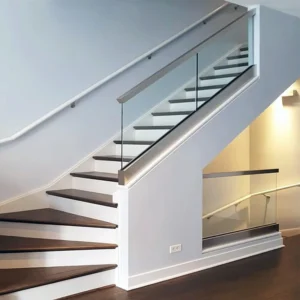
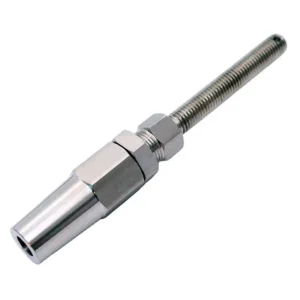
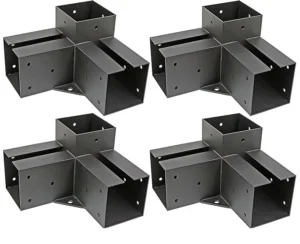
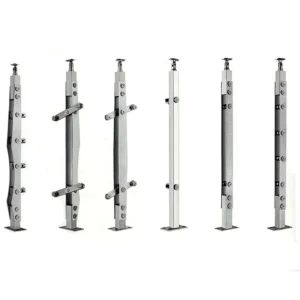
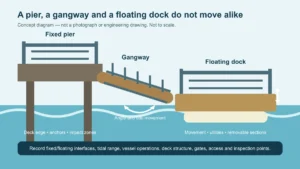
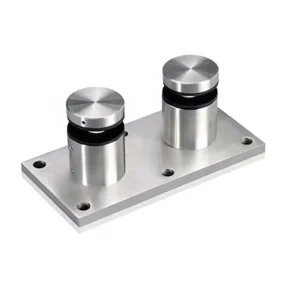
Define what must adjust before selecting an adjustable post handrail. The adjustable element may be a post-top saddle, a rail elbow, a base interface or a project-specific height detail. These solve different problems and cannot be grouped into one “adjustable” specification. Send the rail route, post and rail profiles, required angle or tolerance, mounting condition and quantities for an initial ESANG review.
Discuss an adjustable post-handrail requirement on WhatsApp
Put adjustment at the right interface
| Adjustment location | Problem it can address | What must be defined | What it does not solve automatically |
|---|---|---|---|
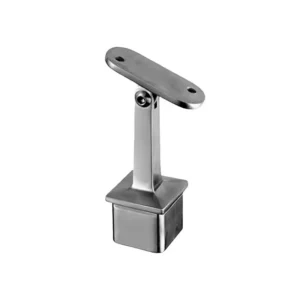
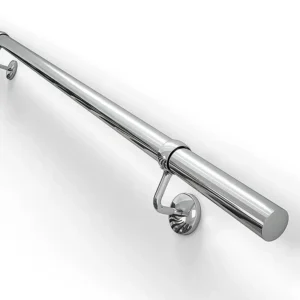
| Pivoting post-top saddle | Aligning a supported handrail with a stair or ramp pitch | Post-top interface, rail profile, angle plane, stem height and final locking | A change in post height, rail corner or base slope |
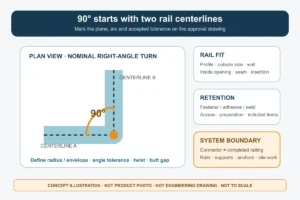
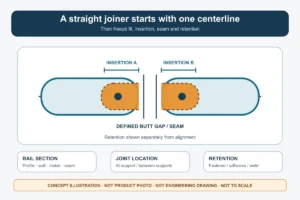
| Adjustable rail elbow | Joining two rail axes at a non-standard turn or change in pitch | Rail outside and inside dimensions, required angle, insertion and locking method | Support of the rail at the post |
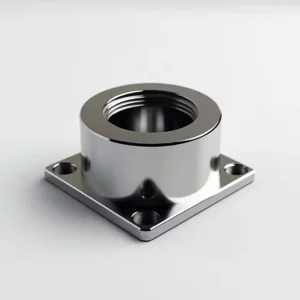
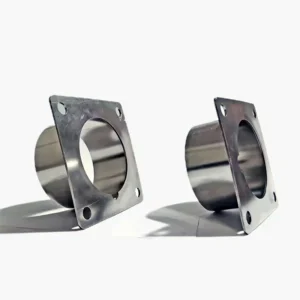
| Base or levelling detail | Setting the post on a sloped or irregular mounting condition | Substrate, slope direction, available footprint, anchor zone and finished build-up | Final system capacity or waterproofing responsibility |
| Height or telescoping detail | Accommodating a defined range of post or rail elevation | Required range, overlap, anti-rotation and locking detail | Compliance with a project height requirement without final setting and approval |

Installation adjustment is not service movement
Many adjustable fittings are intended to be positioned during installation and then secured. They should not be described as hinges or movement joints unless the proposed design explicitly provides that function. Ask the quotation and drawing to state:
- which plane or axis adjusts;
- the proposed usable range, if a range is being offered;
- how the final position is locked;
- whether locking fasteners remain visible and accessible;
- the rail and post profiles used to establish the fit; and
- whether any field drilling, adhesive, welding or special tool is expected.
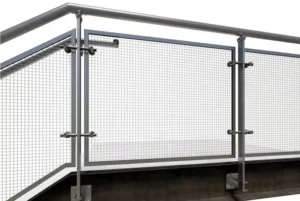
If the route contains both a plan turn and a change in slope, one pivot may not solve both. Show the rail centreline in plan and elevation so the supplier can distinguish the required movements.
Three common buying situations
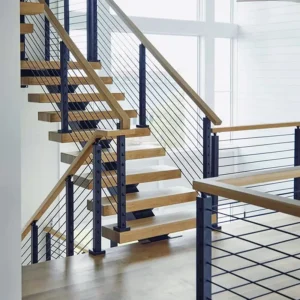
Stair or ramp handrail
Provide the rise and run, slope or measured rail angle, post positions and landing transition. The post-top saddle needs to match the rail contact surface as well as the slope. At the landing, identify whether the rail continues, changes direction, returns or terminates.
Retrofit to existing posts
Provide close-ups of the existing post top and rail underside, the old hole pattern, available post-wall access and a ruler in each photo. Adjustable hardware can absorb a defined geometric difference, but it should not be used to hide an unknown or damaged mounting interface.
Repeat or distributor requirement
Group the request by rail profile, post interface, movement type and finish. Ask for a sample or controlled first article when the fit will be repeated across many units. A part that looks similar may use a different bore, stem, saddle or pivot construction.
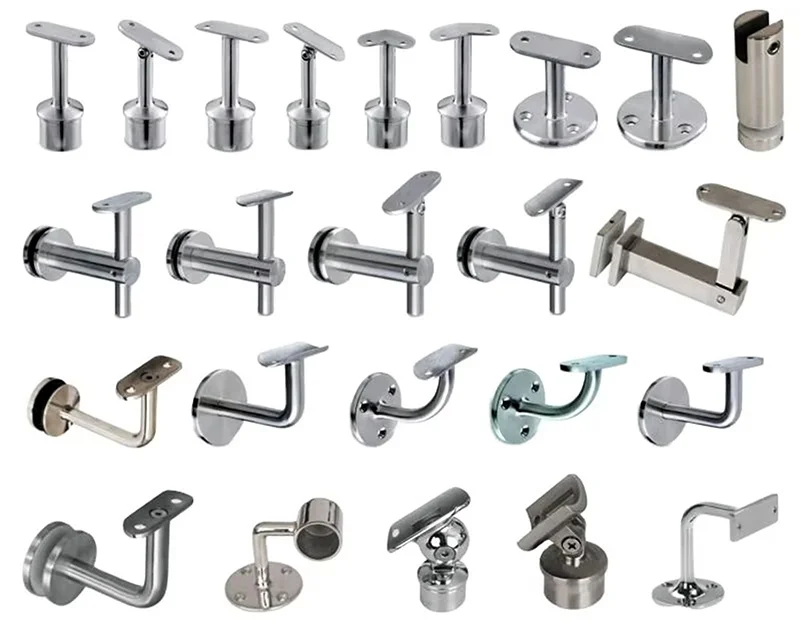
Coordinate the complete handrail path
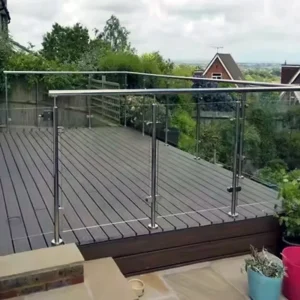
An adjustable support does not remove the need to coordinate terminal fittings, intermediate supports, rail joins, corners, bases and infill. The complete route should show where each angle change occurs and where a fixed component is preferable. For a post-mounted guard or railing, final spacing, anchors, substrate and system performance are project-specific; no adjustable fitting alone establishes compliance.
Exposure also matters. State whether the installation is interior, exterior, coastal, poolside or subject to aggressive cleaning. Request a material and finish proposal for the fitting, its pivot or fasteners, and the adjacent post and rail. Similar surface colour does not prove material compatibility.
What to send and what to receive
Minimum starting information
- a plan, sketch or marked-up site photo showing the rail route;
- post profile and the relevant top or side dimensions;
- rail outside profile and inside opening if a fitting inserts into it;
- required angle, slope or height tolerance;
- mounting condition and substrate;
- exposure, visible finish, quantity and destination; and
- photos or a sample of any existing part to be matched.
Quotation fields to compare
Ask for the proposed adjustment function and range, mating dimensions, locking method, material designation, finish, included fasteners, field work, quantity and exclusions. Where system performance matters, request the drawings or evidence applicable to the actual proposed configuration instead of transferring a result from a different fitting.
Adjustable handrail questions
Can one adjustable bracket suit every stair angle?
No universal fit should be assumed. The pivot may move in only one plane, and its saddle, stem and mounting base still have fixed interfaces. Provide the actual geometry and ask ESANG to state the proposed range.
Should the joint remain loose enough to move after installation?
Not unless the approved design specifically requires a movement joint. Most handrail adjustment requests are for setting and locking during installation. Confirm the locking method and inspection access.
Can adjustment compensate for an unsuitable anchor or substrate?
No. Levelling and alignment hardware cannot establish that the anchor, base plate or substrate is adequate. Those items need their own project review.