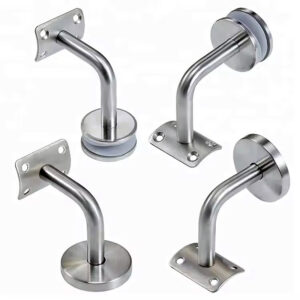
Wandmontagebeugels
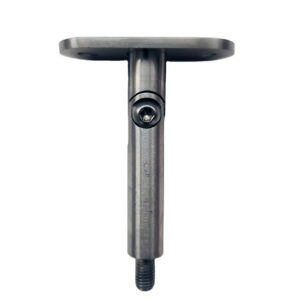
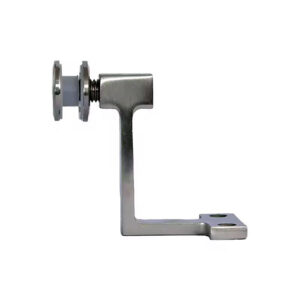
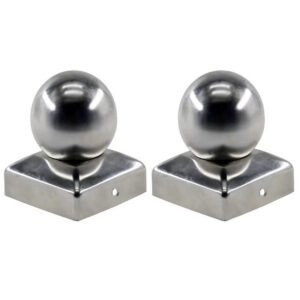
Wandmontagebeugels
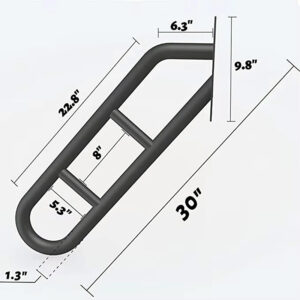
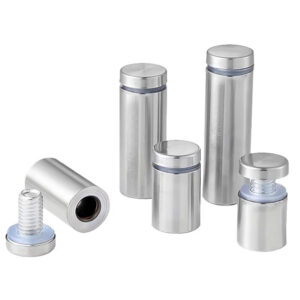
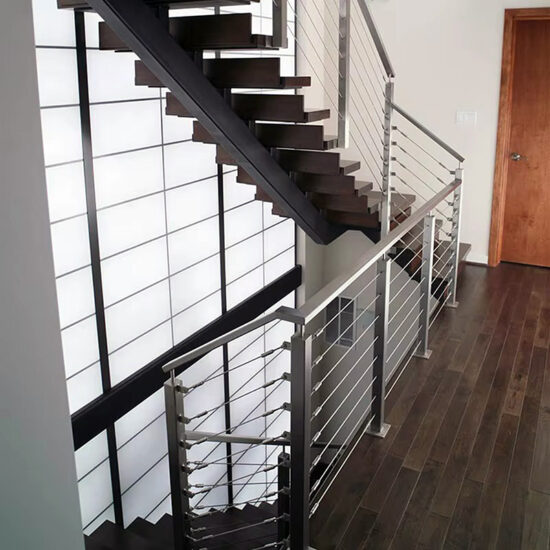
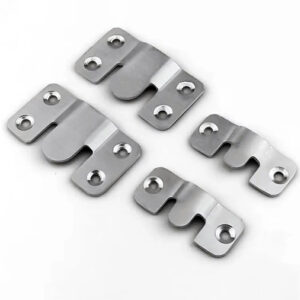
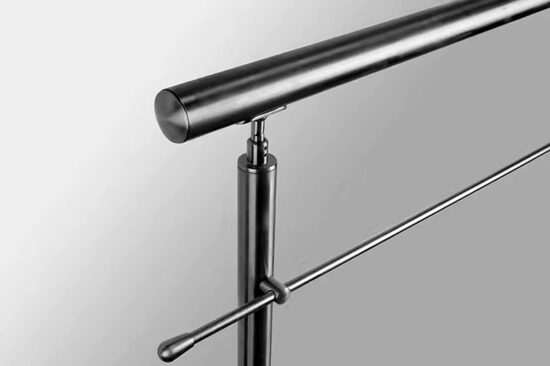
ESANG-wandbeugels worden gebruikt om roestvrijstalen leuningen te bevestigen aan muren, zijwanden, gangen, trappen, hellingen en andere constructiepunten. Ze verbinden de leuningbuis met de muur en bepalen mede de afstand tot de muur, de uitsteekafstand, de uitlijning en het uiterlijk van de installatie.
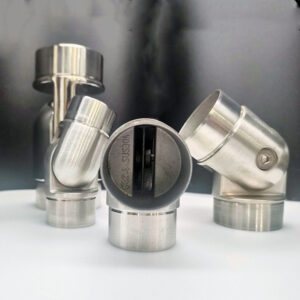
Deze categorie omvat Standaard muurbevestigingsbeugels, Wandbeugels voor zwaar gebruik, Verstelbare muurbeugels, Wandbeugels met extra bereik, en Wandbeugels voor inbouwmontage.
Voor aannemers, distributeurs, fabrikanten en projectinkopers is het bij de keuze van wandbeugels van belang rekening te houden met het wandmateriaal, de vorm van de leuningbuis, de uitsteeklengte van de beugel, de afstand tot de wand, het type montageplaat, de vereiste verstelbaarheid, de materiaalkwaliteit, de afwerking en de projectomgeving. ESANG kan wandbeugels vervaardigen op basis van tekeningen, afmetingen, buisprofielen, materiaalkwaliteit, afwerkingsvereisten en installatieomstandigheden.
Opties voor wandbeugels
| Beugeloptie | Het meest geschikt voor | Belangrijke selectievragen |
|---|---|---|
| Standaard muurbevestigingsbeugels | Algemene wandgemonteerde leuningen voor trappen, gangen, hellingen en interieurprojecten | Welk wandmateriaal, welke buisdiameter voor de leuning, welke uitsteeklengte en welke afwerking zijn vereist? |
| Wandbeugels voor zwaar gebruik | Openbare gebouwen, winkelstraten, leuningen die intensief worden gebruikt en zwaardere belastingsomstandigheden | Welke wandondergrond, afstand tussen de beugels, buismaat en projecteisen moeten worden bekeken? |
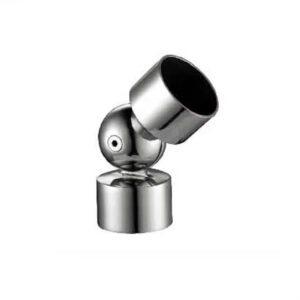
| Verstelbare muurbeugels | Trappen, hellingen, oneffen muren, schuine leuningen en ter plaatse aangepaste installaties | Welk verstelbereik, welke hoek, welke afstand tot de muur en welk leuningprofiel zijn nodig? |
| Wandbeugels met extra bereik | Projecten waarbij de projector verder van de muur moet worden geplaatst of waarbij ruimte nodig is rond obstakels op het oppervlak | Welke afstand tot de rand, welke vrije ruimte bij de leuning, welke wandconditie en welke steunlengte zijn vereist? |
| Wandbeugels voor inbouwmontage | Moderne interieurs, compacte montageomstandigheden en strakkere, onopvallende wandbevestigingen | Welke wandafwerking, type montageplaat, buissteun en zichtbare bevestigingsmaterialen moeten op elkaar worden afgestemd? |
Hoe kies je wandbeugels?
Wandbeugels moeten worden gekozen op basis van het wandoppervlak en de leuningbuis. De beugel moet de leuning ondersteunen en tegelijkertijd de vereiste vrije ruimte, uitsteeklengte en uitlijning waarborgen.
| Projectstatus | Aanbevolen richting | Waarom dit belangrijk is |
|---|---|---|
| Voor het project is een standaard leuning voor een trap of gang nodig | Gebruik standaard wandbeugels | Standaardbeugels zijn geschikt voor veel gangbare toepassingen waarbij leuningen aan de muur worden bevestigd. |
| Het project is openbaar, commercieel of kent veel verkeer | Gebruik stevige muurbeugels of houd u aan de voor het project goedgekeurde afstand tussen de beugels | Bij veelvuldig gebruik worden de sterkte van de wand, de plaatsing van de beugels en de bevestigingsmethode des te belangrijker. |
| De leuning volgt de helling van de trap of de hoek van de hellingbaan | Gebruik verstelbare muurbeugels | Met deze afstelling kun je de kop van de beugel in lijn brengen met de richting van de leuning. |
| De muur heeft afwerkingslagen, obstakels of vereist extra vrije ruimte | Gebruik wandbeugels met een groter bereik | Door de langere uitsteeklengte kan de leuning op de gewenste afstand van de muur worden geplaatst. |
| Het project heeft een compactere of strakkere uiterlijke vorm van de beugel nodig | Gebruik, waar mogelijk, inbouwbeugels voor aan de muur | Inbouwmodellen kunnen de visuele uitstraling verminderen en zorgen voor een minimalistischer uiterlijk. |
| Het project is gericht op toegankelijkheid | Vervaardig beugels met de vereiste afstand tot de muur, uitsteeklengte en positie van de leuning | De vrije ruimte, de hoogte van de leuning en het grijpoppervlak moeten door het projectteam worden gecontroleerd. |
Uitsteekmaat van de beugel, afstand tot de muur en buisondersteuning
De prestaties van een wandbeugel hangen af van de verhouding tussen de muur, de uitsteeklengte van de beugel en de leuningbuis. Kopers dienen deze details te controleren voordat ze een bestelling plaatsen.
| Selectiefactor | Wat moet worden bevestigd? | Waarom dit belangrijk is |
|---|---|---|
| Wandafstand | Afstand tussen de muur en het grijpvlak van de leuning | De vrije ruimte is van invloed op het comfort van de handen en kan op grond van de projectspecificaties verplicht zijn. |
| Beugelprojectie | Hoe ver steekt de beugel uit ten opzichte van de muur? | Bij de berekening moet rekening worden gehouden met de afwerking van de muur, obstakels en de vereiste plaatsing van de leuning. |
| Bevestigingsplaat | Ronde flens, vierkante plaat, verborgen plaat of bevestigingsdetail op maat | De montageplaat is van invloed op de installatiemethode, het uiterlijk en de plaatsing van de verankeringen. |
| Buiszadel of beugelkop | Steunprofiel voor ronde buizen, vierkante buizen of leuningprofielen op maat | De kop van de beugel moet overeenkomen met het profiel van de leuningbuis. |
| Afstand tussen beugels | Afstand tussen de bevestigingspunten van de beugels langs de leuning | De afstand is van invloed op de ondersteuning, de uitlijning en de installatieplanning. |
| Wandondergrond | Beton, metselwerk, staal, hout, een wand met houten frame of een constructie op maat | Verschillende ondergronden vereisen verschillende bevestigingsmethoden en een beoordeling van de verankering. |
Standaard-, zwaarbelaste, verstelbare, verlengde en verzonken beugels
Het type wandbevestigingsbeugel moet worden gekozen op basis van de functie bij de installatie. Een beugel voor zware belasting, een beugel met verlengd bereik en een beugel voor verzonken montage bieden een oplossing voor verschillende projectproblemen.
| Type beugel | Hoofdfunctie | Algemene overwegingen |
|---|---|---|
| Standaard wandbevestigingsbeugel | Geschikt voor algemene wandgemonteerde leuningen | Buisdiameter, afstand tot de wand, montageplaat, afwerking en afstand tussen de beugels |
| Wandbeugel voor zwaar gebruik | Biedt betere ondersteuning bij veeleisende omstandigheden of intensief gebruik | Wandondergrond, bevestigingsmethode, afstand tussen beugels, afmetingen van de leuning en projecteisen |
| Verstelbare muurbeugel | Maakt het mogelijk om de hoek, hoogte of steunkop aan te passen | Traphelling, hellingshoek van de hellingbaan, bouwtolerantie, vergrendelingsmethode en profiel van de leuning |
| Wandbeugel met extra bereik | Zorgt voor extra projectie vanaf de muur | Vereiste vrije ruimte, dikte van de wandbekleding, obstakels en lengte van de steun |
| Wandbeugel voor inbouwmontage | Zorgt voor een compactere of onopvallendere wandverbinding | Toestand van de muur, zichtbare bevestigingsmaterialen, toegang voor montage en details over de bevestiging van de leuning |
Materialen, afwerkingen en productie op maat
ESANG-wandbeugels kunnen worden vervaardigd volgens de projectvereisten, waaronder de uitsteeklengte van de beugel, de vorm van de montageplaat, het ontwerp van de beugelkop, de buisbevestiging, de verstelfunctie, de materiaalkwaliteit, de oppervlakteafwerking en de verpakkingsvereisten.
| Materiaal of afwerking | Typische toepassing | Opmerkingen |
|---|---|---|
| 304 roestvrij staal | Leuningen binnenshuis, gangpaden in bedrijfsgebouwen, trappen in woningen en droge omgevingen | Een veelgebruikte optie voor tal van toepassingen met wandbeugels binnenshuis. |
| 316 roestvrij staal | Leuningen voor buiten, vochtige ruimtes, projecten bij zwembaden en omgevingen met een hoger corrosiegevaar | Wordt meestal verkozen wanneer een betere corrosiebestendigheid vereist is. |
| 316L roestvrij staal | Projecten waarbij een betere lasbaarheid of betere corrosiebestendigheid vereist is | Geschikt wanneer de specificatie koolstofarm roestvrij staal voorschrijft. |
| Geborstelde of satijnen afwerking | Commerciële interieurs, openbare gangen, trappen, hellingbanen en drukbezochte routes | Helpt vingerafdrukken en lichte gebruikssporen minder zichtbaar te maken. |
| Spiegelglans | Decoratieve interieurs, hotels, villa’s en geselecteerde hoogwaardige visuele toepassingen | Zorgt voor een glanzend uiterlijk, maar vereist een zorgvuldiger behandeling en reiniging. |
Voor afwijkende projecten met aan de muur bevestigde leuningen kunnen klanten tekeningen, buisafmetingen, de gewenste uitsteeklengte, de afstand tot de muur, details over de montageplaat, afwerkingsvereisten en installatievoorwaarden aanleveren. ESANG kan de vereisten beoordelen en, voor zover haalbaar, muurbeugels vervaardigen die aan de projectspecificaties voldoen.
Compatibiliteit met leuningen en wandgemonteerde systemen
Wandbeugels moeten worden gekozen in combinatie met de leuningbuis en de toestand van de muur. De beugel vormt een onderdeel van de complete wandgemonteerde leuningconstructie.
- Voor complete wandleuning-systemen moet u de beugels afstemmen op Wand gemonteerde leuningen.
- Controleer bij leuningen met ronde buizen de vorm van de beugel, de buisdiameter en de afwerking.
- Controleer bij leuningen met vierkante buizen de vorm van de beugelkop, de afmetingen van het contactvlak en de buismaat.
- Raadpleeg de instructies voor schuine of hellende leuningen Verstelbare beugels of beslag waarvan de hoek verstelbaar is.
- Voor doorlopende producties dient u afstemming te zoeken met Rail aansluitingen, ellebogen, terugleidingen en sectieverbindingen.
Aanpassing aan de projectvereisten
Veel projecten met wandbeugels worden op maat gemaakt, rekening houdend met de toestand van de muur, het profiel van de leuningbuis, de vereiste vrije ruimte, de uitsteeklengte van de beugel en het visuele ontwerp. ESANG kan op maat gemaakte wandbeugels, wandbeugels voor zwaar gebruik, verstelbare wandbeugels, beugels met vergroot bereik, verzonken wandbeugels, montageplaten, zadelkoppen en oppervlakteafwerkingen leveren.
Wanneer een project aan normen gebonden eisen stelt met betrekking tot de hoogte van de leuning, de afstand tot de muur, het grijpvlak, de afstand tussen de beugels, de materiaalkwaliteit of de montagemethode, dienen klanten de vereiste tekeningen en specificaties aan te leveren. ESANG kan muurbeugels vervaardigen die aan deze opgegeven specificaties voldoen, waarbij de uiteindelijke conformiteit afhangt van het volledig geïnstalleerde leuningsysteem, de toestand van de muur, de montagemethode en de geldende lokale bouwvoorschriften.
Overwegingen bij de installatie en het project
De wandbeugels moeten worden gecontroleerd aan de hand van het volledige traject van de leuning. De toestand van de muur, de afstand tussen de beugels, het profiel van de leuning, de vrije ruimte en de bevestigingsmethode moeten vóór de productie of installatie worden gecontroleerd.
- Materiaal van de wand en sterkte van de ondergrond
- Profiel en diameter of afmeting van de leuningbuis
- Uitsteekmaat van de beugel en afstand tot de muur
- Vorm van de montageplaat en indeling van de ankers
- Afstand tussen beugels en lengte van de leuning
- Vaste, verstelbare, verlengde of verzonken montagebeugel
- Binnen, buiten, in een vochtige omgeving of in een kustgebied
- Eisen inzake oppervlakteafwerking en reiniging
- Vereisten van de lokale bouwvoorschriften en projectspecificaties
Voor Amerikaanse projecten waarbij toegankelijkheid centraal staat, is de 2010 ADA-standaarden voor toegankelijk ontwerp Geef richtlijnen met betrekking tot de vrije ruimte rond leuningen, het grijpvlak, de hoogte en de doorlopendheid. Wandbeugels kunnen worden vervaardigd volgens de opgegeven projectafmetingen, maar of deze uiteindelijk aan de voorschriften voldoen, moet worden gecontroleerd door de projectontwerper, de ingenieur, de aannemer of de lokale overheid.
Toepassingsscenario's
Handelscorridors en openbare gebouwen
Wandbeugels worden veelvuldig gebruikt in kantoren, hotels, scholen, ziekenhuizen, winkelcentra, openbare gebouwen en vervoersgebouwen. Bij dergelijke projecten is vaak een uniforme afwerking, een betrouwbare afstand tussen de beugels en praktische toegang voor onderhoud vereist.
Trappen en hellingen
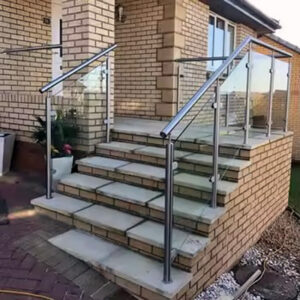
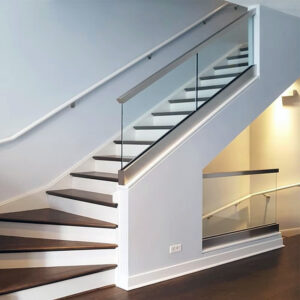
Voor trappen en hellingen zijn vaak muurbeugels nodig die zijn afgestemd op de hoogte van de leuning, de afstand tot de muur en de hellingshoek. Verstelbare muurbeugels kunnen handig zijn wanneer de leuning een wisselende hoek volgt.
Leuningen voor binnenmuren in woningen
Voor leuningen aan muren in woonruimtes kunnen standaardbeugels, verzonken beugels of decoratieve roestvrijstalen beugels worden gebruikt, afhankelijk van het interieurontwerp, het buisprofiel en de gewenste afwerking.
Gebieden met veel verkeer en intensief gebruik
Voor openbare looproutes, trappen in commerciële gebouwen, industriële loopbruggen en projecten waarbij een stevigere ondersteuning of een kleinere afstand tussen de beugels vereist is, kunnen extra stevige muurbeugels worden overwogen.
Buitenruimtes en vochtige ruimtes
In buitenomgevingen, bij zwembaden, aan de kust en in vochtige omgevingen moet extra aandacht worden besteed aan de materiaalkwaliteit, verankeringen, bevestigingsmiddelen, reiniging en corrosiebestendigheid. Voor veeleisende omgevingsomstandigheden kan roestvrij staal 316 of 316L worden overwogen.
Gerelateerde productcategorieën
- Standaard muurbevestigingsbeugels
- Wandbeugels voor zwaar gebruik
- Verstelbare muurbeugels
- Wandbeugels met extra bereik
- Wandbeugels voor inbouwmontage
- Wand gemonteerde leuningen
- Verstelbare beugels
- Rail aansluitingen
Veelgestelde vragen
Waarvoor worden wandbeugels gebruikt?
Wandbeugels worden gebruikt om leuningen aan muren of zijvlakken te bevestigen. Ze verbinden de leuningbuis met de muur en bepalen de afstand tot de muur, de uitsteeklengte, de uitlijning en de zichtbare bevestigingswijze.
Wat is het verschil tussen standaard en extra stevige muurbeugels?
Voor veel gangbare projecten waarbij leuningen aan de muur worden bevestigd, worden standaard muurbeugels gebruikt. Voor openbare gebouwen, commerciële gangen, drukbezochte ruimtes of situaties waarin een stevigere ondersteuning vereist is, kan worden overwogen om muurbeugels voor zwaar gebruik te gebruiken.
Wanneer moeten verstelbare muurbeugels worden gebruikt?
Verstelbare muurbeugels zijn handig voor trappen, hellingen, schuine leuningen, oneffen muren en situaties ter plaatse waarbij een vaste beugel mogelijk niet goed uitgelijnd is met de leuningbuis.
Wanneer moeten wandbeugels met een groter bereik worden gebruikt?
Wandbeugels met vergroot bereik worden gebruikt wanneer de leuning verder uit de muur moet steken vanwege muurafwerkingen, obstakels op het oppervlak, vereiste vrije ruimte of projectspecifieke verschuivingen.
Wat zijn inbouwbeugels voor aan de muur?
Wandbeugels voor vlakke montage zijn ontworpen voor compactere of onopvallende wandbevestigingen. Ze worden vaak gekozen voor moderne interieurs of projecten waarbij zichtbare bevestigingsmaterialen tot een minimum moeten worden beperkt.
Kan ESANG wandbeugels op maat maken?
Ja. ESANG kan wandbeugels vervaardigen op basis van tekeningen, buisdiameter, uitstrekingsafstand, afstand tot de muur, type montageplaat, ontwerp van de beugelkop, materiaalkwaliteit, afwerking en verpakkingsvereisten.
Voldoen muurbeugels aan de ADA-normen voor leuningen?
Ja. Wanneer klanten de vereiste afmetingen doorgeven, zoals de hoogte van de leuning, de afstand tot de muur, het profiel van de handgreep en de afstand tussen de beugels, kan ESANG muurbeugels vervaardigen die voldoen aan de ADA-gerichte projecteisen. Of uiteindelijk aan de voorschriften wordt voldaan, hangt af van het volledig geïnstalleerde systeem en de geldende lokale voorschriften.
Moet ik kiezen voor wandbeugels van roestvrij staal 304 of 316?
Roestvrij staal 304 wordt vaak gebruikt voor binnenruimtes en droge omgevingen. Roestvrij staal 316 heeft doorgaans de voorkeur voor buitenomgevingen, kustgebieden, zwembadomgevingen, vochtige omgevingen of omgevingen met een hoger corrosiegevaar. De uiteindelijke kwaliteit moet worden gekozen op basis van de blootstelling van het project en de specificaties.
Welke gegevens zijn nodig voor een aanvraag voor een muurbeugel?
Nuttige informatie omvat onder meer het type beugel, de diameter van de leuningbuis, de afstand tot de muur, de uitstrekafstand, het type montageplaat, de materiaalkwaliteit, de afwerking, de hoeveelheid, tekeningen, monsters (indien beschikbaar) en de projectomgeving.
Hoe moeten wandbeugels van roestvrij staal worden onderhouden?
Voor de routine reiniging worden doorgaans een mild reinigingsmiddel, schoon water en een zachte doek gebruikt. Vermijd reinigingsmiddelen op basis van chloor, staalwol en schurende hulpmiddelen. Installaties in de buitenlucht, bij het zwembad en aan de kust moeten vaker worden gereinigd om vervuiling van het oppervlak te verminderen en het uiterlijk te behouden.
Gerelateerde berichten:
Replacing Core-Mounted Posts With Surface Bases: Precheck
Check the existing opening, slab condition, edge geometry, drainage, and revised load path before converting an embedded post to a surface base.
Railing Post Base RFQ Checklist for Project Buyers
Request comparable base hardware, substrate inputs, finishes, drawings, anchor boundaries, samples, and inspection documents in one project RFQ.
Adjustable Railing Post Bases for Sloped or Uneven Surfaces
Compare adjustable bases against the actual slope, bearing surface, leveling range, finish interface, and fixing access before selecting a detail.
Railing Post Base Anchors: Inputs for Engineering Review
Define substrate, geometry, loads, exposure, and anchor evidence before engineering review so a hardware label is not mistaken for a connection design.
Tekeningen van de voetplaten voor leuningpalen: gaten, randen en toleranties
Give fabricators and installers a base-plate drawing that resolves hole centers, slab edges, tool access, and agreed tolerances before production.
ESANG Wall Bracket Range: Standard, Heavy-Duty, Adjustable, and Flush
Match standard, heavy-duty, adjustable, and flush wall bracket options to projection, wall build-up, access, finish, and project evidence needs.
Esangs projecten

Esang's certificaat
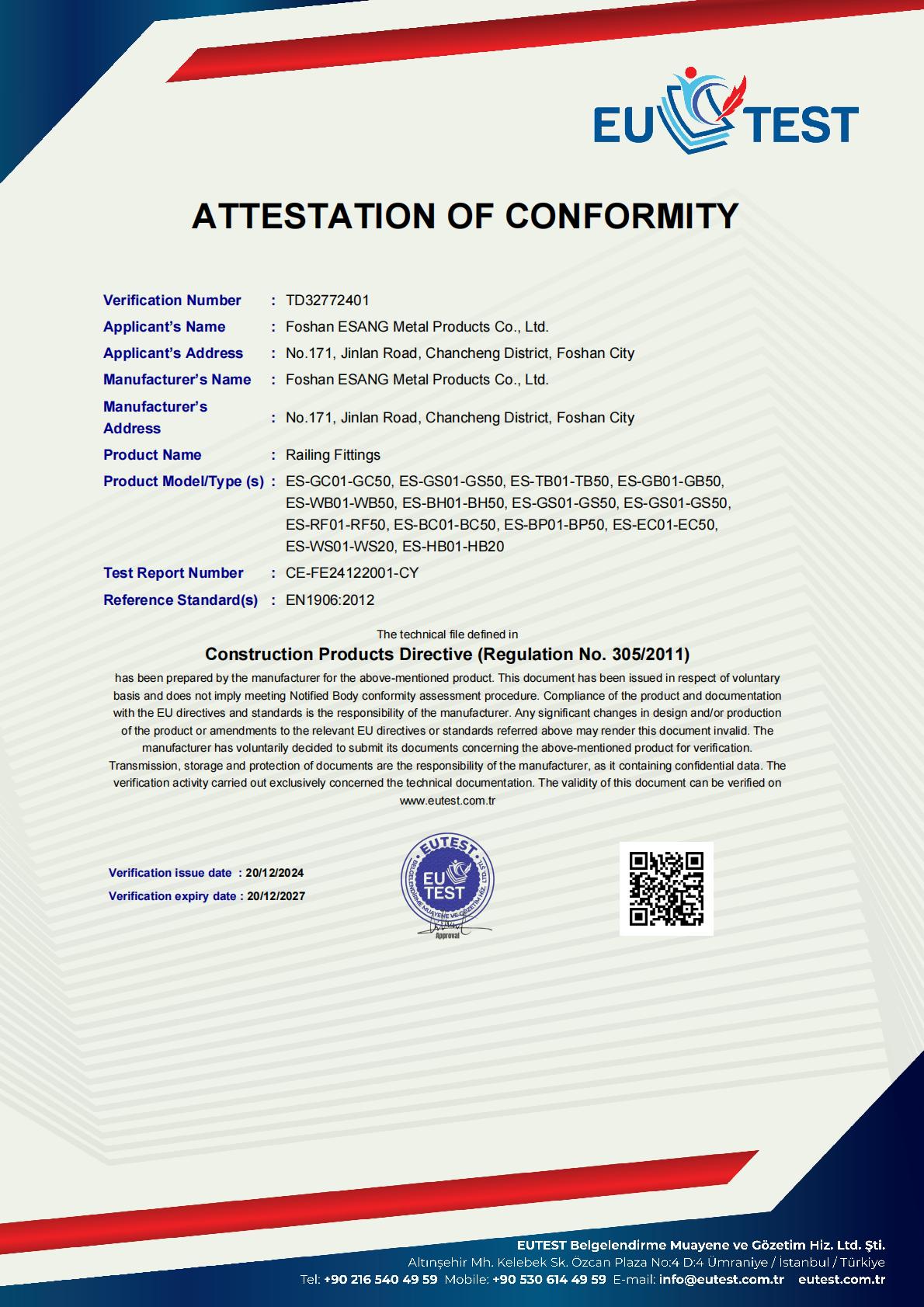
Foshan ESANG Metal Products onderhoudt met trots CE-certificering (Verificatienummer TD32772401) onder de Richtlijn bouwproducten (Verordening nr. 305/2011), waarmee we onze toewijding aan de hoogste Europese veiligheids- en kwaliteitsnormen bevestigen.
Gecertificeerd Assortiment:
Ons uitgebreide assortiment railingbeslag - inclusief glasklemmen, spanners, beugels, muurbevestigingen, basischoenen, leuningbeslag, kabelbeslag en staanderonderdelen - voldoet aan de volgende eisen EN1906:2012 normen, zodat de structurele integriteit en betrouwbaarheid van de prestaties in alle installaties gewaarborgd zijn.
Wat dit betekent voor je project:
✓ Volledige naleving van regelgeving voor Europese en internationale markten
✓ Onafhankelijk geverifieerde veiligheids- en duurzaamheidsprestaties
✓ Documentatie-ondersteuning voor architecturale specificaties
Gemoedsrust dankzij kwaliteitsgarantie van derden
Certificering geldig tot 2027 | Testrapport: CE-FE24122001-CY
Esangs projecten

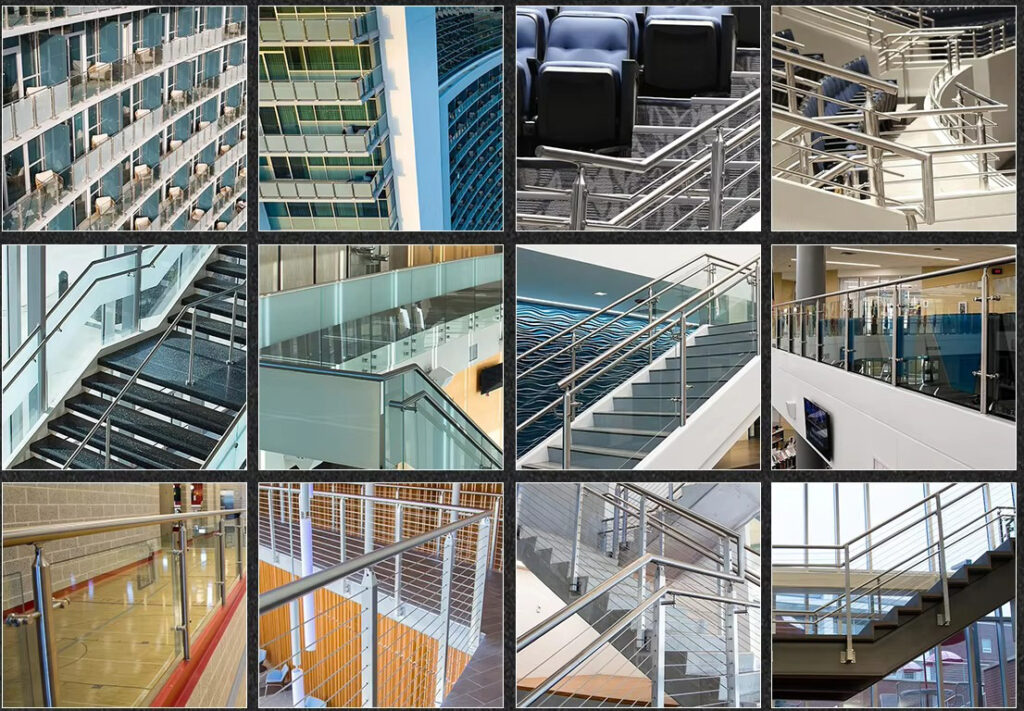
Referentieproducten