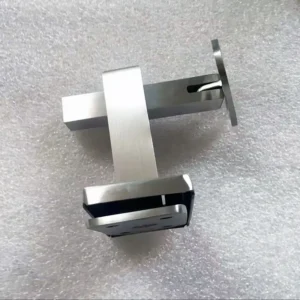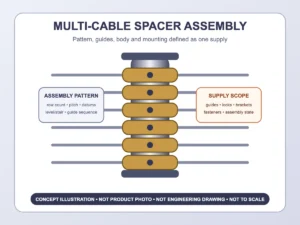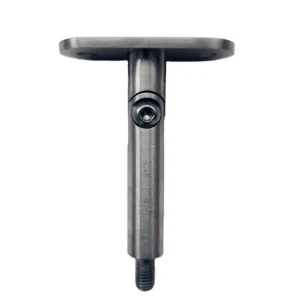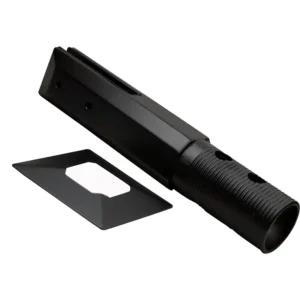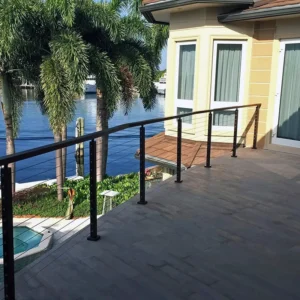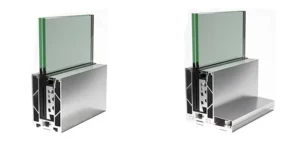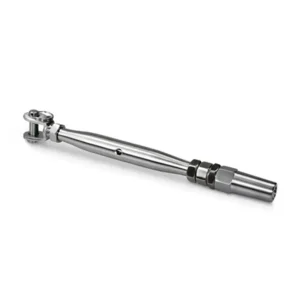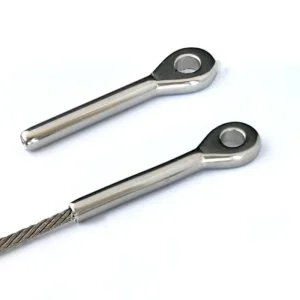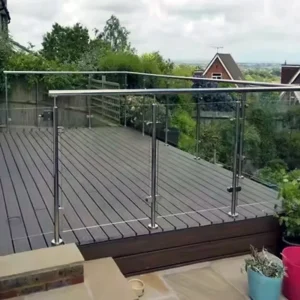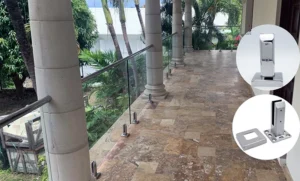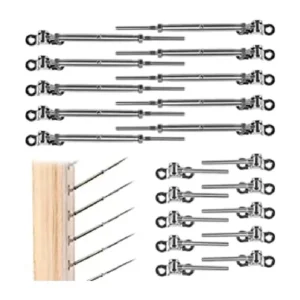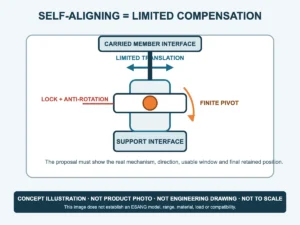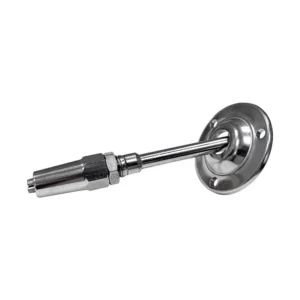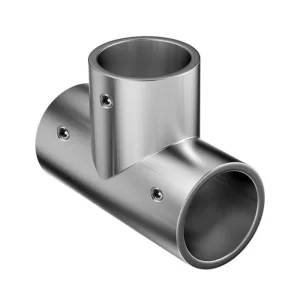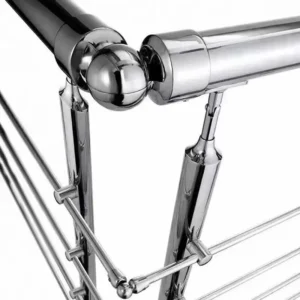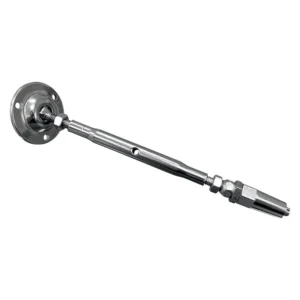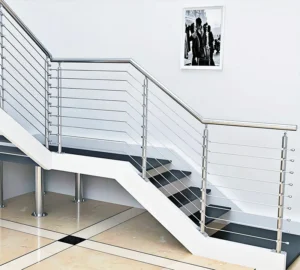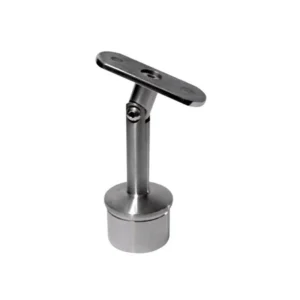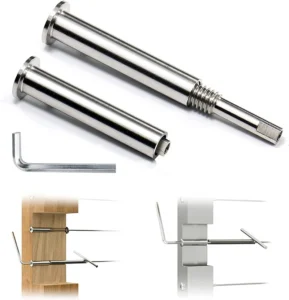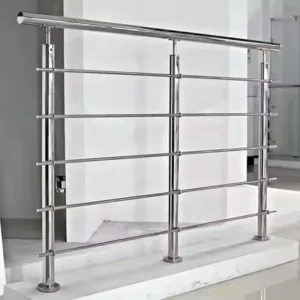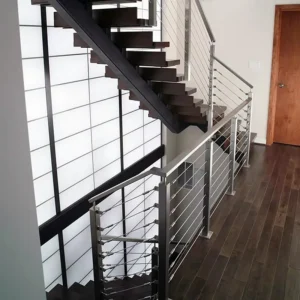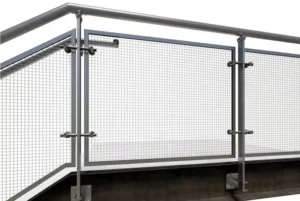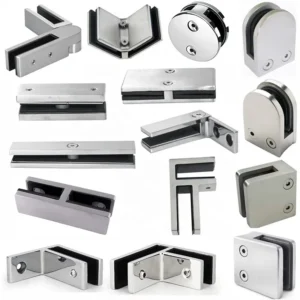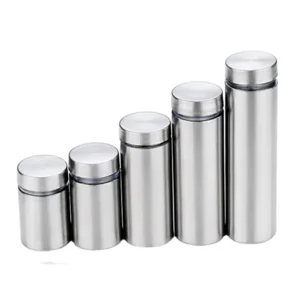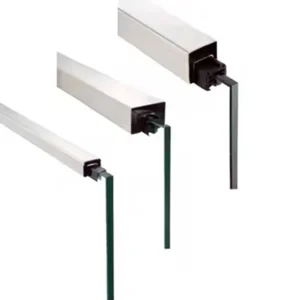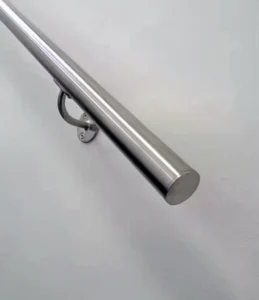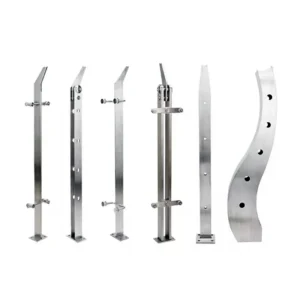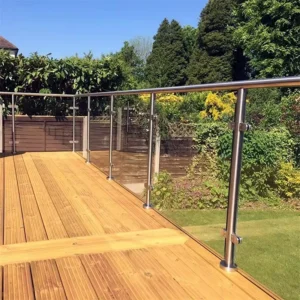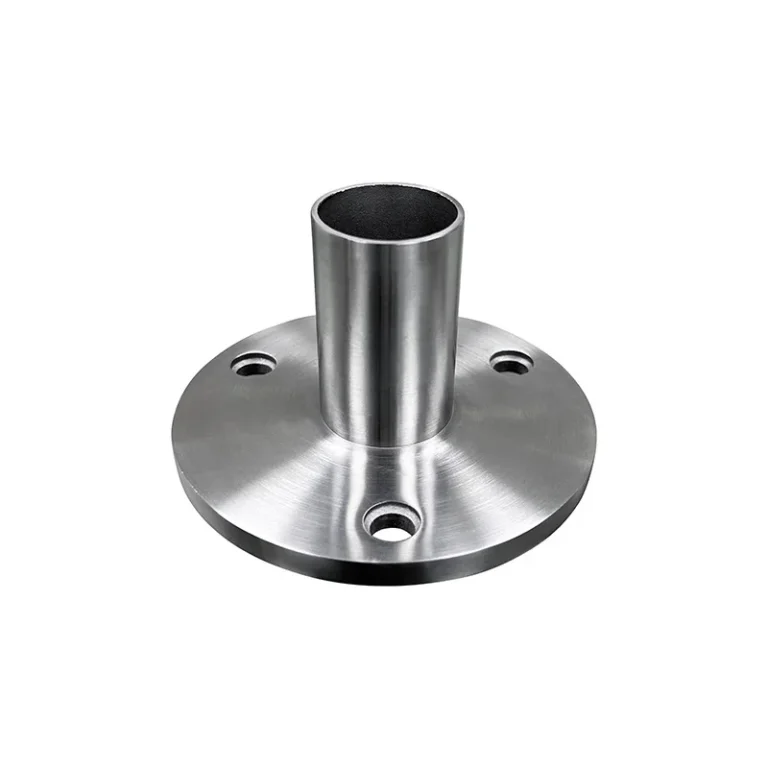
Surface mount base plates place a railing post or receiver on top of the finished mounting surface. They are useful when a core-mounted post is not planned, but the plate itself does not approve the anchor, substrate, or completed guard for a load. Start a quotation with the post profile, base material, edge distance, approximate quantity, and a photo or drawing; ESANG can then identify a proposed plate-and-receiver configuration for review.
Ask about surface mount base plates on WhatsApp
Choose the plate around the actual interface
A useful comparison begins with four connected decisions. Changing one can change the hole pattern, plate footprint, cover, and anchor design.
- Post and receiver: identify a round, square, or rectangular post by outside size, wall thickness, and how it is retained. A welded post, a slip-over socket, a set-screw receiver, and a threaded connection are not interchangeable.
- Plate geometry: state the available footprint, plate shape, thickness limit, hole diameter, hole centres, and orientation. A compact plate may preserve floor space but leave less room for anchor spacing and edge distance.
- Base material: distinguish structural concrete, structural steel, solid timber or blocking, masonry, screed, tile, and waterproofing. Finish material above a slab is not automatically the anchoring substrate.
- Exposure and appearance: provide indoor, outdoor, pool, coastal, cleaning-chemical, or other exposure details, plus the required visible finish. Material grade, finish, fasteners, and isolation from dissimilar metals should be considered together.
Round and square plates solve different layout problems
A round plate can suit a round post and simplify the visual transition at the floor. A square plate can provide a different hole layout and clearer orientation to a square post or edge. Neither outline is inherently stronger. Plate thickness, weld or receiver detail, post leverage, applied loads, hole positions, anchor type, embedment, base thickness, spacing and distance to the nearest free edge all affect the connection.
For a narrow slab edge, stair tread, kerb or deck perimeter, send a dimensioned plan showing the plate centreline and every nearby edge. Do not select a plate by post diameter alone. If the proposed holes cannot maintain the engineer-required spacing or edge distance, the solution may need a larger or offset plate, a different mounting route, local structural work, or a revised post location.

Keep the load path and the cover separate
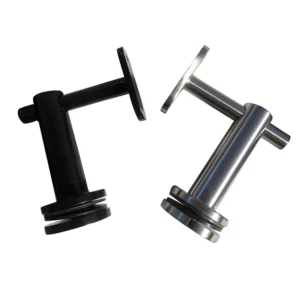
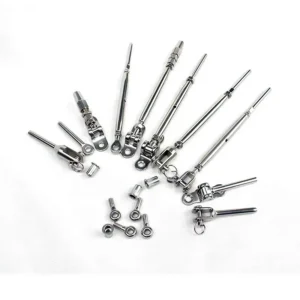
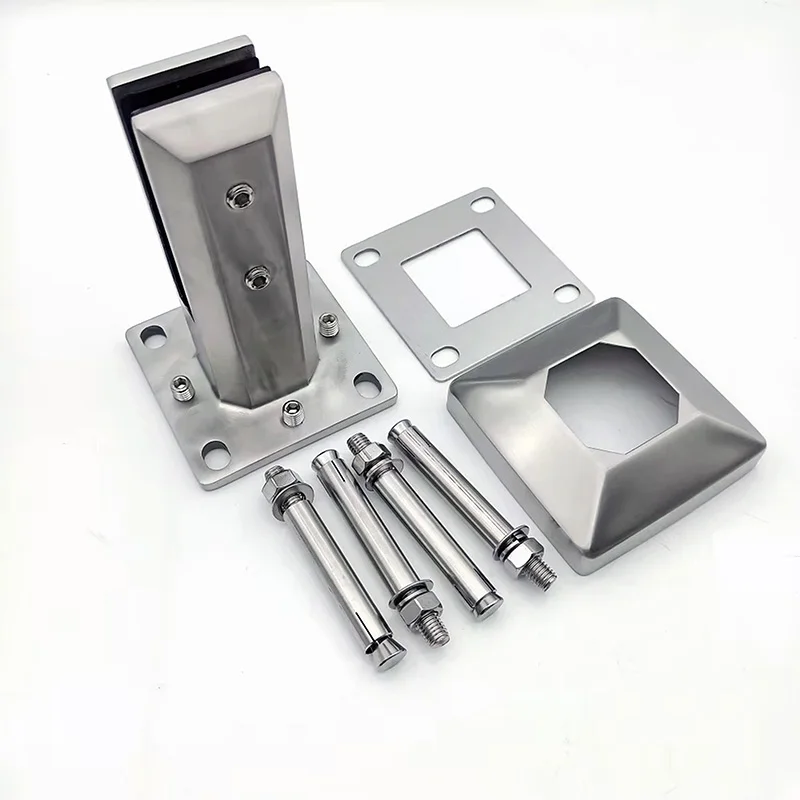
The structural path normally continues from the railing post through the post-to-plate connection, plate, anchors and supporting substrate. A decorative skirt or cover may hide the plate and fasteners, but it should not be treated as the structural plate. Likewise, loose fasteners pictured with a base do not prove that they are suitable for the project substrate.
The project designer or responsible engineer must determine the design actions and approve the complete attachment. The installer remains responsible for verifying the actual base, reinforcement and services before drilling; following the specified hole preparation, setting and torque procedure; maintaining waterproofing; and recording any field condition that differs from the approved drawing.
Put comparison fields into the quotation
Ask each offer to identify the same fields so two plates can be compared without relying on names such as "standard" or "heavy duty":
- post outside profile, wall thickness and post-to-receiver attachment;
- plate shape, length, width or diameter, thickness and flatness requirement;
- hole count, hole diameter, centre-to-centre pattern and orientation;
- proposed material and visible finish, with any material certificate requested by the project;
- weld, thread or set-screw detail and whether assembly is factory-completed or site-completed;
- decorative cover dimensions and whether it is included as a separate non-structural item;
- fasteners or anchors proposed for review, or a clear statement that they are excluded;
- drawing revision, quantity, packing split and any inspection documents included.
Information needed to start
A marked-up photograph and estimated quantity are enough for an initial discussion. Before the configuration is frozen, provide the post drawing, mounting surface and structural substrate build-up, distance from the post centreline to edges, hole-pattern constraints, design actions or the engineer’s connection criteria, exposure, finish, and whether a cover is required. The ESANG quotation should then state the exact proposed plate rather than imply that every pictured configuration is available.