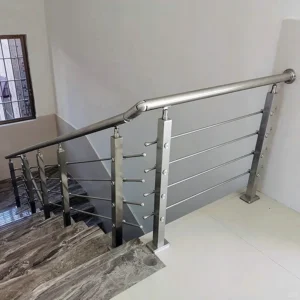
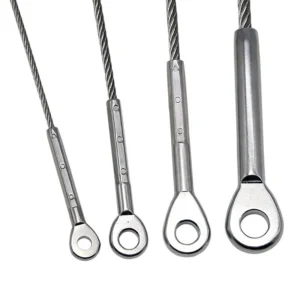
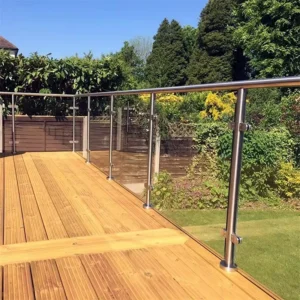
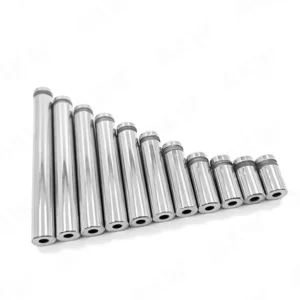
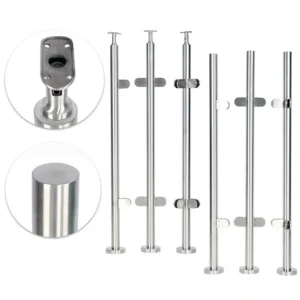
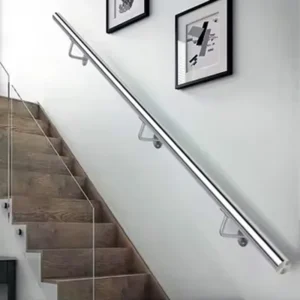
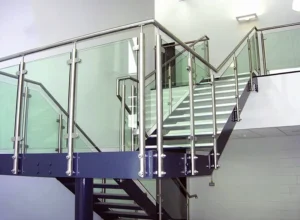
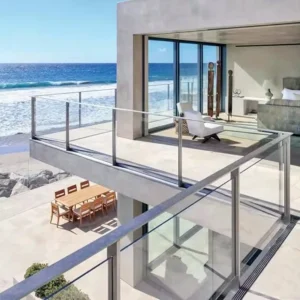
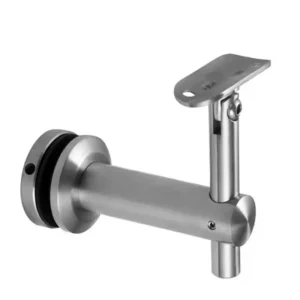
A welded handrail installation kit should be treated as a project-defined supply package, not a universal box of every rail, anchor, fitting, tool and consumable. The useful question is: which assemblies are shop-welded, which items ship loose, what the installer supplies, and which interfaces still require project engineering? ESANG can review a layout, photos or a preliminary bill of materials and prepare a proposed package for confirmation.
Discuss a welded handrail package on WhatsApp
Choose the supply format first
Shop-welded subassemblies
Posts, returns, corners or rail sections may be welded and finish-treated before packing. This can move repeatable fit-up and finishing into the shop, but the assembly must still fit the transport route, building access and final site dimensions. The quotation should name each welded assembly and its maximum dimensions.
Cut and prepared members
Rails or posts may be cut, drilled, notched or otherwise prepared for a defined site connection. The drawing must identify the preparation, orientation and matching part. “Ready to install” should not be used unless the remaining site operations and supplied hardware are explicitly listed.
Loose connection and mounting pack
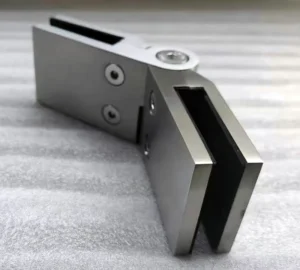
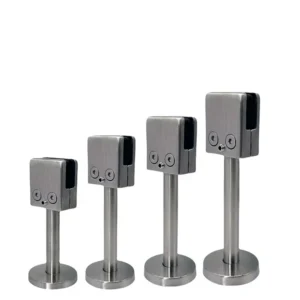
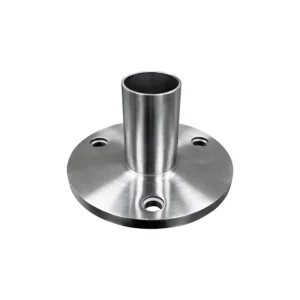
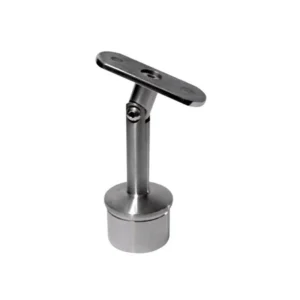
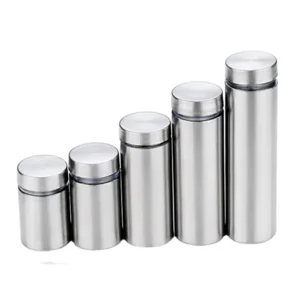
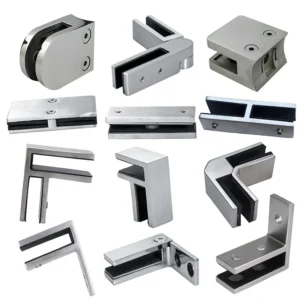
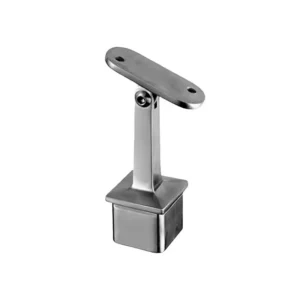
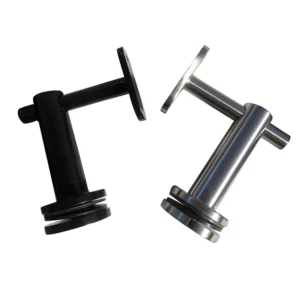
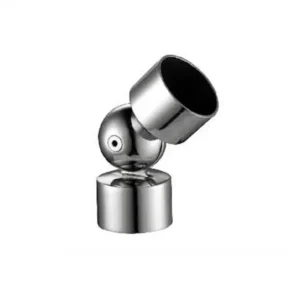
Brackets, caps, connectors, base plates and selected fasteners may ship as a marked pack. Their compatibility depends on rail profile, support, infill and substrate. Anchors, adhesives, welding consumables, gaskets and tools are included only when the approved quotation says so.
Use a scope schedule, not the word “complete”
For each line below, the quotation should state included, excluded of by installer:
- rails and returns: profile, grade, wall, finish, section lengths and end preparation;
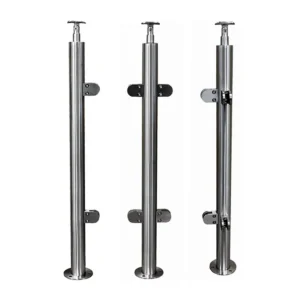
- posts and supports: profiles, heights, base condition, rail attachment and assembly marks;
- shop welds: exact joint locations, process or procedure requirements, finish treatment and inspection;
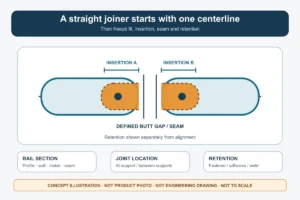
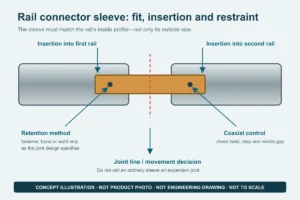
- field closures: mechanical, sleeved or field-welded joints and the party responsible for them;
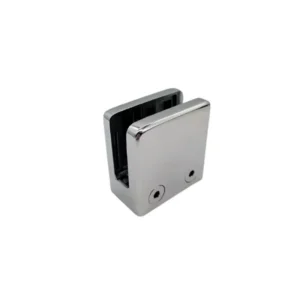
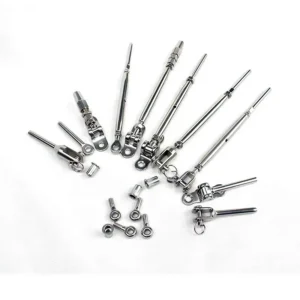
- brackets and connectors: part form, dimensions, material, finish and included fasteners;
- base plates and covers: hole pattern, post interface and visible trim responsibility;
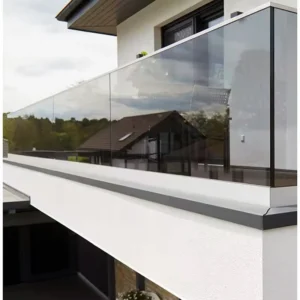
- infill interfaces: cable, rod, glass or panel hardware only where specifically scheduled;
- anchors and substrate hardware: type, size and approval, or a clear exclusion;
- consumables and tools: welding filler, gas, abrasives, cleaners, adhesives, sealants, drill bits, templates and special tools;
- documents: assembly drawings, packing list, material records, welding records, finish sample or inspection report where requested.
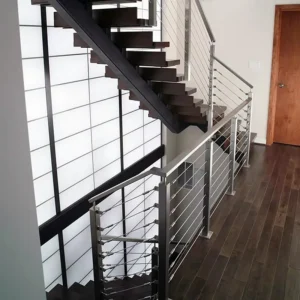
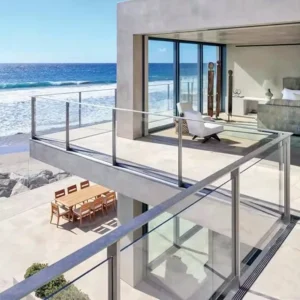
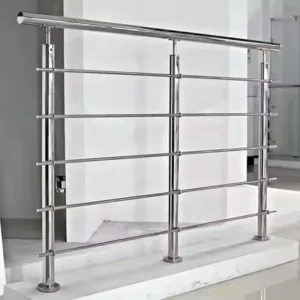
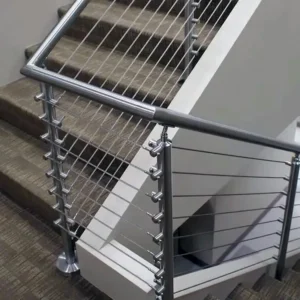
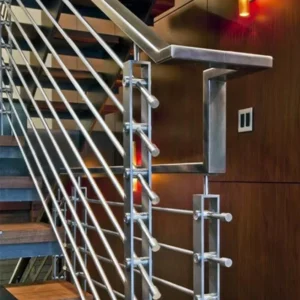
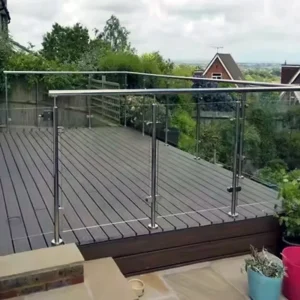
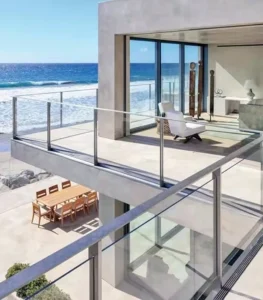
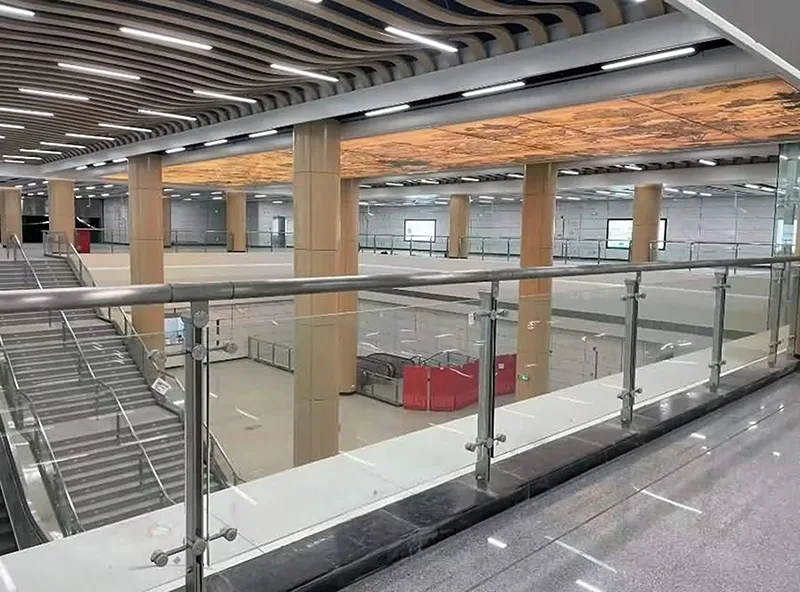
This schedule prevents a photo of an installed railing from being mistaken for the exact supply boundary.

Put welding acceptance in the order
“Welded” does not define the base metal, filler, joint preparation, procedure, welder qualification, inspection or final surface. State the project requirements that apply. AWS D1.6 is an official welding-code reference for stainless structures and weldments when stipulated in contract documents; linking to it here is not a claim that every ESANG package is certified to it.
The order or approved drawing should identify:
- base grade and thickness for every welded member;
- weld location, joint form, shop-versus-field responsibility and any procedure or qualification requirement;
- visible weld contour and whether welds remain as welded, are dressed or are blended flush;
- finish direction, color match and an approved surface reference;
- distortion and dimensional acceptance after welding;
- visual, dimensional or other inspection and the required records;
- repair responsibility and the treatment required after a field repair.
For stainless work, cleaning and post-fabrication surface treatment should also be explicit. ASTM A380/A380M covers cleaning, descaling and passivation practices for stainless parts and weld areas. It should be requested only with the exact project acceptance requirements; the page title does not make such treatment automatic.
Do not infer anchors or substrate capacity
Base plates and posts are only part of the load path. The substrate, edge distance, reinforcement, waterproofing, anchor type, embedment, installation condition and inspection all affect the attachment. Provide the approved structural detail or state that anchors are by others. ESANG should not be asked to select an anchor from a photograph alone, and an installation package should not be described as code-compliant until the complete project system has been evaluated.
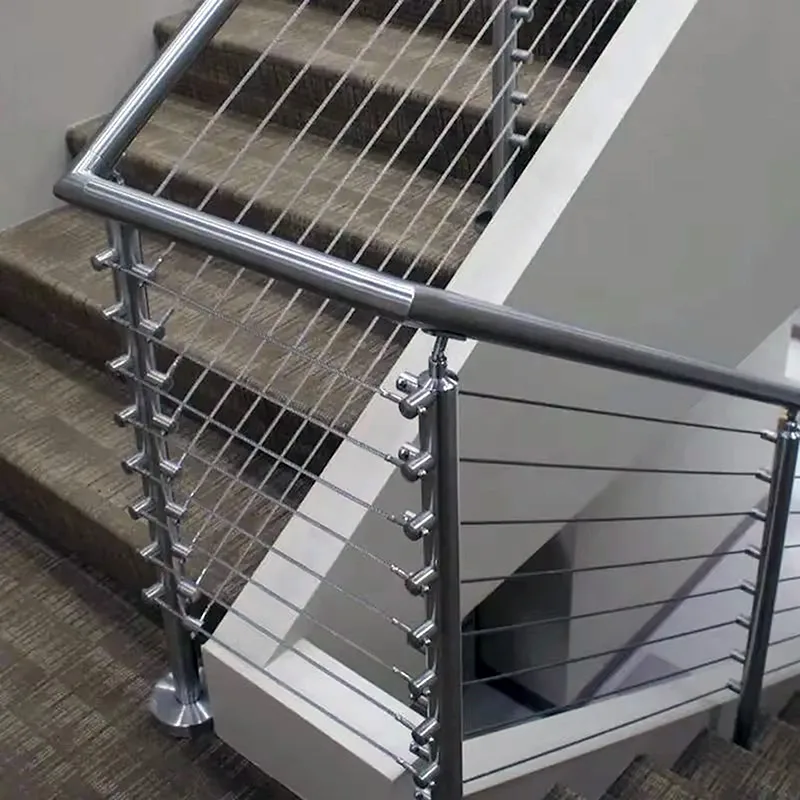
Package for the installation sequence
A useful package should follow the way the installer will build the route:
- name each elevation, run and assembly on both the drawing and packing list;
- mark orientation and matching ends without putting permanent marks on exposed faces;
- separate hardware by run or installation stage rather than combining untraceable loose parts;
- protect finished surfaces and exposed ends during packing and site storage;
- identify the dimensions that must be site-verified before production;
- identify field joints and the tools, access and finishing work they require;
- record missing or installer-supplied items as exclusions before release.
Packaging discipline reduces sorting and mismatch risk, but it does not replace the installer’s verification of substrate, layout and safe work method.
What to send for a useful proposal
A preliminary request can start with a plan, photographs and estimated quantities. For a production-ready quotation, send:
- plans and elevations with rail runs, corners, slopes, returns and support locations;
- rail, post and infill profiles with grade, finish and exposed-face requirements;
- the desired shop-welded assemblies and permitted field connections;
- approved substrate and anchor responsibility;
- site access, maximum handling size and installation sequence;
- estimated quantities, run names and packaging preference;
- the governing project specification and requested welding, material or inspection records.
The proposed package should return a bill of materials and drawing that identify every included item, shop operation and exclusion. That is the point at which “kit” becomes a defined commercial scope rather than an assumption.
Common package questions
Does the kit automatically include anchors?
No. Anchors are included only when the quotation names the exact approved anchor and quantity. Otherwise, the scope should state that substrate anchoring is by others.
Does “welded kit” mean every joint arrives welded?
No. A project may use shop-welded subassemblies plus mechanical or field-welded closures. The drawing and bill of materials should identify each joint route.
Are glass, cable and rod infill parts included together?
Not by default. These are different system routes with different interfaces. Request only the scheduled infill and matching hardware; the quotation should list the exact proposed parts.
Can certification or code compliance be assumed from the package name?
No. Material certificates, welding records, testing and code evaluation must be requested and supported for the exact configuration. Component supply does not certify the complete installed system.