Start with the Project Brief, Not the Infill Label
A wire mesh versus vertical picket comparison often begins as a preference decision, but the railing brief should drive the selection before either infill label is applied. The project team needs to record the required appearance, opening limitations, visibility expectations, cleaning or maintenance context, railing geometry, environment, and any project specifications that apply. Neither route wins on its own; each becomes relevant only against those stated conditions. The table below sets out the inputs to record before comparing options.
| Brief input | What to record before comparing |
|---|---|
| Visual intent | Traditional repeated members, semi-transparent panel effect, or another stated direction |
| Opening requirement | Project-defined opening limitation or specification |
| Railing layout | Level, stair, balcony, or mixed runs |
| Upkeep context | Cleaning access and maintenance expectations |
| Interfaces | Post layout plus top- and bottom-rail details |
Wire Mesh and Vertical Pickets Solve the Opening Differently
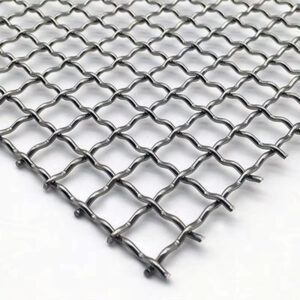
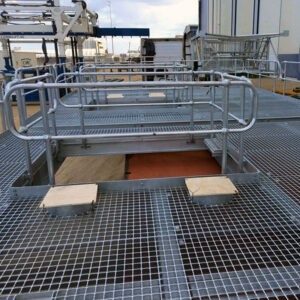
Wire mesh infill is a semi-transparent panel filling a larger opening, and its selection depends on pattern, frame, fixing, edge finish, and cleaning access. Vertical pickets create repeated members between rails, and their definition depends on picket spacing, picket size, rail connection, and opening requirements. These are different ways of solving the same opening, not interchangeable labels.
Banker Wire’s application page for Wire Mesh for Railings describes mesh used as railing infill, woven or welded pattern choice, customizable openings, and preserved sightlines. That description is specific to Banker Wire products and applications; it does not establish ESANG capability, code compliance, strength, maintenance outcome, or universal suitability. Similarly, the Feeney DesignRail Picket Infill page describes repeated aluminum pickets secured to top and bottom rails for level and stair applications, but those dimensions, installation methods, finishes, and performance claims apply only to Feeney’s described system.
The table below compares both routes using only the directly supported distinctions.
| Decision dimension | Wire mesh infill | Verticale spijlenvulling |
|---|---|---|
| Opening treatment | Semi-transparent panel filling a larger opening | Repeated vertical members between rails |
| Primary definition inputs | Mesh pattern, panel frame, fixing, and edge finish | Picket spacing, picket size, and rail connection |
| Upkeep question | Cleaning access around mesh and edges | Access around repeated members and rail connections |
| Geometry question | Panel shape and frame/fixing response to the run | Member layout and connection response to level or stair runs |
Compare the Interfaces and Fabrication Scope
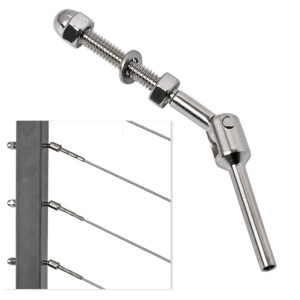
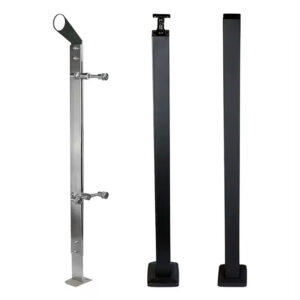
The interfaces and fabrication scope differ between the two routes. For mesh, the relevant questions concern panel edges or frames and clip, tab, or bracket concepts that connect the mesh to the supporting structure. For pickets, the relevant questions concern individual member size, spacing, and connections to top and bottom rails. Both routes share a common coordination set: post layout, rail profiles, material, finish, and stair or level geometry.
The table below shows where quotation scope may differ between the two routes without inventing cost or fabrication claims.
| Scope area | Mesh route | Picket route |
|---|---|---|
| Infill unit | Framed or project-defined mesh panel | Individual pickets or a project-defined picket panel |
| Edge and fixing | Edge treatment plus clips, tabs, brackets, or specified alternative | Connections at top and bottom rails |
| Shared coordination | Posts, rails, material, finish, layout, and installation conditions | Posts, rails, material, finish, layout, and installation conditions |
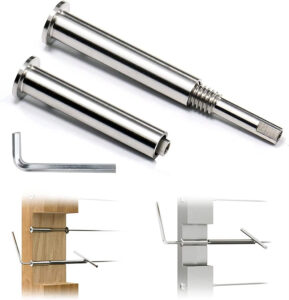
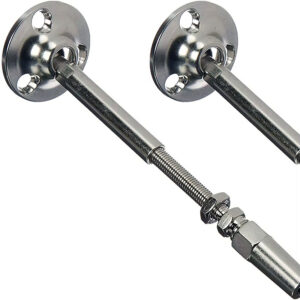
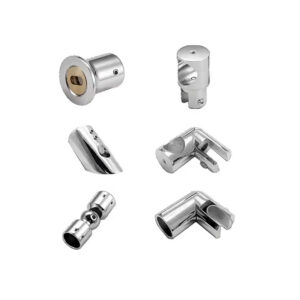
Practitioners comparing these routes should review ESANG’s Vulpanelen van gaas en Vertical Picket Infill Components to understand the component sets available for each route. A related same-site comparison, Wire Balcony Balustrade How It Compares With Other Infill Types, may be useful for teams evaluating other infill options alongside these two.
Turn the Selection into a Reviewable Brief
Once the project team has compared the routes, the selection should be recorded in a form that can be reviewed and carried into procurement. That record should include the chosen infill route, why it fits the stated visual and functional brief, the drawings and specifications supplied, any unresolved engineering or code questions, quantity, environment, and who will confirm the complete installed assembly.
The selection record should distinguish between project-defined requirements and unresolved technical questions so that procurement does not proceed on an incomplete brief.
Veelgestelde vragen
V: Which option should we shortlist for a semi-transparent panel appearance?
A: Wire mesh is the more directly aligned route for that visual brief because it fills a larger opening with a semi-transparent panel. Vertical pickets create a repeated-member appearance between rails. Screen either shortlist against the project’s opening requirements, layout, and upkeep expectations before making the selection.
V: Can we compare mesh and picket quotations using the same infill dimensions alone?
A: No, dimensions alone leave different parts of the supply scope undefined. A mesh proposal needs its pattern, edges or frame, and fixing concept; a picket proposal needs member size, spacing, and connections to the rails. Use the same post layout, rail profiles, material, finish, and run geometry for both enquiries so the comparison addresses the same project.
V: How do we compare the two options where cleaning access is limited?
A: Compare access around the proposed infill details rather than assume either label means easier upkeep. Mesh requires consideration of the mesh surface and panel edges; pickets require access around repeated members and rail connections. Record the project’s cleaning expectations alongside the actual railing geometry.
V: What should our team record once it prefers one infill route?
A: Record the chosen route and why it fits the stated visual and functional brief, together with the drawings, specifications, quantity, and environment. List unresolved engineering or code questions and identify who will confirm the complete installed assembly; the selection itself does not establish compliance or equivalence.