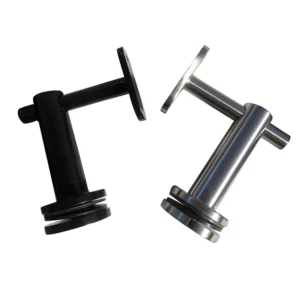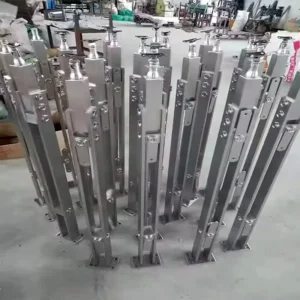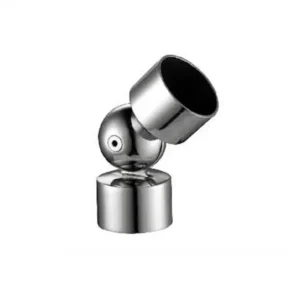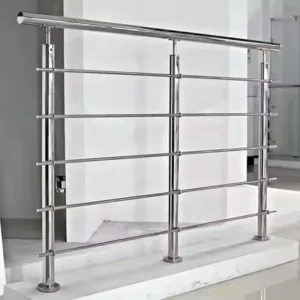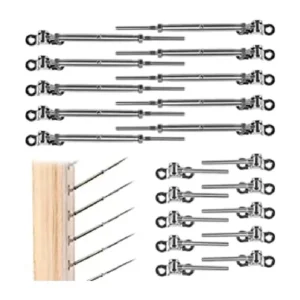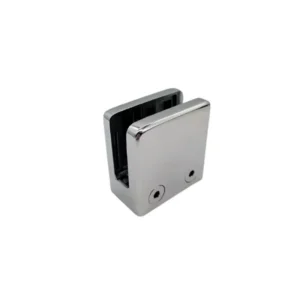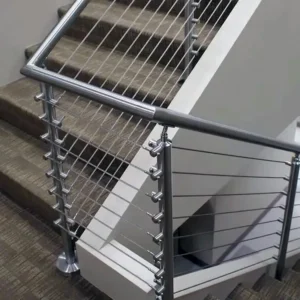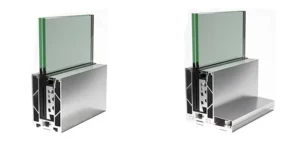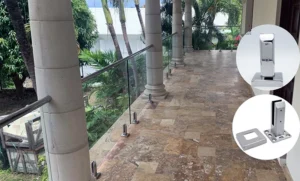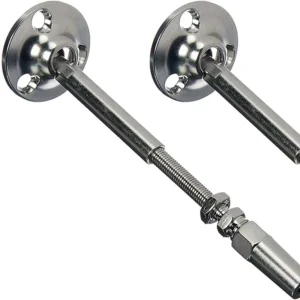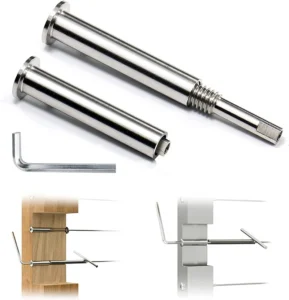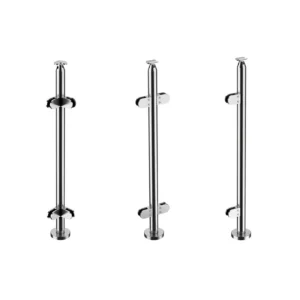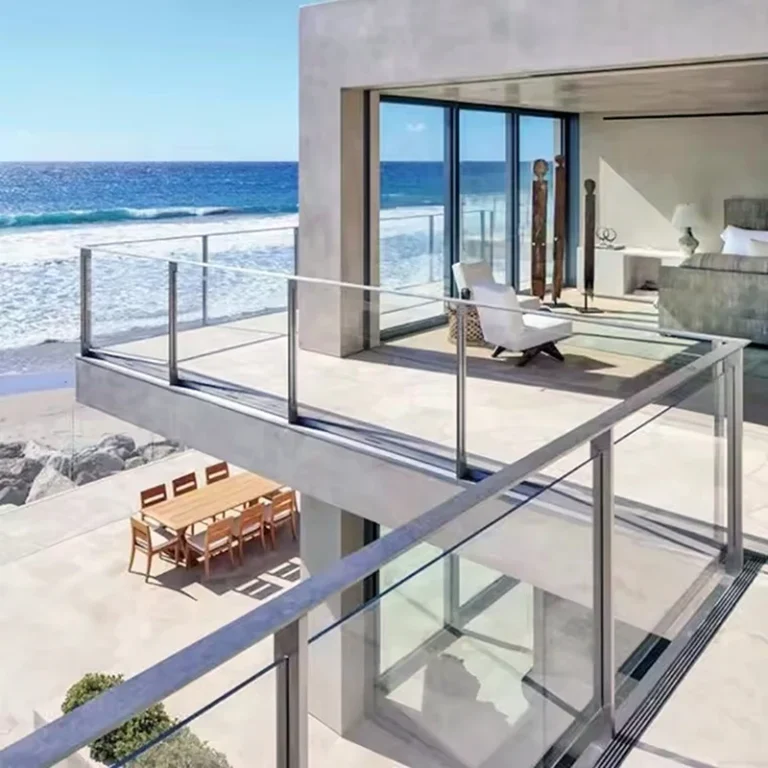
Specify a marine railing by exposure and connection detail—not by the words “marine grade” alone. ESANG can review a 316L railing component request from drawings, photographs, an approximate run length, or an early layout. Start with the site’s salt and water exposure, the intended infill, the mounting surface, and whether the work includes welded fabrication.
Discuss a 316L marine railing request on WhatsApp
First separate coastal atmosphere from seawater contact
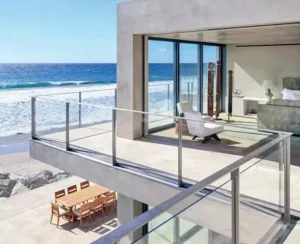
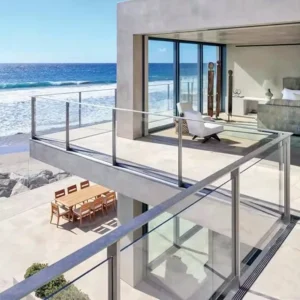
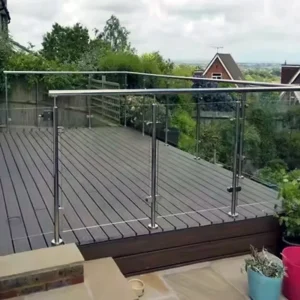
A rain-washed balcony above the shore, a sheltered rail that holds salt deposits, a splash-zone platform, and a fitting that remains immersed are not equivalent environments. Distance from the water is only one input. Wind, surf, rain washing, shelter, humidity, pollution, waterline cycling, crevices and cleaning access can change the actual chloride exposure.
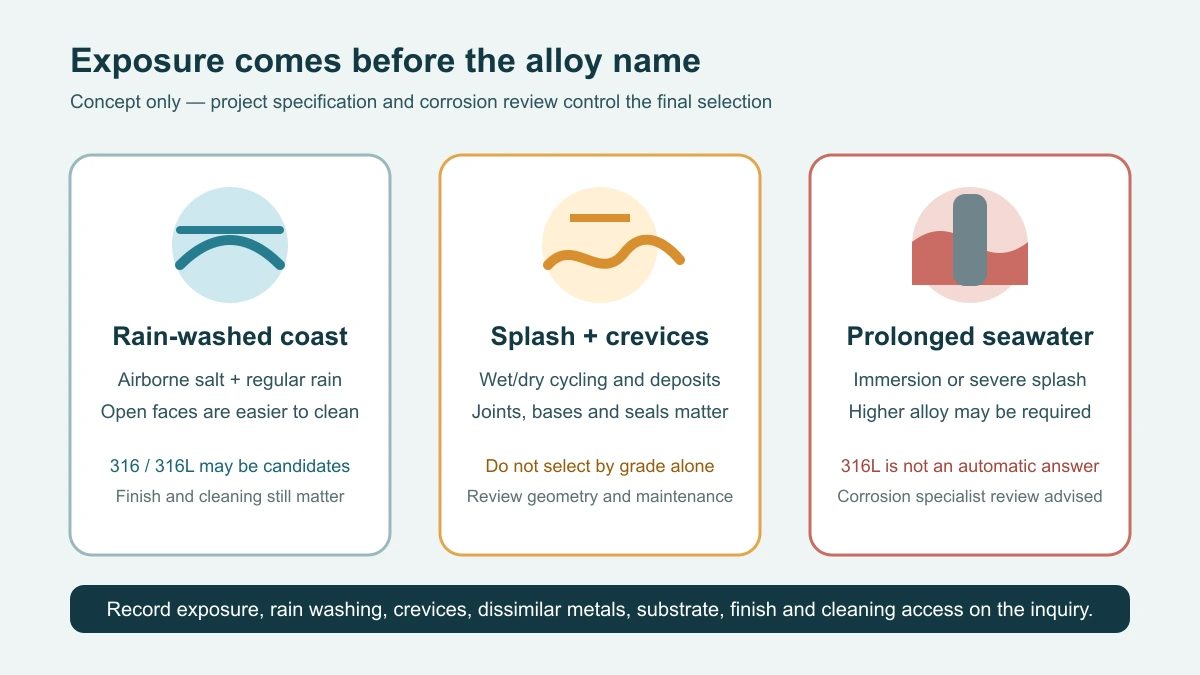
World Stainless marine guidance lists 316 and 316L for coastal land-based handrails, while also distinguishing those duties from permanent seawater contact. Treat that as material-selection context, not as approval of a complete railing or a promise that one alloy will suit every marine site.
What 316L changes—and what it does not
Type 316 contains molybdenum and is commonly considered where chloride exposure is more demanding than ordinary inland service. The “L” in 316L identifies a lower-carbon version. It is especially relevant where the fabrication specification needs to control sensitization around welds. It should not be sold as a separate guarantee of zero staining, zero pitting, maintenance-free service or suitability for continuous seawater immersion.
- Use the project designation: record the requested grade or governing material standard on the drawing and quotation. “Stainless” or “marine grade” is not a complete designation.
- Review the fabricated condition: tube, plate, casting, fastener and weld consumable must be identified for the parts actually supplied.
- Control surface condition: finish direction, weld cleanup, contamination control and any specified passivation or electropolishing should be stated rather than assumed.
- Escalate severe exposure: direct, prolonged seawater contact or unusually high salt deposition may require a more corrosion-resistant alloy and specialist review.
Define the system boundary before requesting a price
A useful quotation should make clear which parts ESANG is being asked to manufacture and which remain with the designer, installer or other trades. Do not transfer the corrosion resistance of a post or fitting to the glass, cable, anchors, substrate, waterproofing or complete installed guard.
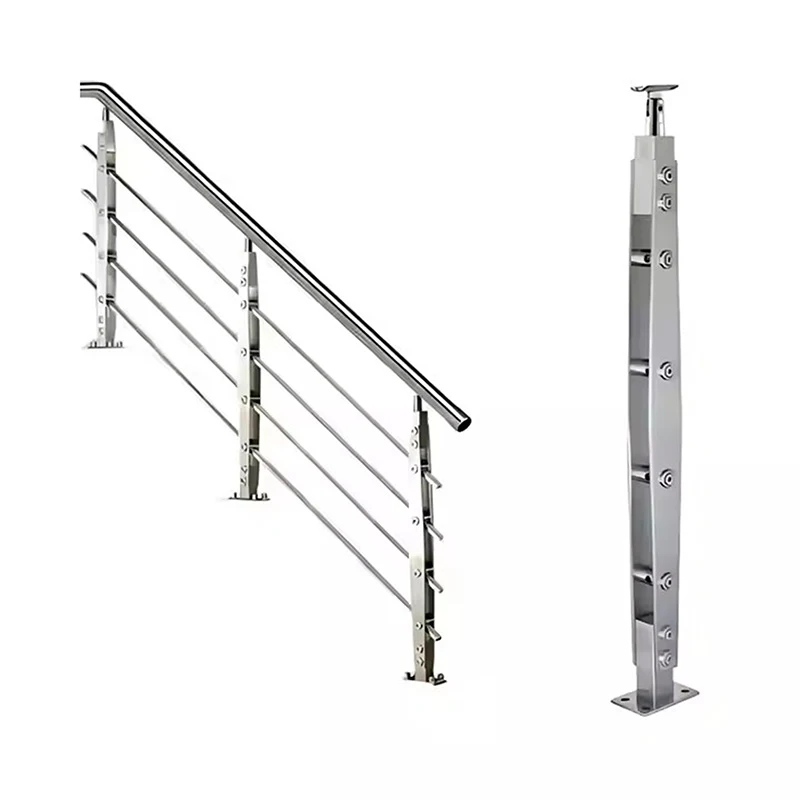
Posts, rails and infill
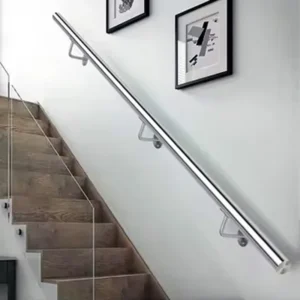
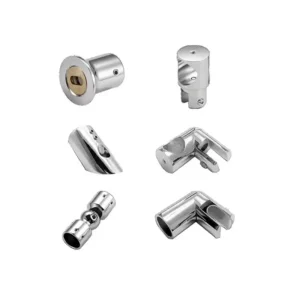
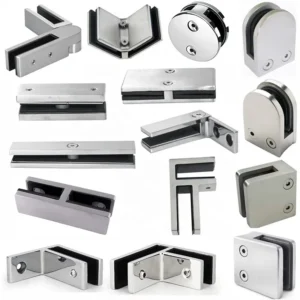
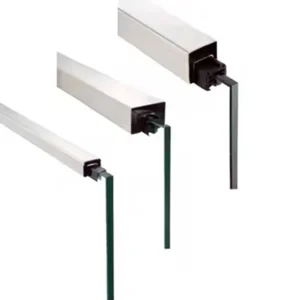
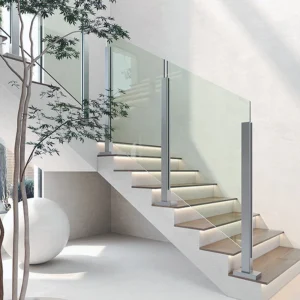
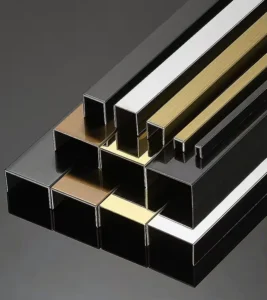
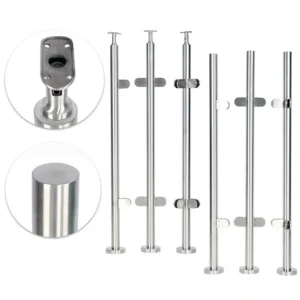
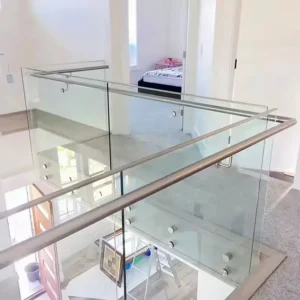
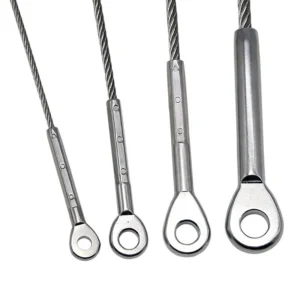
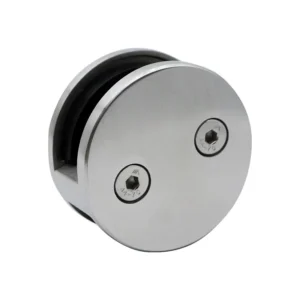
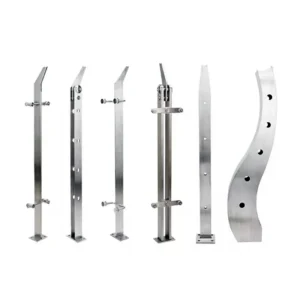
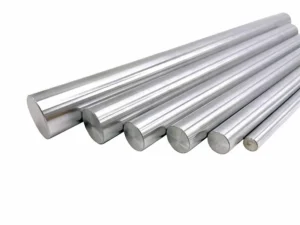
Choose the system route first: glass for view continuity and wind-screening goals, cable for an open visual field with tensioning access, or bar/picket infill where a visibly robust layout is preferred. Then state the post profile, rail profile, corners, terminations, openings, and any removable or gated section. Glass make-up, cable layout and opening limits must come from the project design—not from a generic marine label.
Connections, fasteners and wet details
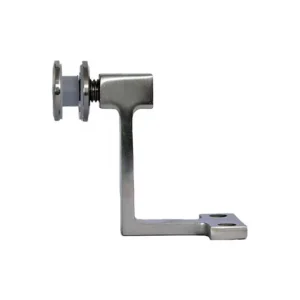
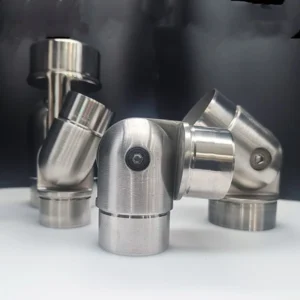
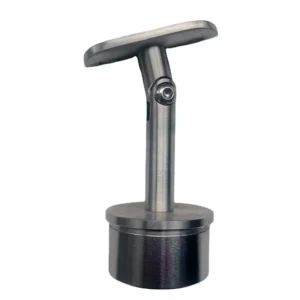
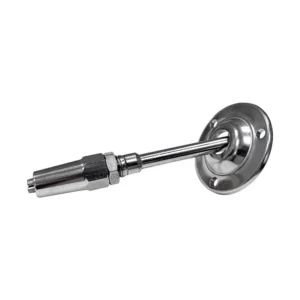
Identify welded versus mechanical joints, accessible versus concealed fasteners, tube-end closures, drain paths and places where salt can collect. A narrow lap, covered base plate or unwashed underside can create a more aggressive local condition than the exposed rail face. Dissimilar metals in electrical contact, especially when wet, need a deliberate isolation and fastening strategy.
Base, anchor and substrate
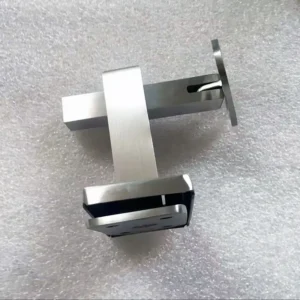
Surface mount, fascia mount, core mount and wall mount transfer forces differently and expose hardware differently. The structural engineer or responsible project designer must confirm loads, anchor type, edge distance, embedment, substrate capacity and any movement demand. The waterproofing designer or responsible trade must confirm penetrations, sealant interfaces and drainage. ESANG’s proposed component schedule should match those approved details; it does not replace them.
Compare configurations with project fields, not marketing labels
| Besluit | Option to compare | Record on drawing or quotation |
|---|---|---|
| Exposure | Rain-washed atmosphere, sheltered salt deposits, intermittent splash, prolonged wet contact | Location, wet/dry cycle, rain washing, cleaning access and any specialist alloy decision |
| Montage | Shop-welded sections or mechanical field assembly | Joint type, weld/fastener material, finish restoration, allowable field work and removable sections |
| Opvulling | Glass, cable, bar/picket or a project-specific panel | Geometry, mating hardware, tolerances, tension or gasket requirements and excluded items |
| Montage | Top/surface, fascia, core or wall connection | Substrate, base/adapter geometry, approved anchors, isolation, waterproofing and drainage responsibility |
| Onderhoud | Accessible cleaning and inspection or restricted access | Finish, sheltered faces, drain points, removable covers and owner-approved maintenance plan |
Information needed to prepare a useful proposed configuration
You can begin with incomplete information. A marked-up plan, site photographs, approximate length and quantity are enough for an initial routing discussion. Before a supply configuration is frozen, the following should be confirmed:
- site type and exposure: coastal air, splash, tidal wetting, pool chemicals or prolonged seawater contact;
- applicable project specification, local code and any required material standard;
- rail height, runs, corners, slopes, gates, removable sections and infill route;
- post spacing or design reactions supplied by the project engineer;
- mounting method, substrate and approved anchor design;
- material designation for each supplied component, surface finish and weld treatment;
- fastener, gasket, isolation, sealant, drain and waterproofing interfaces;
- quantity, packaging, delivery destination and which items are excluded from supply.
The proposed bill of materials should identify the parts and grade being quoted, finish, principal dimensions, connection method, mating components, supplied fasteners or consumables, and stated exclusions. Final structural performance, corrosion suitability, installation, code compliance and acceptance remain project-specific.
Veelgestelde vragen
Is 316L automatically better than 316 for every coastal railing?
No. Both are commonly used for coastal land-based work. 316L’s lower carbon content is particularly relevant to welded fabrication, but exposure severity, finish, crevices, contamination, cleaning and the other components still control the result.
Can 316L be used permanently in seawater?
Do not assume so. Prolonged immersion or severe, regularly splashed exposure can require a more highly alloyed stainless steel and a corrosion specialist’s review. State the actual contact condition before material selection.
Does rain help a coastal railing?
Regular heavy rain can wash exposed surfaces, while sheltered faces may retain salt deposits. The quotation should therefore distinguish rain-washed and sheltered surfaces and include cleaning access.
Can ESANG quote from an early drawing?
Yes. An early drawing can start a component and interface review. Loads, code geometry, anchors, substrate, waterproofing and final material suitability must still be confirmed by the responsible project parties before manufacture and installation.