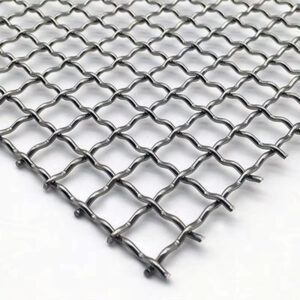
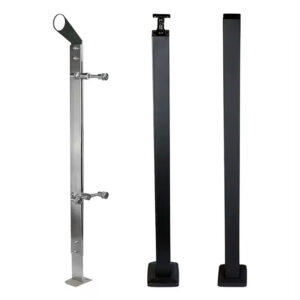
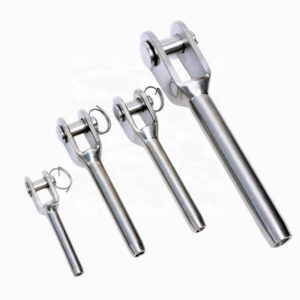
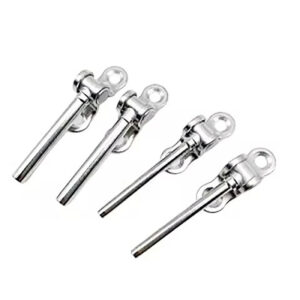
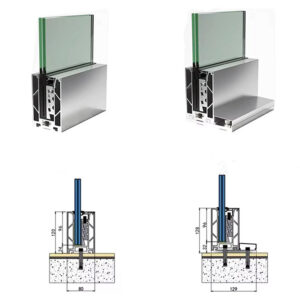
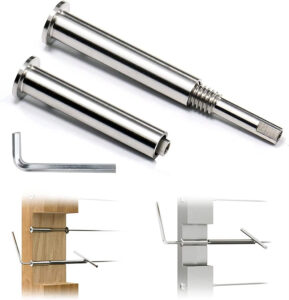
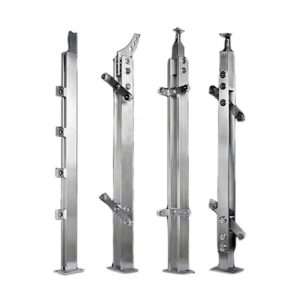
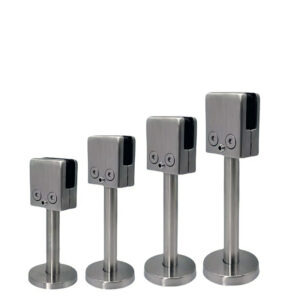
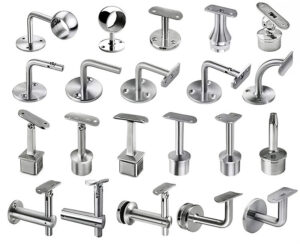
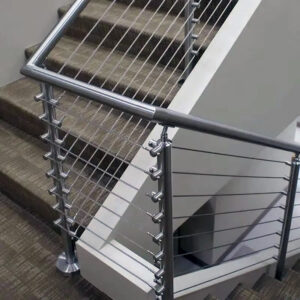
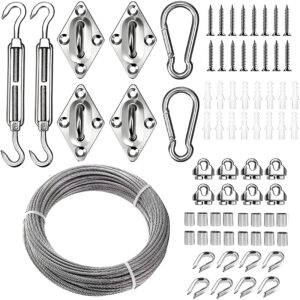
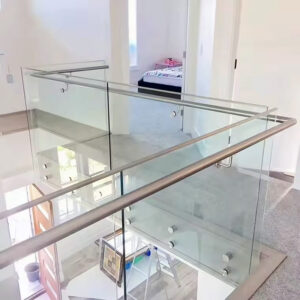
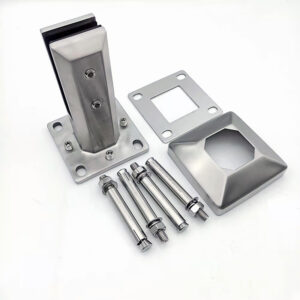
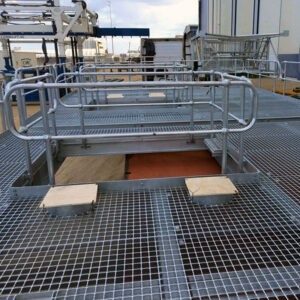
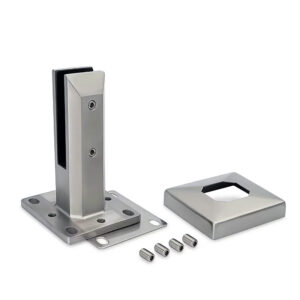
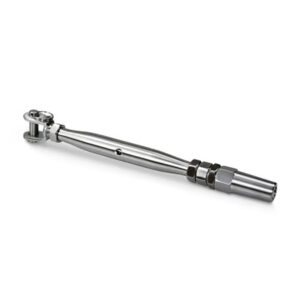
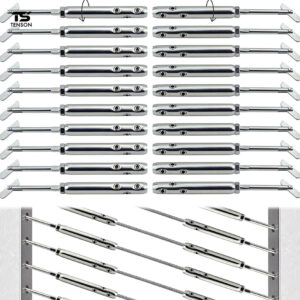
When a stainless steel post base reaches an engineering reviewer for anchoring approval, the reviewer needs a defined set of facts about the substrate, the loads the post transfers, and the anchor itself before a connection can be judged adequate. A hardware supplier can describe what a post base and anchor kit are built to accept, but the reviewer still has to confirm that the specific substrate, project actions, and installation conditions match what the anchor was selected for.
Information an engineering reviewer needs before an anchor can be considered
An anchor review is not a single check against a product datasheet; it is a comparison between what the anchor and substrate can jointly deliver and what the installed post assembly will demand of them over its service life. That comparison only works if the inputs arrive in a defined order and a defined form. The substrate comes first, because every other judgment about the anchor depends on what it is being installed into. Without a settled description of the base material, an engineer has no fixed reference against which to size an anchor or interpret test data.
Once the substrate is described, the geometry of the post base and the actions it transfers into that substrate define what the connection actually has to resist. These are two different kinds of information, and keeping them in sequence matters: a reviewer who receives anchor specifications before substrate and load information has to work backward, inferring the demand from the hardware rather than confirming the hardware against the demand. Where the project team supplies substrate and load information together, an early pass can identify whether the planned anchor family is even plausible for the condition, before time is spent on finish, length, or hole-pattern selection.
The last category is evidence: the documentation, test basis, or installation record that supports the anchor choice for this particular substrate and load combination. An anchor manufacturer’s rated capacity in a generic test substrate does not transfer automatically to a different substrate, a different edge condition, or a different installation method. Where the project substrate matches the tested condition closely, that evidence carries weight directly. Where it does not, the reviewer needs either a substrate-specific test or an engineering justification bridging the difference, and that justification is a project engineering task, not a hardware specification task.
Treating these three categories as sequential inputs, rather than as a single combined spec sheet, keeps the review focused on what each party is actually responsible for confirming.
Substrate material, thickness, condition, edges, reinforcement, and voids
Substrate material sets the anchor types that are physically and chemically compatible with the installation, because concrete, steel, and wood respond to anchor engagement through entirely different mechanisms: bearing and friction in concrete, thread or weld engagement in steel, and fiber engagement in wood. A post base anchor selected for one substrate category is not interchangeable with another on the basis of diameter or finish alone. The substrate’s identity has to be confirmed in writing before any further anchor comparison is useful.
Thickness or section follows directly from material identity, because an anchor’s ability to develop its intended resistance depends on having sufficient substrate depth or section beyond the anchor itself. A substrate that is nominally the right material but thinner than the anchor assumes will not deliver the same engagement, and a reviewer cannot infer adequate thickness from the substrate type alone.
Edge geometry changes how the substrate responds to load near a boundary. An anchor placed close to an edge interacts with less surrounding material than one placed well within a field, and that proximity can change the governing failure path even where the nominal anchor and substrate are identical to a better-placed installation. Edge distance is therefore a project-specific measurement, not a property of the anchor or a general assumption the reviewer can carry over from a different post location.
Condition and reinforcement describe what is actually present versus what was originally specified. A substrate that has aged, been repaired, or was placed without inspection may not match its original design documentation. Reinforcement, where present, can either help or constrain an anchor installation depending on whether the anchor can be placed clear of it or must be coordinated around it. Voids, honeycombing, or other internal discontinuities in a substrate are not visible from the surface and change the local engagement entirely where they occur near the intended anchor location.
Each of these substrate inputs can change the anchor conclusion independently of the others; a substrate that is otherwise ideal in material and thickness can still fail to support a given anchor where a void or an unfavorable edge condition exists at the installation point. The reviewer’s task is to confirm all of them for the actual location, not just the general substrate class named for the project, as outlined in Verankering van leuningpalen voor beton-, staal- en houten constructies.
Project actions and post-base geometry that define the connection demand
The connection demand on a post base anchor comes from the actions the post must transfer—lateral loads applied at handrail height, any vertical component, and whatever moment results from the post’s height and base condition—combined with how the post base geometry distributes those actions into the anchors. These two inputs have to be supplied together because post-base geometry without load information tells the reviewer only how force would be distributed if a load existed, and load information without geometry tells the reviewer only how much force exists without showing how it reaches the anchors.
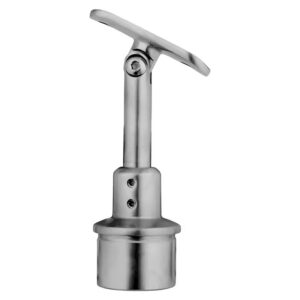
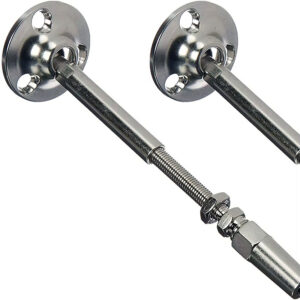
Post-base geometry includes the baseplate size, the anchor hole pattern and spacing, and whether the post connects through a single concentrated base or a wider distributed plate. A wider spacing between anchors, for a given overall moment, reduces the force each individual anchor carries; a tighter pattern concentrates more force into fewer or closer-spaced anchors. This is a geometric relationship independent of the anchor’s own rated capacity, and it has to be resolved before the anchor’s capacity is even relevant to the comparison.
Where the project team supplies governing actions directly from the responsible engineer, the anchor review proceeds as a comparison between a defined demand and a defined capacity. Where that information is instead inferred from a hardware catalog or from the post’s general application category, the reviewer is left estimating a demand that the hardware supplier did not calculate and is not positioned to calculate, because the supplier does not have visibility into the project’s governing code basis, occupancy, or site-specific load conditions. Asking the hardware side of a project to infer the connection demand shifts an engineering judgment onto a party that does not have the information needed to make it responsibly.
This distinction also affects how late-stage changes are handled. Where post spacing, height, or application changes after anchors have been selected, the governing actions and geometry change together, and the anchor review has to be repeated from these two inputs rather than assumed to still hold because the anchor model has not changed.
Anchor and fastener properties that do not establish joint capacity by themselves
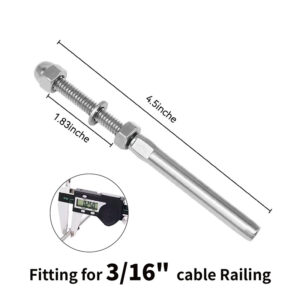
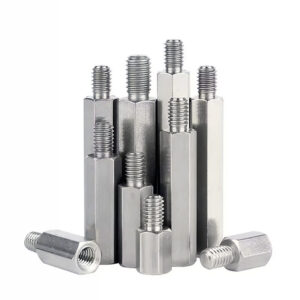
An anchor and the fastener associated with it carry a set of properties: material, diameter, grade or property class, and the mechanical values associated with that class. These properties describe what the fastener itself can resist in isolation. They do not describe what the completed joint—fastener engaged in the actual substrate, under the actual installation condition—can resist, because joint capacity depends on the interaction between the fastener and everything around it: the substrate’s resistance to the anchor’s engagement mechanism, the installation torque or embedment actually achieved, and the load path through the post base geometry already discussed.
ISO 3506-1:2020 illustrates this boundary directly for stainless fasteners: it defines property classes for corrosion-resistant stainless steel bolts, screws, and studs within its scope, but torque, shear, fatigue, and weldability sit outside what that property-class specification establishes, and the standard does not design a railing anchor connection. A fastener meeting a stated property class has been characterized on its own mechanical terms; whether that class is adequate for a specific anchor installation is a separate determination that depends on the substrate and load inputs already described.
This distinction matters most where a buyer or installer treats a higher-rated fastener as a substitute for a substrate or geometry problem. A stronger bolt engaged in an unsuitable substrate, or placed at an edge distance that changes the governing failure mode, does not recover the capacity lost to the substrate condition, because the fastener’s own rated strength is rarely the limiting factor once substrate or edge effects govern. Conversely, where the substrate and geometry are both adequate, the fastener property class becomes the relevant limit, and upgrading it can meaningfully change the outcome.
The reviewer’s task is to treat anchor material, diameter range, and hole pattern as inputs to be checked against the substrate and demand already established, not as a self-contained specification that can be approved independently. A fastener’s documented property class, by itself, answers a narrower question than whether the installed joint will perform as intended.
Exposure, installation access, and evidence required for the selected system
| Reference | Supported use in review | Bewijsgrens |
|---|---|---|
| ASTM E894-88 (2004) | Identify a standard with broad scope for permanent metal railing anchorage testing | The available metadata does not support requirements, values, or conclusions; consult the paid text before citing them |
| ISO 3506-1:2020 | Check property classes for in-scope corrosion-resistant stainless steel bolts, screws, and studs | Torque, shear, fatigue, and weldability are outside its specification, and the standard does not design a railing anchor connection |
| UFGS 05 52 00 Metalen balustrades | Use its project-edited metal-railing specification and submittal structure as an example | It is not a universal code or an ESANG product requirement |
Exposure conditions change which anchor material and finish are appropriate independently of whether the anchor’s mechanical properties are otherwise adequate. An anchor exposed to moisture, chloride, or outdoor weathering faces a corrosion environment that an anchor installed in a fully enclosed interior condition does not, and corrosion resistance is a separate axis from load capacity—an anchor can be mechanically oversized for its load and still be unsuitable for its exposure, or correctly resistant to corrosion and still undersized for its load. Both have to be confirmed, and neither substitutes for the other.
Installation access affects which anchor types are practically achievable regardless of what the substrate and load analysis would otherwise permit. An anchor type that assumes access from behind or below a substrate cannot be installed where only one face is reachable, and a post base located where blind installation is unavoidable narrows the anchor options before capacity is even considered.
Evidence requirements tie back to how the anchor’s rated performance was established. ASTM E894-88 (2004) identifies a standard with broad scope for testing the anchorage of permanent metal railing systems, which signals that anchorage testing for this application category exists as a defined area of standardization; the available metadata for that standard does not itself support specific requirements, values, or conclusions, so a reviewer citing it needs to consult the full text before relying on any stated figure. Separately, where a project specification is structured along the lines of a document like UFGS 05 52 00 Metalen balustrades, that structure can serve as a useful example of how a metal-railing specification and its submittal requirements might be organized, without that document functioning as a universal code or as a requirement ESANG’s products are built to satisfy.
Confirming exposure, access, and evidence together determines not just whether an anchor can resist the demand already established, but whether the evidence supporting that resistance applies to how and where it will actually be installed.
Responsibility record for selection, verification, installation, and acceptance
A post-base anchor package involves several distinct decisions, and each one has a different party best positioned to make it: who selects the anchor type and size based on the substrate and load inputs, who verifies in the field that the substrate matches what was assumed during selection, who installs the anchor to the procedure the selection assumed, and who accepts the completed installation as meeting the project’s requirements. Where these four roles are not assigned explicitly, a gap can open between what was specified and what was installed, because no single party is positioned to catch every category of discrepancy on their own.
Selection depends on the substrate, load, and geometry inputs already discussed, and is properly made by whoever has visibility into all three—typically the project’s responsible engineer, informed by the substrate conditions reported from the site and by the governing actions established for the post application. Field verification is a distinct task: confirming that the substrate actually present at each post location matches what selection assumed, since substrate condition can vary across a single project even where the specified material is uniform. Installation procedure—embedment depth, torque, curing or setting time where relevant—determines whether the anchor as installed can achieve the capacity that selection assumed it would have; an anchor selected correctly but installed incorrectly does not deliver the capacity the selection relied on. Acceptance is the final confirmation that the installed condition, as verified, matches what was approved.
This is also the stage at which project information supplied to a hardware source, including ESANG, enters a configuration or quotation review: the substrate, geometry, and exposure details a buyer provides shape which anchor and base-plate configuration can be offered, but that configuration review does not substitute for the field verification and acceptance steps that remain project responsibilities. Recording explicitly who owns each of the four roles, before the post package is released for installation, is what connects the engineering inputs already described to a documented approval rather than an informal assumption that the original specification was followed, a question addressed in Opbouw-leuningpalen voor betonplaten: vragen over de voetplaat, het anker en de afwatering.
Veelgestelde vragen
V: Is the substrate name alone enough to select a railing post base anchor?
A: No. The review also needs the substrate thickness or section, condition, edge geometry, known reinforcement or voids, and the post-base geometry. These details help the responsible engineer assess the connection rather than treating a broad material label as a complete design input.
V: What should happen if the governing project actions are not yet defined?
A: Keep the anchor selection under engineering review until the responsible engineer has the governing actions and post-base geometry. The hardware supplier should not be expected to infer the connection demand from the base plate or anchor label.
V: Does a stainless fastener property class establish the capacity of the railing connection?
A: No. A property class can describe an in-scope fastener property, but it does not establish joint capacity. The connection review still has to account for the substrate, connection demand, hole pattern, base geometry, installation conditions, and the evidence required for the selected system.
V: Can a cited standard or specification be treated as proof that a selected anchor system is acceptable?
A: No. ASTM E894-88(2004) identifies a broad railing-anchorage testing scope, but its available metadata does not provide requirements or results. ISO 3506-1:2020 addresses property classes for certain corrosion-resistant stainless steel fasteners, while UFGS 05 52 00 offers an example project specification and submittal structure; neither designs the project connection or automatically establishes acceptance.
V: What should be agreed before the post package is released?
A: Record who owns anchor selection, field verification, the installation procedure, and acceptance. Also confirm the anchor material and diameter range, hole pattern, installation access, exposure, and required evidence so unresolved items have a named decision owner.