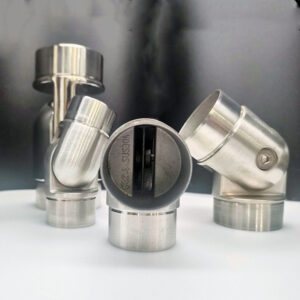
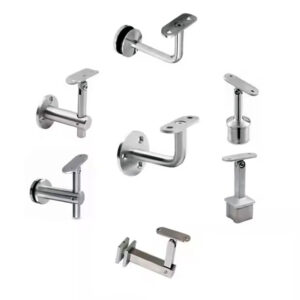
حوامل التثبيت على الحائط
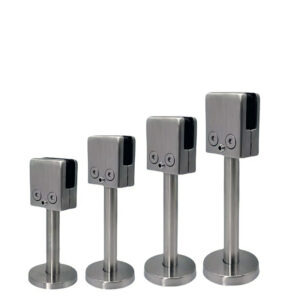
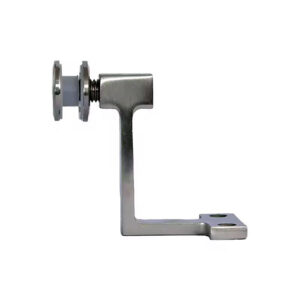
حوامل التثبيت على الحائط
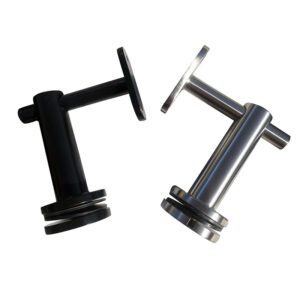
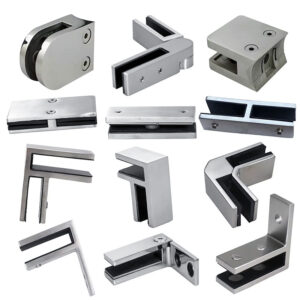
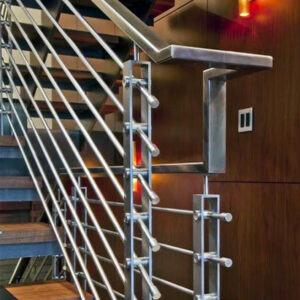
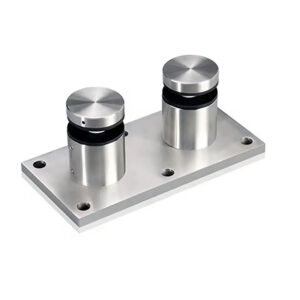
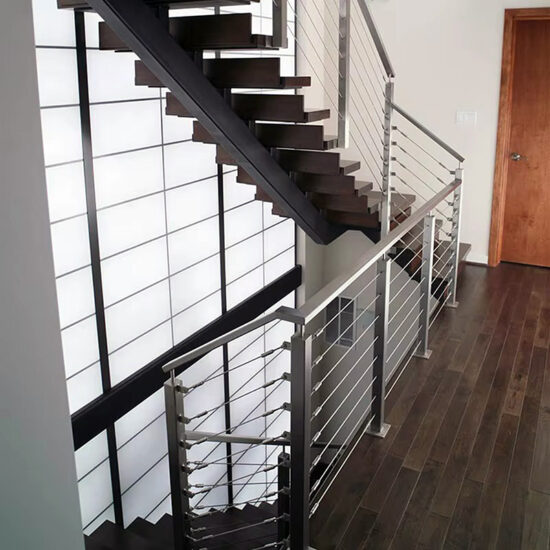
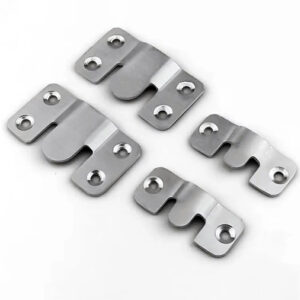
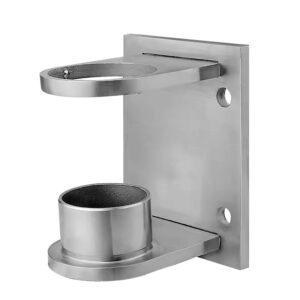
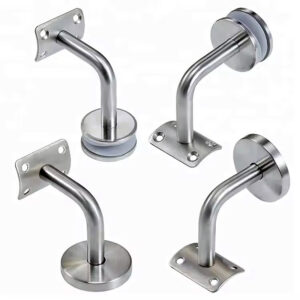
ESANG wall mount brackets are used to support stainless steel handrails from walls, side surfaces, corridors, stairways, ramps, and other structural mounting points. They connect the handrail tube to the wall and help determine wall clearance, projection distance, alignment, and installation appearance.
تشمل هذه الفئة حوامل التثبيت على الحائط القياسية, Heavy Duty Wall Brackets, دعامات حائط قابلة للتعديل, Extended Reach Wall Brackets, ، و Flush Mount Wall Brackets.
For contractors, distributors, fabricators, and project buyers, wall bracket selection should consider wall material, handrail tube shape, bracket projection, wall clearance, mounting plate style, adjustment requirement, material grade, finish, and project environment. ESANG can manufacture wall mount brackets according to drawings, dimensions, tube profiles, material grade, finish requirements, and installation conditions.
Wall Mount Bracket Options
| Bracket option | أفضل استخدام له هو | أسئلة أساسية حول الاختيار |
|---|---|---|
| حوامل التثبيت على الحائط القياسية | General wall-mounted handrails for stairs, corridors, ramps, and interior projects | What wall material, handrail tube size, projection, and finish are required? |
| Heavy Duty Wall Brackets | Public buildings, commercial corridors, high-traffic handrails, and stronger support conditions | What wall substrate, bracket spacing, tube size, and project requirement should be reviewed? |
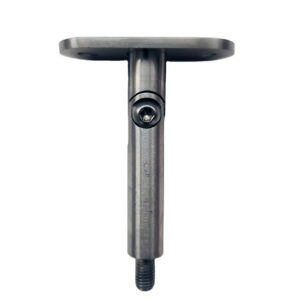
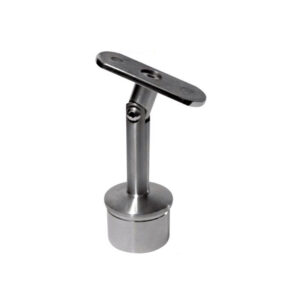
| دعامات حائط قابلة للتعديل | Stairs, ramps, uneven walls, angled handrails, and field-adjusted installations | What adjustment range, angle, wall clearance, and handrail profile are needed? |
| Extended Reach Wall Brackets | Projects requiring extra projection from the wall or clearance around surface obstructions | What offset distance, handrail clearance, wall condition, and support length are required? |
| Flush Mount Wall Brackets | Modern interiors, compact mounting conditions, and cleaner low-profile wall bracket layouts | What wall finish, mounting plate style, tube support, and visible hardware requirement should be matched? |
How to Choose Wall Mount Brackets
Wall mount brackets should be selected according to the wall surface and handrail tube. The bracket must support the handrail while maintaining the required clearance, projection, and alignment.
| حالة المشروع | الاتجاه الموصى به | ما أهمية ذلك |
|---|---|---|
| The project needs a standard stair or corridor handrail | Use standard wall mount brackets | Standard brackets are suitable for many common wall-mounted handrail installations. |
| The project is public, commercial, or high-traffic | Use heavy duty wall brackets or project-reviewed bracket spacing | Frequent use increases the importance of wall strength, bracket layout, and fixing method. |
| The handrail follows a stair slope or ramp angle | Use adjustable wall brackets | Adjustment helps align the bracket head with the handrail direction. |
| The wall has finish layers, obstructions, or extra clearance needs | Use extended reach wall brackets | Longer projection helps place the handrail at the required distance from the wall. |
| The project needs a compact or cleaner bracket appearance | Use flush mount wall brackets where suitable | Flush mount designs can reduce visual projection and create a more minimal appearance. |
| The project is accessibility-focused | Manufacture brackets to the required wall clearance, projection, and handrail position | Clearance, handrail height, and gripping surface should be confirmed by the project team. |
Bracket Projection, Wall Clearance, and Tube Support
The performance of a wall mount bracket depends on the relationship between the wall, bracket projection, and handrail tube. Buyers should confirm these details before ordering.
| Selection factor | ما الذي يجب التأكد منه | ما أهمية ذلك |
|---|---|---|
| خلوص الجدار | Distance between the wall and the handrail gripping surface | Clearance affects hand comfort and may be required by project specifications. |
| Bracket projection | How far the bracket extends from the wall | Projection must account for wall finish, obstructions, and required handrail position. |
| Mounting plate | Round flange, square plate, concealed plate, or custom fixing detail | The mounting plate affects installation method, appearance, and anchor layout. |
| Tube saddle or bracket head | Support shape for round tube, square tube, or custom handrail profile | The bracket head should match the handrail tube profile. |
| التباعد بين القوسين | Distance between bracket support points along the handrail | Spacing affects support, alignment, and installation planning. |
| Wall substrate | Concrete, masonry, steel, wood, framed wall, or custom structure | Different substrates require different fixing methods and anchor review. |
Standard, Heavy Duty, Adjustable, Extended, and Flush Brackets
Wall mount bracket types should be selected by installation role. A heavy duty bracket, extended reach bracket, and flush mount bracket solve different project problems.
| Bracket type | الوظيفة الرئيسية | الاعتبارات العامة |
|---|---|---|
| Standard wall mount bracket | Supports general wall-mounted handrails | Tube size, wall clearance, mounting plate, finish, and bracket spacing |
| Heavy duty wall bracket | Provides stronger support for demanding or high-use conditions | Wall substrate, anchor method, bracket spacing, handrail size, and project requirement |
| Adjustable wall bracket | Allows angle, height, or support head adjustment | Stair pitch, ramp angle, site tolerance, locking method, and handrail profile |
| Extended reach wall bracket | Provides additional projection from the wall | Required clearance, wall finish thickness, obstructions, and support length |
| Flush mount wall bracket | Creates a more compact or low-profile wall connection | Wall condition, visible hardware, mounting access, and handrail support detail |
المواد والتشطيبات والتصنيع حسب الطلب
ESANG wall mount brackets can be manufactured according to project requirements, including bracket projection, mounting plate shape, bracket head design, tube saddle, adjustment function, material grade, surface finish, and packaging requirements.
| الخامة أو التشطيب | الاستخدام النموذجي | الملاحظات |
|---|---|---|
| فولاذ مقاوم للصدأ 304 | Interior handrails, commercial corridors, residential stairs, and dry environments | A common option for many indoor wall bracket applications. |
| 316 فولاذ مقاوم للصدأ | Outdoor handrails, humid areas, poolside projects, and higher-corrosion environments | عادةً ما يُفضل استخدامه في الحالات التي تتطلب مقاومة أفضل للتآكل. |
| فولاذ 316L المقاوم للصدأ | المشاريع التي تتطلب قابلية لحام محسّنة أو أداءً أعلى في مقاومة التآكل | مناسب عندما تتطلب المواصفات استخدام الفولاذ المقاوم للصدأ منخفض الكربون. |
| تشطيب مصقول أو ساتاني | Commercial interiors, public corridors, stairs, ramps, and high-traffic routes | يساعد على تقليل ظهور بصمات الأصابع وعلامات الاستخدام الطفيفة. |
| تلميع المرآة | التصميمات الداخلية الزخرفية، والفنادق، والفيلات، وتطبيقات بصرية متميزة مختارة | يضفي مظهرًا لامعًا، لكنه يتطلب مزيدًا من العناية في الاستخدام والتنظيف. |
For non-standard wall-mounted handrail projects, customers can provide drawings, tube sizes, required projection, wall clearance, mounting plate details, finish requirements, and installation conditions. ESANG can review the requirements and manufacture wall mount brackets to match the project specification where feasible.
Compatibility with Handrails and Wall-Mounted Systems
Wall mount brackets should be selected together with the handrail tube and wall condition. The bracket is one part of the complete wall-mounted handrail assembly.
- For complete wall handrail systems, coordinate brackets with درابزين مثبت على الحائط.
- For round tube handrails, confirm bracket saddle shape, tube diameter, and finish.
- For square tube handrails, confirm bracket head shape, flat contact detail, and tube size.
- For angled or sloped handrails, review أقواس قابلة للتعديل or angle-adjustable hardware.
- For continuous runs, coordinate with موصلات السكك الحديدية, elbows, returns, and section joints.
التخصيص وفقًا لمتطلبات المشروع
Many wall mount bracket projects are customized according to wall condition, handrail tube profile, clearance requirement, bracket projection, and visual design. ESANG can support custom wall brackets, heavy duty wall brackets, adjustable wall brackets, extended reach brackets, flush mount brackets, mounting plates, saddle heads, and surface finishes.
When a project has standard-oriented requirements related to handrail height, wall clearance, gripping surface, bracket spacing, material grade, or installation method, customers should provide the required drawings and specifications. ESANG can manufacture wall mount brackets to match those provided details, while final compliance depends on the complete installed handrail system, wall condition, installation method, and applicable local code.
اعتبارات التثبيت والمشروع
Wall mount brackets should be reviewed with the complete handrail route. Wall condition, bracket spacing, handrail profile, clearance, and anchor method should be confirmed before production or installation.
- Wall material and substrate strength
- Handrail tube profile and diameter or size
- Bracket projection and wall clearance
- Mounting plate shape and anchor layout
- Bracket spacing and handrail length
- Fixed, adjustable, extended reach, or flush mount bracket style
- Indoor, outdoor, humid, or coastal environment
- Surface finish and cleaning requirements
- متطلبات قوانين البناء المحلية ومواصفات المشروع
For accessibility-focused U.S. projects, the معايير ADA 2010 للتصميم الميسّر لذوي الاحتياجات الخاصة provide reference requirements related to handrail clearance, gripping surface, height, and continuity. Wall brackets can be manufactured to support provided project dimensions, but final compliance should be confirmed by the project designer, engineer, contractor, or local authority.
سيناريوهات التطبيق
Commercial Corridors and Public Buildings
Wall mount brackets are commonly used in offices, hotels, schools, hospitals, shopping centers, public facilities, and transport buildings. These projects often require consistent finish, reliable bracket spacing, and practical maintenance access.
Stairs and Ramps
Stairs and ramps often require wall brackets that match handrail height, wall clearance, and slope. Adjustable wall brackets may be useful where the handrail follows a changing angle.
Residential Wall Handrails
Residential wall handrails may use standard, flush mount, or decorative stainless steel brackets depending on interior design, tube profile, and finish requirement.
High-Traffic and Heavy Use Areas
Heavy duty wall brackets may be considered for public access routes, commercial stairs, industrial walkways, and projects where stronger support or closer bracket spacing is required.
Outdoor and Humid Areas
Outdoor, poolside, coastal, and humid environments require more attention to material grade, anchors, fasteners, cleaning, and corrosion resistance. 316 or 316L stainless steel may be considered for more demanding exposure conditions.
فئات المنتجات ذات الصلة
- حوامل التثبيت على الحائط القياسية
- Heavy Duty Wall Brackets
- دعامات حائط قابلة للتعديل
- Extended Reach Wall Brackets
- Flush Mount Wall Brackets
- درابزين مثبت على الحائط
- أقواس قابلة للتعديل
- موصلات السكك الحديدية
الأسئلة الشائعة
What are wall mount brackets used for?
Wall mount brackets are used to support handrails from walls or side surfaces. They connect the handrail tube to the wall and help define wall clearance, projection, alignment, and visible mounting style.
What is the difference between standard and heavy duty wall brackets?
Standard wall brackets are used for many common wall-mounted handrail projects. Heavy duty wall brackets may be considered for public buildings, commercial corridors, high-traffic areas, or stronger support conditions.
When should adjustable wall brackets be used?
Adjustable wall brackets are useful for stairs, ramps, angled handrails, uneven walls, and field conditions where a fixed bracket may not align correctly with the handrail tube.
When should extended reach wall brackets be used?
Extended reach wall brackets are used when the handrail needs additional projection from the wall because of wall finishes, surface obstructions, clearance requirements, or project-specific offset conditions.
What are flush mount wall brackets?
Flush mount wall brackets are designed for more compact or low-profile wall connections. They are often selected for modern interiors or projects where visible hardware should be reduced.
Can ESANG customize wall mount brackets?
Yes. ESANG can manufacture wall mount brackets according to drawings, tube size, projection distance, wall clearance, mounting plate style, bracket head design, material grade, finish, and packaging requirements.
Can wall brackets support ADA-oriented handrail requirements?
Yes. When customers provide required dimensions such as handrail height, wall clearance, grip profile, and bracket spacing, ESANG can manufacture wall brackets to support ADA-oriented project requirements. Final compliance depends on the complete installed system and applicable local code.
Should I choose 304 or 316 stainless steel wall brackets?
يُستخدم الفولاذ المقاوم للصدأ من النوع 304 عادةً في البيئات الداخلية والجافة. أما الفولاذ المقاوم للصدأ من النوع 316 فيُفضل استخدامه عادةً في البيئات الخارجية، أو الساحلية، أو المجاورة للمسابح، أو الرطبة، أو تلك المعرضة لمعدلات تآكل أعلى. وينبغي اختيار النوع النهائي وفقًا لظروف التعرض الخاصة بالمشروع ومواصفاته.
What information is needed for a wall bracket inquiry?
Useful information includes bracket type, handrail tube size, wall clearance, projection distance, mounting plate style, material grade, finish, quantity, drawings, samples if available, and project environment.
How should stainless steel wall mount brackets be maintained?
يتم التنظيف الروتيني عادةً باستخدام منظف معتدل وماء نظيف وقطعة قماش ناعمة. تجنب استخدام المنظفات التي تحتوي على الكلور والصوف الفولاذي والأدوات الكاشطة. يجب تنظيف المنشآت الخارجية والواقعة بجانب حمامات السباحة والساحلية بشكل أكثر انتظامًا للحد من تلوث الأسطح والحفاظ على مظهرها.
منشورات ذات صلة:
Pier and Dock Railing Layout: Posts, Infill, Access, and Mounting
Plan pier and dock runs around post locations, infill modules, corners, gates, access routes, substrate edges, and mounting responsibility.
Coastal Railing Exposure: Salt Air, Splash, and Cleaning Access
Separate airborne salt, direct splash, retained wetness, deposits, and cleaning access before choosing coastal railing materials and details.
Replacing Core-Mounted Posts With Surface Bases: Precheck
Check the existing opening, slab condition, edge geometry, drainage, and revised load path before converting an embedded post to a surface base.
Railing Post Base RFQ Checklist for Project Buyers
Request comparable base hardware, substrate inputs, finishes, drawings, anchor boundaries, samples, and inspection documents in one project RFQ.
Adjustable Railing Post Bases for Sloped or Uneven Surfaces
Compare adjustable bases against the actual slope, bearing surface, leveling range, finish interface, and fixing access before selecting a detail.
Railing Post Base Anchors: Inputs for Engineering Review
Define substrate, geometry, loads, exposure, and anchor evidence before engineering review so a hardware label is not mistaken for a connection design.
مشاريع إيسانج

شهادة إيسانج
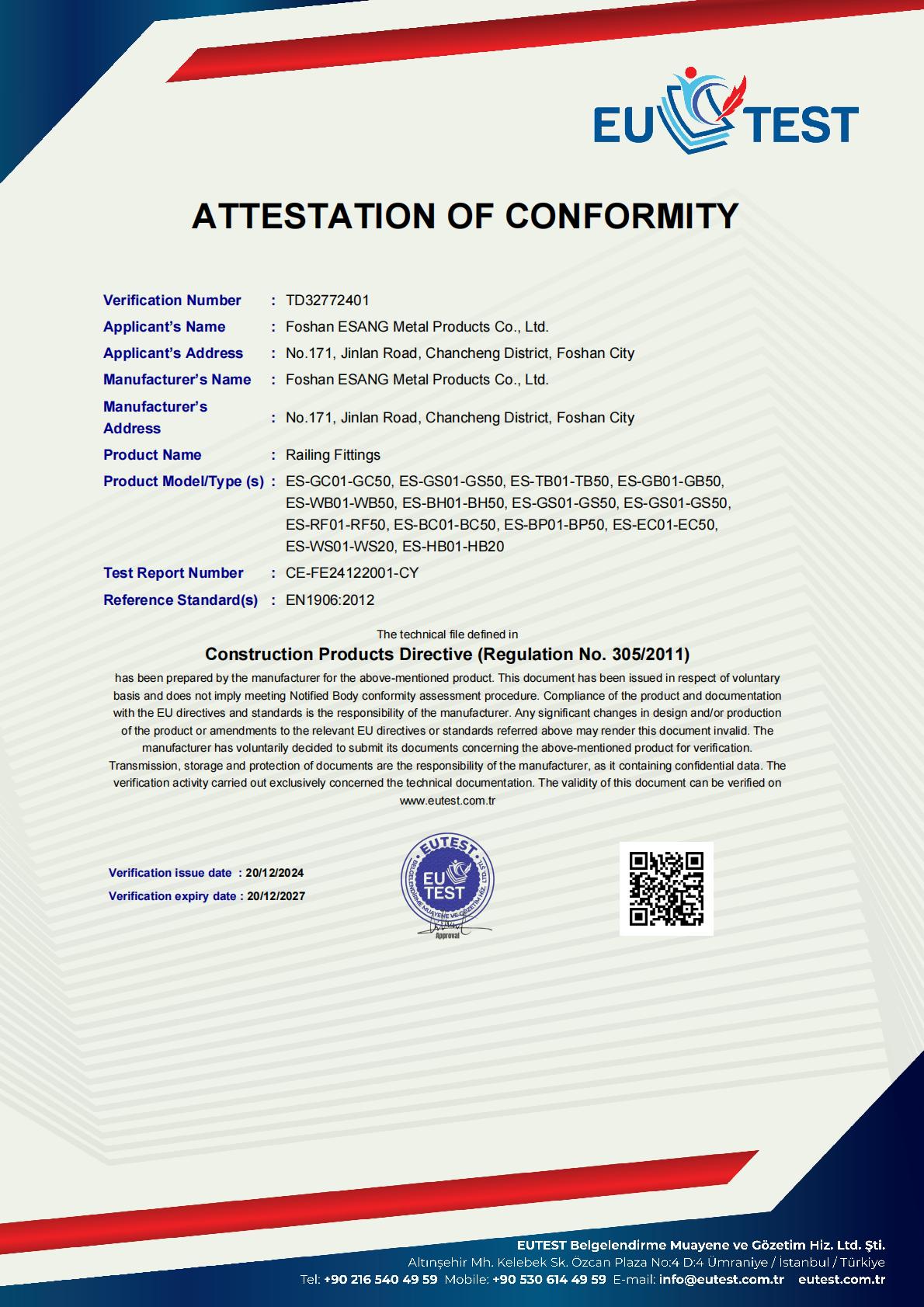
تفخر شركة فوشان إسانج للمنتجات المعدنية بما يلي شهادة CE (التحقق رقم TD3272772401) بموجب توجيه منتجات البناء (اللائحة رقم 305/2011)، مما يؤكد التزامنا بأعلى معايير السلامة والجودة الأوروبية.
مجموعة المنتجات المعتمدة:
مجموعة تجهيزات الدرابزين الشاملة التي نقدمها - بما في ذلك المشابك الزجاجية وأجهزة الشد والأقواس وحوامل الحائط وأحذية القاعدة وتجهيزات الدرابزين وأجهزة الكابلات ومكونات العمود - تلبي EN1906:2012 المعايير، مما يضمن السلامة الهيكلية وموثوقية الأداء في جميع المنشآت.
ماذا يعني ذلك بالنسبة لمشروعك:
✓ الامتثال التنظيمي الكامل للأسواق الأوروبية والدولية
✓ أداء السلامة والمتانة الذي تم التحقق منه بشكل مستقل
✓ دعم التوثيق للمواصفات المعمارية
✓ راحة البال من ضمان الجودة من طرف ثالث
الشهادة صالحة حتى عام 2027 | تقرير الاختبار: سي-إي 2412122001-سي
مشاريع إيسانج

المنتجات المرجعية