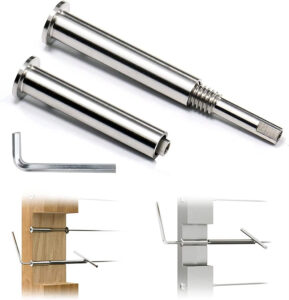
قضبان مباعدة الكابلات
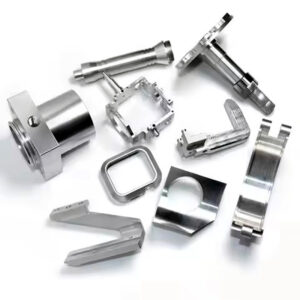
قضبان مباعدة الكابلات
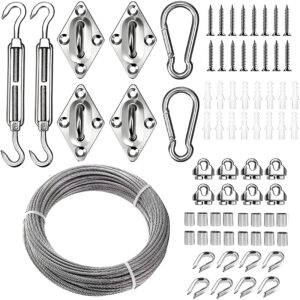
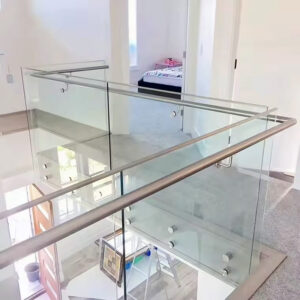
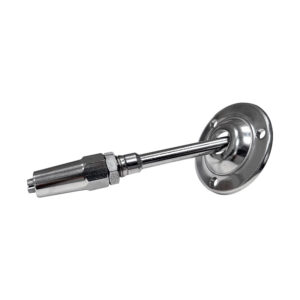
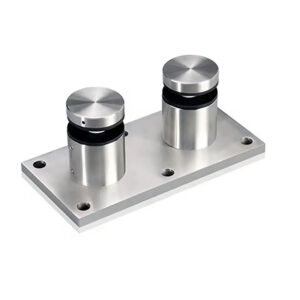
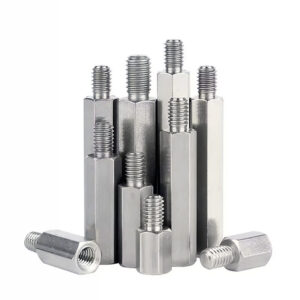
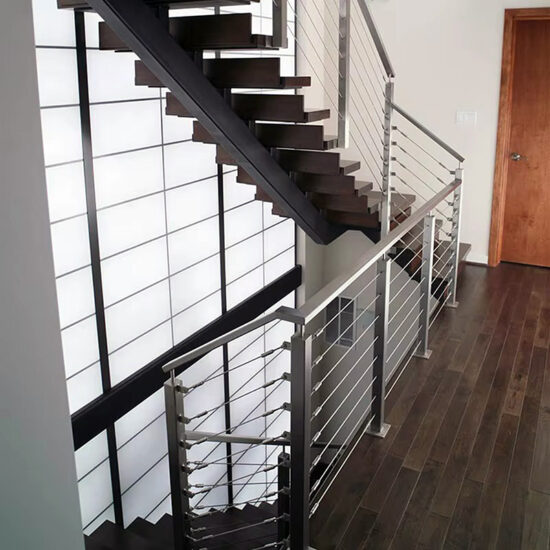
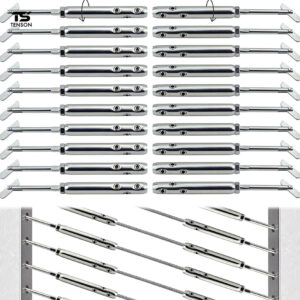
تُستخدم قضبان تباعد الكابلات من ESANG لدعم وتنظيم مسارات الكابلات بين أعمدة الدرابزين. فهي تساعد في الحفاظ على التباعد بين الكابلات، وتحسين محاذاة الكابلات، والحد من الانحراف المفرط للكابلات، فضلاً عن دعم تصميمات أنظف للدرابزينات المزودة بالكابلات في السلالم، والطوابق الخارجية، والشرفات، والتراسات، والمشاريع المعمارية المخصصة.
تشمل هذه الفئة فواصل الكابلات المتوسطة, أنظمة فواصل الكابلات القابلة للتعديل, فواصل ذات طول ممتد, ، و مجموعات الفواصل متعددة الكابلات.
بالنسبة للمقاولين والموزعين والمصنعين ومشتري المشاريع، يجب أن يأخذ اختيار فواصل الكابلات في الاعتبار التباعد بين الكابلات، وقطر الكابل، والتباعد بين الأعمدة، وامتداد الدرابزين، وارتفاع الفاصل، وطريقة التثبيت، وقابلية الضبط، ودرجة جودة المادة، والتشطيب، وبيئة المشروع. يمكن لشركة ESANG توريد وتصنيع قضبان فواصل الكابلات وفقًا للرسومات والأبعاد وحجم الكابل ودرجة جودة المادة ومتطلبات التشطيب وظروف التركيب.
خيارات قضبان التباعد للكابلات
| خيار الفاصل | أفضل استخدام له هو | أسئلة أساسية حول الاختيار |
|---|---|---|
| فواصل الكابلات المتوسطة | تثبيت خطوط الكابلات بين الأعمدة والحفاظ على التباعد عبر مسافات الدرابزين | ما هي المسافة المطلوبة بين الكابلات، وقطر الكابل، والمسافة بين الأعمدة، وموضع الفاصل؟ |
| أنظمة فواصل الكابلات القابلة للتعديل | المشاريع التي تتطلب تعديل التباعد، أو التفاوت الميداني، أو محاذاة مرنة للكابلات | ما هو نطاق الضبط المطلوب، وعدد الكابلات، وقطر الكابل، وطريقة التثبيت؟ |
| فواصل ذات طول ممتد | المسافات الأطول بين الكابلات، والفتحات الأكبر بين الأعمدة، والمشاريع التي تتطلب دعامات وسيطة إضافية | ما هي أبعاد الفواصل، وعدد الكابلات، ومسافة الامتداد، وطريقة التثبيت التي ينبغي مراجعتها؟ |
| مجموعات الفواصل متعددة الكابلات | تنظيم خطوط كابلات متعددة في وحدة فاصلة واحدة أو تخطيط متكرر للكابلات | كم عدد خطوط الكابلات المطلوبة، وما هو التباعد بينها، وما هي طريقة التثبيت المطلوبة؟ |
كيفية اختيار قضبان التباعد للكابلات
يجب اختيار قضبان تباعد الكابلات وفقًا للمسافة بين الكابلات وطول امتداد الدرابزين. وهي لا تحل محل أجهزة الشد أو الوصلات الطرفية، ولكنها يمكن أن تساعد في دعم محاذاة الكابلات بين الأعمدة.
| حالة المشروع | الاتجاه الموصى به | ما أهمية ذلك |
|---|---|---|
| المسافة بين الأعمدة طويلة | استخدم فواصل كبلات متوسطة أو فواصل طويلة | يمكن أن يساعد الدعم الإضافي في الحفاظ على محاذاة الكابل وتقليل الانحراف المرئي. |
| يحتاج المشروع إلى تعديلات ميدانية | استخدم أنظمة فواصل الكابلات القابلة للتعديل | تساعد إمكانية الضبط في التعامل مع التفاوتات في التركيب ومحاذاة الكابلات. |
| يجب تنظيم عدة خطوط كابلات معًا | استخدام مجموعات الفواصل متعددة الكابلات | تساعد الفواصل متعددة الكابلات في الحفاظ على محاذاة خطوط الكابلات المتكررة وفقًا لنمط ثابت. |
| يتبع الدرابزين مسار الدرج أو مسارًا بزاوية | استخدم أنظمة الفواصل التي تتناسب مع زاوية الكابل وتوزيع الأعمدة | تتطلب التصميمات ذات الزوايا مراجعة دقيقة للمسافات واتجاهات الكابلات. |
| يستخدم نظام الكابلات أعمدةً ذات ثقوب نافذة | تنسيق قضبان التباعد مع أدوات التثبيت المارة عبر العمود وتخطيط الثقوب | يجب أن تتوافق فتحات الأعمدة واتجاه الكابلات ومواقع الفواصل مع النظام بأكمله. |
| يُنفذ المشروع في الهواء الطلق، أو على الساحل، أو بجانب المسبح، أو في بيئة رطبة | ضع في اعتبارك الفولاذ المقاوم للصدأ 316 ومتطلبات الصيانة المناسبة | تكتسب مقاومة التآكل أهمية أكبر في البيئات الرطبة أو المعرضة للكلوريد. |
قضبان التباعد مقابل أجهزة الشد ووصلات الأطراف
تنتمي قضبان تباعد الكابلات، وأجهزة الشد، ووصلات الأطراف جميعها إلى أنظمة الدرابزينات الكبلية، لكنها تؤدي وظائف مختلفة. ويبدأ اختيار المكون المناسب بفهم المشكلة التي يتعين عليه حلها.
| نوع المكون | الوظيفة الرئيسية | الاستخدام الشائع |
|---|---|---|
| قضبان فاصلة للكابلات | تثبيت الكابلات وتنظيم تباعدها بين الأعمدة | الدعم المتوسط، التحكم في التباعد، محاذاة الكابلات المتعددة، المسافات الطويلة |
| أجهزة شد الكابلات | ضبط شد الكابل والحفاظ عليه | أعمدة الأطراف، أعمدة النهايات، مسارات الكابلات القابلة للتعديل، أنظمة السلالم والشرفات |
| تجهيزات أطراف الكابلات | توصيل طرف الكابل في نهاية المسار | أطراف نهائية، أطراف ملولبة، أطراف شوكية، أطراف حلقيّة، أطراف كروية، أطراف مضغوطة |
| أجهزة التثبيت عبر العمود | مرر الكابل عبر الأعمدة | العمودات الوسيطة، العمودات الزاوية، فتحات المرور، توجيه الكابلات |
تخطيط تباعد الكابلات وتوزيعها
ينبغي التخطيط لقضبان تباعد الكابلات بالتزامن مع تخطيط مسار الكابلات، والمسافات بين الأعمدة، وشد الكابلات. وغالبًا ما تُستخدم هذه القضبان في الحالات التي تكون فيها المسافة بين الأعمدة كبيرة بما يكفي بحيث يتطلب محاذاة الكابلات أو تباعدها دعماً إضافياً.
| بند التخطيط | ما الذي يجب التأكد منه | ما أهمية ذلك |
|---|---|---|
| قطر الكابل | حجم الكابل وفتحة أو فتحة الفاصل المتوافقة معه | يجب أن تتوافق الفاصل مع الكابل وتتيح تركيبه بشكل صحيح. |
| المسافة بين الكابلات | المسافة بين خطوط الكابلات | يؤثر التباعد على المظهر، والتحكم في الفتح، ومتطلبات المشروع. |
| المسافة بين المنشورات | المسافة بين أعمدة الدعم الرئيسية | قد تتطلب المسافات الأطول استخدام دعامات فاصلة. |
| طول الفاصل | ارتفاع أو طول قضيب الفاصل وعدد خطوط الكابلات التي يدعمها | يجب أن تتوافق أبعاد الفواصل مع عدد الكابلات وتوزيعها. |
| طريقة التركيب | سواء كان الفاصل يُثبَّت على سطح ما، أو يُعلَّق على الكابلات، أو يُثبَّت بطريقة أخرى | تؤثر طريقة التثبيت على تسلسل التركيب والمظهر. |
| مسار الدرابزين | مسار مستقيم، أو مسار على شكل سلم، أو مسار بزاوية، أو تصميم مخصص | تؤثر التغييرات في المسار على محاذاة الفواصل واتجاه الكابلات. |
المواد والتشطيبات والتصنيع حسب الطلب
يمكن توريد أو تصنيع قضبان الفواصل الخاصة بالكابلات من ESANG وفقًا لمتطلبات المشروع، بما في ذلك قطر الكابل، والمسافة بين الكابلات، وطول الفاصل، وعدد الكابلات، وطريقة التركيب، ودرجة جودة المادة، والتشطيب السطحي، ومتطلبات التعبئة والتغليف.
| الخامة أو التشطيب | الاستخدام النموذجي | الملاحظات |
|---|---|---|
| فولاذ مقاوم للصدأ 304 | أنظمة الدرابزينات الكبلية الداخلية، والتصميمات الداخلية التجارية، والسلالم السكنية، والبيئات الجافة | خيار شائع في العديد من مشاريع الدرابزينات الكبلية الداخلية. |
| 316 فولاذ مقاوم للصدأ | درابزينات الكابلات الخارجية، والمشاريع الساحلية، والمناطق المحيطة بالمسابح، والطوابق الخارجية، والتراسات، والبيئات الرطبة | عادةً ما يُفضل استخدامه في الحالات التي تتطلب مقاومة أفضل للتآكل. |
| فولاذ 316L المقاوم للصدأ | المشاريع التي تتطلب قابلية لحام محسّنة أو أداءً أعلى في مقاومة التآكل | مناسب عندما تتطلب المواصفات استخدام الفولاذ المقاوم للصدأ منخفض الكربون. |
| تشطيب مصقول أو ساتاني | الدرابزينات التجارية المصنوعة من الكابلات، والطوابق الخارجية، والشرفات، ومعظم مشاريع الدرابزينات المعمارية المصنوعة من الكابلات | يساعد على تقليل ظهور علامات الاستخدام الطفيفة وبصمات الأصابع. |
| تلميع المرآة | تطبيقات زخرفية أو تطبيقات متميزة مختارة | يمنح مظهرًا أكثر إشراقًا، لكنه يتطلب مزيدًا من العناية في الاستخدام والتنظيف. |
بالنسبة لمشاريع الدرابزينات الكبلية غير القياسية، يمكن للعملاء تقديم الرسومات، وقطر الكبل، والمسافة بين الكبلات، والمسافة بين الأعمدة، وطول الفواصل، وعدد الكبلات، ومتطلبات التشطيب، وبيئة المشروع. ويمكن لشركة ESANG مراجعة هذه المتطلبات وتصنيع قضبان فاصلة للكبلات تتوافق مع مواصفات المشروع حيثما أمكن ذلك.
التوافق مع مكونات الدرابزينات الكبلية
يجب أن تتوافق قضبان تباعد الكابلات مع نظام الدرابزين الكابلي بأكمله. فهي تساعد في تنظيم تباعد الكابلات، لكنها تظل تعتمد على وصلات الكابلات، وأجهزة الشد، والأعمدة، ومكونات التثبيت المارة عبر الأعمدة من أجل التجميع الكامل.
- للحصول على مجموعة كاملة من تجهيزات الكابلات، قم بمطابقة قضبان التباعد مع تجهيزات الكابلات.
- لتعديل شد الكابل، يرجى التنسيق مع أجهزة الشد والمشابك.
- بالنسبة لإنهاء الكابلات، يرجى التنسيق مع تركيبات طرف الكابل.
- بالنسبة للكابلات التي تمر عبر الأعمدة، يرجى مراجعة الأجهزة العابرة للوظيفة وتوزيع الثقوب.
- بالنسبة لأنظمة الكابلات المدعومة بأعمدة، يرجى التنسيق مع أعمدة من الفولاذ المقاوم للصدأ ومسافة ما بين الأسطر.
التخصيص وفقًا لمتطلبات المشروع
يتم تخصيص العديد من مشاريع قضبان تباعد الكابلات وفقًا لمسافة التباعد بين الكابلات، وقطر الكابلات، وعدد الكابلات، وطول قضبان التباعد، ومسافة التباعد بين الدعامات، وبيئة التركيب. وتستطيع شركة ESANG توفير قضبان تباعد كابلات وسيطة مخصصة، وأنظمة قضبان تباعد كابلات قابلة للتعديل، وقضبان تباعد طويلة، ومجموعات قضبان تباعد متعددة الكابلات.
عندما يتضمن المشروع متطلبات تستند إلى المعايير فيما يتعلق بارتفاع الحواجز الواقية، أو المسافات بين الكابلات، أو قيود الفتحات، أو درجة جودة المواد، أو مقاومة التآكل، أو طريقة التركيب، يجب على العملاء تقديم الرسومات والمواصفات المطلوبة. يمكن لشركة ESANG تصنيع قضبان فاصلة للكابلات تتوافق مع تلك التفاصيل المقدمة، بينما يعتمد الامتثال النهائي على النظام المركب بالكامل، والتصميم الهيكلي، وطريقة التركيب، والقوانين المحلية المعمول بها.
اعتبارات التثبيت والمشروع
يجب مراجعة قضبان التباعد الخاصة بالكابلات كجزء من التصميم الكامل لحاجز الكابلات. ويجب التأكد من مواقع قضبان التباعد، والمسافات بين الكابلات، والمسافات بين الأعمدة، وطريقة الشد قبل البدء في الإنتاج أو تقديم الطلب.
- قطر الكابل وتركيبه
- عدد خطوط الكابلات
- المسافة بين الكابلات وتوزيع فتحات الفواصل
- المسافة بين الأعمدة وطول امتداد الدرابزين
- طول قضيب التباعد وطريقة تثبيته
- مسار مستقيم، أو مسار على شكل سلم، أو مسار بزاوية، أو تصميم مخصص
- التوافق مع أجهزة شد الكابلات ووصلات الأطراف
- درجة جودة المواد المخصصة للاستخدام في الأماكن المغلقة أو في الهواء الطلق أو في المناطق الساحلية أو بجوار حمامات السباحة
- متطلبات قوانين البناء المحلية ومواصفات المشروع
بالنسبة لمشاريع الدرابزينات الكبلية المخصصة للطوابق الخارجية والشرفات والسلالم والتراسات والأماكن العامة، يجب أن يخضع النظام المُركَّب بالكامل للمراجعة من قِبل مصمم المشروع أو المهندس أو المقاول أو السلطة المحلية. يمكن لشركة ESANG تصنيع قضبان فاصلة تتوافق مع المتطلبات المحددة، إلا أن الامتثال النهائي للمتطلبات يعتمد على التجميع الكامل وظروف الموقع.
سيناريوهات التطبيق
مسافات طويلة بين درابزينات الكابلات
تُستخدم قضبان تباعد الكابلات عادةً في الأماكن التي تحتاج فيها مسارات الكابلات بين الأعمدة إلى دعامة وسيطة إضافية. فهي تساعد في الحفاظ على تباعد ومحاذاة أكثر اتساقًا عبر المسافات الطويلة.
درابزينات الكابلات للسطح والشرفة
قد تستخدم درابزينات الكابلات الخاصة بالشرفات والتراسات فواصل وسيطة أو متعددة الكابلات لضمان استقامة خطوط الكابلات الأفقية. وينبغي التنسيق بين المسافات بين الأعمدة والمسافات بين الكابلات وطريقة الشد.
درابزينات السلالم المصنوعة من الكابلات
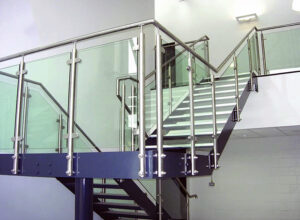
قد تتطلب أنظمة درابزين السلالم المصنوعة من الكابلات استخدام قضبان فاصلة تتناسب مع زاوية الكابل وميل الدرج. وينبغي مراجعة اتجاه الكابل وتوزيع الأعمدة وموضع القضبان الفاصلة قبل البدء في الإنتاج.
أنظمة الدرابزينات الكبلية التجارية
يمكن استخدام مجموعات فواصل الكابلات في المباني التجارية والمكاتب والأماكن العامة ومشاريع الضيافة، من أجل تحقيق تباعد متكرر بين الكابلات ومحاذاة بصرية أكثر تنظيمًا عبر مسارات الدرابزين المتعددة.
درابزينات الكابلات الخارجية والساحلية
تتطلب البيئات الخارجية، والمناطق المجاورة للمسابح، والمناطق الساحلية، والبيئات الرطبة مزيدًا من الاهتمام بنوعية المواد، والتنظيف، ومقاومة التآكل. ويمكن النظر في استخدام الفولاذ المقاوم للصدأ من النوع 316 أو 316L في ظروف التعرض الأكثر صعوبة.
فئات المنتجات ذات الصلة
- فواصل الكابلات المتوسطة
- أنظمة فواصل الكابلات القابلة للتعديل
- فواصل ذات طول ممتد
- مجموعات الفواصل متعددة الكابلات
- تجهيزات الكابلات
- أجهزة الشد والمشابك
- تركيبات طرف الكابل
- الأجهزة العابرة للوظيفة
- أعمدة من الفولاذ المقاوم للصدأ
الأسئلة الشائعة
ما هي استخدامات قضبان التباعد الخاصة بالكابلات؟
تُستخدم قضبان تباعد الكابلات لدعم وتنظيم مسارات الكابلات بين أعمدة الدرابزين. وهي تساعد في الحفاظ على التباعد بين الكابلات، وتحسين محاذاة الكابلات، وتقليل الانحراف المفرط للكابلات عبر المسافات الطويلة.
هل تحل قضبان تباعد الكابلات محل أجهزة شد الكابلات؟
لا. تساعد قضبان تباعد الكابلات في الحفاظ على التباعد والمحاذاة، بينما تعمل أدوات شد الكابلات على ضبط شد الكابلات والحفاظ عليه. ويمكن استخدام كليهما في نفس نظام الدرابزين الكبلي، لكنهما يؤديان وظائف مختلفة.
متى ينبغي استخدام الفواصل المتوسطة للكابلات؟
يمكن استخدام فواصل الكابلات الوسيطة عندما تكون المسافة بين الأعمدة طويلة بما يكفي بحيث يتطلب تباعد الكابلات أو محاذاةها دعماً إضافياً. وينبغي مراجعة تباعد الأعمدة وقطر الكابلات وتوزيعها.
ما هي أنظمة الفواصل القابلة للتعديل للكابلات؟
تتيح أنظمة فواصل الكابلات القابلة للتعديل إجراء بعض التعديلات على تباعد الكابلات أو محاذاةها. وقد تكون مفيدة في الحالات التي تتطلب فيها التفاوتات الميدانية أو عدد الكابلات أو ظروف التركيب مزيدًا من المرونة.
متى ينبغي التفكير في استخدام الفواصل الطويلة؟
يمكن النظر في استخدام فواصل طويلة المدى في حالة المسافات الطويلة، أو الفتحات الكبيرة، أو التصميمات التي تتطلب دعماً وسيطاً إضافياً عبر خطوط كابلات متعددة.
ما هي مجموعات الفواصل متعددة الكابلات؟
تعمل مجموعات الفواصل متعددة الكابلات على تنظيم عدة خطوط كابلات في وحدة فاصل واحدة. وهي تساعد في الحفاظ على تباعد ثابت ومحاذاة بصرية في تصميمات الدرابزينات الكبلية المتكررة.
هل يمكن لشركة ESANG تخصيص قضبان فاصلة للكابلات؟
نعم. يمكن لشركة ESANG تصنيع قضبان فاصلة للكابلات وفقًا لقطر الكابل، والمسافة بين الكابلات، وعدد الكابلات، وطول الفاصل، ودرجة جودة المادة، والتشطيب، وطريقة التثبيت، ورسومات المشروع.
هل يجب أن أختار فواصل الكابلات المصنوعة من الفولاذ المقاوم للصدأ 304 أم 316؟
يُستخدم الفولاذ المقاوم للصدأ من النوع 304 عادةً في البيئات الداخلية والجافة. أما الفولاذ المقاوم للصدأ من النوع 316 فيُفضل استخدامه عادةً في البيئات الخارجية، أو الساحلية، أو المجاورة للمسابح، أو الرطبة، أو تلك المعرضة لمعدلات تآكل أعلى. وينبغي اختيار النوع النهائي وفقًا لظروف التعرض الخاصة بالمشروع ومواصفاته.
ما هي المعلومات المطلوبة لتقديم استفسار بشأن فواصل الكابلات؟
تشمل المعلومات المفيدة قطر الكابل، وعدد خطوط الكابلات، والمسافة بين الكابلات، والمسافة بين الأعمدة، وطول الفواصل، وطريقة التركيب، ودرجة جودة المادة، والتشطيب، والكمية، والرسومات، وبيئة المشروع.
كيف ينبغي صيانة قضبان التباعد المصنوعة من الفولاذ المقاوم للصدأ؟
يتم التنظيف الروتيني عادةً باستخدام منظف معتدل وماء نظيف وقطعة قماش ناعمة. تجنب استخدام المنظفات التي تحتوي على الكلور والصوف الفولاذي والأدوات الكاشطة. يجب تنظيف المنشآت الخارجية والواقعة بجانب حمامات السباحة والساحلية بشكل أكثر انتظامًا للحد من تلوث الأسطح والحفاظ على مظهرها.
منشورات ذات صلة:
متطلبات التخميل لمثبتات الفولاذ المقاوم للصدأ، والقوسات، ومعدات التثبيت
حدد المعالجة وفقًا لحالة كل جزء، وطريقة التصنيع، والتعرض، بدلاً من تطبيق بيان تخميل عام واحد على كل مكون.
تنظيف تركيبات الدرابزين المصنوعة من الفولاذ المقاوم للصدأ 316 والكابلات والزجاج في البيئات البحرية
تنظيف أطراف الكابلات، والمشابك الزجاجية، والمثبتات، والشقوق دون ترك أي آثار للمواد الكيميائية أو إتلاف الأسطح المصقولة والمصقولة بالفرشاة.
كيف تتسبب بقايا التصنيع في ظهور بقع الشاي على الدرابزينات المصنوعة من الفولاذ المقاوم للصدأ
يمكن إرجاع بقع الشاي إلى الجسيمات العالقة، والتلوين الناتج عن الحرارة، والانتقال الناتج عن الاحتكاك، والبقايا العالقة في خطوط الطلاء أو الشقوق.
التخليل مقابل التخميل في تركيبات الدرابزين المصنوعة من الفولاذ المقاوم للصدأ: الاختلافات في النطاق والمخاطر
تعمل عملية التخليل على إزالة الترسبات الكلسية والطبقات السطحية المتغيرة؛ أما عملية التخميل فتعالج حالة السطح بعد التنظيف، مع وجود ضوابط ومخاطر مختلفة.
خطة صيانة تجهيزات الدرابزين الساحلي: الملح، الشقوق، أدوات التثبيت، وتشطيب الأسطح
يرجى التركيز في أعمال الصيانة على عوامل التعرض للعوامل الخارجية، واحتباس الملح، والشقوق، والمعادن غير المتجانسة، وحالة أدوات التثبيت، ومظهر الطلاء النهائي.
قواعد تنظيف مواقع العمل الخاصة بالدرابزينات المصنوعة من الفولاذ المقاوم للصدأ بعد القطع واللحام والتركيب
قم بإزالة غبار الصقل، وبقايا اللحام، وترسبات الأسمنت، والتلوث الناتج عن الفولاذ الكربوني قبل التسليم، وذلك لمنع حدوث البقع التي يمكن تجنبها.
مشاريع إيسانج

شهادة إيسانج
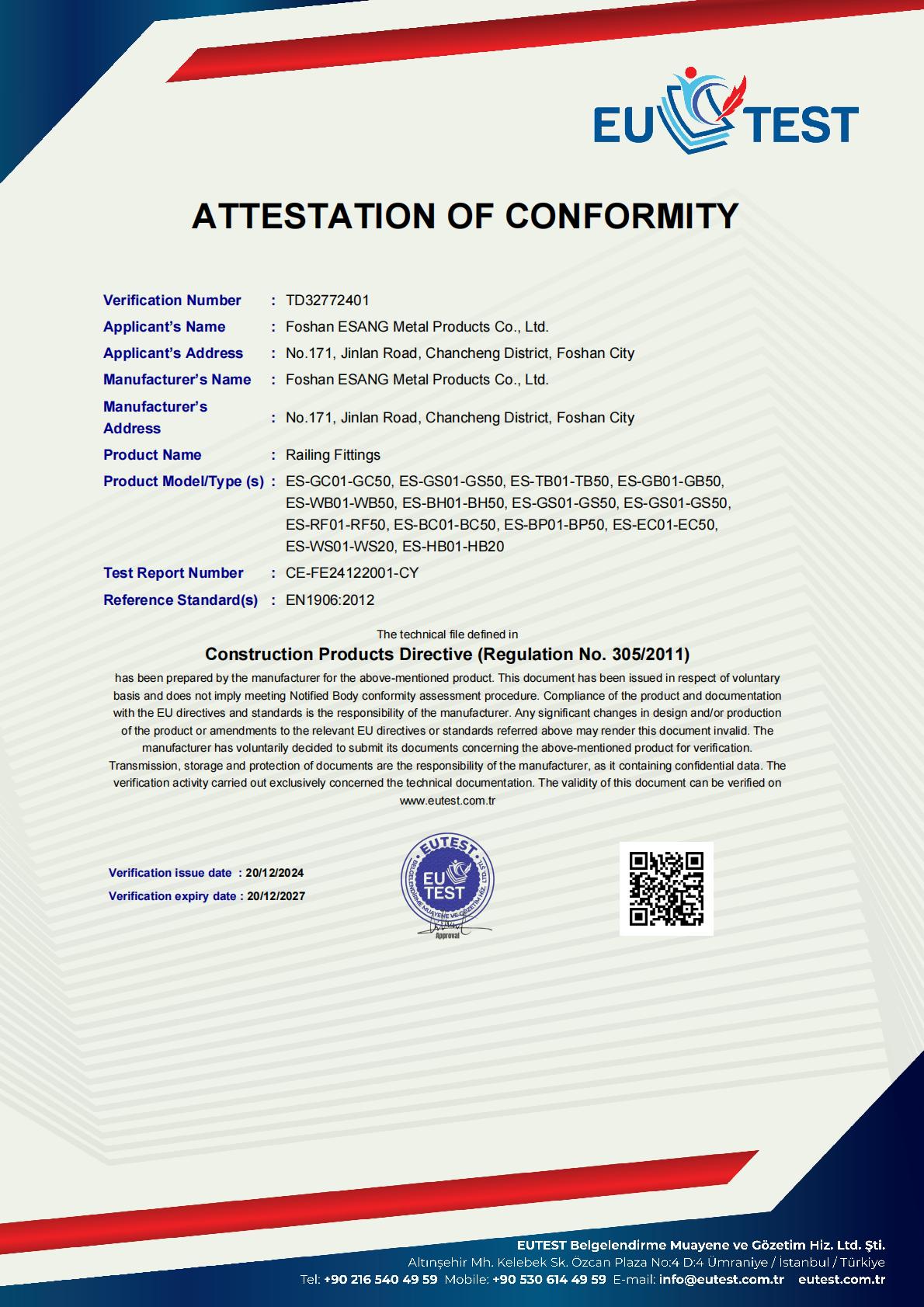
تفخر شركة فوشان إسانج للمنتجات المعدنية بما يلي شهادة CE (التحقق رقم TD3272772401) بموجب توجيه منتجات البناء (اللائحة رقم 305/2011)، مما يؤكد التزامنا بأعلى معايير السلامة والجودة الأوروبية.
مجموعة المنتجات المعتمدة:
مجموعة تجهيزات الدرابزين الشاملة التي نقدمها - بما في ذلك المشابك الزجاجية وأجهزة الشد والأقواس وحوامل الحائط وأحذية القاعدة وتجهيزات الدرابزين وأجهزة الكابلات ومكونات العمود - تلبي EN1906:2012 المعايير، مما يضمن السلامة الهيكلية وموثوقية الأداء في جميع المنشآت.
ماذا يعني ذلك بالنسبة لمشروعك:
✓ الامتثال التنظيمي الكامل للأسواق الأوروبية والدولية
✓ أداء السلامة والمتانة الذي تم التحقق منه بشكل مستقل
✓ دعم التوثيق للمواصفات المعمارية
✓ راحة البال من ضمان الجودة من طرف ثالث
الشهادة صالحة حتى عام 2027 | تقرير الاختبار: سي-إي 2412122001-سي
مشاريع إيسانج

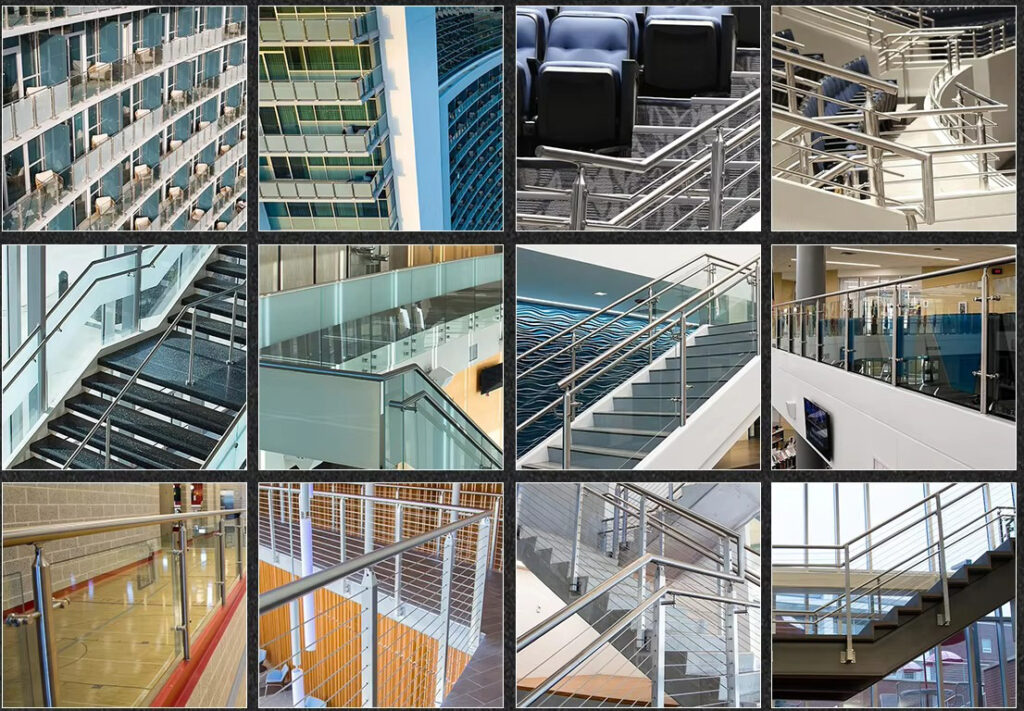
المنتجات المرجعية