Barras separadoras de cables
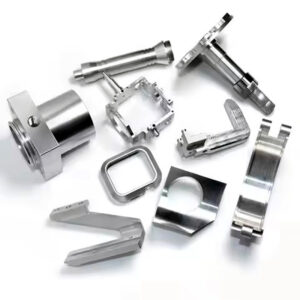
Barras separadoras de cables
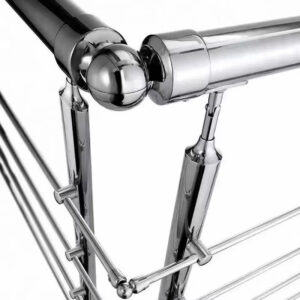
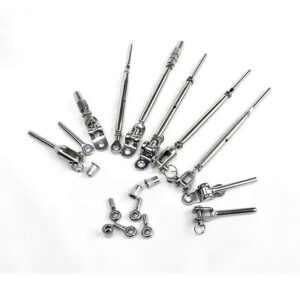
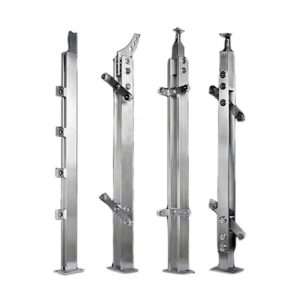
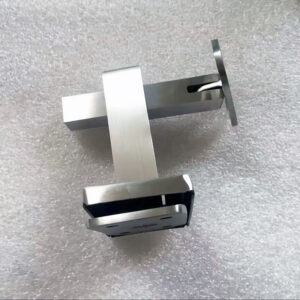
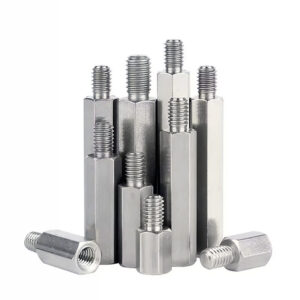
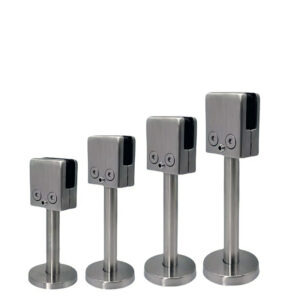
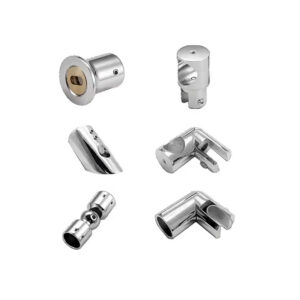
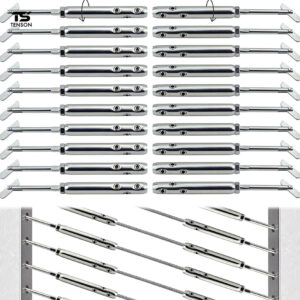
ESANG cable spacer bars are used to support and organize cable lines between railing posts. They help maintain cable spacing, improve alignment, reduce excessive cable deflection, and support cleaner cable railing layouts in stairs, decks, balconies, terraces, and custom architectural projects.
Esta categoría incluye Intermediate Cable Spacers, Adjustable Cable Spacer Systems, Extended Length Spacers, y Multi-Cable Spacer Assemblies.
For contractors, distributors, fabricators, and project buyers, cable spacer selection should consider cable spacing, cable diameter, post spacing, railing span, spacer height, fixing method, adjustability, material grade, finish, and project environment. ESANG can supply and manufacture cable spacer bars according to drawings, dimensions, cable size, material grade, finish requirements, and installation conditions.
Cable Spacer Bar Options
| Spacer option | Ideal para | Preguntas clave para la selección |
|---|---|---|
| Intermediate Cable Spacers | Supporting cable lines between posts and maintaining spacing across railing spans | What cable spacing, cable diameter, post spacing, and spacer position are required? |
| Adjustable Cable Spacer Systems | Projects requiring spacing adjustment, field tolerance, or flexible cable alignment | What adjustment range, cable count, cable diameter, and locking method are needed? |
| Extended Length Spacers | Longer cable spans, larger openings between posts, and projects needing additional intermediate support | What spacer length, cable count, span distance, and fixing method should be reviewed? |
| Multi-Cable Spacer Assemblies | Organizing multiple cable lines in one spacer unit or repeated cable layout | How many cable lines, what spacing, and what mounting method are required? |
How to Choose Cable Spacer Bars
Cable spacer bars should be selected according to cable spacing and railing span. They do not replace tensioners or terminal fittings, but they can help support cable alignment between posts.
| Estado del proyecto | Dirección recomendada | Por qué es importante |
|---|---|---|
| The cable span between posts is long | Use intermediate cable spacers or extended length spacers | Additional support can help maintain cable alignment and reduce visible deflection. |
| The project needs field adjustment | Use adjustable cable spacer systems | Adjustability can help with installation tolerance and cable alignment. |
| Several cable lines need to be organized together | Use multi-cable spacer assemblies | Multi-cable spacers help keep repeated cable lines aligned in a consistent pattern. |
| The railing follows a stair or angled run | Use spacer systems matched to the cable angle and post layout | Angled layouts require careful spacing and cable direction review. |
| The cable system uses posts with through-holes | Coordinate spacer bars with through-post hardware and hole layout | Post holes, cable direction, and spacer positions should align with the full system. |
| El proyecto es al aire libre, en la costa, junto a una piscina o en un entorno húmedo | Consider 316 stainless steel and suitable maintenance requirements | La resistencia a la corrosión es más importante en entornos húmedos o expuestos al cloruro. |
Spacer Bars vs Tensioners and End Fittings
Cable spacer bars, tensioners, and end fittings all belong to cable railing systems, but they perform different functions. Selecting the right component starts with understanding what problem it needs to solve.
| Component type | Función principal | Uso habitual |
|---|---|---|
| Cable spacer bars | Support and organize cable spacing between posts | Intermediate support, spacing control, multi-cable alignment, long spans |
| Cable tensioners | Adjust and maintain cable tension | Terminal posts, end posts, adjustable cable runs, stair and balcony systems |
| Cable end fittings | Terminate cable at the end of a run | End stops, threaded terminals, fork ends, eye ends, ball ends, swaged terminals |
| Through-post hardware | Guide cable through posts | Intermediate posts, corner posts, pass-through holes, cable routing |
Cable Spacing and Layout Planning
Cable spacer bars should be planned together with cable layout, post spacing, and cable tensioning. They are often used where the distance between posts is large enough that cable alignment or spacing needs additional support.
| Planning item | Qué hay que confirmar | Por qué es importante |
|---|---|---|
| Cable diameter | Cable size and compatible spacer hole or slot | The spacer must match the cable and allow proper fit. |
| Distancia entre cables | Distance between cable lines | Spacing affects appearance, opening control, and project requirements. |
| Post spacing | Distance between main support posts | Longer spans may need intermediate spacer support. |
| Spacer length | Height or length of the spacer bar and number of cable lines supported | Spacer dimensions should match cable count and layout. |
| Método de montaje | Whether the spacer attaches to a surface, clips onto cables, or is fixed in another way | Fixing method affects installation sequence and appearance. |
| Railing route | Straight run, stair run, angled run, or custom layout | Route changes affect spacer alignment and cable direction. |
Materiales, acabados y fabricación a medida
ESANG cable spacer bars can be supplied or manufactured according to project requirements, including cable diameter, cable spacing, spacer length, cable count, mounting method, material grade, surface finish, and packaging requirements.
| Material o acabado | Uso habitual | Notas |
|---|---|---|
| Acero inoxidable 304 | Sistemas de barandillas con cable para interiores, interiores comerciales, escaleras residenciales y entornos secos | Una opción habitual en muchos proyectos de barandillas de cable para interiores. |
| Acero inoxidable 316 | Barandillas de cable para exteriores, proyectos costeros, zonas junto a piscinas, cubiertas, terrazas y entornos húmedos | Se suele preferir cuando se requiere una mayor resistencia a la corrosión. |
| Acero inoxidable 316L | Proyectos que requieren una mejor soldabilidad o un comportamiento frente a la corrosión más exigente | Adecuado cuando las especificaciones exigen acero inoxidable con bajo contenido en carbono. |
| Acabado cepillado o satinado | Barandillas de cable para uso comercial, terrazas, balcones y la mayoría de los proyectos arquitectónicos de barandillas de cable | Ayuda a disimular las pequeñas marcas de uso y las huellas dactilares. |
| Pulido espejo | Aplicaciones decorativas o de alta gama | Ofrece un aspecto más brillante, pero requiere un manejo y una limpieza más cuidadosos. |
For non-standard cable railing projects, customers can provide drawings, cable diameter, cable spacing, post spacing, spacer length, cable count, finish requirements, and project environment. ESANG can review the requirements and manufacture cable spacer bars to match the project specification where feasible.
Compatibilidad con los componentes de barandillas de cable
Cable spacer bars should be coordinated with the complete cable railing system. They help manage cable spacing but still depend on cable fittings, tensioners, posts, and through-post hardware for the full assembly.
- For complete cable fitting selection, coordinate spacer bars with Accesorios para cables.
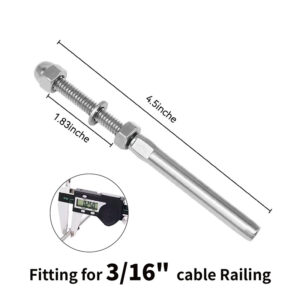
- For cable tension adjustment, coordinate with Tensores y tensores de cable.
- Para la terminación del cable, ponte en contacto con Terminales de cable.
- Para el paso de cables por los postes, consulte Herrajes pasantes and hole layout.
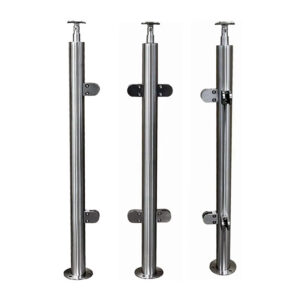
- En el caso de los sistemas de cable con soportes en postes, coordínese con Postes de acero inoxidable and post spacing.
Adaptación a los requisitos del proyecto
Many cable spacer bar projects are customized according to cable spacing, cable diameter, cable count, spacer length, post spacing, and installation environment. ESANG can support custom intermediate cable spacers, adjustable cable spacer systems, extended length spacers, and multi-cable spacer assemblies.
When a project has standard-oriented requirements related to guardrail height, cable spacing, opening limitations, material grade, corrosion resistance, or installation method, customers should provide the required drawings and specifications. ESANG can manufacture cable spacer bars to match those provided details, while final compliance depends on the complete installed system, structural design, installation method, and applicable local code.
Consideraciones sobre la instalación y el proyecto
Cable spacer bars should be reviewed as part of the complete cable railing layout. Spacer location, cable spacing, post spacing, and tensioning method should be confirmed before production or ordering.
- Diámetro y estructura del cable
- Number of cable lines
- Cable spacing and spacer hole layout
- Post spacing and railing span length
- Spacer bar length and fixing method
- Straight run, stair run, angled run, or custom layout
- Compatibility with cable tensioners and end fittings
- Calidad del material para entornos interiores, exteriores, costeros o junto a piscinas
- Requisitos del código de construcción local y de las especificaciones del proyecto
For deck, balcony, stair, terrace, and public-access cable railing projects, the complete installed system should be reviewed by the project designer, engineer, contractor, or local authority. ESANG can manufacture spacer bars to match provided requirements, but final compliance depends on the full assembly and site conditions.
Escenarios de aplicación
Long Cable Railing Spans
Cable spacer bars are commonly used where cable runs between posts need additional intermediate support. They help maintain more consistent spacing and alignment across longer spans.
Barandillas de cable para terrazas y balcones
Deck and balcony cable railings may use intermediate or multi-cable spacers to support clean horizontal cable lines. Post spacing, cable spacing, and tensioning method should be coordinated.
Barandillas de cable para escaleras
Stair cable railing systems may require spacer bars matched to the cable angle and stair pitch. Cable direction, post layout, and spacer position should be reviewed before production.
Sistemas de barandillas de cable para uso comercial
Commercial buildings, offices, public spaces, and hospitality projects may use cable spacer assemblies for repeatable cable spacing and cleaner visual alignment across multiple railing runs.
Barandillas de cable para exteriores y zonas costeras
Outdoor, poolside, coastal, and humid environments require more attention to material grade, cleaning, and corrosion resistance. 316 or 316L stainless steel may be considered for more demanding exposure conditions.
Categorías de productos relacionados
- Intermediate Cable Spacers
- Adjustable Cable Spacer Systems
- Extended Length Spacers
- Multi-Cable Spacer Assemblies
- Accesorios para cables
- Tensores y tensores de cable
- Terminales de cable
- Herrajes pasantes
- Postes de acero inoxidable
Preguntas frecuentes
¿Para qué sirven las barras espaciadoras de cables?
Cable spacer bars are used to support and organize cable lines between railing posts. They help maintain cable spacing, improve alignment, and reduce excessive cable deflection across longer spans.
Do cable spacer bars replace cable tensioners?
No. Cable spacer bars help maintain spacing and alignment, while cable tensioners adjust and maintain cable tension. Both may be used in the same cable railing system, but they perform different functions.
When should intermediate cable spacers be used?
Intermediate cable spacers may be used when the distance between posts is long enough that cable spacing or alignment needs additional support. Post spacing, cable diameter, and cable layout should be reviewed.
What are adjustable cable spacer systems?
Adjustable cable spacer systems allow some adjustment in cable spacing or alignment. They may be useful where field tolerance, cable count, or installation conditions require more flexibility.
When should extended length spacers be considered?
Extended length spacers may be considered for longer spans, larger openings, or layouts where additional intermediate support is needed across multiple cable lines.
What are multi-cable spacer assemblies?
Multi-cable spacer assemblies organize several cable lines in one spacer unit. They help maintain consistent spacing and visual alignment in repeated cable railing layouts.
Can ESANG customize cable spacer bars?
Yes. ESANG can manufacture cable spacer bars according to cable diameter, cable spacing, cable count, spacer length, material grade, finish, mounting method, and project drawings.
Should I choose 304 or 316 stainless steel cable spacers?
El acero inoxidable 304 se utiliza habitualmente en interiores y entornos secos. El acero inoxidable 316 suele ser la opción preferida para entornos exteriores, costeros, junto a piscinas, húmedos o con mayor riesgo de corrosión. El tipo definitivo debe seleccionarse en función de la exposición del proyecto y de las especificaciones.
What information is needed for a cable spacer inquiry?
Useful information includes cable diameter, number of cable lines, cable spacing, post spacing, spacer length, mounting method, material grade, finish, quantity, drawings, and project environment.
How should stainless steel cable spacer bars be maintained?
Para la limpieza habitual se suele utilizar un detergente suave, agua limpia y un paño suave. Evite los productos de limpieza a base de cloro, la lana de acero y los utensilios abrasivos. Las instalaciones al aire libre, junto a la piscina y en la costa deben limpiarse con mayor frecuencia para reducir la contaminación de la superficie y mantener su aspecto.
Related Posts:
Requisitos de pasivación para elementos de fijación, soportes y accesorios de anclaje de acero inoxidable
Especifica el tratamiento en función del estado de la pieza, el proceso de fabricación y la exposición, en lugar de aplicar una única especificación genérica de pasivación a todos los componentes.
Limpieza de los herrajes de barandillas de acero inoxidable 316 y cristal en entornos marinos
Limpia los terminales de los cables, las abrazaderas de cristal, los elementos de fijación y las hendiduras sin que queden restos de productos químicos ni se dañen los acabados pulidos y cepillados.
Cómo los residuos de fabricación provocan manchas de té en las barandillas de acero inoxidable
Las manchas de té se deben a partículas incrustadas, al cambio de color por calor, a la transferencia de partículas abrasivas y a los residuos atrapados en las líneas de acabado o en las grietas.
Decapado frente a pasivación en los herrajes de barandillas de acero inoxidable: diferencias en el alcance y los riesgos
El decapado elimina las incrustaciones y las capas superficiales alteradas; la pasivación se ocupa del estado de la superficie tras la limpieza, con diferentes controles y riesgos.
Plan de mantenimiento de los herrajes de las barandillas costeras: sal, grietas, elementos de fijación y acabado superficial
El mantenimiento debe centrarse en la exposición, la acumulación de sal, las grietas, la combinación de metales diferentes, el estado de los elementos de fijación y el aspecto del acabado.
Normas de limpieza en la obra para barandillas de acero inoxidable tras el corte, la soldadura y la instalación
Elimine el polvo de esmerilado, los residuos de soldadura, los depósitos de cemento y la contaminación por acero al carbono antes de la entrega para evitar manchas que se puedan prevenir.
Proyectos de Esang

Certificado de Esang

Foshan ESANG Metal Products se enorgullece de mantener Certificación CE (Verificación n.º TD32772401) en virtud de la Directiva sobre productos de construcción (Reglamento n.º 305/2011), lo que afirma nuestro compromiso con los más altos estándares europeos de seguridad y calidad.
Gama de productos certificados:
Nuestra amplia gama de herrajes para barandillas, que incluye abrazaderas de vidrio, tensores, soportes, soportes de pared, zapatas, herrajes para pasamanos, herrajes para cables y componentes para postes, satisface los requisitos más exigentes. EN1906:2012 garantizando la integridad estructural y la fiabilidad del rendimiento en todas las instalaciones.
Qué significa esto para su proyecto:
✓ Cumplimiento total de la normativa para los mercados europeos e internacionales
✓ Rendimiento de seguridad y durabilidad verificado de forma independiente.
✓ Soporte de documentación para las especificaciones arquitectónicas
✓ Tranquilidad gracias a la garantía de calidad de terceros
Certificación válida hasta 2027 | Informe de pruebas: CE-FE24122001-CY
Proyectos de Esang

Productos de referencia