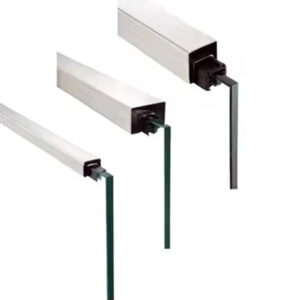
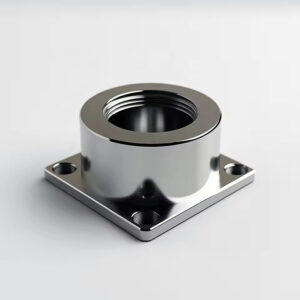
Trilhos superiores e trilhos inferiores
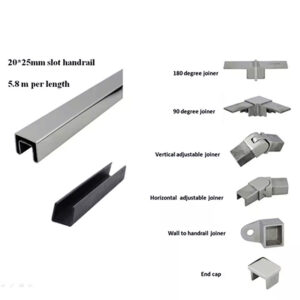
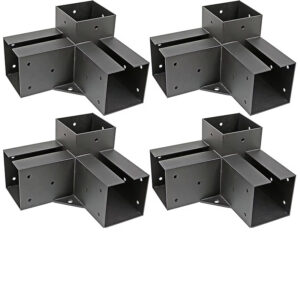
Trilhos superiores e trilhos inferiores
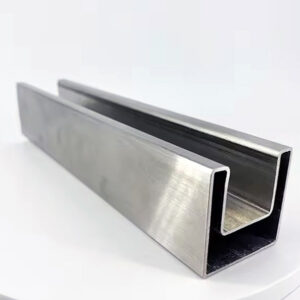
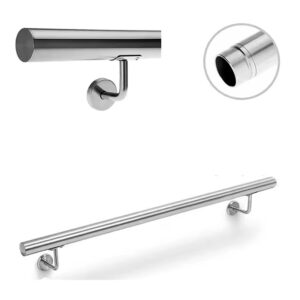
ESANG top rails and bottom rails are used to connect, finish, and support stainless steel railing systems. They help define the upper line, lower support, visual profile, and connection between posts, glass, cable, bar infill, or custom panel systems.
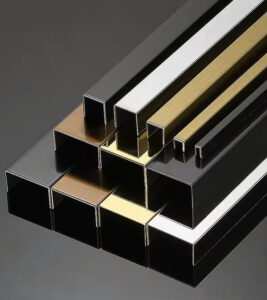
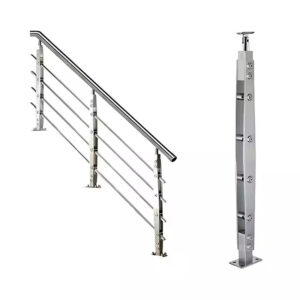
Essa categoria inclui Round Top Rail Systems, Square Top Rail Components, Rectangular Top Rail Assemblies, Bottom Rail Support Systems, e Rail Connector Sleeves.
For contractors, distributors, fabricators, and project buyers, top rail and bottom rail selection should consider rail profile, post type, infill method, rail connection, section length, corner condition, material grade, surface finish, and project environment. ESANG can manufacture rail components according to drawings, dimensions, material grade, finish requirements, connector details, and installation conditions.
Top Rail and Bottom Rail Options
| Rail option | Melhor usado para | Principais perguntas de seleção |
|---|---|---|
| Round Top Rail Systems | Handrail-like top rails, balcony railings, stair railings, and post-supported systems | What tube diameter, post connection, connector sleeve, and finish are required? |
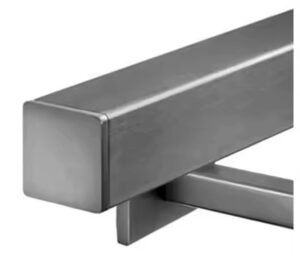
| Square Top Rail Components | Modern railing systems, square post layouts, and linear architectural designs | What tube size, post alignment, corner connection, and finish should match the project? |
| Rectangular Top Rail Assemblies | Commercial railing systems, balcony rails, custom guardrails, and stronger visual lines | What rail orientation, post connection, section length, and connector detail are needed? |
| Bottom Rail Support Systems | Railing systems requiring lower support for infill, panels, rods, bars, or structural alignment | What infill type, support height, drainage condition, and post connection are required? |
| Rail Connector Sleeves | Joining rail sections, aligning long runs, and connecting tubes through posts or rail joints | What tube shape, connection depth, visible or concealed joint, and alignment method are required? |
How to Choose Top Rails and Bottom Rails
Top rails and bottom rails should be selected according to the railing structure and infill method. A rail used above glass panels, a rail connected to stainless steel posts, and a bottom rail supporting pickets or rods may require different profiles, sleeves, connectors, and mounting details.
| Condição do projeto | Direção recomendada | Por que é importante |
|---|---|---|
| The railing needs a comfortable upper gripping surface | Use round top rail systems or handrail-compatible rail profiles | Round tubes are commonly selected where grip comfort and handrail function are important. |
| The project uses square or rectangular posts | Use square or rectangular top rail components for visual alignment | Rail profile should match the post geometry and architectural design. |
| The railing needs a strong linear top edge | Use rectangular top rail assemblies or custom rail profiles | Rectangular rails can create a stronger visual line and fit selected commercial designs. |
| The infill needs lower support | Use bottom rail support systems | Bottom rails can help support rods, bars, panels, or custom infill components. |
| The rail run is long or sectional | Use rail connector sleeves, straight joiners, or compatible rail connectors | Connector planning helps maintain alignment and reduce visible mismatch between sections. |
| The rail turns at corners or follows stairs | Use suitable corner connectors, elbows, or custom rail transition details | Angle and transition details affect continuity, appearance, and installation accuracy. |
Top Rail Profile Selection
The top rail profile affects appearance, hand feel, connection method, and compatibility with posts or infill systems. The correct profile should be selected according to both function and design style.
| Top rail profile | Uso típico | Considerações gerais |
|---|---|---|
| Round top rail | Handrail-style top rails, stair railings, balcony systems, and post-supported guardrails | Tube diameter, bracket saddle, connector sleeve, end cap, and grip comfort |
| Square top rail | Modern railing systems with square posts or linear architectural details | Tube size, flat face alignment, corner connector, and finish direction |
| Rectangular top rail | Commercial railings, balcony systems, custom guardrails, and stronger visual profiles | Rail orientation, post connection, section length, and connector detail |
| Custom top rail profile | OEM, ODM, or project-specific architectural rail systems | Drawings, dimensions, manufacturability, post connection, finish, and packaging |
Bottom Rail Support and Infill Coordination
Bottom rails are used when the lower part of the railing system needs additional support, alignment, or a finished horizontal line. They may work with vertical pickets, horizontal bars, rods, mesh panels, custom panels, or selected glass and metal infill layouts.
| Infill condition | Bottom rail role | O que confirmar |
|---|---|---|
| Vertical picket infill | Helps locate and support pickets between posts | Picket spacing, hole layout, rail height, and post connection |
| Horizontal bar or rod infill | Provides alignment or lower support where required by design | Bar size, rod spacing, end fixing, and rail profile |
| Wire mesh or panel infill | Can help frame or support panel edges | Panel size, fixing method, edge treatment, and drainage |
| Custom infill systems | Provides project-specific support or finishing detail | Drawings, dimensions, material grade, finish, and installation sequence |
Rail Connector Sleeves and Joint Planning
Rail connector sleeves are used to join rail sections, align long runs, and improve installation continuity. They are especially useful when rail sections must be transported in shorter lengths or connected through multiple posts and corners.
| Joint condition | Connector approach | O que confirmar |
|---|---|---|
| Straight rail joint | Use internal sleeves, straight rail joiners, or compatible connectors | Tube shape, tube size, insertion depth, fixing method, and joint visibility |
| Post-to-rail connection | Use saddle supports, top rail brackets, or connector sleeves as required | Post shape, rail profile, bracket type, and alignment |
| Corner rail connection | Use 90 degree, 135 degree, flexible, or custom corner connectors | Angle, rail profile, corner geometry, and visual continuity |
| Long rail run | Plan section length, support spacing, and joint location | Transport length, installation access, site layout, and finish continuity |
Materiais, acabamentos e fabricação personalizada
ESANG top rails and bottom rails can be manufactured according to project requirements, including rail profile, tube size, section length, connector sleeve design, post connection, infill compatibility, material grade, surface finish, and packaging requirements.
| Material ou acabamento | Uso típico | Notas |
|---|---|---|
| Aço inoxidável 304 | Interior railing systems, commercial interiors, residential stairs, and dry environments | A common option for many indoor architectural railing projects. |
| Aço inoxidável 316 | Corrimãos para áreas externas, varandas, terraços, projetos à beira da piscina e ambientes úmidos | Normalmente, é preferível quando é necessária uma melhor resistência à corrosão. |
| Aço inoxidável 316L | Projetos que exigem melhor soldabilidade ou desempenho de corrosão mais exigente | Adequado quando a especificação exige aço inoxidável com baixo teor de carbono. |
| Acabamento escovado ou acetinado | Commercial railings, balcony systems, public access areas, and most architectural applications | Ajuda a reduzir a visibilidade de impressões digitais e pequenas marcas de manuseio. |
| Polimento de espelho | Interiores decorativos, hotéis, vilas e aplicações visuais premium selecionadas | Proporciona uma aparência brilhante, mas requer manuseio e limpeza mais cuidadosos. |
For non-standard railing projects, customers can provide drawings, rail dimensions, post connection details, connector requirements, infill type, finish requirements, and installation conditions. ESANG can review the requirements and manufacture top rail and bottom rail components to match the project specification where feasible.
Compatibility with Posts, Handrails, and Infill Systems
Top rails and bottom rails should be selected together with the rest of the railing system. The same rail profile may need different connectors or brackets depending on whether the project uses stainless steel posts, glass panels, cable infill, vertical pickets, horizontal bars, or custom panels.
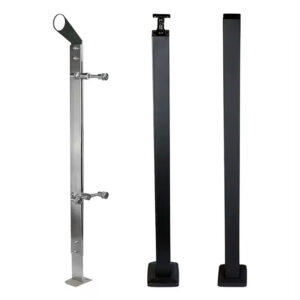
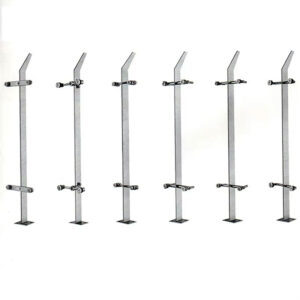
- For post-supported railing systems, coordinate rails with Postes de aço inoxidável, formato dos postes e espaçamento entre os postes.
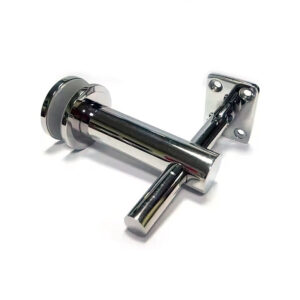
- For handrail-style top rails, coordinate with Corrimãos Post Mount, saddle brackets, and connector details.
- For rail joints and corners, use compatible Conectores de trilho, corner connectors, straight joiners, or flexible connectors.
- For glass railing systems, top rails may need to coordinate with Trilhos da tampa, glass clamps, or glass adapters.
- For infill systems, bottom rails should be selected together with Sistemas de preenchimento, hole layout, panel fixing, and support method.
Personalização de acordo com os requisitos do projeto
Many top rail and bottom rail projects are manufactured according to customer drawings and railing layouts. ESANG can support custom rail profiles, tube sizes, section lengths, connector sleeves, corner details, post connections, bottom rail supports, material grades, surface finishes, and packaging requirements.
When a project has standard-oriented requirements related to guardrail height, handrail height, opening limitations, infill spacing, material grade, or load-related design requirements, customers should provide the required drawings and specifications. ESANG can manufacture rail components to match those provided details, while final compliance depends on the complete installed system, structural design, installation method, and applicable local code.
Considerações sobre instalação e projeto
Top rails and bottom rails should be reviewed as part of the complete railing assembly. Rail profile, section length, connector type, post connection, infill method, and finish should be confirmed before production.
- Rail profile: round, square, rectangular, or custom
- Tube size, section length, and joint location
- Post shape, post spacing, and rail support method
- Connector sleeve, straight joiner, or corner connector detail
- Handrail, top rail, or cap rail function
- Bottom rail support and infill compatibility
- Glass, cable, bar, rod, mesh, or panel infill requirements
- Tipo de material adequado para ambientes internos, externos, litorâneos ou à beira da piscina
- Código de construção local e requisitos de especificação do projeto
For guardrail, balcony, stair, terrace, and public-access projects, top rails and bottom rails should be checked as part of the complete railing system by the project designer, engineer, contractor, or local authority.
Cenários de aplicativos
Post-Supported Railing Systems
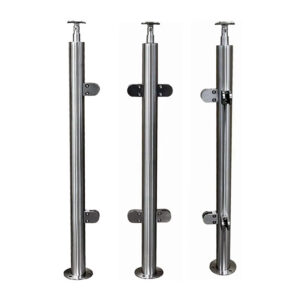
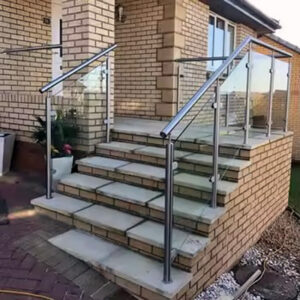
Top rails and bottom rails are commonly used with stainless steel posts in balcony, stair, terrace, and commercial railing systems. Post spacing, rail profile, and connector sleeves should be coordinated before production.
Glass Railing Systems
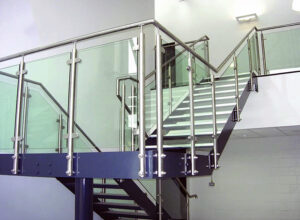
Glass railing systems may use top rails, cap rails, or related rail profiles for edge protection, handrail function, or visual finishing. Rail selection should be coordinated with glass thickness, clamp type, and post or channel support.
Bar, Rod, and Picket Infill Railings
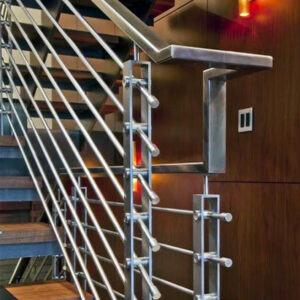
Bottom rails and top rails can help support vertical pickets, horizontal rods, or bar infill systems. Hole layout, spacing, and end fixing details should be confirmed early.
Corrimãos para varandas e terraços
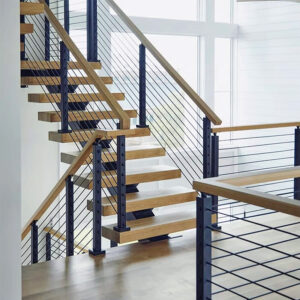
Balcony and terrace projects may use round, square, or rectangular top rail systems depending on the design style. Outdoor projects should also consider material grade, drainage, fasteners, and maintenance.
Áreas comerciais e de acesso público
Commercial buildings, hotels, schools, public facilities, and transport areas often require top rails and bottom rails with durable materials, consistent finish, repeatable connection details, and practical maintenance access.
Categorias de produtos relacionados
- Round Top Rail Systems
- Square Top Rail Components
- Rectangular Top Rail Assemblies
- Bottom Rail Support Systems
- Rail Connector Sleeves
- Postes de aço inoxidável
- Sistemas de preenchimento
- Conectores de trilho
- Trilhos da tampa
Perguntas frequentes
What are top rails and bottom rails used for?
Top rails and bottom rails are used to connect, support, and finish railing systems. Top rails often form the upper line or handrail-like surface, while bottom rails may support infill components, panels, rods, bars, or custom railing layouts.
What is the difference between a top rail and a handrail?
A top rail is the upper rail of a railing or guardrail system. A handrail is specifically intended to be grasped for support. In some projects, the top rail may also function as a handrail, but this depends on shape, height, grip profile, and project requirements.
How do I choose between round, square, and rectangular top rails?
Round top rails are often used where grip comfort is important. Square top rails are common in modern linear designs. Rectangular top rails create a stronger directional appearance and may suit selected commercial or custom railing systems. The final choice should consider posts, connectors, infill, and project style.
What are rail connector sleeves used for?
Rail connector sleeves are used to join rail sections, maintain alignment, and create cleaner transitions between rail pieces. They may be used for straight runs, long rail sections, post-to-rail connections, or modular railing assemblies.
When are bottom rail support systems needed?
Bottom rail support systems may be needed when the lower part of the railing requires support for pickets, rods, bars, panels, mesh, or custom infill. They may also help create a finished lower line in the railing design.
Can ESANG customize top rails and bottom rails?
Yes. ESANG can manufacture top rails, bottom rails, connector sleeves, rail profiles, and related components according to drawings, dimensions, material grade, finish, post connection, infill type, and installation requirements.
Can top rails be used with glass railing systems?
Yes. Top rails or cap rails may be used with glass railing systems for handrail function, edge protection, or visual finishing. Glass thickness, post layout, clamps, and cap rail details should be confirmed before production.
Can top rails and bottom rails be used with cable railing systems?
Yes. Top rails are commonly used with cable railing systems, while bottom rails may be used depending on the design. Cable routing, post spacing, tensioning, and rail connection details should be coordinated together.
What information is needed for a top rail or bottom rail inquiry?
Useful information includes rail profile, tube size, section length, material grade, finish, post type, connector requirement, infill type, quantity, drawings, and project environment.
How should stainless steel rails be maintained?
A limpeza de rotina geralmente envolve o uso de detergente neutro, água limpa e um pano macio. Evite produtos de limpeza à base de cloro, palha de aço e utensílios abrasivos. As instalações ao ar livre, à beira da piscina e em áreas costeiras devem ser limpas com maior frequência para reduzir a contaminação da superfície e manter a aparência.
Posts relacionados:
Pier and Dock Railing Layout: Posts, Infill, Access, and Mounting
Plan pier and dock runs around post locations, infill modules, corners, gates, access routes, substrate edges, and mounting responsibility.
Coastal Railing Exposure: Salt Air, Splash, and Cleaning Access
Separate airborne salt, direct splash, retained wetness, deposits, and cleaning access before choosing coastal railing materials and details.
Replacing Core-Mounted Posts With Surface Bases: Precheck
Check the existing opening, slab condition, edge geometry, drainage, and revised load path before converting an embedded post to a surface base.
Railing Post Base RFQ Checklist for Project Buyers
Request comparable base hardware, substrate inputs, finishes, drawings, anchor boundaries, samples, and inspection documents in one project RFQ.
Adjustable Railing Post Bases for Sloped or Uneven Surfaces
Compare adjustable bases against the actual slope, bearing surface, leveling range, finish interface, and fixing access before selecting a detail.
Âncoras para bases de postes de corrimão: Informações para a revisão de engenharia
Defina o substrato, a geometria, as cargas, a exposição e as evidências de fixação antes da revisão de engenharia, para que a etiqueta do componente não seja confundida com o projeto da conexão.
Projetos da Esang

Certificado da Esang
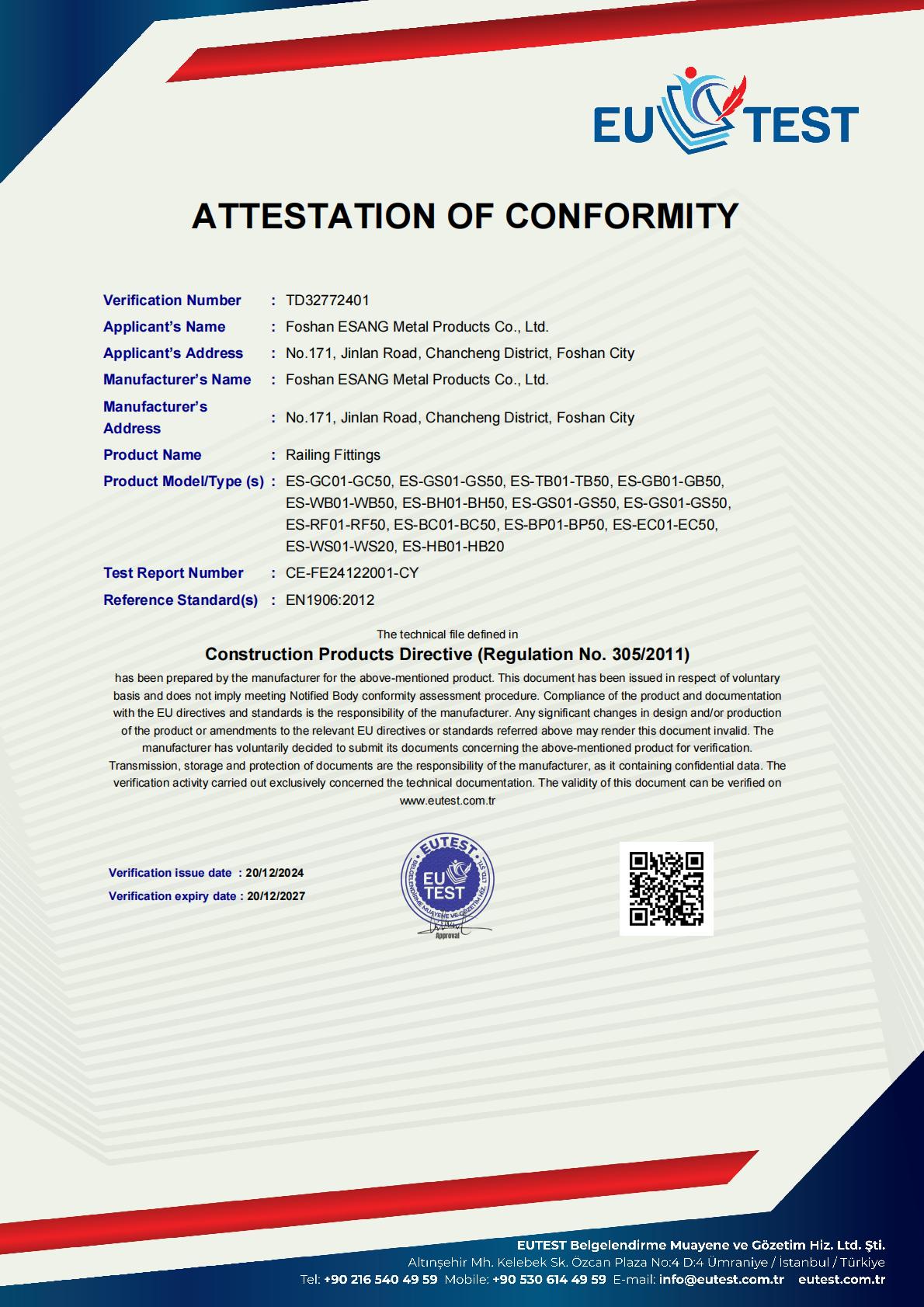
A Foshan ESANG Metal Products orgulhosamente mantém Certificação CE (Nº de verificação TD32772401) de acordo com a Diretiva de Produtos de Construção (Regulamento nº 305/2011), afirmando nosso compromisso com os mais altos padrões europeus de segurança e qualidade.
Certificado Linha de produtos:
Nosso abrangente portfólio de acessórios para guarda-corpos, incluindo braçadeiras de vidro, tensionadores, suportes, suportes de parede, sapatas de base, acessórios para corrimão, ferragens para cabos e componentes para postes, atende a EN1906:2012 garantindo a integridade estrutural e a confiabilidade do desempenho em todas as instalações.
O que isso significa para seu projeto:
Conformidade regulatória total para os mercados europeu e internacional
Desempenho de segurança e durabilidade verificado de forma independente
Suporte de documentação para especificações arquitetônicas
Tranquilidade com a garantia de qualidade de terceiros
Certificação válida até 2027 | Relatório de teste: CE-FE24122001-CY
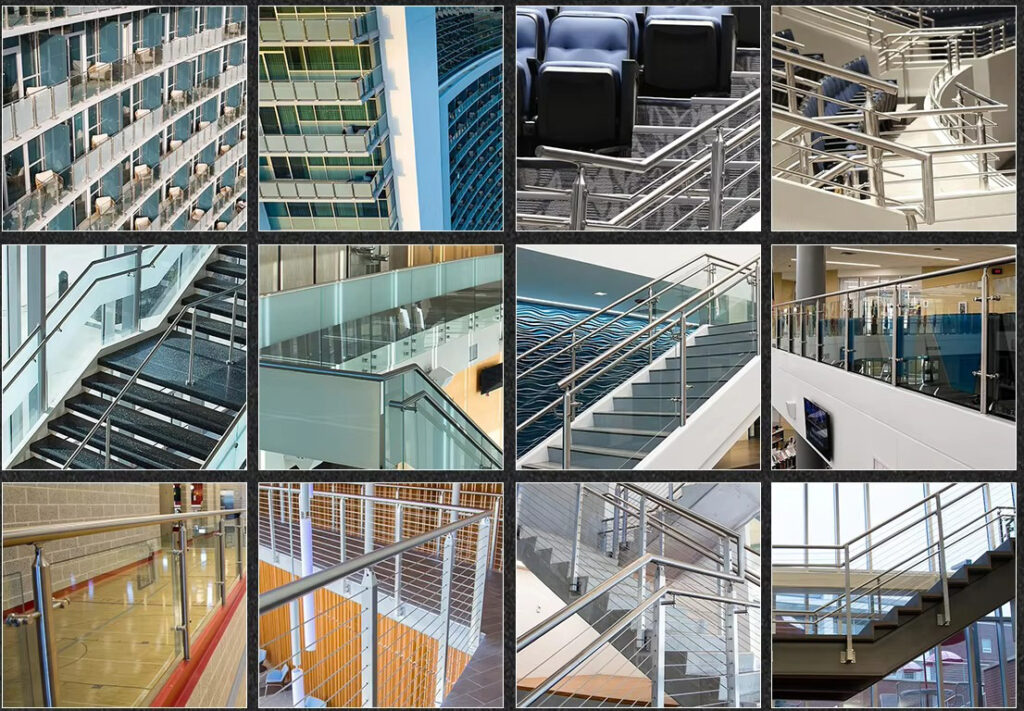
Projetos da Esang

Produtos de referência