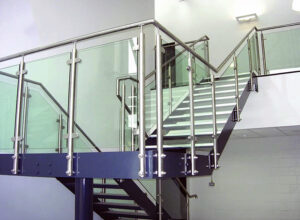
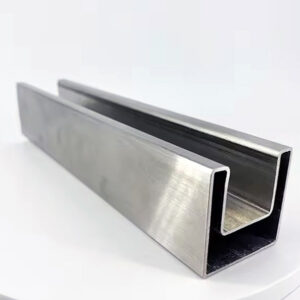
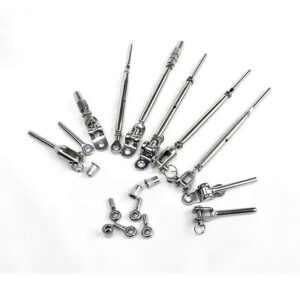
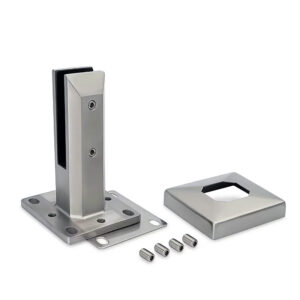
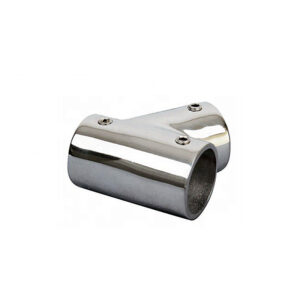
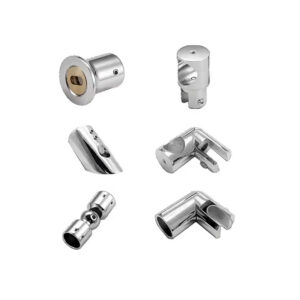
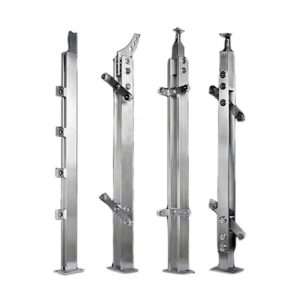
Most field delays on railing runs don’t start with a fabrication error — they start with a fitting package that was approved against a rendered elevation and ordered without confirming the five conditions that actually govern assembly. Once the rail is set against a wall or slab edge, the tool path to the fastener either exists or it doesn’t. If it doesn’t, the cleaner the specified finish, the more grinding or re-drilling is required to recover. The fitting decisions that prevent this happen early: before procurement, not after the first run is installed. What follows gives contractors and specifiers a concrete basis for evaluating fitting selection against substrate conditions, angle variability, finish requirements, and the assembly sequences those choices impose.
Which fitting details matter most before installation starts
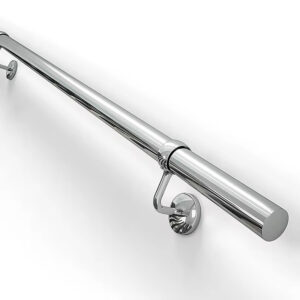
The first failure point in most fitting packages isn’t the connector itself — it’s the gap between what was specified and what was ordered, because diameter and profile were never confirmed against actual project documents. A fitting sized for a 1.5″ OD tube won’t seat cleanly on a 2″ OD commercial rail, and the mismatch only becomes visible once the crew is on site. At that stage, the options are field adaptation, re-order, or an assembly that doesn’t perform as intended. None of those outcomes are recoverable without cost, and all of them were avoidable at the procurement stage.
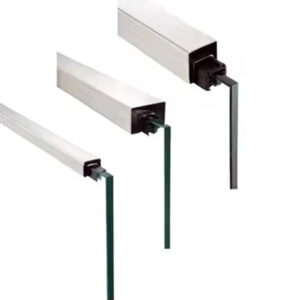
The second pre-installation gap is less obvious: flush-style fittings sometimes require a separately ordered connector piece to complete the final attachment. That dependency doesn’t always appear in the fitting’s primary product listing, and if it’s not identified during procurement planning, the installation crew arrives with an incomplete package. The connector piece that wasn’t ordered becomes the reason a run sits unfinished while a replacement is sourced. Confirming whether a flush fitting assembly requires any additional components isn’t a precaution — it’s a sequencing requirement.
These two checks set the floor for everything that follows on site.
| Wat verduidelijken | Risico indien onduidelijk | Wat bevestigen? |
|---|---|---|
| Exact rail shape and size (e.g., 1.5″ OD vs. 2″ OD) | Mismatch forces field adaptation, rework, or creates unsafe conditions that violate code. | Confirm the rail’s exact dimensions and shape specified in the project documents. |
| Requirement for a separate connector piece on “flush” fittings | Adds a hidden procurement step and potential delay before installation can begin. | Determine if the fitting assembly requires a custom-ordered connector for final attachment and plan procurement accordingly. |
Skipping either confirmation doesn’t just risk rework on that run — it compresses the remaining schedule for adjacent work that was planned around the railing being complete.
How base plate and joint access change assembly speed
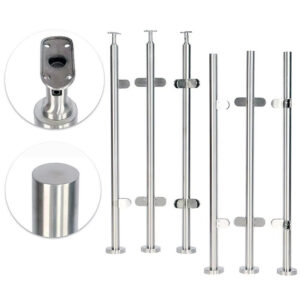
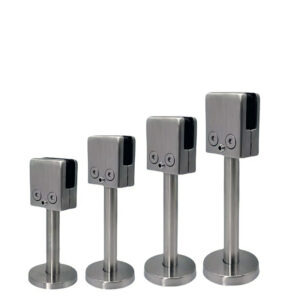
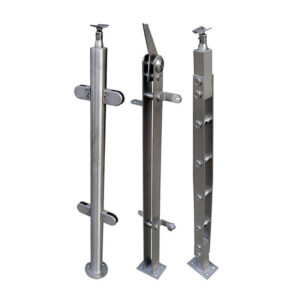
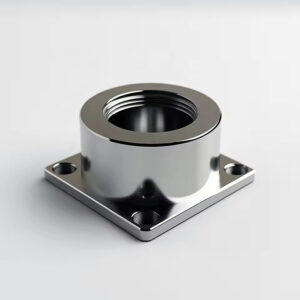
Base plate selection looks like a hardware decision, but it’s actually a sequencing decision. Some base plate configurations require flow drilling and threading the post before any bracket can be installed — that preparation has to happen off-site or in a controlled shop condition, not in the field. If that step is discovered after the posts have already been delivered to the site cut to length, the schedule impact isn’t a minor adjustment; it’s a delay that cascades into adjacent trades. Identifying whether the specified base plate strategy requires pre-fabrication work is a confirmation that needs to happen before materials are ordered, not when installation begins.
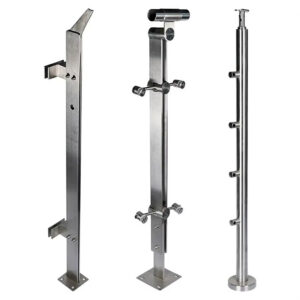
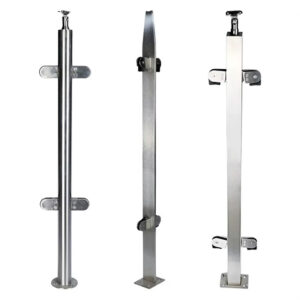
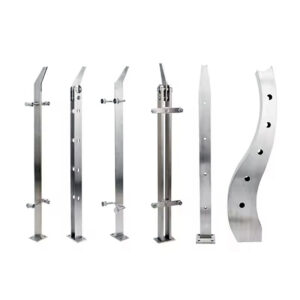
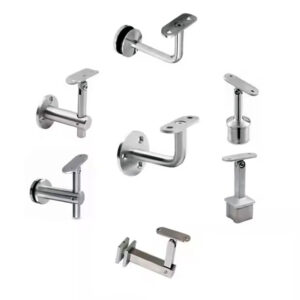
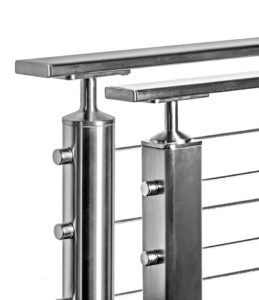
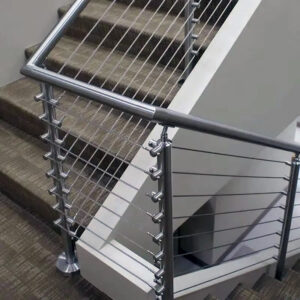
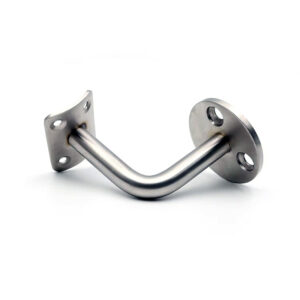
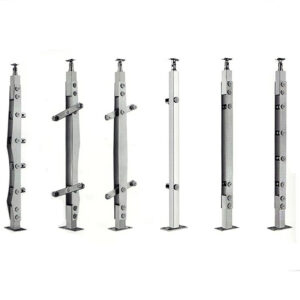
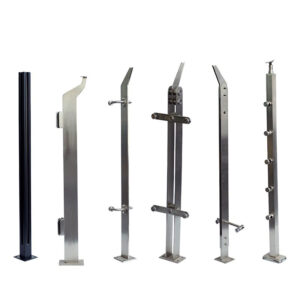
The bracket type mismatch is a different kind of failure. A post-mount bracket installed into a stud wall without the proper backing or substrate preparation may not fail immediately, but the load path it creates often isn’t defensible under inspection. Wall-mount and post-mount brackets are not interchangeable across substrate types — they’re engineered for different conditions, and using the wrong type is a likely structural failure pattern when substrate confirmation gets skipped during planning. The substrate should be confirmed before bracket type is selected, not after the anchoring layout is drawn. For projects involving post assemblies and surface mounting, reviewing available roestvrijstalen palen en onderdelen early in the selection process can help align bracket type to the actual substrate before procurement closes.
The scheduling implication is direct: both the pre-fabrication requirement and the bracket-type confirmation need to be resolved before field work starts, because neither can be corrected quickly once the installation sequence is already in motion.
| Overweging | Consequence if Overlooked | Wat bevestigen? |
|---|---|---|
| Base plate strategy requiring pre-fabrication (e.g., flow drilling, threading the post) | Specific preparation must be completed before bracket installation, directly impacting field assembly speed and tooling needs. | Verify if the selected base plate requires any pre-fabrication steps and schedule them before field installation. |
| Bracket type (wall-mount vs. post-mount) match to the substrate | Using the wrong type for the substrate (e.g., post bracket on a stud wall) leads to improper installation and failure. | Confirm the substrate material and select the bracket type explicitly designed for it. |
The prose problem that follows from getting these decisions wrong isn’t just time — it’s that the tool access problem compounds. Once a post is set and the rail is against the wall, the ability to reach a fastener that should have been prepared earlier may be gone entirely.
Where generic connectors create field grinding and rework
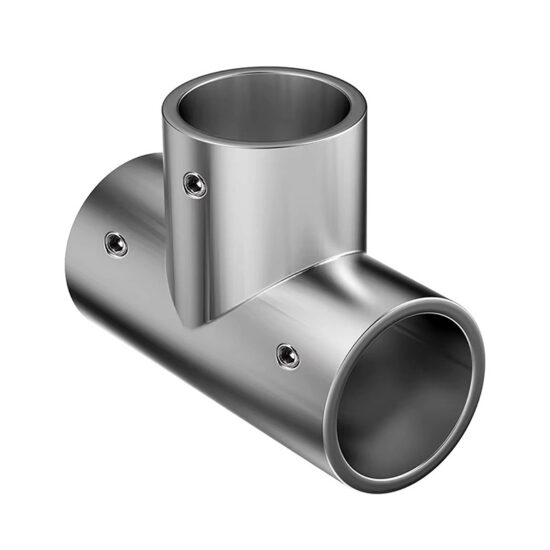
Generic connectors fail in predictable ways, and the pattern is consistent: the fitting looks compatible at the point of order and reveals its limitations during assembly. The three most common field grinding triggers are hidden screw positions that require a tool approach that adjacent structure blocks, saddle profiles that don’t match the rail curvature closely enough for a flush seat, and tolerance stack-up that compounds across multiple fittings in a run until the final joint can’t close without force or grinding.
Each of these is a downstream consequence of treating connector selection as a commodity decision. A fitting that wasn’t engineered for the specific application — rail diameter, load condition, or assembly geometry — may physically attach but create a joint that requires remediation to look or perform correctly. For commercial applications where load ratings matter, using a connector that lacks explicit application-specific design intent introduces a review risk: if the installation is inspected against a project specification that called for rated connectors, a generic substitute is difficult to defend even if it appears structurally sound.
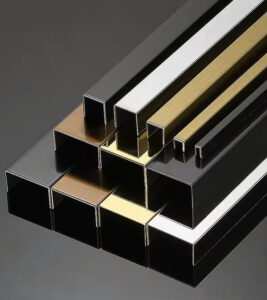
The rework cost in these scenarios isn’t just labor time for grinding or re-drilling. It’s the compounding effect on the finish sequence. Once a surface has been ground in the field, restoring a consistent finish — particularly on brushed or polished stainless — requires re-blending that may not be achievable on-site to the standard the specification requires. ASTM A380/A380M outlines the basis for surface treatment and passivation of stainless steel, and field-ground surfaces that skip proper post-treatment may compromise the corrosion resistance the finish was intended to provide. The fitting that saved money at procurement often costs more in surface remediation than the upgrade would have.
Why angle variation should influence connector choice
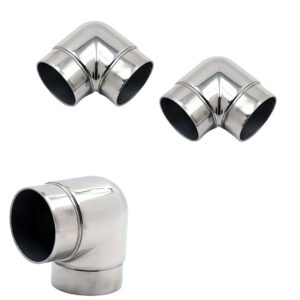
Fixed-angle elbows work well when the project’s geometry is genuinely predictable — standard 90° wall returns, level runs between known waypoints, stair angles that match the fitting’s design. The problem is that real projects often introduce angle variation that doesn’t show up in the design documents: substrate faces that aren’t plumb, stairs poured slightly off the nominal pitch, or layout conditions that shift between the design elevation and the field condition. When a fixed elbow meets an angle it wasn’t designed for, the resolution is field modification — cutting, re-welding, or forcing a joint that creates visible misalignment.
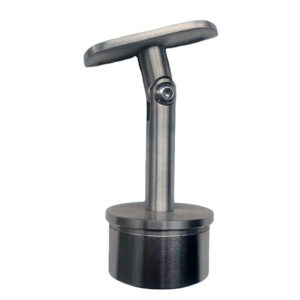
The alternative is an adjustable or pivotable fitting, which is engineered to accommodate that variation as part of its normal use. The trade-off is cost: adjustable fittings designed for variable-angle runs can carry a price premium that exceeds three times the cost of a comparable fixed elbow — an illustrative comparison puts standard fixed fittings near the $30 range versus adjustable configurations closer to $105 or more per fitting. On a short run with a few connectors, that premium may be straightforward to justify. On a longer project with dozens of direction changes, the cost difference compounds, and the decision becomes whether the expected angle variability across the full project justifies the fitting upgrade or whether the fixed-fitting risk of field modification is the better bet.
That calculation depends on two project-specific inputs: how consistent the angles actually are across all the runs (not just the ones in the design drawings), and what the labor cost of field modification represents relative to the fitting cost premium. If the angle variability is low and the installation crew has a clear process for field adjustment, fixed fittings may perform fine. If the substrate conditions are uncertain or the stair geometry varies, absorbing the cost of adjustable fittings upfront is usually less expensive than the rework it prevents.
How to balance finish quality with real tool access
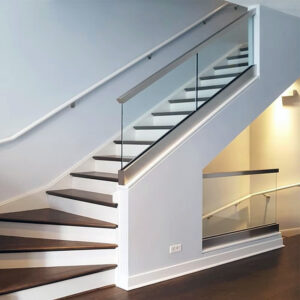
The tension between a clean finish and a workable assembly sequence is sharpest at the wall return and the post base — exactly the locations where the fitting is closest to a hard surface and the available tool path is most constrained. A flush-style fitting that eliminates visible fasteners achieves its look by moving the connection point into a position that requires the fastener to be reached before adjacent structure is in place. That sequence is manageable when the installation is planned around it. It becomes a problem when the finish detail is approved in design review without confirming that the assembly order allows the tool to reach the fastener at the right stage.
The separate connector piece that some flush fittings require is the most common version of this trap. The piece that completes the final connection — sometimes a set screw accessed from an interior face, sometimes a threaded insert that requires a specific tool — has to be reachable at the point in the sequence when it needs to be tightened. If the rail is already pressed against the wall at that stage, the access may be gone. The cleanest rendered detail often has the tightest assembly window, and that window needs to be confirmed against the actual installation sequence, not assumed from the elevation drawing.
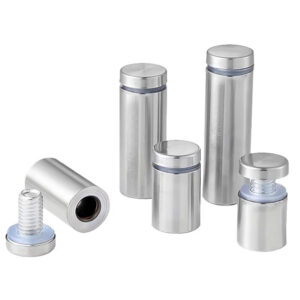
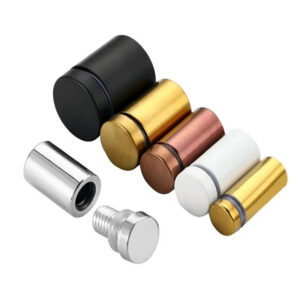
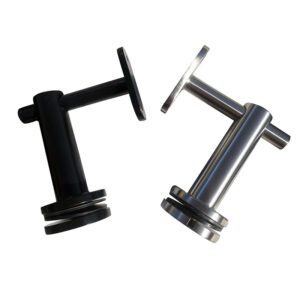
This doesn’t mean flush fittings are the wrong choice — it means the assembly sequence for that fitting needs to be mapped against the field geometry before it’s specified. For projects where both the finish standard and the installation geometry have been confirmed together, flush-style fittings and their hardware families can perform consistently. The relevant mounting hardware and bracket selection should be evaluated alongside the finish detail, not after it, so that the tool access the sequence requires is part of the approval decision rather than a field discovery.
When an adjustable fitting family is worth the complexity
Adjustable fittings introduce procurement and installation complexity that fixed-angle fittings don’t: more SKUs to track, assembly sequences that require setting and locking the angle before final tightening, and a higher per-fitting cost that affects both the project budget and the comparison against competing systems. That complexity is worth absorbing when the project’s angle variability is real and distributed — when it affects multiple runs, not just one transition.
The cost case for adjustable fittings is clearest when the alternative is field modification at scale. A project with a dozen stair runs at non-standard pitch angles, where each fixed-elbow substitution would require cutting and re-fitting, is a project where the adjustable fitting’s cost premium pays for itself in avoided labor. A project with two direction changes on a level run, where both angles are confirmed and consistent, probably doesn’t justify the upgrade.
The decision logic sits between those poles, and it requires one input that often isn’t confirmed early enough: the actual angle variability across all the runs in the project, not just the nominal angles from the drawings.
| Fitting Type | Typische kosten | When to Consider | Why it Matters |
|---|---|---|---|
| Fixed-angle elbows (90°, 45°) | ~$30 | When project angles are standard and predictable. | Choosing fixed fittings for variable angles forces field modification. |
| Pivotable/Articulated/Adjustable fittings | $105.99 | When project angles are variable or unpredictable (e.g., non-standard stairs). | Adjustable fittings are designed for angle variation but can cost over 3x more than standard fixed fittings. |
The practical implication is that the adjustable fitting decision should be made against a field verification of angles — or at minimum against an honest assessment of how confident the team is in the design documents reflecting the as-built substrate. If that confidence is low, the 3x cost premium is cheaper than the rework it displaces. If the angles are confirmed and consistent, fixed fittings with a clear field modification protocol are a defensible choice. For projects with complex geometry or variable stair conditions, resources on productiemethoden voor op maat gemaakte roestvrijstalen leuningen can help teams anticipate where fitting flexibility intersects with fabrication sequencing decisions.
The fittings that cause the most field problems are rarely the ones that failed structurally — they’re the ones that were right for the elevation drawing and wrong for the actual installation condition. Rail diameter mismatch, missing connector pieces, blocked tool access, and angle variation that wasn’t confirmed before ordering are all recoverable problems, but none of them are recoverable cheaply once the installation sequence is in motion.
Before procurement closes, the specific checks that matter are: diameter and profile confirmed against project documents, flush fitting assembly sequences reviewed for hidden component dependencies, bracket type matched to the confirmed substrate, and angle variability assessed across the full run set rather than just the most visible transitions. That review takes less time than a single field rework session, and it’s the clearest point in the project timeline where fitting selection can improve installation speed rather than constrain it.
Veelgestelde vragen
Q: What happens if the stair angles across a project vary significantly but only a few runs have been field-measured before ordering?
A: Order adjustable fittings for any run where the angle hasn’t been confirmed against the actual substrate, not just the drawing. Design documents often reflect nominal angles that don’t survive contact with poured concrete or framed stair structures — and a fixed elbow installed at a slightly off-pitch angle produces visible misalignment that requires cutting and re-fitting to correct. If full field verification isn’t possible before procurement closes, the cost of upgrading those specific runs to adjustable fittings is almost always lower than the labor to remediate fixed elbows that don’t close cleanly.
Q: After selecting the right fitting family, what should the installation crew confirm before the first run is assembled?
A: Map the tool access path for every fastener before the rail is set against the wall or slab edge. The fitting selection decisions happen at procurement, but the assembly sequence failure happens on site when a fastener that needs to be tightened is no longer reachable. Walk each base plate location and direction change before the rail is positioned, confirm that the required tool can reach the connection point at the correct stage in the sequence, and flag any location where the rail would close off access before the joint is fully secured.
Q: Does a brushed or polished stainless finish change which connector tolerance is acceptable?
A: Yes — tighter tolerances matter more as the specified finish grade increases. On a brushed or polished surface, a saddle profile that doesn’t closely match the rail curvature produces a visible gap or a shadow line at the joint that can’t be corrected without re-blending the finish. ASTM A380/A380M establishes the basis for surface treatment and passivation, and field-ground areas that skip proper post-treatment may lose the corrosion resistance the finish was designed to provide. For high-finish projects, connector tolerance should be evaluated against the finish standard before ordering, not treated as a separate decision.
Q: Is there a project type where neither fixed nor adjustable fittings are the right default, and a different approach should be considered instead?
A: Welded and field-fabricated connections may be the more appropriate baseline for projects where the geometry is highly custom, the finish standard is architectural-grade throughout, and the installation team has controlled shop access. Adjustable fittings solve angle variability within the range they’re engineered for, but a project with compound curves, non-standard rail profiles, or transitions that exceed standard fitting geometry may produce cleaner results — and fewer field corrections — through a fabrication-first approach rather than a fitting-based one.
Q: How should a contractor weigh the cost of upgrading to a standardized fitting family against staying with a mixed, project-by-project sourcing approach?
A: Standardized fitting families pay off on repeat work; mixed sourcing is harder to justify once rework frequency is tracked. A contractor running similar residential or commercial rail types across multiple projects absorbs the fitting family’s per-unit cost premium once and gains installation speed through crew familiarity, predictable tool paths, and consistent tolerance behavior across runs. Mixed sourcing preserves flexibility in theory but reintroduces the hidden screw position, saddle mismatch, and tolerance stack-up risks on every new project — and those risks carry a labor cost that rarely appears in the fitting comparison until rework is already happening.