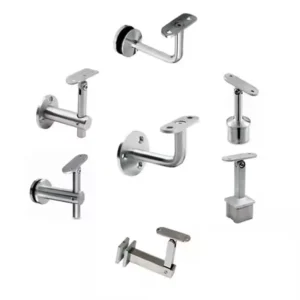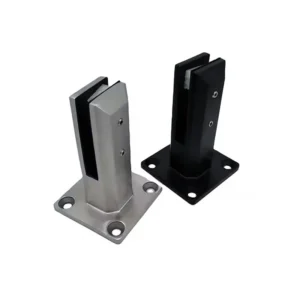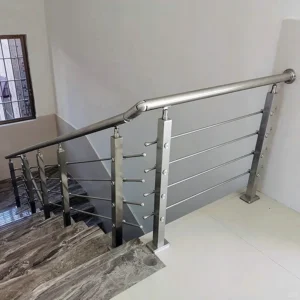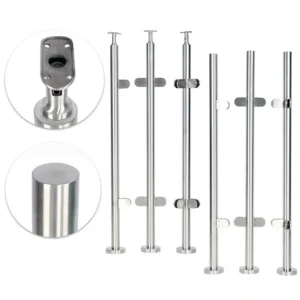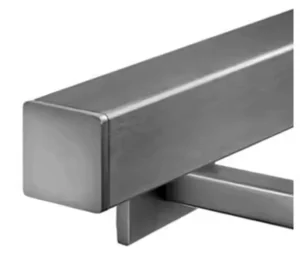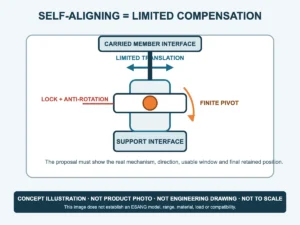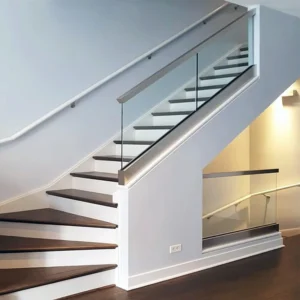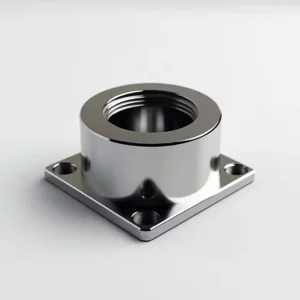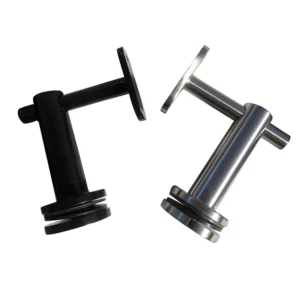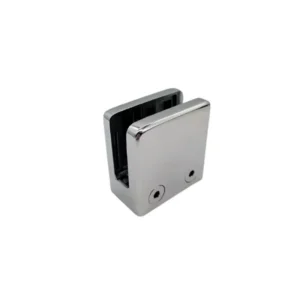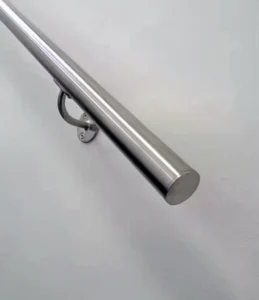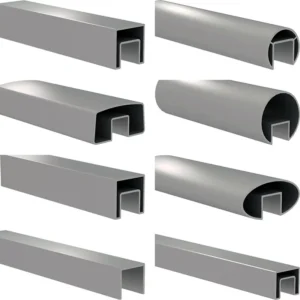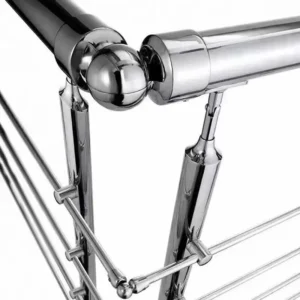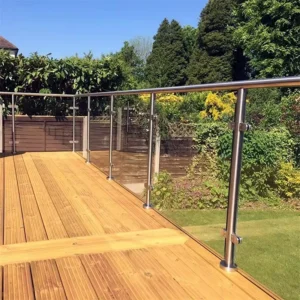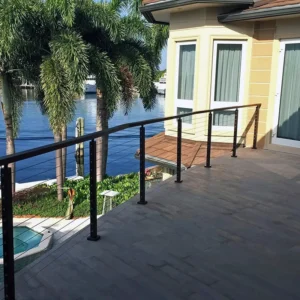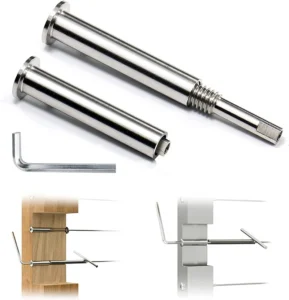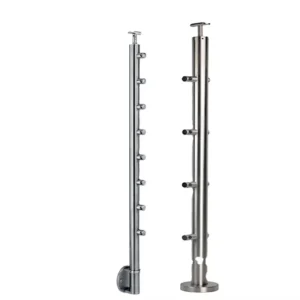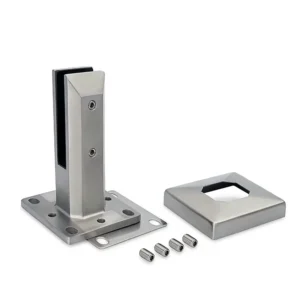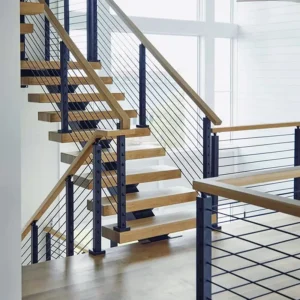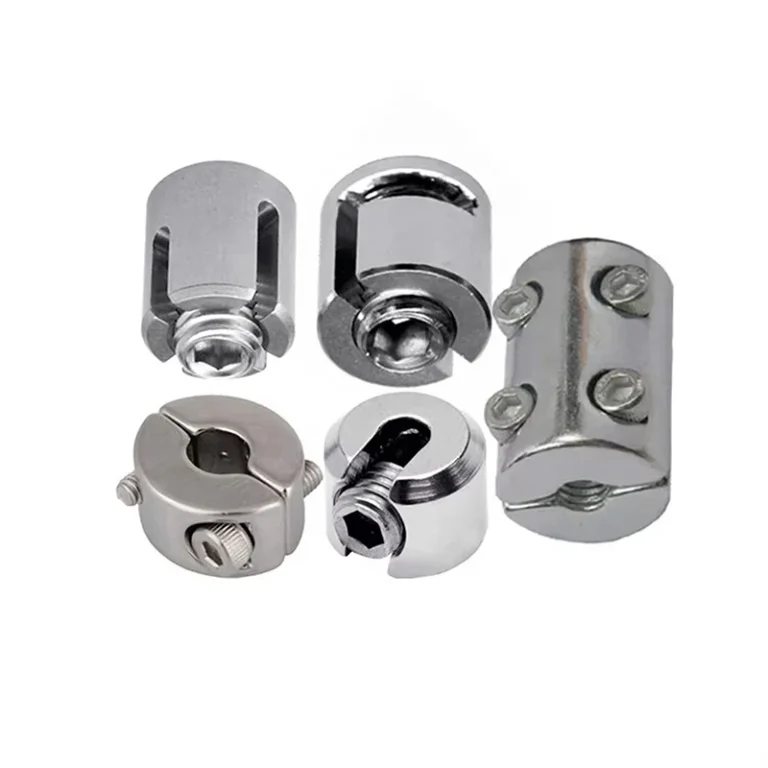
Cable end stops are compact fixed-end components used to retain a wire-rope end or bear against a receiving feature. The buying decision is not the outside shape alone: the stop must match the cable diameter and construction, the way the cable is captured, the post or support interface, and the tools that remain accessible after installation. Start an enquiry with a drawing or clear photos, the cable information you have, the end-post detail, and an estimated quantity; final dimensions can be resolved before the proposed configuration is confirmed.
Request a Cable End Stop Quote on WhatsApp
Define the stop before choosing its shape
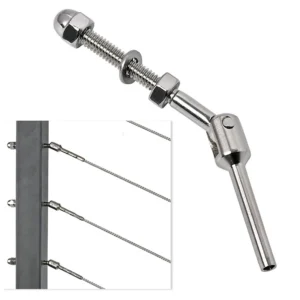
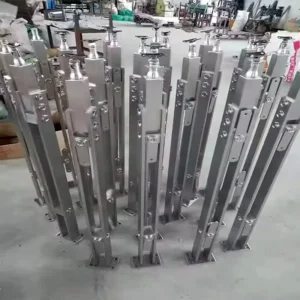
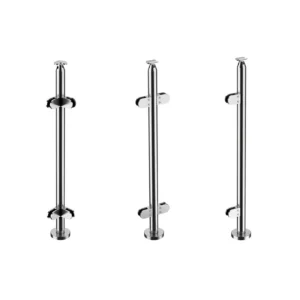
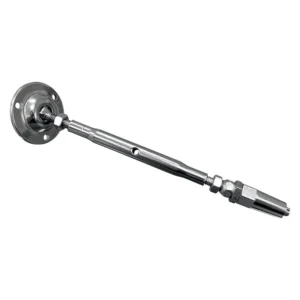
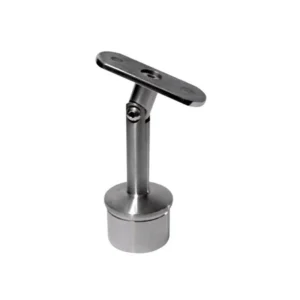
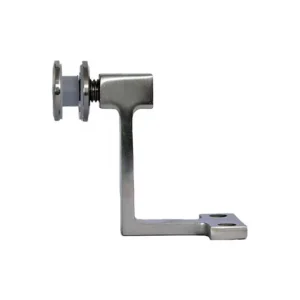
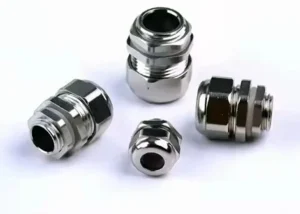
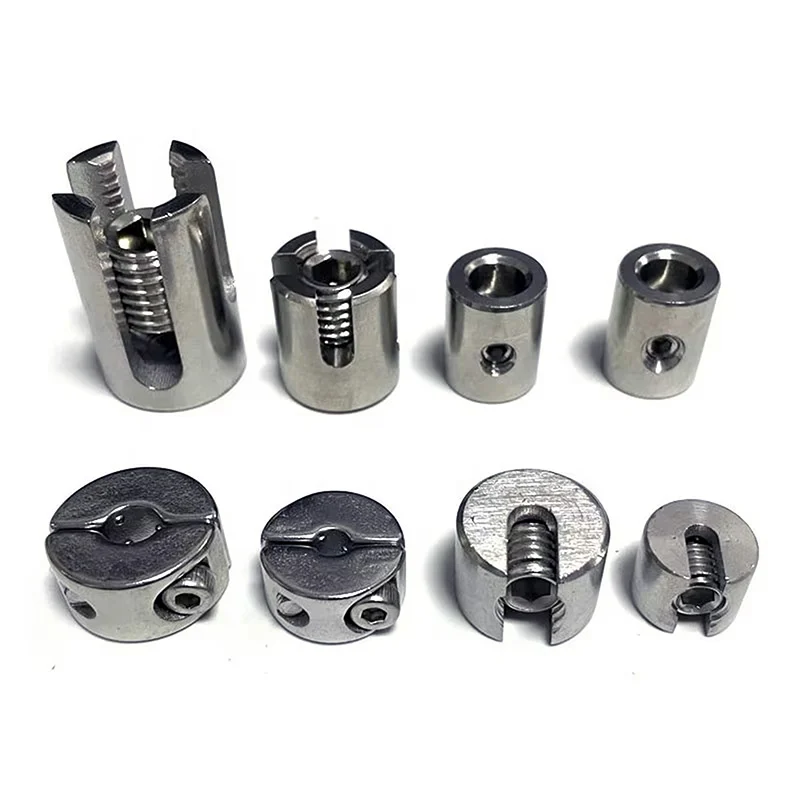
The visible parts on this page include slotted, split and side-fastened cylindrical forms. Those features help identify the procurement questions, but a photograph does not establish the internal holding method, material, cable range or current supply configuration. Treat the stop as a fixed termination unless the quoted assembly explicitly includes a separate adjustment mechanism.
| 决定 | 必须匹配的内容 | What goes wrong when it does not | Field for the drawing or quote |
|---|---|---|---|
| 电缆输入 | Finished cable diameter, wire-rope construction such as 1×19 or 7×7, strand condition and any coating | A bore or grip intended for another construction can slip, crush outer wires, or prevent full insertion | Cable diameter, construction, supplier reference and cut condition |
| Retention method | Split body, clamping screw, set screw, swaged stop, or another documented method | Using the wrong tool or tightening method can damage strands without producing a reliable termination | Retention principle, fastener size, installation tool and inspection method |
| Receiving interface | Post hole, slot, counterbore, bracket pocket, washer or other bearing surface | The stop can pull through, sit on an edge, interfere with the post, or load a decorative cover instead of the support | Hole/slot geometry, bearing face, post material and local thickness |
| System role | Fixed end paired with a tensioner elsewhere, or a documented combined function | A line with two non-adjustable ends may be impossible to tension; two unsuitable adjusters may run out of travel | Fixed end, tensioning end and available take-up shown on the cable schedule |
Cable attachment controls the installation method
For a mechanically retained stop, the cable must be cut cleanly, inserted to the required depth and secured with the exact fastener sequence for the proposed body. There is no safe universal torque for the different forms shown. The quote should identify the applicable screw or clamp, the driver or wrench, the insertion-depth check and whether a witness mark or other inspection step is required. A stop designed to be swaged instead needs the matching terminal bore, swage die, machine or approved field tool, operation sequence and finished-size check.
Cable construction matters even when two cables share the same nominal diameter. A stiff compact construction and a more flexible multi-strand construction can react differently to a local screw or compression zone. Do not substitute a cable, stop or tool because the nominal diameter appears close; request confirmation for the actual cable reference.
Post access and bearing are part of the end stop
Record whether the stop is installed from the cable side, the back of the end post, or through a slot. Show the post wall or support thickness, the available counterbore or recess, the clearance for the tool axis and the space needed to inspect or retighten the fastener. A flush appearance can consume the same rear space needed for a screw head or installation tool.
The retaining body also needs a defined bearing surface. A thin post wall, oversized hole or decorative face plate may need a project-specific washer, insert or receiver. Those items must be listed separately in the proposed supply; they should not be assumed from the end stop photo.
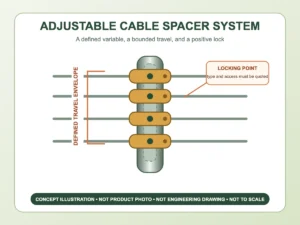
Locking and tensioning must be planned together
A fixed stop holds one end of the cable run but normally does not provide useful take-up. Identify the tensioning fitting at the opposite end, its adjustment travel and the starting position before cables are cut. If the stop uses side screws, the proposed configuration should state how those fasteners are secured against loosening and what access remains for inspection. A locknut, secondary screw, prevailing feature or approved compound is not interchangeable with every body; the selected method must be compatible with the material, threads and service environment.
Specify the environment without assuming a material
Tell ESANG whether the stop will be indoors, outdoors, near salt or pool chemicals, exposed to washdown, or installed where dissimilar metals and retained moisture are likely. Ask the quotation to identify the proposed body material, fastener material, finish or treatment, and any maintenance conditions. The photographs alone do not prove a stainless grade or suitability for a particular exposure.
Build a complete cable-line item
A usable end-stop order is more than the stop body. Depending on the approved arrangement, the complete line may include:
- wire rope with stated diameter, construction and finished length;
- the fixed end stop and its cable-retention fasteners;
- the opposite-end tensioner and its usable take-up;
- post receivers, sleeves, washers, nuts or bearing plates;
- intermediate pass-through protection where the cable crosses posts;
- the exact installation tool or tool reference and replacement fasteners;
- inspection or test documents only where the project requires and the quote expressly includes them.
Ask the quotation to mark each item as included, optional, customer-supplied or site-installed. That prevents a small stop from arriving without the mating receiver or the only tool capable of securing it.
Information that makes the quote comparable
You can begin with photos and an estimated quantity. Before release, provide or confirm:
- cable diameter, construction, finish and source reference;
- fixed-end and tensioning-end arrangement for each run;
- end-post profile, wall/support thickness, hole or slot detail and rear clearance;
- preferred retention method and tools available in the factory or on site;
- indoor, exterior, coastal, pool, industrial or cleaning exposure;
- required body envelope, visible finish and quantity per configuration;
- required locking, inspection, documentation and packaging details.
The proposed configuration should return a drawing or dimensional schedule identifying the cable input, retention method, mating post interface, supplied fasteners, tensioning partner, tool requirement and material/finish. Compare those fields—not only unit price—before approving the order.