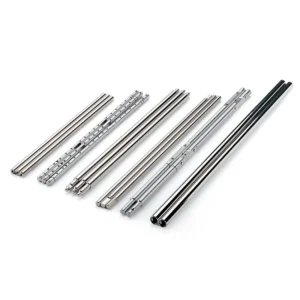
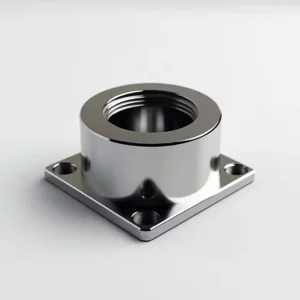
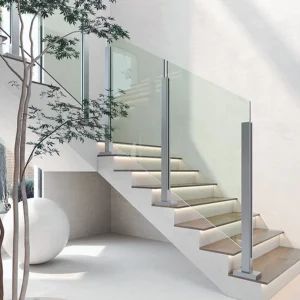
玻璃支架和适配器
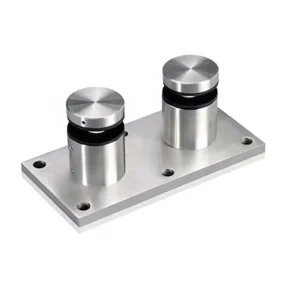
玻璃支架和适配器
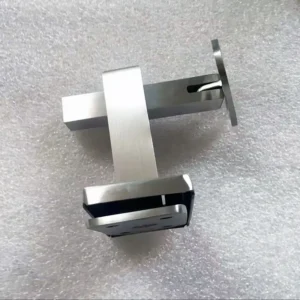
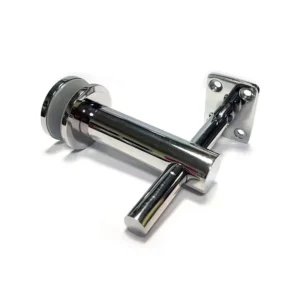
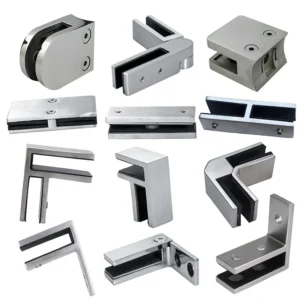
Glass brackets and adapters are useful when the connection does not fit a standard clamp, spigot, standoff or base shoe route. Selection begins with two interfaces: the prepared glass on one side and the wall, post, frame, stringer or fabricated support on the other. Share both sides, even as photos and a hand sketch, and ESANG can propose a connection form for review.
Discuss a bracket or adapter on WhatsApp
Route by the support-side interface
Product route — Connection problem — Information that changes the choice
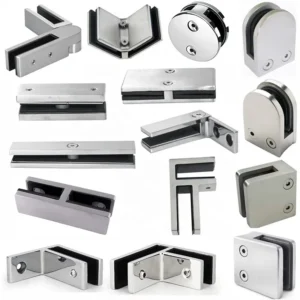
玻璃面板支架 — A discrete bracket must support or locate a panel at a defined point or edge. — Support direction, panel geometry, bracket spacing, glass contact and the receiving structure.
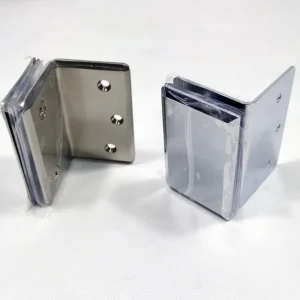
墙对玻璃连接器 — Glass connects directly to a wall, stringer, fascia or side plate. — Wall build-up, anchor zone, glass hole or clamp detail, offset and tool access.
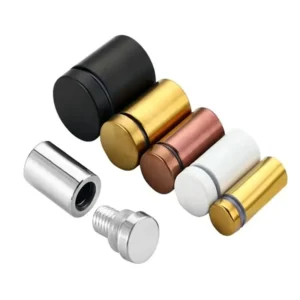
玻璃安装适配器 — A point fixing or transition piece must bridge glass to a project-specific surface or component. — Both mating interfaces, projection, thread or fastener, tolerance and installation sequence.
结构玻璃支架 — The project specification assigns a verified structural role to a bracketed connection. — Exact load path, glass and substrate design, bracket spacing and evidence for the proposed item, not the category name alone.
柱到玻璃适配器 — A glass panel must connect to a round, square, rectangular or fabricated post interface. — Post profile, wall thickness or attachment plate, adapter position, glass preparation and adjacent rail components.
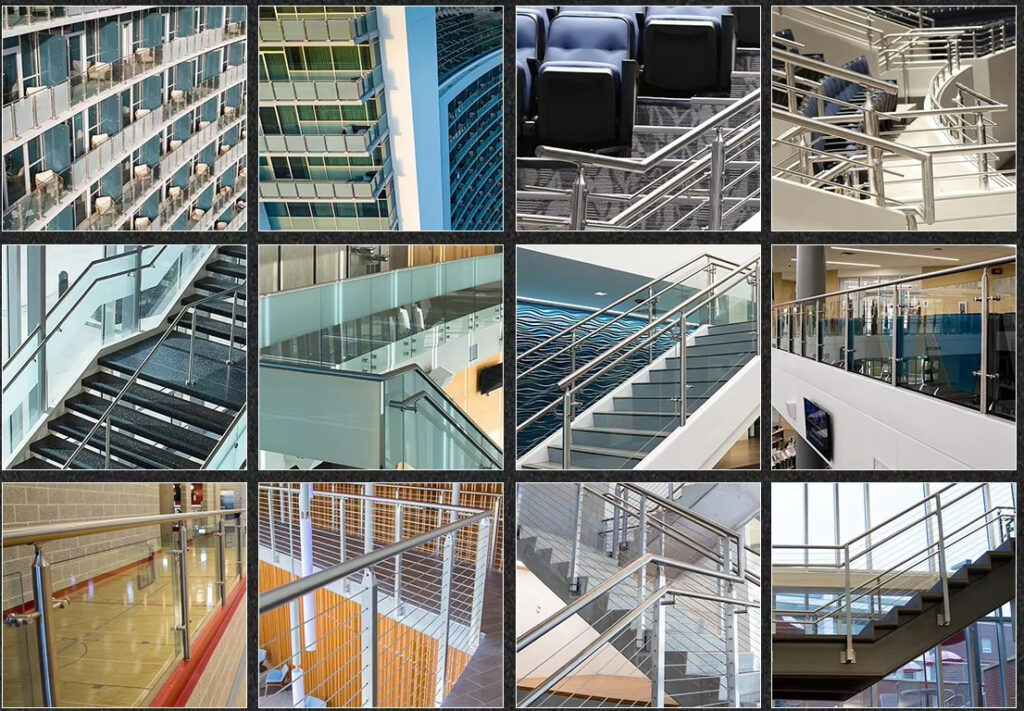
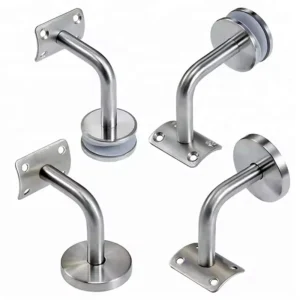
Use photos to identify form, then verify the hidden connection
Define both sides of the connection
Glass interface
State the glass build-up, panel dimensions, edge condition and whether a hole or notch is already fixed. Provide hole diameter, spacing and edge distances from the glass drawing when applicable. Ask the proposal to identify all glass contact parts and the installation torque or setting instruction only when supported for that exact configuration.
Receiving structure
Show the wall material and build-up, post profile, steel plate, stringer or frame that receives the adapter. Include available thickness, anchor zone, cavity or back access and nearby waterproofing or finishes. A wall-side plate that looks suitable in a product photo may still have the wrong hole pattern, projection or anchor access for the site.
Geometry and sequence
Mark the required glass line, offset, bracket elevation and any stair angle or corner transition. Confirm whether the bracket is installed before glass, after finishes or from one accessible side only. Adjustment can solve a defined tolerance; it should not be assumed to compensate for an unknown support position or incorrect glass drilling.
Know when a standard route is simpler
If a panel connects to a regular post face with a conventional clamp, start in 玻璃夹具和连接器. If it is point-fixed from the side with a defined projection, compare Glass Standoffs. If it is continuously supported from below, start in 底鞋系统. Use a project-specific bracket or adapter when those standard load paths do not resolve the actual interface.
Make competing quotes comparable
• Exact connector or bracket drawing, with both glass-side and support-side interfaces identified.
• Proposed glass preparation and every liner, cap, sleeve, washer or contact part included.
• Mounting plate, holes, fasteners and anchors, clearly distinguishing supplied parts from site work.
• Material and finish proposed for the stated exposure; color or appearance in a photo is not a material certificate.
• Adjustment direction and usable range, if adjustment is part of the exact item.
• Quantity, handed or angled variants, packaging, marking and required documents.
Start with the unresolved interface
Send a sketch that labels the glass, support and desired glass line. Add photos, approximate dimensions and quantity even if the final glass holes are not released. ESANG’s response should show a proposed adapter form and identify which dimensions the buyer, glass fabricator, engineer or installer must confirm before manufacture.
相关职位:
Handrail Tube Only or a Complete Component Package: What Should the Supplier Quote Include?
Compare tube-only and component-package handrail quotes by separating fittings, fabrication, mounting interfaces, finish work and delivered quantities.
Continuous or Sectional Handrail Supply: Which Split Strategy Fits Transport and Site Assembly?
Compare continuous and sectional handrail supply using delivery access, joint locations, mating details and section identification before fabrication release.
Where Should a Handrail Change from Wall-Supported to Post-Supported Along a Mixed Route?
Choose a handrail support change by comparing wall and post interfaces, preserving the gripping path and locating the transition on coordinated drawings.
平直型、倾斜型或倾斜转平直型网格面板:每段栏杆应采用哪种几何形状?
Choose between level, raked, and raked-to-level mesh panel geometry by railing run, pattern orientation, interfaces, and project drawings.
如何为扶手管指定内套管和接头锁紧件
应根据管子的实际内径、所需的固定强度以及安装空间,指定扶手套管和接头锁扣,以确保连接件能够安装到位并牢固固定。.
Where Should Handrail Splices and Supports Go on Long Runs?
Locate splices with supports, transitions and assembly access so shipping breaks also work as documented connections in the installed handrail.
埃桑的项目

埃桑证书
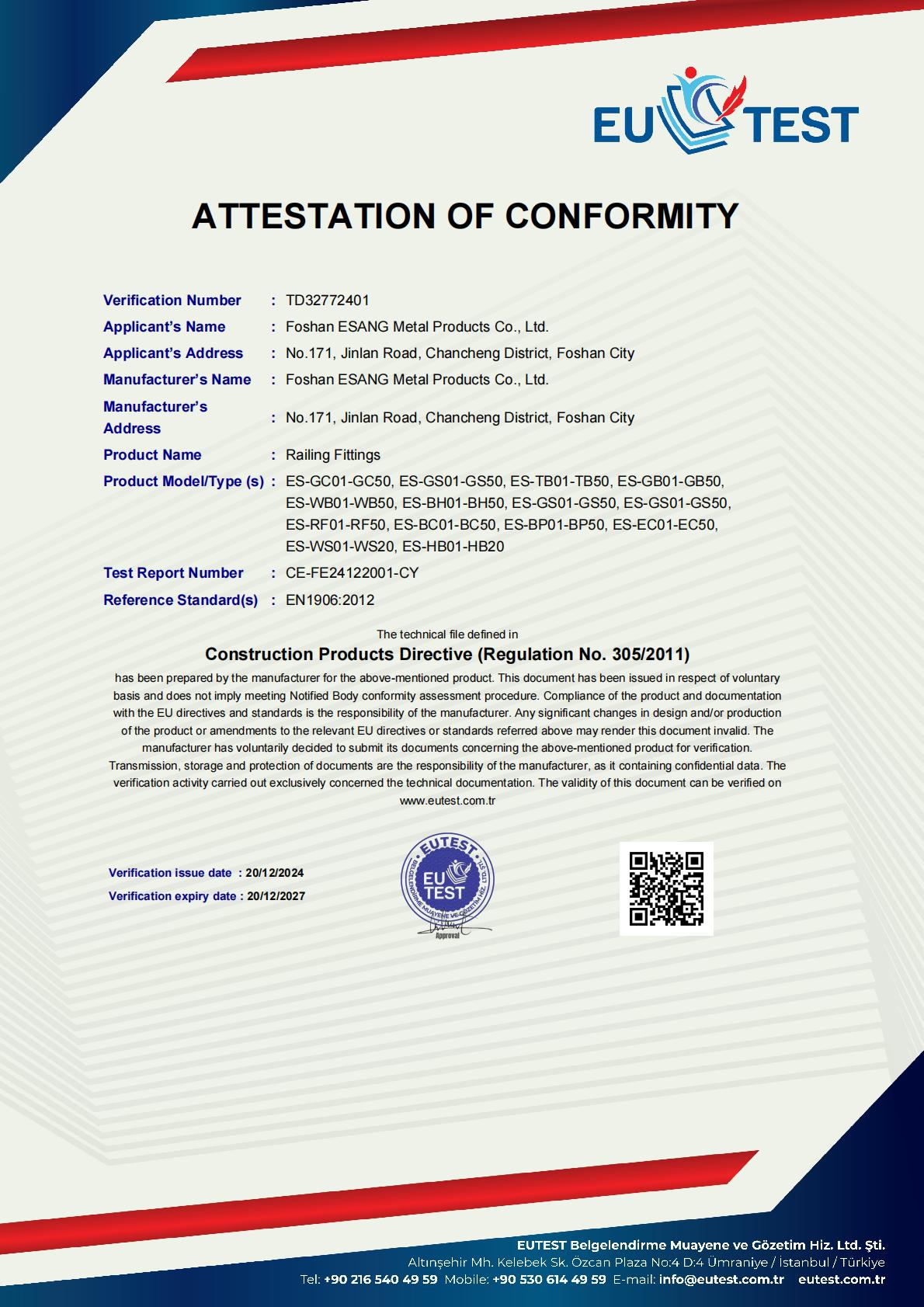
佛山伊桑金属制品有限公司自豪地保持着 CE 认证 (根据《建筑产品指令》(第 305/2011 号法规),我们获得了 TD32772401 认证(认证编号:TD32772401),这肯定了我们对欧洲最高安全和质量标准的承诺。
认证产品范围:
我们全面的栏杆配件组合--包括玻璃夹、张紧器、托架、墙面安装件、底座、扶手配件、电缆五金件和立柱组件--符合以下要求 EN1906:2012 标准,确保所有装置的结构完整性和性能可靠性。.
这对您的项目意味着什么?
✓ 完全符合欧洲和国际市场的法规要求
✓ 经独立验证的安全和耐用性能
✓ 为架构规范提供文档支持
✓ 由第三方提供质量保证,让您高枕无忧
认证有效期至 2027 年 | 测试报告:CE-FE24122001-CY
埃桑的项目