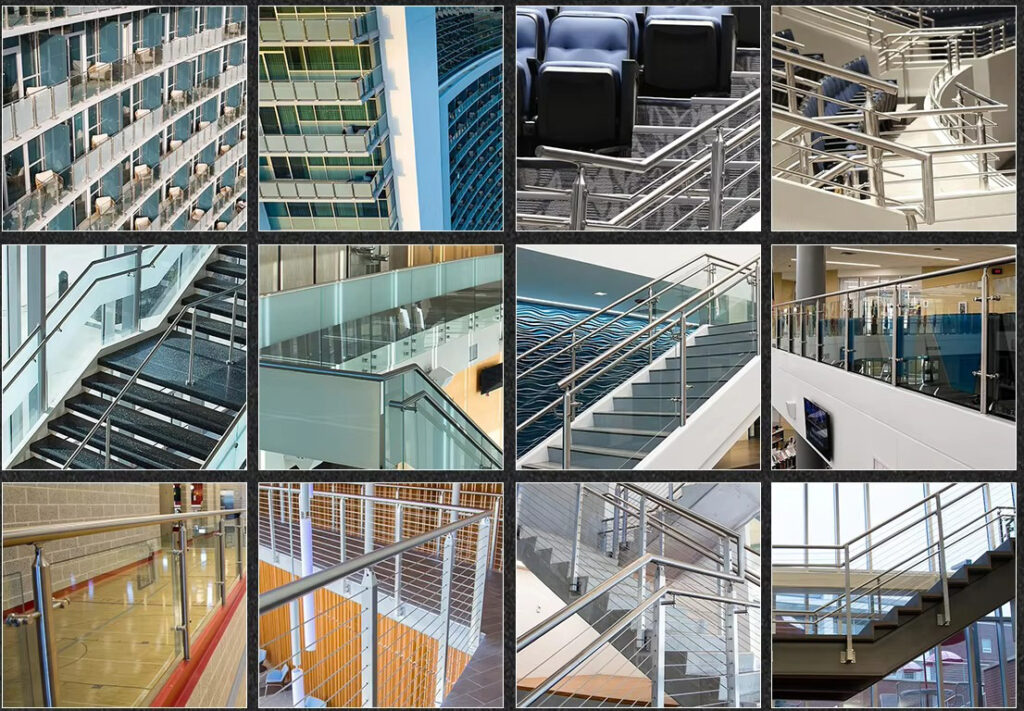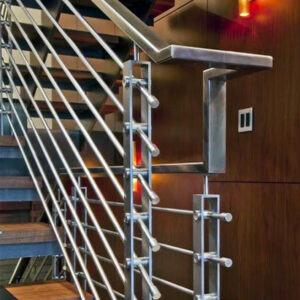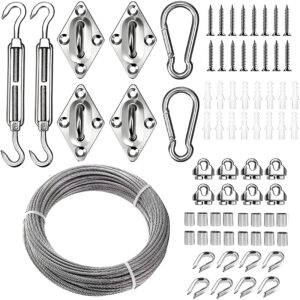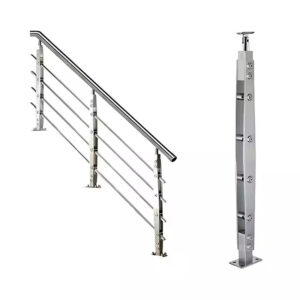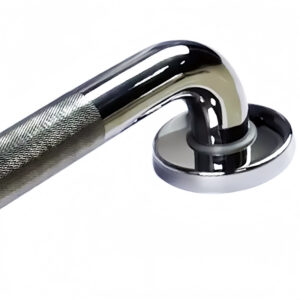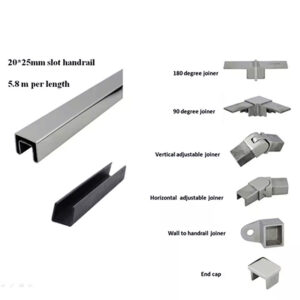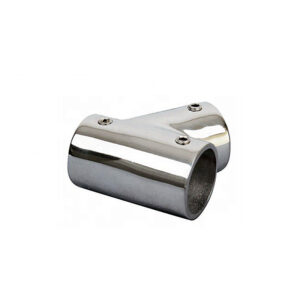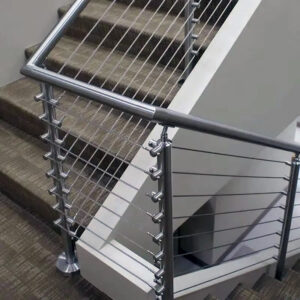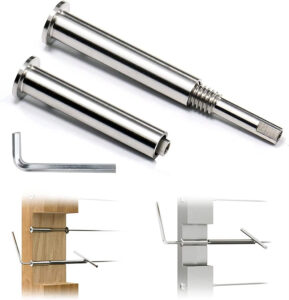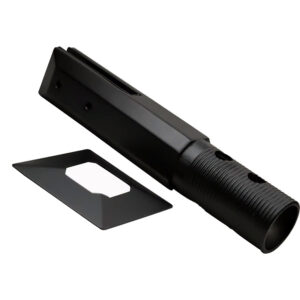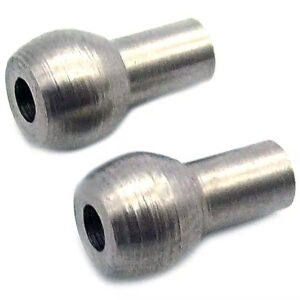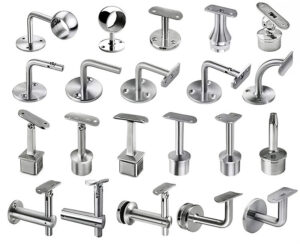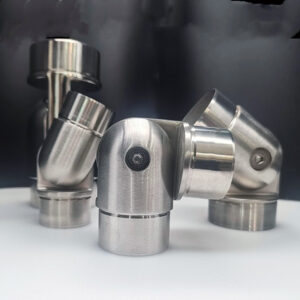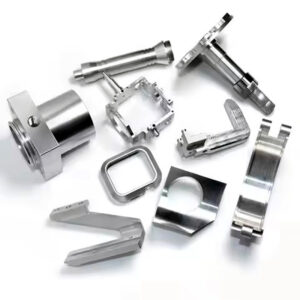
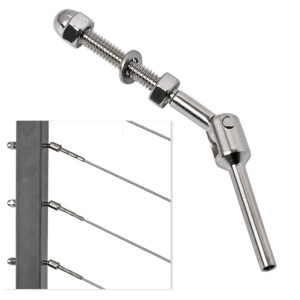
ESANG through-post hardware is used when stainless steel cable passes through railing posts instead of attaching only to the outside surface. These components help guide, protect, align, or finish cable pass-through points in cable railing systems.
This category includes Through Post Cable Hardware, Cable Pass-Through Fittings, and Corner Post Cable Hardware.
For contractors, distributors, fabricators, and project buyers, through-post hardware selection should consider post shape, post hole size, cable diameter, cable direction, terminal condition, corner routing, material grade, surface finish, and installation environment. ESANG can supply and manufacture through-post cable hardware according to drawings, post dimensions, cable size, hole layout, material grade, finish requirements, and installation conditions.
| Hardware option | Best used for | Key selection questions |
|---|---|---|
| Through Post Cable Hardware | Cable runs passing through stainless steel posts in straight or repeated railing layouts | What post shape, cable diameter, hole size, and pass-through detail are required? |
| Cable Pass-Through Fittings | Protecting, aligning, or finishing cable holes through intermediate posts | What fitting style, post wall thickness, hole diameter, and cable direction should be matched? |
| Corner Post Cable Hardware | Cable systems where cable changes direction at corner posts or angled railing runs | What corner angle, cable routing path, tensioning plan, and post design are required? |
Through-post hardware should be selected according to the role of the post. An intermediate post, terminal post, and corner post may all have cable holes, but the cable direction and hardware function can be different.
| Project condition | Recommended direction | Why it matters |
|---|---|---|
| The cable passes straight through intermediate posts | Use through post cable hardware or cable pass-through fittings | Pass-through fittings help protect cable and improve alignment through the post. |
| The cable changes direction at a corner | Use corner post cable hardware or project-specific routing details | Corner routing changes cable angle, tension, friction, and hole alignment. |
| The cable terminates at a post | Use terminal hardware and cable end fittings rather than only pass-through fittings | Termination and pass-through functions should not be confused. |
| The post has pre-drilled cable holes | Match fittings to hole diameter, post wall thickness, and cable size | Incorrect hole or fitting size can affect installation appearance and cable movement. |
| The system uses square or rectangular posts | Confirm hole position, face orientation, and fitting shape | Flat post faces make alignment important across the cable run. |
| The system uses round posts | Confirm cable hole angle and fitting shape for curved surfaces | Round post geometry changes how the fitting sits and how the cable exits the post. |
Cable pass-through details depend on post position. A cable may pass through an intermediate post, terminate at a terminal post, or change direction at a corner post.
| Post position | Through-post role | Common considerations |
|---|---|---|
| Intermediate post | Allows cable to pass through while maintaining spacing and alignment | Hole spacing, fitting protection, cable direction, and post wall thickness |
| Terminal post | Often anchors, tensions, or terminates the cable rather than simply passing it through | End fittings, tensioners, post strength, and finished cable length |
| Corner post | Changes cable direction and may require special routing or angled fittings | Corner angle, cable friction, tensioning plan, hole alignment, and post orientation |
| Stair post | Guides cable through angled stair runs | Stair pitch, cable angle, hole layout, and fitting alignment |
Through-post cable systems require accurate post hole layout. Hole position, spacing, and direction should be confirmed before production, especially for custom posts, stair runs, or corner conditions.
| Layout item | What to confirm | Why it matters |
|---|---|---|
| Cable diameter | Cable size and compatible pass-through fitting | The fitting must protect and guide the correct cable size. |
| Hole diameter | Drilled hole size, fitting fit, and tolerance | Incorrect holes can create loose fittings or difficult installation. |
| Hole spacing | Vertical spacing between cable runs | Spacing affects appearance, opening control, and cable layout. |
| Post wall thickness | Thickness of round, square, rectangular, or custom post | Fitting design and installation method should match the post wall. |
| Cable direction | Straight, angled, stair, or corner routing | Cable direction affects hole angle and fitting position. |
| Fitting finish | Visible surface finish around each pass-through point | Pass-through hardware should match the railing finish where visible. |
ESANG through-post cable hardware can be supplied or manufactured according to project requirements, including cable diameter, post hole layout, pass-through fitting shape, corner routing detail, material grade, surface finish, and packaging requirements.
| Material or finish | Typical use | 说明 |
|---|---|---|
| 304 不锈钢 | Interior cable railing systems, commercial interiors, residential stairs, and dry environments | A common option for many indoor cable railing projects. |
| 316 不锈钢 | Outdoor cable railings, coastal projects, poolside areas, decks, terraces, and humid environments | Usually preferred where better corrosion resistance is required. |
| 316L 不锈钢 | Projects requiring improved weldability or more demanding corrosion performance | Suitable when the specification calls for low-carbon stainless steel. |
| Brushed or satin finish | Commercial cable railings, decks, balconies, and most architectural cable railing projects | Helps reduce the visibility of minor handling marks and fingerprints. |
| 镜面抛光 | Decorative or selected premium applications | Provides a brighter appearance but requires more careful handling and cleaning. |
For non-standard cable railing projects, customers can provide drawings, post shape, post dimensions, cable diameter, hole layout, cable direction, corner condition, finish requirements, and project environment. ESANG can review the requirements and manufacture through-post hardware to match the project specification where feasible.
Through-post hardware should be selected together with cable fittings, tensioners, end fittings, posts, and spacer bars. It is one part of the complete cable routing system.
Many through-post cable hardware projects are customized according to post shape, cable diameter, hole layout, cable routing direction, and installation environment. ESANG can support custom through post cable hardware, cable pass-through fittings, corner post cable hardware, drilled post layouts, and related stainless steel cable routing components.
When a project has standard-oriented requirements related to guardrail height, cable spacing, opening limitations, material grade, corrosion resistance, or installation method, customers should provide the required drawings and specifications. ESANG can manufacture through-post hardware to match those provided details, while final compliance depends on the complete installed system, structural design, installation method, and applicable local code.
Through-post hardware should be planned before posts are drilled or manufactured. Cable hole layout, cable direction, post spacing, and fitting type should be confirmed together.
For cable railing projects on decks, balconies, stairs, terraces, and public-access areas, the complete installed system should be reviewed by the project designer, engineer, contractor, or local authority. ESANG can manufacture through-post hardware to match provided requirements, but final compliance depends on the full assembly and site conditions.
Through-post hardware is commonly used where cable passes through intermediate posts along straight railing runs. Hole spacing, cable alignment, and fitting finish should be coordinated before production.
Corner post cable hardware is used when cable changes direction at balcony, deck, or stair corners. Corner angle, cable routing, and tensioning strategy should be reviewed together.
Stair cable railing projects may require angled through-post holes or special pass-through fittings. Stair pitch, post location, and cable direction should be confirmed before drilling or fabrication.
Deck and balcony cable railings often use through-post hardware with stainless steel posts to create clean horizontal cable lines. Cable diameter, post spacing, and terminal conditions should be planned early.
Outdoor, poolside, coastal, and humid environments require more attention to corrosion resistance, cleaning, and material grade. 316 or 316L stainless steel may be considered for more demanding exposure conditions.
Through-post cable hardware is used when cable passes through railing posts. It may guide, protect, align, or finish the cable hole where the cable travels through intermediate, terminal, stair, or corner posts.
Cable pass-through fittings are used to protect and finish the cable hole in a post. They help improve cable alignment and reduce direct contact between the cable and raw post hole edges.
Corner post cable hardware should be used when cable changes direction at a railing corner. Corner routing affects cable tension, hole angle, and fitting layout, so it should be planned before post fabrication.
Through-post fittings guide cable through a post. Cable end fittings terminate the cable at the end of a run or connection point. Some terminal posts may require both routing and termination hardware, depending on the layout.
Yes. ESANG can manufacture through-post cable hardware, pass-through fittings, corner post hardware, and drilled post layouts according to cable diameter, post shape, hole spacing, material grade, finish, and project drawings.
Yes. Through-post hardware can be designed for round, square, rectangular, or custom stainless steel posts. Hole position, post wall thickness, cable direction, and fitting shape should be confirmed before production.
304 stainless steel is commonly used for interior and dry environments. 316 stainless steel is usually preferred for outdoor, coastal, poolside, humid, or higher-corrosion environments. The final grade should be selected according to project exposure and specification.
Useful information includes cable diameter, post shape, post size, post wall thickness, hole diameter, hole spacing, cable direction, terminal or corner condition, material grade, finish, quantity, and drawings.
Yes. Stair cable railings may use through-post hardware, but hole angle, stair pitch, cable direction, and post position must be confirmed carefully before fabrication.
Routine cleaning normally uses mild detergent, clean water, and a soft cloth. Avoid chloride-based cleaners, steel wool, and abrasive tools. Outdoor, poolside, and coastal installations should be cleaned more regularly to reduce surface contamination and maintain appearance.
Wall-mounted rail failures usually start at the bracket and substrate, not the tube; define both before ordering.
Custom rail projects need early lock-in of tube profile, bracket geometry, surface finish, and packaging before sampling.
Avoid vendor shortlists based only on unit price by checking documents, fit tolerances, finish control, and export support.
使用此供应商镜头可筛选工厂能力、定制图纸、MOQ、包装方法和重复订单的一致性。.
在询价之前,检查目录是否包含图纸、材料等级、表面处理选项、包装和项目文件。.
将每个可见的轨道部件与其隐藏的接口风险进行映射:管子、支架、锚、连接器、饰面和现场公差。.


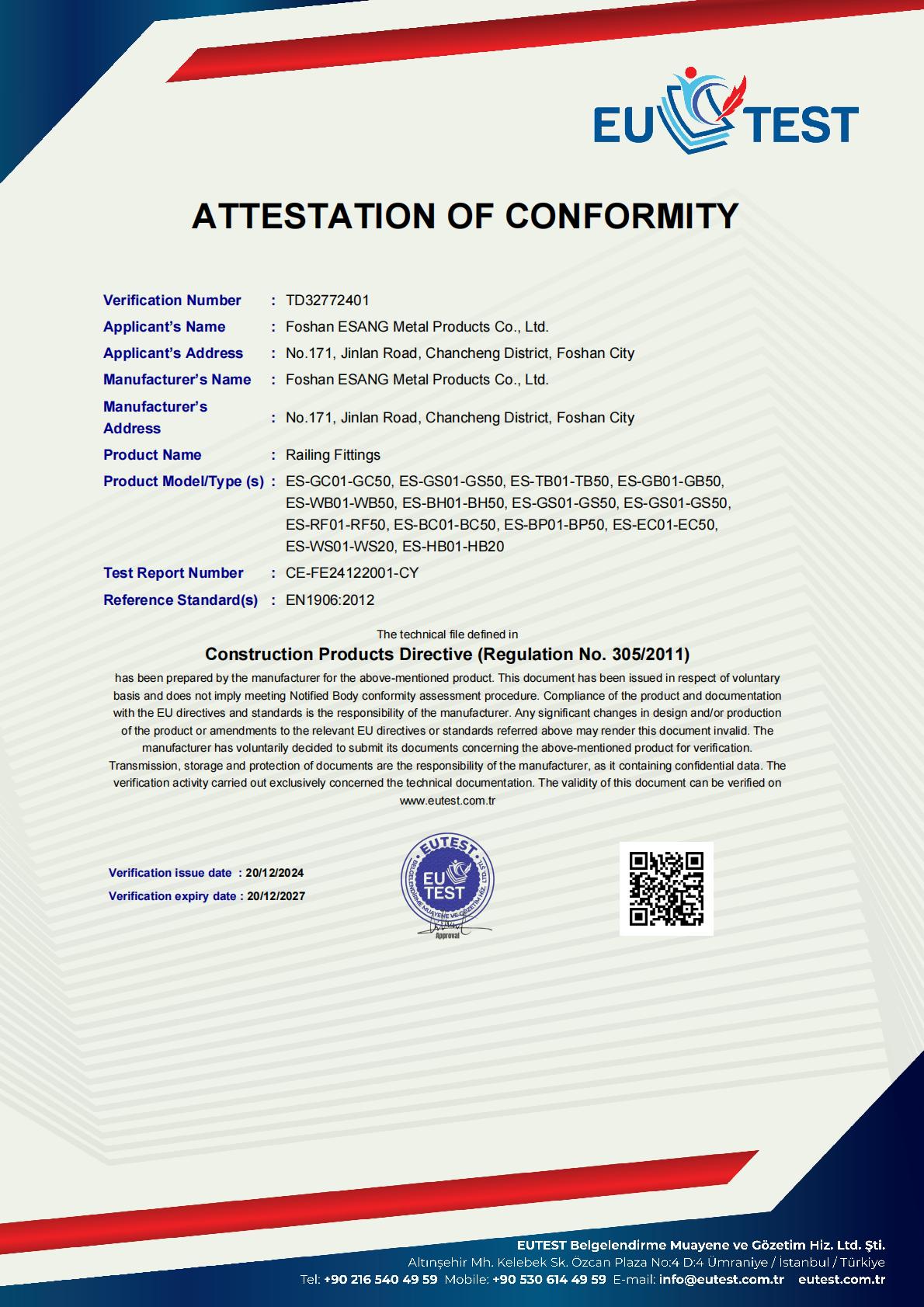
佛山伊桑金属制品有限公司自豪地保持着 CE 认证 (根据《建筑产品指令》(第 305/2011 号法规),我们获得了 TD32772401 认证(认证编号:TD32772401),这肯定了我们对欧洲最高安全和质量标准的承诺。
认证产品范围:
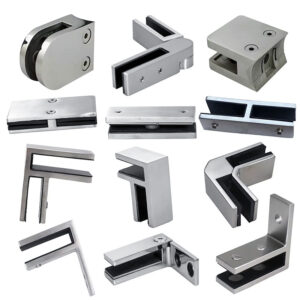
我们全面的栏杆配件组合--包括玻璃夹、张紧器、托架、墙面安装件、底座、扶手配件、电缆五金件和立柱组件--符合以下要求 EN1906:2012 标准,确保所有装置的结构完整性和性能可靠性。.
这对您的项目意味着什么?
✓ 完全符合欧洲和国际市场的法规要求
✓ 经独立验证的安全和耐用性能
✓ 为架构规范提供文档支持
✓ 由第三方提供质量保证,让您高枕无忧
认证有效期至 2027 年 | 测试报告:CE-FE24122001-CY