电缆栏杆系统
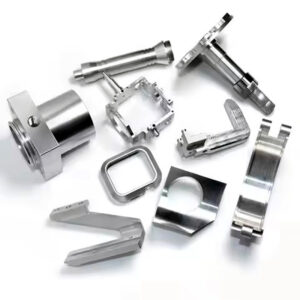
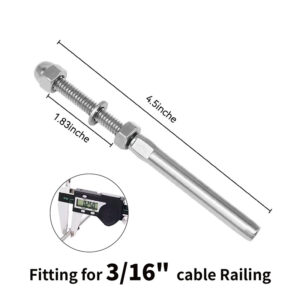
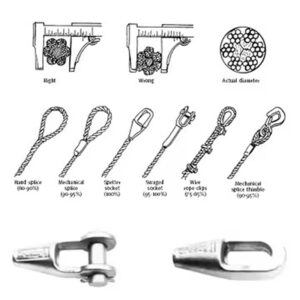
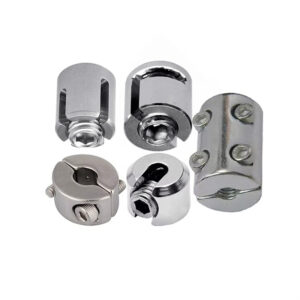
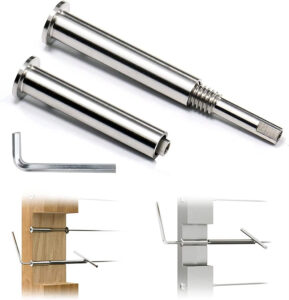
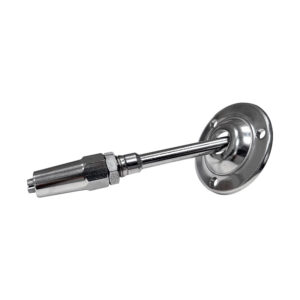
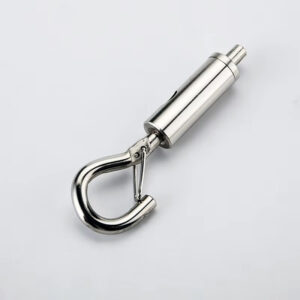
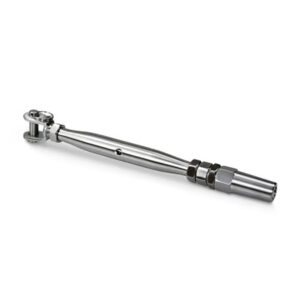
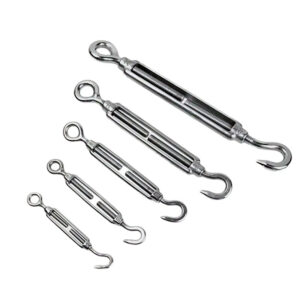
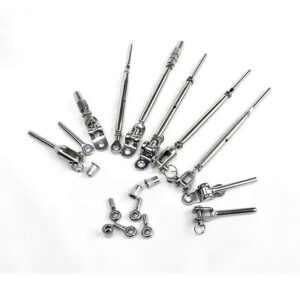
电缆栏杆系统
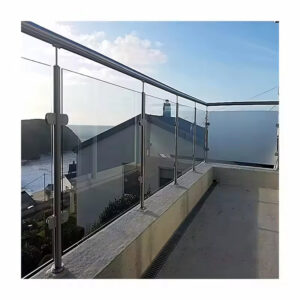
ESANG cable railing systems are designed for stainless steel railing projects that use horizontal or angled cable infill instead of glass panels, pickets, mesh, or solid panels. Cable railing is commonly used for stairs, balconies, decks, terraces, indoor railings, outdoor railings, and modern architectural projects where a clean and open view is required.
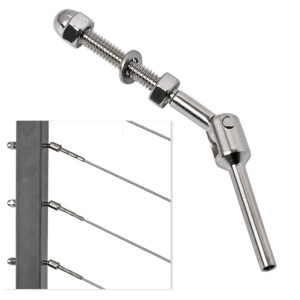
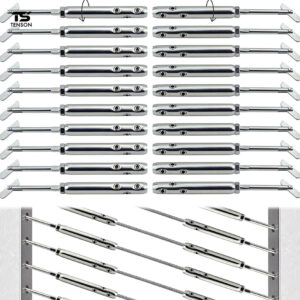
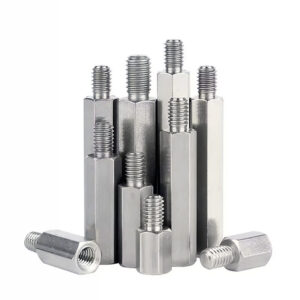
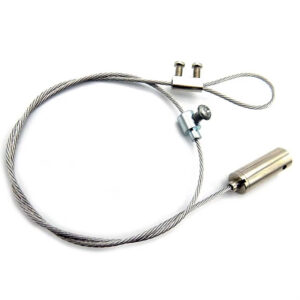
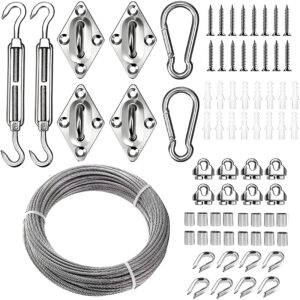
本类别涵盖 电缆五金配件, 张紧器和调紧器, 电缆终端配件, 通柱硬件, ,以及 电缆撑杆. These components work together to route, terminate, tension, and support stainless steel cables across the railing system.
For contractors, distributors, fabricators, and project buyers, cable railing selection should consider cable diameter, post layout, end termination, tensioning method, corner condition, material grade, surface finish, and installation environment. ESANG can supply and manufacture cable railing hardware according to drawings, samples, material requirements, finish requirements, and project installation conditions.
Cable Railing System Options
| 分类 | 最适合用于 | 关键筛选问题 |
|---|---|---|
| 电缆五金配件 | General cable railing assemblies, cable connections, surface-mounted cable hardware, and hardware kits | What cable size is used? Is the system swaged, swageless, through-post, or surface-mounted? |
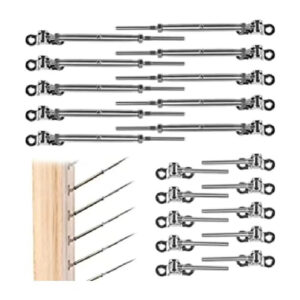
| 张紧器和调紧器 | Adjusting cable tension and maintaining cable alignment across railing runs | Where will the cable be tensioned, and how much adjustment is required? |
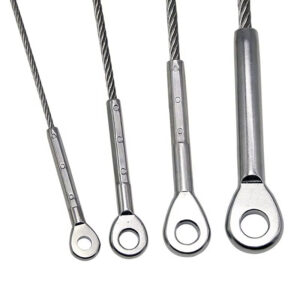
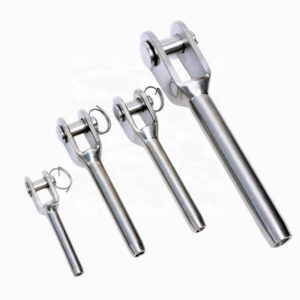
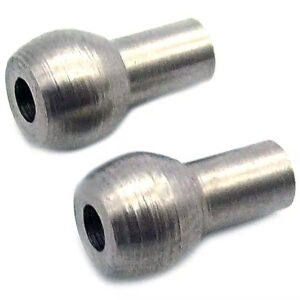
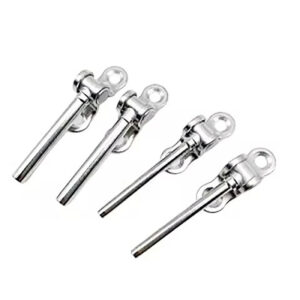
| 电缆终端配件 | Terminating cables at end posts, corners, and connection points | Should the cable end use a stop, swaged terminal, threaded terminal, ball end, fork end, or eye end? |
| 通柱硬件 | Cable runs passing through intermediate posts, terminal posts, and corner posts | Will the cable pass straight through the post, change direction, or terminate at the post? |
| 电缆撑杆 | Intermediate cable support and spacing control between posts | Is additional support needed to maintain cable spacing, alignment, or opening limits? |
How to Choose Cable Railing Hardware
Cable railing hardware should be selected according to how the cable starts, passes through the railing, changes direction, and terminates. A straight balcony run, a stair run, and a corner layout may require different fittings even when the same cable diameter is used.
| 项目状况 | 建议方向 | 为何这很重要 |
|---|---|---|
| The cable needs adjustable tension | Use cable tensioners, turnbuckles, or adjustable cable tensioning hardware | Proper tension helps maintain cable alignment and reduces sagging over the railing run. |
| The cable terminates at an end post | Use suitable cable end fittings such as threaded terminals, swaged terminals, fork ends, eye ends, or cable stops | End termination must match the post design, cable type, and installation method. |
| The cable passes through intermediate posts | Use through-post cable hardware or pass-through fittings | Pass-through details help protect the cable and improve alignment through the post. |
| 电缆在拐角处改变方向 | 使用角柱电缆固定件或项目特定的布线细节 | Corner conditions affect cable tension, friction, hole alignment, and hardware selection. |
| The railing span needs extra cable support | Use cable spacer bars or intermediate cable spacers | Spacer bars help maintain cable spacing and reduce excessive cable deflection between posts. |
| 该项目位于户外、沿海、泳池畔或潮湿环境中 | Consider 316 stainless steel cable hardware and suitable maintenance requirements | 在潮湿或接触氯化物的环境中,耐腐蚀性尤为重要。. |
Cable Routing, Tensioning, and Termination
The performance of a cable railing system depends on the relationship between routing, tensioning, and termination. If these details are not planned together, the system may be difficult to install, adjust, or maintain.
| Design factor | 需要确认的内容 | 相关五金件 |
|---|---|---|
| Cable routing | Whether cables run straight, through intermediate posts, around corners, or along stairs | Through-post fittings, corner post hardware, pass-through hardware |
| Cable tensioning | Where tension adjustment is located and how much adjustment range is required | Cable tensioners, adjustable cable tensioners, turnbuckles, swageless tensioners |
| Cable termination | How each cable end is fixed at the terminal post or connection point | Threaded terminals, swaged terminals, cable stops, fork ends, eye ends, ball ends |
| 电缆间距 | How cable spacing is maintained across the railing run | Intermediate spacers, adjustable spacer systems, multi-cable spacer assemblies |
| Post compatibility | 该立柱是圆形、方形、矩形、终端型、中间型还是转角型 | 预留线缆孔的不锈钢立柱、带钻孔的立柱、终端立柱、转角立柱 |
材料、表面处理及定制生产
ESANG 缆绳栏杆五金件可根据项目要求进行供应或制造,包括材料等级、缆绳规格、配件类型、螺纹细节、表面处理、立柱连接方式、包装要求以及安装条件。.
| 材质或表面处理 | 典型应用 | 说明 |
|---|---|---|
| 304 不锈钢 | 室内缆索栏杆系统、商业室内空间、住宅楼梯以及干燥环境 | 许多室内栏杆项目的常见选择。. |
| 316 不锈钢 | 户外缆绳栏杆、沿海项目、泳池畔区域、露台、平台以及潮湿环境 | 通常在需要更强耐腐蚀性的情况下优先选用。. |
| 316L 不锈钢 | 需要提高可焊性或对耐腐蚀性能要求更高的项目 | 适用于规范要求使用低碳不锈钢的情况。. |
| 拉丝或缎面处理 | 商业护栏、露台、阳台以及大多数建筑用缆索护栏项目 | 有助于减少轻微使用痕迹和指纹的可见度。. |
| 镜面抛光 | 装饰用途或精选高端应用 | 外观更亮丽,但需要更细心的操作和清洁。. |
对于非标准钢缆栏杆项目,客户可提供图纸、钢缆直径、立柱类型、孔位布局、端头处理方式、张紧方法、表面处理要求以及项目环境等信息。ESANG 将审核这些要求,并在可行的情况下制造符合项目规格的五金件。.
与立柱、扶手及安装配件的兼容性
选择缆绳栏杆五金件时,必须与立柱、扶手及安装细节一并考虑。同一款缆绳配件,根据其安装位置的不同(如中间立柱、端部立柱、转角立柱、楼梯立柱或表面安装结构),其性能表现可能会有所差异。.
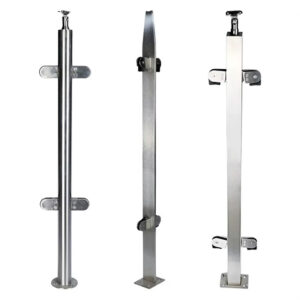
- 对于支持布线的立柱系统,五金件应与 不锈钢柱, 端柱、角柱和中间柱。.
- 对于立柱式栏杆系统,缆索配件可能需要与 柱式安装扶手 以及顶轨部件。.
- 对于后固定和安装,缆绳栏杆项目可能需要兼容的 硬件与安装, 底板和立柱盖。.
- 对于电缆走向的变更,应一并审查转角立柱和多角度电缆张紧器。.
- 对于较长的电缆跨度,可能需要使用间隔条或中间支撑部件来帮助保持电缆间距。.
压接式和非压接式电缆配件
钢缆栏杆项目可根据安装方法、工具及项目要求,选用压接式或无压接式配件。压接式钢缆端头通常通过机械压接方式固定在钢缆上,而无压接式配件的设计则无需使用传统的压接设备即可完成组装。.
| 硬件风格 | 典型应用 | 需要确认的内容 |
|---|---|---|
| 压接电缆终端 | 工厂预制或工具压接的线束 | 电缆直径、端子类型、压接方法和成品长度 |
| 无垂线电缆组件 | 适合现场组装或减少工装的项目 | 电缆兼容性、组装顺序、张紧方法以及安装人员的经验 |
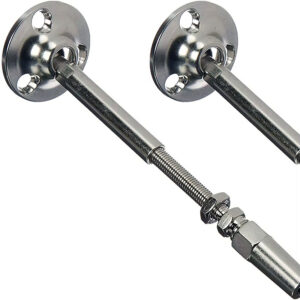
| 无垂线拉伸器 | 无需压接端子即可进行张紧的可调式电缆系统 | 螺纹范围、调节范围、钢丝绳直径和端柱状态 |
根据项目需求进行定制
许多缆绳栏杆系统都是根据项目图纸和安装要求制造的。ESANG 可提供定制的缆绳配件、缆绳张紧器、调紧器、端头接头、穿柱式紧固件、缆绳间隔条、表面安装紧固件以及缆绳组装紧固件套件。.
当项目对护栏高度、开口限制、缆绳间距、立柱间距、材料等级或耐腐蚀性等有基于标准的要求时,客户应提供相应的图纸和技术规范。ESANG 可根据所提供的详细信息制造缆绳护栏组件,但最终是否符合要求取决于完整的安装系统、结构设计、安装方法以及适用的当地规范。.
安装与项目注意事项
缆索栏杆系统对布局、张力、立柱间距、缆索间距以及转角处理要求较高。应结合整个栏杆组件来审查五金件的选择,而非将其视为孤立的配件。.
- 电缆直径和结构
- 立柱类型、立柱间距和孔位布局
- 端柱和角柱的设计
- 张紧器位置和调节范围
- 端部接头类型及安装方法
- 穿柱式布线和穿柱式保护
- 电缆间距和间隔条的要求
- 扶手或顶轨连接
- 适用于室内、室外、沿海或泳池畔环境的材料等级
- 当地建筑规范及项目技术规范要求
对于公共区域、商业场所、楼梯、阳台和露台等项目,完整的缆绳栏杆系统应由项目设计师、工程师、承包商或当地主管部门进行审查。ESANG 可根据提供的项目要求制造相应的五金件,但最终是否符合规范取决于实际安装的组件及适用的规范。.
应用场景
露台和阳台的缆绳栏杆
甲板和露台的缆绳栏杆通常因其开阔的视野和现代感的外观而被选用。选择五金件时,应考虑立柱间距、缆绳张力、户外暴露环境、紧固件材质以及表面处理。.
阳台缆索栏杆系统
阳台缆索栏杆工程可能需要对端柱、角柱、张紧器、缆索端头配件以及扶手或顶栏部件进行精心协调。应根据环境条件选择材料的等级和表面处理方式。.
楼梯钢缆栏杆
楼梯钢缆栏杆系统在角度、钢缆对齐、立柱孔布局和端部处理方面需要更加注重。根据楼梯的几何形状,可能需要使用多角度张紧器、穿立柱式配件以及定制的立柱钻孔。.
室内电缆栏杆
室内缆索栏杆系统常用于现代住宅楼梯、商业室内空间、阁楼和办公空间。304不锈钢可能适用于许多干燥的室内项目,但表面处理和扶手的兼容性依然至关重要。.
户外及沿海电缆栏杆
Outdoor, coastal, poolside, and humid environments require greater attention to corrosion resistance and cleaning. 316 or 316L stainless steel is often considered for cable railing hardware exposed to moisture or chloride conditions.
相关产品分类
常见问题
What components are included in a cable railing system?
A cable railing system may include stainless steel cable, cable tensioners, turnbuckles, end fittings, through-post fittings, spacer bars, terminal posts, intermediate posts, corner posts, handrails, and mounting hardware. The exact component list depends on the layout and installation method.
What is the difference between cable tensioners and cable end fittings?
Cable tensioners are used to adjust and maintain cable tension. Cable end fittings terminate the cable at the end of a railing run or connection point. Some fittings may combine termination and tensioning functions, depending on the design.
When should I use through-post cable hardware?
Through-post cable hardware is used when cables pass through posts instead of attaching to the surface of the post. It is commonly used for intermediate posts, some terminal post layouts, and clean cable routing designs.
What are cable spacer bars used for?
Cable spacer bars provide intermediate support between posts and help maintain cable spacing and alignment. They may be useful when post spacing, cable deflection, or opening control needs additional support.
What is the difference between swaged and swageless cable fittings?
Swaged fittings are typically compressed onto the cable using suitable tools or factory processes. Swageless fittings are designed for assembly without traditional swaging equipment. The right choice depends on cable diameter, installation method, tools, and project requirements.
Should I choose 304 or 316 stainless steel for cable railing hardware?
304不锈钢通常用于室内和干燥环境。316不锈钢通常更适合用于室外、沿海、泳池边、潮湿或腐蚀性较强的环境。最终应根据项目环境和规格要求选择合适的等级。.
Can ESANG customize cable railing fittings?
Yes. ESANG can support custom cable fittings, end terminals, tensioners, turnbuckles, through-post hardware, spacer bars, surface mount hardware, and cable assembly kits according to drawings, dimensions, material grade, finish, and installation conditions.
Can cable railing hardware be used with stainless steel posts?
Yes. Cable railing hardware is commonly used with stainless steel posts. Post type, hole layout, terminal conditions, cable routing, and corner details should be confirmed before production or ordering.
What information is needed for a cable railing hardware inquiry?
Useful inquiry information includes cable diameter, railing layout, post type, post spacing, cable spacing, terminal post and corner post conditions, tensioning method, material grade, finish, quantity, drawings, and project environment.
How should stainless steel cable railing hardware be maintained?
日常清洁通常使用温和的清洁剂、清水和软布。请避免使用含氯清洁剂、钢丝球和研磨工具。安装在户外、泳池边及沿海地区的设备应更频繁地进行清洁,以减少表面污染并保持外观。.
相关职位:
Pier and Dock Railing Layout: Posts, Infill, Access, and Mounting
Plan pier and dock runs around post locations, infill modules, corners, gates, access routes, substrate edges, and mounting responsibility.
Coastal Railing Exposure: Salt Air, Splash, and Cleaning Access
Separate airborne salt, direct splash, retained wetness, deposits, and cleaning access before choosing coastal railing materials and details.
将嵌入式立柱更换为地面基座:预检
在将嵌入式立柱转换为地面基座之前,请检查现有开口、楼板状况、边缘几何形状、排水情况以及修订后的荷载传递路径。.
项目采购方栏杆立柱底座询价清单
在单个项目询价中,应要求提供可比的底座五金件、基材参数、表面处理、图纸、锚固范围、样品及检验文件。.
适用于倾斜或不平整表面的可调节栏杆立柱底座
在选定具体方案前,应根据实际坡度、承重表面、调平范围、表面处理接口及固定操作条件,对可调节底座进行对比评估。.
栏杆立柱基座锚固件:工程审查所需资料
在进行工程审查之前,应明确基材、几何形状、载荷、受力情况以及锚固依据,以免将硬件标签误认为连接设计。.
埃桑的项目

埃桑证书

佛山伊桑金属制品有限公司自豪地保持着 CE 认证 (根据《建筑产品指令》(第 305/2011 号法规),我们获得了 TD32772401 认证(认证编号:TD32772401),这肯定了我们对欧洲最高安全和质量标准的承诺。
认证产品范围:
我们全面的栏杆配件组合--包括玻璃夹、张紧器、托架、墙面安装件、底座、扶手配件、电缆五金件和立柱组件--符合以下要求 EN1906:2012 标准,确保所有装置的结构完整性和性能可靠性。.
这对您的项目意味着什么?
✓ 完全符合欧洲和国际市场的法规要求
✓ 经独立验证的安全和耐用性能
✓ 为架构规范提供文档支持
✓ 由第三方提供质量保证,让您高枕无忧
认证有效期至 2027 年 | 测试报告:CE-FE24122001-CY
埃桑的项目