扶手系统
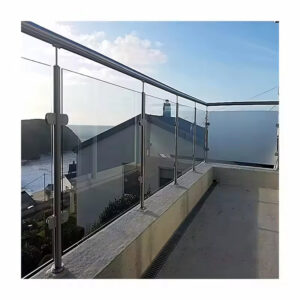
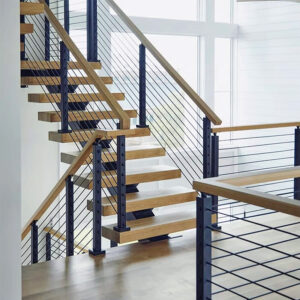
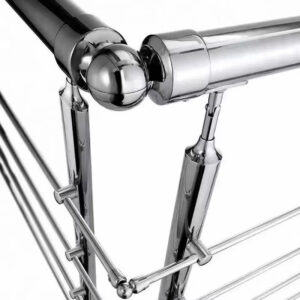
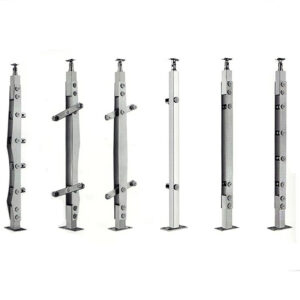
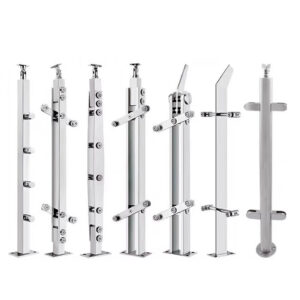
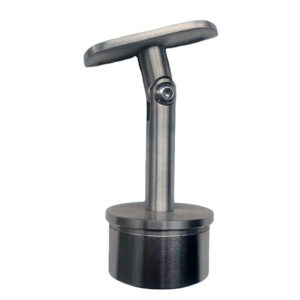
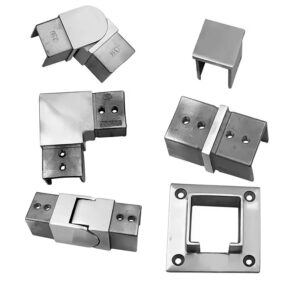
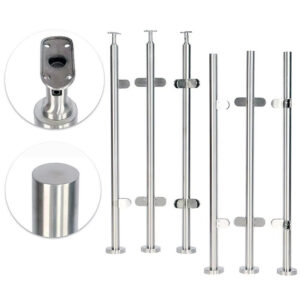
扶手系统
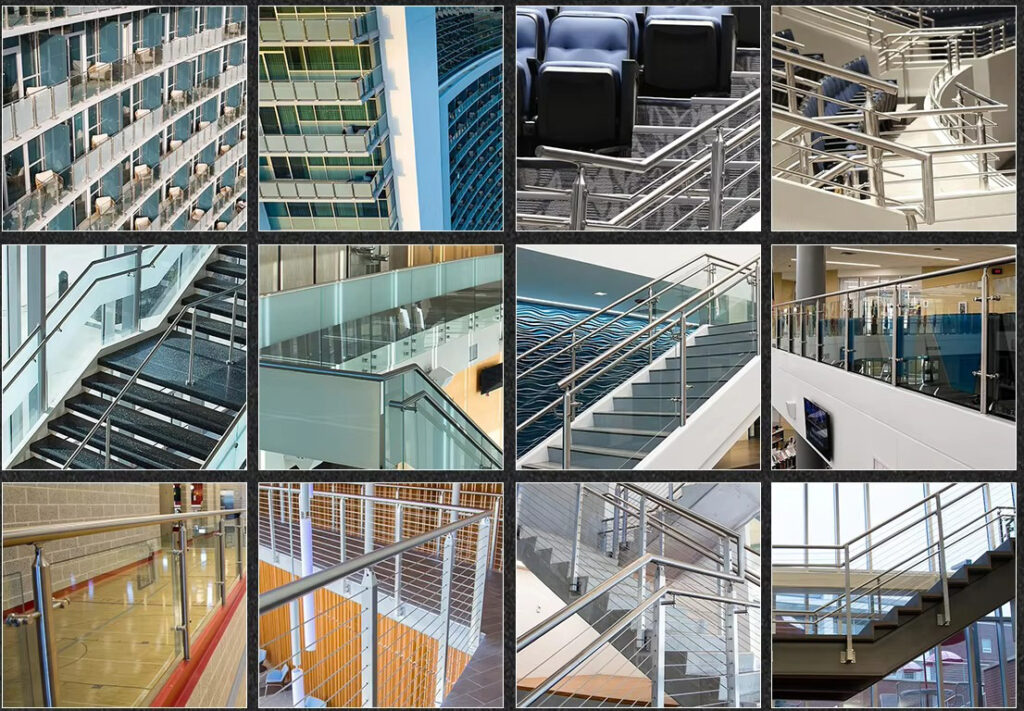
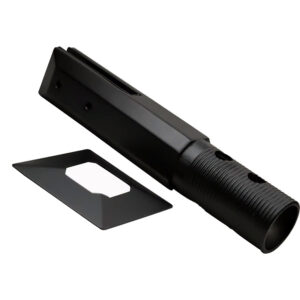
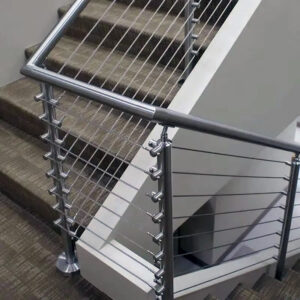
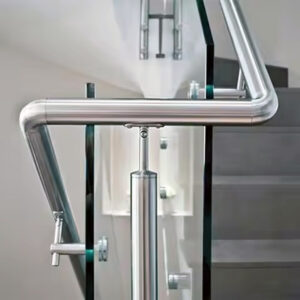
ESANG handrail systems are designed for architectural railing projects where the handrail is part of a complete stainless steel railing solution, not just a separate tube or accessory.
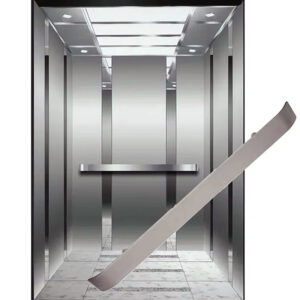
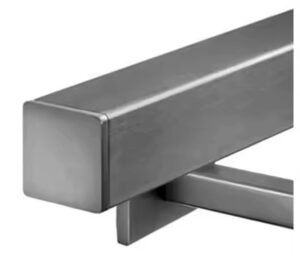
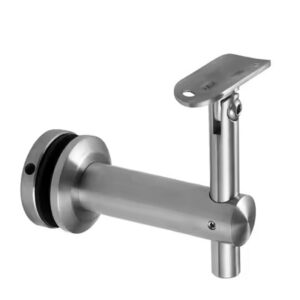
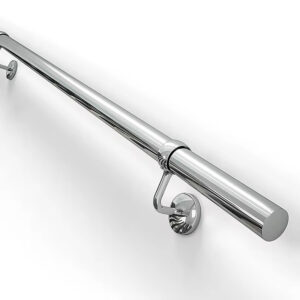
本类别涵盖 壁挂式扶手, 柱式安装扶手, 表面贴装扶手, ,以及 连续扶手 for stairways, ramps, balconies, terraces, commercial buildings, residential projects, glass railing systems, cable railing systems, and outdoor applications.
For contractors, distributors, fabricators, and project buyers, the key question is not only which handrail profile to choose. A good handrail specification should also consider the mounting method, support condition, stainless steel grade, surface finish, related brackets and connectors, and the environment where the system will be installed.
ESANG supplies stainless steel handrail systems and related railing hardware for project use, OEM orders, ODM requirements, and custom fabrication based on drawings, dimensions, material grade, finish requirements, and installation conditions.
Handrail System Options
| Handrail system | 最适合用于 | 关键筛选问题 |
|---|---|---|
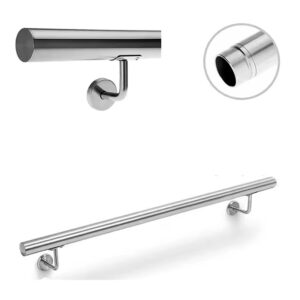
| 壁挂式扶手 | Stairways, corridors, ramps, concrete walls, masonry walls, and side-mounted applications | What wall material will support the brackets? What wall clearance is required? Is a return end needed? |
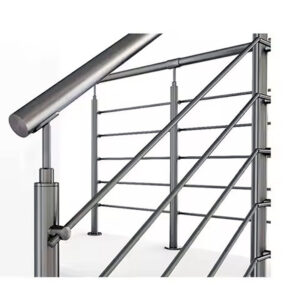
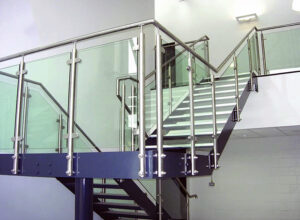
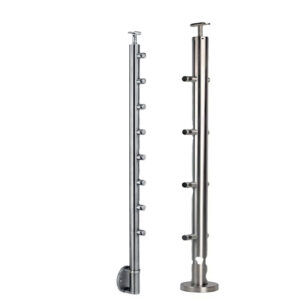
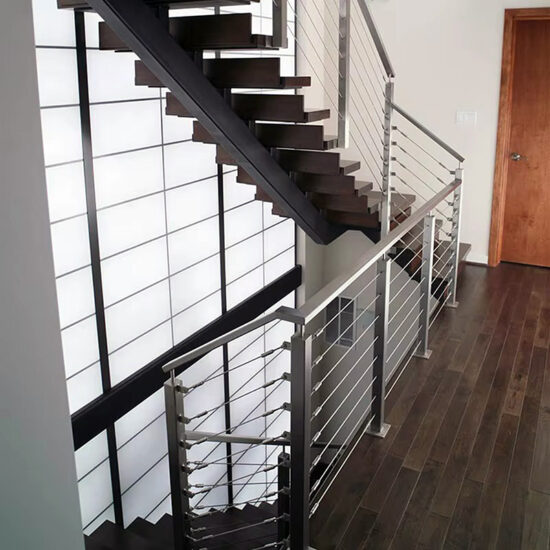
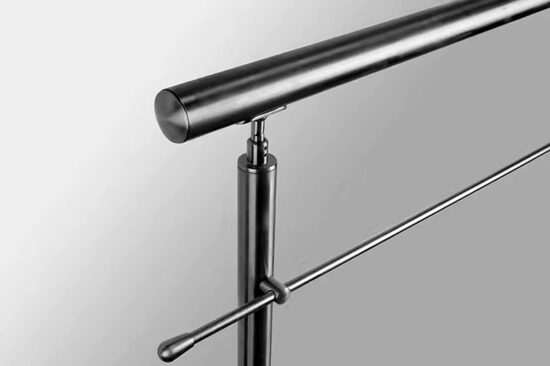
| 柱式安装扶手 | Balustrades, balcony rails, stair railings, guardrail systems, glass railing, and cable railing projects | What post type is used? What handrail bracket or saddle is required? Does the system connect with glass, cable, or crossbar infill? |
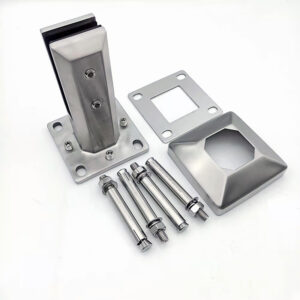
| 表面贴装扶手 | Decks, terraces, balconies, concrete slabs, platforms, and floor-mounted railing systems | What base plate and anchor method will be used? Is the installation indoor, outdoor, or coastal? |
| 连续扶手 | Long stair runs, ramps, landings, commercial routes, and accessibility-focused circulation areas | Where are the joints, elbows, transitions, and returns? Can users keep a continuous grip along the route? |
How to Choose the Right Handrail System
The right handrail system depends first on how the rail is supported. A wall-mounted rail, a post-mounted rail, and a continuous handrail along a ramp may all use stainless steel tubes, but the bracket design, connection method, installation risk, and buying decision are different.
| 项目状况 | 建议方向 | 为何这很重要 |
|---|---|---|
| 扶手直接固定在墙上 | Use wall mount handrails with suitable 墙壁安装支架 and tube profile | Wall strength, bracket spacing, and wall clearance affect both safety and comfort. |
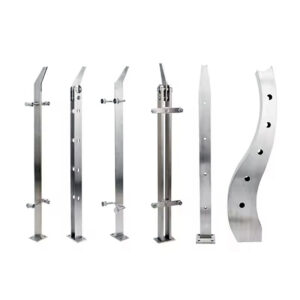
| The handrail sits above railing posts | Use post mount handrails with matching 立柱安装支架, connectors, and post hardware | The post, bracket, and tube must work together as one system. |
| The railing is installed on a floor, slab, or deck | Use surface mount handrails or surface-mounted post systems | Base plate design, anchor selection, and substrate strength are critical. |
| The route includes turns, stairs, ramps, or landings | Use continuous handrail components, elbows, bends, connectors, and return fittings | A continuous gripping path improves usability and may be required by project rules. |
| 该项目位于户外、沿海、泳池畔或潮湿环境中 | Consider 316 stainless steel and a suitable surface finish | Corrosion resistance becomes more important in wet or chloride-exposed environments. |
| The handrail connects with glass or cable railing | Match the handrail with compatible glass clamps, posts, standoffs, cable fittings, or top rail components | Mixed railing systems need consistent dimensions and connection details. |
Materials, Finishes, and Project Requirements
ESANG handrail systems can be manufactured according to project requirements, including material grade, tube profile, surface finish, bracket design, dimensions, connection details, and packaging requirements. For non-standard projects, customers can provide drawings, samples, target specifications, or installation conditions for review.
| 材料等级 | 典型应用 | 说明 |
|---|---|---|
| 304 不锈钢 | Interior handrails, commercial buildings, residential stairways, and general dry environments | A common choice for many indoor architectural railing projects. |
| 316 不锈钢 | Outdoor areas, coastal projects, poolside applications, humid environments, and higher-corrosion locations | 通常在需要更强耐腐蚀性的情况下优先选用。. |
| 316L 不锈钢 | 需要提高可焊性或对耐腐蚀性能要求更高的项目 | 适用于规范要求使用低碳不锈钢的情况。. |
316 and 316L stainless steel are often selected for more demanding environments, but they should not be treated as automatically necessary for every project. For many interior applications, 304 stainless steel may be sufficient and more cost-effective.
| Finish option | 典型应用 | 买家须知 |
|---|---|---|
| 拉丝或缎面处理 | Commercial interiors, stairways, public buildings, and most architectural handrail projects | Helps hide minor handling marks and fingerprints better than mirror polish. |
| 镜面抛光 | Decorative areas, luxury residential projects, hotels, and selected high-visual applications | Provides a bright appearance but requires more care during handling and maintenance. |
| Electropolished finish | Healthcare, cleanable environments, or projects with higher surface cleanliness requirements | Can improve surface smoothness and cleanability when specified correctly. |
Handrail Components in a Complete System
A handrail system is more than a visible rail tube. Depending on the installation method, a complete system may include:
- Stainless steel handrail tubes
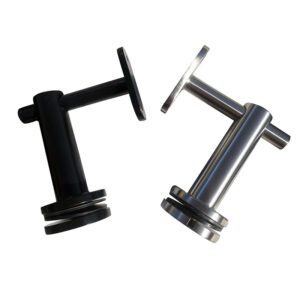
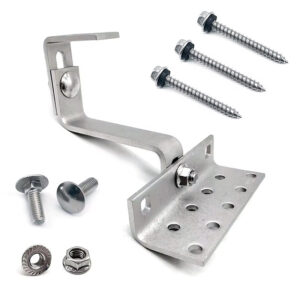
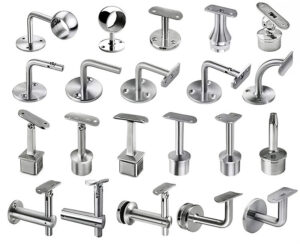
- 墙壁安装支架
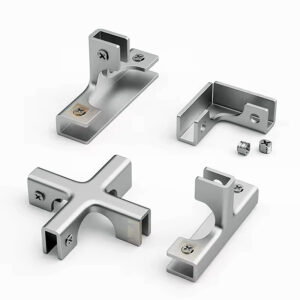
- Post-mounted handrail brackets
- 可调节支架
- End caps and return ends
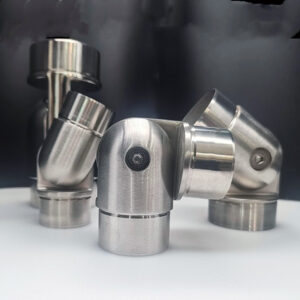
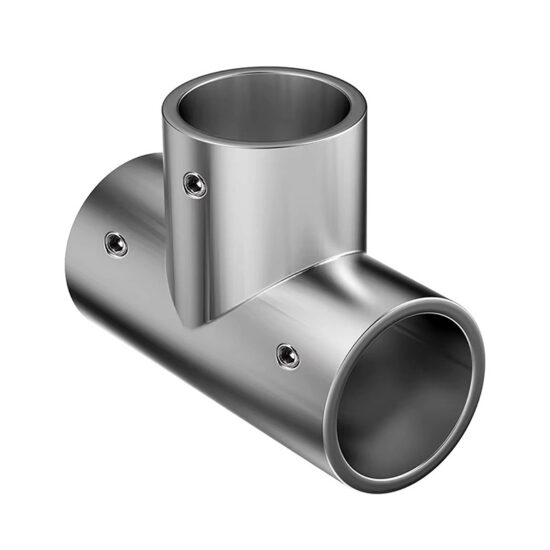
- Elbows, bends, and 轨道连接器
- 硬件与安装
- 玻璃夹具和连接件 or glass railing adapters
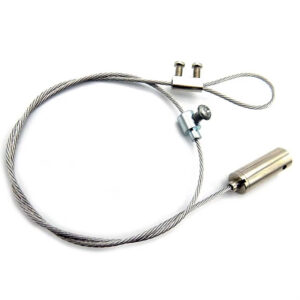
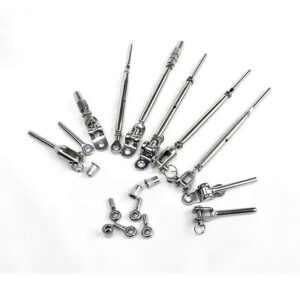
- 电缆五金配件
- Fasteners and anchors selected for the substrate
For project procurement, it is usually better to confirm the complete system instead of ordering isolated parts. This reduces mismatch between tube diameter, bracket saddle, post size, wall clearance, finish, and installation method.
Customization for Standard-Oriented Projects
Many ESANG handrail projects are not fixed standard products. They are manufactured to match project drawings, required dimensions, material grades, surface finishes, and installation conditions. When customers need a handrail system to support ADA-oriented, IBC-oriented, OSHA-related, or project-specific requirements, ESANG can manufacture components according to the provided specification details.
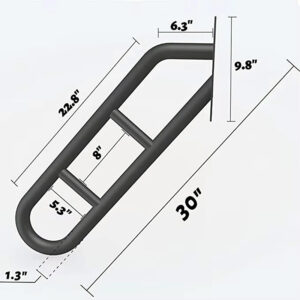
For accessibility-focused projects, customers may specify requirements such as grip size, wall clearance, handrail height, return design, bracket layout, and handrail continuity. ESANG can manufacture the required components to match those project requirements, while final compliance should be confirmed based on the complete installed system, site conditions, installation method, and applicable local code.
Installation and Code Considerations
Handrail projects often need to satisfy local building codes, accessibility rules, and project-specific engineering requirements. ESANG can support product selection and fabrication, but final compliance should be confirmed by the project designer, contractor, engineer, or local authority.
- 扶手高度
- Grip size and profile
- 墙壁间隙
- 支架间距
- Load requirement
- End return condition
- Continuity along stairs, ramps, and landings
- Material grade for the environment
- Anchor type and substrate strength
- Compatibility with glass, cable, post, or wall-mounted structures
For U.S. accessibility-focused projects, the 2010 ADA 无障碍设计标准 provide reference requirements related to handrail height, clearance, gripping surface, and continuity. Workplace and public-access projects may also need to consider guardrail and handrail-related requirements in OSHA 1910.29 or other applicable local rules.
Because codes vary by country, state, city, and project type, these values should be treated as planning references, not a substitute for final engineering or code approval.
应用场景
Commercial Buildings
Commercial handrail systems are commonly used in office buildings, hotels, shopping centers, hospitals, schools, public buildings, and transport facilities. These projects usually require repeatable product quality, stable finish, reliable mounting hardware, and clear specification support.
Healthcare and Public Access Areas
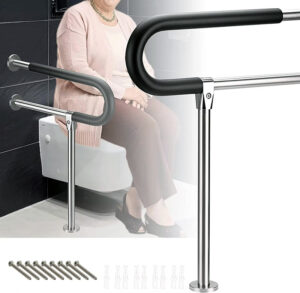
Healthcare corridors, therapy areas, ramps, and public circulation zones often require handrails that are easy to clean, comfortable to grip, and compatible with accessibility-focused project requirements. Stainless steel is commonly selected because it provides a smooth surface and durable performance when properly specified and maintained.
Residential and Multi-Unit Projects
Residential handrail systems may be used for indoor stairs, balconies, terraces, villas, apartments, and multi-unit buildings. These projects often pay more attention to visual style, finish, comfort, and compatibility with surrounding materials such as glass, stone, wood, or tile.
Glass Railing Projects
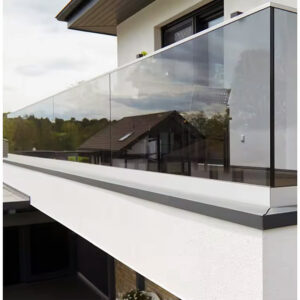
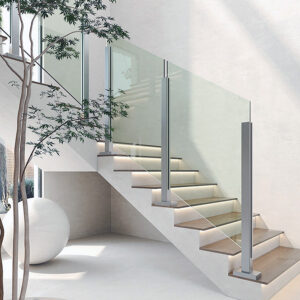
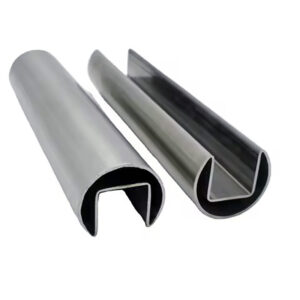
Glass railing systems often use stainless steel handrails as a top rail, side rail, or support rail depending on the design. In these projects, the handrail must coordinate with 玻璃接头和间隔件, clamps, posts, or channel systems.
Cable Railing Projects
Cable railing projects need handrail tubes and posts that align with cable fittings, tensioning hardware, and end conditions. The handrail is part of the full railing structure and should be selected together with the cable system.
Outdoor, Coastal, and Marine Areas
Outdoor environments require more attention to material grade, finish, drainage, cleaning, and fastener selection. For coastal, poolside, humid, or marine environments, 316 or 316L stainless steel is usually a better starting point than 304 stainless steel.
Comparison with Common Alternatives
| Option | 优势 | 局限性 |
|---|---|---|
| Stainless steel handrails | Durable, corrosion-resistant when properly selected, compatible with glass, cable, and metal railing systems | Higher initial cost than some basic materials |
| Aluminum handrails | Lightweight, easy to handle, often cost-effective | Finish durability, structural capacity, and metal compatibility should be considered |
| Wood handrails | Warm appearance, suitable for some residential interiors | Requires more maintenance and may not suit wet, outdoor, or high-traffic environments |
| Painted steel handrails | Strong and widely available | Coating damage may lead to corrosion; repainting may be needed over time |
相关产品分类
常见问题
What is the difference between a handrail and a guardrail?
A handrail is primarily designed to be grasped by users for support while walking, climbing stairs, or using ramps. A guardrail is primarily designed to help prevent people from falling from an elevated edge. In many railing projects, the handrail and guardrail are connected, but they do not have the same function.
Should I choose wall mount or post mount handrails?
Choose wall mount handrails when the rail will be fixed directly to a wall. Choose post mount handrails when the handrail is supported by railing posts or forms part of a balustrade system. If the project uses glass or cable infill, the post and infill system should be checked together with the handrail.
What is the difference between 304 and 316 stainless steel for handrails?
304 stainless steel is widely used for interior and general architectural projects. 316 stainless steel contains molybdenum, which improves corrosion resistance in more demanding environments such as coastal, poolside, humid, or outdoor applications.
When should 316L stainless steel be used?
316L stainless steel has a lower carbon content than standard 316 stainless steel and is often selected when improved weldability or specific project requirements are important. It may be suitable for demanding architectural, coastal, or custom-fabricated handrail systems, depending on the specification.
Can ESANG manufacture handrail systems to ADA-oriented requirements?
Yes. When customers provide the required dimensions and project specifications, ESANG can manufacture handrail components to support ADA-oriented requirements such as grip size, wall clearance, return design, and continuity. Final compliance should be confirmed based on the complete installed system and local code requirements.
How do stainless steel handrails compare with aluminum handrails?
Stainless steel handrails usually offer higher strength, better surface durability, and better compatibility with many architectural railing systems. Aluminum handrails are lighter and may be more economical, but they may require additional consideration for finish durability, structural capacity, and compatibility with other metals.
What mounting options are available?
Common mounting options include wall mount brackets, post mount assemblies, surface-mounted posts, and adjustable handrail brackets. The correct mounting method depends on the wall, post, slab, deck, or structural condition of the project.
What surface finish should I choose?
Brushed or satin finish is often suitable for high-traffic commercial and residential projects because it hides minor marks better. Mirror polish is suitable for decorative or premium visual areas, but it requires more careful handling and cleaning. Electropolished finishes may be considered for projects that require improved cleanability.
Can ESANG customize handrail systems?
Yes. ESANG can support OEM, ODM, and project-based customization, including material grade, surface finish, tube profile, bracket type, connector design, and packaging requirements. Drawings, dimensions, quantities, and installation conditions help speed up quotation and technical review.
What information is needed for a handrail system inquiry?
Useful inquiry information includes handrail type, tube size or profile, material grade, surface finish, installation method, quantity, project location or environment, drawings if available, and related accessories such as brackets, connectors, end caps, base plates, glass clamps, or cable hardware.
How should stainless steel handrails be maintained?
Routine cleaning normally uses mild detergent, clean water, and a soft cloth. Avoid chloride-based cleaners, steel wool, and abrasive tools. Outdoor and coastal installations should be cleaned more regularly to reduce surface contamination and maintain appearance.
相关职位:
不锈钢紧固件、支架和锚固件的钝化要求
应根据部件状态、制造工艺和暴露情况指定处理方法,而不是对每个部件都采用统一的钝化处理方案。.
在海洋环境中清洁316不锈钢缆索和玻璃栏杆五金件
可清洁电缆端子、玻璃夹、紧固件和缝隙,且不会残留化学物质,也不会损坏抛光和拉丝表面。.
加工残留物如何导致不锈钢栏杆出现茶渍
茶渍的形成可归因于嵌入的颗粒、热变色、研磨剂转移以及滞留在饰面纹路或缝隙中的残留物。.
不锈钢栏杆五金件的酸洗与钝化:适用范围与风险的差异
酸洗可去除氧化皮和受损的表面层;钝化则针对清洗后的表面状况进行处理,其控制措施和风险各不相同。.
沿海栏杆五金件维护方案:盐分、缝隙、紧固件和表面处理
维护工作应围绕以下方面展开:暴露环境、盐分滞留、缝隙、异种金属、紧固件状态以及表面处理外观。.
不锈钢栏杆切割、焊接和安装后的施工现场清洁规则
在移交前,请清除打磨粉尘、焊接残留物、水泥沉积物和碳钢污染物,以防止出现本可避免的污渍。.
埃桑的项目

埃桑证书
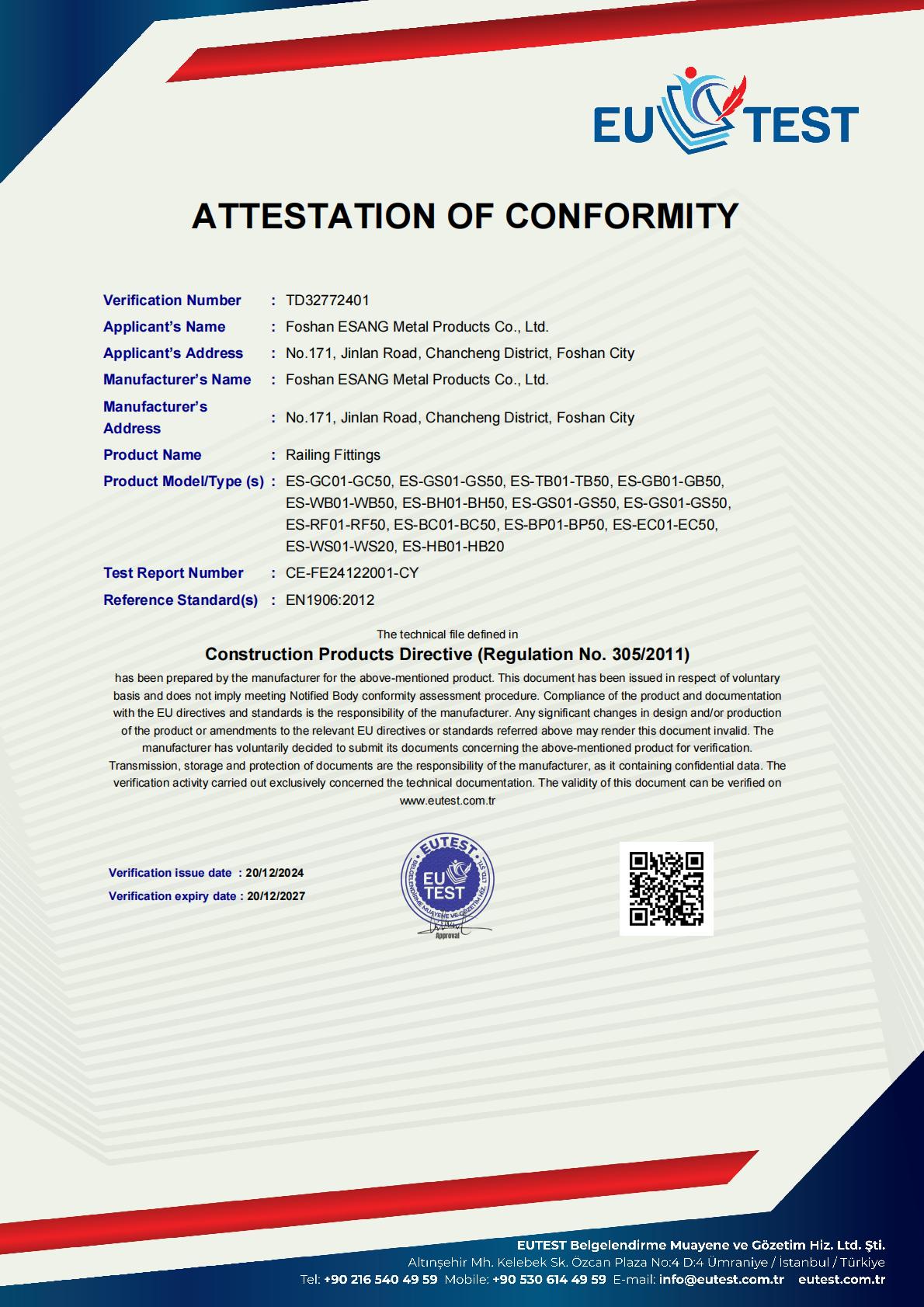
佛山伊桑金属制品有限公司自豪地保持着 CE 认证 (根据《建筑产品指令》(第 305/2011 号法规),我们获得了 TD32772401 认证(认证编号:TD32772401),这肯定了我们对欧洲最高安全和质量标准的承诺。
认证产品范围:
我们全面的栏杆配件组合--包括玻璃夹、张紧器、托架、墙面安装件、底座、扶手配件、电缆五金件和立柱组件--符合以下要求 EN1906:2012 标准,确保所有装置的结构完整性和性能可靠性。.
这对您的项目意味着什么?
✓ 完全符合欧洲和国际市场的法规要求
✓ 经独立验证的安全和耐用性能
✓ 为架构规范提供文档支持
✓ 由第三方提供质量保证,让您高枕无忧
认证有效期至 2027 年 | 测试报告:CE-FE24122001-CY
埃桑的项目