盖栏

盖栏

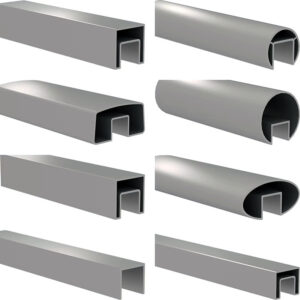
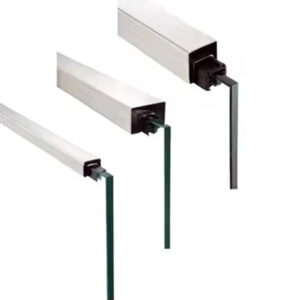
ESANG cap rails are used to finish, protect, or support the top edge of glass railing systems. They can create a continuous upper line across glass panels and may also help integrate the glass railing with handrail, top rail, or glazing channel requirements.

This category includes Glass Cap Rail Assemblies, 结构性玻璃槽钢, and Continuous Cap Rail Systems.

For contractors, distributors, fabricators, and project buyers, cap rail selection should consider glass thickness, glass top edge condition, rail profile, channel fit, handrail function, section length, connector method, material grade, finish, and project environment. ESANG can supply and manufacture cap rail components according to drawings, dimensions, material grade, finish requirements, and installation conditions.

Cap Rail Options

Cap rail optionBest used forKey selection questions
Glass Cap Rail AssembliesGlass railing systems that need a finished top edge or coordinated top rail profileWhat glass thickness, rail profile, section length, and finish are required?
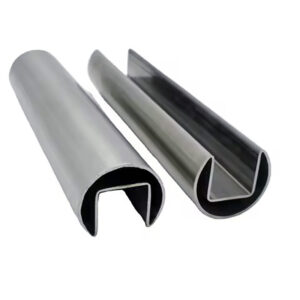
结构性玻璃槽钢Glass systems requiring channel-style top support or project-specific glazing detailsWhat glass fit, channel profile, support role, and project specification should be reviewed?
Continuous Cap Rail SystemsLong glass railing runs, balcony railings, commercial glass barriers, and continuous top-edge designsHow will sections join, turn corners, follow stairs, or connect to end conditions?

How to Choose Cap Rails

Cap rails should be selected according to the role they play in the glass railing system. Some cap rails mainly finish the glass edge, while others may support a continuous top line, coordinate with handrail requirements, or connect multiple glass panels into one visual run.

Project conditionRecommended directionWhy it matters
The glass top edge needs a finished appearanceUse glass cap rail assemblies matched to glass thickness and rail profileThe cap rail protects or finishes the top edge and creates a cleaner visual line.
The project needs a continuous top rail across many glass panelsUse continuous cap rail systems with suitable joiners and corner detailsLong runs require section planning, connector alignment, and consistent finish.
The glass system requires a channel-style top detailUse structural glazing channels or project-specific cap channel profilesChannel fit, glass thickness, and support role should be reviewed together.
The cap rail also needs to function as a handrailReview grip profile, height, continuity, and local project requirementsA top rail is not automatically a compliant handrail unless the complete installed system meets the required conditions.
The railing follows stairs, corners, or balcony turnsUse continuous rail connectors, elbows, miters, or custom corner detailsCap rail continuity depends on accurate angles and connection planning.
The project is outdoor, coastal, poolside, or humidConsider 316 stainless steel and suitable finish, fasteners, and cleaning accessCorrosion resistance and maintenance become more important in exposed environments.

Cap Rail, Top Rail, and Handrail Differences

Cap rails, top rails, and handrails can look similar, but they do not always have the same function. The correct wording and selection depend on the project requirement.

Rail typeMain functionCommon considerations
Glass cap railFinishes or protects the top edge of glass panelsGlass thickness, channel fit, finish, section length, and edge condition
顶部栏杆Forms the upper rail line of a railing or guardrail systemPost connection, rail profile, structural role, and visual alignment
扶手Provides a graspable rail for users along stairs, ramps, or circulation routesGrip profile, height, wall clearance, continuity, and applicable project rules
Structural glazing channelProvides a channel-style glass support or project-specific glazing detailGlass fit, support condition, channel profile, and complete system review

Continuous Cap Rail Planning

Continuous cap rail systems require planning around section length, joints, corners, stair transitions, and end conditions. A long glass railing run may need multiple cap rail sections and connector details to maintain visual alignment.

Planning itemWhat to confirmWhy it matters
Glass thicknessCap rail slot, gasket, or channel fitThe cap rail must match the glass top edge and installation method.
Section lengthTransport length, installation access, and joint planningLong cap rails may need connector sleeves or planned joint positions.
Corner condition90 degree corners, angled corners, mitered joints, or flexible connectorsCorner details affect visual continuity and installation accuracy.
Stair transitionSlope, landing, angle change, and handrail continuity if requiredStair glass cap rails may need custom cut angles or connector details.
End conditionEnd caps, returns, wall connection, or post connectionEnd details affect appearance, safety, and installation sequence.
成品一致性Brushed, satin, mirror, or custom finish across all sectionsVisible top rails require consistent finish and careful handling.

Materials, Finishes, and Custom Manufacturing

ESANG cap rails and glazing channels can be manufactured according to project requirements, including profile shape, channel width, glass thickness range, section length, connector type, end cap design, material grade, surface finish, and packaging requirements.

Material or finishTypical use说明
304 不锈钢Interior glass railings, commercial interiors, residential projects, and dry environmentsA common option for many indoor glass cap rail applications.
316 不锈钢Outdoor glass railings, balconies, terraces, poolside areas, and humid environmentsUsually preferred where better corrosion resistance is required.
316L 不锈钢Projects requiring improved weldability or more demanding corrosion performanceSuitable when the specification calls for low-carbon stainless steel.
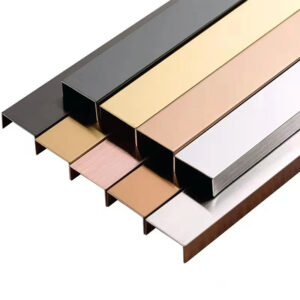
Brushed or satin finishCommercial glass railing systems, balcony railings, and most architectural applicationsHelps reduce the visibility of fingerprints and minor handling marks.
镜面抛光Decorative interiors, hotels, villas, and selected premium visual applicationsProvides a bright appearance but requires more careful handling and cleaning.

For non-standard glass railing projects, customers can provide drawings, glass thickness, rail profile, section lengths, connector requirements, end cap details, finish requirements, and installation conditions. ESANG can review the requirements and manufacture cap rail components to match the project specification where feasible.

Compatibility with Glass Railing Systems

Cap rails should be selected together with the full glass railing system. The bottom support, post layout, glass hardware, and handrail requirements can all affect the cap rail design.

  • For bottom-supported frameless glass systems, coordinate cap rails with 底鞋系统 and glass thickness.
  • For post-supported glass systems, coordinate with Glass Clamps and Connectors and stainless steel posts.
  • For side-mounted glass systems, coordinate with Glass Spigots and Standoffs or glass brackets where required.
  • For handrail function, review 扶手系统 and project-specific grip, height, and continuity requirements.
  • For long runs and corners, coordinate with 轨道连接器, corner connectors, and straight joiners.

Customization for Project Requirements

Many glass cap rail projects are customized according to glass thickness, profile design, railing layout, section length, finish requirement, and installation method. ESANG can support custom glass cap rail assemblies, structural glazing channels, continuous cap rail systems, end caps, corner details, and connector components.

When a project has standard-oriented requirements related to guardrail height, handrail function, glass type, glass thickness, material grade, or installation method, customers should provide the required drawings and specifications. ESANG can manufacture cap rail components to match those provided details, while final compliance depends on the complete installed system, glass specification, structural design, installation method, and applicable local code.

Installation and Project Considerations

Cap rails should be reviewed before glass production and site installation. The cap rail profile, glass thickness, section length, joint position, end condition, and installation sequence should be confirmed together.

  • Glass thickness and top edge condition
  • Cap rail profile, channel width, and gasket or setting detail
  • Section length, connector sleeves, and joint location
  • Corner angles, mitered joints, and stair transitions
  • End caps, returns, wall connections, or post connections
  • Compatibility with base shoe, clamps, spigots, standoffs, or brackets
  • Material grade for indoor, outdoor, coastal, or poolside environments
  • Surface finish and maintenance requirements
  • Local building code and project specification requirements

For projects where the cap rail also functions as a handrail, grip profile, height, continuity, and local requirements should be reviewed by the project designer, engineer, contractor, or local authority. ESANG can manufacture cap rail components to match provided requirements, but the complete installed system should be reviewed as a whole.

应用场景

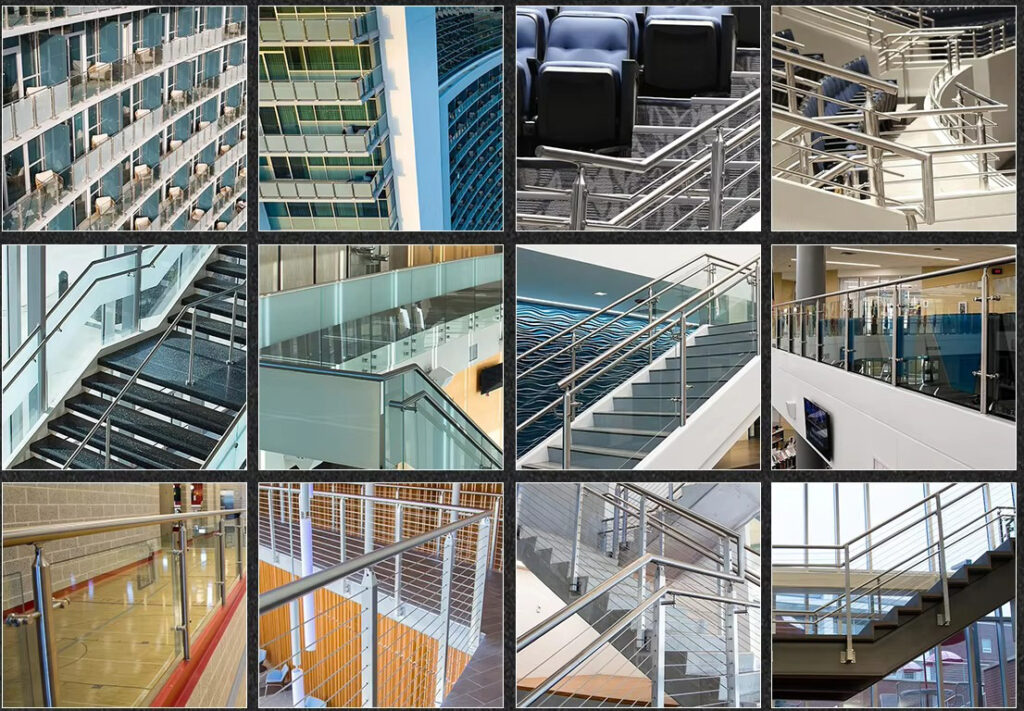
Frameless Glass Balcony Railings

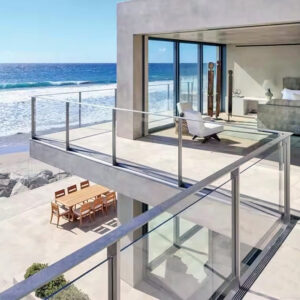
Glass cap rails are commonly used to finish the top edge of frameless balcony glass railing systems. They can create a continuous upper line and coordinate with base shoe systems or glass spigots.

商用玻璃栏杆系统

Commercial buildings, hotels, offices, shopping centers, and public facilities often use cap rails for glass edge protection, visual consistency, and coordinated railing finishes.

Stair Glass Railings

Stair glass railing projects may require cap rails that follow slopes, landings, and angle changes. Section length, connector details, and end conditions should be planned with the stair layout.

Outdoor and Poolside Glass Railings

Outdoor, poolside, coastal, and humid environments require more attention to material grade, finish, cleaning, and fastener selection. 316 or 316L stainless steel may be considered for more demanding exposure conditions.

Custom Glass Channel Projects

Custom projects may require special glazing channels, continuous cap rail profiles, end caps, connectors, or non-standard finishes. Drawings and installation details are important for review.

Related Product Categories

常见问题

What is a glass cap rail?

A glass cap rail is a rail or channel profile used to finish, protect, or connect the top edge of glass railing panels. It can create a continuous upper line and may also coordinate with handrail or top rail requirements.

What is the difference between a cap rail and a handrail?

A cap rail finishes or supports the top edge of glass panels. A handrail is intended to be grasped by users for support. A cap rail may also function as a handrail only if the complete installed system meets the required grip, height, continuity, and project requirements.

When should continuous cap rail systems be used?

Continuous cap rail systems are useful for long glass railing runs, balcony railings, stair glass, and commercial glass barriers where a consistent top edge and aligned rail sections are required.

What are structural glazing channels?

Structural glazing channels are channel-style profiles used where glass requires a project-specific support or top channel detail. Glass thickness, channel profile, and complete system requirements should be reviewed before production.

Can ESANG customize glass cap rails?

Yes. ESANG can manufacture glass cap rail assemblies, structural glazing channels, continuous cap rail systems, end caps, connectors, and custom profiles according to drawings, glass thickness, material grade, finish, and installation requirements.

Can cap rails be used with base shoe systems?

Yes. Many frameless glass railing systems use a base shoe at the bottom and a cap rail at the top. Glass thickness, base channel, cap rail profile, and project layout should be coordinated together.

Can cap rails be used with glass clamps or spigots?

Yes. Cap rails can be used with glass systems supported by clamps, spigots, standoffs, or base shoes, depending on the design. Hardware compatibility and glass thickness should be checked before ordering.

Should I choose 304 or 316 stainless steel cap rails?

304 stainless steel is commonly used for interior and dry environments. 316 stainless steel is usually preferred for outdoor, coastal, poolside, humid, or higher-corrosion environments. The final grade should be selected according to project exposure and specification.

What information is needed for a cap rail inquiry?

Useful information includes glass thickness, cap rail profile, section length, material grade, finish, connector requirement, end cap detail, indoor or outdoor environment, drawings, and quantity.

How should stainless steel cap rails be maintained?

Routine cleaning normally uses mild detergent, clean water, and a soft cloth. Avoid chloride-based cleaners, steel wool, and abrasive tools. Outdoor, poolside, and coastal installations should be cleaned more regularly to reduce surface contamination and maintain appearance.

相关职位:

埃桑的项目

埃桑证书

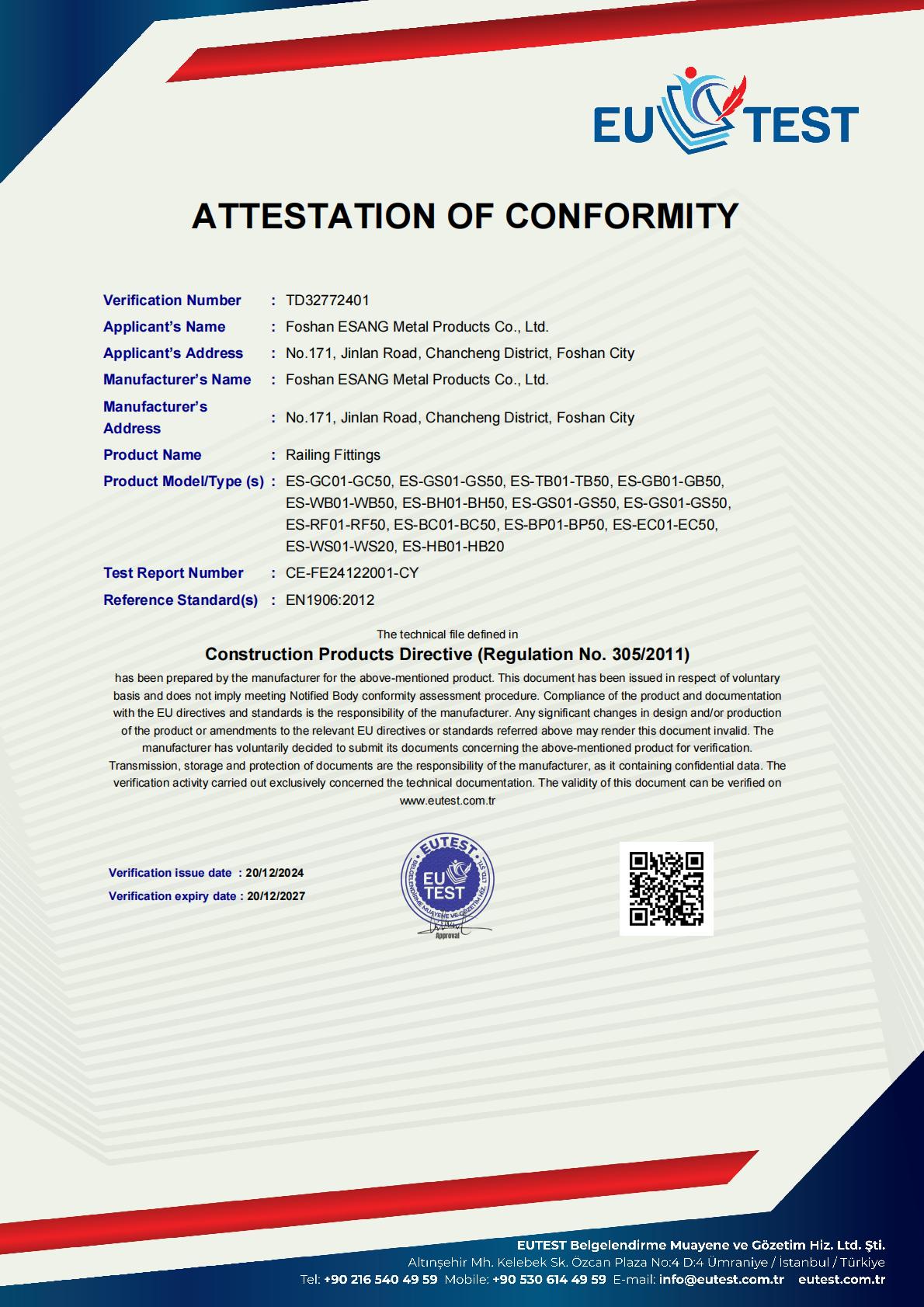
佛山伊桑金属制品有限公司自豪地保持着 CE 认证 (根据《建筑产品指令》(第 305/2011 号法规),我们获得了 TD32772401 认证(认证编号:TD32772401),这肯定了我们对欧洲最高安全和质量标准的承诺。

认证产品范围:
我们全面的栏杆配件组合--包括玻璃夹、张紧器、托架、墙面安装件、底座、扶手配件、电缆五金件和立柱组件--符合以下要求 EN1906:2012 标准,确保所有装置的结构完整性和性能可靠性。.

这对您的项目意味着什么?

  • ✓ 完全符合欧洲和国际市场的法规要求

  • ✓ 经独立验证的安全和耐用性能

  • ✓ 为架构规范提供文档支持

  • ✓ 由第三方提供质量保证,让您高枕无忧

认证有效期至 2027 年 | 测试报告:CE-FE24122001-CY

埃桑的项目

立即联系我们 !