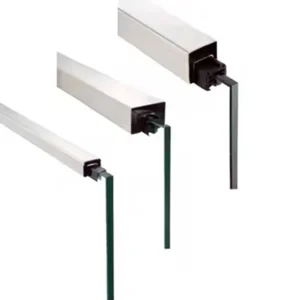
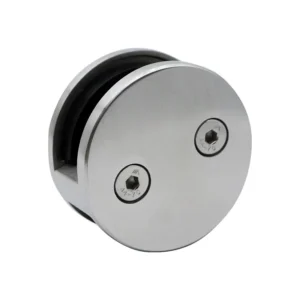
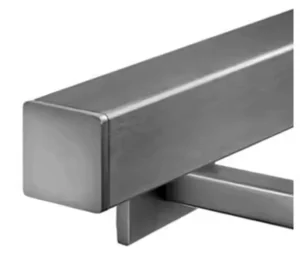
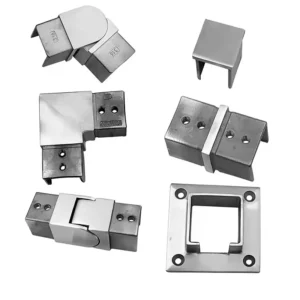
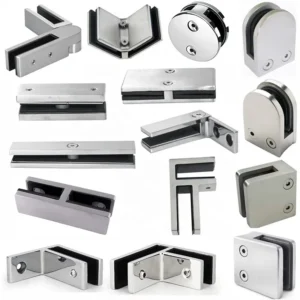
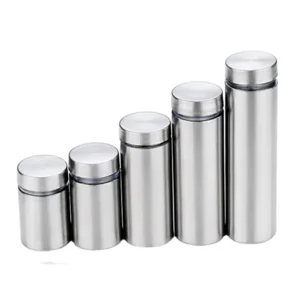
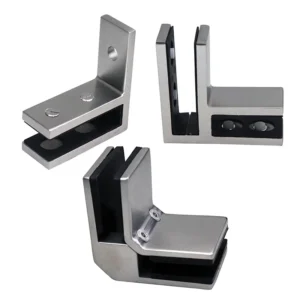
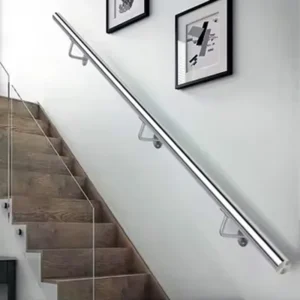
Heavy-duty glass spigots should be specified as a verified system configuration, not as a larger-looking clamp. Start with the required use, project loads, glass, support and mounting route; then ask for a proposed spigot configuration and evidence that applies to those exact conditions. ESANG can review an enquiry from drawings, site photos and estimated quantities, but the final quote must identify what “heavy duty” means for that project.
Discuss heavy-duty spigot requirements on WhatsApp
Translate “heavy duty” into an acceptance basis
The term can refer to a larger body, thicker base, different alloy, closer spacing or an evaluated complete system. None of those alone states the allowable use. Before comparing products, record:
- guard, pool barrier, wind screen, divider or another exact use;
- project location and the governing load/compliance criteria supplied by the project team;
- panel height, width, glass make-up, top-rail condition and connections between panels;
- surface-mount, core-drill or another mounting route;
- support material, thickness, edge distance and exposure;
- the test report, engineering calculation or project approval expected for acceptance.
A quoted load without the matching glass, spacing, anchors, substrate and test boundary is not enough to compare. Ask every supplier to state the exact configuration to which its evidence applies.

Select the mounting route before selecting the body
A heavy-duty requirement does not automatically choose the connection to the structure.
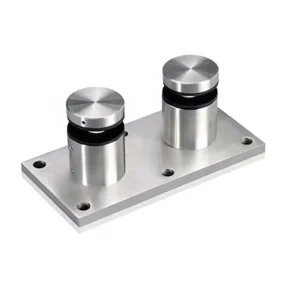
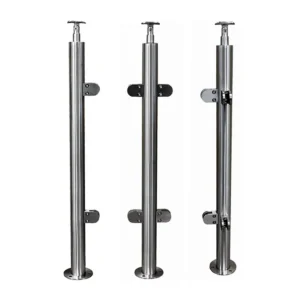
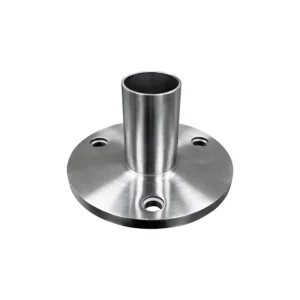
- Surface-mount route: a visible base plate and anchor group transfer the action into concrete, structural steel or an engineered timber support. Base dimensions, hole layout, anchor edge distance, finish build-up and waterproofing must be coordinated.
- Core-drill route: an extended stem is set into a prepared concrete pocket. Structural depth, hole size/depth, reinforcement/services, setting material, drainage, plumb and finished level must be fixed before coring.
- Side or fascia condition: if proposed, the bracket offset, support member, through-fixing/rear access and edge condition require their own detail; it is not a surface-base spigot turned sideways.
If the support cannot develop the required connection, a stronger-looking spigot does not solve the problem. The anchor, embedment or backing member may govern the assembly.
Match the glass-contact package
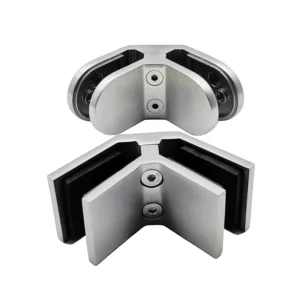
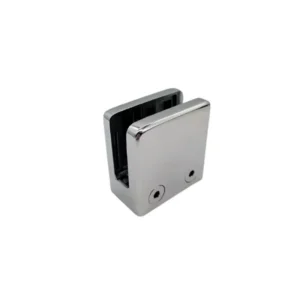
Confirm the exact pocket width and depth, liners or gaskets, base setting piece, pressure plate or clamp screws, and approved tightening sequence. The proposal should identify whether the glass is monolithic or laminated, its actual thickness/tolerance, panel size, heat-treatment requirement and whether holes or notches are required.
Heavy-duty selection can increase force at the glass contact. Metal-to-glass separation, bearing location and glass edge quality therefore remain critical. Do not substitute a liner, add an improvised shim or increase tightening torque to make an unmatched glass fit. Any adjustment method must be part of the proposed configuration.
Evaluate the whole glass railing assembly
Published evaluated systems show why the interfaces matter: performance is assessed with named spigots, glass, spacers or shims, screws, connectors or rails, fasteners and a defined substrate. That principle should guide procurement even when a project uses a different product. The final designer or engineer needs the complete proposed arrangement.
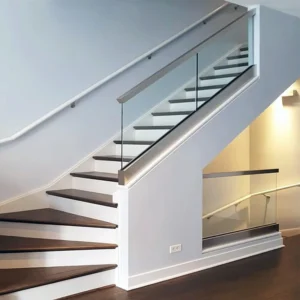
Ask whether the project requires a top rail, handrail, glass-to-glass connector, end restraint or gate support. Spigot capacity cannot be extended to those adjacent parts. The glass fabricator, anchor supplier, installer and structural support designer each need the same approved layout and tolerances.
Exposure and material must be stated, not guessed
Provide the actual exposure: interior dry, exterior urban, pool splash, coastal salt, de-icing salts, washdown or industrial chemicals. Ask the quote to identify the proposed material grade and finish for the spigot, clamp screws, anchors and hidden parts, plus gasket compatibility and cleaning guidance.
A polished or brushed surface does not prove a material grade, and a grade label alone is not a service-life guarantee. Fabrication, finish condition, contamination, drainage, dissimilar-metal contact and maintenance all influence durability. Project-specific corrosion or material documentation should be listed when it is an acceptance requirement.
Make the supply boundary explicit
The proposed bill of materials should identify which of these are included:
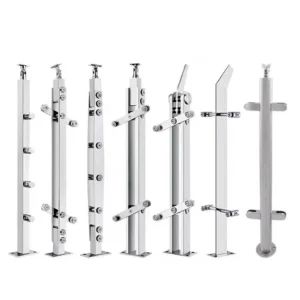
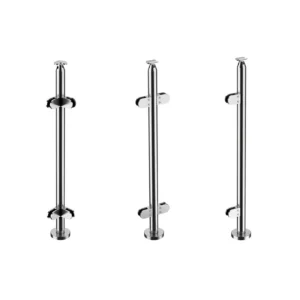
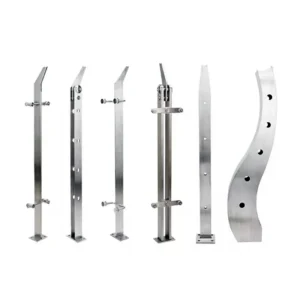
- spigot body, base or embedded stem and decorative cover;
- glass liners, packers, setting pieces and clamping fasteners;
- substrate anchors, studs, nuts, backing plates, grout or resin;
- glass and required fabrication;
- top rail, handrail, connectors, gates and adjacent supports;
- templates, special tools, installation instructions and inspection criteria;
- material records, test reports, calculations or project engineering.
If an item is not listed, treat it as by others. This is particularly important for anchors and glass: a spigot-only quote cannot silently take responsibility for the entire guard.
Send a requirement that suppliers can answer
For an initial review, send:
- project location, use, exposure and required acceptance criteria;
- plans/elevations, glass sizes and the proposed support spacing;
- glass make-up, thickness and any top-rail or connector condition;
- mounting route, structural support, edge distances and finish layers;
- design loads or the engineer’s basis where available;
- visible form/finish, quantity, packaging and spare requirements;
- documents and components that must be included in the proposed supply.
The returned quote should state the exact configuration, exclusions and evidence boundary. That lets the buyer compare two heavy-duty proposals without mistaking size, material or marketing language for complete-system performance.