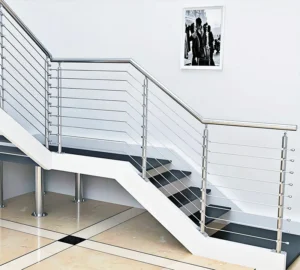
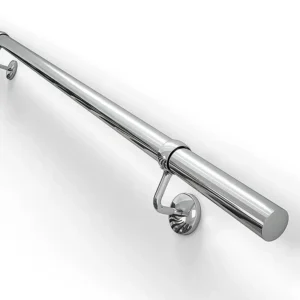
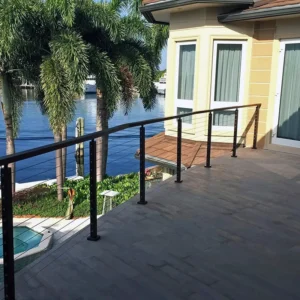
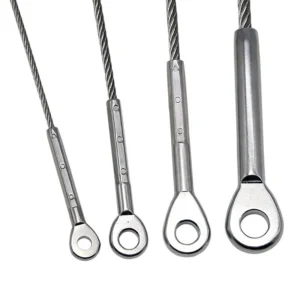
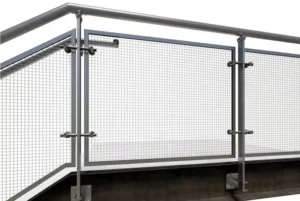
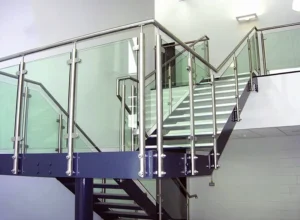
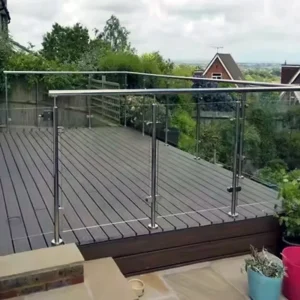
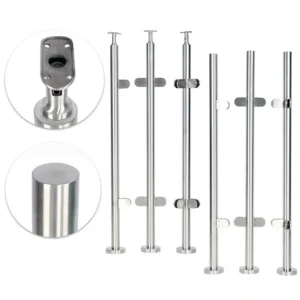
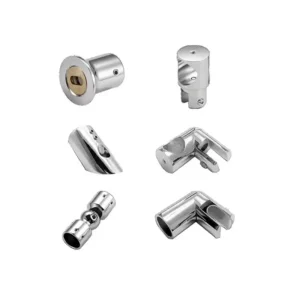
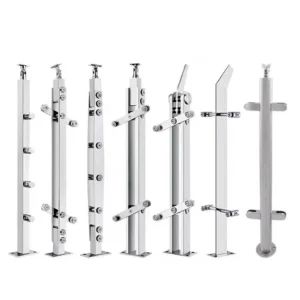
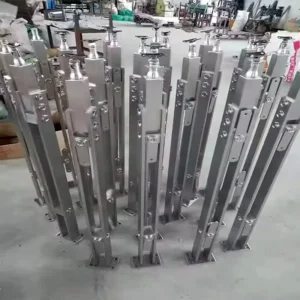
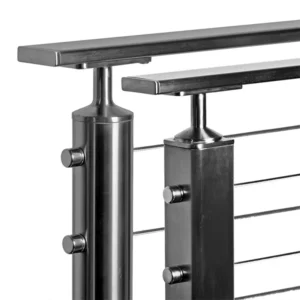
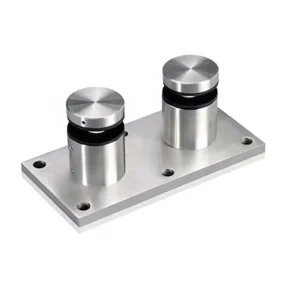
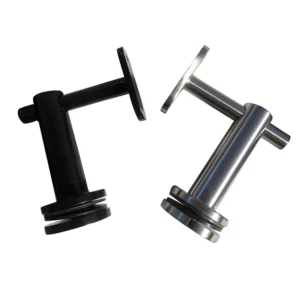
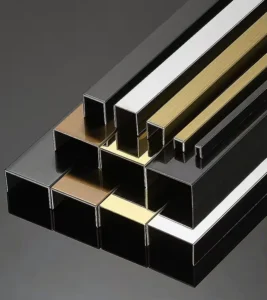
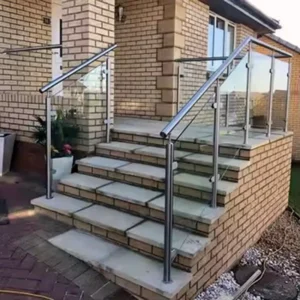
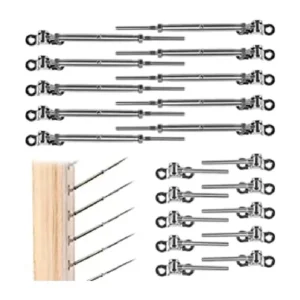
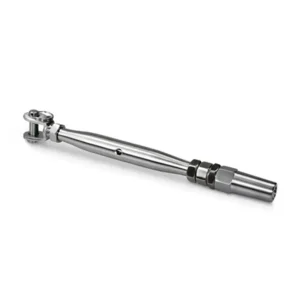
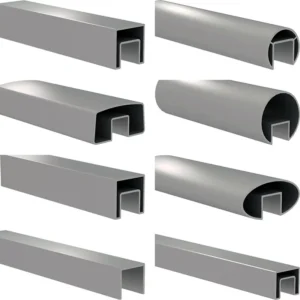
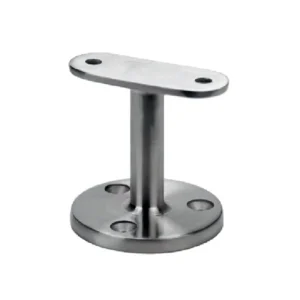
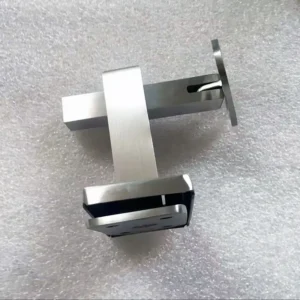
Square stainless steel posts provide four flat faces for rail and infill interfaces, making face orientation easy to describe on a drawing. That does not make every clamp, cable fitting, base or top bracket interchangeable. Section, wall, post role, mounting and connection schedule still have to be matched as one proposal. ESANG can start from a layout, site photos or a preliminary take-off and quote a defined square-post configuration in requested 304 or 316 stainless.
Request square stainless posts on WhatsApp
Use the flat faces deliberately
Number or name the faces on the shop drawing. An intermediate glass post may need matching clamps on opposite faces; a corner may use adjacent faces; a terminal cable post may need a bearing face and access on the reverse. Once base-plate orientation and brushed grain are included, rotating a square post on site is not always a harmless correction.

| Square-post choice | What it changes | Required return information |
|---|---|---|
| Section and wall | Visual scale, internal tool clearance, face stiffness and connector fit | Outside section, wall, corner form, tolerances and proposed tube/material basis |
| Face schedule | Which sides receive clamps, cable holes, rail brackets or no hardware | Face-by-face machining drawing for each post type |
| 安装路线 | Overall length, base/receiver geometry, edge clearance and waterproofing interface | Finished/overall length, base orientation and explicit anchor scope |
| 完成 | Grain continuity, weld blending, handling marks and field repair | Finish reference, grain direction and treatment of fabricated areas |
304 and 316 are not automatic application approvals
Grade 316 generally provides higher resistance to chloride-related pitting than 304 because it contains molybdenum. It is therefore often requested for more aggressive coastal, poolside or industrial exposures. Actual suitability still depends on chloride deposition, cleaning chemicals, temperature, drainage, crevices, weld finishing, surface contamination and compatible fasteners. The quotation should identify the proposed grade and documentation for the post and critical hardware rather than applying one label to the entire guard.
If the environment is not yet classified, describe it: indoors or exposed, distance and orientation to salt sources, pool chemicals, washdown products, shelter from rain and expected cleaning access. This gives the supplier a useful selection input without turning a preliminary inquiry into an unsupported corrosion guarantee.
Connect the five responsibilities on one drawing
- 帖子正文: provides the vertical square tube and its prepared faces. It is not a complete railing by itself.
- 底座和锚固件: transfer the post into the actual slab, steel, timber, fascia or receiver. Anchor type, edge distance, embedment and substrate capacity require project confirmation.
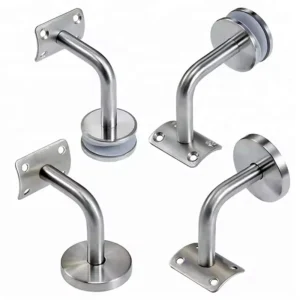
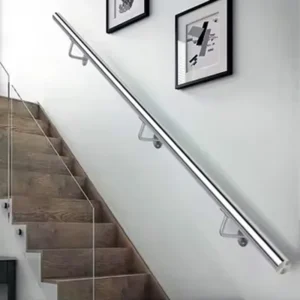
- 顶轨: connects at a post-top saddle, plate or other detail and may tie the frame together. Its profile and joints must be named.
- 填充: glass, cable, bars or panels require matching clamps, sleeves, terminals, gaskets or brackets. Their loads and tolerances cannot be assigned to the post alone.
- Position: intermediate, terminal, corner and stair/newel posts use different faces and hardware. A square shape does not make one drilling pattern universal.

Glass, cable and panel posts need different preparation
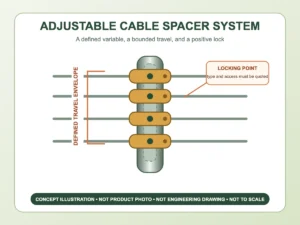
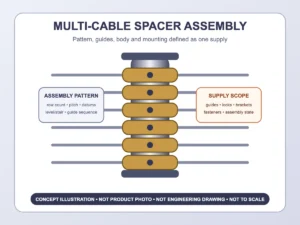
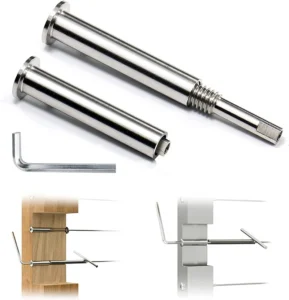
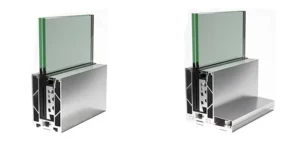
For glass, define the panel build-up, edge position, clamp or point-fixing type, gasket set and whether glass drilling is allowed. For cable, separate intermediate pass-through holes from terminal fittings and corner paths; include stair pitch and access to tensioning hardware. For bars or framed panels, identify tabs, channels, welds or mechanical brackets and who finishes the connection after assembly.
For every infill, check conflicts inside the post. Opposite-face fasteners can collide, a corner can combine two hardware sets, and base or top inserts can occupy the same internal space. The final machining schedule should follow the selected hardware, not precede it.
Make the quotation comparable
Send a marked plan/elevation or photos, the counts of intermediate, terminal, corner and stair positions, preferred section and height if known, mounting method and substrate, top rail, infill, exposure, finish, quantity and any required test or material documents. An approximate take-off is enough to start if unresolved dimensions are clearly flagged.
Ask the offer to list the square section and wall, grade, finish, finished/overall length, base or receiver, post-top connection, face-by-face machining, included clamps/fittings, fasteners or anchors, material documents, packaging and exclusions. Final post spacing, structural capacity, glass or cable design, anchorage and compliance remain specific to the complete project.