轨道连接器
轨道连接器
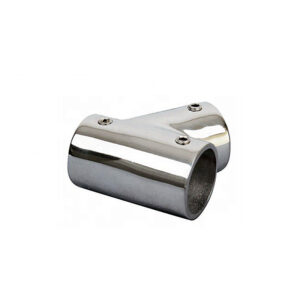
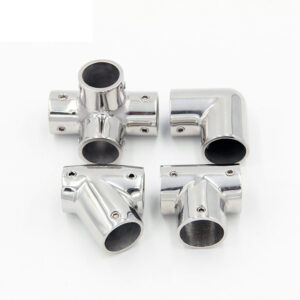
ESANG rail connectors are used to join handrail tubes, top rails, rail sections, corners, elbows, and transition points in stainless steel railing systems. They help maintain rail alignment, create clean joints, turn corners, and support continuous rail runs.
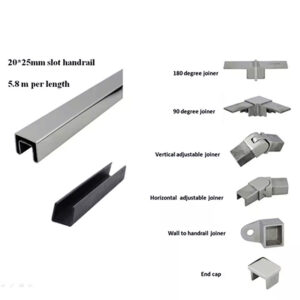
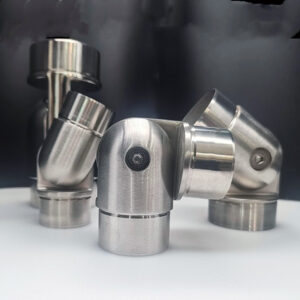
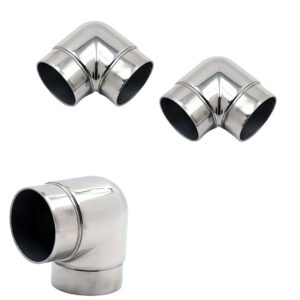
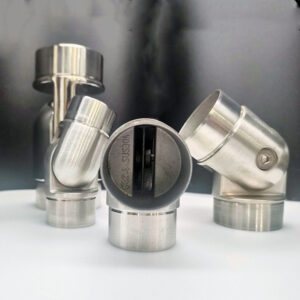
本类别包括 Universal Rail Connectors, 90 Degree Rail Corners, 135 Degree Corner Connectors, Straight Rail Joiners, ,以及 Flexible Rail Connectors.
For contractors, distributors, fabricators, and project buyers, rail connector selection should consider tube shape, tube size, connection angle, joint visibility, internal or external connection method, section length, material grade, finish, and installation environment. ESANG can manufacture rail connectors according to drawings, dimensions, tube profiles, material grade, finish requirements, and installation conditions.
Rail Connector Options
| Connector option | 最适合用于 | 关键筛选问题 |
|---|---|---|
| Universal Rail Connectors | General rail joining, handrail transitions, tube connections, and custom railing assemblies | What tube shape, tube size, connection direction, and joint style are required? |
| 90 Degree Rail Corners | Right-angle rail turns, balcony corners, stair landings, and square layout transitions | What rail profile, corner radius, visible joint, and end condition should be matched? |
| 135 Degree Corner Connectors | Angled railing layouts, non-right-angle corners, and selected stair or balcony transitions | What angle, tube profile, connector type, and alignment requirement are needed? |
| Straight Rail Joiners | Joining straight rail sections, long handrail runs, and modular railing assemblies | What tube size, section length, insertion depth, and joint visibility are required? |
| Flexible Rail Connectors | Custom angles, field adjustment, non-standard transitions, and variable railing layouts | What angle range, locking method, rail profile, and final position should be confirmed? |
How to Choose Rail Connectors
Rail connectors should be selected according to the rail direction and tube profile. A straight joiner, a 90 degree corner, and a flexible connector solve different connection problems.
| 项目状况 | 建议方向 | 为何这很重要 |
|---|---|---|
| The rail needs to continue in a straight line | Use straight rail joiners or internal connector sleeves | Straight connectors help maintain alignment across long rail sections. |
| The rail turns at a right angle | Use 90 degree rail corners | Right-angle connectors support clean balcony, stair, or landing transitions. |
| The rail turns at an angled corner | Use 135 degree corner connectors or angle-specific connector designs | Non-right-angle layouts require connectors matched to the actual angle. |
| The project has field tolerance or custom geometry | Use flexible rail connectors | Flexible connectors can help adjust to non-standard angles or site conditions. |
| The project uses mixed tube profiles | Use universal connectors or custom connector details | Tube shape and size must be confirmed before connector selection. |
| The project needs a clean continuous rail appearance | Use concealed, internal, or polished connector approaches where suitable | Joint visibility affects final appearance and handling during installation. |
Connector Angle, Tube Shape, and Joint Style
Rail connector performance depends on the angle, tube shape, and connection method. Buyers should confirm whether the connector is for round tube, square tube, rectangular tube, internal joining, external joining, or visible corner connection.
| 选择因子 | 需要确认的内容 | 为何这很重要 |
|---|---|---|
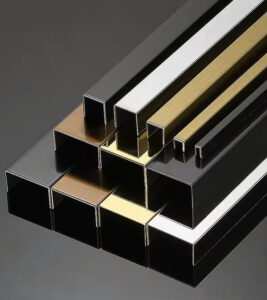
| Tube shape | Round, square, rectangular, or custom profile | Connector geometry must match the rail tube. |
| Tube size | Outside diameter, square size, wall thickness, or internal dimension | Connector fit depends on accurate tube dimensions. |
| Connection angle | Straight, 90 degree, 135 degree, variable angle, or custom angle | Angle determines connector type and alignment. |
| Internal or external connection | Whether the connector inserts inside the tube or joins externally | Internal connectors can create a cleaner visible joint; external connectors may be easier to inspect. |
| Visible or concealed joint | How much of the connector remains visible after installation | Joint visibility affects the final architectural appearance. |
| Mechanical or welded connection | Whether the connector is fixed mechanically, welded, or combined with another method | Installation method affects strength, finish work, and site preparation. |
Straight Joiners, Corners, and Flexible Connectors
Different connector types support different rail transitions. Selecting by angle and tube profile helps avoid misalignment and field modification.
| 连接器类型 | 主要功能 | 常见注意事项 |
|---|---|---|
| 直轨接合器 | Join two rail sections in a straight line | Tube size, insertion depth, section length, alignment, and joint visibility |
| 90 度轨道拐角 | Create right-angle turns | Corner radius, tube profile, rail direction, and end finishing |
| 135 度角连接器 | Create angled transitions or selected non-right-angle turns | Actual angle, stair or balcony layout, tube shape, and visual alignment |
| 柔性轨道连接器 | Adapt to custom or variable angles | Angle range, final locking method, tube fit, and installation tolerance |
| 通用导轨连接器 | Support general rail joining or mixed project conditions | Tube profile, connection method, visible detail, and project drawings |
材料、表面处理及定制生产
ESANG rail connectors can be manufactured according to project requirements, including tube shape, connector angle, internal sleeve dimensions, corner radius, joint style, material grade, surface finish, and packaging requirements.
| 材质或表面处理 | 典型应用 | 说明 |
|---|---|---|
| 304 不锈钢 | Interior handrails, rail systems, commercial interiors, and dry environments | A common option for many indoor rail connector applications. |
| 316 不锈钢 | 户外栏杆、阳台、露台、泳池畔项目以及潮湿环境 | 通常在需要更强耐腐蚀性的情况下优先选用。. |
| 316L 不锈钢 | 需要提高可焊性或对耐腐蚀性能要求更高的项目 | 适用于规范要求使用低碳不锈钢的情况。. |
| 拉丝或缎面处理 | Commercial railings, stairways, balconies, and most architectural hardware projects | 有助于减少指纹和轻微使用痕迹的显现。. |
| 镜面抛光 | 室内装饰、酒店、别墅及精选高端视觉应用 | 外观光亮,但需要更细心的操作和清洁。. |
For non-standard railing projects, customers can provide drawings, tube sizes, rail angles, section lengths, connector style, finish requirements, and installation conditions. ESANG can review the requirements and manufacture rail connectors to match the project specification where feasible.
Compatibility with Handrails, Top Rails, and Posts
Rail connectors should be selected with the complete railing or handrail assembly. The same connector may not fit different tube shapes or rail systems.
- For long continuous handrail runs, coordinate connectors with 连续扶手.
- For wall-mounted handrails, coordinate with 壁挂式扶手 and bracket spacing.
- For post-supported rails, coordinate with 柱式安装扶手 and post brackets.
- For top rail systems, coordinate with 上横档和下横档.
- For railing post assemblies, coordinate rail connectors with 不锈钢柱 and post layout.
根据项目需求进行定制
Many rail connector projects are customized according to tube profile, rail angle, corner condition, finish requirement, and installation method. ESANG can support custom universal rail connectors, 90 degree corners, 135 degree connectors, straight rail joiners, flexible rail connectors, internal sleeves, elbow connectors, and custom rail transition parts.
When a project has standard-oriented requirements related to handrail continuity, guardrail layout, rail height, material grade, or installation method, customers should provide the required drawings and specifications. ESANG can manufacture rail connectors to match those provided details, while final compliance depends on the complete installed system, structural design, installation method, and applicable local code.
安装与项目注意事项
Rail connectors should be planned before rail cutting and installation. Tube size, joint location, angle, connector method, and finish should be confirmed together.
- Tube shape, tube size, and wall thickness
- Straight, 90 degree, 135 degree, flexible, or custom angle connection
- Internal sleeve, external connector, welded joint, or mechanical fixing method
- Visible or concealed joint requirement
- Section length, transport length, and installation sequence
- Handrail, top rail, or guardrail function
- Compatibility with posts, brackets, and support points
- 适用于室内、室外、沿海或泳池畔环境的材料等级
- 当地建筑规范及项目技术规范要求
For continuous handrails, balcony railings, stair railings, and commercial guardrails, rail connector details should be checked by the project designer, engineer, contractor, or local authority. ESANG can manufacture rail connectors to match provided requirements, but final compliance depends on the complete installed assembly.
应用场景
Continuous Handrail Runs
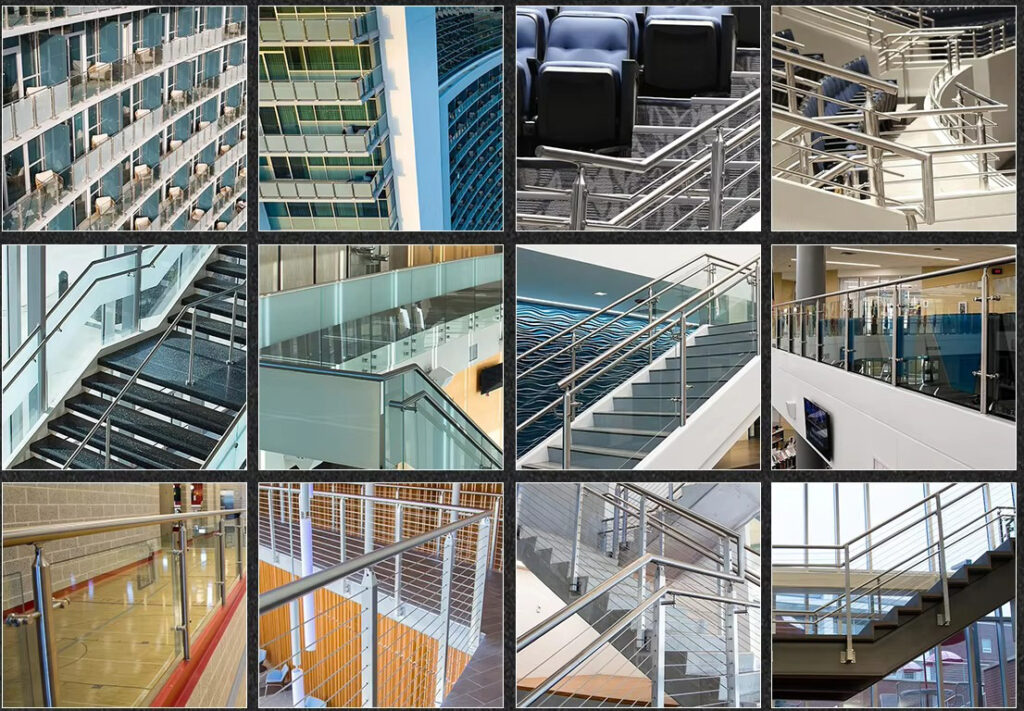
Rail connectors are commonly used to join handrail sections across long runs, corridors, ramps, and stairs. Joint location, connector type, and visible finish should be planned before production.
Balcony and Terrace Corners
90 degree and 135 degree rail connectors are used for balcony, terrace, and deck corners. Corner angle, rail profile, and finish consistency should be confirmed.
Stair and Landing Transitions
Stair and landing railings may require angled connectors, flexible connectors, or custom rail transitions. Stair pitch, landing geometry, and handrail continuity should be reviewed together.
Commercial Railing Systems
Commercial buildings, public areas, hotels, schools, and transport facilities often require repeatable rail connectors with consistent finish and predictable installation details.
Custom Architectural Rail Assemblies
Custom projects may require non-standard connector angles, concealed sleeves, polished joints, or special tube profile adapters. Drawings and tube dimensions are important for review.
相关产品分类
- Universal Rail Connectors
- 90 Degree Rail Corners
- 135 Degree Corner Connectors
- Straight Rail Joiners
- Flexible Rail Connectors
- 连续扶手
- 上横档和下横档
- 柱式安装扶手
常见问题
轨道连接器有什么用途?
Rail connectors are used to join handrail tubes, top rails, rail sections, corners, elbows, and transition points. They help maintain rail alignment and create continuous or angled rail runs.
What is the difference between straight rail joiners and corner connectors?
Straight rail joiners connect rail sections in a straight line. Corner connectors create angled turns such as 90 degree or 135 degree transitions. The correct choice depends on the rail direction and tube profile.
When should 90 degree rail corners be used?
90 degree rail corners are used for right-angle railing turns, balcony corners, stair landings, and square layout transitions. Tube shape, corner radius, and visible joint style should be confirmed.
When should 135 degree corner connectors be used?
135 degree corner connectors are used for angled railing layouts, non-right-angle corners, and selected stair or balcony transitions. The actual angle and rail profile should be confirmed before ordering.
What are flexible rail connectors?
Flexible rail connectors are used for custom angles, field tolerance, and non-standard railing layouts. The angle range, final locking method, and tube compatibility should be reviewed before production.
Can ESANG customize rail connectors?
Yes. ESANG can manufacture rail connectors according to tube shape, tube size, connector angle, internal or external connection method, material grade, finish, and project drawings.
Can rail connectors be used for continuous handrails?
Yes. Rail connectors are commonly used in continuous handrails to join sections, turn corners, and create transitions. Connector type should be selected according to tube profile, route layout, and finish requirement.
Should I choose 304 or 316 stainless steel rail connectors?
304不锈钢通常用于室内和干燥环境。316不锈钢通常更适合用于室外、沿海、泳池边、潮湿或腐蚀性较强的环境。最终应根据项目的使用环境和技术规范选择合适的等级。.
What information is needed for a rail connector inquiry?
Useful information includes tube shape, tube size, connection angle, connector type, internal or external connection preference, material grade, finish, quantity, drawings, and project environment.
How should stainless steel rail connectors be maintained?
日常清洁通常使用温和的清洁剂、清水和软布。请避免使用含氯清洁剂、钢丝球和研磨工具。安装在户外、泳池边及沿海地区的设备应更频繁地进行清洁,以减少表面污染并保持外观。.
相关职位:
Pier and Dock Railing Layout: Posts, Infill, Access, and Mounting
Plan pier and dock runs around post locations, infill modules, corners, gates, access routes, substrate edges, and mounting responsibility.
Coastal Railing Exposure: Salt Air, Splash, and Cleaning Access
Separate airborne salt, direct splash, retained wetness, deposits, and cleaning access before choosing coastal railing materials and details.
将嵌入式立柱更换为地面基座:预检
在将嵌入式立柱转换为地面基座之前,请检查现有开口、楼板状况、边缘几何形状、排水情况以及修订后的荷载传递路径。.
项目采购方栏杆立柱底座询价清单
在单个项目询价中,应要求提供可比的底座五金件、基材参数、表面处理、图纸、锚固范围、样品及检验文件。.
适用于倾斜或不平整表面的可调节栏杆立柱底座
在选定具体方案前,应根据实际坡度、承重表面、调平范围、表面处理接口及固定操作条件,对可调节底座进行对比评估。.
栏杆立柱基座锚固件:工程审查所需资料
在进行工程审查之前,应明确基材、几何形状、载荷、受力情况以及锚固依据,以免将硬件标签误认为连接设计。.
埃桑的项目

埃桑证书
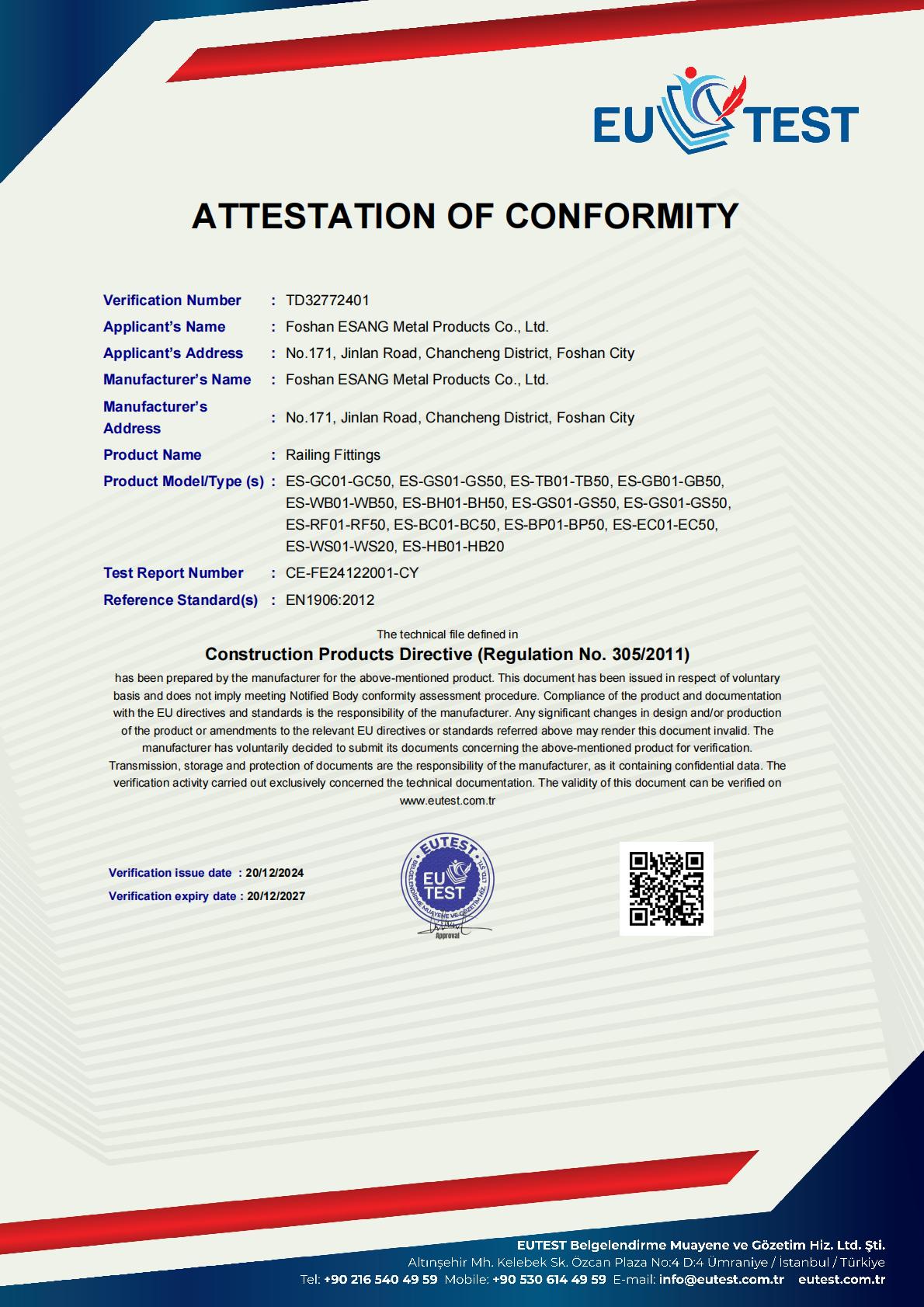
佛山伊桑金属制品有限公司自豪地保持着 CE 认证 (根据《建筑产品指令》(第 305/2011 号法规),我们获得了 TD32772401 认证(认证编号:TD32772401),这肯定了我们对欧洲最高安全和质量标准的承诺。
认证产品范围:
我们全面的栏杆配件组合--包括玻璃夹、张紧器、托架、墙面安装件、底座、扶手配件、电缆五金件和立柱组件--符合以下要求 EN1906:2012 标准,确保所有装置的结构完整性和性能可靠性。.
这对您的项目意味着什么?
✓ 完全符合欧洲和国际市场的法规要求
✓ 经独立验证的安全和耐用性能
✓ 为架构规范提供文档支持
✓ 由第三方提供质量保证,让您高枕无忧
认证有效期至 2027 年 | 测试报告:CE-FE24122001-CY
埃桑的项目