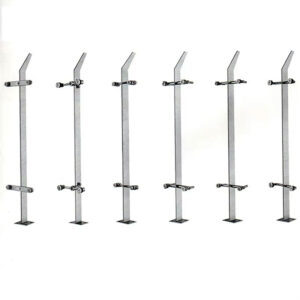
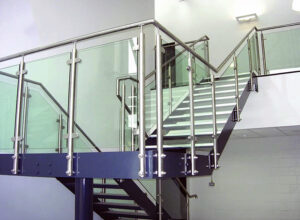
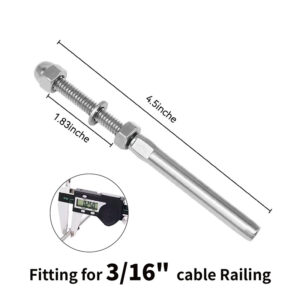
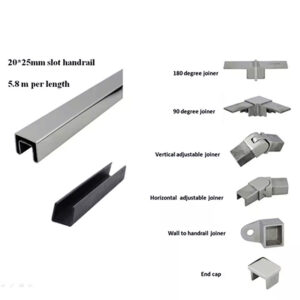
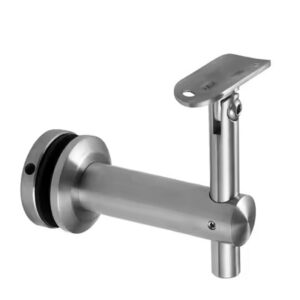
采购团队根据样品套件和饰面色样批准栏杆系统,就是在赌生产批次的表现会与样品相同。这种赌注经常失败,以至于形成了一种模式:当来自不同生产批次的管件被运到现场时,在有代表性的管子上安装得很整齐的连接器鞍座就不再能正确配对,由此导致的现场调整周期压缩了本来就很薄的进度余量。其根本原因在于,管材公差、表面一致性和接头几何形状都必须一并评估,而不是在不同的采购阶段按顺序评估,因为只有在多批次组件并排安装后,故障模式才会显现出来。以下内容为买家提供了所需的确认顺序,以区分真正可以投入生产的系统和仅确认样品质量的系统。.
样品完成后还需检查什么
样品管可以看起来完全正确,但对于批量生产时的效果却几乎一无所知。与连续生产的成品质量相比,代表性产品的成品质量通常受到更严格的控制,两者之间的差距很少显现出来,直到安装时才会发现来自不同批次的部件在颜色或质地上发生了变化。.
结构性问题在于,样品批准会产生一个虚假的确认基线。当样品被用来签署表面光洁度、纹理方向和表面均匀性时,该批准所依据的假设是供应商的生产质量控制足够一致,可以重复复制样品。这一假设需要直接验证,而不是根据样品的外观来推断。供应商质量计划--包括如何监控生产批次、是否保留批次级检验记录以及如何在装运前标记偏差--决定了样品质量是否能可靠地预测交付质量。ISO 9001:2015 为我们提供了一个有用的框架,帮助我们思考在批量生产中如何进行一致的、有记录的质量管理,即使这并不是买方在每次采购中都能以合同形式提出的要求。.
实际的影响是,饰面漂移会悄无声息地产生。表面纹理或光泽度的微小变化几乎不可能单独发现;一旦从一个生产流程组装的栏杆部分与另一个生产流程的栏杆部分相邻,它们就会成为明显的隐患。这才是暴露问题的关键所在--而不是在规格审查期间,也不是在样品评估期间。.
| 检查类型 | 需要确认的事项 | 为何重要 |
|---|---|---|
| 成品一致性 | 确认不同批次之间的光洁度一致性,而不仅仅是样品。. | 在多次生产过程中安装配件之前,表面处理偏差可能是不可见的,从而造成明显的不匹配。. |
| 质量计划 | 核实供应商的质量计划是否到位,并在生产批次中遵守,而不仅仅是样品。. | 确保样本中的一致性可以大规模复制,防止质量下降。. |
跳过这两项检查并不意味着一定会失败,但确实意味着任何问题都会在最糟糕的时刻出现:在现场,在安装过程中,在多道工序已经依次进行的情况下。.
导管公差如何影响连接器配合和现场时间
连接器的配合问题首先是公差问题,然后才是硬件问题。连接器鞍座、接合器和底座部件的尺寸是根据假定的管道外径确定的,如果生产批次的外径变化超出了设计假定,那么随之而来的配合问题就不是连接器质量的问题,而是连接器的设计与管道实际情况之间存在差距的问题。.
这种不匹配现象很常见,可以将其视为一种可能的风险模式,而不是边缘案例。供应商通常根据反映理想生产条件的标称或严格控制的管材尺寸来设计连接器。当实际生产批量的公差范围较大时(这在许多商品管运行中很正常),连接器可能会在一定比例的安装过程中出现粘结、间隙或需要垫片。这个百分比在整个项目运行过程中会成倍增加,累积的现场调整时间会侵蚀采购人员根据清洁匹配方案做出的进度假设。制造公差数字,如每英寸 0.004 英寸,有时被用作精密切割部件的设计参考;这只是一个说明性的临界值,而不是通用的规范要求,但它传达了尺寸控制的水平,在这个水平上,连接器配合问题变得不太可能发生,而不是可能发生。.
合同层面的含义是,管道公差和连接器设计假设应记录在同一个地方,以便明确而不是假设它们之间的关系。.
| 需要澄清的问题 | 不明确的风险 | 合同应规定的内容 |
|---|---|---|
| 连接器设计与实际公差 | 确认连接器鞍座、接合器和底座部件的设计符合实际生产管材的公差要求。. | 部件的管控往往比生产批量所能承受的管控更严格,从而导致配合问题和现场延误。. |
| 部件制造公差 | 要求精密切割公差(如 0.004/英寸),用于部件制造。. | 严格的制造公差提高了部件的配合度,减少了现场调整,加快了安装速度。. |
一旦系统规格中出现公差不匹配,就很难在不改变管源或连接器硬件的情况下进行纠正,而这两种情况都会对交货时间、成本和文档造成下游影响。.
安装过程中开始出现批次变化的地方
批次差异在收货检验时不会作为质量缺陷出现。来自新生产批次的钢管可能本身通过了尺寸检查,但在外径、壁厚或表面光洁度方面仍与之前批次的钢管有足够大的差异,从而在将两者安装在一起时产生配合和外观问题。.
触发因素是相邻性。栏杆的单次生产通常会保持足够一致的管材,以避免出现差异。当一个项目跨越多批货物,当二期安装在一期完工后几个月才开始,或者当需要更换管材来修复损坏部分时,问题就出现了。在上述每种情况下,新的管材可能来自不同的生产批次,在可接受的单个公差范围内的任何尺寸或表面处理偏差都会突然显现出来,成为并排的不匹配。.
对于有分阶段交货计划或多批试管量的项目,这意味着批次跟踪不是一个行政细节,而是一个前瞻性的质量控制功能。要求供应商记录交付货物的批号,并按批次保存参考样品,使项目团队有能力在事后确定不匹配的来源,并就重新采购或调整是否是更好的途径做出明智的决定。如果没有这种跟踪,调查工作将从零开始。.
批次变化的表面尺寸尤其难以追溯管理。管材尺寸有时可以通过选择接头或现场调整来解决,而表面光洁度的变化则无法在现场纠正。这种不对称性使得光洁度批次文件比在规格阶段看起来更重要。关于弯曲公差和半径要求如何与各批次钢管一致性相互作用的详细指导,请参阅《钢管质量手册》。 弧形不锈钢扶手的弯管公差指南, 这对于具有非线性栏杆几何形状的项目非常有用。.
为什么要在实际生产管道上测试连接器系列
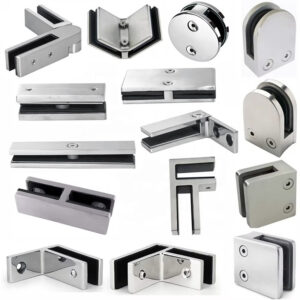
适用于一个批次的一根管子的连接器系列尚未经过验证 - 它已被抽样。这种区别很重要,因为同一产品系列中的连接器鞍座、端盖和中间连接件会因几何形状和接触表面积的不同而具有不同的公差敏感性。当管件尺寸发生变化时,可容忍适度外径变化的连接件的表现可能与基础组件不同。.
防止出现这种情况的审查检查很简单:在批准之前,要求在实际生产管子上试装整个硬件系列,而不是有代表性的选择。这并不是一个与任何特定标准挂钩的正式测试协议;它是一种防御措施,可缩小基于样品的审批与生产条件验证之间的差距。如果供应商不能提供用于批准前测试的生产批量管材,这本身就是值得权衡的信息。.
跳过这一步的后果是,安装过程中会逐渐暴露出配合问题,而不是一次性全部暴露出来。底座组件可能在前 15 个立柱上安装得很好,但在第 16 至 22 个立柱上却开始需要调整,因为这些立柱来自同一批货中的不同管卷。如果不对实际生产的钢管进行预先批准测试,就无法对这种模式进行预警,只能在现场发现。.
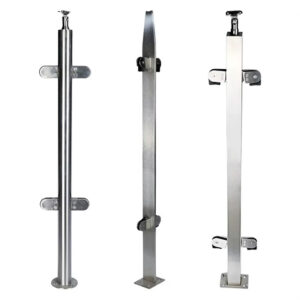
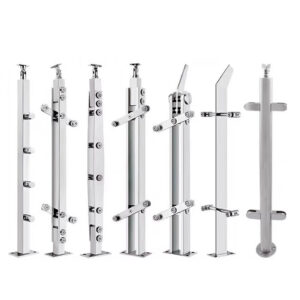
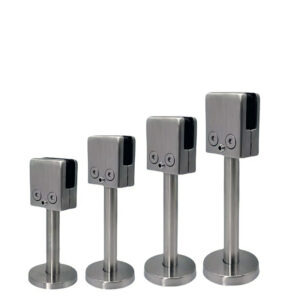
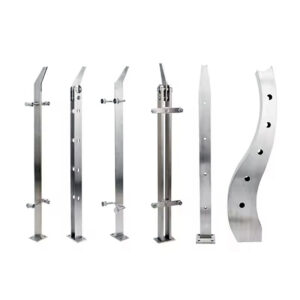
供买家评估 不锈钢支柱和部件 作为一个完整系统的一部分,相关的问题不是任何单个组件是否符合规范,而是整个硬件系列在供应商实际提供的管子公差范围内是否保持匹配一致性。这些都是不同的问题,有不同的答案,其中只有一个问题可以通过观察样品来解决。.
如何比较刚性和宽松的成套系统
两种系统都不是无条件地更好。在严格标准化的预制系统和更灵活的连接器系列之间做出选择是一个项目条件问题,无论哪种选择错误,都会产生实际的成本后果。.
刚性、标准化的系统可提供安装速度和可预测的劳动力,因为每个组件的尺寸都在可控范围内,而且设计可最大限度地减少现场变化。但代价是,系统的精确性也很脆弱:如果运到现场的钢管偏离了系统设计的公差窗口,那么可利用的余地就很有限。预制系统在管材来源稳定、交付顺序可控、现场条件可预测的项目中具有速度优势。在管材可能来自多个来源、阶段排序会造成批次间隙,或定制长度会使系统超出其标准配置范围的项目中,预制系统就不适用了。.
灵活的连接器系列可以用安装速度换取适应性。多种安装选项、可调鞍座几何形状和更大的外径公差带宽意味着系统可以承受更多的变化,但前提是整个硬件系列的灵活性已在实际生产管道上得到验证。市场上标榜宽松的连接器系列中仍可能有对公差敏感的组件,而在安装过程中发现这一点与刚性系统的故障模式并无不同。.
| 系统类型 | 主要特征 | 最适合 |
|---|---|---|
| 刚性、标准化 | 严格标准化的预制系统,提高速度。. | 优先考虑减少现场调整和加快安装速度的项目。. |
| 灵活、宽容 | 灵活的连接器系列,为复杂项目提供多种安装选项。. | 具有混合细节条件或定制长度的项目,需要适应现场变化。. |
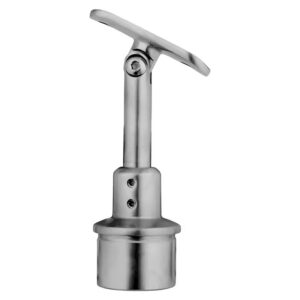
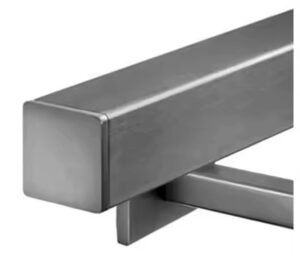
采用刚性系统的项目特点是时间紧迫、管材供应来源单一以及几何形状重复。而分阶段交付、混合细节条件、定制长度或任何无法完全控制从采购到安装的管材来源的情况,则会导致采用柔性系统。对于完整的 扶手系统, 因此,在指定系统类型之前,先了解适用的项目条件,可避免在错误的系统类型到达现场时,重新配置成本更高。.
当供应商包准备好供审批时
在文件包完整之前就批准,是在信息不完整的情况下做出的承诺。最可靠地确定准备就绪状态的两个条件是文件的完整性和设计的最终确定--这两个条件必须同时具备,而不是按顺序排列。.
分项估算详细说明了组件类型、数量和所需安装工具,消除了造成采购变更单的下游模糊因素。当项目团队收到的是分项明细,而不是总价或类别报价时,估算本身就成了对范围的交叉检查:缺失的组件在制造开始之前就能看到,而不是在交付之后。这不是一项合规要求,而是一项操作标准,将真正准备就绪的工程包与行政上完整但实质上不完整的工程包区分开来。.
设计图纸的签收也是同样的道理。在客户确认最终设计意图之前发送制造包,会带来部件按照过时的布局制造的风险。制造部件的修正成本明显高于图纸的修正成本,这种不对称性使得图纸签收成为一个实际的关口,而不是程序上的形式。当这两个条件同时满足时--分项文件和最终确定的、经客户批准的设计图纸--批准决定是基于对所承诺的内容的完整了解。.
| 审批步骤 | 需要确认的事项 | 为何重要 |
|---|---|---|
| 文件 | 只有在收到列有详细部件、数量和所需工具的分项估算后,才能批准。. | 消除臆测,确保包装完整,可随时进行制造和安装。. |
| 设计定稿 | 只有在最终设计图纸经客户签字确认并送交制造部门后,方可批准。. | 确保供应商包反映最终确定的设计意图,避免日后进行代价高昂的更改。. |
压缩这一阶段的诱因通常是进度压力。提早批准以保护交付日期是一种可识别的模式,它能可靠地导致中期制造设计变更或发现缺少组件,而这些所花费的时间比压缩节省下来的时间还要多。.
重要的四项确认--外径公差、壁厚范围、批次加工一致性和实际生产管材上的连接器配合--需要在审批前一并完成,而不是在采购周期的不同阶段逐一检查。如果一个系统单独通过了每项检查,但从未作为一个整体进行评估,那么它仍然会与一个从未接受过任何检查的系统产生同样的现场调整问题,因为故障模式存在于这些变量的交叉点,而不是其中的任何一个变量。.
在审批之前,最重要的问题不是样品看起来是否正确,而是供应商是否能证明生产批次在整个硬件范围内都能达到连接器系列所要求的公差和表面一致性。以书面形式回答这个问题并辅以实际的生产管测试,是采购决定在安装过程中与将风险转移到现场的采购决定之间的区别所在。.
常见问题
问:如果更换或维修部分的管子来自与原始安装不同的供应商,会发生什么情况?
答:将其视为高风险的批次不匹配,而不是直接替换。即使是来自不同来源的符合相同标称规格的管材,其尺寸或表面处理也可能存在足够的差异,以至于在安装到原始管材旁边时,会产生明显的并排差异。在采购替代管之前,应要求提供批次级别的文件,并在可能的情况下,要求新供应商提供成品参考样本,以便与原批次的保留样本进行直接比较。如果在采购前无法确认是否匹配,那么更换较长的连续部分而不是单个损坏的部分,往往比在安装后处理可见的表面处理或配合不一致的成本更低。.
问:灵活的连接器系列从什么时候开始不再是优势,而成为自身匹配问题的根源?
答:如果没有在实际生产的管道上对整个硬件系列进行验证,灵活性就会成为一种负担。在市场上标榜可容许外径变化的连接器系列中,可能仍有个别组件--底板、端盖、中间接头--的配合几何形状比该系列的其他组件更严格。如果预先批准测试只涉及有代表性的选择,而不是每种组件类型,那么这些对公差敏感的部件就会在安装过程中而不是在采购过程中自我识别。只有当整个硬件系列,而不是其中的一个样本,被确认在供应商实际提供的管材公差范围内都能匹配时,适应性优势才会有效。.
问:如果供应商获得了 ISO 9001:2015 认证,是否就不再需要单独索取批次级检验记录?
答:不是--认证确认的是质量管理框架已经到位,而不是任何特定的生产批次达到了特定的阈值。ISO 9001:2015 要求对监控和控制生产质量的流程进行记录,但该标准并未规定适用于特定栏杆系统的尺寸或表面处理公差。通过认证的供应商在交付生产批次时,其批次与批次之间的差异可能仍在其可接受的范围内,但仍会在项目的连接接口处造成安装或表面处理问题。与实际装运批次相关的批次级检验记录,包括外径、壁厚和表面处理参数,是认证状态之外的另一项要求,无论供应商是否通过认证,仍然是必要的。.
问:如果在规格确定后项目进度压缩,是否应重新考虑系统类型的决定--刚性还是柔性?
答:是的,而且审查越早,修正成本就越低。工期压缩会改变最初系统决策所依据的项目条件。在进度允许控制交付顺序的情况下,为单期、单源安装而指定的刚性、标准化系统可能是正确的选择;如果现在的进度压缩迫使多批次采购或消除了现场调整周期的缓冲,那么该系统类型所承担的风险就比最初规格所假设的要大。在制造开始前重新考虑系统类型是一种操作中断;而在安装中期发现刚性系统无法承受压缩进度带来的变化,则是另一种进度和成本事件。.
问:供应商通过所有四项确认并获得批准后,正确的第一步是什么?
答:在制造开始前锁定批次参考。一旦外径公差、壁厚、批次表面处理一致性和生产管上的连接器配合都得到确认,在任何组件进入制造之前,应正式记录这些确认所依据的具体生产批次--批号、批次标识符和保留的表面处理参考样本。审批确认系统已根据特定的生产条件准备就绪;如果在审批和制造之间管材来源或生产流程发生变化,而没有相应的重新确认,则验证的匹配性可能不再有效。将批次文件作为批准后的第一项行动,而不是行政跟进,可保留已完成的确认工作的价值。.