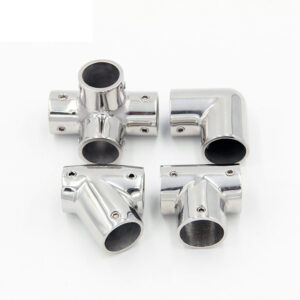
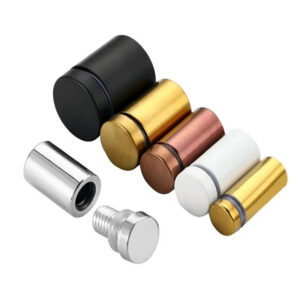
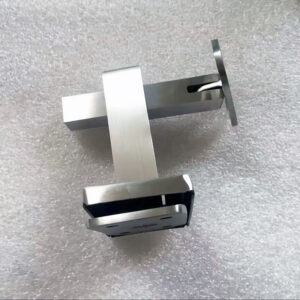
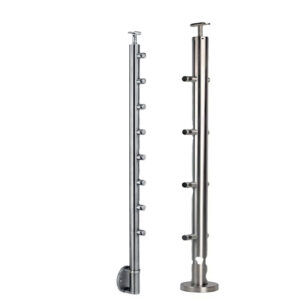
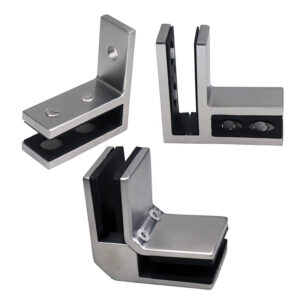
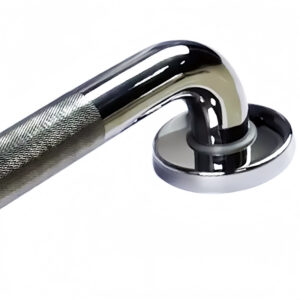
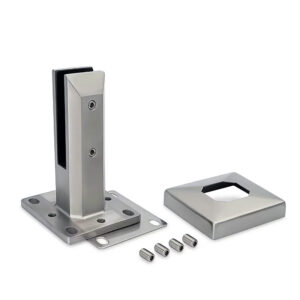
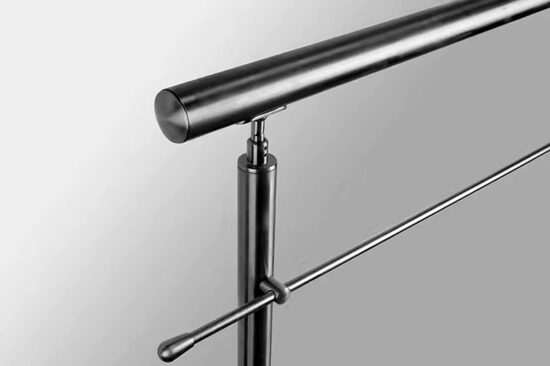
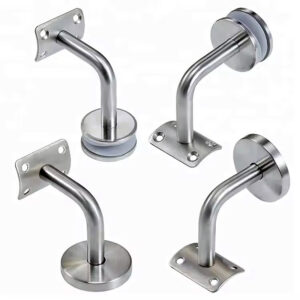
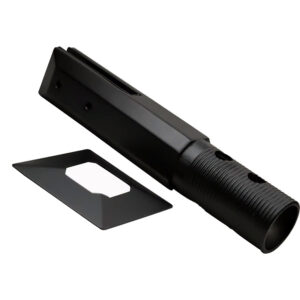
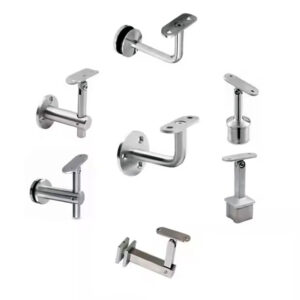
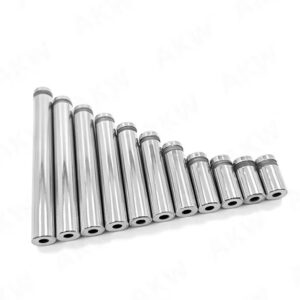
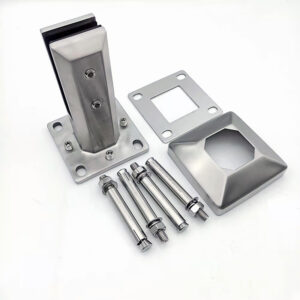
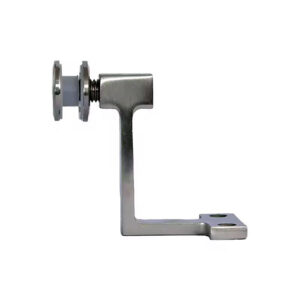
Het pas laat in het specificatieproces vaststellen van de vorm van de klemmen is een van de meest zekere manieren om extra werk aan het glas te veroorzaken bij een kozijnproject. Zodra de panelen zijn geboord en ingekerfd voor een bepaalde klemvorm, kan een wijziging van de vorm niet meer ter plaatse worden aangepast — dit dwingt tot opnieuw inkerven, vervanging van bewerkt materiaal of een vertraging in de planning terwijl de fabricage de achterstand inhaalt. Het risico is het grootst wanneer de vorm van de klem wordt beschouwd als een afwerkingsbeslissing in plaats van een structurele beslissing, en wordt uitgesteld tot nadat het profiel van de staander en de glasindeling al vastliggen. Dit kan worden opgelost door de vormkeuze in een vroeger stadium te behandelen: vastgelegd voordat het glas naar de fabricage gaat, afgestemd op het type staander en afgestemd op elke fase die het project uiteindelijk zal vereisen. De conclusie die dit artikel ondersteunt, is dat men moet weten welke vorm welke afhankelijkheden met zich meebrengt, en waar in de projectvolgorde die afhankelijkheden moeten worden geregeld.
De keuze van de vorm als factor bij de beslissing over installatie en vervanging
De vorm van de klem is niet alleen bepalend voor het uiterlijk. Ze bepaalt ook aan welke eisen het glas moet voldoen voordat de klem kan worden gemonteerd, waar de staander rekening mee moet houden en hoe gemakkelijk de bevestigingsmaterialen kunnen worden vervangen als een paneel tijdens de levensduur van het project beschadigd raakt.
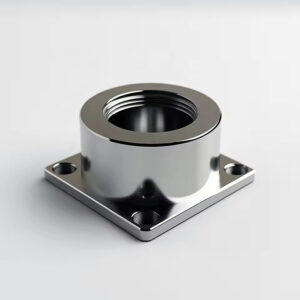
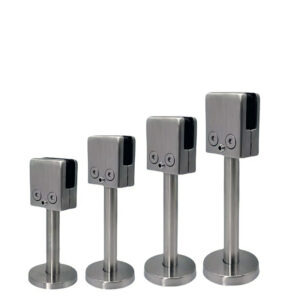
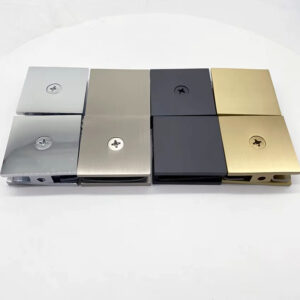
De meest ingrijpende vormgebonden afhankelijkheid betreft het uitsnijden van inkepingen. Vierkante klemmen met veiligheidspinnen vereisen twee inkepingen per glasplaat, die zo moeten worden geplaatst dat ze aansluiten bij de geometrie van de veiligheidspinnen van de klem. Die bewerkingsstap vindt plaats tijdens de fabricage, voordat het glas op de bouwplaats aankomt. Als de vorm van de klem na de fabricage verandert — omdat een distributeur een vervangend product levert, een specificatie uit fase twee afwijkt of een esthetische beslissing wordt teruggedraaid — kan het glas niet zomaar worden hergebruikt. Het moet ofwel opnieuw worden ingekerfd – wat vaak onpraktisch is voor gehard of warmteversterkt glas – of het wordt afgedankt. Ronde klemmen met pakkingcontact vereisen geen inkepingen, waardoor die specifieke herbewerkingsstap overbodig wordt. Dat is een echt voordeel bij projecten waarbij de glasspecificaties nog steeds veranderen op het moment dat de aanschaf van het beslag begint.
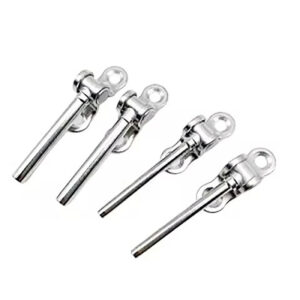
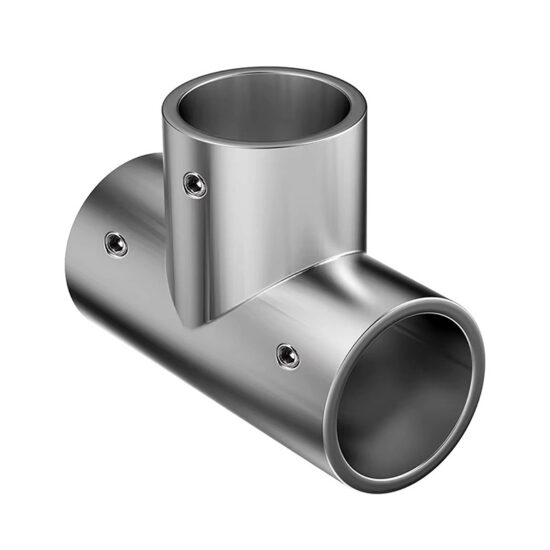
Ronde klemmen met optionele adapters voor buisbevestiging zijn ook geschikt voor verschillende paalprofielen — rond of vierkant — zonder dat het klemhuis zelf hoeft te worden vervangen. Die aanpasbaarheid vermindert de moeite bij een eventuele latere vervanging, maar geldt niet onvoorwaardelijk. De adapter moet overeenkomen met het daadwerkelijke paalprofiel, en die controle wordt vaak overgeslagen wanneer klemmen apart van de palen worden aangeschaft. Het voordeel van de aanpasbaarheid verdwijnt als bij de installatie de verkeerde adapter wordt gebruikt.
| Aspect | Gedrag van ronde klemmen | Gedrag van vierkante klemmen |
|---|---|---|
| Compatibiliteit met glazen inkepingen | Klemmen met pakkingen; inkepingen zijn niet nodig | Er zijn twee inkepingen per paneel nodig; door vormveranderingen na de bewerking moeten er opnieuw inkepingen worden aangebracht |
| Geschiktheid voor de functieomschrijving | Optionele adapters voor buismontage zijn geschikt voor diverse paalprofielen, waardoor de wrijving bij het vervangen wordt verminderd | Vaste montagevoet; beperkte aanpasbaarheid als het profiel van de paal afwijkt |
| Zichtbaarheid van de uitlijning | Verbergt kleine rotatieafwijkingen, waardoor aanpassingen op de lange termijn worden vergemakkelijkt | Maakt afwijkingen beter zichtbaar; sluit aan bij strakke architectonische lijnen |
Het verschil in uitlijningsgedrag heeft ook gevolgen verderop in het systeem. Ronde klemmen kunnen kleine rotatieafwijkingen opvangen zonder dat dit visueel opvalt — een nuttige eigenschap bij lange trajecten waar cumulatieve afwijkingen moeilijk volledig te elimineren zijn. Bij vierkante klemmen is dezelfde afwijking onmiddellijk zichtbaar, wat een nadeel is in architecturale toepassingen met vlakke lijnen, maar ook een signaal: zichtbare uitlijningsfouten bij vierkante bevestigingsmaterialen duiden vaak op een fout in het gatenpatroon stroomopwaarts of op een fout bij de montage achteraf, die bij ronde bevestigingsmaterialen verborgen zou zijn gebleven maar nog steeds aanwezig is.
Uitlijningstolerantie van ronde klemmen bij lange leuningtrajecten
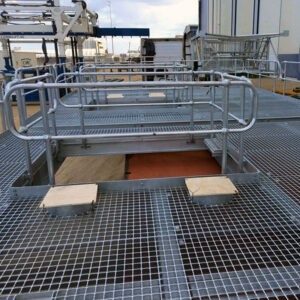
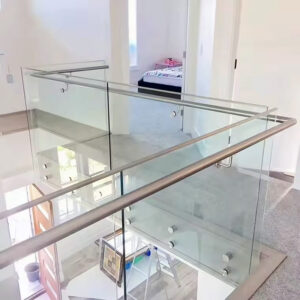
Bij lange leuningtrajecten — balkonranden, glazen trapleuningen die zich over meerdere bordessen uitstrekken, leuningen aan gevels van bedrijfsgebouwen — stapelen kleine uitlijningsfouten zich op. De toleranties voor de afstand tussen de staanders, de vlakheid van de ondergrond en de plaatsing van de verankeringen komen zelden exact overeen met de theoretische opzet, en het verschil tussen de theoretische en de werkelijke situatie neemt toe naarmate het aantal staanders toeneemt.
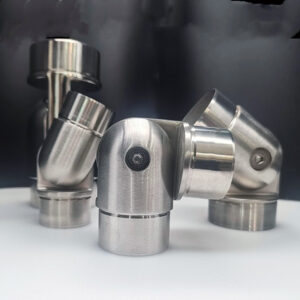
Ronde klemmen met een contactvlak van kunststof en een bevestiging via klinkmoeren bieden enige mogelijkheid om die afwijking op te vangen. Door de rotatiegeometrie van het klemlichaam leidt een kleine hoekafwijking niet tot een direct zichtbare verschuiving aan de glaszijde — de klem kan tijdens de montage lichtjes in rotatie worden bijgesteld om dit te compenseren. Dit is een praktisch compromis bij de montage, geen systeem voor precisietechniek of een tolerantiemethode die voldoet aan de bouwvoorschriften. De afstelling compenseert kleine fouten; het maakt een nauwkeurige uitlijning niet overbodig en het is geen vervanging voor een correcte plaatsing van de palen op trajecten waar de gespecificeerde uitlijningstolerantie krap is.
De praktische implicatie voor de inkoop- en installatieplanning is dat ronde klemmen de kosten van kleine uitlijningsfouten bij lange tracéën verlagen — wat betekent dat er minder correcties ter plaatse nodig zijn, minder opvulwerk en minder risico op een zichtbare cumulatieve verschuiving bij het laatste paneel. Dat voordeel moet worden afgewogen tegen de flexibiliteit bij de glasbewerking die in de vorige paragraaf is beschreven, en mag niet op zichzelf worden bekeken.
Waar ronde klemmen geen oplossing voor bieden, is een verkeerd gekozen adapter. Als de buisbevestigingsadapter is gespecificeerd voor een ronde paal en de paal in werkelijkheid vierkant is — of omgekeerd — biedt de rotatietolerantie van het klemlichaam geen uitkomst. De contactgeometrie klopt al vanaf het begin niet, en het verstelbereik van de klinkmoer kan dat verschil niet opvangen. Dit risico kan worden beperkt door het profiel van de paal te controleren vóór de aanschaf van de klemmen, en niet pas na levering.
Vierkante klembevestiging met staanders en strakke architectonische lijnen
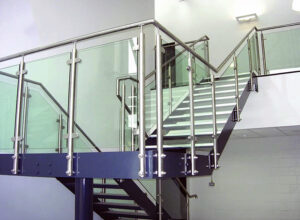
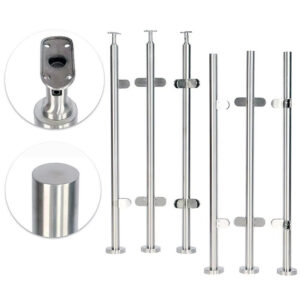
Vierkante klemmen sluiten naadloos aan bij rechtlijnige staanderprofielen en vlakke architectonische details. De vlakke zijden van het klemlichaam sluiten naadloos aan op het oppervlak van de staander, het glas en het omringende vlak, waardoor de geometrische vormentaal van de installatie wordt versterkt in plaats van onderbroken. Bij staander-en-leuning-systemen die zijn opgebouwd uit vierkante roestvrijstalen profielen — veelvoorkomend bij commerciële balustrades en moderne residentiële toepassingen — dragen vierkante klemmen bij aan een samenhangende visuele lijn die door ronde bevestigingsmaterialen zou worden verzacht of onderbroken.
Die visuele uitlijning gaat gepaard met strengere tolerantie-eisen. Door de vlakke contactvlakken van een vierkante klem is een rotatieafwijking direct zichtbaar: een klemlichaam dat zelfs maar enigszins niet haaks staat ten opzichte van het oppervlak van de paal, wordt als een defect beschouwd, terwijl dat bij een rond klemlichaam niet het geval is. Dit is een afweging op ontwerpniveau, geen risico op constructief falen op zich, maar het heeft wel concrete gevolgen voor de installatie. Het patroon van de paalgaten moet nauwkeurig worden geboord, de montagevoetafdruk moet overeenkomen met de geometrie van de klem en de plaatsing van de glasuitsparing moet compatibel zijn met de pakking voor de gespecificeerde glasdikte. Als een van deze drie elementen niet goed is uitgelijnd, ontstaat er een zichtbaar probleem dat niet ter plaatse kan worden verholpen door aanpassingen.
Bij projecten waarbij de architectonische stijl echt vlak en rechtlijnig is, zijn vierkante klemmen de juiste keuze — maar bij de montage moet er wel rekening worden gehouden met het feit dat ze afhankelijk zijn van een nauwkeurige voorbereiding in de voorafgaande fasen. Bij projecten waarbij men probeert vierkante klemmen te monteren met dezelfde tolerantie als bij ronde klemmen — die soms wat meer speling toestaan — zal het verschil in de uiteindelijke gevelafwerking duidelijk zichtbaar zijn.
Ook het aspect van de continuïteit van de afwerking speelt hier een rol. Vierkante klemvlakken hebben een groter vlak oppervlak, wat betekent dat de consistentie van de afwerking — borstelrichting, uniformiteit van de polijsting, eventuele variaties tussen productieseries — visueel meer opvalt dan bij een gebogen, rond profiel. Voor projecten waarbij de afwerking in alle fasen of tussen klemmen en staanders op elkaar moet aansluiten, is het de moeite waard om dit verschil in oppervlakte te controleren alvorens de specificaties vast te stellen. Meer informatie over het afstemmen van de afwerking bij roestvrijstalen leuningonderdelen wordt behandeld in Opties voor roestvrijstalen oppervlakteafwerking voor glazen trapleuningen: Geborsteld vs Spiegel vs Satijn.
Afstemming van reserveonderdelen tussen fasen en hoogteniveaus
Vervangingsfrictie doet zich doorgaans niet voor tijdens de eerste installatie. Deze treedt pas zes maanden of twee jaar later op, wanneer een paneel beschadigd raakt en het onderhoudsteam een klem moet vervangen — of wanneer een tweede bouwfase van start gaat en er een nieuwe inkooporder wordt geplaatst zonder dat daarbij naar de oorspronkelijke specificatie wordt verwezen.
De eis dat de geometrie in alle projectfasen op elkaar moet aansluiten, is een planningscriterium en geen wettelijke verplichting, maar de gevolgen van een fout zijn reëel: een vervangende klem met de verkeerde vorm past niet zonder aanpassingen, en een klem met de juiste vorm maar voor een verkeerd glasdiktebereik zorgt ervoor dat de daarvoor aangeschafte voorraad onbruikbaar wordt. De hier geleverde ronde klemmen zijn geschikt voor glas met een dikte tussen 8 en 12 mm; vierkante glasklemmen geschikt voor diktes van 3/8″, 1/2″ en 9/16″. Deze bereiken overlappen elkaar gedeeltelijk bij omrekening, maar zijn niet identiek. Bij een project waarbij in verschillende fasen glas met verschillende diktes wordt gebruikt — of waarbij tussen fasen wordt gewisseld van glasleverancier met afwijkende diktetoleranties — kan het voorkomen dat de oorspronkelijke specificatie van de klem niet meer past bij het vervangende glas.
| Checkpoint | Specificaties ronde klem | Specificaties vierkante klem | Risico bij inconsistentie |
|---|---|---|---|
| Geometrie van de klempaal | Het type paal (rond of vierkant) moet in alle fasen hetzelfde zijn | Dezelfde geometrie is vereist; adapters kunnen mogelijk niet achteraf worden gemonteerd als de vorm van de pen verandert | De vervangende klem past niet zonder aanpassingen |
| Bereik van de glasdikte | 8–12 mm | 3/8″, 1/2″, 9/16″ | Overtollige voorraad als de glasdikte per fase verschilt |
| Consistentie in vormgeving tussen de verschillende fasen | Vormen mogen niet door elkaar worden gebruikt; toekomstige reserveonderdelen moeten overeenkomen met de oorspronkelijke vorm van de klem | Dezelfde vereiste | Vervangingswrijving, herstelwerkzaamheden indien onderhoudsteams de oorspronkelijke geometrie niet kunnen evenaren |
De planningslogica die hieruit voortvloeit is eenvoudig, maar wordt vaak over het hoofd gezien: de vorm van de klem, de geometrie van de staander en de specificatie van de glasdikte moeten bij de eerste aanschaf als een op elkaar afgestemd geheel worden gedocumenteerd, en die documentatie moet toegankelijk zijn voor degene die de aanschaf in fase twee en het lopende onderhoud beheert. Wanneer die documentatie ontbreekt, gaan onderhoudsteams uit van benaderingen — dezelfde afwerking, ongeveer dezelfde afmetingen — en wordt de afwijking zichtbaar wanneer de vervangende klem niet vlak aansluit of de inkeping niet op de juiste plaats zit.
Bij meerfasige projecten of bouwprojecten met meerdere gevels waarin dezelfde stijl van balustrades wordt toegepast, neemt het risico toe. Het door elkaar gebruiken van ronde en vierkante klemmen op verschillende gevels – bijvoorbeeld omdat er tussen de fasen van leverancier is gewisseld – leidt tot een visuele inconsistentie die moeilijk op te lossen is zonder de bevestigingsmaterialen op een van de gevels volledig te vervangen. De kosten van een dergelijke correctie zijn vrijwel altijd hoger dan de kosten om de specificatie vanaf het begin vast te leggen.
Selectiepunt nadat het profiel van de staander en het gatenpatroon zijn vastgelegd
De meest betrouwbare manier om herwerkzaamheden in verband met klemmen te voorkomen, is door de vormkeuze te beschouwen als een beslissing die pas definitief kan worden genomen nadat aan drie voorafgaande voorwaarden is voldaan: het profiel van de steun is vastgelegd, het gatenpatroon ligt vast en de indeling van de glasboringen en inkepingen is compatibel met de geometrie van de pakking van de gekozen klem.
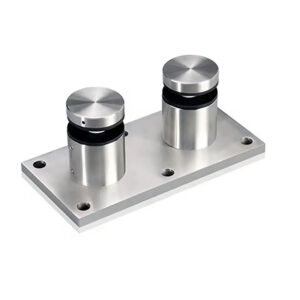
Bij vierkante klemmen moet de bevestigingsvoetafdruk op de paal overeenkomen voordat met de installatie wordt begonnen. Bij de installatiemethode met klinkmoeren moeten de gaten in de paal zo zijn gepositioneerd dat het klemlichaam er precies in past — er is geen aanpassing ter plaatse mogelijk om een verkeerd geplaatst gatenpatroon te corrigeren zonder nieuwe gaten te boren, wat bij een afgewerkte paal een zichtbaar defect en een potentieel corrosie-uitgangspunt veroorzaakt, afhankelijk van het materiaal en de afwerking van de paal. De afhankelijkheid van de plaatsing van de glasuitsparing maakt dit nog complexer: de positie van de uitsparing wordt tijdens de fabricage vastgelegd om te passen bij een specifieke pakking voor een specifieke glasdikte, en het vervangen van de klem nadat het glas is bewerkt, betekent dat de geometrie van de uitsparing mogelijk niet meer uitgelijnd is met de veiligheidspen en de pakkingopstelling van de nieuwe klem.
Bij ronde klemmen met adapters voor buisbevestiging moet vooraf worden gecontroleerd welk type paalprofiel er is. De adapter moet overeenkomen met de doorsnede van de paal (rond of vierkant) — het is een veelvoorkomende vergissing om het klemlichaam te kiezen zonder de adapter af te stemmen op de daadwerkelijke geometrie van de paal, en dit leidt tot een incompatibiliteit die ter plaatse niet kan worden opgelost zonder dat de juiste adapter voorhanden is.
| Bevestigingsitem | Van toepassing op | Gevolgen bij het niet nakomen |
|---|---|---|
| Het patroon van de bevestigingsgaten komt overeen met de inbouwafmetingen van de klem | Vierkante klemmen | Verkeerde uitlijning, herstelwerkzaamheden tijdens de installatie |
| Type profiel (rond of vierkant) bevestigd | Ronde klemmen met adapter voor buisbevestiging | Keuze van een ongeschikte klem, herstelwerkzaamheden |
| Boorpatroon voor glas en plaatsing van inkepingen, afgestemd op de pakkingen | Vierkante klemmen | Onverenigbaarheid van pakkingen, herstelwerkzaamheden |
De selectievolgorde waarmee deze risico’s op herbewerking worden vermeden, is als volgt: profiel van de staander bevestigen → gatenpatroon vastzetten → indeling van de glasboringen en inkepingen bevestigen → vorm van de klem selecteren. Elke stap in die volgorde die wordt voltooid nadat de daaropvolgende stap – waarover deze stap informatie zou moeten geven – al is uitgevoerd, leidt tot een risico op herbewerking dat evenredig is aan de voortgang van het fabricageproces. Glas dat al is geboord en ingekerfd voor vierkante klemmen, kan niet zonder nabewerking worden aangepast aan ronde klemmen. Palen met gatenpatronen die zijn geboord voor één bepaald bevestigingspatroon van een klem, kunnen niet netjes worden gecorrigeerd. Hoe eerder de vormkeuze wordt vastgelegd op basis van bevestigde voorafgaande omstandigheden, hoe kleiner het risico op nabewerking in elke volgende fase.
Voor projecten die zich in de specificatiefase bevinden, is de Overzicht van frameloze glazen balkonleuningen gaat in op de manier waarop keuzes met betrekking tot klemmen en staanders passen binnen de bredere systeemcontext voor frameloze toepassingen, wat nuttig kan zijn voordat het profiel van de staander definitief wordt vastgesteld.
De keuze tussen ronde glasklemmen en de keuze voor vierkante klemmen is evenzeer een beslissing over de volgorde van de bewerkingen als een ontwerpbeslissing. De vorm die bij het project past, is de vorm die vóór aanvang van de fabricage wordt afgestemd op het profiel van de staander, het gatenpatroon en de indeling van de glasbewerking — en niet achteraf wordt gekozen en aangepast. Ronde klemmen bieden meer tolerantie bij lange series en verminderen het risico van afhankelijkheid van inkepingen, maar brengen hun eigen vereiste voor het afstemmen van adapters met zich mee. Vierkante klemmen sluiten aan bij rechtlijnige architectuur en vlakke paalprofielen, maar vereisen een nauwkeurige voorbereiding in de aanloop en leggen de volgorde van de glasbewerking vast zodra deze is gespecificeerd.
Voordat een van beide vormen definitief wordt vastgesteld, moeten de volgende punten worden gecontroleerd: het type profiel van de staanders in alle aanzichten en fasen, de glasdikte en de boorindeling, de beschikbaarheid van reserveonderdelen met dezelfde geometrie en afwerking, en of de specificaties van de klemmen voldoende gedocumenteerd zullen zijn om de inkoop over twee jaar te ondersteunen. Dit zijn geen vragen over de installatie — het zijn vragen over inkoop en planning, en het beantwoorden ervan voordat het glas in productie gaat, is waar de uiteindelijke beslissing over de vorm daadwerkelijk wordt genomen.
Veelgestelde vragen
V: vWdl so aleh egrennoeeetzjagn mr tt wgmobeaaetd irkietaee bdes tdog lvws vrmao wn derereg ra rueied laikt?
A: Het glas kan doorgaans niet worden hergebruikt zonder nabewerking, en nabewerking is vaak onpraktisch of onmogelijk voor gehard of warmteversterkt glas. Bij vierkante klemmen zijn per paneel twee inkepingen nodig die moeten worden geplaatst in overeenstemming met de geometrie van de veiligheidspen van de klem — die plaatsing van de inkepingen wordt tijdens de fabricage vastgelegd. Als de vorm na de fabricage verandert, sluit de geometrie van de inkepingen mogelijk niet meer aan op de opstelling van de nieuwe klem, wat betekent dat het glas moet worden afgedankt of opnieuw moet worden ingekerfd. De enige manier om dit risico te vermijden, is de vorm van de klem vast te leggen voordat het glas wordt verwerkt, en niet daarna.
V: Als de glasdikte van een project tussen fase 1 en fase 2 verandert, kan dan dezelfde klemspecificatie worden overgenomen?
A: Niet automatisch — en dit is een van de meest voorkomende oorzaken van vastzittende voorraad bij meerfasige projecten. Ronde klemmen zijn geschikt voor glas met een dikte tussen 8 en 12 mm; vierkante klemmen zijn bestemd voor diktes van 3/8″, 1/2″ en 9/16″. Deze bereiken overlappen elkaar gedeeltelijk in omgerekende afmetingen, maar zijn niet identiek. Als in fase 2 een andere glasleverancier wordt gebruikt met andere diktetoleranties, of als de nominale dikte verandert, past de oorspronkelijk gekozen klem mogelijk niet meer op het vervangende glas, en kan de voor fase 1 aangeschafte voorraad niet zomaar worden gebruikt. Door bij de eerste aankoop de vorm van de klem, de glasdikte en de geometrie van de staander als een bij elkaar horende set vast te leggen — en bij elke volgende fase naar dat dossier te verwijzen — wordt deze mismatch voorkomen.
V: Is de rotatietolerantie van een ronde klem een betrouwbare oplossing wanneer de nauwkeurigheid na plaatsing te wensen overlaat?
A: Nee — de rotatietolerantie vangt kleine cumulatieve afwijkingen bij lange reeksen op, maar corrigeert geen fundamenteel onnauwkeurige uitlijning. Het aanpassingsvermogen van de klinkmoerbevestiging en de rotatiegeometrie van het ronde klemlichaam kunnen kleine hoekafwijkingen compenseren die zich over vele stijlen opstapelen. Het kan echter geen stijlen compenseren die aanzienlijk uit positie zijn, noch lost het een verkeerd afgestemde buisbevestigingsadapter op. Het gebruik van ronde klemmen als vervanging voor een nauwkeurige plaatsing van de staanders zal uiteindelijk leiden tot zichtbare uitlijningsfouten aan de glaszijde. Het voordeel van de tolerantie is een buffer tegen kleine variaties in de praktijk, niet een correctiemechanisme voor uitlijningsfouten.
V: Wanneer is vierkant beslag de verkeerde keuze, zelfs als de architectuur rechtlijnig is?
A: Vierkante klemmen vormen een risico wanneer de installatievolgorde geen betrouwbare, nauwkeurige voorbereiding in een eerder stadium kan garanderen — met name wanneer het patroon van de paalgaten niet precies vooraf kan worden bepaald, of wanneer de glasbewerking mogelijk moet worden aangepast nadat de uitsparingen al zijn aangebracht. De vlakke contactvlakken van een vierkante klem maken elke afwijking in uitlijning visueel duidelijk, in tegenstelling tot ronde klemmen, en er is geen aanpassing ter plaatse mogelijk om een verkeerd geplaatst gatenpatroon op een voltooide paal te corrigeren zonder een zichtbaar defect te veroorzaken. Projecten met strakke tijdschema’s, specificatiewijzigingen in een laat stadium of inkoopprocessen waarbij glas en beslag afzonderlijk worden ingekocht zonder dat de specificaties op elkaar zijn afgestemd, brengen een hoger risico op herstelwerkzaamheden met zich mee bij het gebruik van vierkant beslag, ongeacht de architectonische stijl.
V: Wat moet er, nadat de keuze tussen ronde en vierkante klemmen is gemaakt, worden gecontroleerd voordat een bestelling wordt geplaatst?
A: Voordat de bestelling wordt geplaatst, moeten vier punten achtereenvolgens worden gecontroleerd: het type paalprofiel voor alle hoogten en fasen, de glasdikte en de indeling van de boorgaten en inkepingen voor de gekozen klem, de beschikbaarheid van reserveonderdelen met dezelfde geometrie en afwerking gedurende de volledige looptijd van het project, en of de specificaties van de klem worden vastgelegd in een formaat dat over twee of meer jaar toegankelijk is voor degene die de inkoop voor onderhoud beheert. Het bevestigen van het paalprofiel is met name van cruciaal belang voor ronde klemmen met buismontageadapters, aangezien de adapter moet aansluiten op de daadwerkelijke dwarsdoorsnede van de paal — een stap die vaak wordt overgeslagen wanneer klemmen en palen afzonderlijk worden ingekocht. Het overslaan van een van deze bevestigingsstappen voordat de fabricage begint, vertaalt zich in extra kosten door herstelwerkzaamheden, vastzittende voorraad of zichtbare afwijkingen in een latere fase.