大多数在钢缆栏杆系统方面遇到问题的项目,其失败并非发生在安装阶段——而是在更早的规格制定阶段,当时对结构和布局的假设未经过核查,直到制造工作已经开始。例如:按标准尺寸订购的立柱无法承受实际的线载荷;端部配件被安装在物理上无法重新张紧的角落;或者将标准铝制组件指定用于沿海场地——这些都是在早期做出的决策,若在后期纠正,将付出高昂的代价。区分一个规格制定完善的钢丝栏杆项目与一个需要返工或出现调试意外的项目,关键在于:间距、立柱设计、端头布线以及现场条件是否在采购前(而非之后)得到了确认。仔细研读本指南的读者,将在开始切割或下单之前,更好地识别出自己的项目还需要进行哪些核查。.
首先要进行缆绳间距和立柱刚度检查
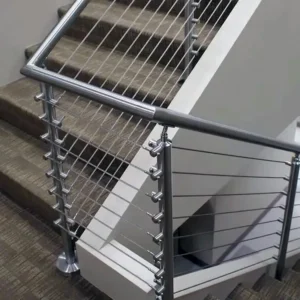
钢缆间距和立柱刚度并非细节问题——它们是决定其他所有布局决策的结构约束条件,如果在早期规格制定阶段忽略了这些因素,这往往是钢缆栏杆项目在进入制造阶段时就已经存在结构问题的主要原因。.
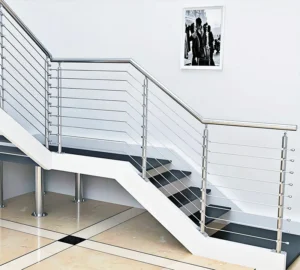
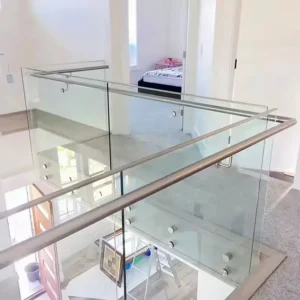
电缆之间的最大净间距为4英寸(100毫米),这是一个广泛应用的设计参数,源自各大建筑规范中普遍采用的球体试验原理。该参数确立了配电盘所需电缆线路数量的基准,进而决定了立柱间距和锚固载荷。在确定任何美观或布局方案之前,必须将该间距限制应用于拟定的配电盘高度,以便确定总电缆数量。如果在进行上述核查之前,仅基于外观优化立柱布局,该布局可能无法通过结构审查。.
立柱刚度是一个更为关键的变量,且通常被视为供应商的问题,而非设计问题。在护栏应用中,立柱通常需要承受0.5–1.0 kN/m范围内的水平线载荷,具体数值取决于建筑类别和适用管辖区域——但要正确应用这一范围,需要进行工程审查,因为实际阈值会有所不同。各建筑类别中的一致之处在于:尺寸过小的立柱在受力时会发生挠曲,从而导致缆索张力减小,这会在系统投入使用前就加剧维护问题。在最终确定布局之前明确立柱截面和基座连接细节,并非过度设计;而是确保结构与美学决策相互协调的必要核查。.
| 检查 | 要求 | 为何重要 |
|---|---|---|
| 电缆间距 | 通过球体试验的最大尺寸为4英寸(100毫米) | 确定立柱间距及电缆布线方案的可行性 |
| 立柱刚度(线载荷能力) | 立柱必须能承受0.5–1.0 kN/m的荷载,具体数值取决于建筑类别。 | 确保结构刚度,以满足护栏的荷载要求 |
这两项检查都应放在规范序列的开头,因为它们限制了实际可构建的布局,而不仅仅是图纸上看起来美观的布局。.
开放式布局的吸引力,却掩盖了长期存在的张力
让金属丝阳台栏杆值得在设计之初就纳入选型的透明感,并非一种永久状态——而是需要通过维护才能保持的状态。这一区别的重要性,远超买家在概念阶段通常的预期。.
钢丝绳会随着时间推移而松弛。气候变化、热胀冷缩以及所受载荷都会削弱安装时设定的张力。这并非缺陷,也不是质量指标;而是钢丝绳系统普遍存在的材料行为特征,无论其规格等级如何。实际后果是:如果设计中未预留重新张紧的通道和流程,那么在移交时看起来整洁紧绷的系统,可能在一到两个季节内就会出现肉眼可见的下垂。当初选择该系统所追求的开阔视野会逐渐消失,护栏对间距要求的符合度也可能随之下降。.
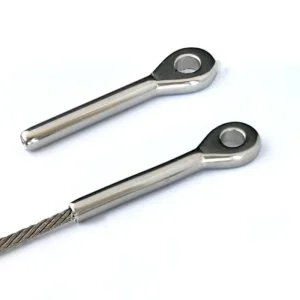
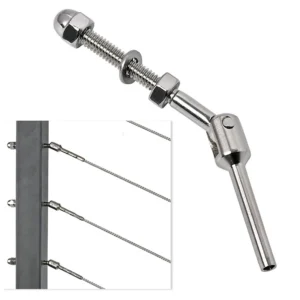
由此产生的设计决策并非是否接受电缆——而是端部接头的位置是否便于调整。那些被埋入饰面墙内、隐藏在饰面构件后方,或位于工具操作空间狭窄的角落处的接头,会带来维护需求,却缺乏切实可行的履行手段。在设计阶段未解决这一可维护性问题的项目中,延迟的张力调整往往会不断累积,直到系统的外观和结构状况恶化到必须更换部件而非进行例行维护的地步。.
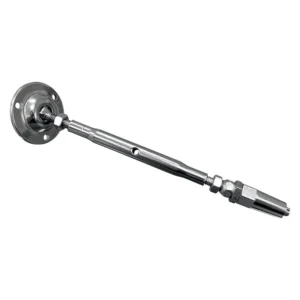
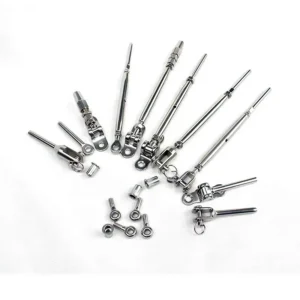
搭配一款坚固耐用的 缆索张紧系统, ……开阔视野的优势是持久的。如果缺乏相应的维护通道,这种优势就只是暂时的。那些将美学效果视为理所当然,而非需要持续维护的成果的买家,往往会在维护通道的细节上配置不足,而这正是真正问题开始的根源。.
金属丝填充结构与刚性防护结构的对比
金属丝填充在成本与维护的范畴中占据着特定的位置——虽然前期成本并非最低,但在针对相同应用场景的各种方案中,其持续成本通常最低。.
不锈钢缆索系统报告的每线性英尺$89–$260价格区间仅为规划参考数值,并非固定的市场价格,且涵盖了多种立柱规格、配件质量及安装复杂程度。该数值表明,就初始成本而言,钢丝栏杆相较于木质或锻铁栏杆在项目中的成本更高。仅根据初始明细项目评估选项的采购方,往往会一贯倾向于选择上述替代方案。而改变这种比较结果的关键在于生命周期成本:木材需要定期打磨、密封和重新涂漆,且随着年复一年的翻新周期累积,维护成本不断增加;锻铁则需要持续进行防腐处理,以应对无论初始涂层质量如何都会反复出现的锈蚀问题。不锈钢缆绳若维护得当,则能基本避免这两种问题。虽然长期成本更低,但需要数年时间才能在预算中体现出来。.
| 填充类型 | 前期成本(每线性英尺) | 长期维护费用 | 典型的维护任务 |
|---|---|---|---|
| 不锈钢缆绳 | 一到二百六十 | 较低(高耐腐蚀性) | 不定期清洁 |
| 木制栏杆 | 降低前期成本 | 较高(频繁翻新) | 定期打磨/涂漆 |
| 锻铁栏杆 | 降低前期成本 | 较高(持续腐蚀控制) | 防腐维护 |
对于正在比较不同选项的买家而言,其实际意义在于:正确的比较标准并非初始成本与初始成本的对比,而是设备预期使用寿命期间的总拥有成本与总拥有成本的对比。在潮湿或高湿度环境下,金属丝填充材料的结构性能也比木材更稳定,这一点在阳台应用中值得重点考虑——因为在阳台环境中,接触潮湿是常态,而非例外。.
使长距离铺设变得复杂的转角和端部细节
在长度较长且至少变向一次的阳台走道上,钢丝栏杆项目最常遇到在概念阶段未曾预料到的预算和工期问题。原因在于钢丝张力的物理特性。.
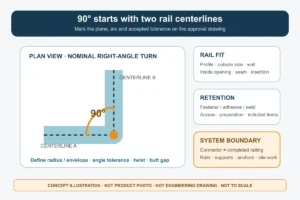
一条直线布设的电缆可以从一端或两端进行张紧。当该线路到达拐角处时,电缆无法简单地改变方向并保持相同的张力几何形状——要么在拐角立柱处终止并重新锚固,要么在布线过程中需要额外的硬件来改变电缆方向。这两种方案都会增加成本:终止并重新锚固意味着需要更多的端部接头、更多的张紧硬件以及更多的安装人工;改变走向则需要中间锚固组件,且转弯处的立柱细节设计会更加复杂。这两者都不是权宜之计——都是合理的设计方案——但都会增加单位成本,而这种成本增加是“直线铺设”定价方式所无法体现的。与简单的直线铺设相比,涉及多次方向变化的项目每线性英尺的硬件和人工成本会显著更高,这一差异应在布局方案获批前就纳入定价考量,而非在采购过程中才被发现。.
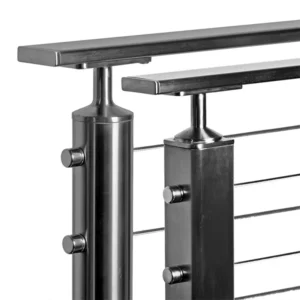
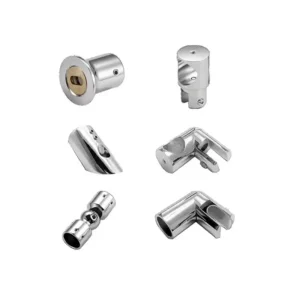
长跨度线路末端立柱的接头细节存在相关风险。末端立柱承受着该跨度内每根缆索累积的拉力——这是一种显著的集中荷载,标准的中间立柱截面可能并未按设计要求能够承受。如果仅为保持视觉一致性,在未进行荷载校核的情况下,将末端立柱的规格设定为与中间立柱截面一致,结果将是立柱在系统未完全受载前就因拉力而发生挠度。这种挠度会导致整个跨度内的缆索张力释放。在设计审查阶段发现这一问题无需任何成本;而在制造完成后进行纠正则代价高昂,甚至可能需要更换两端的所有立柱。.
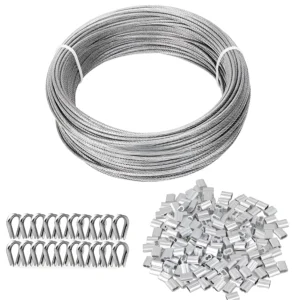
在评估复杂布局时,采购方应将转角数量和线长视为直接成本驱动因素,并要求提供详细的五金件工程量清单——包括 线缆组件硬件套件 应根据实际路线进行测算——在仅依据线性长度批准预算金额之前。.
维护容差使电线成为理想之选
钢丝栏杆是一种适合特定条件的系统,而最重要的条件并非审美偏好——而是现场环境和业主的维护承受能力是否与该系统实际的要求相匹配。.
对于内陆项目,每年清洁一至三次是一个切实可行的基准。这并非法规规定的维护计划,而是基于不锈钢缆索系统因空气中悬浮颗粒物、操作油污及环境暴露而积累表面污染物的情况所做出的合理预期。按照这一频率,不锈钢无需进行重大干预即可保持其耐腐蚀性和外观。对于大多数住宅和商业业主而言,这一维护要求是可承受的,而且与木材和铁制替代品所需的高频维护周期相比,其优势更为明显。.
沿海环境改变了这一考量。在距离海水约十英里范围内,氯化物暴露会加速腐蚀过程,而标准的铝制立柱部件和碳钢五金件在设计上无法抵御这种腐蚀。其失效模式并非渐进式的表面变色——而是电化学腐蚀,其发展速度快于常规检查周期的检测频率,导致紧固件和立柱连接处在出现可见预警迹象之前便已发生结构性劣化。到了这一阶段,该系统不再需要维护,而是需要更换。.
| 地点 | 年度清洁频率 | 经批准的栏杆系统 | 关键风险 |
|---|---|---|---|
| 内陆(非沿海) | 1–3次 | 所有标准系统(例如:带铝柱的Express系统) | 标准腐蚀风险;可控的维护工作 |
| Coastal (within 10 miles of saltwater) | More frequent cleaning required | Signature systems only (2205 stainless steel or Endurance powder coat) | Galvanic corrosion with standard Express components; premature failure possible |
Specifying a system rated for coastal exposure — 2205 duplex stainless steel components or powder coat systems engineered for chloride resistance — is a material selection decision driven by site conditions, not an upgrade for aesthetics. Treating it as optional in a coastal project, or assuming that more frequent cleaning compensates for an incompatible material system, is where coastal installations most predictably fail. The cleaning schedule manages surface contamination; it doesn’t fix a galvanic couple built into the hardware.
For buyers evaluating suppliers or comparing system specifications for coastal projects, the guidance in 首次批量订购前如何评估不锈钢栏杆供应商 covers the material and quality questions worth asking before committing to a source.
Wire railing performs well when the conditions that support it are confirmed before specification is finalized — post stiffness adequate for the actual load, cable spacing validated against the applicable code threshold, terminal and corner routing resolved at layout stage, and material system matched to the site’s exposure environment. When those conditions are present, the transparency and long-term maintenance economics of wire infill are genuine advantages. When they’re absent or assumed rather than verified, the system that looked right at concept stage tends to reveal its problems at commissioning or shortly after.
The decision that matters most before procurement is not which product to buy — it’s which project conditions still need a confirmed answer. Post engineering, fitting access for retensioning, corner hardware count, and coastal material compatibility are the four checks that most reliably separate a well-specified wire railing project from one that generates callbacks. Confirming all four before ordering eliminates the category of problem that no amount of installation skill can fix after fabrication.
常见问题
Q: The article focuses on balcony railings, but does the same specification logic apply to rooftop terraces or elevated walkways?
A: The core checks — cable spacing, post load engineering, terminal routing, and material compatibility — apply to any elevated guardrail application, but rooftop and walkway installations typically carry higher wind and dynamic load requirements than a standard residential balcony. The 0.5–1.0 kN/m line load range cited for guardrails is a starting reference; jurisdictions often impose stricter thresholds for publicly accessible or commercial-grade elevated surfaces. An engineering review specific to the application class is necessary before treating balcony-derived specifications as transferable.
Q: Once the four pre-procurement checks are confirmed, what should a buyer do immediately before placing a hardware order?
A: Request a hardware takeoff itemized to your actual cable routing — including corner count, run lengths, and terminal post locations — rather than accepting a linear-footage estimate. Corner and terminal conditions add fittings, tensioners, and labor that flat-run pricing doesn’t capture, and the gap between a rough estimate and an accurate count only becomes visible at procurement if you ask for the breakdown first. Approving a budget figure before that routing-specific takeoff is complete is the most common point where project cost surprises are locked in.
Q: At what project scale does wire railing’s higher upfront cost become justified against a lower-cost rigid alternative?
A: The crossover point depends on service life expectation rather than project size. Wire railing’s lifecycle cost advantage over wood or wrought iron builds over time as refinishing and anti-corrosion treatment cycles compound — typically becoming visible in a multi-year comparison rather than at the first maintenance interval. For short-term installations, temporary structures, or projects with a defined replacement cycle under five years, the upfront premium is harder to justify on economics alone. For permanent residential or commercial installations where the railing is expected to perform for ten or more years, the total ownership cost comparison generally favors stainless steel cable.
Q: Can increasing cleaning frequency substitute for upgrading to coastal-rated components on a site near saltwater?
A: No — cleaning frequency manages surface contamination but does not address galvanic corrosion driven by incompatible materials. When standard aluminum posts and carbon steel fasteners are paired with stainless steel cable in a chloride environment, the electrochemical reaction between dissimilar metals occurs at the connection interfaces regardless of how clean the surface is kept. Structural degradation of fasteners and post connections can progress faster than standard inspection intervals detect. Material compatibility — 2205 duplex stainless or a powder coat system engineered for chloride resistance — is a design requirement that cleaning schedules cannot replace.
Q: If end fittings are already positioned in tight or enclosed locations on an existing installation, is there a practical fix short of full replacement?
A: Retrofitting access is possible in some cases but depends on what’s physically blocking the fitting. If the constraint is finish cladding or a trim detail, selective removal and reinstallation of that element can restore tooling clearance without disturbing the structural assembly. If the fitting is routed through a structural member or cast into a detail that can’t be modified without affecting load paths, replacement of the terminal hardware and its anchorage is usually the only reliable resolution. Assessing which condition applies before attempting a fix avoids converting a maintenance problem into a structural one.