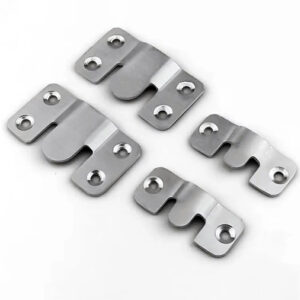
أنظمة درابزين الكابلات
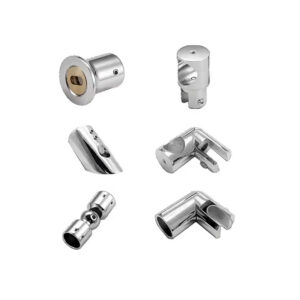
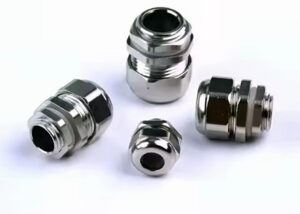
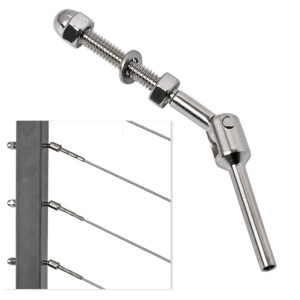
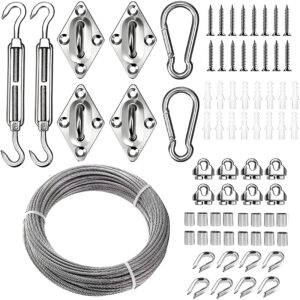
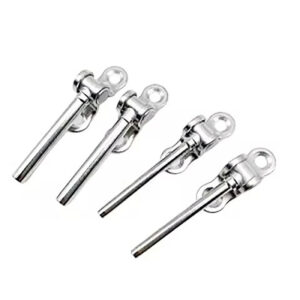
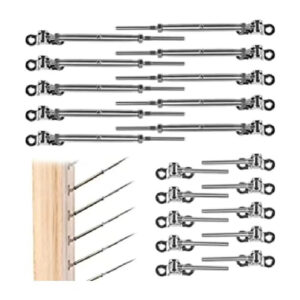
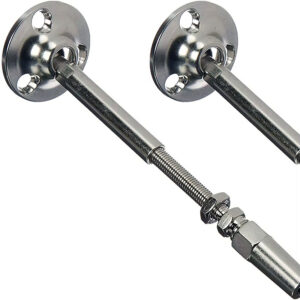
أنظمة درابزين الكابلات
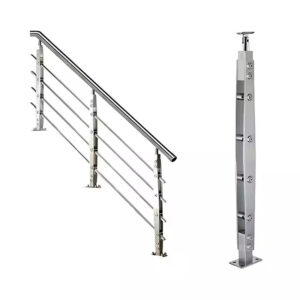
ESANG cable railing systems are designed for stainless steel railing projects that use horizontal or angled cable infill instead of glass panels, pickets, mesh, or solid panels. Cable railing is commonly used for stairs, balconies, decks, terraces, indoor railings, outdoor railings, and modern architectural projects where a clean and open view is required.
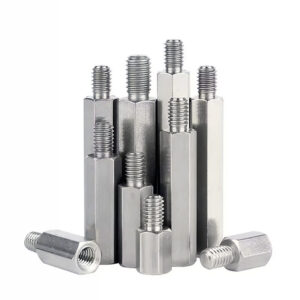
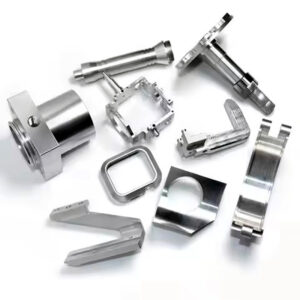
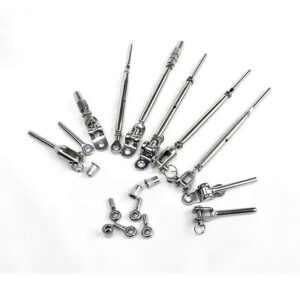
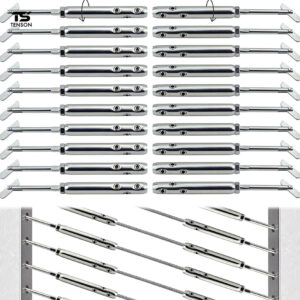
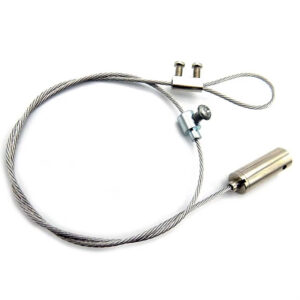
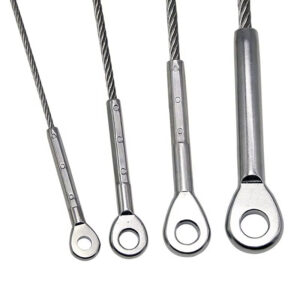
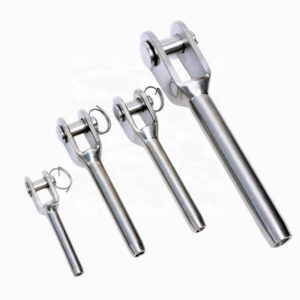
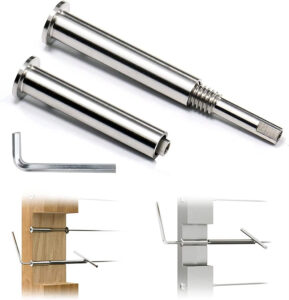
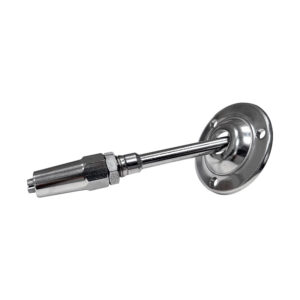
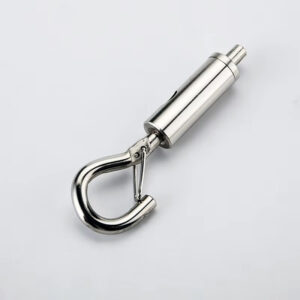
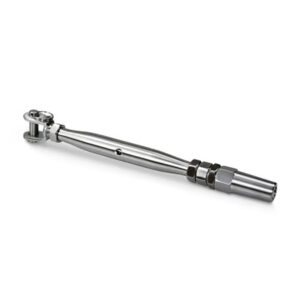
تشمل هذه الفئة تجهيزات الكابلات, أجهزة الشد والمشابك, تركيبات طرف الكابل, الأجهزة العابرة للوظيفة, ، و قضبان مباعدة الكابلات. These components work together to route, terminate, tension, and support stainless steel cables across the railing system.
For contractors, distributors, fabricators, and project buyers, cable railing selection should consider cable diameter, post layout, end termination, tensioning method, corner condition, material grade, surface finish, and installation environment. ESANG can supply and manufacture cable railing hardware according to drawings, samples, material requirements, finish requirements, and project installation conditions.
Cable Railing System Options
| الفئة | أفضل استخدام له هو | أسئلة أساسية حول الاختيار |
|---|---|---|
| تجهيزات الكابلات | General cable railing assemblies, cable connections, surface-mounted cable hardware, and hardware kits | What cable size is used? Is the system swaged, swageless, through-post, or surface-mounted? |
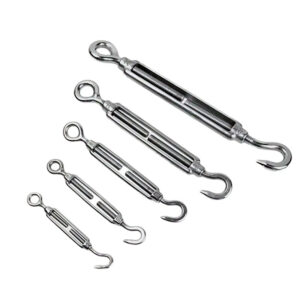
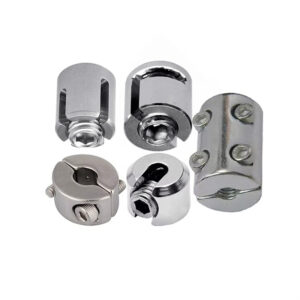
| أجهزة الشد والمشابك | Adjusting cable tension and maintaining cable alignment across railing runs | Where will the cable be tensioned, and how much adjustment is required? |
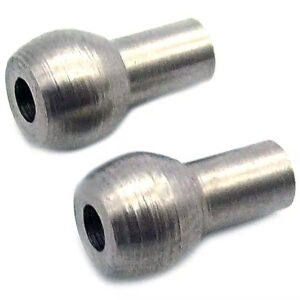
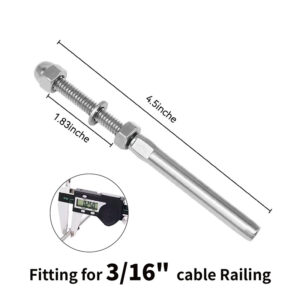
| تركيبات طرف الكابل | Terminating cables at end posts, corners, and connection points | Should the cable end use a stop, swaged terminal, threaded terminal, ball end, fork end, or eye end? |
| الأجهزة العابرة للوظيفة | Cable runs passing through intermediate posts, terminal posts, and corner posts | Will the cable pass straight through the post, change direction, or terminate at the post? |
| قضبان مباعدة الكابلات | Intermediate cable support and spacing control between posts | Is additional support needed to maintain cable spacing, alignment, or opening limits? |
How to Choose Cable Railing Hardware
Cable railing hardware should be selected according to how the cable starts, passes through the railing, changes direction, and terminates. A straight balcony run, a stair run, and a corner layout may require different fittings even when the same cable diameter is used.
| حالة المشروع | الاتجاه الموصى به | ما أهمية ذلك |
|---|---|---|
| The cable needs adjustable tension | Use cable tensioners, turnbuckles, or adjustable cable tensioning hardware | Proper tension helps maintain cable alignment and reduces sagging over the railing run. |
| The cable terminates at an end post | Use suitable cable end fittings such as threaded terminals, swaged terminals, fork ends, eye ends, or cable stops | End termination must match the post design, cable type, and installation method. |
| The cable passes through intermediate posts | Use through-post cable hardware or pass-through fittings | Pass-through details help protect the cable and improve alignment through the post. |
| يتغير اتجاه الكابل عند الزاوية | استخدم تجهيزات تثبيت الكابلات الخاصة بالأعمدة الزاوية أو تفاصيل التوجيه الخاصة بالمشروع | Corner conditions affect cable tension, friction, hole alignment, and hardware selection. |
| The railing span needs extra cable support | Use cable spacer bars or intermediate cable spacers | Spacer bars help maintain cable spacing and reduce excessive cable deflection between posts. |
| يُنفذ المشروع في الهواء الطلق، أو على الساحل، أو بجانب المسبح، أو في بيئة رطبة | Consider 316 stainless steel cable hardware and suitable maintenance requirements | تكتسب مقاومة التآكل أهمية أكبر في البيئات الرطبة أو المعرضة للكلوريد. |
Cable Routing, Tensioning, and Termination
The performance of a cable railing system depends on the relationship between routing, tensioning, and termination. If these details are not planned together, the system may be difficult to install, adjust, or maintain.
| Design factor | ما الذي يجب التأكد منه | الأجهزة ذات الصلة |
|---|---|---|
| Cable routing | Whether cables run straight, through intermediate posts, around corners, or along stairs | Through-post fittings, corner post hardware, pass-through hardware |
| Cable tensioning | Where tension adjustment is located and how much adjustment range is required | Cable tensioners, adjustable cable tensioners, turnbuckles, swageless tensioners |
| Cable termination | How each cable end is fixed at the terminal post or connection point | Threaded terminals, swaged terminals, cable stops, fork ends, eye ends, ball ends |
| المسافة بين الكابلات | How cable spacing is maintained across the railing run | Intermediate spacers, adjustable spacer systems, multi-cable spacer assemblies |
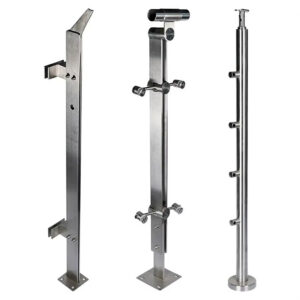
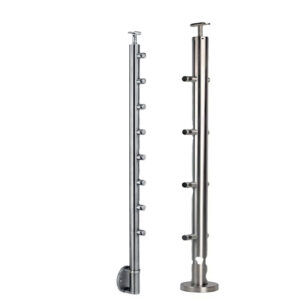
| Post compatibility | Whether the post is round, square, rectangular, terminal, intermediate, or corner type | Cable-ready stainless steel posts, drilled posts, terminal posts, corner posts |
المواد والتشطيبات والتصنيع حسب الطلب
ESANG cable railing hardware can be supplied or manufactured according to project requirements, including material grade, cable size, fitting type, thread detail, surface finish, post connection method, packaging requirements, and installation conditions.
| الخامة أو التشطيب | الاستخدام النموذجي | الملاحظات |
|---|---|---|
| فولاذ مقاوم للصدأ 304 | Interior cable railing systems, commercial interiors, residential stairways, and dry environments | A common choice for many indoor railing projects. |
| 316 فولاذ مقاوم للصدأ | درابزينات الكابلات الخارجية، والمشاريع الساحلية، والمناطق المحيطة بالمسابح، والطوابق الخارجية، والتراسات، والبيئات الرطبة | عادةً ما يُفضل استخدامه في الحالات التي تتطلب مقاومة أفضل للتآكل. |
| فولاذ 316L المقاوم للصدأ | المشاريع التي تتطلب قابلية لحام محسّنة أو أداءً أعلى في مقاومة التآكل | مناسب عندما تتطلب المواصفات استخدام الفولاذ المقاوم للصدأ منخفض الكربون. |
| تشطيب مصقول أو ساتاني | Commercial railings, decks, balconies, and most architectural cable railing projects | يساعد على تقليل ظهور علامات الاستخدام الطفيفة وبصمات الأصابع. |
| تلميع المرآة | تطبيقات زخرفية أو تطبيقات متميزة مختارة | يمنح مظهرًا أكثر إشراقًا، لكنه يتطلب مزيدًا من العناية في الاستخدام والتنظيف. |
For non-standard cable railing projects, customers can provide drawings, cable diameter, post type, hole layout, terminal condition, tensioning method, finish requirements, and project environment. ESANG can review the requirements and manufacture hardware to match the project specification where feasible.
Compatibility with Posts, Handrails, and Mounting Hardware
Cable railing hardware must be selected together with posts, handrails, and mounting details. The same cable fitting may perform differently depending on whether it is installed on an intermediate post, terminal post, corner post, stair post, or surface-mounted structure.
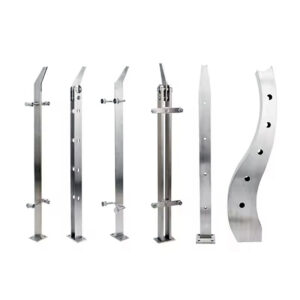
- For cable-ready post systems, hardware should be coordinated with أعمدة من الفولاذ المقاوم للصدأ, terminal posts, corner posts, and intermediate posts.
- For post-mounted railing systems, cable hardware may need to work with درابزين تثبيت العمود and top rail components.
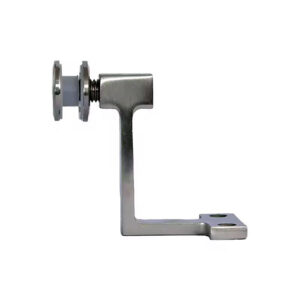
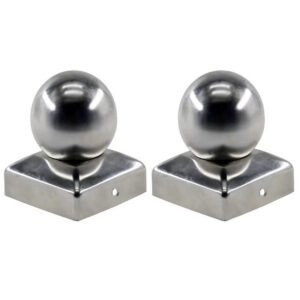
- For post fixing and installation, cable railing projects may require compatible تركيب الأجهزة والتثبيت, base plates, and post caps.
- For cable direction changes, corner posts and multi-angle cable tensioners should be reviewed together.
- For longer cable spans, spacer bars or intermediate support components may be needed to help maintain cable spacing.
Swaged and Swageless Cable Hardware
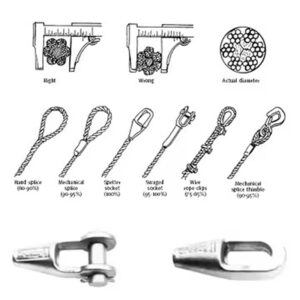
Cable railing projects may use swaged or swageless hardware depending on the installation method, tools, and project requirements. Swaged cable terminals are typically mechanically compressed onto the cable, while swageless fittings are designed to be assembled without traditional swaging equipment.
| Hardware style | الاستخدام النموذجي | ما الذي يجب التأكد منه |
|---|---|---|
| أطراف الكابلات المتأرجحة | Factory-prepared or tool-compressed cable assemblies | Cable diameter, terminal type, swaging method, and finished length |
| تجميعات الكابلات الخالية من الصمامات | Projects where on-site assembly or tool reduction is preferred | Cable compatibility, assembly sequence, tensioning method, and installer experience |
| شدادات الكابلات الخالية من الصمامات | Adjustable cable systems that require tensioning without swaged terminals | Thread range, adjustment range, cable diameter, and end post condition |
التخصيص وفقًا لمتطلبات المشروع
Many cable railing systems are manufactured according to project drawings and installation requirements. ESANG can support custom cable fittings, cable tensioners, turnbuckles, end terminals, through-post hardware, cable spacer bars, surface mount hardware, and cable assembly hardware kits.
When a project has standard-oriented requirements related to guardrail height, opening limitations, cable spacing, post spacing, material grade, or corrosion resistance, customers should provide the required drawings and specifications. ESANG can manufacture cable railing components to match those provided details, while final compliance depends on the complete installed system, structural design, installation method, and applicable local code.
اعتبارات التثبيت والمشروع
Cable railing systems are sensitive to layout, tension, post spacing, cable spacing, and corner handling. Hardware selection should be reviewed together with the complete railing assembly rather than as isolated fittings.
- Cable diameter and construction
- Post type, post spacing, and hole layout
- Terminal post and corner post design
- Tensioner location and adjustment range
- End fitting type and installation method
- Through-post routing and pass-through protection
- Cable spacing and spacer bar requirements
- Handrail or top rail connection
- درجة جودة المواد المخصصة للاستخدام في الأماكن المغلقة أو في الهواء الطلق أو في المناطق الساحلية أو بجوار حمامات السباحة
- متطلبات قوانين البناء المحلية ومواصفات المشروع
For public-access, commercial, stair, balcony, and deck projects, the complete cable railing system should be reviewed by the project designer, engineer, contractor, or local authority. ESANG can manufacture hardware to match provided project requirements, but final compliance depends on the installed assembly and applicable code.
سيناريوهات التطبيق
Deck and Terrace Cable Railings
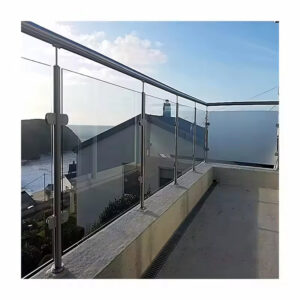
Deck and terrace cable railings are often selected for open views and a modern appearance. Hardware selection should consider post spacing, cable tension, outdoor exposure, fastener material, and surface finish.
Balcony Cable Railing Systems
Balcony cable railing projects may require careful coordination between terminal posts, corner posts, tensioners, cable end fittings, and handrail or top rail components. Material grade and finish should be selected according to the environment.
درابزينات السلالم المصنوعة من الكابلات
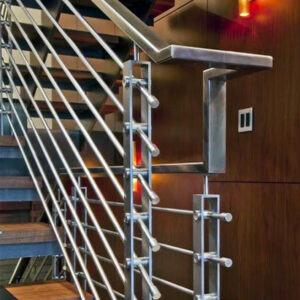
Stair cable railing systems require more attention to angle, cable alignment, post hole layout, and end termination. Multi-angle tensioners, through-post fittings, and custom post drilling may be needed depending on the stair geometry.
Indoor Cable Railings
Indoor cable railing systems are commonly used for modern residential stairs, commercial interiors, lofts, and office spaces. 304 stainless steel may be suitable for many dry indoor projects, while finish and handrail compatibility remain important.
درابزينات الكابلات الخارجية والساحلية
Outdoor, coastal, poolside, and humid environments require greater attention to corrosion resistance and cleaning. 316 or 316L stainless steel is often considered for cable railing hardware exposed to moisture or chloride conditions.
فئات المنتجات ذات الصلة
- تجهيزات الكابلات
- أجهزة الشد والمشابك
- تركيبات طرف الكابل
- الأجهزة العابرة للوظيفة
- قضبان مباعدة الكابلات
- أعمدة من الفولاذ المقاوم للصدأ
- تركيب الأجهزة والتثبيت
- درابزين تثبيت العمود
الأسئلة الشائعة
What components are included in a cable railing system?
A cable railing system may include stainless steel cable, cable tensioners, turnbuckles, end fittings, through-post fittings, spacer bars, terminal posts, intermediate posts, corner posts, handrails, and mounting hardware. The exact component list depends on the layout and installation method.
What is the difference between cable tensioners and cable end fittings?
Cable tensioners are used to adjust and maintain cable tension. Cable end fittings terminate the cable at the end of a railing run or connection point. Some fittings may combine termination and tensioning functions, depending on the design.
When should I use through-post cable hardware?
Through-post cable hardware is used when cables pass through posts instead of attaching to the surface of the post. It is commonly used for intermediate posts, some terminal post layouts, and clean cable routing designs.
ما هي استخدامات قضبان التباعد الخاصة بالكابلات؟
Cable spacer bars provide intermediate support between posts and help maintain cable spacing and alignment. They may be useful when post spacing, cable deflection, or opening control needs additional support.
What is the difference between swaged and swageless cable fittings?
Swaged fittings are typically compressed onto the cable using suitable tools or factory processes. Swageless fittings are designed for assembly without traditional swaging equipment. The right choice depends on cable diameter, installation method, tools, and project requirements.
هل يجب أن أختار الفولاذ المقاوم للصدأ 304 أم 316 لتجهيزات الدرابزين الكبلي؟
يُستخدم الفولاذ المقاوم للصدأ 304 عادةً في البيئات الداخلية والجافة. أما الفولاذ المقاوم للصدأ 316 فيُفضل استخدامه عادةً في البيئات الخارجية، أو الساحلية، أو بجانب حمامات السباحة، أو الرطبة، أو التي تتسم بدرجة تآكل أعلى. وينبغي اختيار النوع النهائي وفقًا لبيئة المشروع ومواصفاته.
هل يمكن لشركة ESANG تخصيص تجهيزات الدرابزين الكبلي؟
نعم. يمكن لشركة ESANG توفير تركيبات الكابلات المخصصة، والمطاريف الطرفية، وأجهزة الشد، والمشابك، وتركيبات العبور عبر الأعمدة، وقضبان التباعد، وتركيبات التثبيت السطحي، ومجموعات تجميع الكابلات وفقًا للرسومات والأبعاد ودرجة جودة المواد والتشطيب وشروط التركيب.
هل يمكن استخدام تركيبات الدرابزين الكبلي مع الأعمدة المصنوعة من الفولاذ المقاوم للصدأ؟
نعم. تُستخدم تركيبات الدرابزين الكبلي بشكل شائع مع الأعمدة المصنوعة من الفولاذ المقاوم للصدأ. يجب تأكيد نوع العمود، وتوزيع الثقوب، وحالة الأطراف الطرفية، ومسار الكابلات، وتفاصيل الزوايا قبل الإنتاج أو الطلب.
ما هي المعلومات المطلوبة لتقديم استفسار بشأن تجهيزات الدرابزين الكبلي؟
تشمل المعلومات المفيدة للاستفسار قطر الكابل، وتصميم الدرابزين، ونوع الأعمدة، والمسافة بين الأعمدة، والمسافة بين الكابلات، وحالة الأعمدة الطرفية والأعمدة الزاوية، وطريقة الشد، ودرجة جودة المواد، والتشطيب، والكمية، والرسومات، وبيئة المشروع.
كيف يجب صيانة تجهيزات الدرابزين الكبلي المصنوعة من الفولاذ المقاوم للصدأ؟
يتم التنظيف الروتيني عادةً باستخدام منظف معتدل وماء نظيف وقطعة قماش ناعمة. تجنب استخدام المنظفات التي تحتوي على الكلور والصوف الفولاذي والأدوات الكاشطة. يجب تنظيف المنشآت الخارجية والواقعة بجانب حمامات السباحة والساحلية بشكل أكثر انتظامًا للحد من تلوث الأسطح والحفاظ على مظهرها.
منشورات ذات صلة:
Pier and Dock Railing Layout: Posts, Infill, Access, and Mounting
Plan pier and dock runs around post locations, infill modules, corners, gates, access routes, substrate edges, and mounting responsibility.
Coastal Railing Exposure: Salt Air, Splash, and Cleaning Access
Separate airborne salt, direct splash, retained wetness, deposits, and cleaning access before choosing coastal railing materials and details.
Replacing Core-Mounted Posts With Surface Bases: Precheck
Check the existing opening, slab condition, edge geometry, drainage, and revised load path before converting an embedded post to a surface base.
Railing Post Base RFQ Checklist for Project Buyers
Request comparable base hardware, substrate inputs, finishes, drawings, anchor boundaries, samples, and inspection documents in one project RFQ.
Adjustable Railing Post Bases for Sloped or Uneven Surfaces
Compare adjustable bases against the actual slope, bearing surface, leveling range, finish interface, and fixing access before selecting a detail.
Railing Post Base Anchors: Inputs for Engineering Review
Define substrate, geometry, loads, exposure, and anchor evidence before engineering review so a hardware label is not mistaken for a connection design.
مشاريع إيسانج

شهادة إيسانج
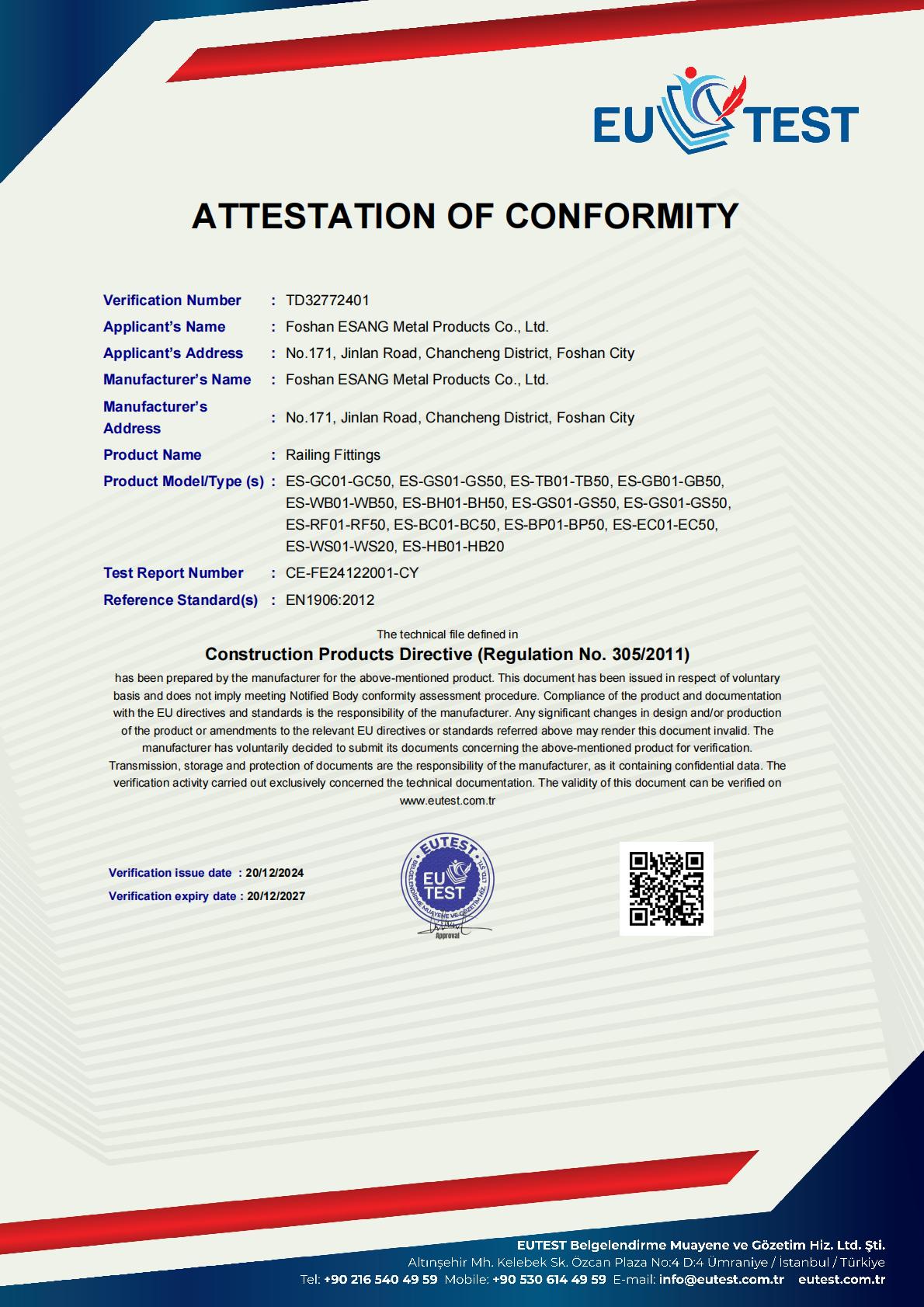
تفخر شركة فوشان إسانج للمنتجات المعدنية بما يلي شهادة CE (التحقق رقم TD3272772401) بموجب توجيه منتجات البناء (اللائحة رقم 305/2011)، مما يؤكد التزامنا بأعلى معايير السلامة والجودة الأوروبية.
مجموعة المنتجات المعتمدة:
مجموعة تجهيزات الدرابزين الشاملة التي نقدمها - بما في ذلك المشابك الزجاجية وأجهزة الشد والأقواس وحوامل الحائط وأحذية القاعدة وتجهيزات الدرابزين وأجهزة الكابلات ومكونات العمود - تلبي EN1906:2012 المعايير، مما يضمن السلامة الهيكلية وموثوقية الأداء في جميع المنشآت.
ماذا يعني ذلك بالنسبة لمشروعك:
✓ الامتثال التنظيمي الكامل للأسواق الأوروبية والدولية
✓ أداء السلامة والمتانة الذي تم التحقق منه بشكل مستقل
✓ دعم التوثيق للمواصفات المعمارية
✓ راحة البال من ضمان الجودة من طرف ثالث
الشهادة صالحة حتى عام 2027 | تقرير الاختبار: سي-إي 2412122001-سي
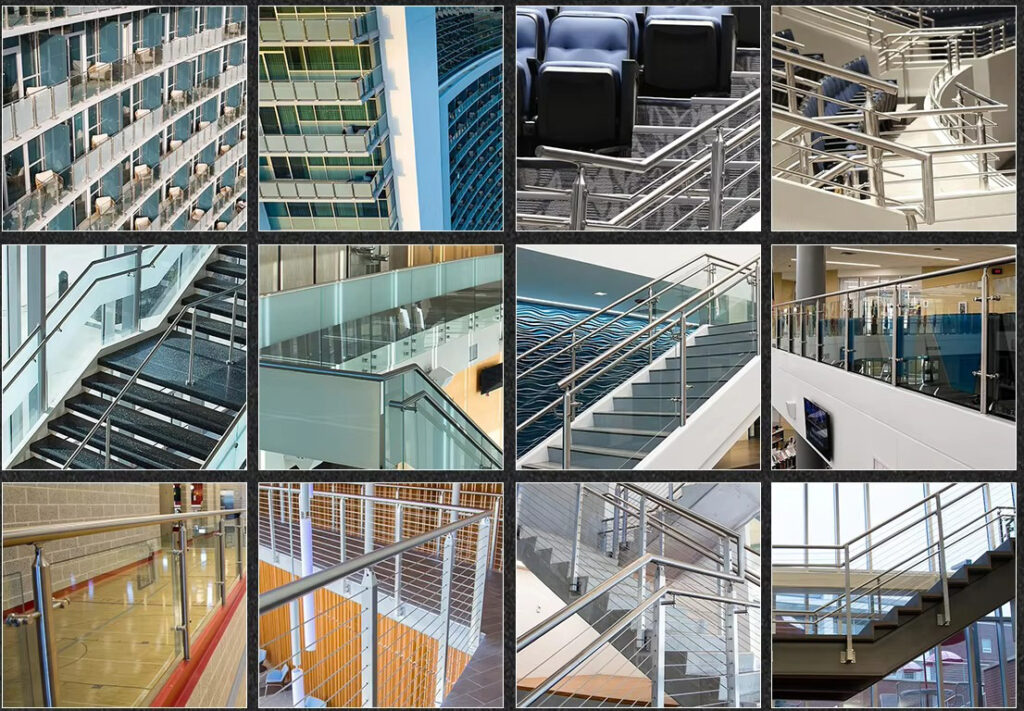
مشاريع إيسانج

المنتجات المرجعية