De meeste specificatieproblemen met metalen balustrades voor buiten komen pas aan het licht als de fabricage al in volle gang is. Een aannemer ontdekt dan bijvoorbeeld dat de verankeringszone niet geschikt is voor het paalformaat dat in de conceptschets was aangenomen, of dat het mondeling overeengekomen afwerkingsniveau in strijd is met wat de fabrikant schriftelijk heeft opgegeven. Op dat moment is herstelwerk geen theoretisch risico meer — het is een kostenpost die al voor de installatie van het eerste paneel een aanslag vormt op het reservebedrag. De beslissingen die dit voorkomen, worden in een vroeg stadium en in een specifieke volgorde genomen: eerst de blootstellingsklasse, vervolgens het type vulling, daarna de bevestigingswijze en pas daarna de gedetailleerde prijsopgave. Inkopers die deze volgorde aanhouden, krijgen vergelijkbare offertes; inkopers die achteruit werken vanuit een visuele referentie, komen er vaak achter dat geen twee offertes hetzelfde eindproduct vergelijken.
Belichtings- en randvoorwaarden die de basisspecificatie bepalen
De blootstellingsomstandigheden vormen het juiste uitgangspunt voor elke specificatie van een balkonleuning, niet omdat één enkele norm een universele kwaliteitsdrempel op basis van het klimaat voorschrijft, maar omdat windbelasting, contact met water, UV-intensiteit en vries-dooicycli elk verschillende spanningspatronen in het materiaal veroorzaken. Een leuning op een woonterras in het binnenland, dat te maken heeft met seizoensgebonden regen, wordt geconfronteerd met een fundamenteel andere gebruiksomgeving dan een leuning op een gebouw aan zee, waar zouthoudende lucht voortdurend in contact komt met het metalen oppervlak. ISO 9223:2012 biedt een nuttig kader voor het categoriseren van atmosferische corrosiviteit — de klassen C1 tot en met C5 en CX geven weer hoe omgevingsfactoren samenwerken om corrosie te versnellen — en hoewel de norm geen specifieke legeringskwaliteiten voor balkontoepassingen voorschrijft, helpt deze kopers de ernst van de blootstelling in termen te vatten die direct vertaald kunnen worden naar de keuze van het beslag.
De randvoorwaarden zijn net zo belangrijk als de bredere klimaatcategorie. Een balkon dat uitsteekt boven een rijbaan, boven een zwembadterras ligt of is blootgesteld aan de heersende wind vanaf het water, zal oppervlakteverontreinigingen op een andere manier ophopen dan een beschutte balustrade in de binnenplaats op hetzelfde adres. Stilstaand water in de verbindingen van paalvoeten of rond verankeringsmaterialen is een veelvoorkomende factor die defecten versnelt en die niet naar voren komt in een algemene klimaatbeschrijving. Daarom is het de moeite waard om in dit stadium, naast de keuze van de kwaliteit, ook de afwateringsruimte en het ontwerp van de voetplaat te specificeren, in plaats van dit uit te stellen tot de fabricagefase.
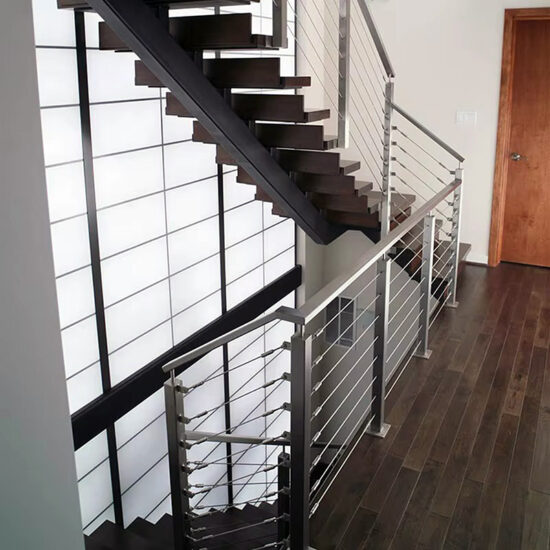
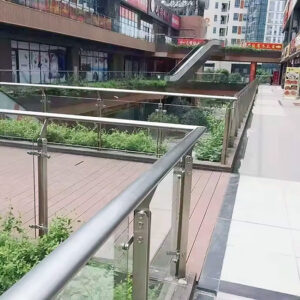
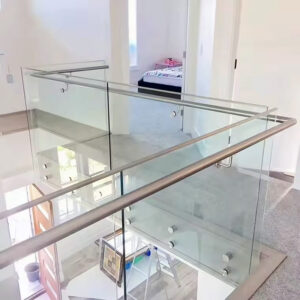
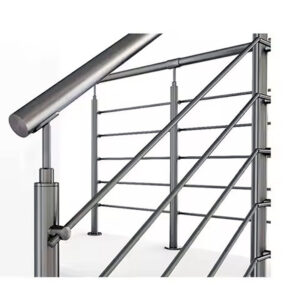
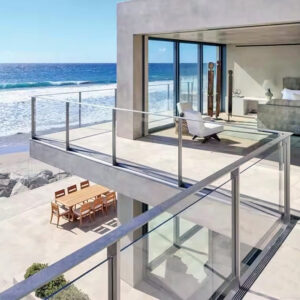
Wanneer kinderen gebruik zullen maken van het balkon, wordt de oriëntatie van de vulling al in dit vroege stadium in de specificaties opgenomen. Verticale vullingselementen die zo zijn geplaatst dat er geen houvast is, vormen een veiligheidsgericht ontwerpcriterium — geen algemeen vastgelegde regel — maar de praktische noodzaak om hieraan te voldoen is zo groot dat dit als standaard moet worden beschouwd voor woonprojecten. De parallelle afweging tussen glazen vulling en roestvrijstalen vulling hoort hier ook thuis: glas maakt de gevel open en past bij projecten waarbij het uitzicht een belangrijk kenmerk is, terwijl roestvrijstalen vulling een ander visueel gewicht biedt en de onderhoudsvereisten vermijdt die gepaard gaan met blootliggende glaspanelen in omgevingen met veel vuil of veel pollen. Die keuze bepaalt de soorten verbindingselementen, de afmetingen van de staanders en de geometrie van de leuningen, dus als deze keuze na deze fase open blijft, zorgt dat voor extra onzekerheid in alle verdere stappen.
Vroege ontwerpkeuzes die conflicten op het gebied van ankerpunten en afwerking veroorzaken
De meest voorkomende oorzaak van herstelwerk bij projecten voor buitenleuningen is niet een fabricagefout, maar een ontwerp dat is goedgekeurd voordat de constructieve bevestigingsmethode was vastgesteld. Het type bevestiging, de oriëntatie van de vulling en het afwerkingsniveau zijn keuzes die op het eerste gezicht stilistisch lijken, maar gevolgen hebben voor de inkoop en de constructie. Als hierover onduidelijkheid blijft bestaan, leidt elk van deze aspecten tot een soort conflict dat pas zichtbaar wordt wanneer de fabricagetekeningen worden vergeleken met de constructietekeningen.
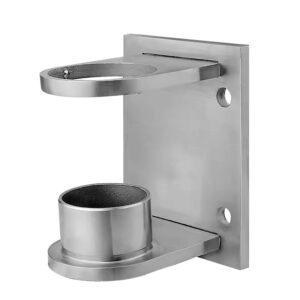
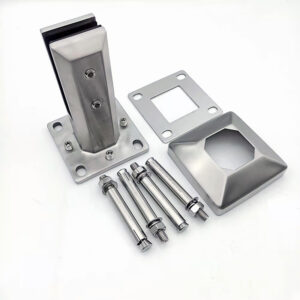
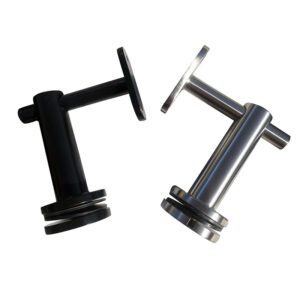
Wanneer het bevestigingstype niet is vastgesteld, ontstaan er conflicten over de verankeringszone. Een paal met bovenbevestiging vereist een vrij draagvlak en voldoende ondergronddiepte om de voetplaat en het bevestigingspatroon te kunnen opnemen. Een opstelling met zijdelingse bevestiging verandert het belastingspad en de bevestigingsmaterialen volledig. Als het constructiedetail van de vloerplaat of het frame is ontworpen op basis van het ene formaat en de fabrikant een offerte uitbrengt voor het andere, merken beide partijen dit mogelijk pas op wanneer de installatie op handen is. De keuze van de afwerking brengt een ander, maar even verstorend risico met zich mee: een projectteam dat in vroege vergaderingen spreekt over “roestvrijstalen esthetiek”, maar niet formeel specificeert of er sprake is van poedercoating of blank roestvrij staal, heeft een beslissing open gelaten die van invloed is op elk onderdeel van de levering, omdat gecoate componenten andere retoucheermaterialen, andere reinigingsprotocollen en soms andere ontwerpen voor de basisplaat vereisen.
| Beslissingsmoment | Opties | Risico bij onduidelijkheid / Wat moet worden verduidelijkt |
|---|---|---|
| Bevestigingswijze | Bovenmontage versus zijdelingse montage | Een onduidelijke bevestiging leidt tot conflicten in de verankeringszone en kan kostbare herstelwerkzaamheden vereisen nadat de onderconstructie is voltooid. |
| Richting van de vulmaterialen | Horizontaal versus verticaal | De oriëntatie is van invloed op het visuele ontwerp en moet voldoen aan de voorschriften inzake de afstand tussen leuningen; verticale vulling vermindert het risico op klimmen wanneer er kinderen aanwezig zijn. |
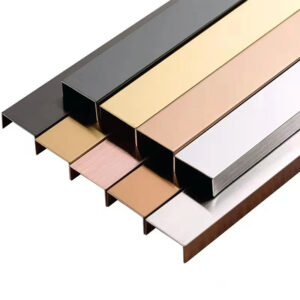
| Afwerkingstype | Poedercoating versus onbehandeld roestvrij staal | De keuze van de afwerking heeft invloed op het uiterlijk op de lange termijn en de onderhoudsvereisten; als deze keuze niet in een vroeg stadium wordt vastgelegd, kan dit in strijd zijn met het esthetische concept of de onderhoudsstrategie van het gebouw. |
Het praktische gevolg van vage beslissingen in een vroeg stadium is dat constructietekeningen de aanleiding vormen voor de eerste echte onderhandelingen over de omvang van het project, in plaats van deze te bevestigen. Het vastleggen van deze drie variabelen tijdens de ontwerpontwikkeling — en niet pas bij de beoordeling van de werktekeningen — is de structurele discipline die dit patroon voorkomt.
Beoordelings- en aanstellingsbesluiten die de diensttijd beïnvloeden
Bij de keuze van de staalsoort wordt de afweging tussen kosten en levensduur meetbaar, althans in grote lijnen. Roestvrij staal van de 304-kwaliteit presteert naar behoren onder standaard buitenomstandigheden met matige blootstelling aan vocht en zonder langdurig contact met chloriden. In veeleisendere omgevingen — installaties aan de kust, toepassingen bij zwembaden of projecten in industriële zones met een verhoogd zwavelgehalte in de lucht — is de 316-kwaliteit de meer gerechtvaardigde keuze, omdat het molybdeengehalte de weerstand tegen put- en spleetcorrosie aanzienlijk verbetert. Voor de meest veeleisende omgevingen bieden duplexkwaliteiten zoals 2205 een hogere corrosiebestendigheid en grotere treksterkte, hoewel tegen een hogere prijs, waardoor ze geschikt zijn voor specifieke blootstellingen in plaats van voor algemeen gebruik.
De dimensionering van de staanders is een daarmee samenhangende beslissing die kopers soms als een kostenfactor beschouwen, terwijl deze in feite eerder een variabele is die de levensduur beïnvloedt. Zwaardere staanders met een wanddikte die is afgestemd op de blootstellingsklasse verminderen het risico op versnelde corrosie door binnendringend water in holle profielen, en ze dragen de belasting onder dynamische omstandigheden op een meer voorspelbare manier in de verankeringszone. ASTM E985-24 heeft betrekking op permanente metalen leuningsystemen voor gebouwen en biedt procesgerichte ondersteuning om inzicht te krijgen in welke constructieve en materiaaleisen van toepassing zijn op alle systeemcomponenten — de norm schrijft geen specifieke legering voor buitengebruik voor, maar kadert de prestatieverwachtingen op een manier die als leidraad zou moeten dienen voor de specificatie van palen en bevestigingsmaterialen.
Het veelvoorkomende foutpatroon hier is dat men voor een buiteninstallatie aan de kust of bij een zwembad componenten van 304-kwaliteit met een dunnere wanddikte specificeert om de initiële kosten te drukken, om vervolgens binnen enkele jaren te ontdekken dat oppervlaktecorrosie, verkleuring van bevestigingsmiddelen en aantasting van de basisplaat hebben geleid tot onderhoudskosten die de aanvankelijke besparing overstijgen. De keuze voor een duurdere uitvoering, die bij de specificatie duur leek, blijkt uiteindelijk de goedkopere oplossing te zijn over de daadwerkelijke levensduur van het project. Voor projecten met een verwachte lange gebruiksduur, hoge eisen aan het uiterlijk of een lage tolerantie voor garantieclaims, moeten de keuze van de kwaliteit en de constructie worden bekeken vanuit het perspectief van de levenscyclus, en niet vanuit de kosten per eenheid.
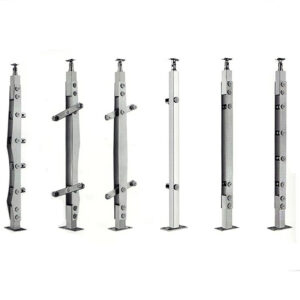
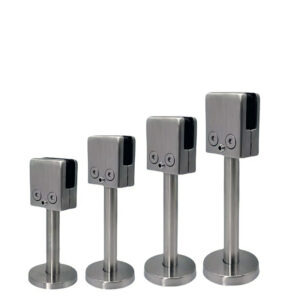
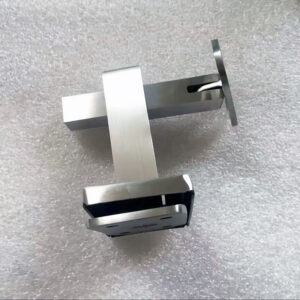
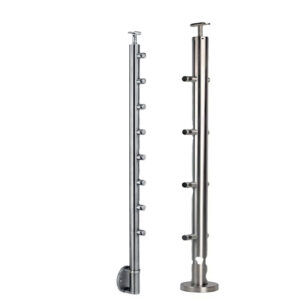
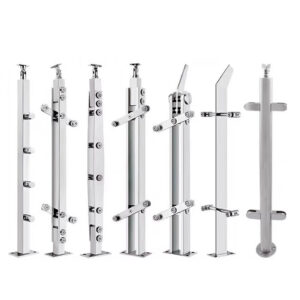
Voor projecten waarbij rechthoekige roestvrijstalen palen Bij dikkere wandprofielen hebben de opties voor afmetingen en afwerking die op het moment van specificatie beschikbaar zijn, een directe invloed op de mate waarin de gekozen kolom overeenkomt met de eerder vastgestelde blootstellingsklasse.
Verschillen in de omvang van offertes tussen fabrikanten en leveranciers van onderdelen
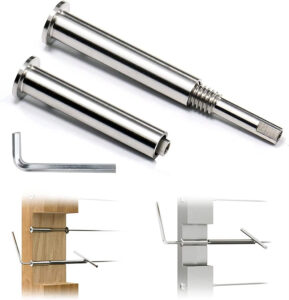
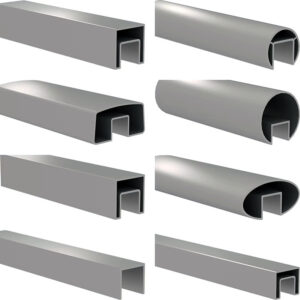
Twee offertes voor hetzelfde balkonrelingensysteem kunnen aanzienlijk van elkaar verschillen, terwijl ze ogenschijnlijk dezelfde omvang hebben. Het verschil zit meestal niet in de prijs van de staanders of leuningen, maar in wat er niet in de offerte is opgenomen. Fabrikanten die palen en leuningen als pakket leveren, behandelen vulverbindingen, bevestigingsmateriaal, eindpluggen en afwerkingswerkzaamheden vaak als afzonderlijke posten die de koper apart moet aanschaffen of als alternatieven moet toevoegen. Verkopers van losse onderdelen daarentegen nemen die artikelen weliswaar afzonderlijk op in de offerte, maar verzorgen niet de integratie of montage die nodig is om ze tot een complete installatie te verbinden.
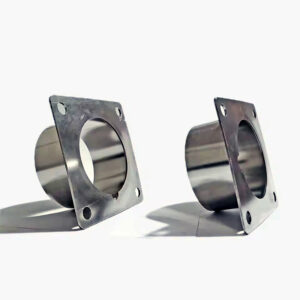
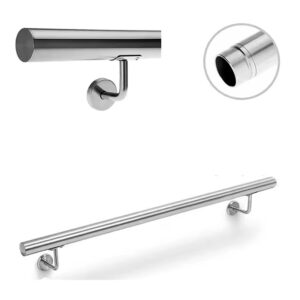
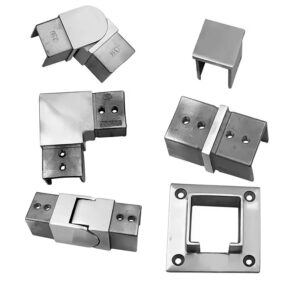
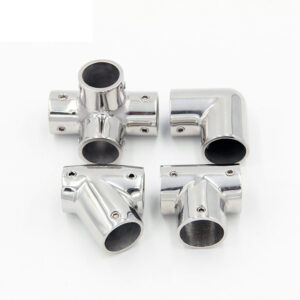
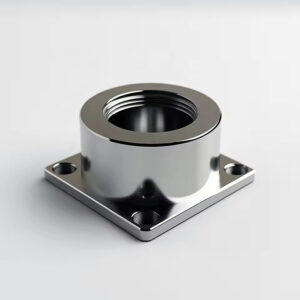
Einddoppen vormen een betrouwbaar testvoorbeeld voor dit patroon. Metalen einddoppen voor leuningen hebben lage stukkosten, maar worden standaard vaak niet opgenomen in offertes van fabrikanten. Dit betekent dat een inkoper die twee verder vergelijkbare offertes vergelijkt, mogelijk een compleet installatiepakket vergelijkt met een pakket dat uitsluitend uit constructieonderdelen bestaat, zonder dat hij zich daarvan bewust is. Hetzelfde geldt voor voetplaten: sommige offertes bevatten voetplaten voor opbouwmontage als standaardonderdeel van de montage na levering; anderen beschouwen ze als een afzonderlijk inkoopartikel dat de aannemer moet specificeren en aanschaffen.
De controle die deze wrijving voorkomt, is een regel-voor-regel bevestiging van de omvang voordat de totalen worden vergeleken. De vraag bij elke offerte is niet “wat is de totale prijs?”, maar “wat is inbegrepen in elke fase: levering, inbouw, bevestigingsmateriaal, verbindingselementen voor de vulling, afwerking en eindafwerking?” Een offerte waarin palen, leuningen en vulling worden genoemd, maar waarin verbindingsstukken, voetplaten en eindkappen niet expliciet worden vermeld, biedt geen bevestiging dat deze onderdelen zijn inbegrepen. Het opvatten van die stilte als inbegrepen is de aanname bij inkoop die de meest voorkomende verrassingen na gunning veroorzaakt. Voor inkopers die relaties met meerdere leveranciers beheren, wordt het controleren van hoe offertes de grenzen van de omvang definiëren, uitgebreider behandeld in Hoe u een leverancier van roestvrijstalen leuningen kunt beoordelen voordat u uw eerste grote bestelling plaatst.
Duurzaamheidsoverwegingen die roestvrij staal de voorkeur geven boven goedkopere alternatieven
De keuze voor roestvrij staal boven goedkopere alternatieven is niet in de eerste plaats esthetisch — het is een argument op het gebied van onderhoud en levensduur dat het duidelijkst geldt bij toepassingen in vochtige omgevingen, bij intensief gebruik of wanneer het uiterlijk van cruciaal belang is. Zacht staal met poedercoating of verfbescherming verslechtert aan blootliggende randen en bij bevestigingspunten waar de coating dun of beschadigd is, en het herstel van geverfd staal aan de buitenzijde in vochtige omgevingen is zowel arbeidsintensief als moeilijk uit te voeren zonder zichtbare reparaties. Aluminiumsystemen voorkomen die specifieke faalwijze, maar gaan ten koste van de visuele uitstraling en afwerkingskwaliteit die veel commerciële en residentiële projecten vereisen. Geen van beide opties biedt de combinatie van corrosiebestendigheid, oppervlaktehardheid en herhaalbare fabricagekwaliteit die goed gespecificeerd roestvrij staal bij gebruik buitenshuis wel biedt.
De doorslaggevende voorwaarde die de keuze duidelijk in het voordeel van roestvrij staal doet doorslaan, is voortdurend contact met vocht: balkons met beperkte afwatering, dakterrassen waar water bij de paalvoeten blijft staan, en installaties in de buurt van zwembaden of waterpartijen zorgen allemaal voor een voortdurende afwisseling tussen nat en droog, wat corrosie bij materialen van mindere kwaliteit versnelt. Onder die omstandigheden worden de hogere aanschafkosten ten opzichte van geverfd staal of aluminium doorgaans binnen enkele jaren terugverdiend door besparingen op onderhoud, herverfbeurten en het vervangen van onderdelen. Voor projecten waarbij een uniform uiterlijk over meerdere eenheden of gebouwen van belang is – wooncomplexen, hotelgevels, commerciële gebouwen met gemengd gebruik – is de mogelijkheid om roestvrij staal in een consistente kwaliteit en afwerking te specificeren en dat resultaat bij verschillende fabrikanten te repliceren, op zich al een inkoopvoordeel dat goedkopere alternatieven niet op betrouwbare wijze bieden.
Voor kopers komt het er in de praktijk op neer dat duurzaamheid, uiterlijk en reproduceerbaarheid van de fabricage onderling samenhangende argumenten zijn, en geen afzonderlijke. Een project met hoge eisen aan het uiterlijk maar weinig investering in duurzaamheid leidt vaak tot klachten. Een project met duurzame onderdelen maar inconsistente specificaties binnen het geheel zorgt voor complexe onderhoudsprocedures. Roestvrij staal dat goed is gespecificeerd in de juiste kwaliteit voor de omgevingsomstandigheden voldoet aan alle drie de criteria. Daarom moet de vergelijking met goedkopere opties worden gemaakt op basis van de totale projectkosten over de gehele levensduur, en niet op basis van de afzonderlijke posten in de eerste offerte.
De werkwijze die tot het beste inkoopresultaat leidt, begint met een duidelijke beoordeling van de blootstellingsklasse en de randvoorwaarden, gaat vervolgens over naar beslissingen over de vulling en het montagetype, en pas daarna wordt er ingegaan op de gedetailleerde prijsbepaling. Inkopers die deze volgorde omdraaien — door te beginnen met een visuele referentie en vervolgens terug te werken naar de beslissingen over de constructie en het materiaal — komen er halverwege het project vaak achter dat het door hen goedgekeurde concept en de beschikbare verankeringszone niet compatibel zijn, of dat de gespecificeerde kwaliteit niet aansluit bij de gebruiksomstandigheden die het project daadwerkelijk met zich meebrengt.
Controleer, voordat u offertes vergelijkt, of in elke offerte expliciet alle onderdelencategorieën worden vermeld: palen, leuningen, vulling, verbindingsstukken, bevestigingsmateriaal, voetplaten, eindafwerking en afwerkingswerkzaamheden. Als twee offertes qua totaalbedrag dicht bij elkaar liggen, maar in één ervan verschillende van deze categorieën ontbreken, wordt er geen vergelijking gemaakt tussen dezelfde omvang van de opdracht. De belangrijkste vraag die u vóór de aanbesteding moet beantwoorden, is niet welke leverancier goedkoper is, maar welke offerte daadwerkelijk beschrijft wat er geleverd, geïnstalleerd en afgewerkt zal worden volgens de blootstellingsklasse die het project vereist.
Veelgestelde vragen
V: Wat moet een koper direct doen nadat hij de blootstellingsklasse en het type opvulling heeft vastgesteld, voordat hij offerteaanvragen verstuurt?
A: Bepaal het type bevestiging — boven- of zijbevestiging — en controleer de verankeringszone aan de hand van de constructietekeningen voordat u offertes aanvraagt. Deze twee gegevens bepalen het belastingspad, het ontwerp van de basisplaat en het bevestigingspatroon die fabrikanten nodig hebben om een prijsopgave voor het volledige project te kunnen maken. Als u offerteaanvragen verstuurt zonder deze gegevens, zal elke offerte uitgaan van een eigen bevestigingsscenario, waardoor vergelijkingen vanaf het begin onbetrouwbaar zijn.
V: Geldt het advies inzake de kwaliteitsklasse en de keuze van de constructie-elementen ook wanneer het project uitsluitend uit binnenruimtes bestaat, zoals een overdekt atrium of een binnenmezzanine?
A: Het argument van de levenscycluskosten voor profielen van de 316-kwaliteit en zwaardere uitvoeringen verliest aanzienlijk aan kracht in volledig binnenshuis gelegen, droge omgevingen zonder blootstelling aan chloride. Onder die omstandigheden is 304 met standaardwanddikte doorgaans toereikend, en is de meerprijs voor de 316- of duplexkwaliteiten moeilijker te rechtvaardigen op basis van de levensduur. De keuze voor een bepaalde kwaliteit moet nog steeds expliciet worden gemaakt — en niet automatisch worden gekozen — maar de drempel die de keuze voor materiaal van een hogere kwaliteit rechtvaardigt, is aanhoudende vochtigheid en verontreinigingen in de lucht, die beide afwezig zijn in gecontroleerde binnenomgevingen.
V: In hoeverre beïnvloedt de keuze tussen een glazen vulling en een roestvrijstalen vulling de totale installatiekosten, afgezien van de kosten van het vullingsmateriaal zelf?
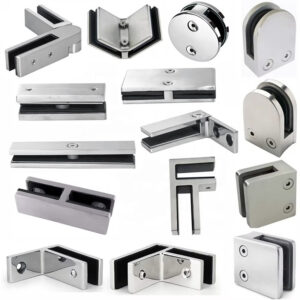
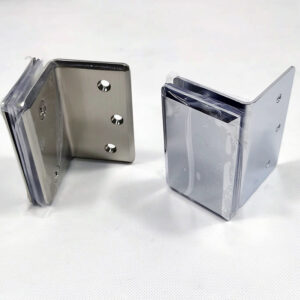
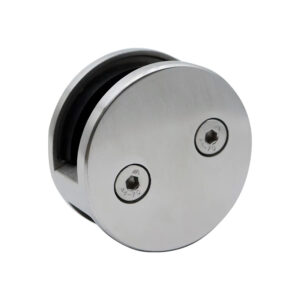
A: Bij een glazen vulling zijn doorgaans verbindingsonderdelen, puntbevestigingspennen en vereisten voor het hanteren van panelen nodig die bij een systeem met roestvrijstalen stangen of kabels niet voorkomen, wat betekent dat het kostenverschil verder reikt dan alleen de materiaalprijs. Ook moeten de afmetingen van de staanders en de geometrie van de rails worden aangepast om de belasting van de panelen en thermische bewegingen op te vangen. Een roestvrijstalen vulling vereenvoudigt de set verbindingselementen en leidt doorgaans tot een beter voorspelbare omvang van de offerte, terwijl glas meer variabelen introduceert die leveranciers verschillend prijzen — waardoor het vergelijken van offertes moeilijker wordt als het type vulling nog niet vaststaat op het moment dat de offerteaanvragen worden verstuurd.
V: Vanaf welk punt is het gebruik van roestvrij staal niet langer rendabel in vergelijking met aluminium bij een commercieel balkonproject?
A: Aluminium wordt een aantrekkelijker keuze wanneer het project niet langdurig aan vocht wordt blootgesteld, een consistent uiterlijk bij meerdere productieruns geen prioriteit heeft en de belastingseisen ruimschoots binnen het structurele bereik van aluminium vallen. Roestvrij staal is het duidelijkst gerechtvaardigd wanneer herhaalbaarheid van de afwerking tussen afzonderlijke elementen, oppervlaktehardheid bij intensief gebruik of corrosiebestendigheid in een chloridehoudende omgeving vereist is — omstandigheden die veel voorkomen bij projecten aan de kust, bij zwembaden, in de horeca en bij wooncomplexen met meerdere wooneenheden. Voor een droge installatie in één gebouw met weinig verkeer, waarbij de leuning niet in meerdere exemplaren wordt herhaald, kan aluminium een rationele afweging zijn in plaats van een compromis.
V: Als er in een offerte niets wordt vermeld over basisplaten en einddoppen, kan ik er dan vanuit gaan dat deze zijn inbegrepen als de totale prijs redelijk lijkt?
A: Nee — het ontbreken van vermeldingen over afzonderlijke onderdelen moet worden beschouwd als een uitsluiting, totdat de leverancier schriftelijk het tegendeel bevestigt. Een offerte waarin palen, rails en vulling worden vermeld, maar waarin basisplaten, verbindingsstukken en eindafwerkingen niet expliciet worden genoemd, houdt geen toezegging in dat deze worden geleverd. Een prijs die redelijk lijkt, kan simpelweg het gevolg zijn van een beperktere omvang van de levering. De juiste werkwijze is om, voordat u de totalen vergelijkt, een verzoek om bevestiging van de omvang per regel te sturen, waarbij u de leverancier vraagt om elke componentcategorie expliciet te bevestigen in plaats van de omvang af te leiden uit het totale bedrag.