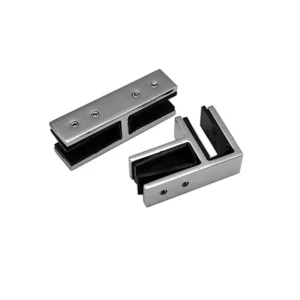
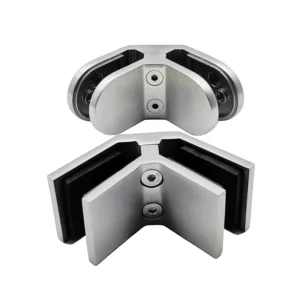
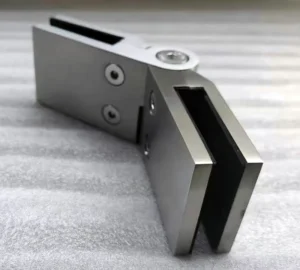
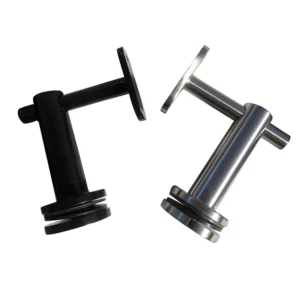
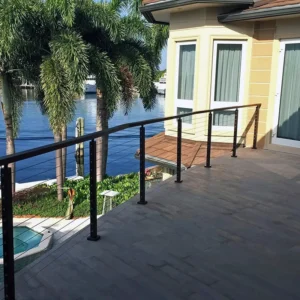
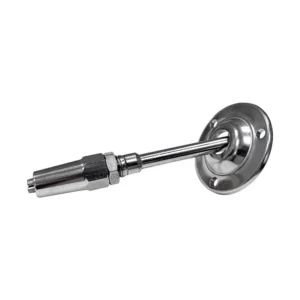
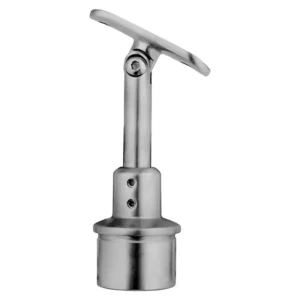
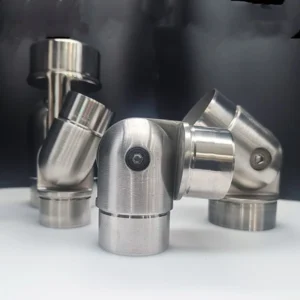
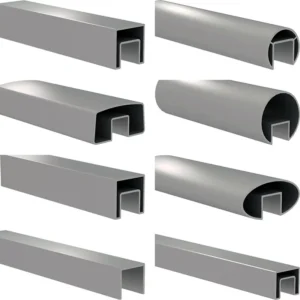
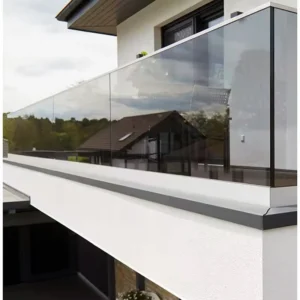
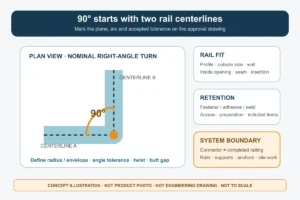
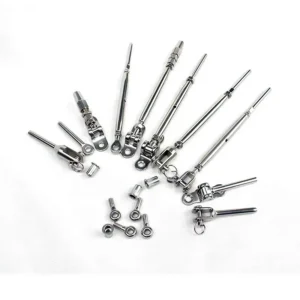
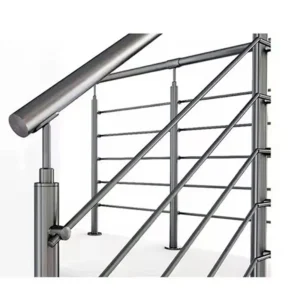
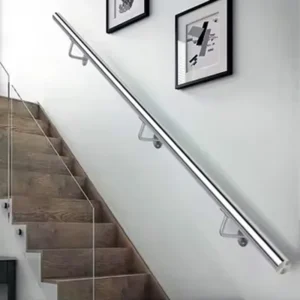
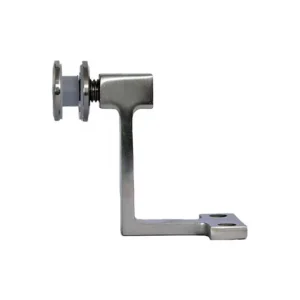
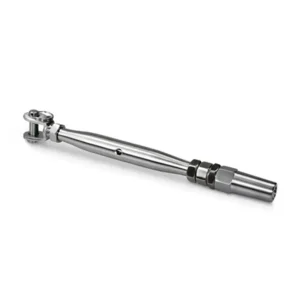
Rectangular top rail assemblies are specified around orientation, support and connection details—not by width alone. Send a marked-up plan or elevation, the intended rail section, post and infill type, corner locations and approximate quantity. A quotation can then define the proposed rail pieces, connectors and fabrication responsibility.
Keep rectangular and square profiles separate
A rectangular rail has unequal face dimensions and a defined orientation. Rotating the section changes the visible face, the saddle contact area, the connector fit and the way a corner is fabricated. A square rail has equal sides but still requires its own corner radius, wall and connector details. Do not substitute one for the other from an overall width or catalogue photo.
Also state whether the member is the upper rail of a guard, a separate handrail, a glass-edge cap or a secondary trim. A rectangular top rail is not automatically a graspable or compliant handrail. If one member is expected to perform both roles, include the applicable project requirements for the complete assembly.
Specify the section as an interface
Face, depth and corner form
Record the visible face width, section depth, wall thickness, corner radius and the direction the long face is to run. These fields determine whether the rail sits correctly on a post saddle, accepts an internal joiner and aligns through a turn. Nominal labels are not enough for a replacement or mixed-source assembly.
Closed tube or open/slotted profile
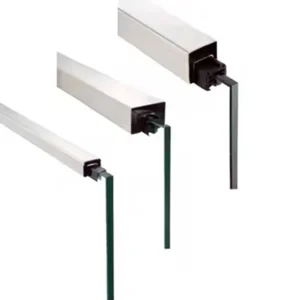
A closed rectangular tube normally relies on brackets, saddles or fabricated joints. An open or slotted profile may be intended to capture glass or another infill edge and therefore needs a defined slot, liner and end treatment. Do not treat a slotted glass cap profile as an ordinary closed top rail, or assume a liner is included unless the proposed package lists it.
Post support
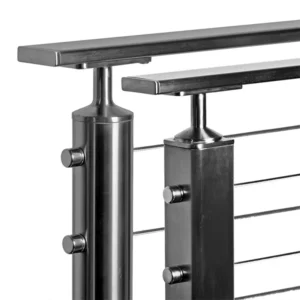
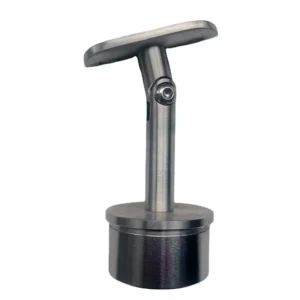
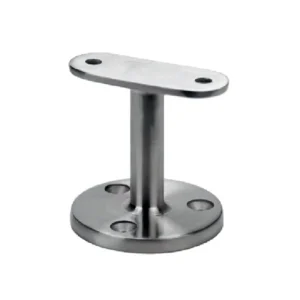
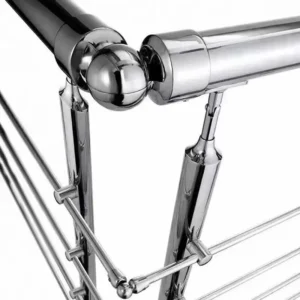
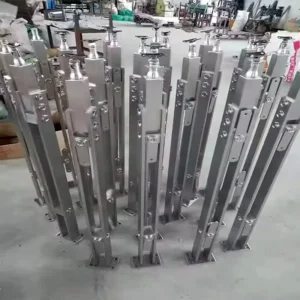
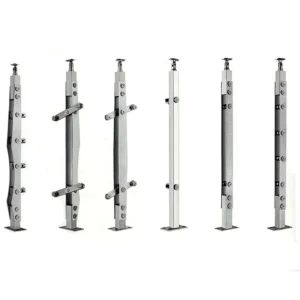
Show whether the rail bears directly on a flat post top, a raised saddle, an adjustable head or a wall return. Include the support width, hole pattern, stud or fastener position and any required offset. The rail, support and fastening method form one connection; changing any one may change the others.
Choose the joint before the lengths
The joint strategy controls factory preparation and field work:
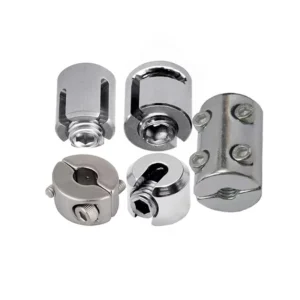
- Straight runs: internal sleeves, external covers, welded joints or mechanically retained joiners have different engagement and finish requirements.
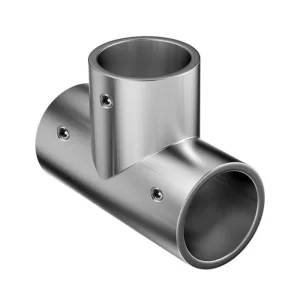
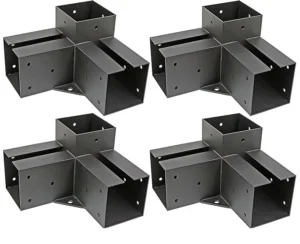
- Square corners: a fabricated mitre, fixed corner fitting and multi-piece connector do not create the same appearance or load path.
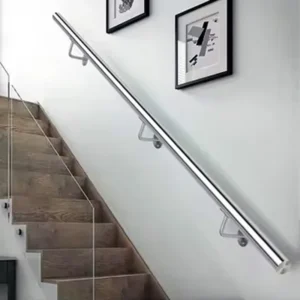
- Stair transitions: supply the actual slope and landing transition. An adjustable fitting still needs a compatible section and a defined locking method.
- Wall and terminal ends: distinguish a return bracket, wall flange, closure plate and decorative end cap; they are not interchangeable terminations.
Mechanical joints can leave a deliberate joint line. Welded joints require access, heat control, grinding and finish restoration. Ask the quotation to state the proposed method rather than promising a seamless appearance from the product name.
Coordinate the infill below the rail
The same rectangular rail can sit above very different infill arrangements. Each requires a separate interface decision:
- Pickets or bars: identify whether they terminate at a lower bracket, enter the rail, or connect only to posts.
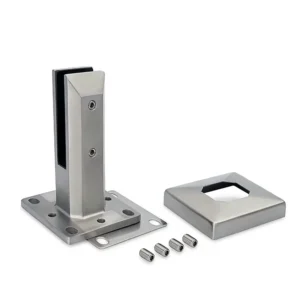
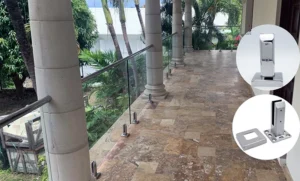
- Glass: identify the glass make-up, edge condition, slot and liner if the rail captures the top edge; otherwise show the independent glass supports.
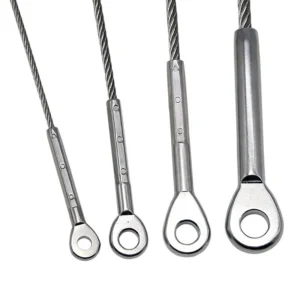
- Cable: show whether cables pass through posts, terminate at end posts or interact with the top rail at all. The top rail does not replace cable tensioning hardware.
- Panels or mesh: define frame, clip or channel interfaces and the clearance needed for installation.
Loads and compliance belong to the complete installed guard or handrail system. Rail section, post spacing, support stiffness, infill forces, connections and substrate must be evaluated together; a component photo or material name does not establish system performance.
Plan factory and site responsibility
Before ordering, divide the work clearly. Factory scope may be requested to include cutting, mitres, holes, slots, welded corners, connector fitting or finish work. Site scope may include final measurement, trimming, drilling, adhesive application, welding, alignment, tightening, sealing and touch-up. The proposed supply should state which operations are included.
For replacement work, send a section photo with a ruler and, where possible, an offcut or measured drawing. Overall face size alone cannot confirm wall thickness, internal clearance, corner radius or compatibility with an existing connector.
What to send and what to compare
Begin with:
- plan/elevation or a sketch with straight runs, stairs, corners and ends;
- section face × depth, wall and orientation if known;
- post type, spacing and rail support detail;
- infill type and its connection to the rail or posts;
- indoor/outdoor exposure, nearby metals and required appearance;
- quantity, destination and any maximum shipping length.
Compare offers by the proposed section, material/finish, cut lengths, joint and corner parts, post supports, infill interface, included fasteners/liners, factory operations, packing and field responsibilities. An offer for bare rail lengths is not equivalent to an assembly offer that includes prepared corners and supports.
常见问题
Can a rectangular rail use a square connector?
Only when the measured mating geometry confirms the fit. Equal nominal width does not confirm the second dimension, corner form, wall or internal clearance.
Should corners be welded or mechanically joined?
That depends on appearance, access, transport, site tools and the approved connection. Request the preferred joint line and installation method, then compare the proposed preparation and field scope.
Does the top rail support the infill?
Sometimes it connects to or captures the infill, but its exact role must be shown. Do not assume that a top rail alone carries glass, cable or panel forces without the specified posts, brackets, channels and connections.
Request the assembly, not just a length of tube
A useful quotation defines how the rectangular profile turns, terminates, sits on its supports and meets the infill. Send the route and interfaces to begin.