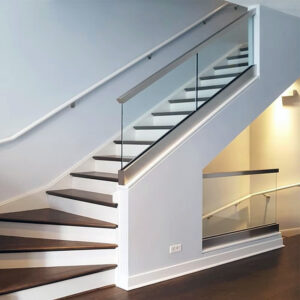
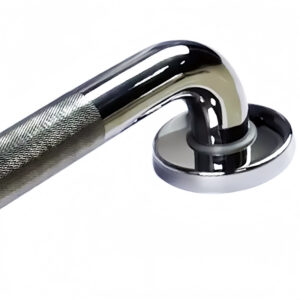
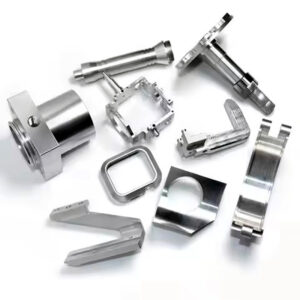
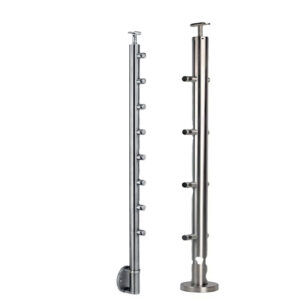
Команды закупщиков, утверждающие перильную систему по образцу комплекта и образцу отделки, делают ставку на то, что производственные партии будут вести себя так же, как и образец. Эта ставка проваливается достаточно часто, чтобы стать закономерностью: седла соединителей, которые хорошо сидят на репрезентативной трубе, перестают правильно сопрягаться, как только на объект привозят фитинги из другой производственной партии, и в результате циклы корректировки на месте сжимают и без того тонкие границы графика. Основная проблема заключается в том, что допуск на трубу, однородность отделки и геометрию соединителей необходимо оценивать вместе, а не последовательно на разных этапах закупки, поскольку неисправность становится заметной только после установки компонентов из нескольких партий рядом друг с другом. Ниже приводится последовательность подтверждения, необходимая покупателям, чтобы отличить действительно готовую к производству систему от системы, качество которой было подтверждено только на образце.
Что необходимо проверить помимо отделки образца
Образец трубки может выглядеть совершенно правильно и при этом почти ничего не сказать о том, что будет представлять собой серийная партия в масштабе. Качество отделки репрезентативного образца обычно контролируется более тщательно, чем качество отделки непрерывного производства, и разрыв между ними редко дает о себе знать, пока монтаж не выявит изменение цвета или текстуры компонентов, полученных из разных партий.
Структурная проблема заключается в том, что утверждение образца создает ложную основу для подтверждения. Когда образец используется для подтверждения уровня отделки, направления зерна и однородности поверхности, в основе утверждения лежит предположение о том, что производственный контроль качества поставщика достаточно последователен для многократного повторения образца. Это предположение должно быть проверено напрямую, а не выведено из того, как выглядит образец. Программы качества поставщика - в том числе то, как контролируются производственные партии, ведутся ли записи о проверке на уровне партии и как отмечаются отклонения перед отгрузкой - определяют, является ли качество образца надежным предсказателем качества поставки. Стандарт ISO 9001:2015 представляет собой полезную основу для размышлений о том, как выглядит последовательное, документированное управление качеством на производстве, даже если это не является требованием, которое покупатель может навязать по договору в каждом случае закупок.
Практический смысл заключается в том, что дрейф отделки происходит незаметно. Небольшие сдвиги в текстуре поверхности или уровне блеска практически невозможно обнаружить в одиночку; они становятся заметной проблемой, как только секция перил, собранная из одной партии продукции, оказывается рядом с секцией из другой. Именно в этот момент - не во время рассмотрения спецификации и не во время оценки образцов - и происходит выявление.
| Тип проверки | Что подтвердить | Почему это важно |
|---|---|---|
| Постоянство отделки | Подтверждайте однородность отделки между партиями, а не только на образце. | Отклонения в отделке могут оставаться незаметными до тех пор, пока фитинги не будут установлены в нескольких сериях, что приведет к заметным несоответствиям. |
| Программы качества | Убедитесь, что программы качества поставщика действуют и соблюдаются для производственных партий, а не только для образцов. | Обеспечивает воспроизведение последовательности, наблюдаемой в образце, в масштабе, предотвращая снижение качества. |
Пропуск любой из этих проверок не гарантирует неудачу, но означает, что любая проблема возникнет в самый неподходящий момент: на стройплощадке, во время монтажа, когда уже идет череда работ.
Как допуск трубки влияет на посадку коннектора и время работы в полевых условиях
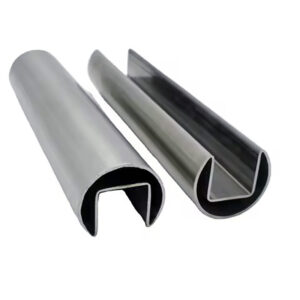
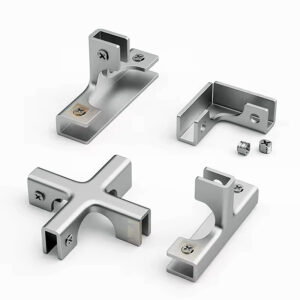
Посадка коннектора - это проблема допуска, прежде чем проблема оборудования. Седла коннекторов, соединители и базовые компоненты рассчитываются на предполагаемый наружный диаметр трубы, и если производственная партия поставляет отклонения наружного диаметра, выходящие за рамки этого проектного предположения, то возникающие проблемы с посадкой зависят не от качества коннектора, а от разрыва между тем, для чего был разработан коннектор, и тем, что на самом деле представляет собой труба.
Такое несоответствие встречается достаточно часто, чтобы рассматривать его как вероятный риск, а не как частный случай. Поставщики часто разрабатывают соединители с номинальным или жестко контролируемым размером трубы, который отражает идеальные условия производства. Когда реальная партия продукции имеет более широкий диапазон допусков - что является нормальным для многих партий товарных труб - соединители могут скрепиться, зазорно или потребовать подгонки в определенном проценте случаев. Этот процент умножается на весь проект, и суммарное время корректировки в полевых условиях разрушает предположения о графике, сделанные при закупке по сценарию чистого монтажа. Допуск на изготовление, например 0,004 дюйма на дюйм, иногда используется в качестве ориентира при проектировании компонентов с точной резкой; это иллюстративный порог, а не универсальное требование кода, но он передает уровень контроля размеров, при котором проблемы с подгонкой разъемов становятся скорее маловероятными, чем вероятными.
На уровне контракта это означает, что допуски на трубу и допуски на конструкцию соединителя должны быть задокументированы в одном месте, чтобы связь между ними была явной, а не предполагаемой.
| Вопрос для уточнения | Риск в случае неясности | Что должно быть указано в контракте |
|---|---|---|
| Конструкция разъема в сравнении с фактическим допуском | Убедитесь, что седла разъемов, соединители и базовые компоненты рассчитаны на фактический допуск на производственную трубку. | Компоненты часто предполагают более жесткий контроль труб, чем производственная партия, что приводит к проблемам с подгонкой и задержкам на производстве. |
| Допуски при изготовлении компонентов | Требуются прецизионные допуски на резку (например, 0,004/дюйм) для изготовления деталей. | Жесткие производственные допуски улучшают подгонку компонентов, уменьшают необходимость регулировки на месте и ускоряют установку. |
Если несоответствие допусков заложено в спецификации системы, его трудно исправить, не изменив ни источник трубок, ни аппаратное обеспечение соединителя - и то, и другое влечет за собой последующие последствия для сроков выполнения работ, стоимости и документации.
Где при установке начинают проявляться отклонения в партиях
Разница в партиях не является дефектом качества при приемке. Труба из новой партии может самостоятельно пройти контроль размеров, но при этом достаточно сильно отличаться от предыдущей партии - по наружному диаметру, толщине стенки или качеству поверхности - чтобы при совместной установке возникли проблемы с подгонкой и внешним видом.
Пусковым механизмом является смежность. При изготовлении одной партии перил обычно используется достаточно однородная труба, чтобы различия были незаметны. Проблемы возникают, когда проект охватывает несколько партий, когда монтаж второй фазы следует за завершением первой фазы на несколько месяцев или когда для ремонта поврежденного участка требуется замена трубы. В каждом из этих случаев новая трубка может быть из другой производственной партии, и любые отклонения в размерах или отделке, которые находились в пределах допустимых индивидуальных диапазонов допусков, внезапно становятся заметными в виде несоответствия между сторонами.
Для проектов с поэтапным графиком поставок или многоразовыми объемами труб это означает, что отслеживание партий - не административная мелочь, а перспективная функция контроля качества. Требование к поставщику документировать номера партий в соответствии с поставленными партиями и хранить контрольные образцы по партиям дает проектной группе возможность выявить источник несоответствия уже постфактум и принять обоснованное решение о том, что лучше - повторная закупка или корректировка. Без такого отслеживания расследование начинается с нуля.
Особенно сложно ретроактивно регулировать финишные размеры при изменении партии. Размеры труб иногда можно учесть путем подбора соединителей или регулировки на месте; сдвиги в отделке поверхности невозможно исправить на месте. Такая асимметрия делает документацию по партии продукции более важной, чем это может показаться на этапе составления спецификации. Подробное руководство по взаимодействию допусков на изгиб и требований к радиусу с согласованностью размеров трубок в партиях представлено в разделе руководство по допускам на гибку труб для изогнутых поручней из нержавеющей стали, что является полезным контекстом для проектов с нелинейной геометрией перил.
Почему семейства разъемов следует тестировать на реальных производственных трубах
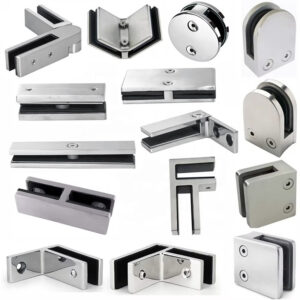
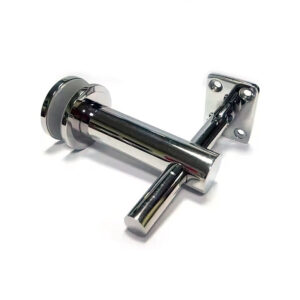
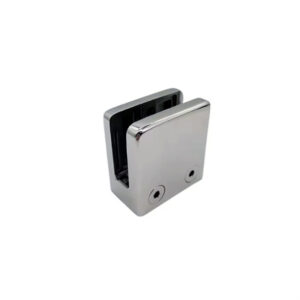
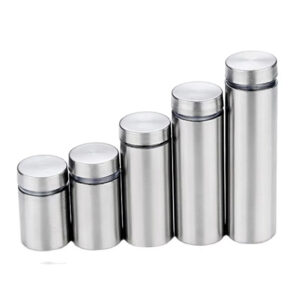
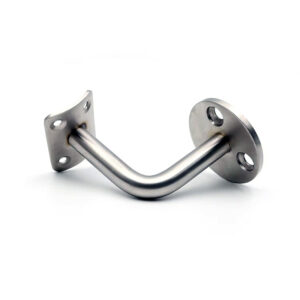
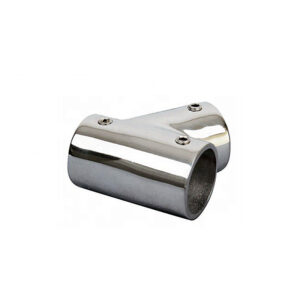
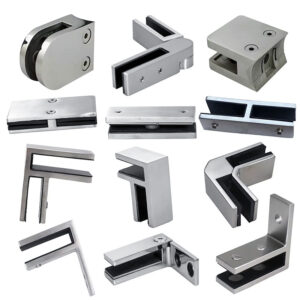
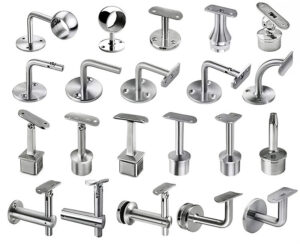
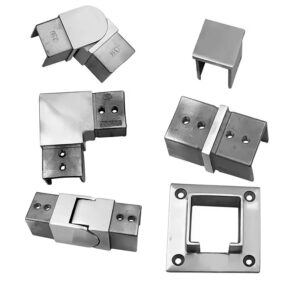
Семейство соединителей, подходящее к одной трубке из одной партии, не было проверено - оно было взято на пробу. Это различие имеет значение, поскольку седла, торцевые заглушки и промежуточные соединители в рамках одного семейства продуктов могут иметь различную чувствительность к допускам в зависимости от их геометрии и площади контактной поверхности. Соединитель, допускающий незначительные отклонения наружного диаметра, может вести себя не так, как базовый компонент при изменении размеров трубки.
Проверка, которая защищает от этого, проста: попросите, чтобы все семейство аппаратных средств, а не репрезентативная выборка, было опробовано на реальной производственной трубе перед выдачей разрешения. Это не официальный протокол тестирования, привязанный к какому-либо конкретному стандарту; это мера защиты, которая закрывает разрыв между утверждением на основе образца и проверкой условий производства. Если поставщик не может предоставить трубку из производственной партии для предварительного испытания, это уже само по себе является информацией, которую стоит взвесить.
Следствием пропуска этого шага является то, что проблемы с подгонкой проявляются постепенно в процессе установки, а не сразу. Базовый компонент может быть хорошо подогнан по первым пятнадцати стойкам, а затем начать требовать регулировки на стойках с шестнадцатой по двадцать вторую, потому что эти стойки были получены из другой катушки трубки в той же партии. Без предварительного тестирования на реальных серийных трубах невозможно заранее предупредить о подобной ситуации - только обнаружить ее на месте.
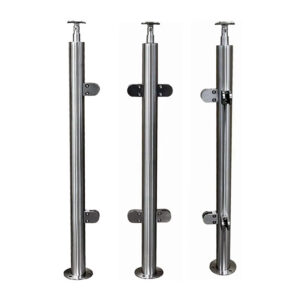
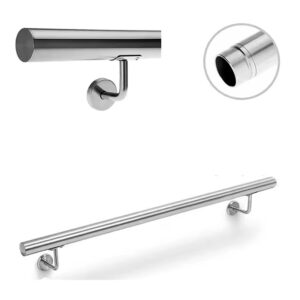
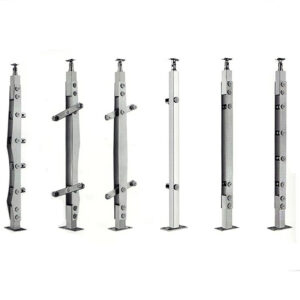
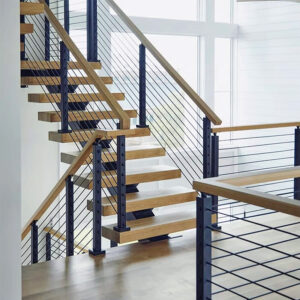
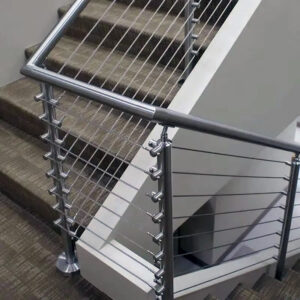
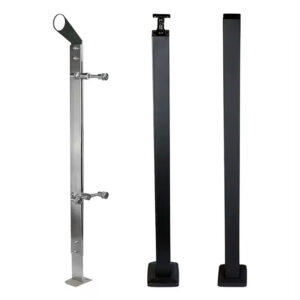
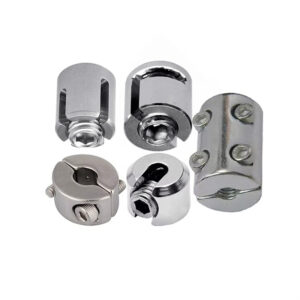
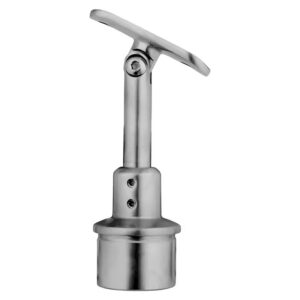
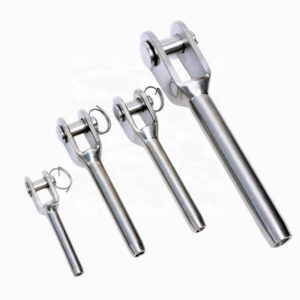
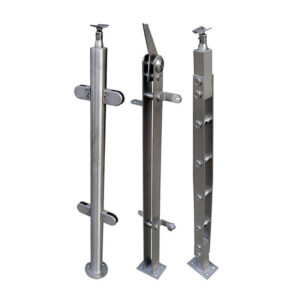
Для покупателей, оценивающих Стойки и компоненты из нержавеющей стали в составе комплексной системы, то актуальным является вопрос не о том, соответствует ли какой-либо отдельный компонент спецификации, а о том, сохраняет ли все семейство аппаратных средств согласованность посадки в диапазоне допусков на трубки, которые фактически поставляет поставщик. Это разные вопросы с разными ответами, и только один из них может быть решен путем изучения образца.
Как сравнить жесткие и прощающие системные пакеты
Ни один из типов систем не является безусловно лучшим. Решение между жестко стандартизированной сборной системой и более гибким семейством соединителей - это вопрос условий проекта, и неправильное решение в любом случае чревато реальными последствиями.
Жесткая, стандартизированная система обеспечивает скорость монтажа и предсказуемость трудозатрат, поскольку каждый компонент имеет контролируемые размеры, а отклонения на местах сведены к минимуму. Компромисс заключается в том, что точность системы - это еще и ее хрупкость: если доставленная на стройплощадку труба выходит за пределы допустимых отклонений, на которые рассчитана система, то возможности для приспособления ограничены. Сборные системы выигрывают в скорости на проектах, где источники труб постоянны, последовательность поставок контролируется, а условия на стройплощадке предсказуемы. Они плохо подходят для проектов, где трубы могут поступать из нескольких источников, где последовательность фаз вводит разрывы в партиях или где нестандартная длина выводит систему за рамки стандартных конфигураций.
Гибкое семейство соединителей позволяет отказаться от скорости установки в пользу адаптивности. Множество вариантов монтажа, регулируемая геометрия седла и более широкая полоса допуска наружного диаметра означают, что система может поглотить больше вариаций - но только если гибкость была проверена для всего семейства оборудования на реальных производственных трубах. Семейство соединителей, рекламируемое как "прощающее", все еще может иметь компоненты, чувствительные к допускам, и обнаружение этого при установке ничем не отличается от схемы отказа жесткой системы.
| Тип системы | Ключевая характеристика | Лучшее для |
|---|---|---|
| Жесткие, стандартизированные | Жестко стандартизированная, сборная система для быстроты. | Проекты, в которых приоритетными являются сокращение полевых настроек и ускорение монтажа. |
| Гибкий, прощающий | Гибкое семейство разъемов с множеством вариантов монтажа для сложных проектов. | Проекты со смешанными условиями детализации или нестандартной длиной, требующие учета изменений на местах. |
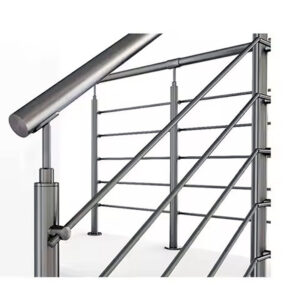
К характеристикам проекта, способствующим использованию жесткой системы, относятся жесткие временные ограничения, поставка труб из одного источника и повторяющаяся геометрия. К характеристикам, способствующим использованию гибкой системы, относятся поэтапная поставка, смешанные условия, нестандартная длина или любой сценарий, при котором источник труб не может быть полностью контролируемым на всех этапах - от закупки до установки. Для полного handrail systems, understanding which project conditions apply before specifying system type avoids the more expensive reconfiguration that happens when the wrong system type reaches site.
When the supplier package is ready for approval
Approval given before the package is complete is a commitment made against incomplete information. The two conditions that most reliably define readiness are documentation completeness and design finalization — and both need to be true simultaneously, not sequentially.
An itemized estimate that details component types, quantities, and required installation tools eliminates a category of downstream ambiguity that creates procurement change orders. When a project team receives a line-item breakdown rather than a lump-sum or category-level quote, the estimate itself becomes a cross-check against the scope: missing components are visible before fabrication begins, not after delivery. This is not a compliance requirement; it is an operational standard that separates packages that are genuinely ready from packages that are administratively complete but substantively incomplete.
Design drawing sign-off carries the same logic. A fabrication package sent before the client has confirmed final design intent introduces the risk that components are manufactured to a superseded layout. The correction cost for a fabricated component is categorically higher than the correction cost for a drawing, and that asymmetry makes drawing sign-off a practical gate, not a procedural formality. When both conditions are met together — itemized documentation and finalized, client-approved design drawings — the approval decision is based on a complete picture of what is being committed to.
| Approval Step | Что подтвердить | Почему это важно |
|---|---|---|
| Документация | Approve only after receiving an itemized estimate with detailed components, quantities, and required tools. | Eliminates guesswork and ensures the package is complete and ready for fabrication and installation. |
| Design Finalization | Approve only after final design drawings are signed off by the client and sent to fabrication. | Ensures the supplier package reflects the finalized design intent, preventing costly changes later. |
The temptation to compress this stage is usually schedule pressure. Approving early to protect a delivery date is a recognizable pattern that reliably generates the kind of mid-fabrication design changes or missing-component discoveries that cost more time than the compression saved.
The four confirmations that matter — outside diameter tolerance, wall thickness range, batch finish consistency, and connector fit on actual production tube — need to be completed together before approval, not checked off individually at different stages of the procurement cycle. A system that passes each check in isolation but is never evaluated as an integrated set can still produce the same field-adjustment problems as a system that was never checked at all, because the failure mode lives at the intersection of those variables, not within any one of them.
Before moving to approval, the useful question is not whether the sample looks right but whether the supplier can document that production lots hold the tolerance and finish consistency the connector family requires, across the full hardware range. That question, answered in writing and supported by actual production tube testing, is what distinguishes a procurement decision that will hold through installation from one that transfers risk forward to the field.
Часто задаваемые вопросы
Q: What happens if the tube for a replacement or repair section comes from a different supplier than the original installation?
A: Treat it as a high-risk batch mismatch, not a straightforward substitution. Even tube that meets the same nominal specification from a different source can carry enough dimensional or finish variation to create a visible side-by-side discrepancy once installed adjacent to the original run. Before sourcing replacement tube, request lot-level documentation and, where possible, a finish reference sample from the new supplier to compare directly against a retained sample from the original batch. If a match cannot be confirmed before procurement, replacing a longer contiguous section rather than a single damaged piece is often the less expensive path than managing a visible finish or fit inconsistency after installation.
Q: At what point does a flexible connector family stop being an advantage and become a source of its own fit problems?
A: Flexibility becomes a liability when it has not been verified across the complete hardware family on actual production tube. A connector family marketed as tolerant of OD variation may still contain individual components — base plates, end caps, intermediate joiners — with tighter fit geometries than the rest of the family. If pre-approval testing covers only a representative selection rather than every component type, those tolerance-sensitive pieces will self-identify during installation rather than during procurement. The adaptability benefit only holds when the full hardware family, not a sample of it, has been confirmed to fit across the tube tolerance range the supplier actually delivers.
Q: If a supplier holds ISO 9001:2015 certification, does that eliminate the need to request batch-level inspection records separately?
A: No — certification confirms a quality management framework is in place, not that any specific production lot met a particular threshold. ISO 9001:2015 requires documented processes for monitoring and controlling production quality, but the standard does not prescribe the dimensional or finish tolerances that apply to a given railing system. A certified supplier may still deliver production lots with batch-to-batch variation that falls within their own acceptable range while still creating fit or finish issues at your project’s connector interface. Batch-level inspection records tied to the actual shipment lot, covering OD, wall thickness, and finish parameters, are a separate request from certification status and remain necessary regardless of whether the supplier is certified.
Q: Should the system type decision — rigid versus flexible — be revisited if the project schedule compresses after the specification is already set?
A: Yes, and the earlier that review happens, the lower the correction cost. Schedule compression changes the project conditions the original system decision was based on. A rigid, standardized system specified for a single-phase, single-source installation may have been the right choice when the schedule allowed controlled delivery sequencing; if compression now forces multi-batch sourcing or eliminates the buffer for field adjustment cycles, that system type is carrying more risk than the original specification assumed. Revisiting system type before fabrication begins is an operational disruption; discovering mid-installation that a rigid system cannot absorb the variation a compressed schedule introduced is a schedule and cost event of a different order.
Q: What is the right first step after a supplier passes all four confirmations and the package is approved?
A: Lock the lot reference before fabrication begins. Once outside diameter tolerance, wall thickness, batch finish consistency, and connector fit on production tube have all been confirmed, the specific production lot those confirmations were made against should be formally documented — lot numbers, batch identifiers, and retained finish reference samples — before any component enters fabrication. Approval confirms the system is ready based on a specific production condition; if the tube source or production run changes between approval and fabrication without a corresponding reconfirmation, the verified fit may no longer hold. Treating lot documentation as the first post-approval action, rather than an administrative follow-up, preserves the value of the confirmation work already completed.