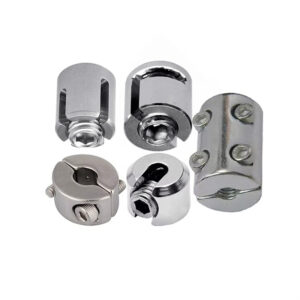
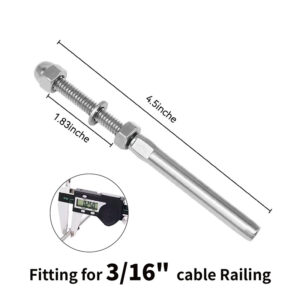
Embouts en verre
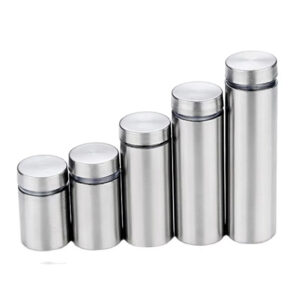
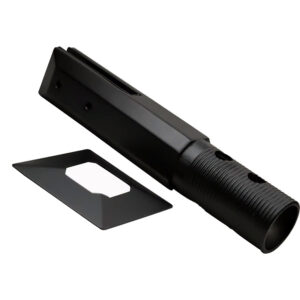
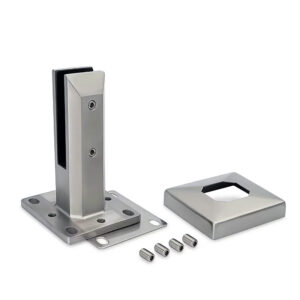
Embouts en verre
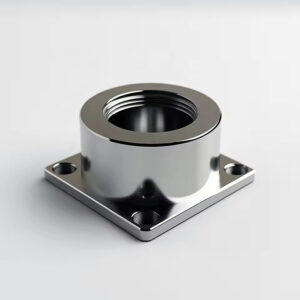
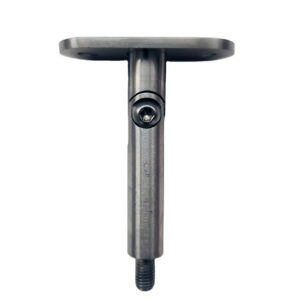
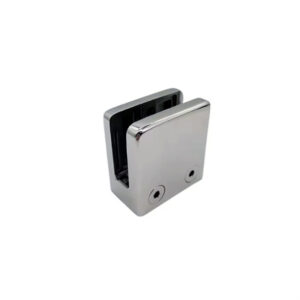
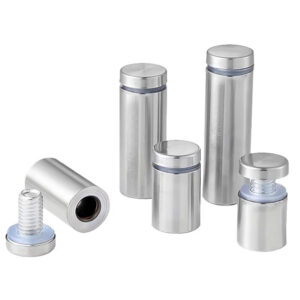
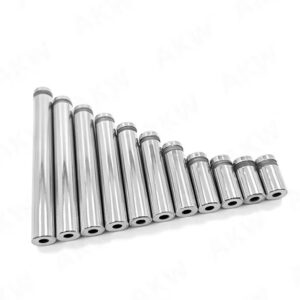
ESANG glass spigots and standoffs are used to support glass panels in frameless and semi-frameless glass railing systems. Spigots usually support glass from the bottom, while standoffs usually support glass from the side with an offset from the wall, stair stringer, fascia, or structural surface.
Cette catégorie comprend Surface Mount Glass Spigots, Core Drill Glass Spigots, Adjustable Glass Standoffs, Mini Glass Standoffs, et Heavy Duty Glass Spigots.
For contractors, distributors, fabricators, and project buyers, spigot and standoff selection should consider glass thickness, glass height, mounting method, substrate strength, hole positions, offset distance, material grade, finish, drainage, and project environment. ESANG can supply and manufacture glass spigots and standoffs according to drawings, samples, dimensions, material grade, finish requirements, and installation conditions.
Glass Spigot and Standoff Options
| Hardware option | Utilisé de préférence pour | Questions clés de la sélection |
|---|---|---|
| Surface Mount Glass Spigots | Frameless glass railings installed on top of decks, slabs, balconies, terraces, or pool surrounds | What surface, anchor method, glass thickness, spigot shape, and finish are required? |
| Core Drill Glass Spigots | Glass panels supported by spigots inserted into prepared holes or core-drilled openings | What hole depth, fixing method, glass alignment, drainage, and installation sequence are needed? |
| Adjustable Glass Standoffs | Side-mounted glass where alignment, offset, or field adjustment is required | What offset distance, adjustment range, glass hole position, and wall condition are required? |
| Mini Glass Standoffs | Compact side-mounted glass applications, interior glass, and smaller visual hardware layouts | What glass size, panel spacing, offset, and mounting surface should be matched? |
| Heavy Duty Glass Spigots | Larger glass panels, commercial glass railings, outdoor glass systems, and stronger support conditions | What glass thickness, panel height, spigot spacing, substrate, and project requirement should be reviewed? |
How to Choose Glass Spigots and Standoffs
The first decision is whether the glass should be supported from the bottom or from the side. Bottom-supported systems often use spigots or base shoes. Side-mounted systems often use standoffs or wall-to-glass connectors.
| État du projet | Orientations recommandées | Pourquoi c'est important |
|---|---|---|
| The glass is installed on top of a slab, deck, or pool surround | Use surface mount glass spigots | Surface mount spigots support the glass from below and are commonly used for frameless glass railing layouts. |
| The glass is fixed into prepared holes | Use core drill glass spigots | Core drill installation changes the preparation, fixing depth, drainage, and alignment requirements. |
| The glass is mounted to a stair stringer, fascia, or wall | Use glass standoffs or wall-to-glass support hardware | Side mounting creates a glass offset and requires correct hole positions and structural fixing. |
| The side-mounted glass needs field adjustment | Use adjustable glass standoffs | Adjustment can help with alignment, spacing, and site tolerance. |
| The project needs small visible hardware | Use mini glass standoffs where panel size and project requirements allow | Smaller hardware reduces visual weight but must still match the glass and support condition. |
| The project uses large glass panels or higher-use conditions | Use heavy duty glass spigots or project-reviewed support layouts | Panel size, glass thickness, spigot spacing, and substrate strength should be reviewed together. |
Spigots vs Standoffs
Spigots and standoffs are both used in glass railing systems, but they support the glass in different ways. They should not be selected only by appearance.
| Type de matériel | Fonction principale | Utilisation courante |
|---|---|---|
| Glass spigots | Support glass panels from the bottom | Frameless glass railings, pool fencing, balcony glass, terrace glass, and deck glass systems |
| Surface mount spigots | Fix glass from the bottom on top of a finished surface | Decks, slabs, terraces, balconies, and pool surrounds |
| Core drill spigots | Support glass through spigots installed into prepared holes | Core-drilled concrete, stone, or project-prepared openings |
| Glass standoffs | Hold glass away from a wall, stair stringer, fascia, or side structure | Side-mounted stair glass, balcony fascia glass, wall-mounted glass, and floating-glass designs |
| Mini standoffs | Provide compact side support with reduced visible hardware | Interior glass, decorative glass panels, and selected smaller glass railing layouts |
Mounting Surface and Glass Preparation
Spigots and standoffs require accurate coordination between the hardware, glass panel, and mounting surface. Before production or installation, glass thickness, hole positions, edge clearances, substrate condition, and fixing method should be confirmed.
| Point à confirmer | Pourquoi c'est important | Commentaires typiques des acheteurs |
|---|---|---|
| Épaisseur du verre | Spigot slot, standoff diameter, gasket, and fixing method must match the glass | Glass thickness, glass type, and glass supplier specification |
| Glass hole positions | Standoffs and some side-mounted fittings depend on accurate drilled hole layout | Glass drawings, hole diameter, hole spacing, and edge distance |
| Mounting surface | Concrete, deck, stone, steel, stair stringer, wall, or fascia surfaces require different fixing methods | Surface material, thickness, photos, drawings, or installation detail |
| Spigot spacing | Spacing affects glass support and panel alignment | Panel width, glass height, project layout, and support requirements |
| Distance de décalage | Side-mounted glass must sit at the correct distance from the support surface | Required standoff projection, wall condition, and visual requirement |
| Drainage and waterproofing | Outdoor and poolside installations may require water management around fixing points | Outdoor exposure, finished surface, waterproofing layer, and cleaning plan |
Surface Mount vs Core Drill Spigots
Surface mount and core drill spigots can both create frameless glass railing systems, but the installation preparation is different.
| Spigot type | Avantages typiques | Considérations générales |
|---|---|---|
| Embouts en verre pour montage en surface | Installed on top of a finished surface; easier to inspect and coordinate with base fixing | Base plate, anchors, surface strength, drainage, and visible hardware appearance |
| Embouts de verre pour carottage | Can create a cleaner base appearance where the fixing is embedded | Hole depth, hole diameter, waterproofing, installation sequence, and alignment |
| Becs verseurs en verre très résistants | Used where larger glass panels or stronger support conditions are expected | Glass size, spigot spacing, substrate strength, material grade, and project requirement |
Matériaux, finitions et fabrication sur mesure
ESANG glass spigots and standoffs can be manufactured according to project requirements, including spigot shape, standoff diameter, glass thickness range, hole position, offset distance, base fixing, material grade, surface finish, and packaging requirements.
| Matériau ou finition | Utilisation courante | Notes |
|---|---|---|
| Acier inoxydable 304 | Interior glass railings, commercial interiors, residential stairs, and dry environments | A common option for many indoor glass railing projects. |
| Acier inoxydable 316 | Outdoor glass railings, pool areas, balconies, terraces, and humid environments | On le privilégie généralement lorsqu'une meilleure résistance à la corrosion est requise. |
| Acier inoxydable 316L | Projets nécessitant une meilleure soudabilité ou des performances anticorrosion plus élevées | Convient lorsque le cahier des charges exige de l'acier inoxydable à faible teneur en carbone. |
| Finition brossée ou satinée | Commercial glass railings, pool fencing, balcony systems, and most architectural applications | Permet de réduire l'apparence des traces de doigts et des petites marques dues à la manipulation. |
| Polissage miroir | Aménagements intérieurs décoratifs, hôtels, villas et applications visuelles haut de gamme sélectionnées | Il confère un aspect brillant, mais nécessite un entretien et un nettoyage plus minutieux. |
| Black or project-specified finish | Selected modern glass railing systems and custom architectural designs | Finish requirements should be confirmed with project drawings or samples. |
For non-standard glass railing projects, customers can provide drawings, glass thickness, glass hole positions, mounting surface details, spigot or standoff style, finish requirements, and installation conditions. ESANG can review the requirements and manufacture hardware to match the project specification where feasible.
Compatibilité avec les systèmes de garde-corps en verre
Glass spigots and standoffs should be selected with the complete glass railing assembly. The same glass panel may require different hardware depending on whether it is bottom-supported, side-mounted, post-supported, or combined with top rail components.
- For bottom-supported frameless glass, compare spigots with Systèmes de chaussures de base according to visual style, support method, and installation surface.
- For side-mounted glass, coordinate standoffs with Supports et adaptateurs pour verre or wall-to-glass connector details.
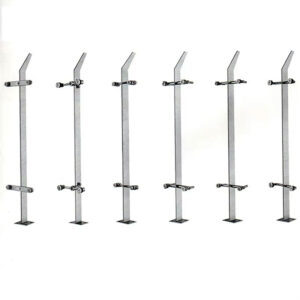
- For glass systems with posts, review Pinces et connecteurs pour le verre et Poteaux en acier inoxydable.
- For top edge finishing, coordinate with Rails à chapeaux if the project requires a continuous top rail or protective profile.
- For handrail integration, confirm compatibility with Systèmes de mains courantes and project-specific support details.
Personnalisation en fonction des exigences du projet
Many spigot and standoff projects are customized according to glass thickness, mounting method, substrate condition, offset distance, surface finish, and project layout. ESANG can support custom glass spigots, surface mount spigots, core drill spigots, heavy duty spigots, adjustable standoffs, mini standoffs, and related stainless steel support hardware.
When a project has standard-oriented requirements related to guardrail height, glass type, glass thickness, opening limitations, material grade, or installation method, customers should provide the required drawings and specifications. ESANG can manufacture spigots and standoffs to match those provided details, while final compliance depends on the complete installed system, glass specification, structural design, installation method, and applicable local code.
Considérations relatives à l'installation et au projet
Glass spigots and standoffs should be reviewed before glass production or installation. Glass holes, edge distances, support spacing, substrate strength, and waterproofing details can affect the final installation.
- Glass thickness, height, and panel width
- Tempered or laminated glass specification
- Spigot slot, gasket, standoff diameter, and fixing detail
- Surface mount, core drill, side mount, or wall mount method
- Glass hole positions and edge distances
- Substrate strength, anchor type, and fixing method
- Drainage, étanchéité et accès pour le nettoyage
- Matériau adapté aux environnements intérieurs, extérieurs, côtiers ou au bord d'une piscine
- Exigences du code local du bâtiment et du cahier des charges du projet
Glass drilling, notching, hole layout, and edge preparation should be confirmed with the glass supplier, project designer, installer, or local authority. ESANG can manufacture hardware to match provided glass and project requirements, but the complete installed system should be reviewed as a whole.
Scénarios d'application
Frameless Balcony Glass Railings
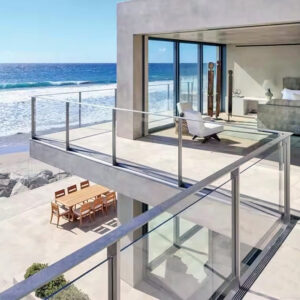
Glass spigots are commonly used for frameless balcony glass railing systems where panels are supported from the bottom. Surface condition, spigot spacing, glass thickness, and finish should be confirmed before production.
Pool Fencing and Outdoor Glass Railings
Poolside and outdoor glass railing projects require more attention to material grade, drainage, cleaning, and fastener selection. 316 or 316L stainless steel may be considered for humid, poolside, or coastal environments.
Stair Glass with Side-Mounted Standoffs
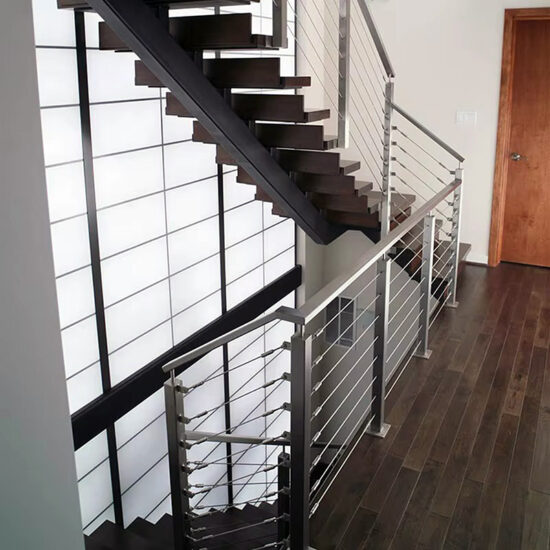
Stair glass railing systems may use side-mounted standoffs fixed to a stair stringer, fascia, or wall. Hole positions, offset distance, and alignment should be coordinated with the glass supplier.
Systèmes de garde-corps commerciaux en verre
Commercial buildings, hotels, shopping centers, offices, and public facilities often use glass spigots or standoffs to create clean architectural railing systems with consistent finish and repeatable installation details.
Residential and Villa Projects
Residential projects may use mini standoffs, mirror-polished spigots, black spigots, or custom finishes to match interior stairs, balconies, terraces, or pool areas.
Catégories de produits connexes
- Surface Mount Glass Spigots
- Core Drill Glass Spigots
- Adjustable Glass Standoffs
- Mini Glass Standoffs
- Heavy Duty Glass Spigots
- Systèmes de chaussures de base
- Pinces et connecteurs pour le verre
- Supports et adaptateurs pour verre
- Rails à chapeaux
Questions fréquemment posées
What is the difference between glass spigots and glass standoffs?
Glass spigots usually support glass panels from the bottom and are commonly used for frameless glass railings. Glass standoffs support glass from the side and create an offset between the glass and a wall, stair stringer, fascia, or structural surface.
When should surface mount glass spigots be used?
Surface mount glass spigots are used when glass panels are supported from the bottom on top of a slab, deck
Articles connexes :
Replacing Core-Mounted Posts With Surface Bases: Precheck
Check the existing opening, slab condition, edge geometry, drainage, and revised load path before converting an embedded post to a surface base.
Liste de contrôle pour les appels d'offres relatifs aux socles de poteaux de balustrade à l'intention des acheteurs de projets
Demandez, dans un seul appel d'offres par projet, des informations comparables concernant les éléments de fixation des socles, les matériaux de support, les finitions, les plans, les limites d'ancrage, les échantillons et les documents d'inspection.
Adjustable Railing Post Bases for Sloped or Uneven Surfaces
Compare adjustable bases against the actual slope, bearing surface, leveling range, finish interface, and fixing access before selecting a detail.
Railing Post Base Anchors: Inputs for Engineering Review
Define substrate, geometry, loads, exposure, and anchor evidence before engineering review so a hardware label is not mistaken for a connection design.
Plans des socles de poteaux de garde-corps : perçages, bords et tolérances
Give fabricators and installers a base-plate drawing that resolves hole centers, slab edges, tool access, and agreed tolerances before production.
Gamme de supports muraux ESANG : standard, haute résistance, réglables et encastrés
Choisissez parmi les options de supports muraux standard, robustes, réglables et encastrés en fonction des exigences en matière de projection, d'épaisseur du mur, d'accessibilité, de finition et de conservation des preuves.
Projets d'Esang

Certificat d'Esang
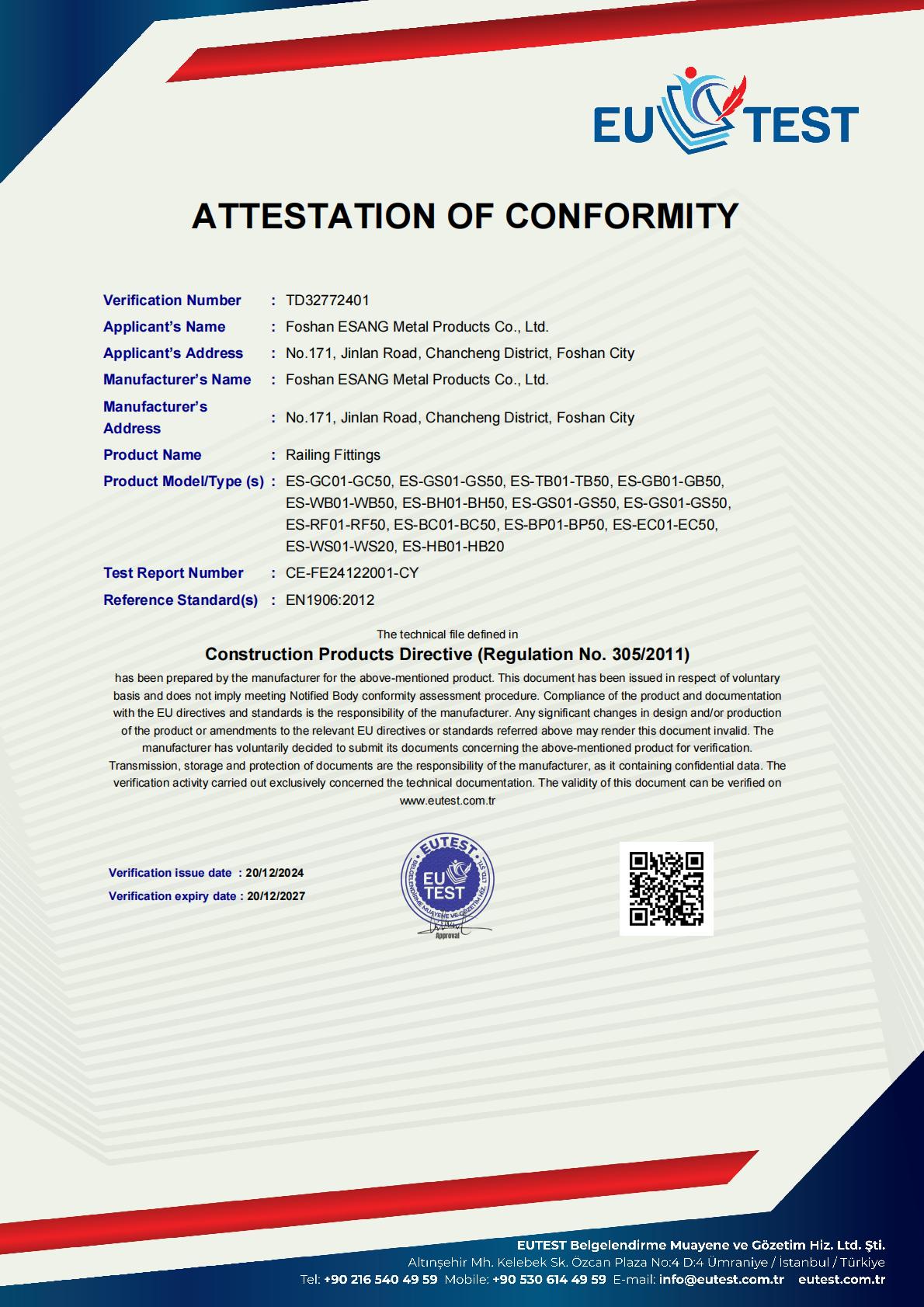
Foshan ESANG Metal Products est fier d'entretenir Certification CE (numéro de vérification TD32772401) en vertu de la directive sur les produits de construction (règlement n° 305/2011), ce qui confirme notre engagement à respecter les normes européennes les plus strictes en matière de sécurité et de qualité.
Certifié Gamme de produits :
Notre gamme complète d'accessoires pour garde-corps, qui comprend des pinces à verre, des tendeurs, des supports, des supports muraux, des sabots, des accessoires pour mains courantes, des câbles et des composants pour poteaux, répond aux besoins des utilisateurs de garde-corps. EN1906:2012 garantissant l'intégrité structurelle et la fiabilité des performances dans toutes les installations.
Ce que cela signifie pour votre projet :
✓ Conformité réglementaire totale pour les marchés européens et internationaux
✓ Performances en matière de sécurité et de durabilité vérifiées de manière indépendante
✓ Support documentaire pour les spécifications architecturales
✓ Tranquillité d'esprit grâce à l'assurance qualité d'une tierce partie
Certification valable jusqu'en 2027 : CE-FE24122001-CY
Projets d'Esang

Produits de référence