Quincaillerie pour poteaux traversants
Quincaillerie pour poteaux traversants
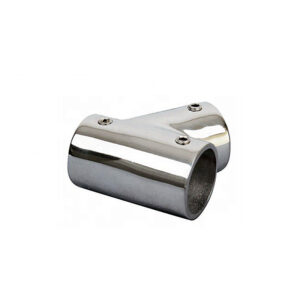
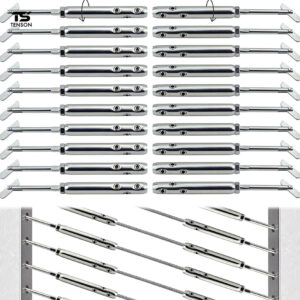
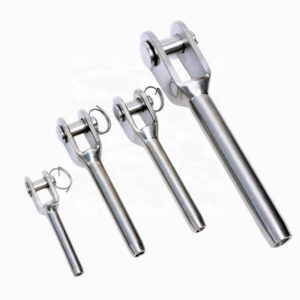
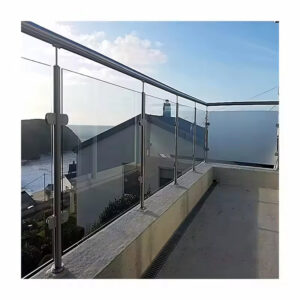
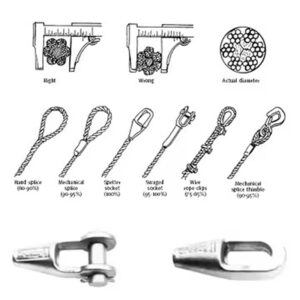
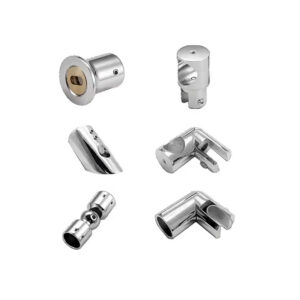
ESANG through-post hardware is used when stainless steel cable passes through railing posts instead of attaching only to the outside surface. These components help guide, protect, align, or finish cable pass-through points in cable railing systems.
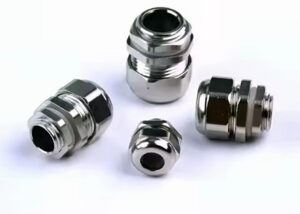
Cette catégorie comprend Through Post Cable Hardware, Cable Pass-Through Fittings, et Corner Post Cable Hardware.
For contractors, distributors, fabricators, and project buyers, through-post hardware selection should consider post shape, post hole size, cable diameter, cable direction, terminal condition, corner routing, material grade, surface finish, and installation environment. ESANG can supply and manufacture through-post cable hardware according to drawings, post dimensions, cable size, hole layout, material grade, finish requirements, and installation conditions.
Through-Post Hardware Options
| Hardware option | Utilisé de préférence pour | Questions clés de la sélection |
|---|---|---|
| Through Post Cable Hardware | Cable runs passing through stainless steel posts in straight or repeated railing layouts | What post shape, cable diameter, hole size, and pass-through detail are required? |
| Cable Pass-Through Fittings | Protecting, aligning, or finishing cable holes through intermediate posts | What fitting style, post wall thickness, hole diameter, and cable direction should be matched? |
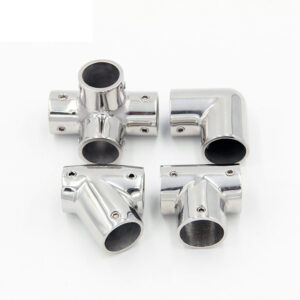
| Corner Post Cable Hardware | Cable systems where cable changes direction at corner posts or angled railing runs | What corner angle, cable routing path, tensioning plan, and post design are required? |
How to Choose Through-Post Cable Hardware
Through-post hardware should be selected according to the role of the post. An intermediate post, terminal post, and corner post may all have cable holes, but the cable direction and hardware function can be different.
| État du projet | Orientations recommandées | Pourquoi c'est important |
|---|---|---|
| The cable passes straight through intermediate posts | Use through post cable hardware or cable pass-through fittings | Pass-through fittings help protect cable and improve alignment through the post. |
| The cable changes direction at a corner | Use corner post cable hardware or project-specific routing details | Corner routing changes cable angle, tension, friction, and hole alignment. |
| The cable terminates at a post | Use terminal hardware and cable end fittings rather than only pass-through fittings | Termination and pass-through functions should not be confused. |
| The post has pre-drilled cable holes | Match fittings to hole diameter, post wall thickness, and cable size | Incorrect hole or fitting size can affect installation appearance and cable movement. |
| The system uses square or rectangular posts | Confirm hole position, face orientation, and fitting shape | Flat post faces make alignment important across the cable run. |
| The system uses round posts | Confirm cable hole angle and fitting shape for curved surfaces | Round post geometry changes how the fitting sits and how the cable exits the post. |
Intermediate, Terminal, and Corner Post Differences
Cable pass-through details depend on post position. A cable may pass through an intermediate post, terminate at a terminal post, or change direction at a corner post.
| Position de départ | Through-post role | Considérations générales |
|---|---|---|
| Article intermédiaire | Allows cable to pass through while maintaining spacing and alignment | Hole spacing, fitting protection, cable direction, and post wall thickness |
| Poteau de terminaison | Often anchors, tensions, or terminates the cable rather than simply passing it through | End fittings, tensioners, post strength, and finished cable length |
| Poteau de coin | Changes cable direction and may require special routing or angled fittings | Corner angle, cable friction, tensioning plan, hole alignment, and post orientation |
| Stair post | Guides cable through angled stair runs | Stair pitch, cable angle, hole layout, and fitting alignment |
Post Hole Layout and Cable Alignment
Through-post cable systems require accurate post hole layout. Hole position, spacing, and direction should be confirmed before production, especially for custom posts, stair runs, or corner conditions.
| Layout item | Ce qu'il faut vérifier | Pourquoi c'est important |
|---|---|---|
| Cable diameter | Cable size and compatible pass-through fitting | The fitting must protect and guide the correct cable size. |
| Hole diameter | Drilled hole size, fitting fit, and tolerance | Incorrect holes can create loose fittings or difficult installation. |
| Hole spacing | Vertical spacing between cable runs | Spacing affects appearance, opening control, and cable layout. |
| Post wall thickness | Thickness of round, square, rectangular, or custom post | Fitting design and installation method should match the post wall. |
| Cable direction | Straight, angled, stair, or corner routing | Cable direction affects hole angle and fitting position. |
| Fitting finish | Visible surface finish around each pass-through point | Pass-through hardware should match the railing finish where visible. |
Matériaux, finitions et fabrication sur mesure
ESANG through-post cable hardware can be supplied or manufactured according to project requirements, including cable diameter, post hole layout, pass-through fitting shape, corner routing detail, material grade, surface finish, and packaging requirements.
| Matériau ou finition | Utilisation courante | Notes |
|---|---|---|
| Acier inoxydable 304 | Interior cable railing systems, commercial interiors, residential stairs, and dry environments | A common option for many indoor cable railing projects. |
| Acier inoxydable 316 | Outdoor cable railings, coastal projects, poolside areas, decks, terraces, and humid environments | On le privilégie généralement lorsqu'une meilleure résistance à la corrosion est requise. |
| Acier inoxydable 316L | Projets nécessitant une meilleure soudabilité ou des performances anticorrosion plus élevées | Convient lorsque le cahier des charges exige de l'acier inoxydable à faible teneur en carbone. |
| Finition brossée ou satinée | Commercial cable railings, decks, balconies, and most architectural cable railing projects | Helps reduce the visibility of minor handling marks and fingerprints. |
| Polissage miroir | Decorative or selected premium applications | Il confère un aspect plus brillant, mais nécessite une manipulation et un nettoyage plus minutieux. |
For non-standard cable railing projects, customers can provide drawings, post shape, post dimensions, cable diameter, hole layout, cable direction, corner condition, finish requirements, and project environment. ESANG can review the requirements and manufacture through-post hardware to match the project specification where feasible.
Compatibility with Cable Railing Components
Through-post hardware should be selected together with cable fittings, tensioners, end fittings, posts, and spacer bars. It is one part of the complete cable routing system.
- For complete cable fitting selection, coordinate with Cable Hardware Fittings.
- For cable termination, coordinate with Raccords d'extrémité de câble.
- For cable tension adjustment, coordinate with Tensioners and Turnbuckles.
- For spacing support between posts, review Barres d'écartement des câbles.
- For cable-ready posts, coordinate hole layout with Poteaux en acier inoxydable, terminal posts, intermediate posts, and corner posts.
Personnalisation en fonction des exigences du projet
Many through-post cable hardware projects are customized according to post shape, cable diameter, hole layout, cable routing direction, and installation environment. ESANG can support custom through post cable hardware, cable pass-through fittings, corner post cable hardware, drilled post layouts, and related stainless steel cable routing components.
When a project has standard-oriented requirements related to guardrail height, cable spacing, opening limitations, material grade, corrosion resistance, or installation method, customers should provide the required drawings and specifications. ESANG can manufacture through-post hardware to match those provided details, while final compliance depends on the complete installed system, structural design, installation method, and applicable local code.
Considérations relatives à l'installation et au projet
Through-post hardware should be planned before posts are drilled or manufactured. Cable hole layout, cable direction, post spacing, and fitting type should be confirmed together.
- Cable diameter and cable construction
- Round, square, rectangular, terminal, intermediate, or corner post type
- Post hole diameter, hole spacing, and hole direction
- Pass-through fitting type and finish
- Terminal post and corner post details
- Cable tensioning location and end fitting compatibility
- Stair angle, corner routing, or straight run layout
- Matériau adapté aux environnements intérieurs, extérieurs, côtiers ou au bord d'une piscine
- Exigences du code local du bâtiment et du cahier des charges du projet
For cable railing projects on decks, balconies, stairs, terraces, and public-access areas, the complete installed system should be reviewed by the project designer, engineer, contractor, or local authority. ESANG can manufacture through-post hardware to match provided requirements, but final compliance depends on the full assembly and site conditions.
Scénarios d'application
Intermediate Post Cable Runs
Through-post hardware is commonly used where cable passes through intermediate posts along straight railing runs. Hole spacing, cable alignment, and fitting finish should be coordinated before production.
Corner Post Cable Routing
Corner post cable hardware is used when cable changes direction at balcony, deck, or stair corners. Corner angle, cable routing, and tensioning strategy should be reviewed together.
Stair Cable Railings
Stair cable railing projects may require angled through-post holes or special pass-through fittings. Stair pitch, post location, and cable direction should be confirmed before drilling or fabrication.
Deck and Balcony Cable Railings
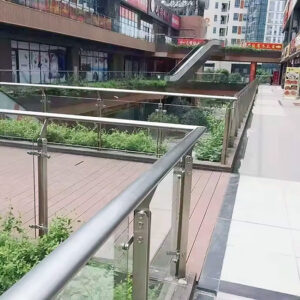
Deck and balcony cable railings often use through-post hardware with stainless steel posts to create clean horizontal cable lines. Cable diameter, post spacing, and terminal conditions should be planned early.
Outdoor and Coastal Cable Railings
Outdoor, poolside, coastal, and humid environments require more attention to corrosion resistance, cleaning, and material grade. 316 or 316L stainless steel may be considered for more demanding exposure conditions.
Catégories de produits connexes
- Through Post Cable Hardware
- Cable Pass-Through Fittings
- Corner Post Cable Hardware
- Cable Hardware Fittings
- Raccords d'extrémité de câble
- Tensioners and Turnbuckles
- Barres d'écartement des câbles
- Poteaux en acier inoxydable
Questions fréquemment posées
What is through-post cable hardware?
Through-post cable hardware is used when cable passes through railing posts. It may guide, protect, align, or finish the cable hole where the cable travels through intermediate, terminal, stair, or corner posts.
What are cable pass-through fittings used for?
Cable pass-through fittings are used to protect and finish the cable hole in a post. They help improve cable alignment and reduce direct contact between the cable and raw post hole edges.
When should corner post cable hardware be used?
Corner post cable hardware should be used when cable changes direction at a railing corner. Corner routing affects cable tension, hole angle, and fitting layout, so it should be planned before post fabrication.
What is the difference between through-post fittings and cable end fittings?
Through-post fittings guide cable through a post. Cable end fittings terminate the cable at the end of a run or connection point. Some terminal posts may require both routing and termination hardware, depending on the layout.
Can ESANG customize through-post cable hardware?
Yes. ESANG can manufacture through-post cable hardware, pass-through fittings, corner post hardware, and drilled post layouts according to cable diameter, post shape, hole spacing, material grade, finish, and project drawings.
Can through-post hardware be used with round and square posts?
Yes. Through-post hardware can be designed for round, square, rectangular, or custom stainless steel posts. Hole position, post wall thickness, cable direction, and fitting shape should be confirmed before production.
Should I choose 304 or 316 stainless steel through-post hardware?
L'acier inoxydable 304 est couramment utilisé pour les environnements intérieurs et secs. L'acier inoxydable 316 est généralement privilégié pour les environnements extérieurs, côtiers, au bord d'une piscine, humides ou présentant un risque élevé de corrosion. Le type d'acier à retenir doit être choisi en fonction de l'exposition du projet et des spécifications techniques.
What information is needed for a through-post hardware inquiry?
Useful information includes cable diameter, post shape, post size, post wall thickness, hole diameter, hole spacing, cable direction, terminal or corner condition, material grade, finish, quantity, and drawings.
Can through-post hardware be used on stair cable railings?
Yes. Stair cable railings may use through-post hardware, but hole angle, stair pitch, cable direction, and post position must be confirmed carefully before fabrication.
How should stainless steel through-post hardware be maintained?
Le nettoyage courant s'effectue généralement à l'aide d'un détergent doux, d'eau claire et d'un chiffon doux. Évitez les produits nettoyants à base de chlorure, la laine d'acier et les outils abrasifs. Les installations situées à l'extérieur, au bord d'une piscine ou en bord de mer doivent être nettoyées plus régulièrement afin de réduire la contamination des surfaces et de préserver leur aspect.
Articles connexes :
Pier and Dock Railing Layout: Posts, Infill, Access, and Mounting
Plan pier and dock runs around post locations, infill modules, corners, gates, access routes, substrate edges, and mounting responsibility.
Coastal Railing Exposure: Salt Air, Splash, and Cleaning Access
Separate airborne salt, direct splash, retained wetness, deposits, and cleaning access before choosing coastal railing materials and details.
Replacing Core-Mounted Posts With Surface Bases: Precheck
Check the existing opening, slab condition, edge geometry, drainage, and revised load path before converting an embedded post to a surface base.
Liste de contrôle pour les appels d'offres relatifs aux socles de poteaux de balustrade à l'intention des acheteurs de projets
Demandez, dans un seul appel d'offres par projet, des informations comparables concernant les éléments de fixation des socles, les matériaux de support, les finitions, les plans, les limites d'ancrage, les échantillons et les documents d'inspection.
Adjustable Railing Post Bases for Sloped or Uneven Surfaces
Compare adjustable bases against the actual slope, bearing surface, leveling range, finish interface, and fixing access before selecting a detail.
Railing Post Base Anchors: Inputs for Engineering Review
Define substrate, geometry, loads, exposure, and anchor evidence before engineering review so a hardware label is not mistaken for a connection design.
Projets d'Esang

Certificat d'Esang
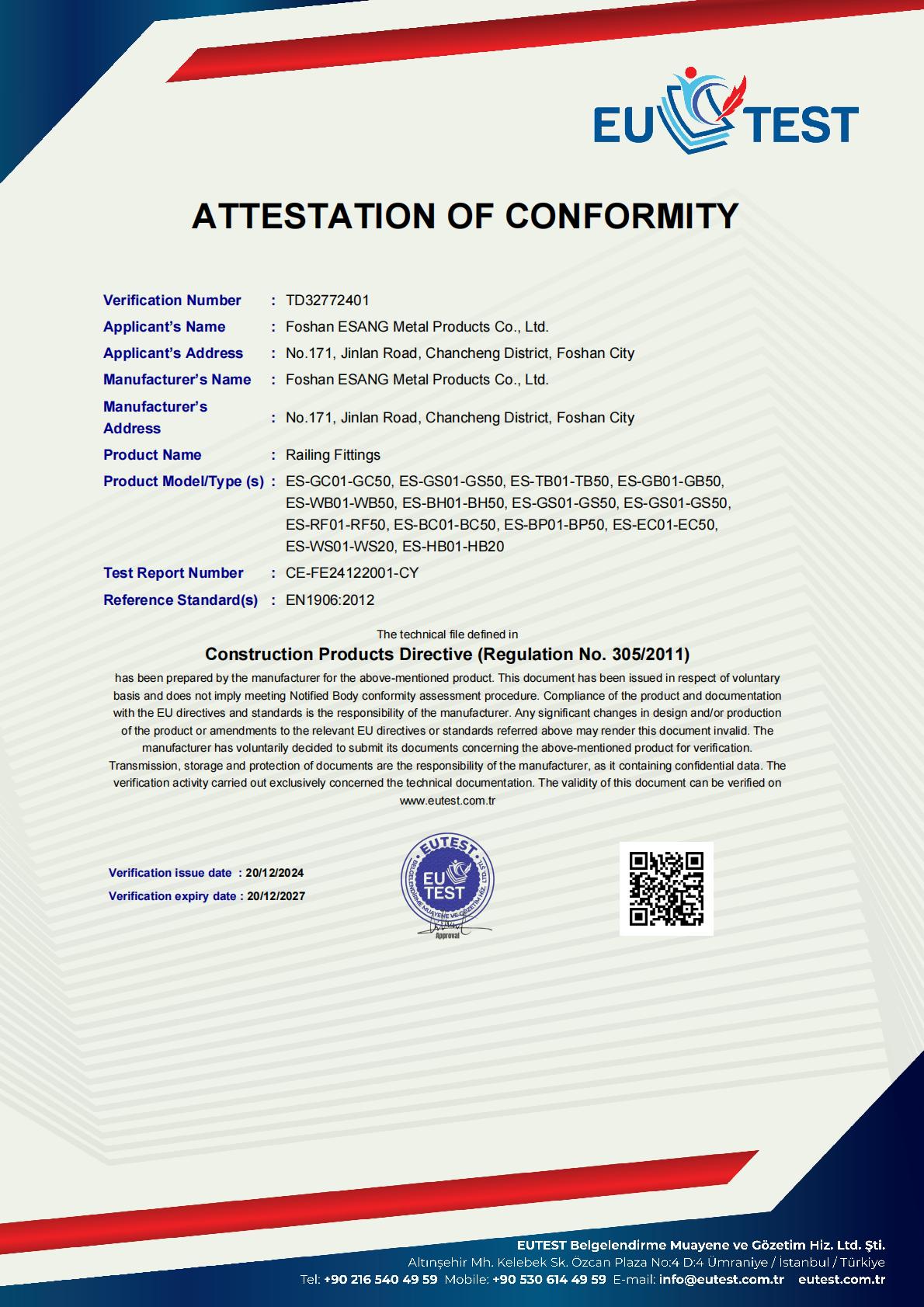
Foshan ESANG Metal Products est fier d'entretenir Certification CE (numéro de vérification TD32772401) en vertu de la directive sur les produits de construction (règlement n° 305/2011), ce qui confirme notre engagement à respecter les normes européennes les plus strictes en matière de sécurité et de qualité.
Certifié Gamme de produits :
Notre gamme complète d'accessoires pour garde-corps, qui comprend des pinces à verre, des tendeurs, des supports, des supports muraux, des sabots, des accessoires pour mains courantes, des câbles et des composants pour poteaux, répond aux besoins des utilisateurs de garde-corps. EN1906:2012 garantissant l'intégrité structurelle et la fiabilité des performances dans toutes les installations.
Ce que cela signifie pour votre projet :
✓ Conformité réglementaire totale pour les marchés européens et internationaux
✓ Performances en matière de sécurité et de durabilité vérifiées de manière indépendante
✓ Support documentaire pour les spécifications architecturales
✓ Tranquillité d'esprit grâce à l'assurance qualité d'une tierce partie
Certification valable jusqu'en 2027 : CE-FE24122001-CY
Projets d'Esang

Produits de référence