Route the connection before you choose the hardware
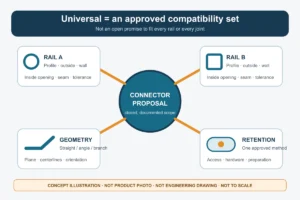
Mounting hardware is not one interchangeable product family. Start with the two parts being connected: a handrail to a wall, a rail to a post, a joint between rail sections, or a bracket that must be set to a project angle. Then confirm the receiving surface, component geometry, final fixing method and installation access. This directory routes those different purchasing tasks to ESANG’s current public product families.
Route my hardware inquiry on WhatsApp
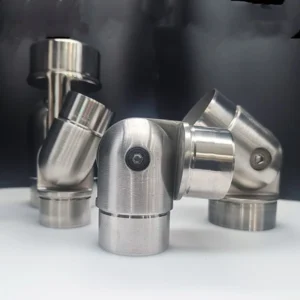
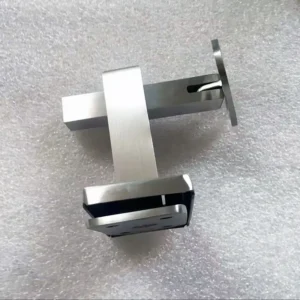
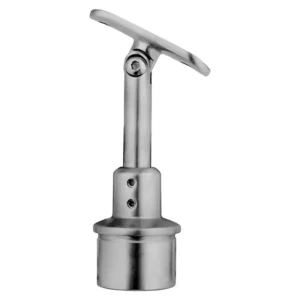
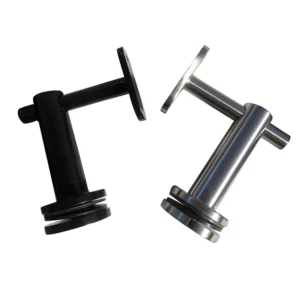
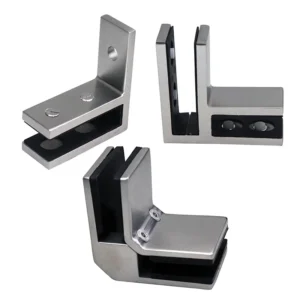
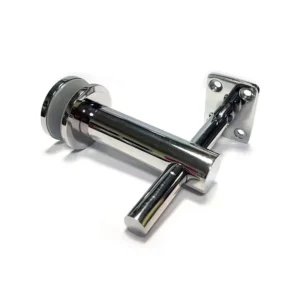
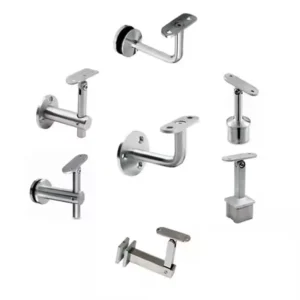
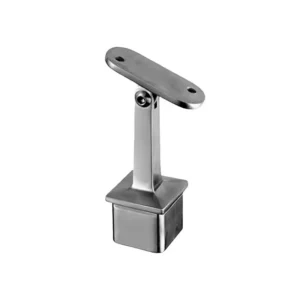
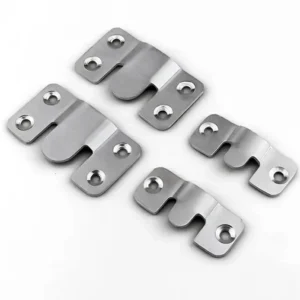
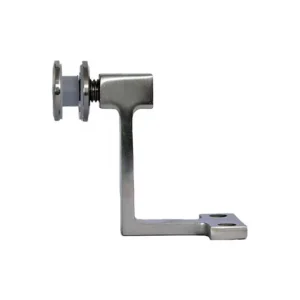
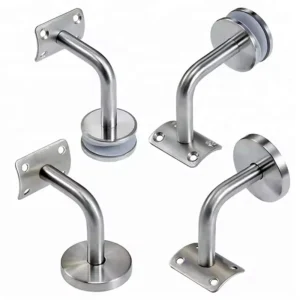
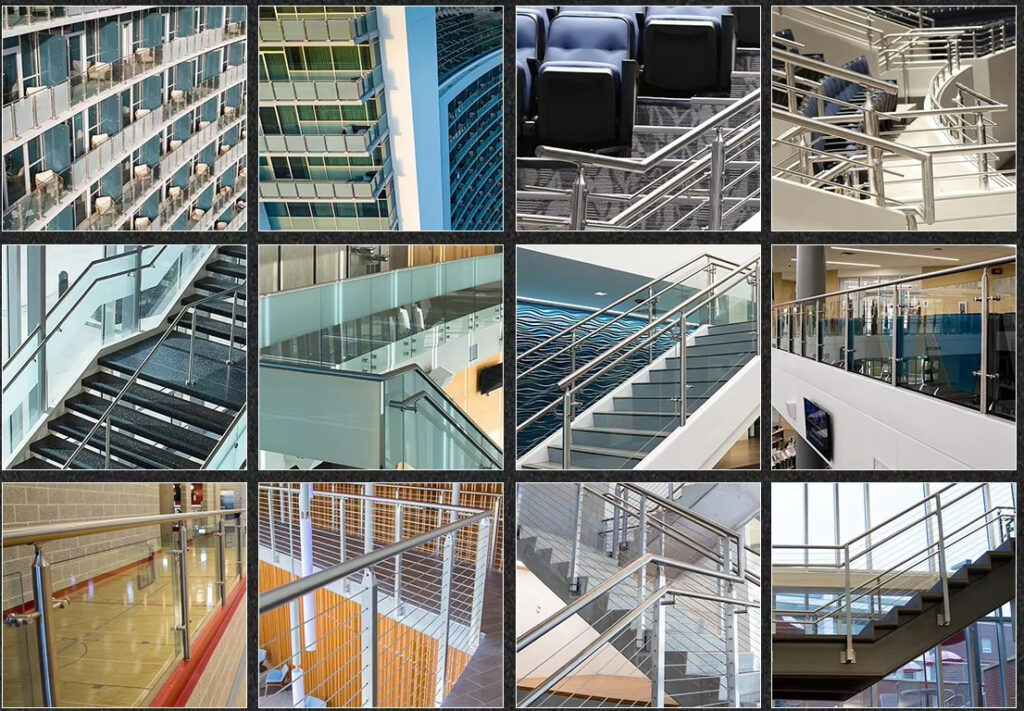
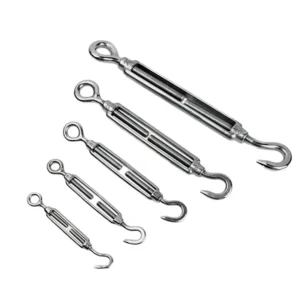
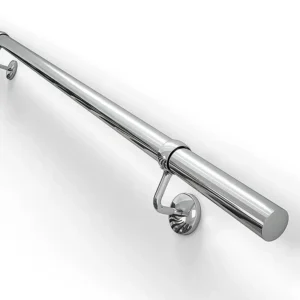
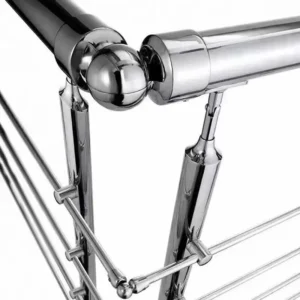
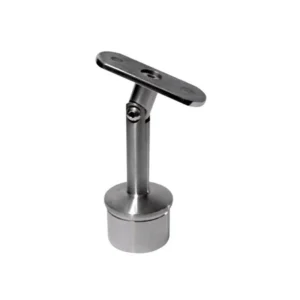
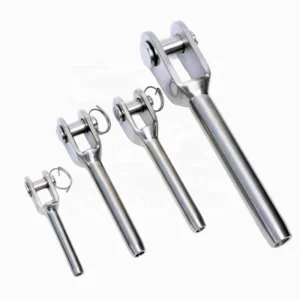
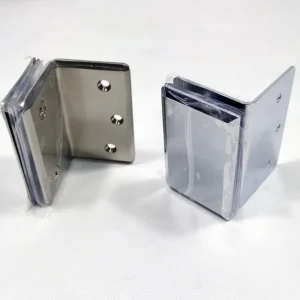
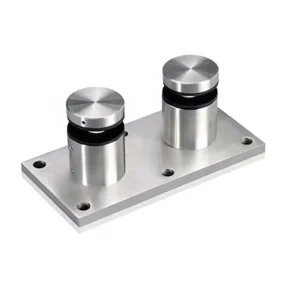
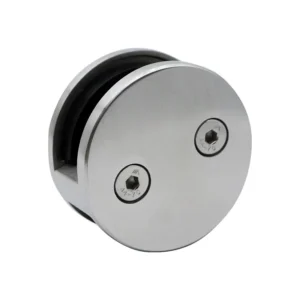
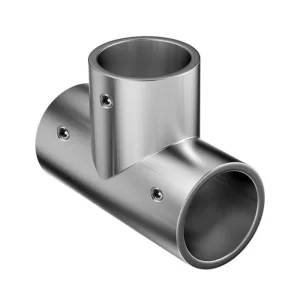
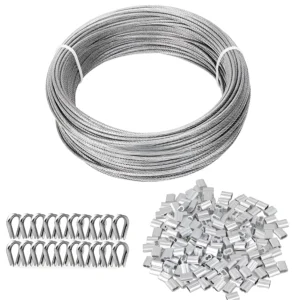
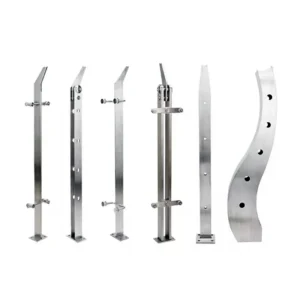
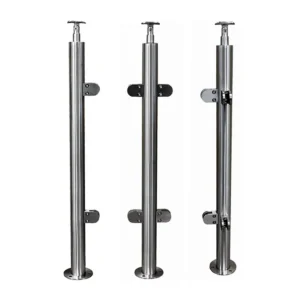
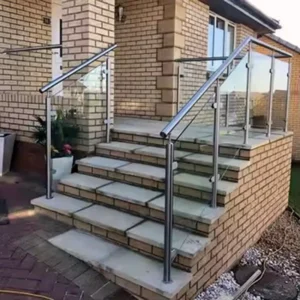
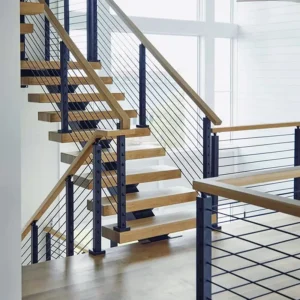
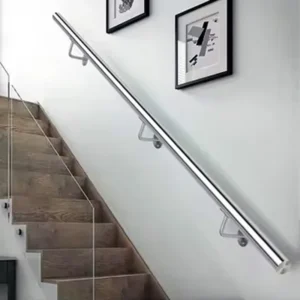
Visible examples from the active families
Choose the active route by connection task
Route — Use it when — Do not decide from the category name alone
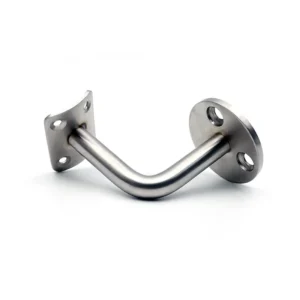
Supports de fixation murale — A handrail or support is fixed from a wall or side surface. — Confirm the actual wall build-up, required clearance, bracket projection, handrail profile and anchor responsibility.
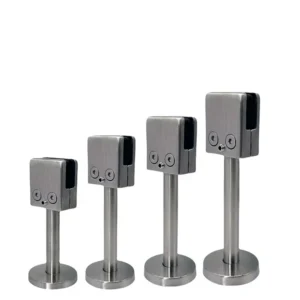
Supports de montage sur poteau — A handrail or rail is supported from a round, square or other post interface. — Match both sides of the bracket: post geometry and the supported rail or handrail.
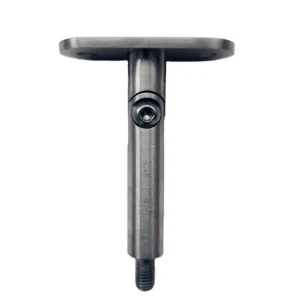
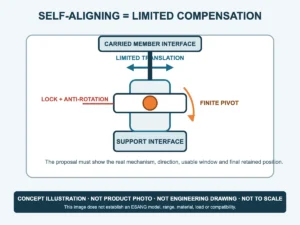
Supports réglables — The installed position needs a defined height, angle or alignment adjustment. — Specify the adjustment axis, required range, final locked position and access to the locking point.
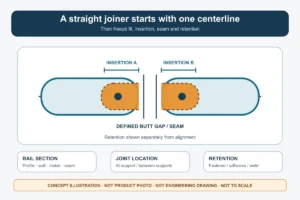
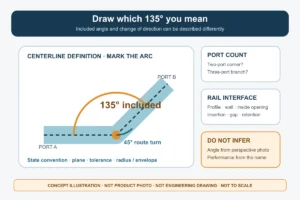
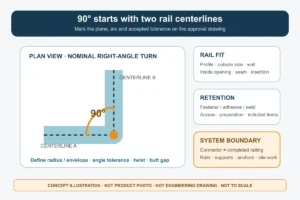
Connecteurs de rail — Two rail sections must continue straight, turn a corner or meet at a planned transition. — Confirm tube shape, outside and inside dimensions, wall thickness, joint angle, insertion or contact geometry, and fixing method.
Systèmes d'ancrage — You need to coordinate a component interface with a substrate and a separately selected anchoring design. — This category currently has no direct product-detail listings. It is not evidence that ESANG offers a complete anchor range.
Freeze the interfaces in the right sequence
1. Define the supported component. Record the handrail or rail profile, its dimensions, orientation and whether the visible joint can be welded, mechanically fixed or must remain removable.
2. Define the receiving component. Provide the wall build-up, post cross-section, tube dimensions or adjoining rail section—not only a general label such as “concrete wall” or “round post.”
3. Define position and movement. State clearance, projection, route angle and any installation adjustment. An adjustable part should not be treated as a service hinge unless the selected design explicitly says so.
4. Define the project boundary. The bracket or connector, its fasteners, the anchor system, the substrate and the complete railing assembly have separate responsibilities. The project engineer and relevant manufacturers must close those interfaces.
A useful inquiry can start before every dimension is final
Send a drawing, marked-up photo or simple sketch with the connection task, approximate quantity and environment. Add the known rail, post or wall details. ESANG can then identify the relevant public family and state what still has to be confirmed for the proposed configuration.
Ask the quotation or proposed configuration to state:
• the selected product family and the two interfaces it is intended to join;
• proposed dimensions, material grade and finish rather than an assumed universal fit;
• included bracket or connector parts, loose fasteners and explicit exclusions;
• the installation fixing method and any required welding, drilling or locking operation;
• which load, anchor, substrate and code checks remain with the project team.
Send the connection details on WhatsApp