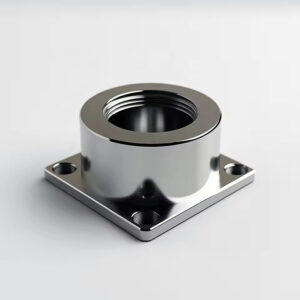
Poteaux et composants de garde-corps
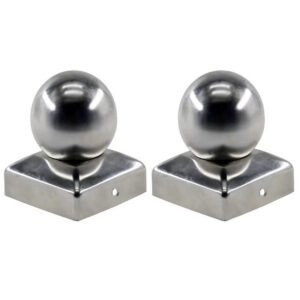
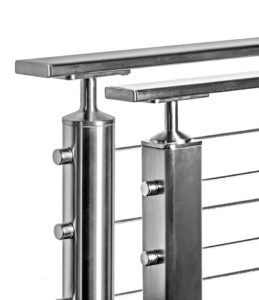
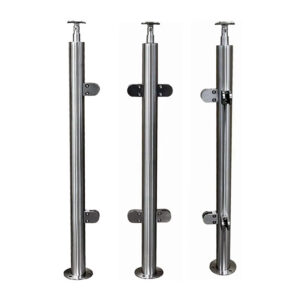
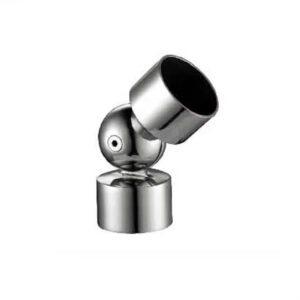
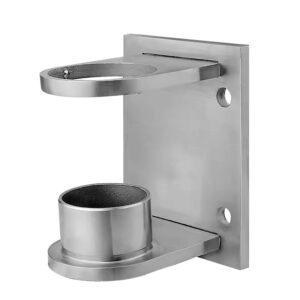
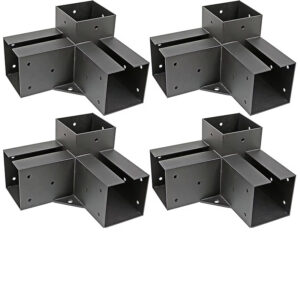
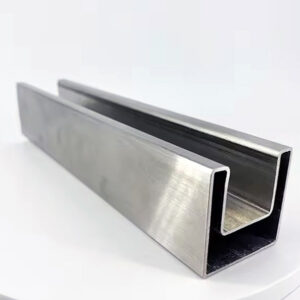
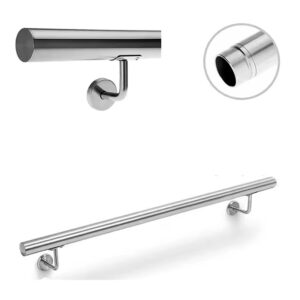
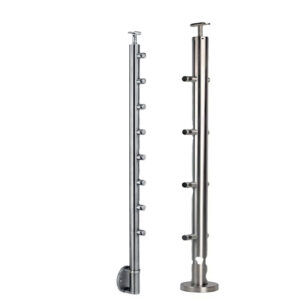
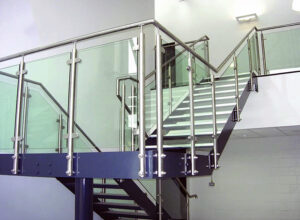
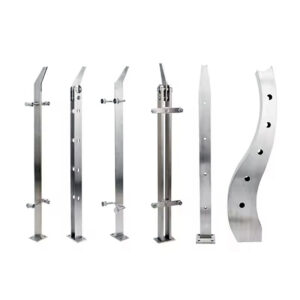
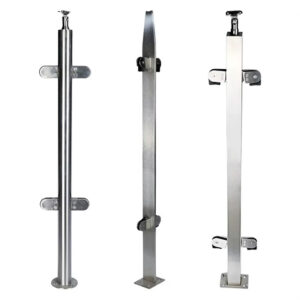
Poteaux et composants de garde-corps
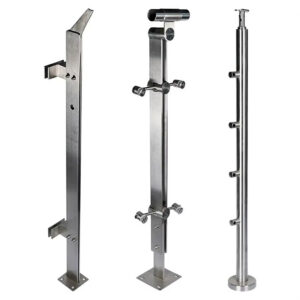
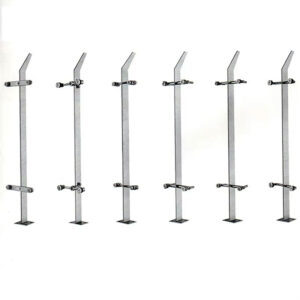
ESANG railing posts and components are used to build the main structure of stainless steel railing systems for stairs, balconies, terraces, decks, commercial buildings, residential projects, glass railing systems, cable railing systems, and custom architectural applications.
Cette catégorie couvre Poteaux en acier inoxydable, Traverses supérieures et traverses inférieures, Matériel et fixation, et Systèmes de remplissage. These components help define the strength, layout, appearance, and installation method of the complete railing system.
For contractors, distributors, fabricators, and project buyers, post and component selection should be based on the railing type, mounting condition, material grade, infill method, handrail connection, surface finish, and project requirements. ESANG can manufacture railing posts and related components according to drawings, dimensions, material grade, finish requirements, and installation conditions.
Railing Post and Component Options
| Catégorie | Utilisé de préférence pour | Questions clés de la sélection |
|---|---|---|
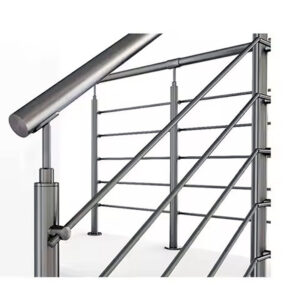
| Poteaux en acier inoxydable | Balustrades, balcony railings, stair railings, glass railing systems, cable railing systems, and guardrail structures | Should the project use round, square, rectangular, corner, terminal, intermediate, or newel posts? |
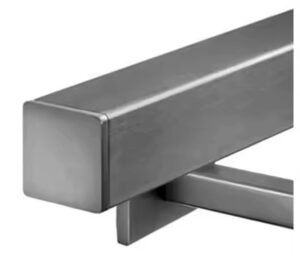
| Traverses supérieures et traverses inférieures | Railing systems that need continuous top support, bottom support, or horizontal rail alignment | What rail profile is required? Does the rail connect to posts, glass, infill panels, or handrail brackets? |
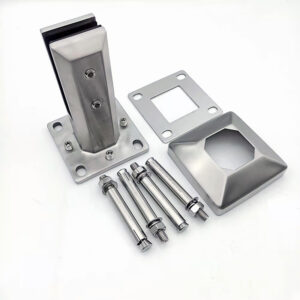
| Matériel et fixation | Surface mount, fascia mount, core mount, adjustable base, and post finishing applications | What substrate will support the post? Is the post mounted on top, on the side, or into a core-drilled hole? |
| Systèmes de remplissage | Vertical picket, horizontal bar, rod, wire mesh, and custom panel railing designs | What infill type is required, and how will it connect to the posts and rails? |
How to Choose Railing Posts and Components
Railing posts are not just vertical supports. They determine how the railing system is anchored, how the handrail is connected, how the infill is fixed, and how the load is transferred into the building structure. A post for a glass railing system, a cable railing system, and a traditional bar infill system may look similar, but the connection details can be very different.
| État du projet | Orientations recommandées | Pourquoi c'est important |
|---|---|---|
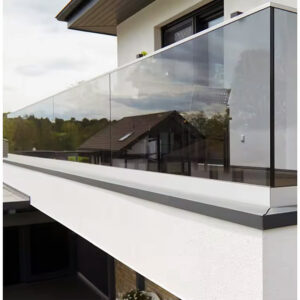
| The railing uses glass panels | Use posts compatible with glass clamps, glass adapters, or channel-style support | Glass thickness, panel layout, clamp position, and edge clearance must be considered together. |
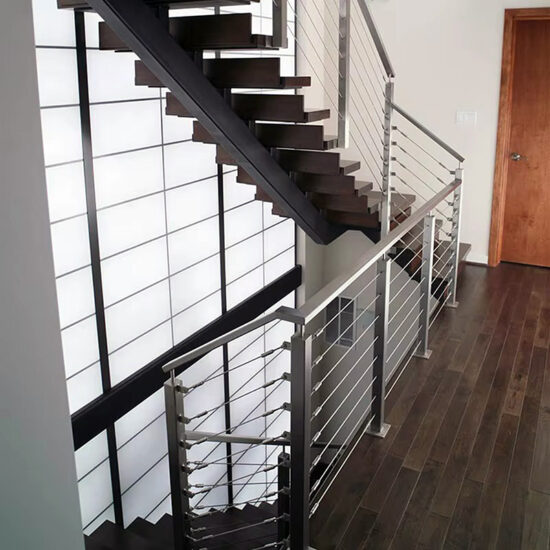
| The railing uses cable infill | Use posts designed for cable routing, end termination, and tensioning hardware | Cable systems require proper alignment, corner handling, and tension support. |
| The post is mounted on a concrete slab or deck | Use surface mount base plates or heavy-duty base plate options | Anchor selection, base plate size, and substrate strength affect installation performance. |
| The post is mounted to the side of a stair or balcony edge | Use fascia mount base plates or side-mount post hardware | Side mounting changes the load path and requires careful alignment. |
| The project requires a clean finished appearance | Use matching base covers, post caps, end caps, and coordinated surface finishes | Visible hardware affects the final architectural appearance. |
| Le projet se déroule en extérieur, en bord de mer, au bord d'une piscine ou dans un environnement humide | Consider 316 stainless steel and suitable finishing and maintenance requirements | Corrosion resistance and surface care are more important in wet or chloride-exposed environments. |
Post Types and Railing Layout
Different post positions have different roles in a railing system. Selecting the correct post type helps improve alignment, installation efficiency, and compatibility with handrails, rails, glass, cable, or infill panels.
| Post type | Typical role | Considérations générales |
|---|---|---|
| Intermediate posts | Support the railing between ends or corners | Spacing, infill connection, handrail support, and visual consistency |
| Terminal posts | End a railing run or support cable/rail termination | End loads, termination fittings, end caps, and connection strength |
| Corner posts | Connect railing runs at turns or corners | Angle, cable routing, rail connector position, and infill direction |
| Newel posts | Provide stronger visual or structural support at stairs, landings, or key transitions | Stair geometry, handrail transition, base mounting, and appearance |
| Round, square, or rectangular posts | Match the architectural style and compatible hardware | Glass clamp shape, handrail bracket type, finish, and project design language |
Matériaux, finitions et fabrication sur mesure
ESANG can manufacture railing posts and related components according to project requirements, including material grade, post profile, wall thickness, mounting method, surface finish, hole position, connector layout, and packaging requirements. Customers can provide drawings, samples, target specifications, or installation conditions for review.
| Matériau ou finition | Utilisation courante | Notes |
|---|---|---|
| Acier inoxydable 304 | Interior railing posts, general commercial projects, residential railings, and dry environments | A common material option for many indoor architectural railing systems. |
| Acier inoxydable 316 | En extérieur, en bord de mer, au bord d'une piscine, dans des environnements humides ou particulièrement corrosifs | Usually preferred when better corrosion resistance is required. |
| Acier inoxydable 316L | Projets nécessitant une meilleure soudabilité ou des performances anticorrosion plus élevées | Convient lorsque le cahier des charges exige de l'acier inoxydable à faible teneur en carbone. |
| Finition brossée ou satinée | Commercial buildings, public access areas, stairways, and most architectural railing projects | Permet de réduire l'apparence des traces de doigts et des petites marques dues à la manipulation. |
| Polissage miroir | Decorative projects, hotels, villas, and selected high-visual applications | Provides a brighter appearance but requires more careful handling and maintenance. |
Mounting Methods
The mounting method should be selected according to the substrate, railing layout, edge condition, and project design. A surface-mounted post, fascia-mounted post, and core-mounted post may require different base hardware and installation preparation.
| Méthode de montage | Utilisation courante | Ce qu'il faut vérifier |
|---|---|---|
| Plaques de base pour montage en surface | Concrete slabs, decks, terraces, platforms, and top-mounted railing posts | Base plate size, anchor type, substrate thickness, and finished floor condition |
| Fascia Mount Base Plates | Side-mounted balcony, stair, deck, or edge installations | Side structure strength, post offset, edge distance, and alignment |
| Plaques de base réglables | Projects where leveling, alignment, or field adjustment is needed | Adjustment range, post plumb, installation tolerance, and final cover design |
| Core Mount Base Systems | Projets dans lesquels des poteaux sont insérés dans des trous pré-forés ou des ouvertures réalisées par carottage | Hole depth, grout or fixing method, waterproofing, and installation sequence |
Compatibilité avec les mains courantes, le verre, les câbles et les éléments de remplissage
Railing posts must be selected together with the rest of the system. A post that works for a glass railing project may need different holes, clamps, brackets, or adapters than a post used for cable railing or horizontal bar infill.
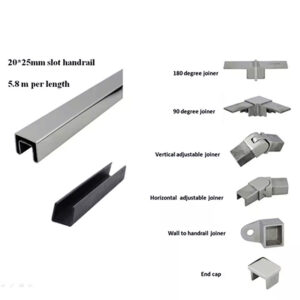
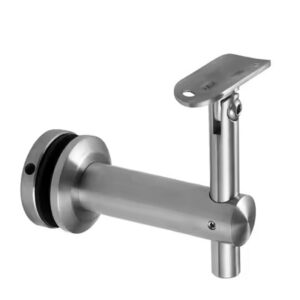
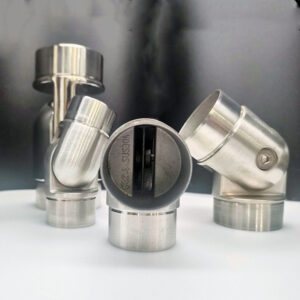
- For handrail projects, posts may need compatible Mains courantes sur poteau, supports de selle, supports de rail supérieur ou raccords de rail.
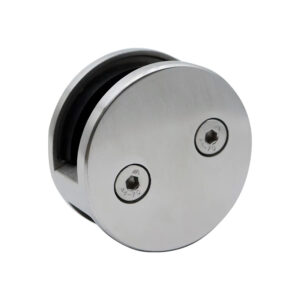
- Pour les systèmes de garde-corps en verre, les poteaux peuvent nécessiter Pinces et connecteurs pour le verre, Supports et adaptateurs pour verre, or coordinated cap rail details.
- Pour les systèmes de garde-corps à câbles, les poteaux peuvent nécessiter Quincaillerie pour poteaux traversants, tensioners, cable end fittings, and corner routing details.
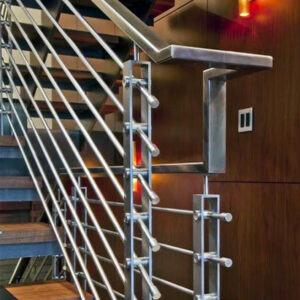
- For bar, rod, mesh, or panel infill systems, posts may need pre-drilled holes, welded tabs, sleeves, clamps, or custom connection points.
- For finished appearance, posts may use base covers, post caps, end caps, and matched surface finishes.
Personnalisation en fonction des exigences du projet
Many railing post projects are manufactured according to the customer’s drawings and project requirements. ESANG can support custom post dimensions, round or square profiles, rectangular post shapes, base plate types, hole layouts, welded connection details, surface finishes, and packaging requirements.
When a project has standard-oriented requirements, such as guardrail height, handrail connection, opening limitations, material grade, or load-related design requirements, customers should provide the required specifications. ESANG can manufacture railing posts and components to match those provided details, while final compliance should be confirmed based on the complete installed system, structural design, installation method, and applicable local code.
Considérations relatives à l'installation et à la conformité aux normes
Railing posts and components are often part of a complete guardrail or handrail system, so their performance depends on the installed assembly. Post spacing, base anchoring, substrate strength, infill connection, handrail support, and corner conditions should be reviewed together.
- Post spacing and layout
- Mounting method and base plate design
- Substrate strength and anchor selection
- Handrail and top rail connection
- Glass, cable, bar, mesh, or panel infill compatibility
- End post, corner post, and terminal post requirements
- Material grade for indoor, outdoor, coastal, or industrial environments
- Finition de surface et exigences d'entretien
- Exigences du code local du bâtiment et du cahier des charges du projet
For workplace and public-access projects, guardrail and handrail-related requirements may need to be checked against applicable local rules. In the United States, OSHA 1910.29 provides reference requirements for fall protection systems and related guardrail conditions. Final compliance should always be confirmed by the project designer, engineer, contractor, or local authority.
Scénarios d'application
Commercial Buildings
Commercial buildings often require railing posts that support repeatable installation, consistent finish, and long-term daily use. Stainless steel posts are commonly used in office buildings, hotels, shopping centers, hospitals, schools, and public facilities.
Glass Railing Projects
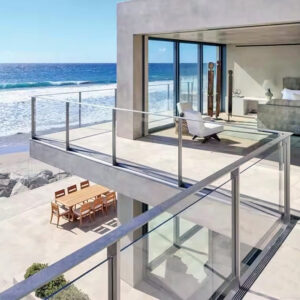
Glass railing projects may require posts designed for clamps, adapters, standoffs, or cap rail coordination. The post profile, glass thickness, clamp type, and installation spacing should be checked together before production.
Cable Railing Projects
Cable railing systems require posts that can support cable routing, end termination, and tensioning. Corner posts and terminal posts are especially important because cable direction and tension loads change at these positions.
Balcony, Stair, and Terrace Railings
Balcony, stair, and terrace projects may use round, square, rectangular, intermediate, terminal, or corner posts depending on layout. Surface mount, fascia mount, or core mount options should be selected according to the site condition.
Outdoor and Coastal Installations
Outdoor and coastal projects require careful material and finish selection. 316 or 316L stainless steel is often considered for humid, coastal, poolside, or marine environments where corrosion resistance is more important.
Catégories de produits connexes
- Poteaux en acier inoxydable
- Traverses supérieures et traverses inférieures
- Matériel et fixation
- Systèmes de remplissage
- Mains courantes sur poteau
- Pinces et connecteurs pour le verre
- Quincaillerie pour poteaux traversants
- Supports de montage sur poteau
Questions fréquemment posées
What types of stainless steel railing posts does ESANG supply?
ESANG can supply round, square, rectangular, intermediate, terminal, corner, and newel post options according to project requirements. Post profile, material grade, finish, mounting method, and connection details can be specified based on drawings or project needs.
How do I choose between round, square, and rectangular posts?
Round posts are often used for softer architectural lines and many glass or cable railing systems. Square and rectangular posts provide a more linear appearance and may suit modern commercial, balcony, and stair railing designs. The final choice should also consider compatible clamps, brackets, rails, and infill hardware.
What is the difference between intermediate, terminal, and corner posts?
Intermediate posts support the railing between ends or corners. Terminal posts are used at the end of a railing run or where hardware may terminate. Corner posts connect railing runs at turns and often require special consideration for rail connectors, glass layout, cable routing, or infill direction.
Can ESANG customize post height, holes, base plates, and connection details?
Yes. ESANG can manufacture railing posts according to drawings, dimensions, hole positions, base plate requirements, welded details, finish requirements, and packaging needs. Providing drawings or samples helps confirm feasibility and quotation details.
Should I choose 304 or 316 stainless steel posts?
304 stainless steel is commonly used for interior and general dry environments. 316 stainless steel is usually preferred for outdoor, coastal, humid, poolside, or higher-corrosion environments. The final material grade should be selected according to the installation location and project specification.
What mounting method should I use for railing posts?
Surface mount base plates are commonly used for top-mounted posts on slabs or decks. Fascia mount base plates are used for side-mounted conditions. Core mount systems may be used where posts are inserted into prepared holes. The right method depends on the substrate, edge condition, design requirement, and installation sequence.
Can these posts be used with glass railing systems?
Yes. Railing posts can be manufactured or selected to work with glass clamps, adapters, cap rails, or other glass railing hardware. Glass thickness, post spacing, clamp type, and project layout should be confirmed before production.
Can these posts be used with cable railing systems?
Yes. Cable railing posts may require holes, through-post fittings, tensioners, end fittings, and corner routing details. Terminal and corner posts should be reviewed carefully because cable direction and tensioning requirements affect the post design.
What information is needed for a railing post inquiry?
Useful inquiry information includes post type, height, profile, material grade, finish, mounting method, base plate requirement, hole layout, infill type, handrail or top rail connection, quantity, drawings, and project environment.
How should stainless steel railing posts be maintained?
Routine cleaning normally uses mild detergent, clean water, and a soft cloth. Avoid chloride-based cleaners, steel wool, and abrasive tools. Outdoor and coastal installations should be cleaned more regularly to reduce surface contamination and maintain appearance.
Articles connexes :
Pier and Dock Railing Layout: Posts, Infill, Access, and Mounting
Plan pier and dock runs around post locations, infill modules, corners, gates, access routes, substrate edges, and mounting responsibility.
Coastal Railing Exposure: Salt Air, Splash, and Cleaning Access
Separate airborne salt, direct splash, retained wetness, deposits, and cleaning access before choosing coastal railing materials and details.
Replacing Core-Mounted Posts With Surface Bases: Precheck
Check the existing opening, slab condition, edge geometry, drainage, and revised load path before converting an embedded post to a surface base.
Liste de contrôle pour les appels d'offres relatifs aux socles de poteaux de balustrade à l'intention des acheteurs de projets
Demandez, dans un seul appel d'offres par projet, des informations comparables concernant les éléments de fixation des socles, les matériaux de support, les finitions, les plans, les limites d'ancrage, les échantillons et les documents d'inspection.
Adjustable Railing Post Bases for Sloped or Uneven Surfaces
Compare adjustable bases against the actual slope, bearing surface, leveling range, finish interface, and fixing access before selecting a detail.
Railing Post Base Anchors: Inputs for Engineering Review
Define substrate, geometry, loads, exposure, and anchor evidence before engineering review so a hardware label is not mistaken for a connection design.
Projets d'Esang

Certificat d'Esang
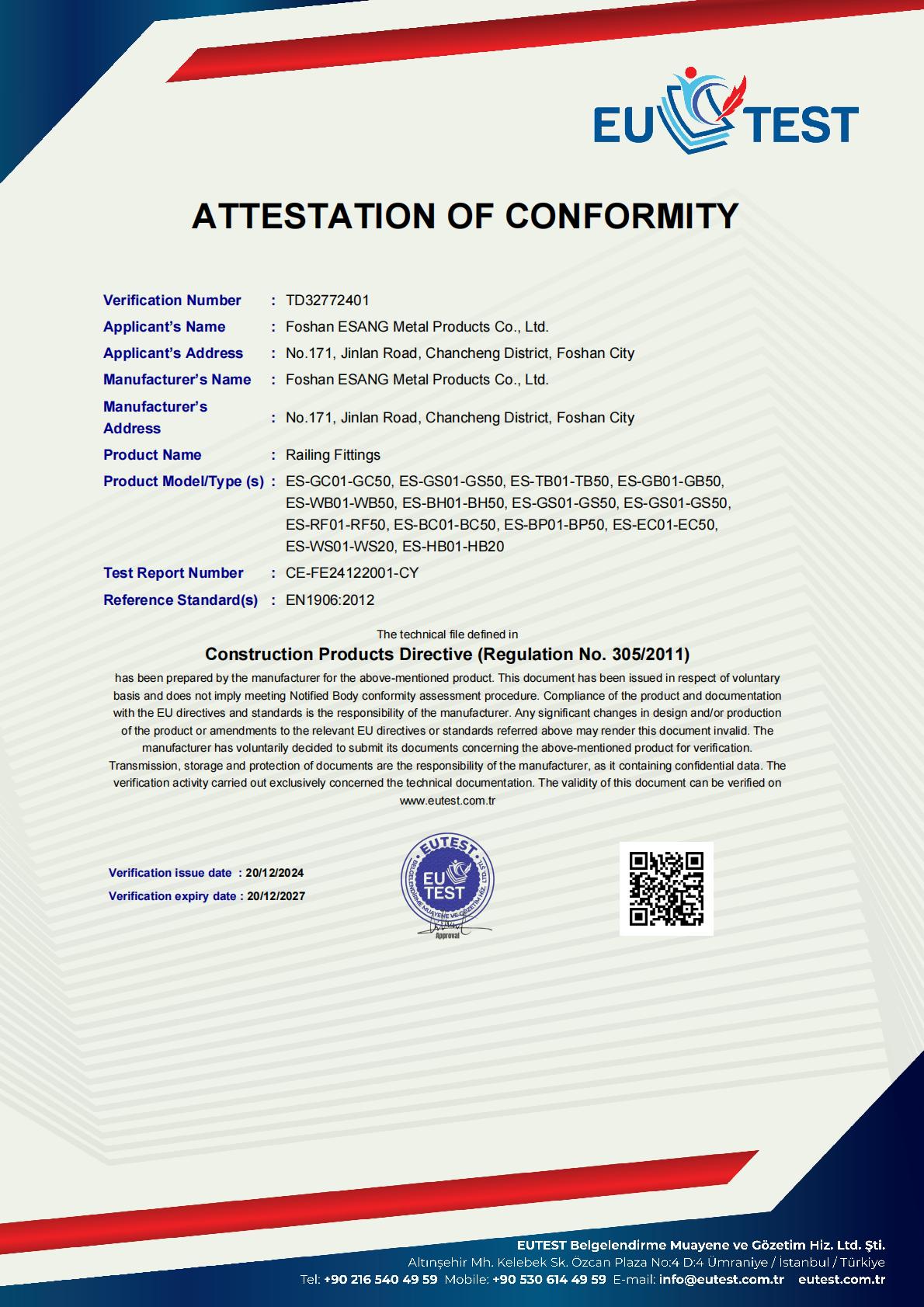
Foshan ESANG Metal Products est fier d'entretenir Certification CE (numéro de vérification TD32772401) en vertu de la directive sur les produits de construction (règlement n° 305/2011), ce qui confirme notre engagement à respecter les normes européennes les plus strictes en matière de sécurité et de qualité.
Certifié Gamme de produits :
Notre gamme complète d'accessoires pour garde-corps, qui comprend des pinces à verre, des tendeurs, des supports, des supports muraux, des sabots, des accessoires pour mains courantes, des câbles et des composants pour poteaux, répond aux besoins des utilisateurs de garde-corps. EN1906:2012 garantissant l'intégrité structurelle et la fiabilité des performances dans toutes les installations.
Ce que cela signifie pour votre projet :
✓ Conformité réglementaire totale pour les marchés européens et internationaux
✓ Performances en matière de sécurité et de durabilité vérifiées de manière indépendante
✓ Support documentaire pour les spécifications architecturales
✓ Tranquillité d'esprit grâce à l'assurance qualité d'une tierce partie
Certification valable jusqu'en 2027 : CE-FE24122001-CY
Projets d'Esang

Produits de référence