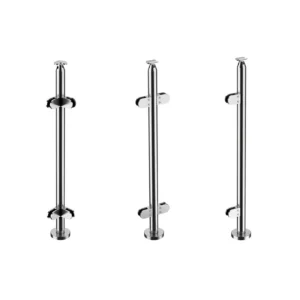
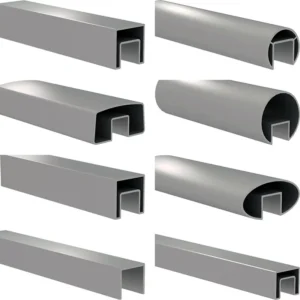
Pinces et connecteurs pour verre
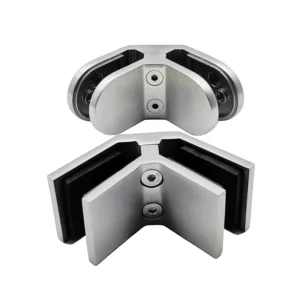
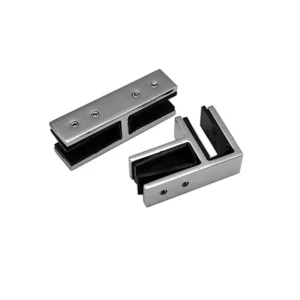
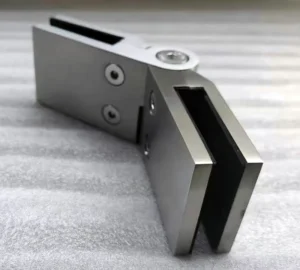
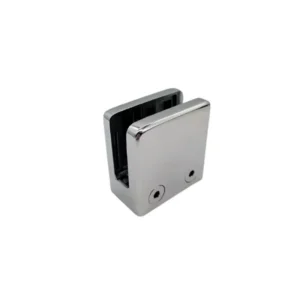
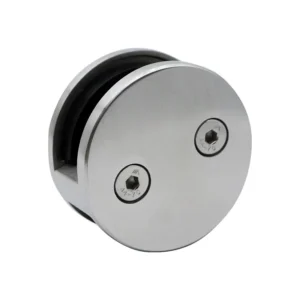
Pinces et connecteurs pour verre
Glass clamps are a useful route when a panel must connect to a post, wall or other support at discrete points rather than sit in a continuous base channel. Start with the support geometry and the glass preparation, not the clamp’s front shape alone. A useful request can begin with a photo, a panel sketch and an estimated quantity; ESANG can then identify a proposed clamp configuration for comparison.
Discuss your glass clamp requirement on WhatsApp
Choose the product route by the connection problem
Product route — Use it to start this comparison — Do not decide it from appearance alone
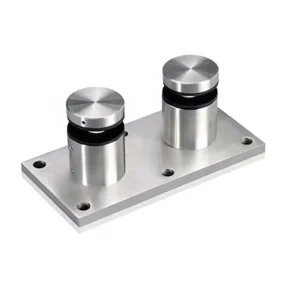
Pinces à verre rondes — A circular clamp body is part of the required visual or hardware language. — Confirm the rear mounting face, support profile, glass interface and fastener access.
Square glass clamps — A square or rectangular face is preferred for a linear railing layout. — Confirm whether the back must fit a flat, round or project-specific support.
Pinces à verre réglables — The panel angle, alignment or site tolerance calls for a defined adjustment function. — Ask the proposal to state what adjusts, the usable range and how the final position is locked.
Mini pinces à verre — Reduced visual mass or limited space is a priority. — A smaller body is not evidence of suitability; panel size, support layout and project loads still govern.
Pinces à verre très résistantes — The project has more demanding panel, use or exposure conditions and needs a reviewed connection. — “Heavy duty” is not a load value. Require the proposed item, test basis and complete installation condition to be identified.
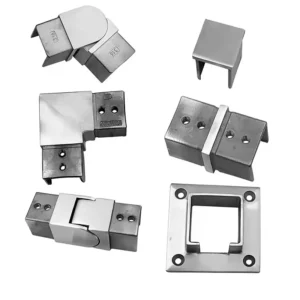
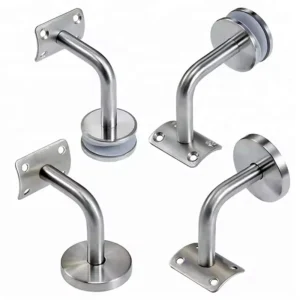
What the current product photos can and cannot show
Lock the interfaces before glass is released
Glass side
State the glass build-up, nominal thickness, panel width and height, edge condition and whether holes or notches are already defined. The proposal should identify the contact parts, liners or gaskets, required glass preparation and any position dimensions that the glass fabricator must follow. Do not assume a product shown with a liner is suitable for every glass build-up.
Support side
Show whether the clamp meets a round post, square post, rectangular member, wall, fascia or fabricated plate. Give the relevant support dimensions and available access for tools and fasteners. The front face may stay the same while the rear interface changes; that hidden interface is often where otherwise similar-looking clamps stop being interchangeable.
System responsibility
A clamp is one connection within a glass barrier. Panel size, support spacing, post or wall strength, fasteners, edge distances and installation all affect the result. If a project has required loads or a named standard, send that requirement and ask for the exact proposed hardware and supporting documentation. Do not substitute a category label, material name or product photo for complete-system review.
Compare quotations on the same fields
• Product route and proposed clamp form, with a photo or drawing that identifies the exact item.
• Glass build-up and preparation the proposal is based on.
• Rear mounting geometry, mating support dimensions and hole or fastener pattern.
• Included liners, pins, screws and other contact parts; anchors or support fabrication should be listed separately.
• Proposed material and finish, with exposure conditions stated by the buyer rather than inferred from the image.
• Quantity, packaging, marking and any inspection or documentation requirements.
Start with the information you already have
Send a drawing if one exists. If not, send a clear support photo, glass thickness, approximate panel size, indoor or outdoor exposure, desired clamp appearance and estimated quantity. ESANG’s response should turn that starting information into a proposed configuration and a short list of unresolved dimensions, without treating every researched option as automatically available.
Articles connexes :
Handrail Tube Only or a Complete Component Package: What Should the Supplier Quote Include?
Compare tube-only and component-package handrail quotes by separating fittings, fabrication, mounting interfaces, finish work and delivered quantities.
Continuous or Sectional Handrail Supply: Which Split Strategy Fits Transport and Site Assembly?
Compare continuous and sectional handrail supply using delivery access, joint locations, mating details and section identification before fabrication release.
Where Should a Handrail Change from Wall-Supported to Post-Supported Along a Mixed Route?
Choose a handrail support change by comparing wall and post interfaces, preserving the gripping path and locating the transition on coordinated drawings.
Panneaux en treillis métallique à niveau, inclinés ou passant de l’incliné au niveau : quelle géométrie convient à chaque tronçon de garde-corps ?
Choisissez entre une géométrie de panneaux grillagés « à niveau », « inclinés » ou « inclinés puis ramenés à niveau » en fonction du tracé de la balustrade, de l'orientation du motif, des interfaces et des plans du projet.
Comment choisir les manchons internes et les raccords de jonction pour les tubes de main courante
Précisez les manchons de main courante et les raccords de jonction en fonction du diamètre intérieur réel du tube, de la force de retenue requise et de l'accès nécessaire à la pose, afin que le raccord puisse s'ajuster et être solidement fixé.
Où faut-il placer les raccords et les supports des mains courantes sur les longues portées ?
Localisez les raccords à l'aide de supports, de transitions et d'accès au montage afin que les ruptures dues au transport soient également prises en compte comme des raccords conformes à la documentation dans la main courante installée.
Projets d'Esang

Certificat d'Esang
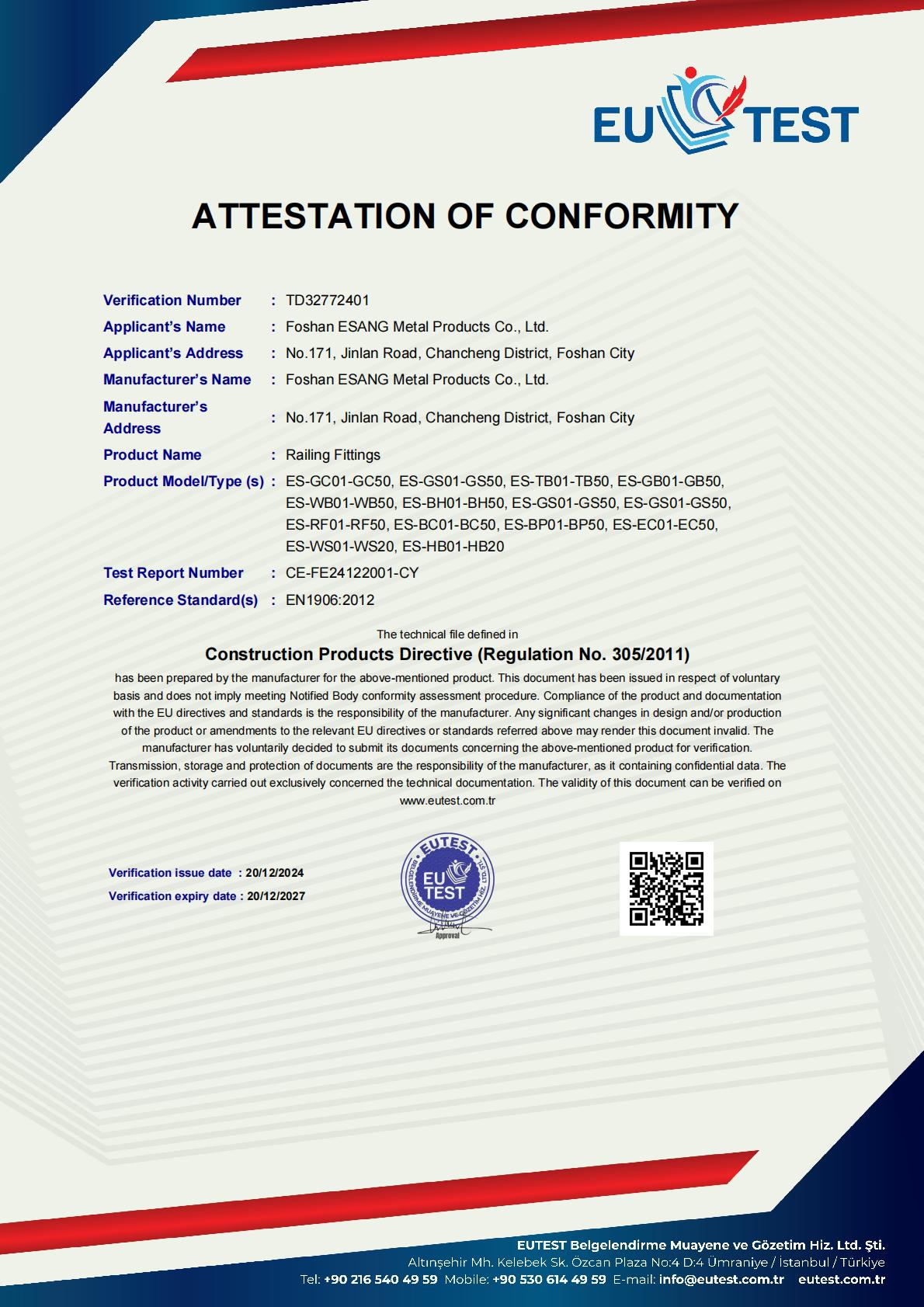
Foshan ESANG Metal Products est fier d'entretenir Certification CE (numéro de vérification TD32772401) en vertu de la directive sur les produits de construction (règlement n° 305/2011), ce qui confirme notre engagement à respecter les normes européennes les plus strictes en matière de sécurité et de qualité.
Certifié Gamme de produits :
Notre gamme complète d'accessoires pour garde-corps, qui comprend des pinces à verre, des tendeurs, des supports, des supports muraux, des sabots, des accessoires pour mains courantes, des câbles et des composants pour poteaux, répond aux besoins des utilisateurs de garde-corps. EN1906:2012 garantissant l'intégrité structurelle et la fiabilité des performances dans toutes les installations.
Ce que cela signifie pour votre projet :
✓ Conformité réglementaire totale pour les marchés européens et internationaux
✓ Performances en matière de sécurité et de durabilité vérifiées de manière indépendante
✓ Support documentaire pour les spécifications architecturales
✓ Tranquillité d'esprit grâce à l'assurance qualité d'une tierce partie
Certification valable jusqu'en 2027 : CE-FE24122001-CY
Projets d'Esang


Produits de référence