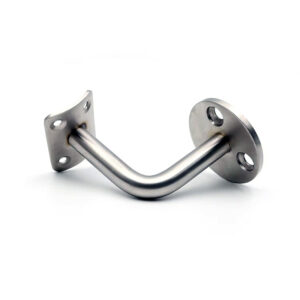
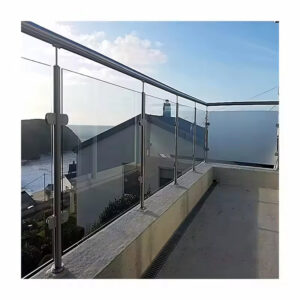
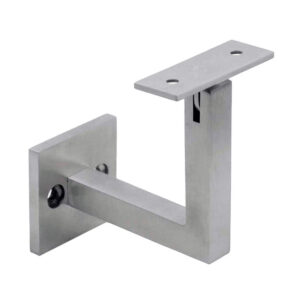
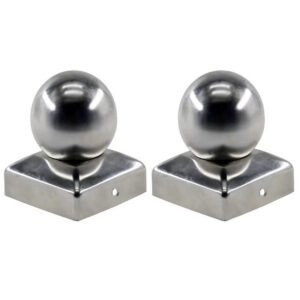
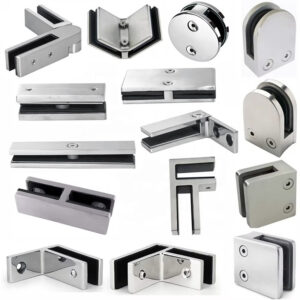
Стеклянные патрубки и запорные элементы
Стеклянные патрубки и запорные элементы
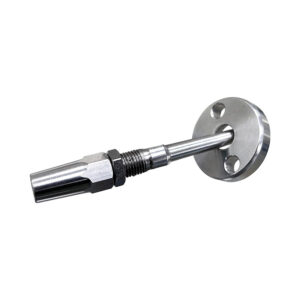
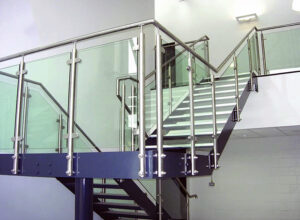
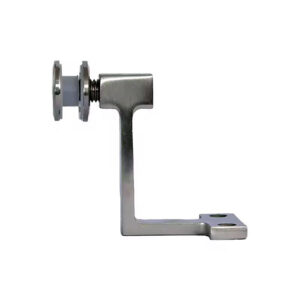
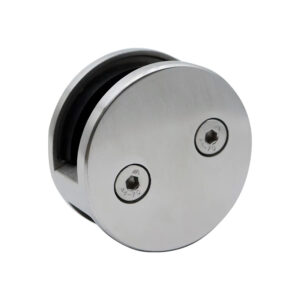
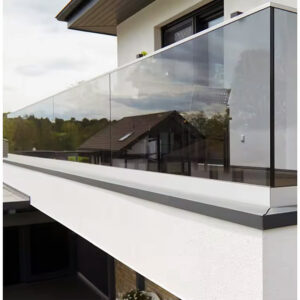
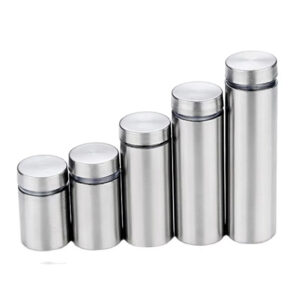
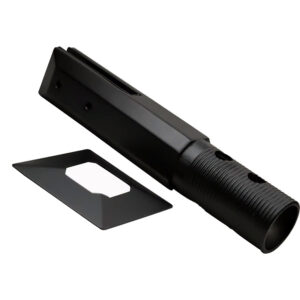
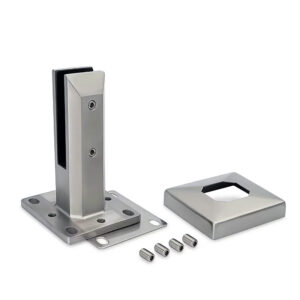
ESANG glass spigots and standoffs are used to support glass panels in frameless and semi-frameless glass railing systems. Spigots usually support glass from the bottom, while standoffs usually support glass from the side with an offset from the wall, stair stringer, fascia, or structural surface.
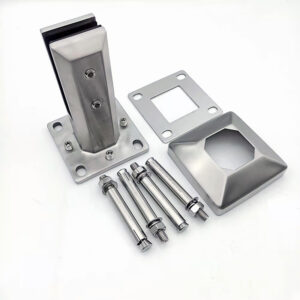
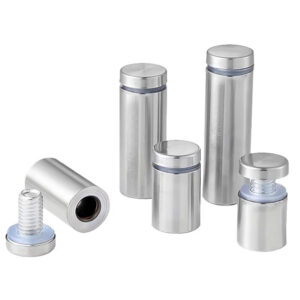
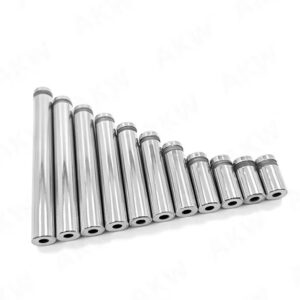
В эту категорию входят Surface Mount Glass Spigots, Core Drill Glass Spigots, Adjustable Glass Standoffs, Mini Glass Standoffs, и Heavy Duty Glass Spigots.
For contractors, distributors, fabricators, and project buyers, spigot and standoff selection should consider glass thickness, glass height, mounting method, substrate strength, hole positions, offset distance, material grade, finish, drainage, and project environment. ESANG can supply and manufacture glass spigots and standoffs according to drawings, samples, dimensions, material grade, finish requirements, and installation conditions.
Glass Spigot and Standoff Options
| Hardware option | Лучше всего подходит для | Основные вопросы при отборе кандидатов |
|---|---|---|
| Surface Mount Glass Spigots | Frameless glass railings installed on top of decks, slabs, balconies, terraces, or pool surrounds | What surface, anchor method, glass thickness, spigot shape, and finish are required? |
| Core Drill Glass Spigots | Glass panels supported by spigots inserted into prepared holes or core-drilled openings | What hole depth, fixing method, glass alignment, drainage, and installation sequence are needed? |
| Adjustable Glass Standoffs | Side-mounted glass where alignment, offset, or field adjustment is required | What offset distance, adjustment range, glass hole position, and wall condition are required? |
| Mini Glass Standoffs | Compact side-mounted glass applications, interior glass, and smaller visual hardware layouts | What glass size, panel spacing, offset, and mounting surface should be matched? |
| Heavy Duty Glass Spigots | Larger glass panels, commercial glass railings, outdoor glass systems, and stronger support conditions | What glass thickness, panel height, spigot spacing, substrate, and project requirement should be reviewed? |
How to Choose Glass Spigots and Standoffs
The first decision is whether the glass should be supported from the bottom or from the side. Bottom-supported systems often use spigots or base shoes. Side-mounted systems often use standoffs or wall-to-glass connectors.
| Состояние проекта | Рекомендуемое направление | Почему это важно |
|---|---|---|
| The glass is installed on top of a slab, deck, or pool surround | Use surface mount glass spigots | Surface mount spigots support the glass from below and are commonly used for frameless glass railing layouts. |
| The glass is fixed into prepared holes | Use core drill glass spigots | Core drill installation changes the preparation, fixing depth, drainage, and alignment requirements. |
| The glass is mounted to a stair stringer, fascia, or wall | Use glass standoffs or wall-to-glass support hardware | Side mounting creates a glass offset and requires correct hole positions and structural fixing. |
| The side-mounted glass needs field adjustment | Use adjustable glass standoffs | Adjustment can help with alignment, spacing, and site tolerance. |
| The project needs small visible hardware | Use mini glass standoffs where panel size and project requirements allow | Smaller hardware reduces visual weight but must still match the glass and support condition. |
| The project uses large glass panels or higher-use conditions | Use heavy duty glass spigots or project-reviewed support layouts | Panel size, glass thickness, spigot spacing, and substrate strength should be reviewed together. |
Spigots vs Standoffs
Spigots and standoffs are both used in glass railing systems, but they support the glass in different ways. They should not be selected only by appearance.
| Тип оборудования | Основная функция | Типичные области применения |
|---|---|---|
| Стеклянные краны | Опорите стеклянные панели снизу | Frameless glass railings, pool fencing, balcony glass, terrace glass, and deck glass systems |
| Surface mount spigots | Fix glass from the bottom on top of a finished surface | Decks, slabs, terraces, balconies, and pool surrounds |
| Core drill spigots | Support glass through spigots installed into prepared holes | Core-drilled concrete, stone, or project-prepared openings |
| Стеклянные распорки | Hold glass away from a wall, stair stringer, fascia, or side structure | Side-mounted stair glass, balcony fascia glass, wall-mounted glass, and floating-glass designs |
| Mini standoffs | Provide compact side support with reduced visible hardware | Interior glass, decorative glass panels, and selected smaller glass railing layouts |
Mounting Surface and Glass Preparation
Spigots and standoffs require accurate coordination between the hardware, glass panel, and mounting surface. Before production or installation, glass thickness, hole positions, edge clearances, substrate condition, and fixing method should be confirmed.
| Пункт для подтверждения | Почему это важно | Типичные отзывы покупателей |
|---|---|---|
| Толщина стекла | Spigot slot, standoff diameter, gasket, and fixing method must match the glass | Glass thickness, glass type, and glass supplier specification |
| Glass hole positions | Standoffs and some side-mounted fittings depend on accurate drilled hole layout | Glass drawings, hole diameter, hole spacing, and edge distance |
| Монтажная поверхность | Concrete, deck, stone, steel, stair stringer, wall, or fascia surfaces require different fixing methods | Surface material, thickness, photos, drawings, or installation detail |
| Spigot spacing | Spacing affects glass support and panel alignment | Panel width, glass height, project layout, and support requirements |
| Offset distance | Side-mounted glass must sit at the correct distance from the support surface | Required standoff projection, wall condition, and visual requirement |
| Drainage and waterproofing | Outdoor and poolside installations may require water management around fixing points | Outdoor exposure, finished surface, waterproofing layer, and cleaning plan |
Surface Mount vs Core Drill Spigots
Surface mount and core drill spigots can both create frameless glass railing systems, but the installation preparation is different.
| Spigot type | Типичные преимущества | Общие соображения |
|---|---|---|
| Стеклянные патрубки для поверхностного монтажа | Installed on top of a finished surface; easier to inspect and coordinate with base fixing | Base plate, anchors, surface strength, drainage, and visible hardware appearance |
| Стеклянные патрубки для корончатого сверла | Can create a cleaner base appearance where the fixing is embedded | Hole depth, hole diameter, waterproofing, installation sequence, and alignment |
| Прочные стеклянные патрубки | Used where larger glass panels or stronger support conditions are expected | Glass size, spigot spacing, substrate strength, material grade, and project requirement |
Материалы, отделочные материалы и изготовление на заказ
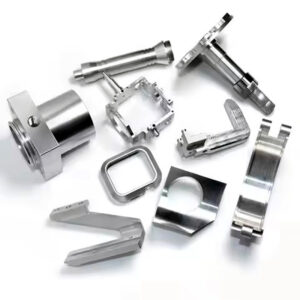
ESANG glass spigots and standoffs can be manufactured according to project requirements, including spigot shape, standoff diameter, glass thickness range, hole position, offset distance, base fixing, material grade, surface finish, and packaging requirements.
| Материал или отделка | Типичные области применения | Примечания |
|---|---|---|
| 304 нержавеющая сталь | Стеклянные перила для интерьеров, коммерческие интерьеры, лестницы в жилых помещениях и сухие помещения | Популярный вариант для многих проектов по установке стеклянных перил в помещениях. |
| нержавеющая сталь 316 | Outdoor glass railings, pool areas, balconies, terraces, and humid environments | Обычно используется в тех случаях, когда требуется повышенная коррозионная стойкость. |
| 316L нержавеющая сталь | Проекты, требующие улучшенной свариваемости или более высоких антикоррозионных характеристик | Подходит в случаях, когда в технических требованиях указана низкоуглеродистая нержавеющая сталь. |
| Матовая или сатиновая отделка | Commercial glass railings, pool fencing, balcony systems, and most architectural applications | Помогает сделать менее заметными отпечатки пальцев и незначительные следы от прикосновений. |
| Зеркальная полировка | Декоративные интерьеры, отели, виллы и отдельные визуальные решения премиум-класса | Придаёт яркий внешний вид, но требует более бережного обращения и ухода. |
| Black or project-specified finish | Selected modern glass railing systems and custom architectural designs | Finish requirements should be confirmed with project drawings or samples. |
For non-standard glass railing projects, customers can provide drawings, glass thickness, glass hole positions, mounting surface details, spigot or standoff style, finish requirements, and installation conditions. ESANG can review the requirements and manufacture hardware to match the project specification where feasible.
Compatibility with Glass Railing Systems
Glass spigots and standoffs should be selected with the complete glass railing assembly. The same glass panel may require different hardware depending on whether it is bottom-supported, side-mounted, post-supported, or combined with top rail components.
- For bottom-supported frameless glass, compare spigots with Системы базовой обуви according to visual style, support method, and installation surface.
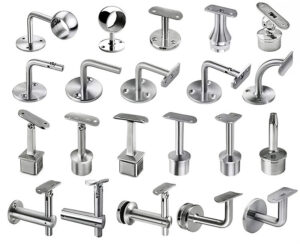
- For side-mounted glass, coordinate standoffs with Стеклянные кронштейны и переходники or wall-to-glass connector details.
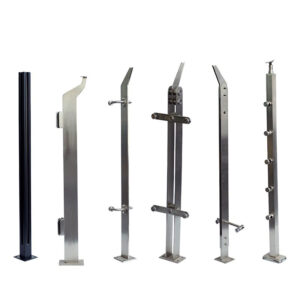
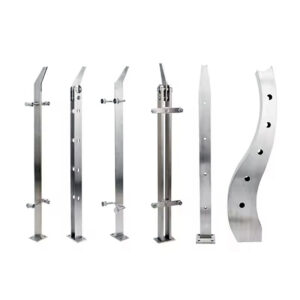
- For glass systems with posts, review Стеклянные зажимы и соединители и Посты из нержавеющей стали.
- For top edge finishing, coordinate with Рельсы для крышек if the project requires a continuous top rail or protective profile.
- For handrail integration, confirm compatibility with Системы поручней and project-specific support details.
Адаптация к требованиям проекта
Many spigot and standoff projects are customized according to glass thickness, mounting method, substrate condition, offset distance, surface finish, and project layout. ESANG can support custom glass spigots, surface mount spigots, core drill spigots, heavy duty spigots, adjustable standoffs, mini standoffs, and related stainless steel support hardware.
When a project has standard-oriented requirements related to guardrail height, glass type, glass thickness, opening limitations, material grade, or installation method, customers should provide the required drawings and specifications. ESANG can manufacture spigots and standoffs to match those provided details, while final compliance depends on the complete installed system, glass specification, structural design, installation method, and applicable local code.
Вопросы, связанные с установкой и реализацией проекта
Glass spigots and standoffs should be reviewed before glass production or installation. Glass holes, edge distances, support spacing, substrate strength, and waterproofing details can affect the final installation.
- Glass thickness, height, and panel width
- Tempered or laminated glass specification
- Spigot slot, gasket, standoff diameter, and fixing detail
- Surface mount, core drill, side mount, or wall mount method
- Glass hole positions and edge distances
- Substrate strength, anchor type, and fixing method
- Дренаж, гидроизоляция и доступ для очистки
- Класс материала для использования в помещениях, на открытом воздухе, в прибрежных зонах или возле бассейнов
- Требования местных строительных норм и технических условий проекта
Glass drilling, notching, hole layout, and edge preparation should be confirmed with the glass supplier, project designer, installer, or local authority. ESANG can manufacture hardware to match provided glass and project requirements, but the complete installed system should be reviewed as a whole.
Сценарии применения
Безрамные стеклянные перила для балконов
Glass spigots are commonly used for frameless balcony glass railing systems where panels are supported from the bottom. Surface condition, spigot spacing, glass thickness, and finish should be confirmed before production.
Pool Fencing and Outdoor Glass Railings
Poolside and outdoor glass railing projects require more attention to material grade, drainage, cleaning, and fastener selection. 316 or 316L stainless steel may be considered for humid, poolside, or coastal environments.
Stair Glass with Side-Mounted Standoffs
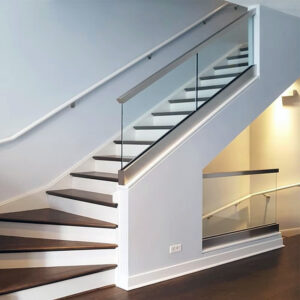
Stair glass railing systems may use side-mounted standoffs fixed to a stair stringer, fascia, or wall. Hole positions, offset distance, and alignment should be coordinated with the glass supplier.
Коммерческие системы стеклянных перил
Commercial buildings, hotels, shopping centers, offices, and public facilities often use glass spigots or standoffs to create clean architectural railing systems with consistent finish and repeatable installation details.
Проекты жилых домов и вилл
Residential projects may use mini standoffs, mirror-polished spigots, black spigots, or custom finishes to match interior stairs, balconies, terraces, or pool areas.
Связанные категории товаров
- Surface Mount Glass Spigots
- Core Drill Glass Spigots
- Adjustable Glass Standoffs
- Mini Glass Standoffs
- Heavy Duty Glass Spigots
- Системы базовой обуви
- Стеклянные зажимы и соединители
- Стеклянные кронштейны и переходники
- Рельсы для крышек
Часто задаваемые вопросы
What is the difference between glass spigots and glass standoffs?
Glass spigots usually support glass panels from the bottom and are commonly used for frameless glass railings. Glass standoffs support glass from the side and create an offset between the glass and a wall, stair stringer, fascia, or structural surface.
When should surface mount glass spigots be used?
Surface mount glass spigots are used when glass panels are supported from the bottom on top of a slab, deck
Похожие посты:
Pier and Dock Railing Layout: Posts, Infill, Access, and Mounting
Plan pier and dock runs around post locations, infill modules, corners, gates, access routes, substrate edges, and mounting responsibility.
Coastal Railing Exposure: Salt Air, Splash, and Cleaning Access
Separate airborne salt, direct splash, retained wetness, deposits, and cleaning access before choosing coastal railing materials and details.
Replacing Core-Mounted Posts With Surface Bases: Precheck
Check the existing opening, slab condition, edge geometry, drainage, and revised load path before converting an embedded post to a surface base.
Railing Post Base RFQ Checklist for Project Buyers
Request comparable base hardware, substrate inputs, finishes, drawings, anchor boundaries, samples, and inspection documents in one project RFQ.
Adjustable Railing Post Bases for Sloped or Uneven Surfaces
Compare adjustable bases against the actual slope, bearing surface, leveling range, finish interface, and fixing access before selecting a detail.
Анкеры для оснований перильных столбов: исходные данные для инженерной экспертизы
Перед проведением инженерной экспертизы необходимо определить характеристики основания, геометрию, нагрузки, условия эксплуатации и данные по креплению, чтобы этикетка с информацией об оборудовании не была ошибочно принята за проект соединения.
Проекты Эсанга

Сертификат Эсанга
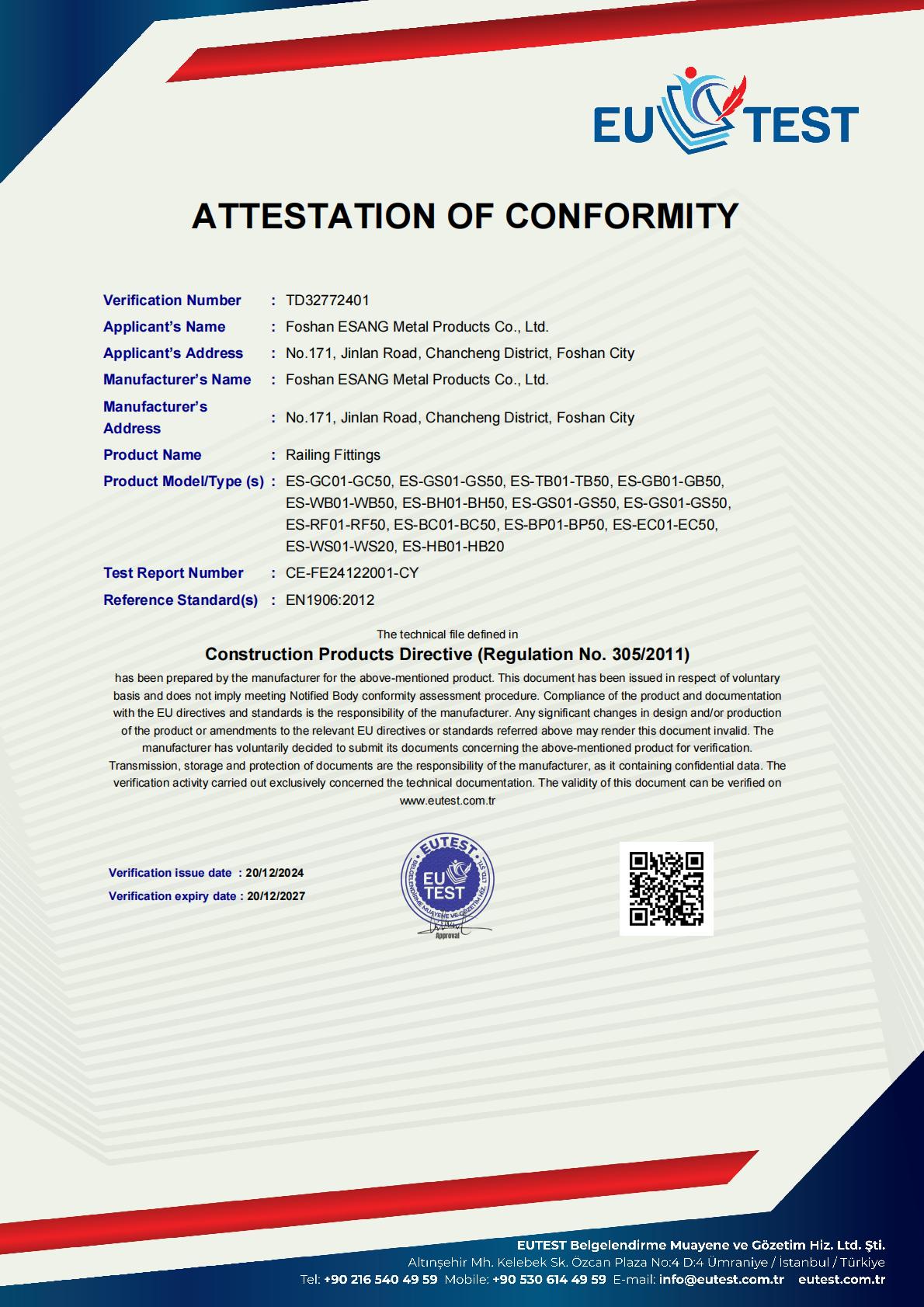
Компания Foshan ESANG Metal Products с гордостью поддерживает сертификация CE (Верификационный номер TD32772401) в соответствии с Директивой о строительной продукции (Постановление № 305/2011), что подтверждает нашу приверженность высочайшим европейским стандартам безопасности и качества.
Сертифицированный ассортимент продукции:
Наш обширный ассортимент фурнитуры для перил, включающий зажимы для стекла, натяжители, кронштейны, настенные крепления, опорные башмаки, фурнитуру для перил, кабельное оборудование и компоненты для столбов, отвечает требованиям EN1906:2012 стандарты, обеспечивающие целостность конструкции и надежность работы всех установок.
Что это значит для вашего проекта:
✓ Полное соответствие нормативным требованиям для европейского и международного рынков
✓ Независимая проверка безопасности и долговечности
✓ Документационная поддержка архитектурных спецификаций
✓ Гарантия качества от третьей стороны
Сертификация действительна до 2027 года | Отчет об испытаниях: CE-FE24122001-CY
Проекты Эсанга

Справочные продукты