Poteaux en acier inoxydable
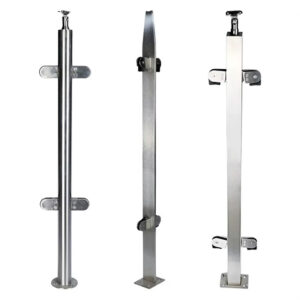
Poteaux en acier inoxydable
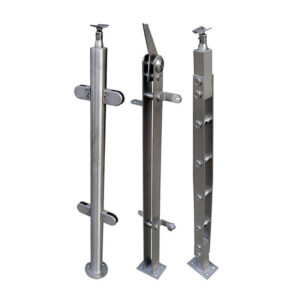
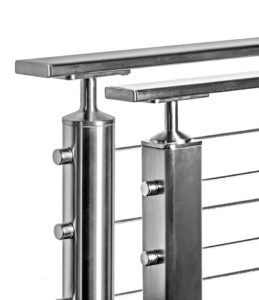
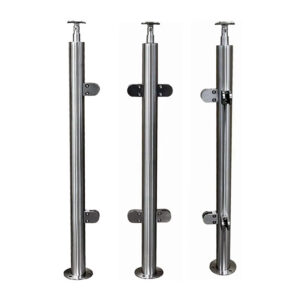
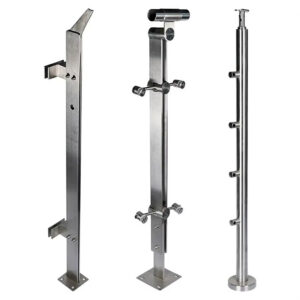
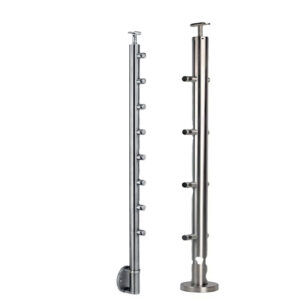
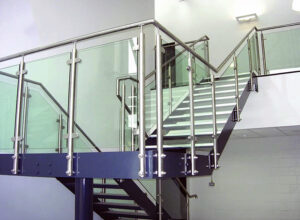
Les poteaux en acier inoxydable ESANG sont utilisés comme supports verticaux principaux dans les systèmes de garde-corps architecturaux, notamment les garde-corps de balcons, d'escaliers et de terrasses, les systèmes de garde-corps en verre, les systèmes de garde-corps à câbles, les garde-corps de remplissage pour bars et les projets de balustrades sur mesure.
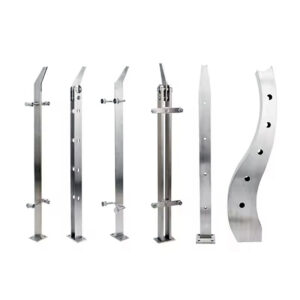
Cette catégorie comprend Poteaux ronds en acier inoxydable, Poteaux carrés en acier inoxydable, Poteaux rectangulaires en acier inoxydable, Systèmes de poteaux d'escalier, Assemblages de poteaux d'angle, Composants des bornes de raccordement, et Systèmes de poteaux intermédiaires.
Pour les entrepreneurs, les distributeurs, les fabricants et les responsables d'achat de projets, le choix des poteaux en acier inoxydable doit tenir compte de la forme du poteau, de sa hauteur, du mode de fixation, de la conception de la plaque de base, du raccordement à la main courante, de la compatibilité avec les éléments de remplissage, de la disposition des trous, de la nuance du matériau, de la finition et de l'environnement du projet. ESANG est en mesure de fabriquer des poteaux de garde-corps en acier inoxydable conformément aux plans, aux dimensions, à la nuance du matériau, à la finition de surface, à l'emplacement des trous, aux détails de fixation et aux conditions d'installation.
Options de poteaux en acier inoxydable
| Option de publication | Utilisé de préférence pour | Questions clés de la sélection |
|---|---|---|
| Poteaux ronds en acier inoxydable | Garde-corps en verre, garde-corps à câbles, garde-corps d'escalier et conceptions architecturales courbes ou aux lignes plus douces | Quels sont le diamètre du poteau, la nuance de l'acier, le type de finition, le socle de fixation et le type de raccordement de remplissage requis ? |
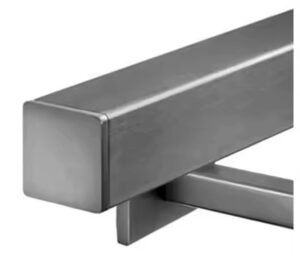
| Poteaux carrés en acier inoxydable | Garde-corps modernes, systèmes de balcons, fixations pour vitrages, remplissages par câbles et styles architecturaux linéaires | Quelles dimensions de poteau, quelle épaisseur de paroi, quelle face de support, quelle disposition des trous et quelle finition conviennent le mieux à ce projet ? |
| Poteaux rectangulaires en acier inoxydable | Systèmes de garde-corps à usage commercial, garde-corps de balcon, balustrades sur mesure et lignes esthétiques plus marquées | Quels sont l'orientation des poteaux, les dimensions, le type de fixation de la main courante et la méthode de fixation de la base requis ? |
| Systèmes de poteaux d'escalier | Débuts d'escalier, paliers, transitions et points d'appui plus marqués visuellement | À quel endroit se situe la jonction entre l'escalier et la main courante, et quel type de raccordement en haut ou de fixation à la base est nécessaire ? |
| Assemblages de poteaux d'angle | Angles de balcon, angles de terrasse, angles de vitrage, changements de direction des câbles et tronçons de garde-corps en angle | Quel angle, quel raccordement de rail, quelle disposition des vitres, quel acheminement des câbles ou quel sens de pose du remplissage faut-il prévoir ? |
| Composants des bornes de raccordement | Poteaux d'extrémité, poteaux de départ, points de raccordement des câbles et extrémités des rampes | Comment la main courante, le câble, la vitre ou le panneau de remplissage doivent-ils se terminer à l'extrémité du parcours ? |
| Systèmes de poteaux intermédiaires | Garde-corps de soutien entre les poteaux d'extrémité et les poteaux d'angle | Quels sont les espacements entre les poteaux, les raccords de remplissage, les supports de main courante et les alignements requis ? |
Comment choisir des poteaux en acier inoxydable
Le choix des poteaux en acier inoxydable doit se faire en fonction de leur rôle dans le projet, et non uniquement en fonction de leur forme. Un poteau d'extrémité, un poteau intermédiaire et un poteau d'angle peuvent être fabriqués dans le même matériau et présenter la même finition, mais ils nécessitent souvent des perçages, des supports, des raccords et des chemins de charge différents.
| État du projet | Orientations recommandées | Pourquoi c'est important |
|---|---|---|
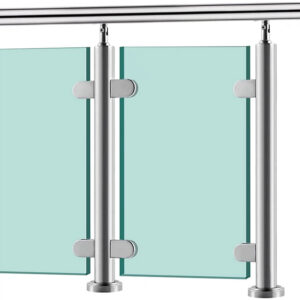
| Le projet utilise des panneaux de verre | Choisissez des poteaux adaptés aux pinces à verre, aux supports de verre, aux adaptateurs ou aux supports de rail de finition. | L'épaisseur du verre, la position des pinces, le jeu au niveau des bords et la disposition des panneaux doivent correspondre à la conception du montant. |
| Le projet utilise un remplissage par câbles | Choisissez des poteaux dotés de trous traversants adaptés, de bornes de raccordement ou de dispositifs de passage de câbles | La tension des câbles, le cheminement dans les angles et l'alignement des passages ont une incidence sur les performances du système. |
| La balustrade est composée de barres ou de tiges horizontales | Choisissez des poteaux dotés de trous percés, de languettes, de manchons ou de dispositifs de fixation sur barre | Il convient de vérifier l'espacement des éléments de remplissage et la méthode d'assemblage avant la fabrication. |
| Le poteau se trouve à l'extrémité d'une rampe. | Utiliser des composants de bornes de raccordement | Les poteaux d'extrémité comportent souvent des éléments de fixation pour les mains courantes, les câbles, le verre ou les systèmes de remplissage. |
| Le poteau se trouve à un coin de rue | Utiliser des ensembles de poteaux d'angle | Les poteaux d'angle doivent permettre d'harmoniser l'angle, l'orientation des rails, la disposition des vitres et le cheminement des câbles. |
| Le projet comprend des escaliers ou des paliers | Utilisez des poteaux de rampe, des poteaux intermédiaires ou des poteaux d'escalier sur mesure selon vos besoins | La géométrie de l'escalier influe sur la hauteur de la main courante, l'angle des supports et les détails des raccords. |
Forme et style du poteau
Les poteaux en acier inoxydable ronds, carrés et rectangulaires créent des effets visuels différents et nécessitent des accessoires adaptés. La forme du poteau doit être choisie en fonction de la main courante, des pinces à verre, des accessoires pour câbles, du système de remplissage et de la base de fixation.
| Forme de poste | Avantages typiques | Considérations générales |
|---|---|---|
| Poteaux ronds | Ligne visuelle douce, large gamme d'applications dans les systèmes de garde-corps en verre et à câbles, compatibilité courante avec les ferrures montées sur poteaux | Diamètre du montant, forme de la pince, support de main courante, position du trou de passage |
| Poteaux carrés | Un design épuré et moderne, des faces planes pour les supports et les fixations, une harmonisation parfaite avec l'architecture linéaire | Dimensions du montant, orientation de la face, corps de la pince à vitre, disposition des trous de câbles, sens de la finition |
| Poteaux rectangulaires | Un aspect directionnel plus marqué et une géométrie de soutien fonctionnelle pour certains projets commerciaux ou sur mesure | Orientation des poteaux, raccordement des mains courantes, orientation des plaques de base, alignement des panneaux de remplissage |
| Articles personnalisés | Peut s'adapter aux plans de projet, aux agencements de remplissage spécifiques, à l'identité visuelle d'une marque ou à des conditions d'installation non standard | Plans, cotes, nuance de matériau, finition, perçages, plaque de base et emballage |
Méthodes de fixation et caractéristiques de la base
Les poteaux en acier inoxydable peuvent être montés de différentes manières en fonction de la structure du projet. Il convient de prendre en compte à la fois le corps du poteau et les éléments de fixation de la base, car les conditions de montage ont une incidence sur l'alignement, la séquence d'installation et les performances à long terme.
| Méthode de montage | Utilisation courante | Ce qu'il faut vérifier |
|---|---|---|
| Montage en surface | Dalles en béton, terrasses, balcons et poteaux de garde-corps en saillie | Dimensions de la plaque de base, type d'ancrage, épaisseur du support, distance par rapport au bord et exigences relatives à la plaque de recouvrement |
| Support de bandeau | Installations latérales sur balcons, escaliers, terrasses et rebords | Résistance de la structure latérale, déport des montants, disposition des supports et alignement |
| Fixation centrale | Projets dans lesquels des poteaux sont insérés dans des trous pré-forés ou des ouvertures réalisées par carottage | Profondeur du trou, méthode de fixation, étanchéité, aplomb du poteau et ordre de montage |
| Support de base sur mesure | Conditions architecturales ou structurelles propres au projet | Dessins, chemin de charge, détail de la plaque de base, finition de surface et tolérance de montage |
Matériaux, finitions et fabrication sur mesure
Les poteaux en acier inoxydable ESANG peuvent être fabriqués selon les exigences de chaque projet, notamment en ce qui concerne la forme du poteau, sa hauteur, l'épaisseur de la paroi, la base de fixation, l'emplacement des trous, le raccordement à la main courante, la compatibilité avec les éléments de remplissage, la nuance du matériau, la finition de surface et les exigences d'emballage.
| Matériau ou finition | Utilisation courante | Notes |
|---|---|---|
| Acier inoxydable 304 | Poteaux de garde-corps d'intérieur, intérieurs commerciaux, escaliers résidentiels et environnements secs | Une option couramment choisie pour de nombreux projets de garde-corps en acier inoxydable destinés à un usage intérieur. |
| Acier inoxydable 316 | Garde-corps extérieurs, balcons, terrasses, aménagements autour des piscines, zones humides et environnements à forte corrosion | On le privilégie généralement lorsqu'une meilleure résistance à la corrosion est requise. |
| Acier inoxydable 316L | Projets nécessitant une meilleure soudabilité ou des performances anticorrosion plus élevées | Convient lorsque le cahier des charges exige de l'acier inoxydable à faible teneur en carbone. |
| Finition brossée ou satinée | Bâtiments commerciaux, garde-corps de balcons, rampes d'escalier et la plupart des projets de garde-corps architecturaux | Permet de réduire l'apparence des traces de doigts et des petites marques dues à la manipulation. |
| Polissage miroir | Aménagements intérieurs décoratifs, hôtels, villas et applications visuelles haut de gamme sélectionnées | Il confère un aspect brillant, mais nécessite un entretien et un nettoyage plus minutieux. |
Pour les projets hors normes, les clients peuvent fournir des plans, les dimensions des poteaux, les détails des socles, le schéma de perçage, les exigences relatives à la fixation des mains courantes, le type de remplissage, les exigences en matière de finition et les conditions d'installation. ESANG peut examiner ces exigences et fabriquer des poteaux en acier inoxydable conformes au cahier des charges du projet, dans la mesure du possible.
Compatibilité avec les mains courantes, le verre, les câbles et les éléments de remplissage
Les poteaux en acier inoxydable constituent des éléments essentiels de nombreux systèmes de garde-corps. Ils doivent être choisis en même temps que la main courante, la traverse supérieure, les fixations pour vitres, les fixations pour câbles, le système de fixation au sol et le type de remplissage.
- Pour le soutien de la main courante, les poteaux peuvent être reliés à Mains courantes sur poteau, supports de selle, supports de rail supérieur ou raccords de rail.
- Pour les systèmes de garde-corps en verre, les poteaux peuvent nécessiter Pinces et connecteurs pour le verre, les supports en verre, les adaptateurs ou la coordination des rails de finition.
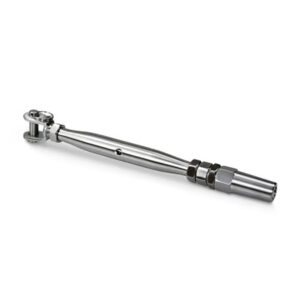
- Pour les systèmes de garde-corps à câbles, les poteaux peuvent nécessiter Quincaillerie pour poteaux traversants, les tendeurs de câble, les raccords d'extrémité et les détails de tracé des angles.
- Pour les remplissages à barres, à tiges, en treillis ou en panneaux, les poteaux peuvent nécessiter des trous, des manchons, des pattes soudées, des colliers de serrage ou des points d'appui sur mesure.
- Pour l'installation, les poteaux doivent être adaptés à Matériel et fixation, plaques de base, couvercles et ancrages.
Personnalisation en fonction des exigences du projet
De nombreux projets de poteaux en acier inoxydable sont fabriqués selon les plans et les schémas de garde-corps fournis par les clients. ESANG peut prendre en charge la personnalisation de la hauteur des poteaux, de la forme des tubes, de l'épaisseur des parois, de l'emplacement des trous, des bases de fixation, des détails de soudure, des raccords de main courante, de l'emplacement des pinces à verre, du tracé des passages de câbles et des finitions de surface.
Lorsqu'un projet comporte des exigences conformes aux normes concernant la hauteur des garde-corps, la hauteur des mains courantes, les restrictions relatives aux ouvertures, la qualité des matériaux, l'espacement des poteaux, la fixation des socles ou les exigences de conception liées aux charges, les clients doivent fournir les plans et cahiers des charges requis. ESANG est en mesure de fabriquer des poteaux de garde-corps conformes aux détails fournis ; toutefois, la conformité finale dépend de l'ensemble du système installé, de la conception structurelle, de la méthode d'installation et de la réglementation locale applicable.
Considérations relatives à l'installation et au projet
Les poteaux en acier inoxydable doivent être examinés dans le cadre de l'ensemble du système de garde-corps. L'espacement des poteaux, leur hauteur, la fixation des socles, la liaison des éléments de remplissage, le support de la main courante et la finition de surface doivent être validés avant la fabrication.
- Forme, dimensions, hauteur et épaisseur de paroi du poteau
- Montage en surface, montage sur façade, montage sur noyau ou méthode de montage sur mesure
- Dimensions de la plaque de base, état des ancrages et exigences relatives à la plaque de recouvrement
- Rôle des poteaux intermédiaires, d'extrémité, d'angle ou de pivot
- Raccordement de la main courante, de la traverse supérieure ou de la traverse de finition
- Compatibilité avec les remplissages en verre, câble, tige, barre, treillis ou panneau
- Emplacements des trous, pattes soudées, manchons ou détails des raccords
- Matériau adapté aux environnements intérieurs, extérieurs, côtiers ou au bord d'une piscine
- Exigences du code local du bâtiment et du cahier des charges du projet
For guardrail, balcony, stair, terrace, and public-access projects, the post system should be checked by the project designer, engineer, contractor, or local authority. ESANG can manufacture posts to match provided requirements, but final compliance depends on the complete installed assembly and site conditions.
Scénarios d'application
Systèmes de garde-corps en verre
Stainless steel posts are commonly used with glass clamps, glass brackets, cap rails, or post-to-glass adapters. Glass thickness, clamp type, post spacing, and edge clearance should be coordinated before production.
Systèmes de rampes à câbles
Cable railing posts may require through-holes, cable end fittings, tensioners, terminal post details, and corner routing. Cable layout and post role should be confirmed together.
Garde-corps de balcons et de terrasses
Balcony and terrace railings may use round, square, rectangular, intermediate, terminal, or corner posts depending on project layout. Surface mount, fascia mount, or core mount options should be selected according to the site condition.
Garde-corps d'escaliers et de paliers
Stair projects may use newel posts, intermediate posts, terminal posts, and custom post heights to support handrail transitions. Stair pitch and landing geometry should be reviewed before fabrication.
Espaces commerciaux et espaces accessibles au public
Commercial buildings, hotels, schools, offices, shopping centers, public facilities, and transport areas often require stainless steel posts with consistent finish, repeatable mounting details, and practical maintenance access.
Catégories de produits connexes
- Poteaux ronds en acier inoxydable
- Poteaux carrés en acier inoxydable
- Poteaux rectangulaires en acier inoxydable
- Systèmes de poteaux d'escalier
- Assemblages de poteaux d'angle
- Composants des bornes de raccordement
- Systèmes de poteaux intermédiaires
- Matériel et fixation
- Mains courantes sur poteau
- Pinces et connecteurs pour le verre
- Quincaillerie pour poteaux traversants
Questions fréquemment posées
What types of stainless steel posts does ESANG supply?
ESANG supplies round stainless steel posts, square stainless steel posts, rectangular posts, newel posts, corner post assemblies, terminal post components, and intermediate post systems. Posts can be manufactured according to project drawings, material grade, finish, mounting method, and infill requirements.
What is the difference between intermediate, terminal, and corner posts?
Intermediate posts support the railing between ends or corners. Terminal posts are used at the start or end of a railing run. Corner posts connect railing runs at turns and may require special glass, cable, handrail, or infill connection details.
How do I choose between round and square stainless steel posts?
Round posts are often selected for softer visual lines and broad compatibility with many railing systems. Square posts provide a modern linear appearance and flat faces for brackets, clamps, or cable layouts. The final choice should consider the handrail, infill type, hardware, and design style.
Can ESANG customize post height, holes, and base plates?
Yes. ESANG can manufacture stainless steel posts according to drawings, custom heights, post profiles, hole positions, base plates, mounting details, welded tabs, finish requirements, and packaging needs.
Can stainless steel posts be used with glass railing systems?
Yes. Stainless steel posts can be configured for glass railing systems with glass clamps, glass brackets, adapters, or cap rail details. Glass thickness, post spacing, clamp type, and hole positions should be confirmed before production.
Can stainless steel posts be used with cable railing systems?
Yes. Stainless steel posts can be manufactured with through-holes, terminal details, corner routing, and cable hardware compatibility. Cable diameter, post spacing, tensioning method, and cable layout should be confirmed before ordering.
Should I choose 304 or 316 stainless steel posts?
L'acier inoxydable 304 est couramment utilisé pour les environnements intérieurs et secs. L'acier inoxydable 316 est généralement privilégié pour les environnements extérieurs, côtiers, au bord d'une piscine, humides ou présentant un risque élevé de corrosion. Le choix final de la nuance de matériau doit être effectué en fonction de l'exposition du projet et du cahier des charges.
What mounting methods are available for stainless steel posts?
Common mounting methods include surface mount, fascia mount, core mount, and custom base mount options. The correct method depends on the substrate, edge condition, project design, installation sequence, and structural requirements.
What information is needed for a stainless steel post inquiry?
Useful inquiry information includes post type, post height, post profile, material grade, surface finish, mounting method, base plate requirement, hole layout, infill type, handrail or top rail connection, quantity, drawings, and project environment.
How should stainless steel railing posts be maintained?
Le nettoyage courant s'effectue généralement à l'aide d'un détergent doux, d'eau claire et d'un chiffon doux. Évitez les produits nettoyants à base de chlorure, la laine d'acier et les outils abrasifs. Les installations situées à l'extérieur, au bord d'une piscine ou en bord de mer doivent être nettoyées plus régulièrement afin de réduire la contamination des surfaces et de préserver leur aspect.
Articles connexes :
Pier and Dock Railing Layout: Posts, Infill, Access, and Mounting
Plan pier and dock runs around post locations, infill modules, corners, gates, access routes, substrate edges, and mounting responsibility.
Coastal Railing Exposure: Salt Air, Splash, and Cleaning Access
Separate airborne salt, direct splash, retained wetness, deposits, and cleaning access before choosing coastal railing materials and details.
Replacing Core-Mounted Posts With Surface Bases: Precheck
Check the existing opening, slab condition, edge geometry, drainage, and revised load path before converting an embedded post to a surface base.
Liste de contrôle pour les appels d'offres relatifs aux socles de poteaux de balustrade à l'intention des acheteurs de projets
Demandez, dans un seul appel d'offres par projet, des informations comparables concernant les éléments de fixation des socles, les matériaux de support, les finitions, les plans, les limites d'ancrage, les échantillons et les documents d'inspection.
Adjustable Railing Post Bases for Sloped or Uneven Surfaces
Compare adjustable bases against the actual slope, bearing surface, leveling range, finish interface, and fixing access before selecting a detail.
Railing Post Base Anchors: Inputs for Engineering Review
Define substrate, geometry, loads, exposure, and anchor evidence before engineering review so a hardware label is not mistaken for a connection design.
Projets d'Esang

Certificat d'Esang
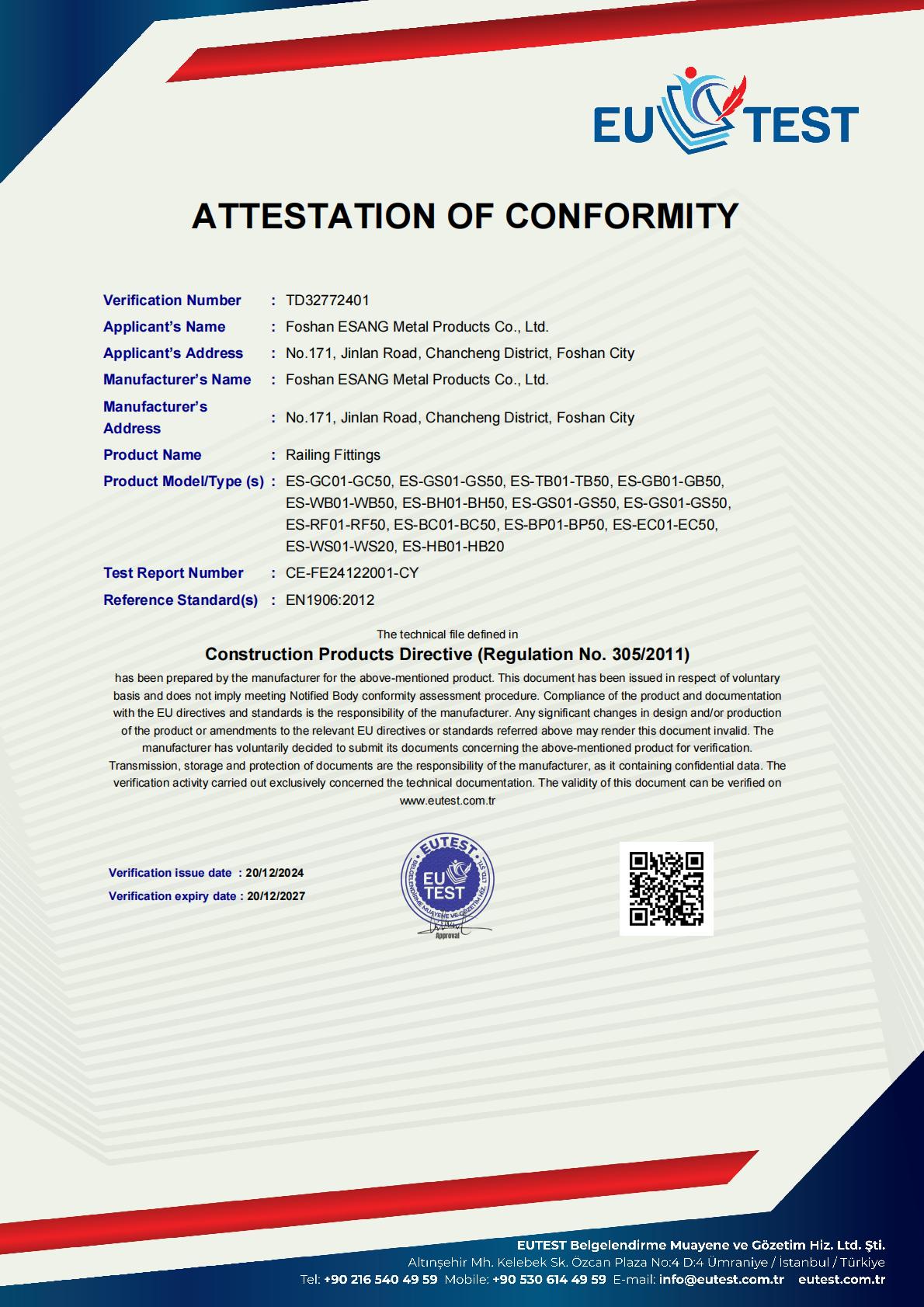
Foshan ESANG Metal Products est fier d'entretenir Certification CE (numéro de vérification TD32772401) en vertu de la directive sur les produits de construction (règlement n° 305/2011), ce qui confirme notre engagement à respecter les normes européennes les plus strictes en matière de sécurité et de qualité.
Certifié Gamme de produits :
Notre gamme complète d'accessoires pour garde-corps, qui comprend des pinces à verre, des tendeurs, des supports, des supports muraux, des sabots, des accessoires pour mains courantes, des câbles et des composants pour poteaux, répond aux besoins des utilisateurs de garde-corps. EN1906:2012 garantissant l'intégrité structurelle et la fiabilité des performances dans toutes les installations.
Ce que cela signifie pour votre projet :
✓ Conformité réglementaire totale pour les marchés européens et internationaux
✓ Performances en matière de sécurité et de durabilité vérifiées de manière indépendante
✓ Support documentaire pour les spécifications architecturales
✓ Tranquillité d'esprit grâce à l'assurance qualité d'une tierce partie
Certification valable jusqu'en 2027 : CE-FE24122001-CY
Projets d'Esang

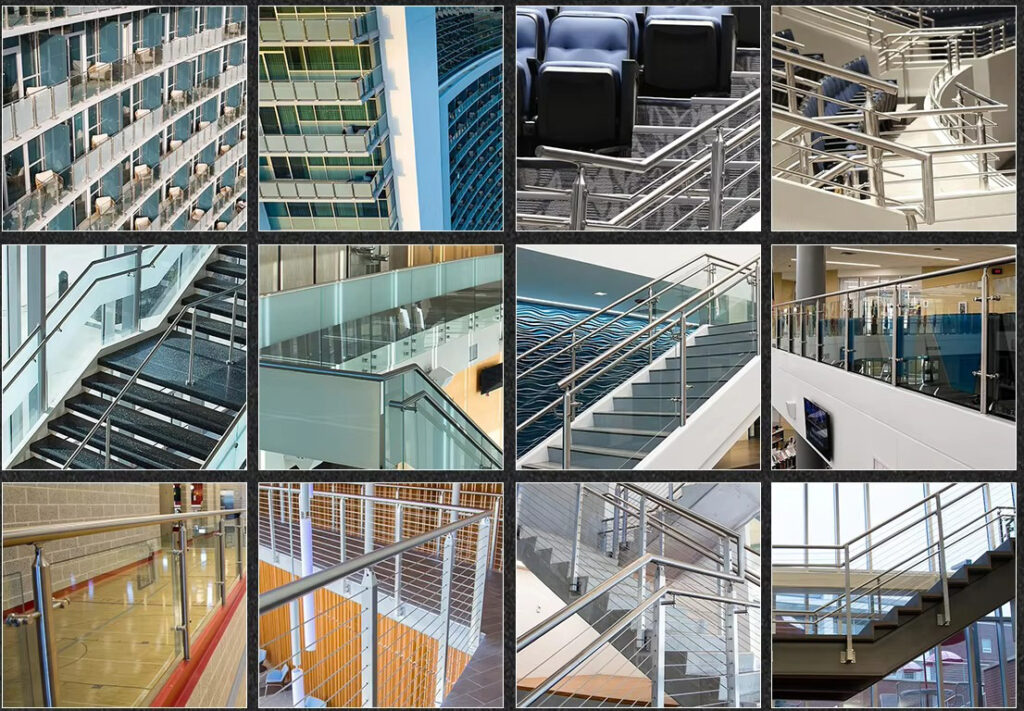
Produits de référence