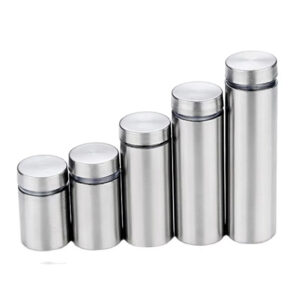
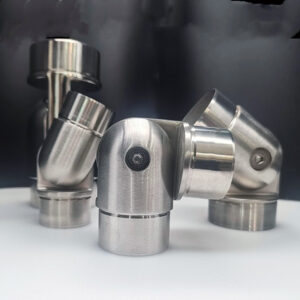
Systèmes de remplissage
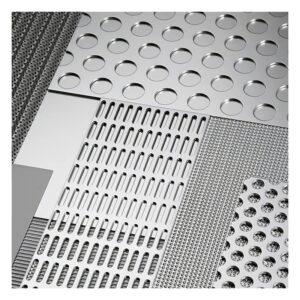
Systèmes de remplissage
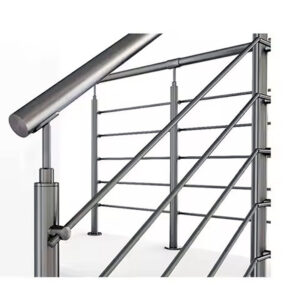
Les systèmes de remplissage ESANG servent à combler l'espace libre entre les poteaux, les traverses supérieures, les traverses inférieures et les mains courantes. Les éléments de remplissage contribuent à définir l'aspect, la visibilité, l'espacement et la fonctionnalité d'un système de garde-corps en acier inoxydable.
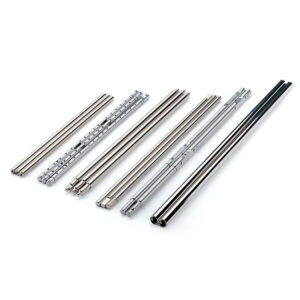
Cette catégorie comprend Éléments de remplissage à lattes verticales, Systèmes de remplissage pour barres horizontales, Composants de remplissage pour tiges, Panneaux de remplissage en treillis métallique, et Systèmes de remplissage de panneaux sur mesure.
Pour les entrepreneurs, les distributeurs, les fabricants et les responsables d'achat de projets, le choix d'un système de remplissage doit tenir compte du style de garde-corps, des contraintes liées aux ouvertures, de l'espacement des poteaux, de la conception des traverses supérieure et inférieure, de la méthode d'assemblage, de la qualité des matériaux, de la finition de surface, de la visibilité, de l'entretien et des exigences du projet. ESANG est en mesure de fabriquer des composants de remplissage conformément aux plans, aux dimensions, à la qualité des matériaux, aux exigences de finition, aux exigences d'espacement et aux conditions d'installation.
Options de systèmes de remplissage
| Option de remplissage | Utilisé de préférence pour | Questions clés de la sélection |
|---|---|---|
| Éléments de remplissage à lattes verticales | Garde-corps traditionnels, garde-corps à usage professionnel, rampes d'escalier, balustrades de balcon et projets respectant la réglementation | Quels sont les écartements entre les montants, les dimensions des montants, les modes de raccordement des traverses et les détails concernant les traverses supérieure et inférieure ? |
| Systèmes de remplissage pour barres horizontales | Garde-corps modernes en acier inoxydable, modèles de garde-corps à traverses, garde-corps d'escalier et systèmes de balcons | Quels sont les espacements entre les barres, la disposition des trous de poteaux, les fixations d'extrémité et la ligne horizontale continue requis ? |
| Composants de remplissage pour tiges | Systèmes de garde-corps légers en acier inoxydable, composés de barres ou de tiges, aux lignes épurées, horizontales ou verticales | Quel diamètre de tige, quelles conditions de passage, quels détails de fixation et quelles exigences d'espacement faut-il respecter ? |
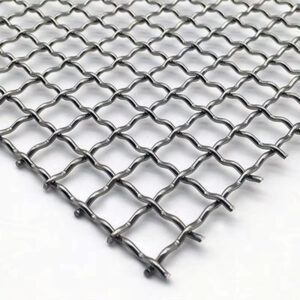
| Panneaux de remplissage en treillis métallique | Applications de garde-corps dans les secteurs industriel, commercial, de sécurité et semi-transparent | Quels sont le motif de maillage, la taille des panneaux, les caractéristiques du cadre et la méthode de fixation requis ? |
| Systèmes de remplissage de panneaux sur mesure | Conceptions de garde-corps décoratives, architecturales, à l'image de la marque ou spécifiques à un projet | Quels sont les matériaux, motifs, dimensions, méthodes de fixation, finitions et exigences esthétiques des panneaux qu'il convient d'assortir ? |
Comment choisir des systèmes de remplissage
Le choix du système de remplissage approprié dépend de l'aspect recherché, du mode d'ouverture, de la structure du garde-corps et de la méthode d'installation. Le remplissage doit être choisi en fonction des poteaux, des traverses supérieures, des traverses inférieures, des mains courantes et des règles applicables au projet.
| État du projet | Orientations recommandées | Pourquoi c'est important |
|---|---|---|
| Le projet nécessite un garde-corps d'aspect traditionnel | Utiliser des éléments de remplissage à piquets verticaux | Les piquets verticaux sont largement utilisés dans les garde-corps, les escaliers, les balcons et les zones d'accès public. |
| Le projet a besoin d'une ligne horizontale moderne | Utilisez des systèmes de remplissage à barres horizontales ou des éléments de remplissage à tiges | Les remplissages horizontaux confèrent un aspect contemporain plus épuré, mais il convient de vérifier l'espacement et la réglementation locale. |
| Le projet nécessite une protection semi-transparente | Utilisez des panneaux de remplissage en treillis métallique | Les panneaux en treillis permettent de préserver la visibilité tout en comblant l'ouverture de la balustrade de manière plus homogène. |
| Le projet présente un design décoratif ou à l'image de la marque | Utiliser des systèmes de remplissage de panneaux sur mesure | Les panneaux sur mesure peuvent s'harmoniser avec le style architectural, les motifs, les couleurs ou les exigences spécifiques à chaque projet. |
| La balustrade est composée de poteaux en acier inoxydable | Aligner les éléments de remplissage avec les trous de poteaux, les manchons, les supports ou les pattes soudées | La préparation des poteaux influe sur la précision de la pose et l'alignement final. |
| La balustrade comprend des traverses supérieure et inférieure | Adapter l'espacement et la fixation des éléments de remplissage aux systèmes de support des rails supérieurs et inférieurs | Le profil du rail et la disposition des trous influent sur la stabilité et l'aspect du remplissage. |
Différences entre les remplissages verticaux, horizontaux, à tiges, en treillis et en panneaux
Les systèmes de remplissage ne doivent pas être considérés comme de simples éléments décoratifs. Ils ont une incidence sur la visibilité de la balustrade, l'espacement, les travaux d'installation, le nettoyage et la manière dont la balustrade se fixe aux poteaux et aux traverses.
| Type de remplissage | Fonction principale | Considérations générales |
|---|---|---|
| Piquets verticaux | Créer des montants verticaux répétés entre les traverses supérieure et inférieure | Espacement des piquets, dimensions des piquets, fixation de la traverse inférieure et exigences relatives à l'ouverture |
| Barres horizontales | Créer des lignes horizontales continues entre les poteaux | Espacement des barreaux, disposition des trous de fixation, fixation des extrémités et inclinaison de l'escalier |
| Cannes | Proposer un remplissage à barres fines pour un effet visuel plus léger | Diamètre de la tige, trous traversants, espacement des supports et méthode de fixation |
| Panneaux en treillis métallique | Combler les ouvertures plus grandes avec un matériau de revêtement semi-transparent | Motif en mailles, cadre des panneaux, clips de fixation, finition des bords et accès pour le nettoyage |
| Panneaux sur mesure | Proposer des éléments de remplissage décoratifs, à l'effigie de la marque ou adaptés à un projet spécifique | Matériau du panneau, perforation, motif, finition, épaisseur et détails de fixation |
Planification des poteaux, des rails et des raccordements
Les éléments de remplissage dépendent généralement de la structure de poteaux et de traverses qui les entoure. Une même conception de remplissage peut nécessiter des perçages, des équerres, des manchons ou des détails de fixation différents selon qu’elle se raccorde à des poteaux ronds, à des poteaux carrés, à des traverses supérieures, à des traverses inférieures ou à des cadres sur mesure.
| Zone de connexion | Ce qu'il faut vérifier | Composants associés |
|---|---|---|
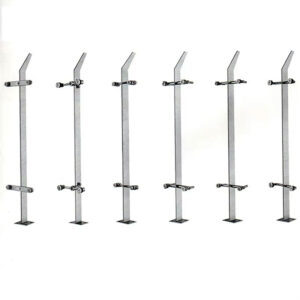
| Connexion postérieure | Détails concernant la forme du montant, la position des trous, la patte soudée, le manchon, le collier de serrage ou le support | Poteaux ronds, poteaux carrés, poteaux rectangulaires, poteaux d'extrémité, poteaux intermédiaires |
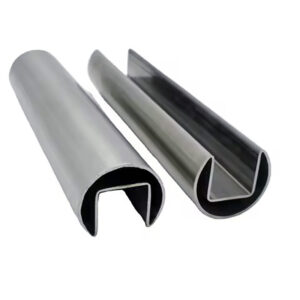
| Raccordement du rail supérieur | Que le panneau de remplissage se fixe sous le rail supérieur ou passe entre les montants | Rails supérieurs ronds, rails supérieurs carrés, rails supérieurs rectangulaires, manchons de raccordement |
| Support de rail inférieur | Que le panneau de remplissage nécessite un support au niveau du rail inférieur ou une bordure inférieure finie | Systèmes de fixation des rails inférieurs, manchons de raccordement pour rails, détails de la base |
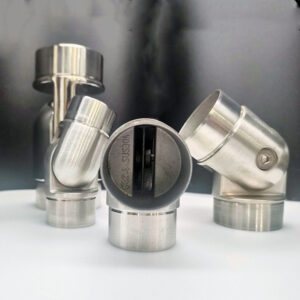
| Fixation d'extrémité | Comment les barres, les tiges, les treillis ou les panneaux se terminent à l'extrémité d'un tronçon | Bornes, embouts, manchons, colliers de serrage ou plaques de fixation sur mesure |
| Conditions aux angles et aux escaliers | Comment le remplissage épouse les lignes obliques, les virages, les paliers ou les changements de niveau | Poteaux d'angle, raccords de rail, longueurs sur mesure, trous en angle |
Matériaux, finitions et fabrication sur mesure
Les systèmes de remplissage ESANG peuvent être fabriqués selon les exigences de chaque projet, notamment en ce qui concerne la taille des barres ou des tiges, l'espacement des piquets, la taille des panneaux grillagés, la configuration personnalisée des panneaux, la fixation des poteaux, la fixation des traverses, la nuance du matériau, la finition de surface et les exigences d'emballage.
| Matériau ou finition | Utilisation courante | Notes |
|---|---|---|
| Acier inoxydable 304 | Panneaux de remplissage pour garde-corps intérieurs, aménagements intérieurs commerciaux, escaliers résidentiels et environnements secs | Une solution couramment choisie pour de nombreux projets de garde-corps architecturaux en intérieur. |
| Acier inoxydable 316 | Remplissages de balustrades extérieures, balcons, terrasses, aménagements autour des piscines et environnements humides | On le privilégie généralement lorsqu'une meilleure résistance à la corrosion est requise. |
| Acier inoxydable 316L | Projets nécessitant une meilleure soudabilité ou des performances anticorrosion plus élevées | Convient lorsque le cahier des charges exige de l'acier inoxydable à faible teneur en carbone. |
| Finition brossée ou satinée | Garde-corps commerciaux, systèmes de balcons, espaces publics et la plupart des projets de remplissage en acier inoxydable | Permet de réduire l'apparence des traces de doigts et des petites marques dues à la manipulation. |
| Polissage miroir | Aménagements intérieurs décoratifs, hôtels, villas et applications visuelles haut de gamme sélectionnées | Il confère un aspect brillant, mais nécessite un entretien et un nettoyage plus minutieux. |
Pour les projets de remplissage non standard, les clients peuvent fournir des plans, les exigences en matière d'espacement, les schémas d'agencement des panneaux, les dimensions des barres ou des tiges, les détails de raccordement des poteaux, les exigences de finition et les conditions d'installation. ESANG peut examiner ces exigences et fabriquer des composants de remplissage conformes au cahier des charges du projet, dans la mesure du possible.
Compatibilité avec les poteaux, les rails, les mains courantes et d'autres systèmes
Les systèmes de remplissage doivent être choisis en même temps que l'ensemble de la structure du garde-corps. La forme des poteaux, le profilé des traverses, le type de main courante, la méthode de fixation et les exigences spécifiques au projet peuvent tous influencer la conception finale du remplissage.
- Pour les systèmes à poteaux, le remplissage doit être coordonné avec Poteaux en acier inoxydable, l'espacement des bornes, la disposition des trous et les caractéristiques des bornes.
- Pour les remplissages sur rails, vérifiez la compatibilité avec Traverses supérieures et traverses inférieures, des manchons de raccordement pour rails et des systèmes de support de rails inférieurs.
- Pour les systèmes équipés de mains courantes, veuillez vous coordonner avec Mains courantes sur poteau, l'alignement des montants et de la traverse supérieure.
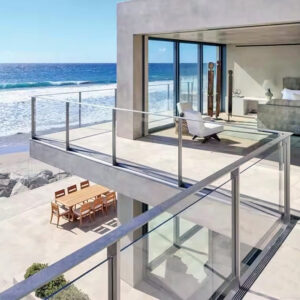
- Pour les projets utilisant du verre à la place d'un remplissage à barres ou à panneaux, veuillez consulter Quincaillerie pour garde-corps en verre en tant que système distinct.
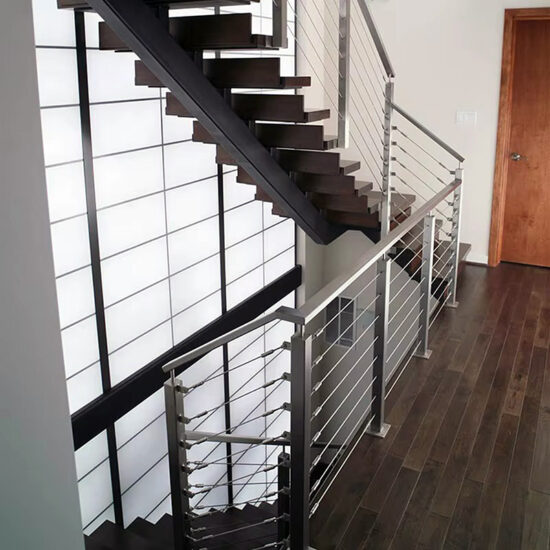
- Pour les projets faisant appel à un remplissage par câbles, consultez Systèmes de rampes à câbles car le cheminement et la mise en tension des câbles nécessitent du matériel différent.
Personnalisation en fonction des exigences du projet
De nombreux projets de systèmes de remplissage sont personnalisés en fonction des plans architecturaux et des spécifications du projet. ESANG peut prendre en charge la personnalisation des piquets verticaux, des barres horizontales, des tiges, des panneaux en treillis métallique, des panneaux métalliques sur mesure, la disposition des perforations, les manchons de raccordement, les pattes de fixation, les nuances de matériaux, les finitions de surface et les exigences d'emballage.
Lorsqu'un projet comporte des exigences conformes aux normes concernant les restrictions d'ouverture, la hauteur des garde-corps, la sécurité des enfants, l'espacement des montants, la qualité des matériaux ou les exigences de conception liées aux charges, les clients doivent fournir les plans et cahiers des charges requis. ESANG peut fabriquer des éléments de remplissage conformes aux détails fournis, mais la conformité finale dépend de l'ensemble du système installé, de la conception structurelle, de la méthode d'installation et de la réglementation locale applicable.
Considérations relatives à l'installation et au projet
Les systèmes de remplissage doivent être examinés dans le cadre de l'ensemble complet du garde-corps. L'espacement des éléments de remplissage, la disposition des montants, le profilé de la main courante, la méthode de fixation et les conditions du chantier doivent être validés avant la fabrication.
- Type de remplissage : piquets verticaux, barres horizontales, tiges, treillis ou panneau sur mesure
- Espacement et forme des poteaux
- Profilé de rail supérieur et profilé de rail inférieur
- Disposition des trous, manchons, languettes, supports ou colliers de serrage
- Dimensions des barres, tiges, piquets, treillis ou panneaux
- Restrictions relatives à l'ouverture et exigences du cahier des charges du projet
- Disposition en escalier, en balcon, en terrasse ou en ligne droite
- Matériau adapté aux environnements intérieurs, extérieurs, côtiers ou au bord d'une piscine
- Exigences du code local du bâtiment et du cahier des charges du projet
Pour les projets concernant les garde-corps, balcons, escaliers, terrasses et espaces publics, le système de remplissage doit être vérifié par le concepteur du projet, l'ingénieur, l'entrepreneur ou les autorités locales. ESANG peut fabriquer des éléments de remplissage conformes aux exigences fournies, mais la conformité finale dépend de l'ensemble complet une fois installé et des conditions sur site.
Scénarios d'application
Garde-corps d'escaliers et de balcons
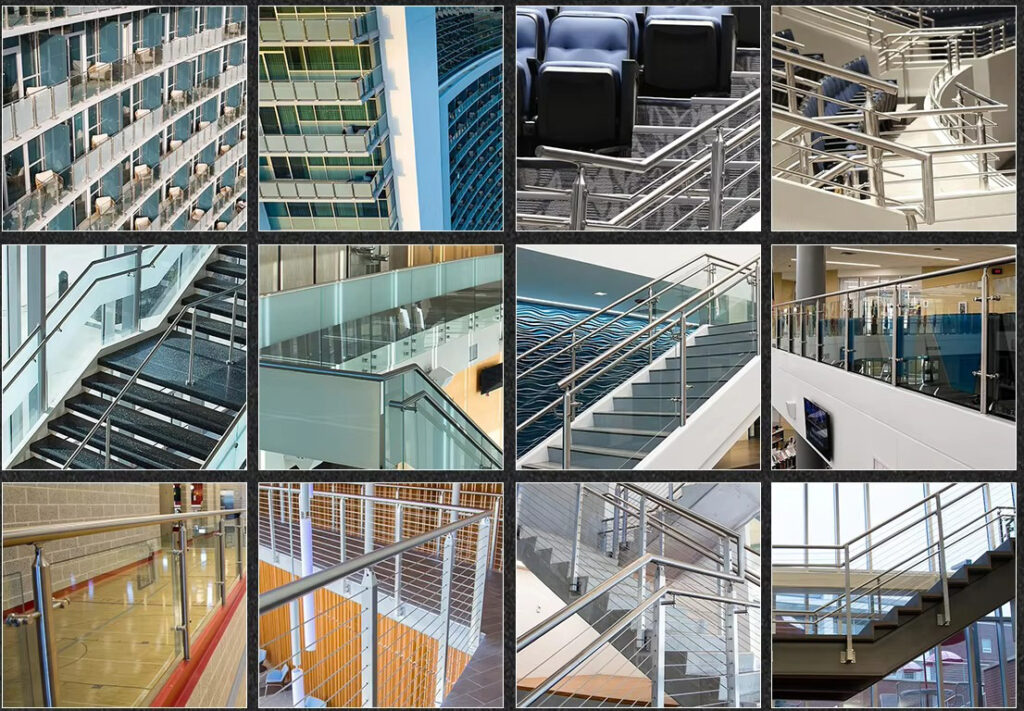
Les montants verticaux, les barres horizontales, les tiges et les panneaux sur mesure sont couramment utilisés dans les systèmes de garde-corps d'escaliers et de balcons. L'espacement, la fixation des montants et l'alignement des balustres doivent être vérifiés conformément au plan du projet.
Garde-corps commerciaux
Les garde-corps à usage commercial peuvent comporter des montants verticaux, des panneaux en treillis, des tiges ou des panneaux de remplissage sur mesure, en fonction des exigences en matière de visibilité, de protection, d'entretien et d'esthétique. Une finition homogène et des dimensions de composants reproductibles sont essentielles pour les projets de grande envergure.
Garde-corps d'intérieur modernes
Les projets modernes de garde-corps d'intérieur font souvent appel à des barres horizontales, des tiges ou des panneaux sur mesure pour créer un style architectural épuré. L'acier inoxydable 304 peut convenir à de nombreuses applications d'intérieur en milieu sec.
Garde-corps d'extérieur pour balcons et terrasses
Le remplissage des garde-corps extérieurs nécessite une attention particulière en ce qui concerne la qualité des matériaux, le drainage, le nettoyage et l'exposition à la corrosion. L'acier inoxydable 316 ou 316L peut être envisagé pour les environnements humides, au bord d'une piscine, en bord de mer ou présentant un risque élevé de corrosion.
Panneaux architecturaux sur mesure
Des systèmes de panneaux de remplissage sur mesure peuvent être conçus pour créer des garde-corps à vocation décorative, à l'image de la marque ou adaptés aux spécificités d'un projet. L'épaisseur des panneaux, leur motif, la finition des bords, le mode de fixation et la qualité des matériaux doivent être confirmés avant la production.
Catégories de produits connexes
- Éléments de remplissage à lattes verticales
- Systèmes de remplissage pour barres horizontales
- Composants de remplissage pour tiges
- Panneaux de remplissage en treillis métallique
- Systèmes de remplissage de panneaux sur mesure
- Poteaux en acier inoxydable
- Traverses supérieures et traverses inférieures
- Mains courantes sur poteau
Questions fréquemment posées
Qu'est-ce qu'un système de remplissage de garde-corps ?
Un système de remplissage de garde-corps permet de combler l'espace entre les poteaux, les traverses supérieures, les traverses inférieures ou les mains courantes. Il peut être constitué de piquets verticaux, de barres horizontales, de tiges, de panneaux en treillis métallique, de panneaux sur mesure, de verre, de câbles ou d'autres matériaux, selon la conception du garde-corps.
Quels types de systèmes de remplissage ESANG propose-t-elle ?
ESANG fournit des éléments de remplissage à piquets verticaux, des systèmes de remplissage à barres horizontales, des éléments de remplissage à tiges, des panneaux de remplissage en treillis métallique et des systèmes de remplissage à panneaux sur mesure. Les éléments peuvent être fabriqués selon les plans fournis, les exigences d'espacement, la qualité des matériaux, la finition et les conditions d'installation.
Comment choisir entre des piquets verticaux et des barres horizontales ?
Les piquets verticaux sont couramment utilisés pour les modèles traditionnels de balustrades et de garde-corps. Les barres horizontales confèrent un aspect linéaire plus moderne. Le choix final doit tenir compte des contraintes d'ouverture, de la réglementation locale, de la disposition des poteaux, du modèle de main courante et du style du projet.
Dans quels cas faut-il utiliser des panneaux de remplissage en treillis métallique ?
Les panneaux de remplissage en treillis métallique peuvent être utilisés lorsque le projet nécessite un panneau de protection semi-transparent, un aspect industriel ou une couverture plus continue des ouvertures. Il convient de préciser le motif du treillis, le cadre du panneau, le mode de fixation et l'accès pour le nettoyage.
ESANG est-elle en mesure de fabriquer des systèmes de remplissage de panneaux sur mesure ?
Oui. ESANG est en mesure de fabriquer des panneaux de remplissage sur mesure selon les plans, les modèles, les dimensions, la qualité des matériaux, la finition, le mode de fixation et les exigences d'emballage. Pour les projets de panneaux sur mesure, il est nécessaire de fournir des plans détaillés ou des références de conception.
Les systèmes de remplissage peuvent-ils être utilisés avec des poteaux en acier inoxydable ?
Oui. Les systèmes de remplissage sont couramment utilisés avec des poteaux en acier inoxydable. La forme des poteaux, leur espacement, la disposition des trous, les languettes, les manchons, le raccordement des rails et les détails de fixation aux extrémités doivent être validés avant la production.
Les systèmes de remplissage peuvent-ils être utilisés avec des rails supérieurs et inférieurs ?
Oui. De nombreux systèmes de remplissage nécessitent des rails supérieurs et inférieurs à des fins de soutien, d'alignement ou de finition esthétique. Le profil des rails, la disposition des trous, leur espacement et la méthode d'assemblage doivent être adaptés à la conception du remplissage.
Dois-je choisir de l'acier inoxydable 304 ou 316 pour les éléments de remplissage ?
L'acier inoxydable 304 est couramment utilisé pour les environnements intérieurs et secs. L'acier inoxydable 316 est généralement privilégié pour les environnements extérieurs, côtiers, au bord d'une piscine, humides ou présentant un risque élevé de corrosion. Le choix final de la nuance de matériau doit être effectué en fonction de l'exposition du projet et du cahier des charges.
Quelles informations faut-il fournir pour une demande de renseignements sur un système de remplissage ?
Les informations utiles comprennent le type de remplissage, les exigences en matière d'espacement, l'espacement des montants, le profil des traverses, la qualité du matériau, la finition, les dimensions, la méthode de fixation, la quantité, les plans et le contexte du projet.
Comment entretenir les systèmes de remplissage en acier inoxydable ?
Le nettoyage courant s'effectue généralement à l'aide d'un détergent doux, d'eau claire et d'un chiffon doux. Évitez les produits nettoyants à base de chlorure, la laine d'acier et les outils abrasifs. Les installations situées à l'extérieur, au bord d'une piscine ou en bord de mer doivent être nettoyées plus régulièrement afin de réduire la contamination des surfaces et de préserver leur aspect.
Articles connexes :
Exigences en matière de passivation pour les éléments de fixation, les supports et les accessoires d'ancrage en acier inoxydable
Précisez le traitement en fonction de l'état de la pièce, du procédé de fabrication et de l'exposition, plutôt que d'appliquer une seule instruction générique de passivation à tous les composants.
Nettoyage des éléments de fixation des garde-corps en câble et en verre en acier inoxydable 316 dans les environnements marins
Nettoie les bornes de câbles, les colliers de serrage en verre, les éléments de fixation et les interstices sans laisser de résidus de produits chimiques ni endommager les finitions polies ou brossées.
Comment les résidus de fabrication provoquent des taches de thé sur les garde-corps en acier inoxydable
Les taches de thé peuvent être dues à des particules incrustées, à une coloration due à la chaleur, au transfert d’abrasifs ou à des résidus coincés dans les rainures ou les fissures de la finition.
Décapage ou passivation des éléments de fixation des garde-corps en acier inoxydable : différences en termes de portée et de risques
Le décapage permet d'éliminer le tartre et les couches superficielles altérées ; la passivation vise à traiter l'état de la surface après le nettoyage, avec des contrôles et des risques différents.
Plan d'entretien des ferrures des garde-corps côtiers : sel, fissures, fixations et finition de surface
Axez l'entretien sur l'exposition aux intempéries, la rétention de sel, les fissures, les métaux dissemblables, l'état des fixations et l'aspect de la finition.
Règles de nettoyage sur chantier pour les garde-corps en acier inoxydable après découpe, soudage et installation
Éliminez la poussière de meulage, les résidus de soudure, les dépôts de ciment et les traces d'acier au carbone avant la remise du bien afin d'éviter toute tache évitable.
Projets d'Esang

Certificat d'Esang
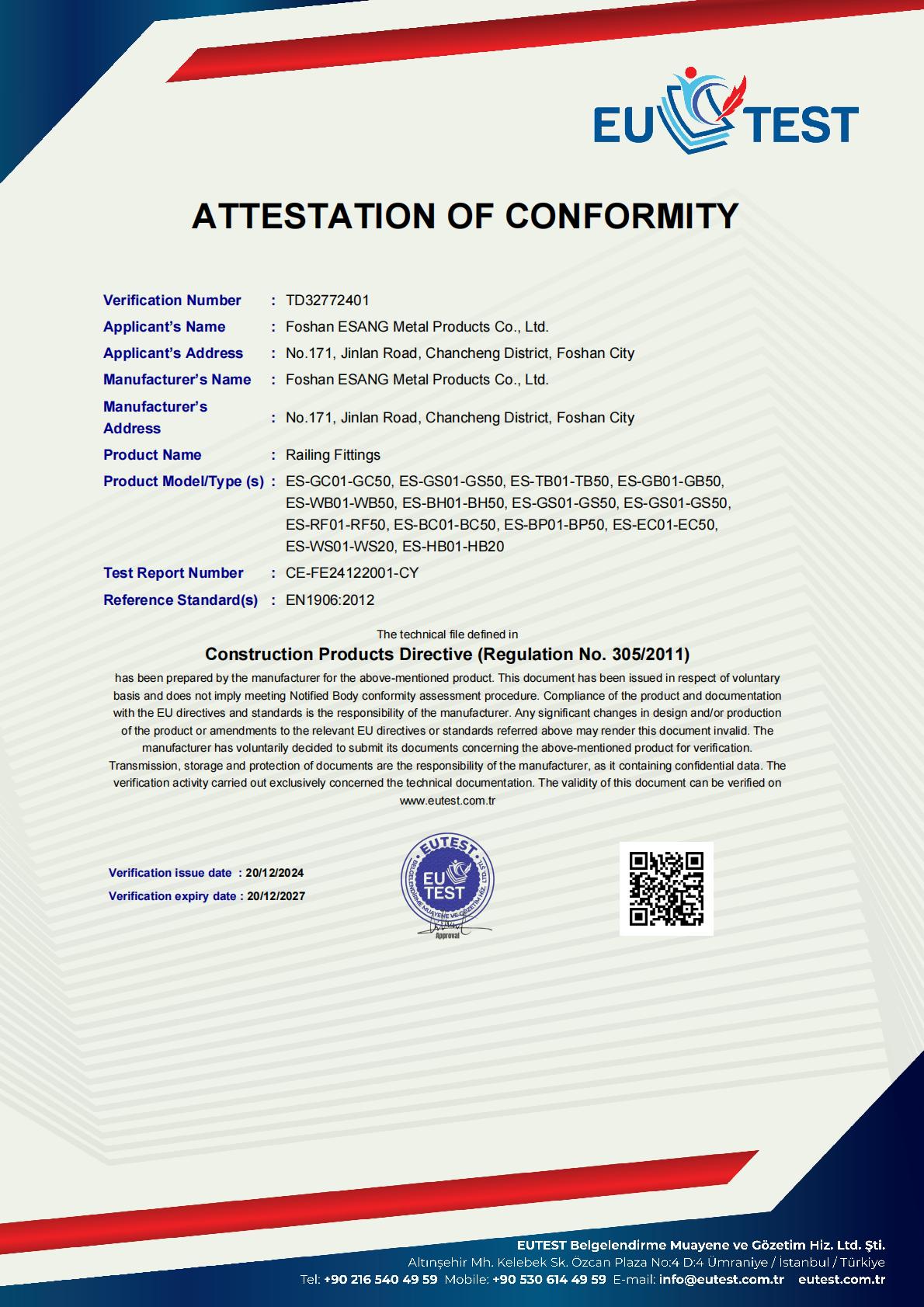
Foshan ESANG Metal Products est fier d'entretenir Certification CE (numéro de vérification TD32772401) en vertu de la directive sur les produits de construction (règlement n° 305/2011), ce qui confirme notre engagement à respecter les normes européennes les plus strictes en matière de sécurité et de qualité.
Certifié Gamme de produits :
Notre gamme complète d'accessoires pour garde-corps, qui comprend des pinces à verre, des tendeurs, des supports, des supports muraux, des sabots, des accessoires pour mains courantes, des câbles et des composants pour poteaux, répond aux besoins des utilisateurs de garde-corps. EN1906:2012 garantissant l'intégrité structurelle et la fiabilité des performances dans toutes les installations.
Ce que cela signifie pour votre projet :
✓ Conformité réglementaire totale pour les marchés européens et internationaux
✓ Performances en matière de sécurité et de durabilité vérifiées de manière indépendante
✓ Support documentaire pour les spécifications architecturales
✓ Tranquillité d'esprit grâce à l'assurance qualité d'une tierce partie
Certification valable jusqu'en 2027 : CE-FE24122001-CY
Projets d'Esang

Produits de référence