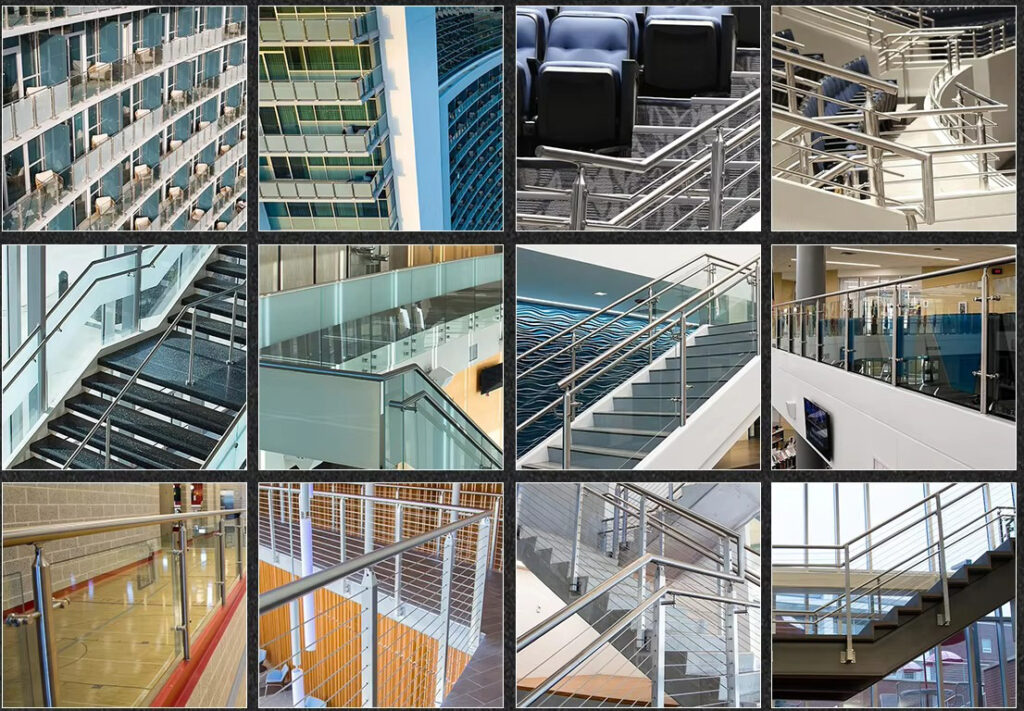
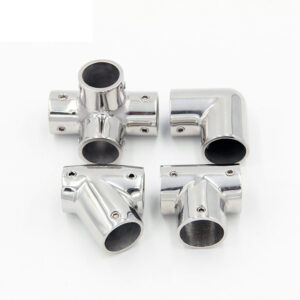
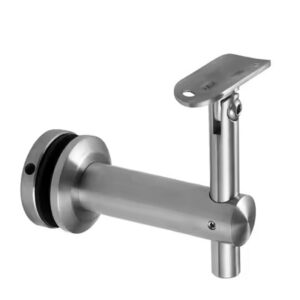
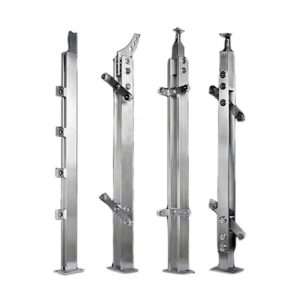
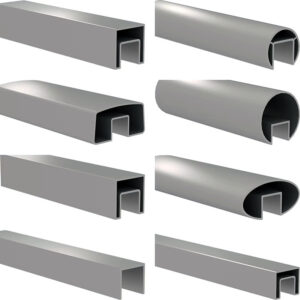
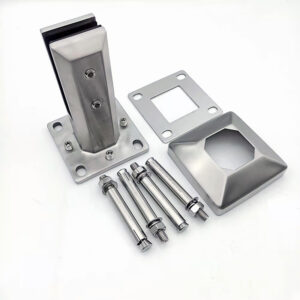
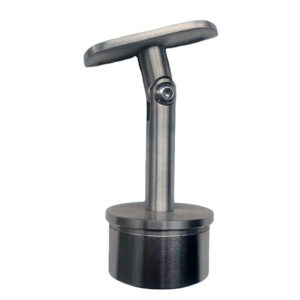
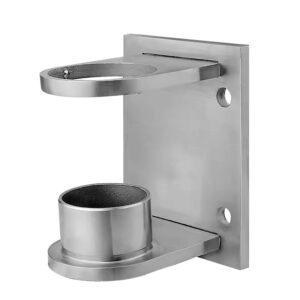
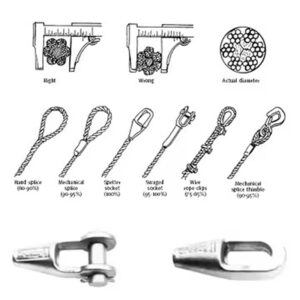
Les systèmes d'ancrage ESANG sont utilisés pour fixer des garde-corps, des mains courantes, des poteaux, des supports, des vitrages et des accessoires de câbles en acier inoxydable au béton, à la maçonnerie, aux surfaces structurelles et à des supports spécifiques à chaque projet. Ils permettent de transférer les charges du système de garde-corps vers la structure du bâtiment et jouent un rôle essentiel dans la fiabilité de l'installation.
Cette catégorie comprend Matériel de fixation pour maçonnerie, Matériel pour ancrages à expansion, Systèmes d'ancrage chimique, et Boulons d'ancrage à usage intensif.
Pour les entrepreneurs, les distributeurs, les fabricants et les responsables d'achat de projets, le choix d'un système d'ancrage doit tenir compte du type de support, du type d'ancrage, de la conception de la plaque de base, de la distance par rapport au bord, de la profondeur d'encastrement, de la préparation du trou, de la nuance du matériau, de l'exposition à la corrosion et des exigences d'installation du projet. ESANG peut fournir et fabriquer des systèmes d'ancrage en acier inoxydable conformément aux plans, aux dimensions, à la nuance du matériau, aux exigences de finition et aux conditions d'installation.
Options de systèmes d'ancrage
| Option d'ancrage | Utilisé de préférence pour | Questions clés de la sélection |
|---|
| Matériel de fixation pour maçonnerie | Installation de garde-corps ou de mains courantes en béton, brique, parpaing, pierre et maçonnerie | Quel type de support, quelles caractéristiques du trou, quelle taille d'ancrage et quelle méthode d'installation sont nécessaires ? |
| Matériel pour ancrages à expansion | Fixation mécanique dans des supports en béton ou en maçonnerie adaptés | Quels sont le diamètre de l'ancrage, la profondeur d'ancrage, la distance par rapport au bord et le couple requis à vérifier ? |
| Systèmes d'ancrage chimique | Projets nécessitant un ancrage par colle, des tiges filetées ou des méthodes de fixation par collage plus profondes | Quels sont le type d'adhésif, la méthode de nettoyage des trous, les conditions de durcissement et les exigences relatives au support à prendre en compte ? |
| Boulons d'ancrage à usage intensif | Garde-corps à usage commercial, socles de poteaux, zones à forte fréquentation et conditions de fixation plus exigeantes | Quels sont les éléments à vérifier : la plaque de base, le diamètre de l'ancrage, l'état du support et les exigences du projet ? |
Comment choisir des systèmes d'ancrage
Les éléments de fixation doivent être choisis en fonction du support et de l'élément de garde-corps à fixer. Une console murale, une plaque de base pour poteau, un embout pour verre ou un poteau de garde-corps à câbles peuvent tous nécessiter des modalités de fixation différentes.
| État du projet | Orientations recommandées | Pourquoi c'est important |
|---|
| La balustrade est fixée sur du béton, de la brique, des parpaings ou de la pierre. | Utilisez des ancrages pour maçonnerie adaptés aux caractéristiques du support. | Le type de maçonnerie, la résistance, la distance par rapport aux bords et la préparation du trou ont une incidence sur les performances de l'ancrage. |
| Le projet utilise des ancrages à expansion mécanique | Utilisez des ancrages à expansion adaptés à la taille du trou, à la profondeur d'ancrage et au support. | L'efficacité des chevilles à expansion dépend de la bonne préparation du trou, du couple de serrage et de l'état du support. |
| Ce projet nécessite des ancrages collés ou des tiges filetées. | Utilisez des systèmes d'ancrage chimique lorsque cela est approprié | Les ancrages chimiques nécessitent un nettoyage adéquat des trous, un choix approprié de l'adhésif, un temps de durcissement adapté et un contrôle rigoureux de la pose. |
| Le projet utilise des poteaux ou des plaques de base plus grands | Uti ecd eninn phsssrcisaca udrréastaéé atos ee' edlhuzaervoclnidude sa àsa au eodnrdc gaeob l 'dsms gljet | Il convient d'examiner conjointement les charges d'appui des poteaux, l'espacement des ancrages et la résistance du substrat. |
| L'installation se fait à l'extérieur, en bord de mer, au bord d'une piscine ou dans un environnement humide | Envisagez l'utilisation d'ancrages en acier inoxydable 316 et de fixations compatibles | La résistance à la corrosion revêt une importance accrue dans les environnements humides ou exposés aux chlorures. |
| L'ancrage soutient une balustrade ou un garde-corps adapté aux normes en vigueur. | Vérifiez la conception de l'ancrage auprès de l'ingénieur chargé du projet ou des autorités locales. | La conformité finale dépend de l'ensemble du système installé, du support et de la conception du projet. |
Ancrages mécaniques, chimiques, pour maçonnerie et à usage intensif
| Type d'ancre | Fonction principale | Considérations générales |
|---|
| Matériel de fixation pour maçonnerie | Fixer les éléments de fixation des garde-corps sur des supports en maçonnerie ou en béton | Type de support, état des trous, distance par rapport aux bords et méthode de fixation |
| Matériel de fixation à expansion | Se fixe mécaniquement au support par expansion | Diamètre du trou, profondeur d'ancrage, contrôle du couple et état du béton |
| Systèmes d'ancrage chimique | Fixation de tiges filetées ou de chevilles dans des trous préparés à l'aide de systèmes adhésifs | Nettoyage des trous, type d'adhésif, temps de durcissement, température et procédure de pose |
| Boulons d'ancrage à usage intensif | Renforcer les fixations des socles de garde-corps ou augmenter leur taille | Dimensions de la plaque de base, diamètre de l'ancrage, résistance du support et charges du projet |
Détails relatifs au support et à la pose
Les performances des ancrages dépendent du support et de la méthode de pose. Avant de commander ou d'installer des ancrages, les acheteurs doivent vérifier le matériau du support et les éléments à fixer.
| Détail à confirmer | Pourquoi c'est important | Commentaires typiques des acheteurs |
|---|
| Type de substrat | Le béton, la brique, les parpaings, la pierre, l'acier ou les supports mixtes nécessitent des méthodes d'ancrage différentes | Photos du chantier, plans, cahier des charges relatif au support ou remarques de l'installateur |
| Disposition de la plaque de base ou du support | L'espacement des ancrages doit correspondre aux éléments à fixer | Plan de la plaque de base, plan du support, schéma de perçage et dimensions des montants |
| Distance par rapport au bord | Les ancrages situés trop près des bords peuvent nécessiter un examen particulier | Distance par rapport au bord de la dalle, au bord de l'escalier, au bord du mur ou au bord du balcon |
| Profondeur d'encastrement | La profondeur d'ancrage influe sur la tenue de l'ancrage et la faisabilité de l'installation | Taille de l'ancrage, épaisseur du support et exigences du projet |
| Préparation du trou | Le diamètre du trou, la précision du perçage et le nettoyage ont une incidence sur la qualité de la pose | Méthode de forage, méthode de nettoyage, taille du trépan et procédure d'installation |
| Exposition à la corrosion | Les environnements extérieurs, au bord d'une piscine, en bord de mer ou industriels peuvent nécessiter une résistance à la corrosion plus élevée | Lieu du projet, conditions d'exposition, plan de nettoyage et besoins en matériaux |
Matériaux, finitions et fabrication sur mesure
Les systèmes d'ancrage ESANG peuvent être fournis ou fabriqués conformément aux exigences du projet, notamment en ce qui concerne le type d'ancrage, le diamètre, la longueur, les caractéristiques du filetage, le choix des rondelles et des écrous, la compatibilité avec la plaque de base, la nuance du matériau, la finition de surface et les exigences d'emballage.
| Matériau ou finition | Utilisation courante | Notes |
|---|
| Acier inoxydable 304 | Fixation des mains courantes, garde-corps et supports en intérieur dans des environnements secs | Une solution couramment choisie pour de nombreuses installations en intérieur où l'exposition à la corrosion est limitée. |
| Acier inoxydable 316 | En extérieur, en bord de mer, au bord d'une piscine, dans des environnements humides et à forte corrosion | On le privilégie généralement lorsqu'une meilleure résistance à la corrosion est requise. |
| Acier inoxydable 316L | Projets nécessitant de l'acier inoxydable à faible empreinte carbone ou présentant des exigences plus élevées en matière de résistance à la corrosion | Convient lorsque le cahier des charges prévoit l'utilisation d'un matériau 316L. |
| Finition brossée ou passivée, le cas échéant | Projets de quincaillerie en acier inoxydable à vocation architecturale ou axés sur la résistance à la corrosion | La finition et le traitement doivent être validés en fonction des exigences du projet. |
Pour les projets d'ancrage non standard, les clients peuvent fournir des plans, les dimensions des ancrages, les caractéristiques du support, la disposition des plaques de base, les spécifications relatives au filetage, la nuance du matériau, les exigences en matière de finition et les conditions d'installation. ESANG peut examiner ces exigences et fabriquer des éléments d'ancrage conformes au cahier des charges du projet, dans la mesure du possible.
Compatibilité avec les accessoires pour balustrades et mains courantes
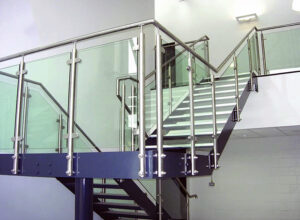
Les systèmes d'ancrage doivent être choisis en fonction des éléments qu'ils sont destinés à soutenir. Un même ancrage peut ne pas convenir à tous les supports muraux, socles de poteaux, embouts pour verre ou composants de garde-corps à câbles.
Personnalisation en fonction des exigences du projet
De nombreux projets d'ancrage sont personnalisés en fonction de l'état du support, de la conception de la plaque de base, de la taille des poteaux, de la disposition des supports, de l'exposition à la corrosion et de la méthode d'installation. ESANG peut fournir des fixations sur mesure pour maçonnerie, des ancrages à expansion, des composants d'ancrage chimique, des boulons d'ancrage à usage intensif, des tiges filetées, des rondelles, des écrous et des pièces de fixation en acier inoxydable associées.
Lorsqu'un projet comporte des exigences conformes aux normes concernant la hauteur des garde-corps, le support des mains courantes, la fixation des plaques de base, la qualité des matériaux, la résistance à la corrosion ou les exigences de conception liées aux charges, les clients doivent fournir les plans et cahiers des charges requis. ESANG est en mesure de fabriquer des éléments de fixation conformes aux détails fournis ; toutefois, la conformité finale dépend de l'ensemble du système installé, de l'état du support, de la conception structurelle, de la méthode d'installation et de la réglementation locale applicable.
Considérations relatives à l'installation et au projet
Les systèmes d'ancrage doivent être examinés avant le perçage, la fabrication de la plaque de base ou la mise en place sur chantier. Le choix des ancrages dépend étroitement de la résistance du support, de la distance par rapport aux bords, de la profondeur d'ancrage, de la préparation du trou et de l'élément à fixer.
- Type de substrat et état du substrat
- Type d'ancrage : ancrage dans la maçonnerie, ancrage à expansion, ancrage chimique ou boulon à haute résistance
- Diamètre, longueur, caractéristiques du filetage et profondeur d'ancrage de l'ancrage
- Diamètre du trou, profondeur du trou, méthode de forage et procédure de nettoyage
- Disposition des éléments de fixation : plaque de base, support mural, embout en verre ou poteau
- Disadnl arpnt utbgc'tcrsearta u, oeapceo ceraa tldi tsp rcreapsoè na smelae spnion
- Matériau adapté aux environnements intérieurs, extérieurs, côtiers ou au bord d'une piscine
- Exigences du code local du bâtiment et du cahier des charges du projet
Pour les ancrages installés a posteriori dans le béton, les équipes de projet devront peut-être examiner les critères d'évaluation, les instructions d'installation du fabricant et les exigences des réglementations locales. Le Recherche de critères d'acceptation homologués par l'ICC-ES constitue un point de référence pour les critères d'évaluation américains relatifs aux ancrages installés a posteriori. Le choix définitif des ancrages et l'autorisation de leur installation doivent être validés par le concepteur du projet, l'ingénieur, l'entrepreneur ou l'autorité locale.
Scénarios d'application
Post Base Plate Installation
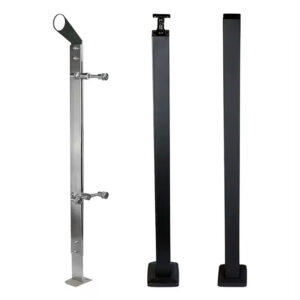
Les systèmes d'ancrage sont couramment utilisés pour fixer des socles de poteaux en acier inoxydable sur des dalles en béton, des terrasses, des balcons, des escaliers et des plates-formes. Il convient d'examiner conjointement la disposition des trous du socle, l'espacement des ancrages et la résistance du support.
Mains courantes murales
Les supports de fixation murale nécessitent des chevilles adaptées au matériau du mur et à la configuration du support. Le béton, la maçonnerie, les ossatures en bois, les supports en acier et les systèmes muraux préfabriqués peuvent nécessiter des méthodes de fixation différentes.
Quincaillerie pour garde-corps en verre
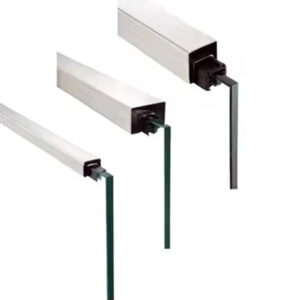
Les robinets en verre, les profilés de base et les supports structurels en verre peuvent nécessiter des éléments de fixation choisis en fonction de la hauteur du verre, de l'état du support, du drainage et des exigences du projet.
Systèmes de rampes à câbles
Les poteaux d'extrémité et les points de tension des garde-corps à câbles nécessitent un examen minutieux des ancrages, car la tension des câbles et la disposition des poteaux ont une incidence sur l'ensemble installé.
Projets en plein air et en bord de mer
Les environnements extérieurs, côtiers, au bord d'une piscine et humides nécessitent une attention particulière quant à la nuance d'acier inoxydable, à la compatibilité des fixations, à l'exposition à la corrosion et au nettoyage. L'acier inoxydable 316 ou 316L peut être envisagé pour les conditions les plus exigeantes.
Catégories de produits connexes
Questions fréquemment posées
À quoi servent les systèmes d'ancrage ?
Les systèmes d'ancrage servent à fixer des poteaux de garde-corps, des supports de main courante, des plaques de base, des ferrures pour vitrages, des composants de garde-corps à câbles et d'autres ferrures en acier inoxydable au béton, à la maçonnerie, à des surfaces structurelles ou à des supports spécifiques à chaque projet.
Quelle est la différence entre les ancrages à expansion et les ancrages chimiques ?
Les ancrages à expansion se fixent mécaniquement dans le support par expansion. Les ancrages chimiques utilisent des systèmes adhésifs pour fixer des tiges filetées ou des ancrages dans des trous préparés. Le choix approprié dépend du support, de la distance par rapport au bord, des exigences en matière de charge, des conditions d'installation et de la conception du projet.
Dans quels cas faut-il utiliser des ancrages pour maçonnerie ?
Les ancrages pour maçonnerie sont utilisés lorsque des éléments de garde-corps ou de main courante doivent être fixés sur du béton, de la brique, des parpaings, de la pierre ou tout autre support de maçonnerie similaire. Il convient de vérifier le type et l'état du support avant de choisir un ancrage.
Dans quels cas faut-il envisager l'utilisation de boulons d'ancrage à haute résistance ?
L'utilisation de boulons d'ancrage à haute résistance peut être envisagée pour les plaques de base de poteaux de grande taille, les garde-corps à usage commercial, les zones à forte fréquentation ou les conditions de fixation plus exigeantes. L'équipe chargée du projet doit vérifier la résistance du support, l'espacement des ancrages et la conception de la plaque de base.
ESANG peut-il personnaliser les accessoires de fixation ?
Oui. ESANG est en mesure de fabriquer des pièces d'ancrage selon les plans fournis, en tenant compte du diamètre de l'ancrage, de sa longueur, des caractéristiques du filetage, de la nuance du matériau, des spécifications relatives aux rondelles et aux écrous, de la compatibilité avec la plaque de base, de la finition et des exigences en matière d'emballage.
Les systèmes d'ancrage peuvent-ils être utilisés à l'extérieur ?
Oui. Les systèmes d'ancrage peuvent être utilisés à l'extérieur lorsque la qualité du matériau, la compatibilité des fixations, le support, le drainage et le plan d'entretien sont adaptés. L'acier inoxydable 316 est généralement privilégié dans les environnements côtiers, au bord des piscines, humides ou présentant un risque élevé de corrosion.
Dois-je choisir des ancrages en acier inoxydable 304 ou 316 ?
L'acier inoxydable 304 est couramment utilisé pour les environnements intérieurs et secs. L'acier inoxydable 316 est généralement privilégié pour les environnements extérieurs, côtiers, au bord d'une piscine, humides ou présentant un risque élevé de corrosion. Le type d'acier à retenir doit être choisi en fonction de l'exposition du projet et des spécifications techniques.
Quelles informations faut-il fournir pour une demande de renseignements sur un système d'ancrage ?
Les informations utiles comprennent le type de support, le type d'ancrage, le diamètre et la longueur de l'ancrage, le plan de la plaque de base ou du support, la disposition des trous, la distance par rapport au bord, la nuance du matériau, la finition, la quantité, les plans et l'environnement du projet.
Qui doit valider le choix définitif des ancrages ?
Le choix définitif des ancrages doit être validé par le concepteur du projet, l'ingénieur, l'entrepreneur, l'installateur ou les autorités locales, car les performances des ancrages dépendent de l'ensemble du système installé, du support, de la distance par rapport au bord, de la profondeur d'ancrage et de la méthode d'installation.
Comment entretenir les éléments de fixation en acier inoxydable ?
La fréquence des inspections et des nettoyages doit être adaptée à l'environnement du projet. Pour les installations exposées à l'extérieur, au bord d'une piscine ou en bord de mer, les ancrages en acier inoxydable et les éléments de fixation environnants doivent être nettoyés plus régulièrement afin de réduire la contamination de surface et de préserver leur aspect esthétique.