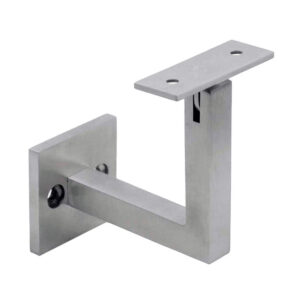
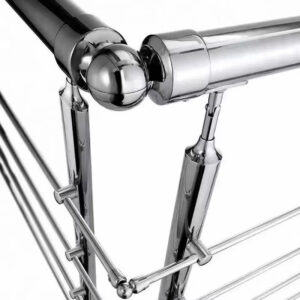
Espigões e Standoffs de vidro
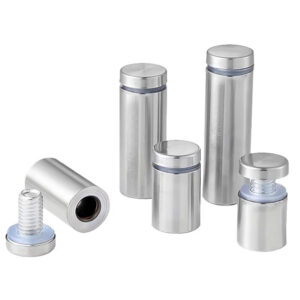
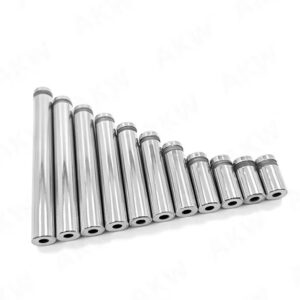
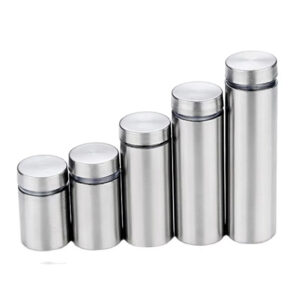
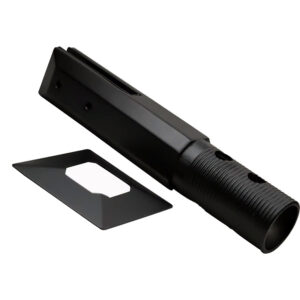
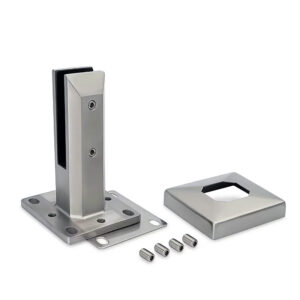
Espigões e Standoffs de vidro
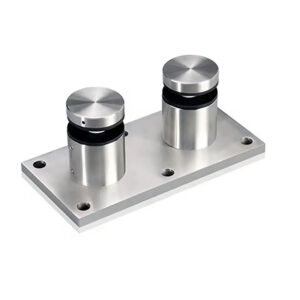
Os espigões e suportes de vidro da ESANG são utilizados para sustentar painéis de vidro em sistemas de corrimãos de vidro sem moldura e semimoldurados. Os espigões geralmente sustentam o vidro pela parte inferior, enquanto os suportes geralmente sustentam o vidro pela lateral, com um deslocamento em relação à parede, ao longarão da escada, à faixa de acabamento ou à superfície estrutural.
Essa categoria inclui Torneiras de vidro para montagem em superfície, Bicos de vidro para broca de núcleo, Suportes ajustáveis para vidro, Mini-espaçadores de vidro, e Torneiras de vidro para uso pesado.
Para empreiteiros, distribuidores, fabricantes e compradores de projetos, a seleção de bicos e espaçadores deve levar em consideração a espessura do vidro, a altura do vidro, o método de montagem, a resistência do substrato, as posições dos orifícios, a distância de deslocamento, o tipo de material, o acabamento, a drenagem e o ambiente do projeto. A ESANG pode fornecer e fabricar bicos e espaçadores de vidro de acordo com desenhos, amostras, dimensões, tipo de material, requisitos de acabamento e condições de instalação.
Opções de torneiras e espaçadores de vidro
| Opção de hardware | Melhor usado para | Principais perguntas de seleção |
|---|---|---|
| Torneiras de vidro para montagem em superfície | Corrimãos de vidro sem moldura instalados em decks, lajes, varandas, terraços ou ao redor de piscinas | Quais são os requisitos relativos à superfície, ao método de fixação, à espessura do vidro, ao formato do encaixe e ao acabamento? |
| Bicos de vidro para broca de núcleo | Painéis de vidro apoiados por pinos inseridos em furos pré-preparados ou aberturas feitas por perfuração com broca de núcleo | Qual é a profundidade do furo, o método de fixação, o alinhamento do vidro, a drenagem e a sequência de instalação necessários? |
| Suportes ajustáveis para vidro | Vidros montados lateralmente, nos quais é necessário realizar ajustes de alinhamento, deslocamento ou no local | Quais são a distância de deslocamento, a faixa de ajuste, a posição do orifício no vidro e as condições da parede necessárias? |
| Mini-espaçadores de vidro | Aplicações compactas de vidro com montagem lateral, vidros internos e layouts menores de ferragens visuais | Quais são as dimensões do vidro, o espaçamento entre os painéis, o deslocamento e a superfície de montagem que devem ser combinados? |
| Torneiras de vidro para uso pesado | Painéis de vidro maiores, corrimãos comerciais de vidro, sistemas de vidro para áreas externas e estruturas de suporte mais resistentes | Quais espessuras de vidro, alturas de painel, espaçamentos entre encaixes, substratos e requisitos do projeto devem ser analisados? |
Como escolher torneiras e espaçadores de vidro
A primeira decisão a ser tomada é se o vidro deve ser apoiado pela parte inferior ou pela lateral. Os sistemas com apoio inferior costumam utilizar encaixes ou sapatas de base. Os sistemas com apoio lateral costumam utilizar espaçadores ou conectores de parede a vidro.
| Condição do projeto | Direção recomendada | Por que é importante |
|---|---|---|
| O vidro é instalado sobre uma laje, um deck ou o rebordo da piscina | Utilize bicos de vidro para montagem em superfície | Os encaixes de montagem superficial sustentam o vidro por baixo e são comumente utilizados em projetos de corrimãos de vidro sem moldura. |
| O vidro é fixado nos orifícios preparados | Use bicos de vidro para broca de núcleo | A instalação com broca de núcleo altera os requisitos de preparação, profundidade de fixação, drenagem e alinhamento. |
| O vidro é fixado a um longarão de escada, a uma borda superior ou a uma parede | Use espaçadores de vidro ou ferragens de suporte entre a parede e o vidro | A montagem lateral cria um deslocamento do vidro e exige o posicionamento correto dos furos e uma fixação estrutural. |
| O vidro montado lateralmente precisa de ajuste no local | Use espaçadores de vidro ajustáveis | O ajuste pode ajudar no alinhamento, no espaçamento e na tolerância da instalação. |
| O projeto precisa de peças de hardware pequenas e visíveis | Utilize mini-espaçadores de vidro sempre que o tamanho do painel e os requisitos do projeto permitirem | Ferragens menores reduzem o impacto visual, mas ainda assim devem combinar com o vidro e estar em boas condições. |
| O projeto utiliza grandes painéis de vidro ou condições de uso mais intenso | Utilize torneiras de vidro para serviços pesados ou esquemas de suporte aprovados para o projeto | O tamanho do painel, a espessura do vidro, o espaçamento entre os encaixes e a resistência do substrato devem ser analisados em conjunto. |
Torneiras x Espaçadores
Os encaixes e os suportes são utilizados em sistemas de corrimãos de vidro, mas sustentam o vidro de maneiras diferentes. Eles não devem ser escolhidos apenas com base na aparência.
| Tipo de hardware | Função principal | Uso típico |
|---|---|---|
| Torneiras de vidro | Apoie os painéis de vidro pela parte de baixo | Corrimãos de vidro sem moldura, cercas para piscina, vidros para varandas, vidros para terraços e sistemas de vidro para decks |
| Torneiras para montagem em superfície | Fixar o vidro pela parte de baixo sobre uma superfície acabada | Pátios, lajes, terraços, varandas e áreas ao redor da piscina |
| Bicos para brocas de perfuração | Fixar o vidro por meio de pinos instalados nos orifícios preparados | Concreto perfurado com broca de núcleo, pedra ou aberturas preparadas para o projeto |
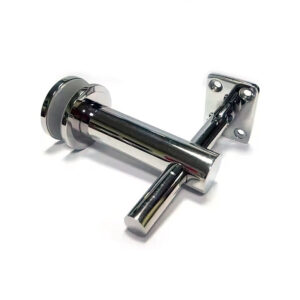
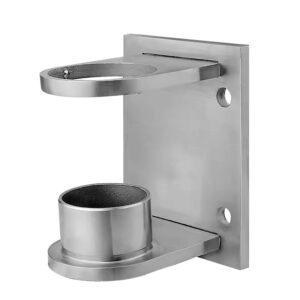
| Suportes de vidro | Mantenha o vidro afastado da parede, do longarão da escada, da borda superior da cobertura ou de qualquer estrutura lateral | Vidros para escadas com montagem lateral, vidros para frentes de varanda, vidros com montagem na parede e designs com vidros suspensos |
| Mini-suportes | Oferece um suporte lateral compacto com o mínimo de peças visíveis | Vidros para interiores, painéis decorativos de vidro e modelos selecionados de corrimãos de vidro de menor porte |
Preparação da superfície de montagem e do vidro
Os encaixes e espaçadores exigem uma coordenação precisa entre as ferragens, o painel de vidro e a superfície de montagem. Antes da produção ou instalação, é necessário confirmar a espessura do vidro, as posições dos orifícios, as distâncias nas bordas, as condições do substrato e o método de fixação.
| Item a ser confirmado | Por que é importante | Entrada típica do comprador |
|---|---|---|
| Espessura do vidro | A ranhura da torneira, o diâmetro do espaçador, a junta e o método de fixação devem ser compatíveis com o vidro | Espessura do vidro, tipo de vidro e especificações do fornecedor do vidro |
| Posições dos orifícios no vidro | Os espaçadores e alguns acessórios montados lateralmente dependem de um layout preciso dos furos | Desenhos do vidro, diâmetro dos furos, espaçamento entre os furos e distância da borda |
| Superfície de montagem | Superfícies de concreto, deck, pedra, aço, longarinas de escada, parede ou beirado exigem métodos de fixação diferentes | Material da superfície, espessura, fotos, desenhos ou detalhes de instalação |
| Espaçamento entre os espigões | O espaçamento afeta o suporte do vidro e o alinhamento dos painéis | Largura do painel, altura do vidro, layout do projeto e requisitos de suporte |
| Distância de deslocamento | O vidro montado lateralmente deve ficar na distância correta da superfície de apoio | Projeção da distância de segurança exigida, condição da parede e requisitos visuais |
| Drenagem e impermeabilização | Instalações ao ar livre e à beira da piscina podem exigir um gerenciamento adequado da água em torno dos pontos de fixação | Exposição ao ar livre, acabamento da superfície, camada impermeabilizante e plano de limpeza |
Espigões de montagem superficial x espigões para perfuração no núcleo
Tanto os encaixes de montagem superficial quanto os de perfuração no núcleo permitem a criação de sistemas de corrimãos de vidro sem moldura, mas a preparação para a instalação é diferente.
| Tipo de torneira | Vantagens típicas | Considerações gerais |
|---|---|---|
| Espigões de vidro para montagem em superfície | Instalado sobre uma superfície acabada; mais fácil de inspecionar e coordenar com a fixação da base | Placa de base, âncoras, resistência da superfície, drenagem e aparência das fixações visíveis |
| Espigões de vidro para broca de núcleo | Pode proporcionar uma aparência mais clean na base, onde a fixação fica embutida | Profundidade do furo, diâmetro do furo, impermeabilização, sequência de instalação e alinhamento |
| Espigões de vidro resistentes | Utilizado quando se prevê o uso de painéis de vidro maiores ou condições de suporte mais resistentes | Dimensões do vidro, espaçamento entre as torneiras, resistência do substrato, classe do material e requisitos do projeto |
Materiais, acabamentos e fabricação personalizada
Os encaixes e espaçadores de vidro da ESANG podem ser fabricados de acordo com os requisitos do projeto, incluindo o formato do encaixe, o diâmetro do espaçador, a faixa de espessura do vidro, a posição do orifício, a distância de deslocamento, a fixação da base, o tipo de material, o acabamento superficial e os requisitos de embalagem.
| Material ou acabamento | Uso típico | Notas |
|---|---|---|
| Aço inoxidável 304 | Corrimãos de vidro para interiores, interiores comerciais, escadas residenciais e ambientes secos | Uma opção comum em muitos projetos de corrimãos de vidro para ambientes internos. |
| Aço inoxidável 316 | Corrimãos de vidro para áreas externas, áreas de piscina, varandas, terraços e ambientes úmidos | Normalmente, é preferível quando é necessária uma melhor resistência à corrosão. |
| Aço inoxidável 316L | Projetos que exigem melhor soldabilidade ou desempenho de corrosão mais exigente | Adequado quando a especificação exige aço inoxidável com baixo teor de carbono. |
| Acabamento escovado ou acetinado | Corrimãos de vidro para uso comercial, cercas para piscinas, sistemas para varandas e a maioria das aplicações arquitetônicas | Ajuda a reduzir a visibilidade de impressões digitais e pequenas marcas de manuseio. |
| Polimento de espelho | Interiores decorativos, hotéis, vilas e aplicações visuais premium selecionadas | Proporciona uma aparência brilhante, mas requer manuseio e limpeza mais cuidadosos. |
| Acabamento em preto ou conforme especificado pelo projeto | Sistemas modernos selecionados de corrimãos de vidro e projetos arquitetônicos personalizados | Os requisitos de acabamento devem ser confirmados com base nos desenhos do projeto ou em amostras. |
Para projetos de corrimãos de vidro fora do padrão, os clientes podem fornecer desenhos, espessura do vidro, posições dos orifícios no vidro, detalhes da superfície de montagem, tipo de encaixe (espigão ou espaçador), requisitos de acabamento e condições de instalação. A ESANG pode analisar os requisitos e fabricar ferragens que atendam às especificações do projeto, sempre que possível.
Compatibilidade com sistemas de corrimãos de vidro
As torneiras e os espaçadores de vidro devem ser selecionados juntamente com o conjunto completo do corrimão de vidro. Um mesmo painel de vidro pode exigir ferragens diferentes, dependendo se ele é apoiado na parte inferior, fixado lateralmente, apoiado em postes ou combinado com componentes do trilho superior.
- Para vidros sem moldura com suporte na parte inferior, compare os encaixes com Sistemas de base de sapata de acordo com o estilo visual, o método de fixação e a superfície de instalação.
- Para vidros montados lateralmente, coordene os espaçadores com Suportes e adaptadores para vidro ou detalhes do conector parede-vidro.
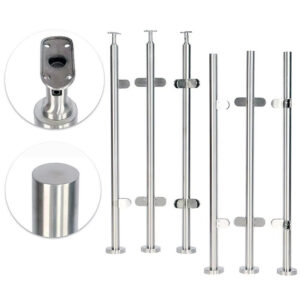
- Para sistemas de vidro com montantes, verifique Grampos e conectores para vidro e Postes de aço inoxidável.
- Para o acabamento da borda superior, combine com Trilhos da tampa se o projeto exigir um trilho superior contínuo ou um perfil de proteção.
- Para a integração do corrimão, verifique a compatibilidade com Sistemas de corrimão e detalhes sobre o apoio específico para cada projeto.
Personalização de acordo com os requisitos do projeto
Muitos projetos envolvendo espigões e espaçadores são personalizados de acordo com a espessura do vidro, o método de montagem, as condições do substrato, a distância de deslocamento, o acabamento da superfície e o layout do projeto. A ESANG oferece suporte para espigões de vidro personalizados, espigões de montagem superficial, espigões para perfuração com broca de núcleo, espigões para serviços pesados, espaçadores ajustáveis, mini-espaçadores e acessórios de suporte em aço inoxidável relacionados.
Quando um projeto apresenta requisitos baseados em normas relacionadas à altura do corrimão, tipo de vidro, espessura do vidro, restrições de abertura, classe do material ou método de instalação, os clientes devem fornecer os desenhos e as especificações necessárias. A ESANG pode fabricar encaixes e suportes de acordo com os detalhes fornecidos, embora a conformidade final dependa do sistema instalado como um todo, da especificação do vidro, do projeto estrutural, do método de instalação e da legislação local aplicável.
Considerações sobre instalação e projeto
As torneiras e os espaçadores de vidro devem ser verificados antes da produção ou instalação do vidro. Os orifícios no vidro, as distâncias das bordas, o espaçamento entre os suportes, a resistência do substrato e os detalhes de impermeabilização podem afetar a instalação final.
- Espessura do vidro, altura e largura do painel
- Especificações para vidro temperado ou laminado
- Ranhura da torneira, junta, diâmetro do espaçador e detalhes de fixação
- Método de montagem em superfície, perfuração com broca de núcleo, montagem lateral ou montagem na parede
- Posições dos orifícios no vidro e distâncias das bordas
- Resistência do substrato, tipo de âncora e método de fixação
- Drenagem, impermeabilização e acesso para limpeza
- Tipo de material adequado para ambientes internos, externos, litorâneos ou à beira da piscina
- Código de construção local e requisitos de especificação do projeto
A perfuração, o entalhe, o traçado dos orifícios e a preparação das bordas do vidro devem ser confirmados com o fornecedor do vidro, o projetista, o instalador ou a autoridade local. A ESANG pode fabricar ferragens adequadas ao vidro fornecido e aos requisitos do projeto, mas o sistema instalado completo deve ser analisado como um todo.
Cenários de aplicativos
Corrimãos de vidro sem moldura para varandas
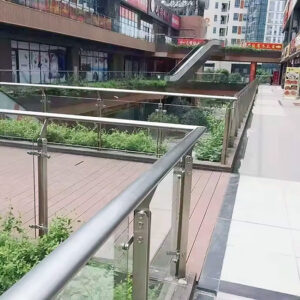
Os encaixes de vidro são comumente utilizados em sistemas de corrimão de vidro sem moldura para varandas, nos quais os painéis são apoiados pela parte inferior. O estado da superfície, o espaçamento entre os encaixes, a espessura do vidro e o acabamento devem ser confirmados antes da produção.
Cercas para piscinas e corrimãos de vidro para áreas externas
Projetos de corrimãos de vidro para áreas ao redor de piscinas e ao ar livre exigem maior atenção à qualidade do material, à drenagem, à limpeza e à seleção dos fixadores. O aço inoxidável 316 ou 316L pode ser considerado para ambientes úmidos, ao redor de piscinas ou litorâneos.
Vidro para escadas com espaçadores de fixação lateral
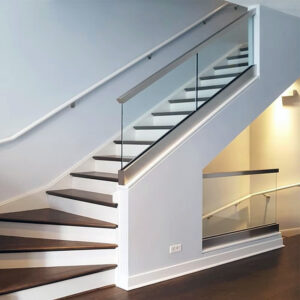
Os sistemas de corrimão de vidro para escadas podem utilizar suportes laterais fixados a uma longarina, à borda superior da escada ou à parede. As posições dos furos, a distância de deslocamento e o alinhamento devem ser coordenados com o fornecedor do vidro.
Sistemas comerciais de guarda-corpo de vidro
Edifícios comerciais, hotéis, shopping centers, escritórios e instalações públicas costumam utilizar suportes de vidro ou espaçadores para criar sistemas de corrimãos arquitetônicos com acabamento uniforme e detalhes de instalação padronizados.
Projetos residenciais e de casas de campo
Os projetos residenciais podem utilizar mini-suportes, torneiras com acabamento espelhado, torneiras pretas ou acabamentos personalizados para combinar com escadas internas, varandas, terraços ou áreas de piscina.
Categorias de produtos relacionados
- Torneiras de vidro para montagem em superfície
- Bicos de vidro para broca de núcleo
- Suportes ajustáveis para vidro
- Mini-espaçadores de vidro
- Torneiras de vidro para uso pesado
- Sistemas de base de sapata
- Grampos e conectores para vidro
- Suportes e adaptadores para vidro
- Trilhos da tampa
Perguntas frequentes
Qual é a diferença entre bicos de vidro e espaçadores de vidro?
Os suportes de vidro geralmente sustentam os painéis de vidro pela parte inferior e são comumente utilizados em corrimãos de vidro sem moldura. Os espaçadores de vidro sustentam o vidro pela lateral e criam um afastamento entre o vidro e uma parede, uma longarina de escada, uma borda de cobertura ou uma superfície estrutural.
Quando se deve utilizar torneiras de vidro para montagem superficial?
Os encaixes de vidro para montagem superficial são utilizados quando os painéis de vidro são apoiados pela parte inferior sobre uma laje ou deck
Posts relacionados:
Replacing Core-Mounted Posts With Surface Bases: Precheck
Check the existing opening, slab condition, edge geometry, drainage, and revised load path before converting an embedded post to a surface base.
Railing Post Base RFQ Checklist for Project Buyers
Request comparable base hardware, substrate inputs, finishes, drawings, anchor boundaries, samples, and inspection documents in one project RFQ.
Adjustable Railing Post Bases for Sloped or Uneven Surfaces
Compare adjustable bases against the actual slope, bearing surface, leveling range, finish interface, and fixing access before selecting a detail.
Âncoras para bases de postes de corrimão: Informações para a revisão de engenharia
Defina o substrato, a geometria, as cargas, a exposição e as evidências de fixação antes da revisão de engenharia, para que a etiqueta do componente não seja confundida com o projeto da conexão.
Desenhos da placa de base do poste de corrimão: furos, bordas e tolerâncias
Forneça aos fabricantes e instaladores um desenho da placa de base que especifique os eixos dos furos, as bordas da laje, o acesso às ferramentas e as tolerâncias acordadas antes da produção.
Linha de suportes de parede da ESANG: Padrão, para serviços pesados, ajustáveis e embutidos
Match standard, heavy-duty, adjustable, and flush wall bracket options to projection, wall build-up, access, finish, and project evidence needs.
Projetos da Esang

Certificado da Esang

A Foshan ESANG Metal Products orgulhosamente mantém Certificação CE (Nº de verificação TD32772401) de acordo com a Diretiva de Produtos de Construção (Regulamento nº 305/2011), afirmando nosso compromisso com os mais altos padrões europeus de segurança e qualidade.
Certificado Linha de produtos:
Nosso abrangente portfólio de acessórios para guarda-corpos, incluindo braçadeiras de vidro, tensionadores, suportes, suportes de parede, sapatas de base, acessórios para corrimão, ferragens para cabos e componentes para postes, atende a EN1906:2012 garantindo a integridade estrutural e a confiabilidade do desempenho em todas as instalações.
O que isso significa para seu projeto:
Conformidade regulatória total para os mercados europeu e internacional
Desempenho de segurança e durabilidade verificado de forma independente
Suporte de documentação para especificações arquitetônicas
Tranquilidade com a garantia de qualidade de terceiros
Certificação válida até 2027 | Relatório de teste: CE-FE24122001-CY
Projetos da Esang

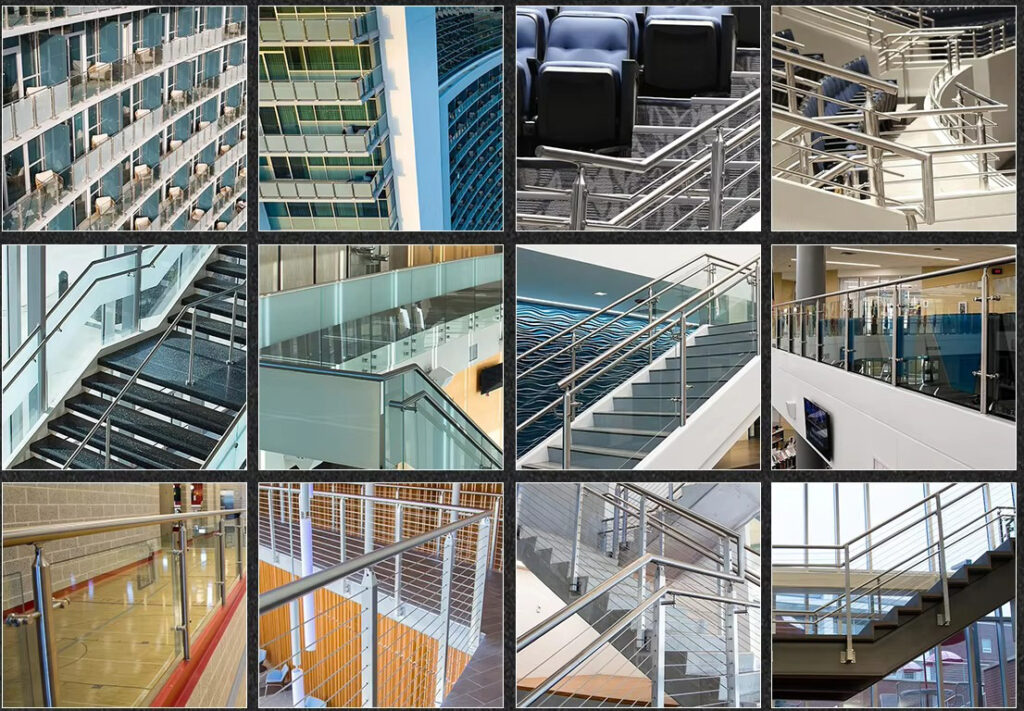
Produtos de referência