Herrajes pasantes
Herrajes pasantes
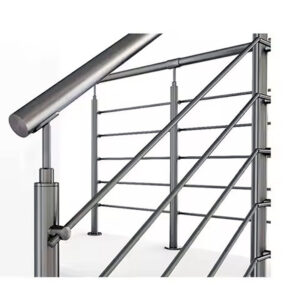
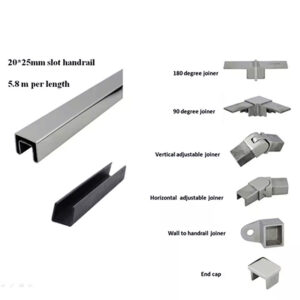
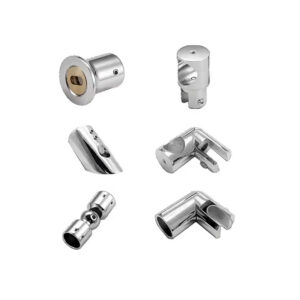
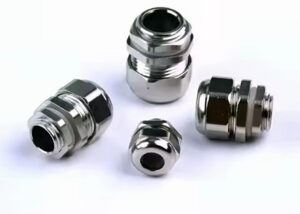
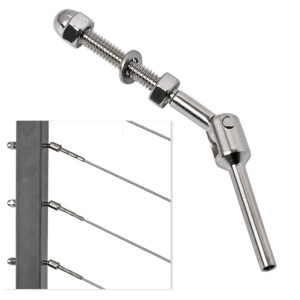
ESANG through-post hardware is used when stainless steel cable passes through railing posts instead of attaching only to the outside surface. These components help guide, protect, align, or finish cable pass-through points in cable railing systems.
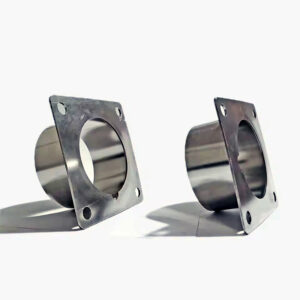
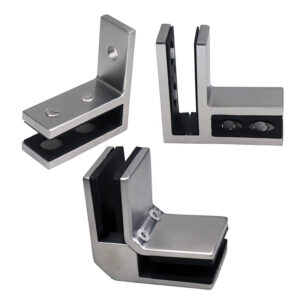
Esta categoría incluye Through Post Cable Hardware, Cable Pass-Through Fittings, y Corner Post Cable Hardware.
For contractors, distributors, fabricators, and project buyers, through-post hardware selection should consider post shape, post hole size, cable diameter, cable direction, terminal condition, corner routing, material grade, surface finish, and installation environment. ESANG can supply and manufacture through-post cable hardware according to drawings, post dimensions, cable size, hole layout, material grade, finish requirements, and installation conditions.
Through-Post Hardware Options
| Opción de hardware | Ideal para | Preguntas clave para la selección |
|---|---|---|
| Through Post Cable Hardware | Cable runs passing through stainless steel posts in straight or repeated railing layouts | What post shape, cable diameter, hole size, and pass-through detail are required? |
| Cable Pass-Through Fittings | Protecting, aligning, or finishing cable holes through intermediate posts | What fitting style, post wall thickness, hole diameter, and cable direction should be matched? |
| Corner Post Cable Hardware | Cable systems where cable changes direction at corner posts or angled railing runs | What corner angle, cable routing path, tensioning plan, and post design are required? |
How to Choose Through-Post Cable Hardware
Through-post hardware should be selected according to the role of the post. An intermediate post, terminal post, and corner post may all have cable holes, but the cable direction and hardware function can be different.
| Estado del proyecto | Dirección recomendada | Por qué es importante |
|---|---|---|
| The cable passes straight through intermediate posts | Use through post cable hardware or cable pass-through fittings | Pass-through fittings help protect cable and improve alignment through the post. |
| El cable cambia de dirección en una esquina | Utiliza los accesorios para cables de los postes de esquina o sigue las instrucciones de tendido específicas del proyecto | Corner routing changes cable angle, tension, friction, and hole alignment. |
| The cable terminates at a post | Use terminal hardware and cable end fittings rather than only pass-through fittings | Termination and pass-through functions should not be confused. |
| The post has pre-drilled cable holes | Match fittings to hole diameter, post wall thickness, and cable size | Incorrect hole or fitting size can affect installation appearance and cable movement. |
| The system uses square or rectangular posts | Confirm hole position, face orientation, and fitting shape | Flat post faces make alignment important across the cable run. |
| The system uses round posts | Confirm cable hole angle and fitting shape for curved surfaces | Round post geometry changes how the fitting sits and how the cable exits the post. |
Intermediate, Terminal, and Corner Post Differences
Cable pass-through details depend on post position. A cable may pass through an intermediate post, terminate at a terminal post, or change direction at a corner post.
| Posición de salida | Through-post role | Aspectos generales a tener en cuenta |
|---|---|---|
| Publicación intermedia | Allows cable to pass through while maintaining spacing and alignment | Hole spacing, fitting protection, cable direction, and post wall thickness |
| Poste terminal | Often anchors, tensions, or terminates the cable rather than simply passing it through | End fittings, tensioners, post strength, and finished cable length |
| Pilar de esquina | Changes cable direction and may require special routing or angled fittings | Corner angle, cable friction, tensioning plan, hole alignment, and post orientation |
| Stair post | Guides cable through angled stair runs | Stair pitch, cable angle, hole layout, and fitting alignment |
Post Hole Layout and Cable Alignment
Through-post cable systems require accurate post hole layout. Hole position, spacing, and direction should be confirmed before production, especially for custom posts, stair runs, or corner conditions.
| Layout item | Qué hay que confirmar | Por qué es importante |
|---|---|---|
| Diámetro del cable | Cable size and compatible pass-through fitting | The fitting must protect and guide the correct cable size. |
| Hole diameter | Drilled hole size, fitting fit, and tolerance | Incorrect holes can create loose fittings or difficult installation. |
| Hole spacing | Vertical spacing between cable runs | Spacing affects appearance, opening control, and cable layout. |
| Post wall thickness | Thickness of round, square, rectangular, or custom post | Fitting design and installation method should match the post wall. |
| Dirección del cable | Straight, angled, stair, or corner routing | Cable direction affects hole angle and fitting position. |
| Fitting finish | Visible surface finish around each pass-through point | Pass-through hardware should match the railing finish where visible. |
Materiales, acabados y fabricación a medida
ESANG through-post cable hardware can be supplied or manufactured according to project requirements, including cable diameter, post hole layout, pass-through fitting shape, corner routing detail, material grade, surface finish, and packaging requirements.
| Material o acabado | Uso habitual | Notas |
|---|---|---|
| Acero inoxidable 304 | Sistemas de barandillas con cable para interiores, interiores comerciales, escaleras residenciales y entornos secos | Una opción habitual en muchos proyectos de barandillas de cable para interiores. |
| Acero inoxidable 316 | Barandillas de cable para exteriores, proyectos costeros, zonas junto a piscinas, cubiertas, terrazas y entornos húmedos | Se suele preferir cuando se requiere una mayor resistencia a la corrosión. |
| Acero inoxidable 316L | Proyectos que requieren una mejor soldabilidad o un comportamiento frente a la corrosión más exigente | Adecuado cuando las especificaciones exigen acero inoxidable con bajo contenido en carbono. |
| Acabado cepillado o satinado | Barandillas de cable para uso comercial, terrazas, balcones y la mayoría de los proyectos arquitectónicos de barandillas de cable | Ayuda a disimular las pequeñas marcas de uso y las huellas dactilares. |
| Pulido espejo | Aplicaciones decorativas o de alta gama | Ofrece un aspecto más brillante, pero requiere un manejo y una limpieza más cuidadosos. |
For non-standard cable railing projects, customers can provide drawings, post shape, post dimensions, cable diameter, hole layout, cable direction, corner condition, finish requirements, and project environment. ESANG can review the requirements and manufacture through-post hardware to match the project specification where feasible.
Compatibilidad con los componentes de barandillas de cable
Through-post hardware should be selected together with cable fittings, tensioners, end fittings, posts, and spacer bars. It is one part of the complete cable routing system.
- For complete cable fitting selection, coordinate with Accesorios para cables.
- Para la terminación del cable, ponte en contacto con Terminales de cable.
- Para ajustar la tensión del cable, ponte en contacto con Tensores y tensores de cable.
- Para obtener ayuda sobre la separación entre postes, consulta Barras separadoras de cables.
- For cable-ready posts, coordinate hole layout with Postes de acero inoxidable, postes de extremo, postes intermedios y postes de esquina.
Adaptación a los requisitos del proyecto
Many through-post cable hardware projects are customized according to post shape, cable diameter, hole layout, cable routing direction, and installation environment. ESANG can support custom through post cable hardware, cable pass-through fittings, corner post cable hardware, drilled post layouts, and related stainless steel cable routing components.
When a project has standard-oriented requirements related to guardrail height, cable spacing, opening limitations, material grade, corrosion resistance, or installation method, customers should provide the required drawings and specifications. ESANG can manufacture through-post hardware to match those provided details, while final compliance depends on the complete installed system, structural design, installation method, and applicable local code.
Consideraciones sobre la instalación y el proyecto
Through-post hardware should be planned before posts are drilled or manufactured. Cable hole layout, cable direction, post spacing, and fitting type should be confirmed together.
- Diámetro y estructura del cable
- Round, square, rectangular, terminal, intermediate, or corner post type
- Post hole diameter, hole spacing, and hole direction
- Pass-through fitting type and finish
- Terminal post and corner post details
- Cable tensioning location and end fitting compatibility
- Stair angle, corner routing, or straight run layout
- Calidad del material para entornos interiores, exteriores, costeros o junto a piscinas
- Requisitos del código de construcción local y de las especificaciones del proyecto
For cable railing projects on decks, balconies, stairs, terraces, and public-access areas, the complete installed system should be reviewed by the project designer, engineer, contractor, or local authority. ESANG can manufacture through-post hardware to match provided requirements, but final compliance depends on the full assembly and site conditions.
Escenarios de aplicación
Intermediate Post Cable Runs
Through-post hardware is commonly used where cable passes through intermediate posts along straight railing runs. Hole spacing, cable alignment, and fitting finish should be coordinated before production.
Corner Post Cable Routing
Corner post cable hardware is used when cable changes direction at balcony, deck, or stair corners. Corner angle, cable routing, and tensioning strategy should be reviewed together.
Barandillas de cable para escaleras
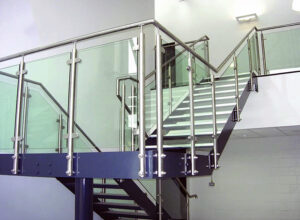
Stair cable railing projects may require angled through-post holes or special pass-through fittings. Stair pitch, post location, and cable direction should be confirmed before drilling or fabrication.
Barandillas de cable para terrazas y balcones
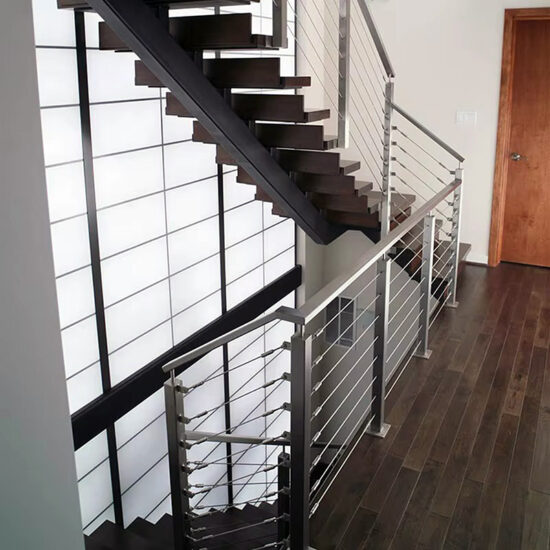
Deck and balcony cable railings often use through-post hardware with stainless steel posts to create clean horizontal cable lines. Cable diameter, post spacing, and terminal conditions should be planned early.
Barandillas de cable para exteriores y zonas costeras
Los entornos al aire libre, junto a piscinas, costeros y húmedos requieren prestar mayor atención a la resistencia a la corrosión, la limpieza y la calidad del material. Para condiciones de exposición más exigentes, se puede considerar el uso de acero inoxidable 316 o 316L.
Categorías de productos relacionados
- Through Post Cable Hardware
- Cable Pass-Through Fittings
- Corner Post Cable Hardware
- Accesorios para cables
- Terminales de cable
- Tensores y tensores de cable
- Barras separadoras de cables
- Postes de acero inoxidable
Preguntas frecuentes
What is through-post cable hardware?
Through-post cable hardware is used when cable passes through railing posts. It may guide, protect, align, or finish the cable hole where the cable travels through intermediate, terminal, stair, or corner posts.
What are cable pass-through fittings used for?
Cable pass-through fittings are used to protect and finish the cable hole in a post. They help improve cable alignment and reduce direct contact between the cable and raw post hole edges.
When should corner post cable hardware be used?
Corner post cable hardware should be used when cable changes direction at a railing corner. Corner routing affects cable tension, hole angle, and fitting layout, so it should be planned before post fabrication.
What is the difference between through-post fittings and cable end fittings?
Through-post fittings guide cable through a post. Cable end fittings terminate the cable at the end of a run or connection point. Some terminal posts may require both routing and termination hardware, depending on the layout.
Can ESANG customize through-post cable hardware?
Yes. ESANG can manufacture through-post cable hardware, pass-through fittings, corner post hardware, and drilled post layouts according to cable diameter, post shape, hole spacing, material grade, finish, and project drawings.
Can through-post hardware be used with round and square posts?
Yes. Through-post hardware can be designed for round, square, rectangular, or custom stainless steel posts. Hole position, post wall thickness, cable direction, and fitting shape should be confirmed before production.
Should I choose 304 or 316 stainless steel through-post hardware?
El acero inoxidable 304 se utiliza habitualmente en interiores y entornos secos. El acero inoxidable 316 suele ser la opción preferida para entornos exteriores, costeros, junto a piscinas, húmedos o con mayor riesgo de corrosión. El tipo definitivo debe seleccionarse en función de la exposición del proyecto y de las especificaciones.
What information is needed for a through-post hardware inquiry?
Useful information includes cable diameter, post shape, post size, post wall thickness, hole diameter, hole spacing, cable direction, terminal or corner condition, material grade, finish, quantity, and drawings.
Can through-post hardware be used on stair cable railings?
Yes. Stair cable railings may use through-post hardware, but hole angle, stair pitch, cable direction, and post position must be confirmed carefully before fabrication.
How should stainless steel through-post hardware be maintained?
Para la limpieza habitual se suele utilizar un detergente suave, agua limpia y un paño suave. Evite los productos de limpieza a base de cloro, la lana de acero y los utensilios abrasivos. Las instalaciones al aire libre, junto a la piscina y en la costa deben limpiarse con mayor frecuencia para reducir la contaminación de la superficie y mantener su aspecto.
Related Posts:
Diseño de barandillas para muelles y embarcaderos: postes, relleno, acceso y fijación
Planifica el trazado de los muelles y embarcaderos teniendo en cuenta la ubicación de los postes, los módulos de relleno, las esquinas, las puertas, las vías de acceso, los bordes del sustrato y la responsabilidad del montaje.
Coastal Railing Exposure: Salt Air, Splash, and Cleaning Access
Separate airborne salt, direct splash, retained wetness, deposits, and cleaning access before choosing coastal railing materials and details.
Replacing Core-Mounted Posts With Surface Bases: Precheck
Check the existing opening, slab condition, edge geometry, drainage, and revised load path before converting an embedded post to a surface base.
Railing Post Base RFQ Checklist for Project Buyers
Request comparable base hardware, substrate inputs, finishes, drawings, anchor boundaries, samples, and inspection documents in one project RFQ.
Adjustable Railing Post Bases for Sloped or Uneven Surfaces
Compare adjustable bases against the actual slope, bearing surface, leveling range, finish interface, and fixing access before selecting a detail.
Railing Post Base Anchors: Inputs for Engineering Review
Define substrate, geometry, loads, exposure, and anchor evidence before engineering review so a hardware label is not mistaken for a connection design.
Proyectos de Esang

Certificado de Esang
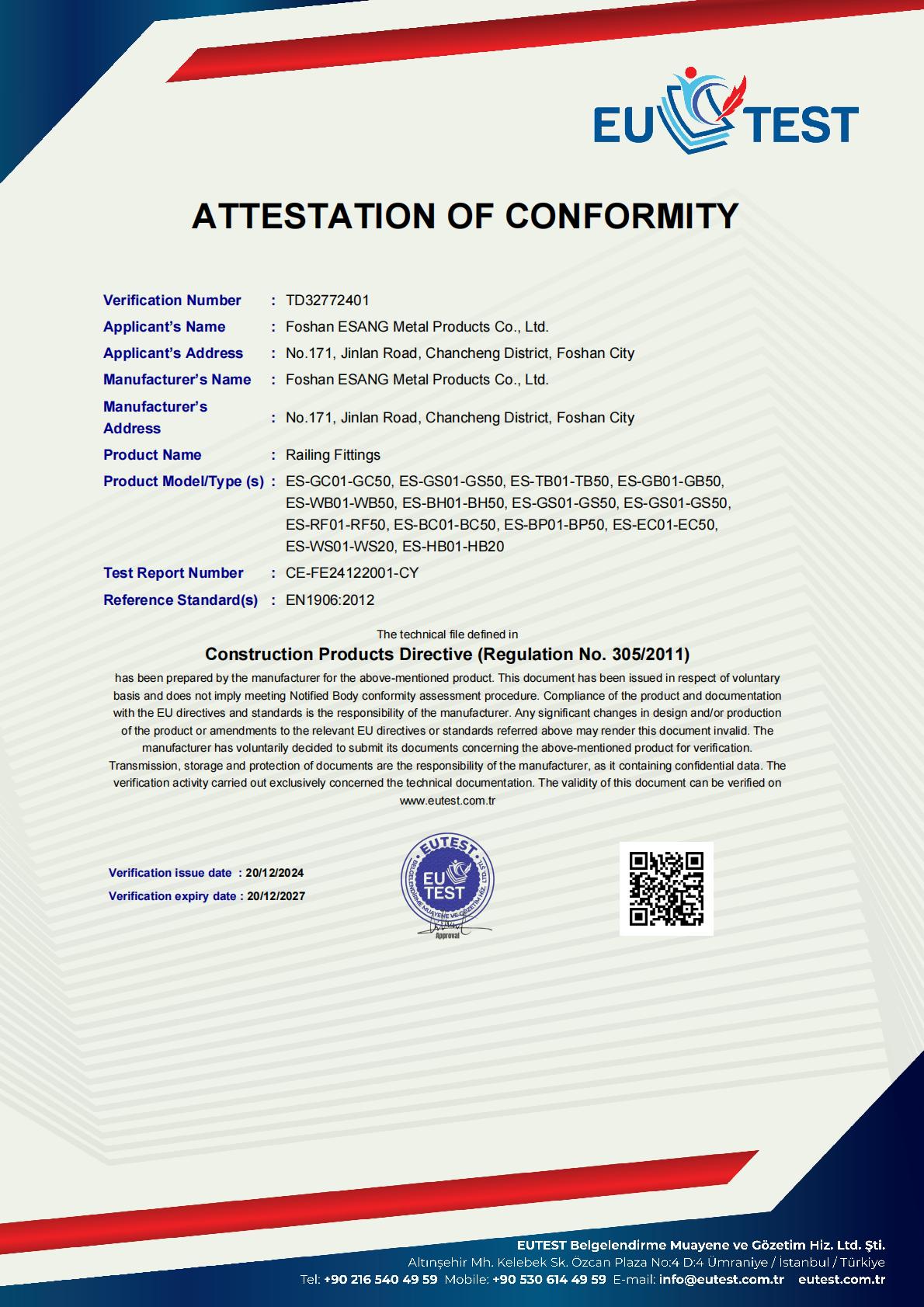
Foshan ESANG Metal Products se enorgullece de mantener Certificación CE (Verificación n.º TD32772401) en virtud de la Directiva sobre productos de construcción (Reglamento n.º 305/2011), lo que afirma nuestro compromiso con los más altos estándares europeos de seguridad y calidad.
Gama de productos certificados:
Nuestra amplia gama de herrajes para barandillas, que incluye abrazaderas de vidrio, tensores, soportes, soportes de pared, zapatas, herrajes para pasamanos, herrajes para cables y componentes para postes, satisface los requisitos más exigentes. EN1906:2012 garantizando la integridad estructural y la fiabilidad del rendimiento en todas las instalaciones.
Qué significa esto para su proyecto:
✓ Cumplimiento total de la normativa para los mercados europeos e internacionales
✓ Rendimiento de seguridad y durabilidad verificado de forma independiente.
✓ Soporte de documentación para las especificaciones arquitectónicas
✓ Tranquilidad gracias a la garantía de calidad de terceros
Certificación válida hasta 2027 | Informe de pruebas: CE-FE24122001-CY
Proyectos de Esang

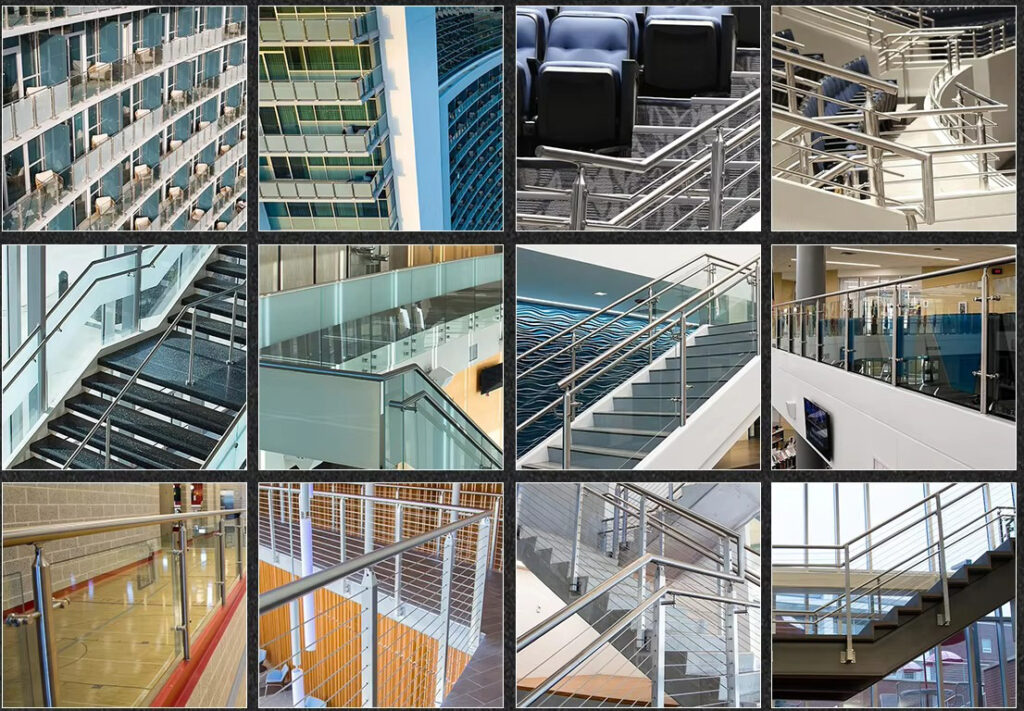
Productos de referencia