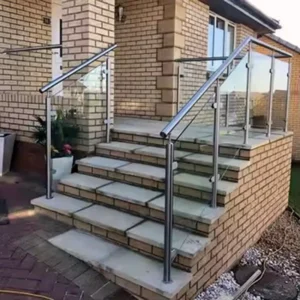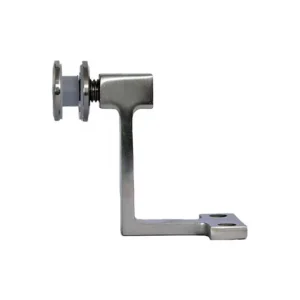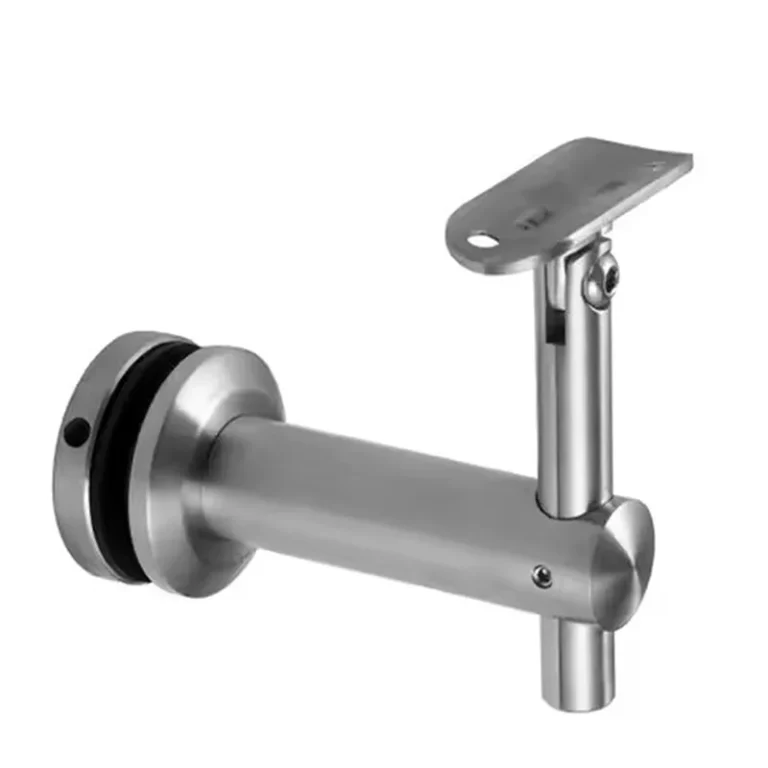
Use adjustment to solve a known interface—not as a substitute for a bracket specification
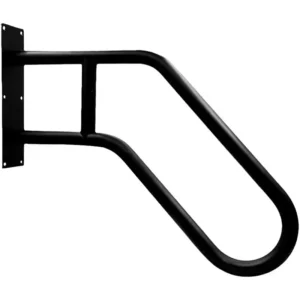
Adjustable wall handrail brackets are useful when the rail angle, stand-off, height or final alignment cannot be fixed until the wall and stair geometry are confirmed. The first purchasing decision is therefore not “adjustable or fixed”; it is which movement is needed, which rail profile the bracket must support, and how the wall plate will connect to verified backing.
Request an adjustable bracket quote on WhatsApp
A photo of the existing wall and rail can start the enquiry. Add one measured reference dimension and the rail’s outside profile when available.
Name the movement the installer actually needs
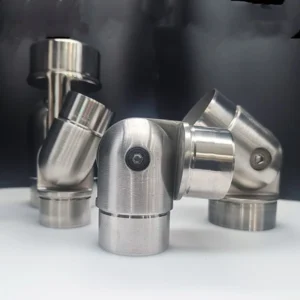
Different brackets described as adjustable may provide very different functions. Mark the required movement on a sketch and ask the quotation to show how it is set and locked.
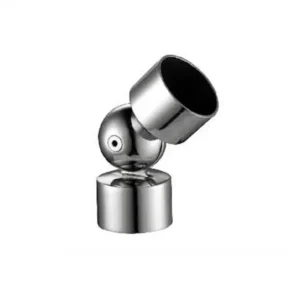
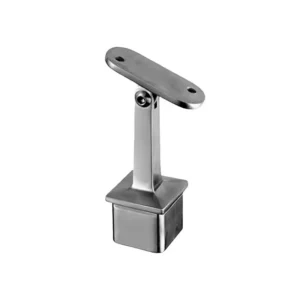
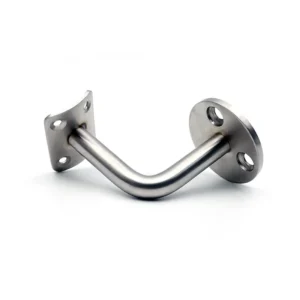
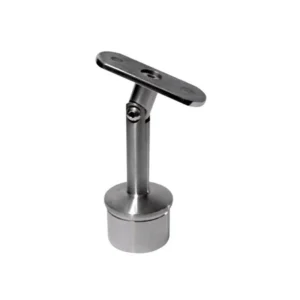
- Rail-angle adjustment: helps a saddle follow a stair slope or a changing route. Confirm the adjustment plane, the rail contact surface and whether the joint is locked before or after the rail is fitted.
- Stand-off or projection adjustment: changes the distance between wall and rail. This affects hand clearance, the lever arm on the wall plate and coordination with wall finishes.
- Vertical alignment adjustment: can help bring several supports to one rail line. It does not remove the need for correct mounting height, backing and a bracket-location plan.
- Combined adjustment: may reduce site fabrication but introduces more interfaces. The quotation should identify every moving joint, locking fastener and required installation access.
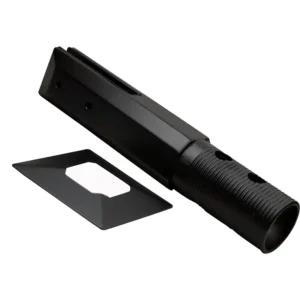
Do not assume an advertised adjustment range or direction from the bracket’s appearance. Ask for a drawing of the exact proposed part.

Match both sides of the bracket
Rail-side interface
Provide the rail’s outside diameter or width and depth, plus the intended orientation. A curved saddle, flat support plate, clamp or drilled fixing cannot be substituted without checking contact, hole pattern and visible appearance. Also state whether the bracket is expected to support a continuous rail, a rail joint, or a short end section.
Wall-side interface
Describe the structural wall and the finish build-up separately. A tile, board or decorative panel is not automatically the load-bearing substrate. The project’s anchor selection must account for backing, embedment, edge distance, waterproofing and access behind the wall. Ask the offer to state whether it includes anchors, only bracket fasteners, or neither.

Locking and future access
Confirm whether locking screws remain accessible after the rail is installed and whether adjustment is intended only for initial alignment. A pivot that is useful during installation is not necessarily designed to remain movable in service. The installation drawing should state the final locked position, fastener access and any inspection point.
Compare bracket offers on the fields that prevent site mismatch
- bracket body and wall-plate dimensions;
- rail contact shape, hole pattern and compatible rail dimensions;
- adjustment direction, usable range and locking method for the proposed part;
- proposed material and visible finish for body, saddle and fasteners;
- wall-substrate assumption and included/excluded anchors;
- quantity, bracket-location or spacing basis, spare parts and packaging;
- available drawing, installation instruction and any configuration-specific evidence.
An adjustable bracket is not automatically a heavy-duty bracket. Where the brief requires a documented duty rating or unusual load, request evidence for the complete rail–bracket–anchor–substrate configuration rather than transferring a rating from the bracket name.
Start with a bracket schedule, even if dimensions are incomplete
Send the route type, photos or drawings, rail profile, desired wall clearance, wall build-up, expected quantity, finish direction and the misalignment the bracket must accommodate. If the final rail or wall is not yet selected, say so—the first response can identify the missing interfaces instead of forcing an unverified part number.
The quotation should return a proposed bracket form, dimensional drawing, matching rail interface, fastening scope and assumptions. This makes a fixed bracket, a single-axis adjustable bracket and a multi-axis bracket genuinely comparable.