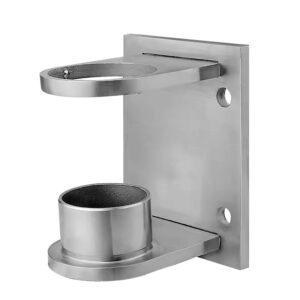
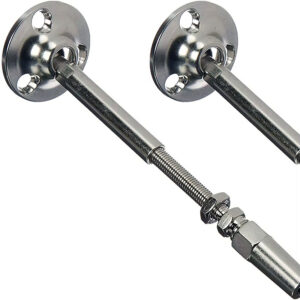
أنظمة الدرابزين
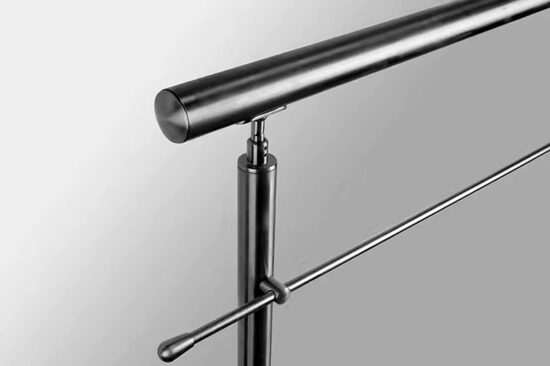
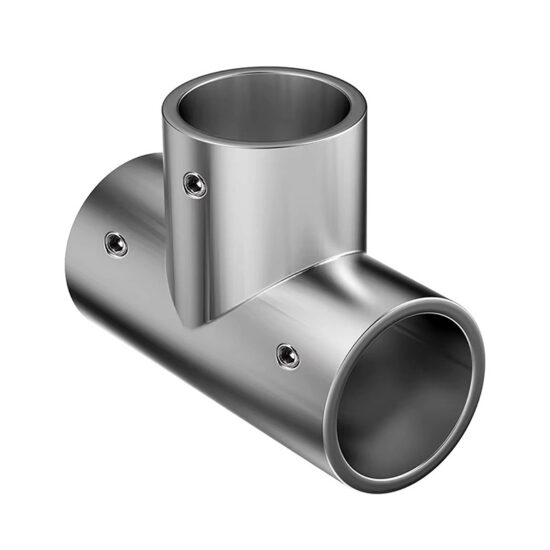
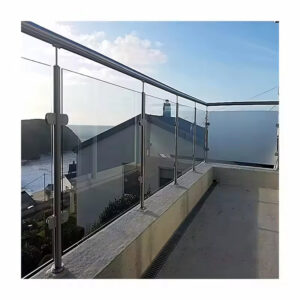
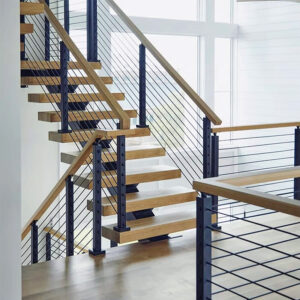
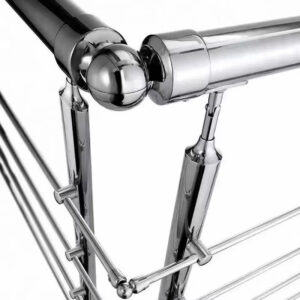
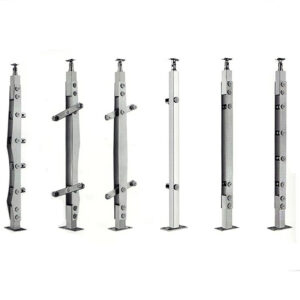
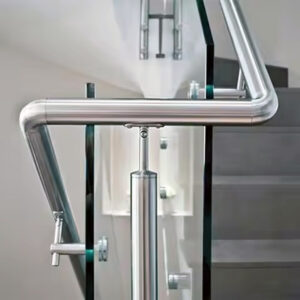
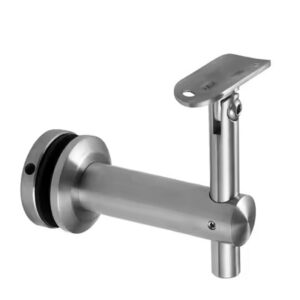
أنظمة الدرابزين
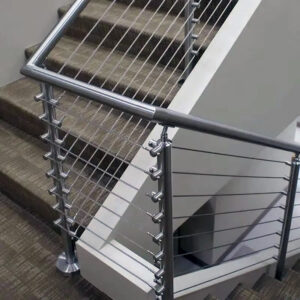
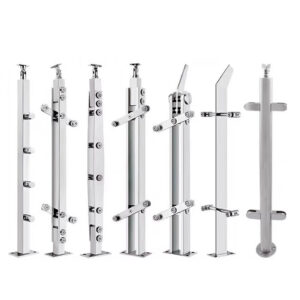
ESANG handrail systems are designed for architectural railing projects where the handrail is part of a complete stainless steel railing solution, not just a separate tube or accessory.
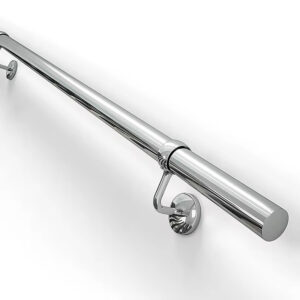
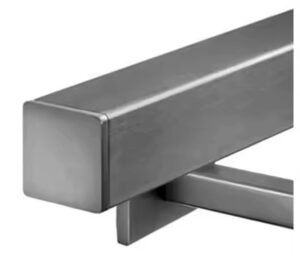
تشمل هذه الفئة درابزين مثبت على الحائط, درابزين تثبيت العمود, درابزين مثبت على السطح, ، و درابزين متواصل for stairways, ramps, balconies, terraces, commercial buildings, residential projects, glass railing systems, cable railing systems, and outdoor applications.
For contractors, distributors, fabricators, and project buyers, the key question is not only which handrail profile to choose. A good handrail specification should also consider the mounting method, support condition, stainless steel grade, surface finish, related brackets and connectors, and the environment where the system will be installed.
ESANG supplies stainless steel handrail systems and related railing hardware for project use, OEM orders, ODM requirements, and custom fabrication based on drawings, dimensions, material grade, finish requirements, and installation conditions.
Handrail System Options
| Handrail system | أفضل استخدام له هو | أسئلة أساسية حول الاختيار |
|---|---|---|
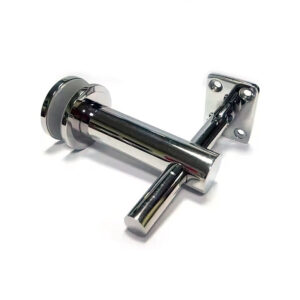
| درابزين مثبت على الحائط | Stairways, corridors, ramps, concrete walls, masonry walls, and side-mounted applications | What wall material will support the brackets? What wall clearance is required? Is a return end needed? |
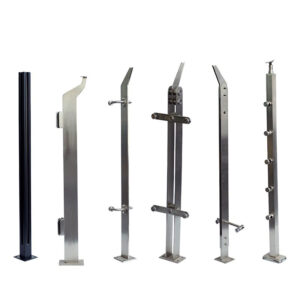
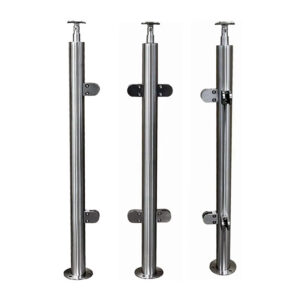
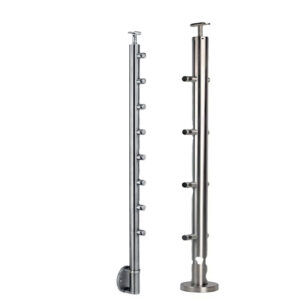
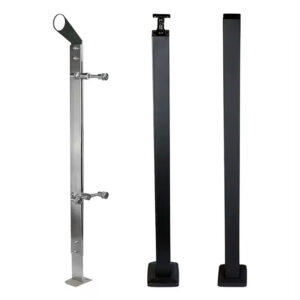
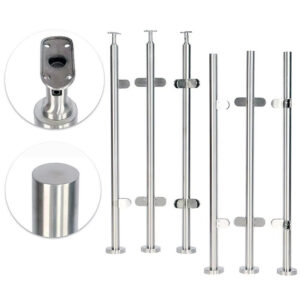
| درابزين تثبيت العمود | Balustrades, balcony rails, stair railings, guardrail systems, glass railing, and cable railing projects | What post type is used? What handrail bracket or saddle is required? Does the system connect with glass, cable, or crossbar infill? |
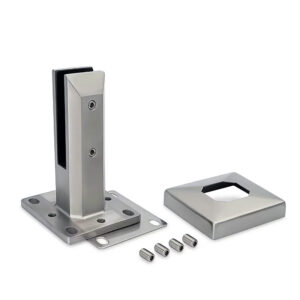
| درابزين مثبت على السطح | Decks, terraces, balconies, concrete slabs, platforms, and floor-mounted railing systems | What base plate and anchor method will be used? Is the installation indoor, outdoor, or coastal? |
| درابزين متواصل | Long stair runs, ramps, landings, commercial routes, and accessibility-focused circulation areas | Where are the joints, elbows, transitions, and returns? Can users keep a continuous grip along the route? |
How to Choose the Right Handrail System
The right handrail system depends first on how the rail is supported. A wall-mounted rail, a post-mounted rail, and a continuous handrail along a ramp may all use stainless steel tubes, but the bracket design, connection method, installation risk, and buying decision are different.
| حالة المشروع | الاتجاه الموصى به | ما أهمية ذلك |
|---|---|---|
| The handrail is fixed directly to a wall | Use wall mount handrails with suitable حوامل التثبيت على الحائط and tube profile | Wall strength, bracket spacing, and wall clearance affect both safety and comfort. |
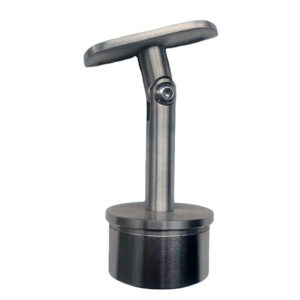
| The handrail sits above railing posts | Use post mount handrails with matching دعامات التثبيت العمودية, connectors, and post hardware | The post, bracket, and tube must work together as one system. |
| The railing is installed on a floor, slab, or deck | Use surface mount handrails or surface-mounted post systems | Base plate design, anchor selection, and substrate strength are critical. |
| The route includes turns, stairs, ramps, or landings | Use continuous handrail components, elbows, bends, connectors, and return fittings | A continuous gripping path improves usability and may be required by project rules. |
| يُنفذ المشروع في الهواء الطلق، أو على الساحل، أو بجانب المسبح، أو في بيئة رطبة | Consider 316 stainless steel and a suitable surface finish | تزداد أهمية مقاومة التآكل في البيئات الرطبة أو المعرضة للكلوريد. |
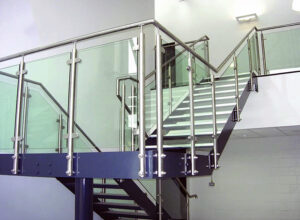
| The handrail connects with glass or cable railing | Match the handrail with compatible glass clamps, posts, standoffs, cable fittings, or top rail components | Mixed railing systems need consistent dimensions and connection details. |
Materials, Finishes, and Project Requirements
ESANG handrail systems can be manufactured according to project requirements, including material grade, tube profile, surface finish, bracket design, dimensions, connection details, and packaging requirements. For non-standard projects, customers can provide drawings, samples, target specifications, or installation conditions for review.
| درجة المواد | الاستخدام النموذجي | الملاحظات |
|---|---|---|
| فولاذ مقاوم للصدأ 304 | Interior handrails, commercial buildings, residential stairways, and general dry environments | A common choice for many indoor architectural railing projects. |
| 316 فولاذ مقاوم للصدأ | Outdoor areas, coastal projects, poolside applications, humid environments, and higher-corrosion locations | عادةً ما يُفضل استخدامه في الحالات التي تتطلب مقاومة أفضل للتآكل. |
| فولاذ 316L المقاوم للصدأ | المشاريع التي تتطلب قابلية لحام محسّنة أو أداءً أعلى في مقاومة التآكل | مناسب عندما تتطلب المواصفات استخدام الفولاذ المقاوم للصدأ منخفض الكربون. |
316 and 316L stainless steel are often selected for more demanding environments, but they should not be treated as automatically necessary for every project. For many interior applications, 304 stainless steel may be sufficient and more cost-effective.
| Finish option | الاستخدام النموذجي | Buyer notes |
|---|---|---|
| تشطيب مصقول أو ساتاني | Commercial interiors, stairways, public buildings, and most architectural handrail projects | Helps hide minor handling marks and fingerprints better than mirror polish. |
| تلميع المرآة | Decorative areas, luxury residential projects, hotels, and selected high-visual applications | Provides a bright appearance but requires more care during handling and maintenance. |
| Electropolished finish | Healthcare, cleanable environments, or projects with higher surface cleanliness requirements | Can improve surface smoothness and cleanability when specified correctly. |
Handrail Components in a Complete System
A handrail system is more than a visible rail tube. Depending on the installation method, a complete system may include:
- Stainless steel handrail tubes
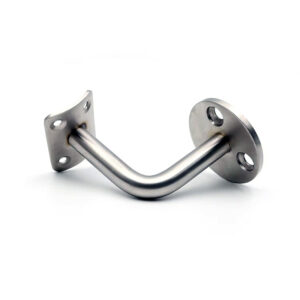
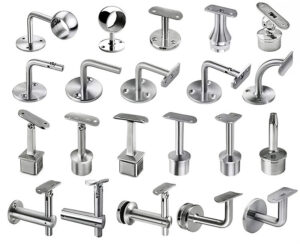
- دعامات التثبيت على الحائط
- Post-mounted handrail brackets
- أقواس قابلة للتعديل
- End caps and return ends
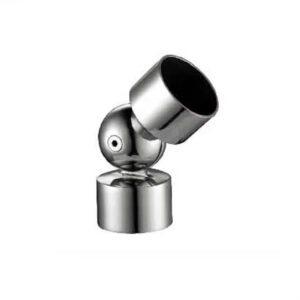
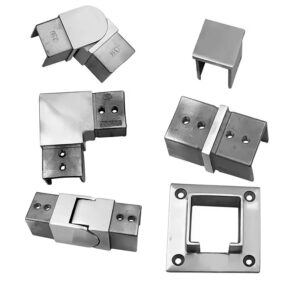
- Elbows, bends, and موصلات السكك الحديدية
- تركيب الأجهزة والتثبيت
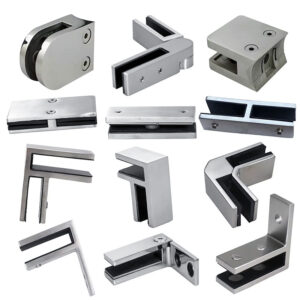
- مشابك ووصلات زجاجية or glass railing adapters
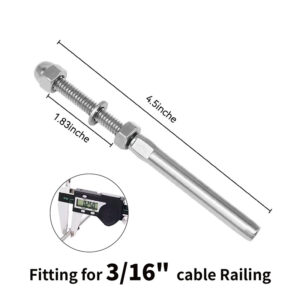
- تجهيزات الكابلات
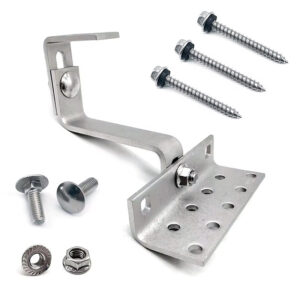
- Fasteners and anchors selected for the substrate
For project procurement, it is usually better to confirm the complete system instead of ordering isolated parts. This reduces mismatch between tube diameter, bracket saddle, post size, wall clearance, finish, and installation method.
Customization for Standard-Oriented Projects
Many ESANG handrail projects are not fixed standard products. They are manufactured to match project drawings, required dimensions, material grades, surface finishes, and installation conditions. When customers need a handrail system to support ADA-oriented, IBC-oriented, OSHA-related, or project-specific requirements, ESANG can manufacture components according to the provided specification details.
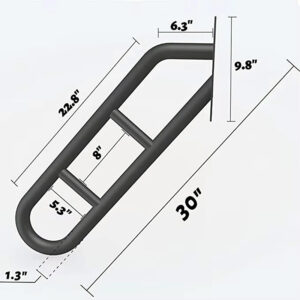
For accessibility-focused projects, customers may specify requirements such as grip size, wall clearance, handrail height, return design, bracket layout, and handrail continuity. ESANG can manufacture the required components to match those project requirements, while final compliance should be confirmed based on the complete installed system, site conditions, installation method, and applicable local code.
اعتبارات التثبيت والمتطلبات البرمجية
Handrail projects often need to satisfy local building codes, accessibility rules, and project-specific engineering requirements. ESANG can support product selection and fabrication, but final compliance should be confirmed by the project designer, contractor, engineer, or local authority.
- ارتفاع الدرابزين
- Grip size and profile
- خلوص الجدار
- التباعد بين القوسين
- Load requirement
- End return condition
- Continuity along stairs, ramps, and landings
- Material grade for the environment
- Anchor type and substrate strength
- Compatibility with glass, cable, post, or wall-mounted structures
For U.S. accessibility-focused projects, the معايير ADA 2010 للتصميم الميسّر لذوي الاحتياجات الخاصة provide reference requirements related to handrail height, clearance, gripping surface, and continuity. Workplace and public-access projects may also need to consider guardrail and handrail-related requirements in إدارة السلامة والصحة المهنية 1910.29 or other applicable local rules.
Because codes vary by country, state, city, and project type, these values should be treated as planning references, not a substitute for final engineering or code approval.
سيناريوهات التطبيق
المباني التجارية
Commercial handrail systems are commonly used in office buildings, hotels, shopping centers, hospitals, schools, public buildings, and transport facilities. These projects usually require repeatable product quality, stable finish, reliable mounting hardware, and clear specification support.
Healthcare and Public Access Areas
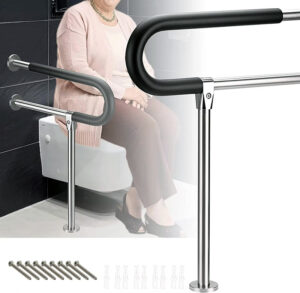
Healthcare corridors, therapy areas, ramps, and public circulation zones often require handrails that are easy to clean, comfortable to grip, and compatible with accessibility-focused project requirements. Stainless steel is commonly selected because it provides a smooth surface and durable performance when properly specified and maintained.
Residential and Multi-Unit Projects
Residential handrail systems may be used for indoor stairs, balconies, terraces, villas, apartments, and multi-unit buildings. These projects often pay more attention to visual style, finish, comfort, and compatibility with surrounding materials such as glass, stone, wood, or tile.
مشاريع الدرابزين الزجاجي
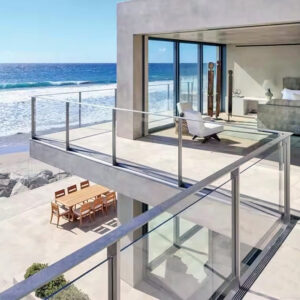
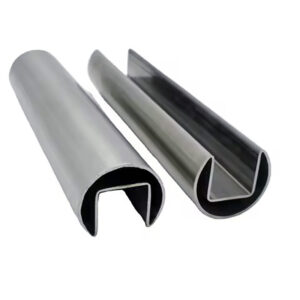
Glass railing systems often use stainless steel handrails as a top rail, side rail, or support rail depending on the design. In these projects, the handrail must coordinate with الصنابير الزجاجية والمسافات الفاصلة, clamps, posts, or channel systems.
مشاريع الدرابزينات المصنوعة من الكابلات
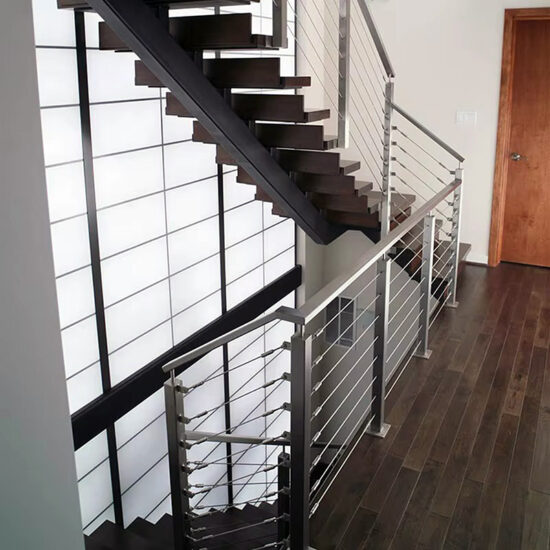
Cable railing projects need handrail tubes and posts that align with cable fittings, tensioning hardware, and end conditions. The handrail is part of the full railing structure and should be selected together with the cable system.
Outdoor, Coastal, and Marine Areas
Outdoor environments require more attention to material grade, finish, drainage, cleaning, and fastener selection. For coastal, poolside, humid, or marine environments, 316 or 316L stainless steel is usually a better starting point than 304 stainless steel.
Comparison with Common Alternatives
| Option | المزايا | القيود |
|---|---|---|
| Stainless steel handrails | Durable, corrosion-resistant when properly selected, compatible with glass, cable, and metal railing systems | Higher initial cost than some basic materials |
| Aluminum handrails | Lightweight, easy to handle, often cost-effective | Finish durability, structural capacity, and metal compatibility should be considered |
| Wood handrails | Warm appearance, suitable for some residential interiors | Requires more maintenance and may not suit wet, outdoor, or high-traffic environments |
| Painted steel handrails | Strong and widely available | Coating damage may lead to corrosion; repainting may be needed over time |
فئات المنتجات ذات الصلة
- درابزين مثبت على الحائط
- درابزين تثبيت العمود
- درابزين مثبت على السطح
- درابزين متواصل
- أعمدة من الفولاذ المقاوم للصدأ
- حوامل التثبيت على الحائط
- دعامات التثبيت العمودية
- موصلات السكك الحديدية
- مشابك ووصلات زجاجية
- تجهيزات الكابلات
الأسئلة الشائعة
What is the difference between a handrail and a guardrail?
A handrail is primarily designed to be grasped by users for support while walking, climbing stairs, or using ramps. A guardrail is primarily designed to help prevent people from falling from an elevated edge. In many railing projects, the handrail and guardrail are connected, but they do not have the same function.
Should I choose wall mount or post mount handrails?
Choose wall mount handrails when the rail will be fixed directly to a wall. Choose post mount handrails when the handrail is supported by railing posts or forms part of a balustrade system. If the project uses glass or cable infill, the post and infill system should be checked together with the handrail.
What is the difference between 304 and 316 stainless steel for handrails?
304 stainless steel is widely used for interior and general architectural projects. 316 stainless steel contains molybdenum, which improves corrosion resistance in more demanding environments such as coastal, poolside, humid, or outdoor applications.
When should 316L stainless steel be used?
316L stainless steel has a lower carbon content than standard 316 stainless steel and is often selected when improved weldability or specific project requirements are important. It may be suitable for demanding architectural, coastal, or custom-fabricated handrail systems, depending on the specification.
Can ESANG manufacture handrail systems to ADA-oriented requirements?
Yes. When customers provide the required dimensions and project specifications, ESANG can manufacture handrail components to support ADA-oriented requirements such as grip size, wall clearance, return design, and continuity. Final compliance should be confirmed based on the complete installed system and local code requirements.
How do stainless steel handrails compare with aluminum handrails?
Stainless steel handrails usually offer higher strength, better surface durability, and better compatibility with many architectural railing systems. Aluminum handrails are lighter and may be more economical, but they may require additional consideration for finish durability, structural capacity, and compatibility with other metals.
What mounting options are available?
Common mounting options include wall mount brackets, post mount assemblies, surface-mounted posts, and adjustable handrail brackets. The correct mounting method depends on the wall, post, slab, deck, or structural condition of the project.
What surface finish should I choose?
Brushed or satin finish is often suitable for high-traffic commercial and residential projects because it hides minor marks better. Mirror polish is suitable for decorative or premium visual areas, but it requires more careful handling and cleaning. Electropolished finishes may be considered for projects that require improved cleanability.
Can ESANG customize handrail systems?
Yes. ESANG can support OEM, ODM, and project-based customization, including material grade, surface finish, tube profile, bracket type, connector design, and packaging requirements. Drawings, dimensions, quantities, and installation conditions help speed up quotation and technical review.
What information is needed for a handrail system inquiry?
Useful inquiry information includes handrail type, tube size or profile, material grade, surface finish, installation method, quantity, project location or environment, drawings if available, and related accessories such as brackets, connectors, end caps, base plates, glass clamps, or cable hardware.
How should stainless steel handrails be maintained?
يتم التنظيف الروتيني عادةً باستخدام منظف معتدل وماء نظيف وقطعة قماش ناعمة. تجنب استخدام المنظفات التي تحتوي على الكلور والصوف الفولاذي والأدوات الكاشطة. وينبغي تنظيف المنشآت الخارجية والساحلية بشكل أكثر انتظامًا للحد من تلوث الأسطح والحفاظ على مظهرها.
منشورات ذات صلة:
Pier and Dock Railing Layout: Posts, Infill, Access, and Mounting
Plan pier and dock runs around post locations, infill modules, corners, gates, access routes, substrate edges, and mounting responsibility.
Coastal Railing Exposure: Salt Air, Splash, and Cleaning Access
Separate airborne salt, direct splash, retained wetness, deposits, and cleaning access before choosing coastal railing materials and details.
Replacing Core-Mounted Posts With Surface Bases: Precheck
Check the existing opening, slab condition, edge geometry, drainage, and revised load path before converting an embedded post to a surface base.
Railing Post Base RFQ Checklist for Project Buyers
Request comparable base hardware, substrate inputs, finishes, drawings, anchor boundaries, samples, and inspection documents in one project RFQ.
Adjustable Railing Post Bases for Sloped or Uneven Surfaces
Compare adjustable bases against the actual slope, bearing surface, leveling range, finish interface, and fixing access before selecting a detail.
Railing Post Base Anchors: Inputs for Engineering Review
Define substrate, geometry, loads, exposure, and anchor evidence before engineering review so a hardware label is not mistaken for a connection design.
مشاريع إيسانج

شهادة إيسانج
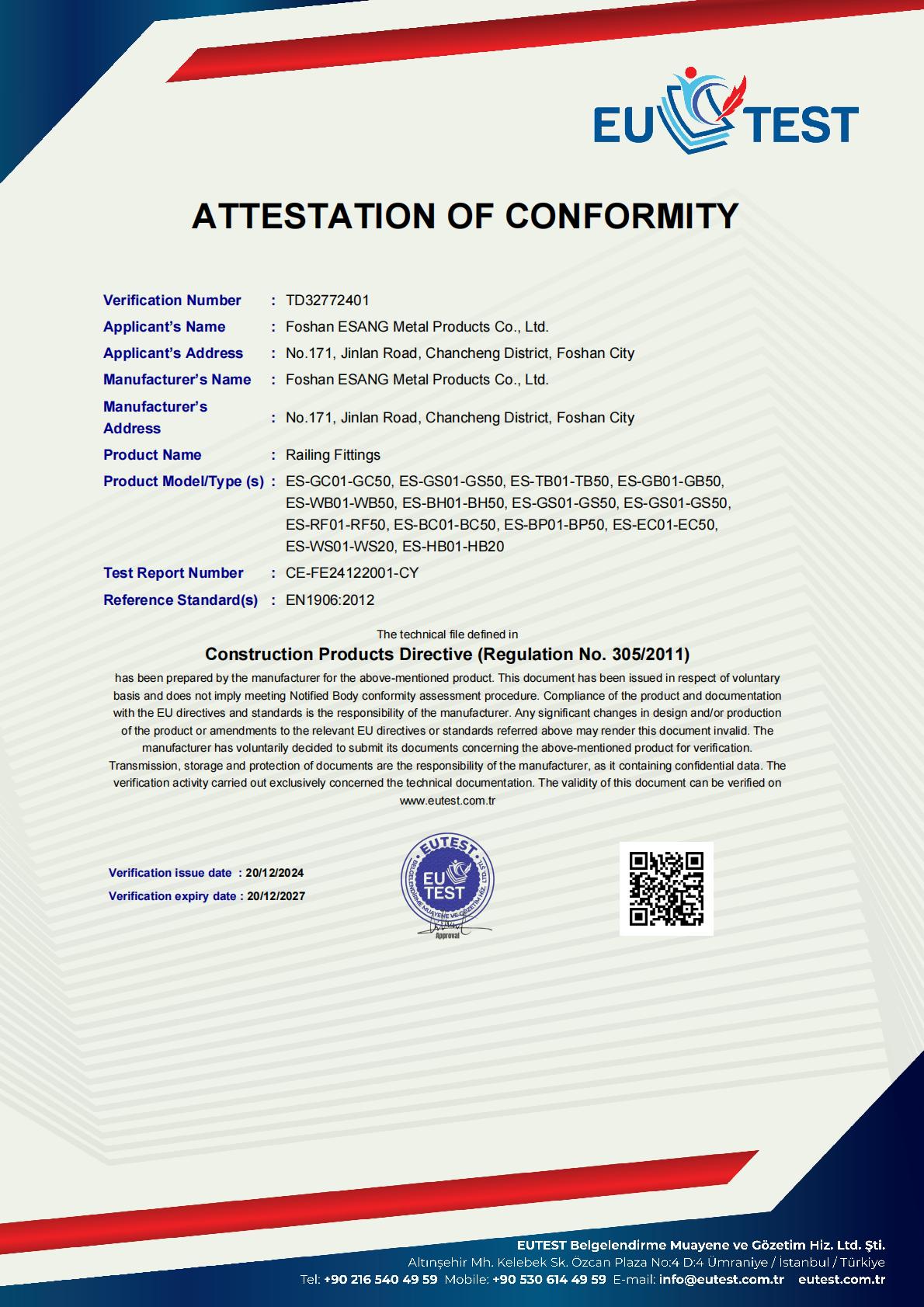
تفخر شركة فوشان إسانج للمنتجات المعدنية بما يلي شهادة CE (التحقق رقم TD3272772401) بموجب توجيه منتجات البناء (اللائحة رقم 305/2011)، مما يؤكد التزامنا بأعلى معايير السلامة والجودة الأوروبية.
مجموعة المنتجات المعتمدة:
مجموعة تجهيزات الدرابزين الشاملة التي نقدمها - بما في ذلك المشابك الزجاجية وأجهزة الشد والأقواس وحوامل الحائط وأحذية القاعدة وتجهيزات الدرابزين وأجهزة الكابلات ومكونات العمود - تلبي EN1906:2012 المعايير، مما يضمن السلامة الهيكلية وموثوقية الأداء في جميع المنشآت.
ماذا يعني ذلك بالنسبة لمشروعك:
✓ الامتثال التنظيمي الكامل للأسواق الأوروبية والدولية
✓ أداء السلامة والمتانة الذي تم التحقق منه بشكل مستقل
✓ دعم التوثيق للمواصفات المعمارية
✓ راحة البال من ضمان الجودة من طرف ثالث
الشهادة صالحة حتى عام 2027 | تقرير الاختبار: سي-إي 2412122001-سي
مشاريع إيسانج

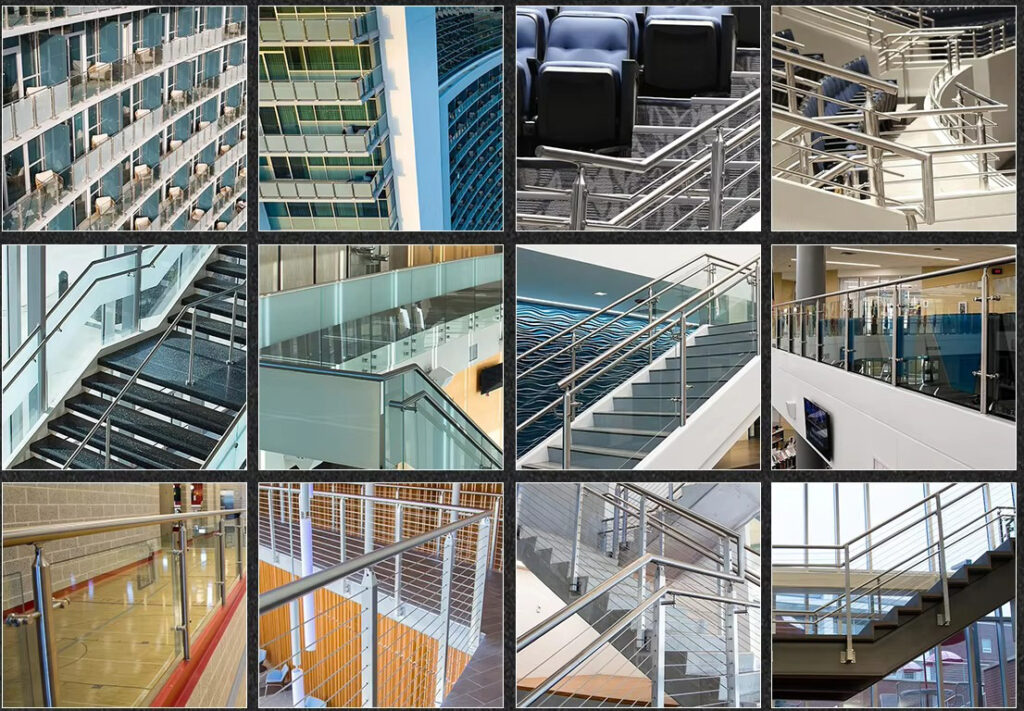
المنتجات المرجعية