Sistemas de pasamanos
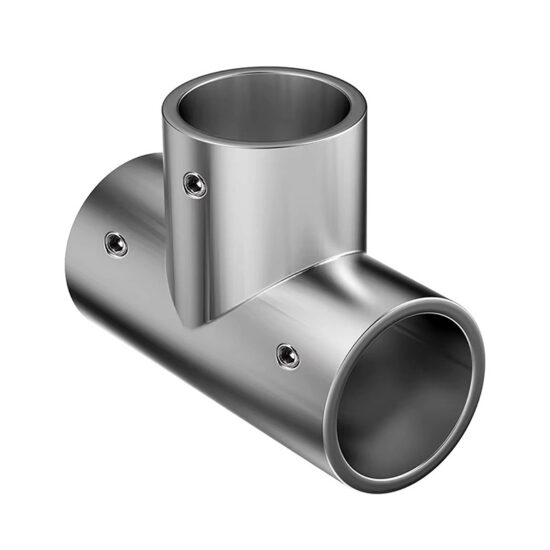
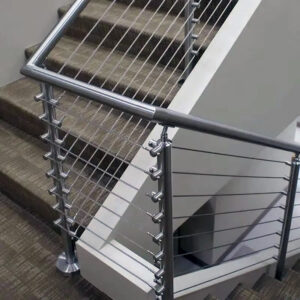
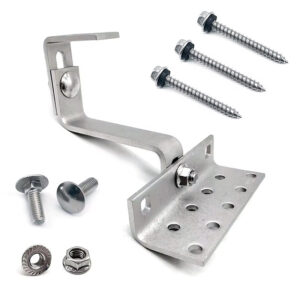
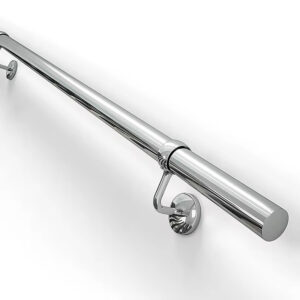
Sistemas de pasamanos
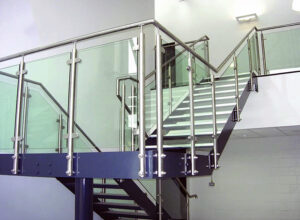
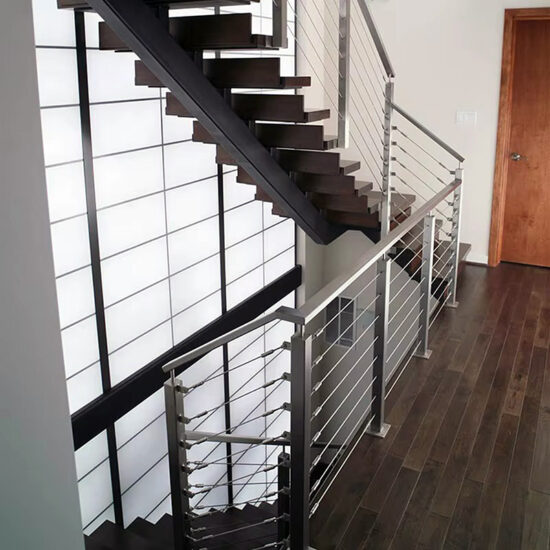
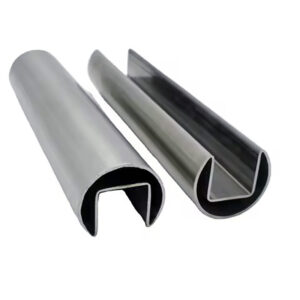
Los sistemas de pasamanos ESANG están diseñados para proyectos de barandillas arquitectónicas en los que el pasamanos forma parte de una solución completa de barandilla de acero inoxidable, y no es simplemente un tubo o accesorio independiente.
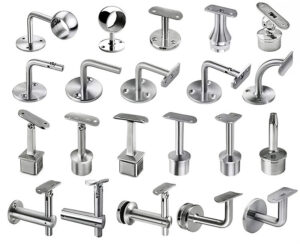
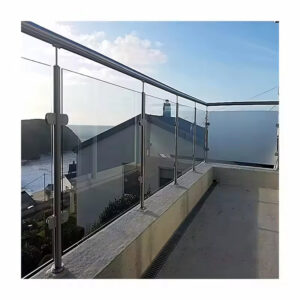
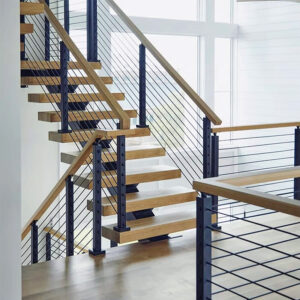
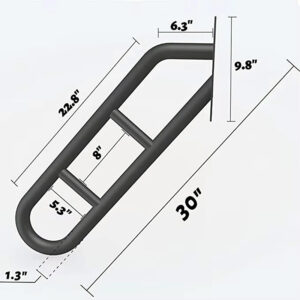
Esta categoría abarca Pasamanos de pared, Pasamanos de montaje en poste, Pasamanos de montaje en superficie, y Pasamanos continuos para escaleras, rampas, balcones, terrazas, edificios comerciales, proyectos residenciales, sistemas de barandillas de cristal, sistemas de barandillas de cable y aplicaciones en exteriores.
Para los contratistas, distribuidores, fabricantes y responsables de compras de proyectos, la cuestión clave no es solo qué perfil de barandilla elegir. Una buena especificación de barandilla también debe tener en cuenta el método de montaje, las condiciones de los soportes, el tipo de acero inoxidable, el acabado superficial, los soportes y conectores correspondientes, así como el entorno en el que se instalará el sistema.
ESANG suministra sistemas de barandillas de acero inoxidable y los accesorios correspondientes para su uso en proyectos, pedidos OEM, requisitos ODM y fabricación a medida según planos, dimensiones, tipo de material, requisitos de acabado y condiciones de instalación.
Opciones de sistemas de barandillas
| Sistema de barandillas | Ideal para | Preguntas clave para la selección |
|---|---|---|
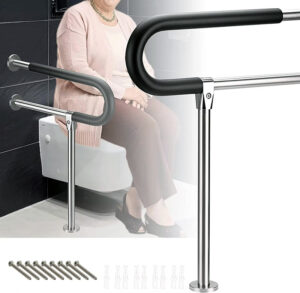
| Pasamanos de pared | Escaleras, pasillos, rampas, muros de hormigón, muros de mampostería y aplicaciones con montaje lateral | ¿Qué material de la pared soportará los soportes? ¿Qué espacio libre se necesita respecto a la pared? ¿Es necesario un extremo de retorno? |
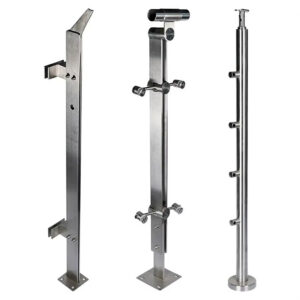
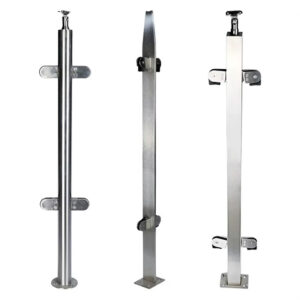
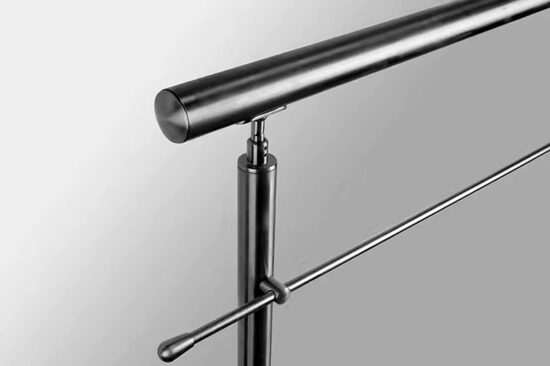
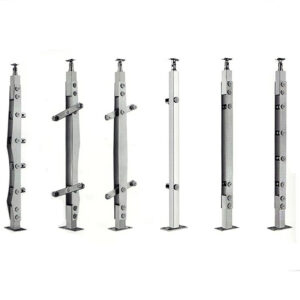
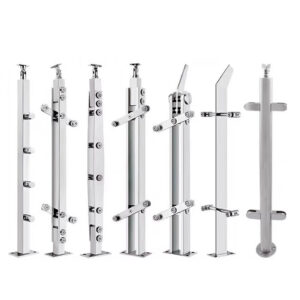
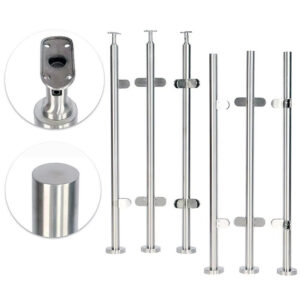
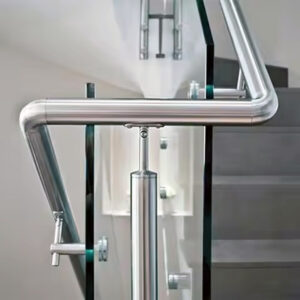
| Pasamanos de montaje en poste | Proyectos de balaustradas, barandillas de balcón, barandillas de escalera, sistemas de barandillas de seguridad, barandillas de cristal y barandillas de cable | ¿Qué tipo de poste se utiliza? ¿Qué soporte o abrazadera para barandilla se necesita? ¿El sistema se combina con un relleno de cristal, cable o travesaño? |
| Pasamanos de montaje en superficie | Cubiertas, terrazas, balcones, losas de hormigón, plataformas y sistemas de barandillas fijados al suelo | ¿Qué placa base y qué método de anclaje se van a utilizar? ¿La instalación es en interior, en exterior o en la costa? |
| Pasamanos continuos | Escaleras largas, rampas, rellanos, recorridos comerciales y zonas de circulación adaptadas a las personas con movilidad reducida | ¿Dónde están las uniones, los codos, las transiciones y los retornos? ¿Pueden los usuarios mantener un agarre continuo a lo largo del recorrido? |
Cómo elegir el sistema de barandilla adecuado
El sistema de barandilla adecuado depende, en primer lugar, de cómo se apoye la barandilla. Tanto una barandilla fijada a la pared como una montada en un poste o una barandilla continua a lo largo de una rampa pueden utilizar tubos de acero inoxidable, pero el diseño de los soportes, el método de unión, los riesgos de instalación y la decisión de compra son diferentes.
| Estado del proyecto | Dirección recomendada | Por qué es importante |
|---|---|---|
| El pasamanos está fijado directamente a la pared | Utiliza pasamanos de pared con Soportes de pared y perfil del tubo | La resistencia de la pared, la distancia entre los soportes y el espacio libre respecto a la pared influyen tanto en la seguridad como en la comodidad. |
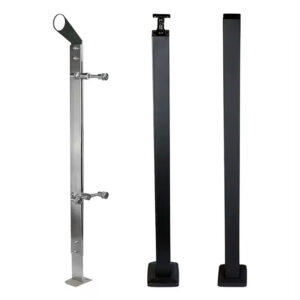
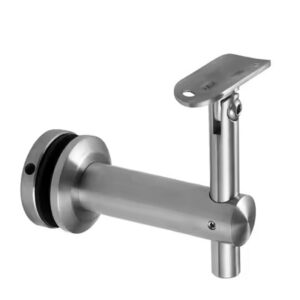
| El pasamanos se sitúa por encima de los postes de la barandilla | Utiliza barandillas con fijación en poste y a juego Soportes de montaje en poste, conectores y herrajes para postes | El poste, el soporte y el tubo deben funcionar conjuntamente como un único sistema. |
| La barandilla se instala sobre un suelo, una losa o una terraza | Utiliza barandillas de montaje en superficie o sistemas de postes montados en superficie | El diseño de la placa base, la elección de los anclajes y la resistencia del sustrato son factores fundamentales. |
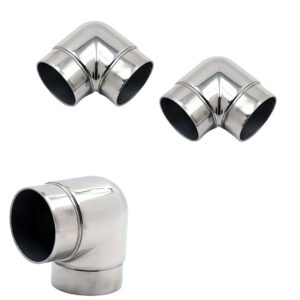
| El recorrido incluye curvas, escaleras, rampas o rellanos | Utiliza componentes de barandilla continuos, codos, curvas, conectores y accesorios de retorno | Una trayectoria de agarre continua mejora la facilidad de uso y puede ser un requisito de las normas del proyecto. |
| El proyecto es al aire libre, en la costa, junto a una piscina o en un entorno húmedo | Considera el acero inoxidable 316 y un acabado superficial adecuado | La resistencia a la corrosión cobra mayor importancia en entornos húmedos o expuestos a cloruros. |
| El pasamanos se une a una barandilla de cristal o de cable | Combina el pasamanos con abrazaderas para cristal, postes, separadores, accesorios para cables o componentes para el travesaño superior que sean compatibles. | Los sistemas de barandillas mixtas requieren unas dimensiones y unos detalles de unión uniformes. |
Materiales, acabados y requisitos del proyecto
Los sistemas de barandillas ESANG pueden fabricarse según los requisitos de cada proyecto, incluyendo el tipo de material, el perfil de los tubos, el acabado superficial, el diseño de los soportes, las dimensiones, los detalles de las uniones y los requisitos de embalaje. Para proyectos no estándar, los clientes pueden facilitar planos, muestras, especificaciones deseadas o condiciones de instalación para su revisión.
| Calidad del material | Uso habitual | Notas |
|---|---|---|
| Acero inoxidable 304 | Barandillas interiores, edificios comerciales, escaleras residenciales y entornos secos en general | Una opción habitual en muchos proyectos de barandillas arquitectónicas para interiores. |
| Acero inoxidable 316 | Espacios al aire libre, proyectos costeros, aplicaciones junto a piscinas, entornos húmedos y lugares con mayor riesgo de corrosión | Se suele preferir cuando se requiere una mayor resistencia a la corrosión. |
| Acero inoxidable 316L | Proyectos que requieren una mejor soldabilidad o un comportamiento frente a la corrosión más exigente | Adecuado cuando las especificaciones exigen acero inoxidable con bajo contenido en carbono. |
El acero inoxidable 316 y 316L suele elegirse para entornos más exigentes, pero no debe considerarse automáticamente imprescindible para todos los proyectos. Para muchas aplicaciones en interiores, el acero inoxidable 304 puede ser suficiente y más rentable.
| Opción de acabado | Uso habitual | Notas del comprador |
|---|---|---|
| Acabado cepillado o satinado | Interiores comerciales, escaleras, edificios públicos y la mayoría de los proyectos arquitectónicos de barandillas | Ayuda a disimular mejor las pequeñas marcas de uso y las huellas dactilares que el pulido espejo. |
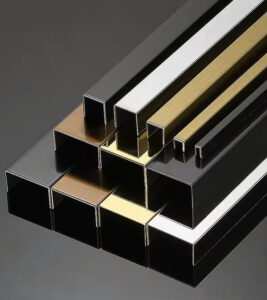
| Pulido espejo | Espacios decorativos, proyectos residenciales de lujo, hoteles y aplicaciones seleccionadas de gran impacto visual | Aporta un aspecto brillante, pero requiere más cuidado a la hora de manipularlo y mantenerlo. |
| Acabado electropulido | Sector sanitario, entornos que deben poder limpiarse o proyectos con requisitos más exigentes en cuanto a la limpieza de las superficies | Si se especifica correctamente, puede mejorar la suavidad de la superficie y facilitar su limpieza. |
Componentes de barandillas en un sistema completo
Un sistema de barandilla es algo más que un simple tubo visible. Dependiendo del método de instalación, un sistema completo puede incluir:
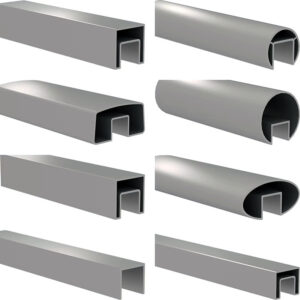
- Tubos de acero inoxidable para barandillas
- Soportes de pared
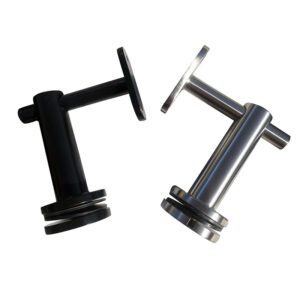
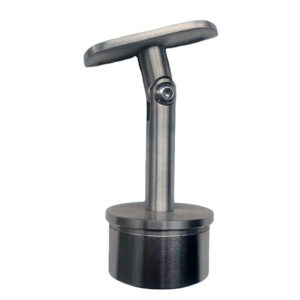
- Soportes para barandillas montados en postes
- Soportes ajustables
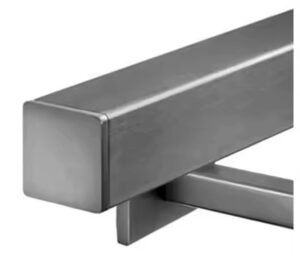
- Tapas de extremo y extremos de retorno
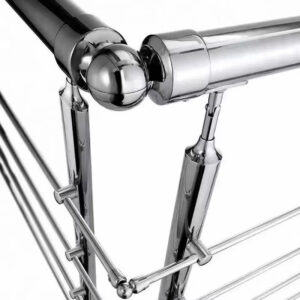
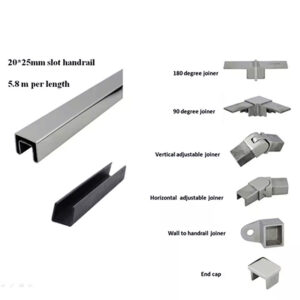
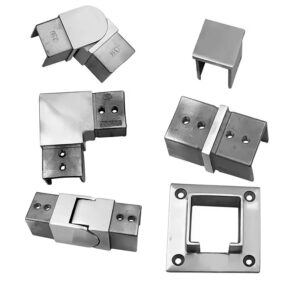
- Codos, curvas y Conectores de carril
- Accesorios de montaje y fijación
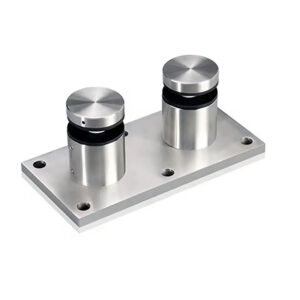
- Abrazaderas y conectores para vidrio o adaptadores para barandillas de cristal
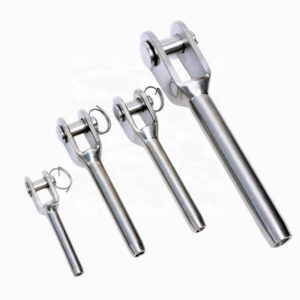
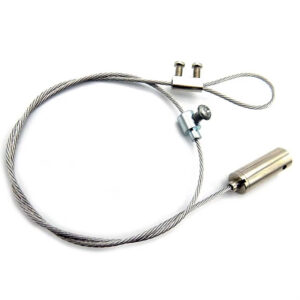
- Accesorios para cables
- Elementos de fijación y anclajes seleccionados para el sustrato
En lo que respecta a la adquisición de materiales para un proyecto, suele ser mejor confirmar el sistema completo en lugar de encargar piezas por separado. De este modo se reduce la falta de compatibilidad entre el diámetro de los tubos, los soportes, el tamaño de los postes, el espacio libre respecto a la pared, el acabado y el método de instalación.
Perbiyn icósartdzoaoraa arspoelon as o pesncnmas
Muchos de los proyectos de barandillas de ESANG no consisten en productos estándar prefabricados. Se fabrican a medida para ajustarse a los planos del proyecto, las dimensiones requeridas, los grados de los materiales, los acabados superficiales y las condiciones de instalación. Cuando los clientes necesitan un sistema de barandillas que cumpla con requisitos relacionados con la ADA, el IBC, la OSHA o específicos del proyecto, ESANG puede fabricar los componentes de acuerdo con los detalles de las especificaciones facilitadas.
En los proyectos centrados en la accesibilidad, los clientes pueden especificar requisitos tales como el tamaño del agarre, la distancia a la pared, la altura del pasamanos, el diseño de los retornos, la disposición de los soportes y la continuidad del pasamanos. ESANG puede fabricar los componentes necesarios para cumplir con dichos requisitos del proyecto, si bien el cumplimiento definitivo deberá confirmarse teniendo en cuenta el sistema instalado en su totalidad, las condiciones del lugar, el método de instalación y la normativa local aplicable.
Consideraciones sobre la instalación y la normativa
Los proyectos de barandillas suelen tener que cumplir con la normativa local de construcción, las normas de accesibilidad y los requisitos técnicos específicos de cada proyecto. ESANG puede ofrecer asesoramiento en la selección y fabricación de productos, pero el cumplimiento definitivo debe ser confirmado por el proyectista, el contratista, el ingeniero o la autoridad local.
- Altura del pasamanos
- Tamaño y perfil del puño
- Distancia a la pared
- Distancia entre soportes
- Requisitos de carga
- Condición de fin de retorno
- Continuidad en escaleras, rampas y rellanos
- Calidad de los materiales para el medio ambiente
- Tipo de anclaje y resistencia del sustrato
- Compatibilidad con estructuras de cristal, cable, postes o montadas en la pared
En el caso de los proyectos estadounidenses centrados en la accesibilidad, el Normas ADA 2010 para el diseño accesible establecer los requisitos de referencia relativos a la altura, el espacio libre, la superficie de agarre y la continuidad de los pasamanos. En los proyectos relacionados con el lugar de trabajo y los espacios de acceso público también puede ser necesario tener en cuenta los requisitos relativos a las barandillas y los pasamanos en OSHA 1910.29 o cualquier otra normativa local aplicable.
Dado que las normativas varían según el país, la región, la ciudad y el tipo de proyecto, estos valores deben considerarse meras referencias para la planificación y no sustituyen a la ingeniería definitiva ni a la aprobación de las normativas.
Escenarios de aplicación
Edificios comerciales
Los sistemas de barandillas comerciales se utilizan habitualmente en edificios de oficinas, hoteles, centros comerciales, hospitales, colegios, edificios públicos e instalaciones de transporte. Estos proyectos suelen requerir una calidad constante del producto, un acabado estable, herrajes de montaje fiables y un apoyo claro en materia de especificaciones.
Áreas sanitarias y de acceso público
Los pasillos sanitarios, las zonas de terapia, las rampas y las zonas de circulación pública suelen requerir pasamanos que sean fáciles de limpiar, cómodos de agarrar y compatibles con los requisitos de los proyectos centrados en la accesibilidad. El acero inoxidable es una opción habitual, ya que ofrece una superficie lisa y un rendimiento duradero cuando se especifica y se mantiene adecuadamente.
Proyectos residenciales y de viviendas en bloque
Los sistemas de barandillas para viviendas pueden utilizarse en escaleras interiores, balcones, terrazas, chalés, apartamentos y edificios de viviendas. En estos proyectos suele prestarse mayor atención al estilo visual, el acabado, la comodidad y la compatibilidad con los materiales circundantes, como el cristal, la piedra, la madera o los azulejos.
Proyectos de barandillas de cristal
Los sistemas de barandillas de cristal suelen utilizar pasamanos de acero inoxidable como barandilla superior, lateral o de soporte, según el diseño. En estos proyectos, el pasamanos debe combinar con Grifos y separadores de cristal, abrazaderas, postes o sistemas de perfiles.
Proyectos de barandillas de cable
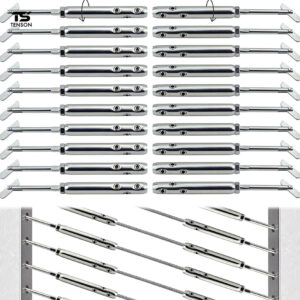
Los proyectos de barandillas con cables requieren tubos y postes para el pasamanos que se adapten a los accesorios para cables, los elementos de tensado y los remates. El pasamanos forma parte de la estructura completa de la barandilla y debe seleccionarse junto con el sistema de cables.
Espacios al aire libre, zonas costeras y marinas
Los entornos al aire libre requieren prestar mayor atención a la calidad de los materiales, el acabado, el drenaje, la limpieza y la elección de los elementos de fijación. Para entornos costeros, junto a piscinas, húmedos o marinos, el acero inoxidable 316 o 316L suele ser una mejor opción inicial que el acero inoxidable 304.
Comparación con las alternativas más habituales
| Opción | Ventajas | Limitaciones |
|---|---|---|
| Barandillas de acero inoxidable | Duradero, resistente a la corrosión si se elige adecuadamente, compatible con sistemas de barandillas de cristal, cable y metal | Coste inicial más elevado que el de algunos materiales básicos |
| Barandillas de aluminio | Ligeros, fáciles de manejar y, a menudo, económicos | Se deben tener en cuenta la durabilidad del acabado, la capacidad estructural y la compatibilidad con los metales. |
| Barandillas de madera | Aspaagodrnossegitor, eeecrleae o ritaoaepncsud rian ld ciiles | Requiere más mantenimiento y puede que no sea adecuado para entornos húmedos, al aire libre o con mucho tránsito. |
| Barandillas de acero pintado | Resistente y fácil de encontrar | Los daños en el recubrimiento pueden provocar corrosión; con el paso del tiempo, puede ser necesario volver a pintar. |
Categorías de productos relacionados
- Pasamanos de pared
- Pasamanos de montaje en poste
- Pasamanos de montaje en superficie
- Pasamanos continuos
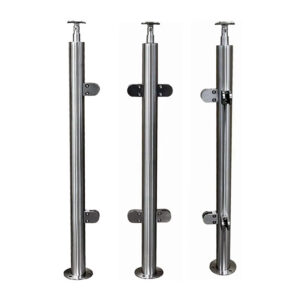
- Postes de acero inoxidable
- Soportes de pared
- Soportes de montaje en poste
- Conectores de carril
- Abrazaderas y conectores para vidrio
- Accesorios para cables
Preguntas frecuentes
¿Cuál es la diferencia entre un pasamanos y una barandilla?
Un pasamanos está diseñado principalmente para que los usuarios se sujeten a él y se apoyen al caminar, subir escaleras o utilizar rampas. Una barandilla de seguridad está diseñada principalmente para evitar que las personas se caigan desde un borde elevado. En muchos proyectos de barandillas, el pasamanos y la barandilla de seguridad están unidos, pero no tienen la misma función.
¿Debería optar por barandillas de fijación a la pared o de fijación a poste?
Elige barandillas de montaje en pared cuando la barandilla se vaya a fijar directamente a la pared. Elige barandillas de montaje en poste cuando la barandilla se apoye en postes o forme parte de un sistema de balaustrada. Si en el proyecto se utiliza un relleno de cristal o de cable, se debe comprobar el sistema de postes y relleno junto con la barandilla.
¿Cuál es la diferencia entre el acero inoxidable 304 y el 316 para barandillas?
El acero inoxidable 304 se utiliza ampliamente en proyectos de interiorismo y arquitectura en general. El acero inoxidable 316 contiene molibdeno, lo que mejora la resistencia a la corrosión en entornos más exigentes, como zonas costeras, junto a piscinas, en ambientes húmedos o en aplicaciones al aire libre.
¿Cuándo se debe utilizar el acero inoxidable 316L?
El acero inoxidable 316L tiene un contenido de carbono inferior al del acero inoxidable 316 estándar y suele elegirse cuando es importante mejorar la soldabilidad o cumplir requisitos específicos de un proyecto. Puede ser adecuado para sistemas de barandillas exigentes, ya sean arquitectónicos, costeros o fabricados a medida, dependiendo de las especificaciones.
¿Puede ESANG fabricar sistemas de barandillas que cumplan los requisitos de la ADA?
Sí. Cuando los clientes facilitan las dimensiones y las especificaciones del proyecto necesarias, ESANG puede fabricar componentes para barandillas que cumplan los requisitos establecidos por la ADA, tales como el tamaño del agarre, la distancia a la pared, el diseño de los retornos y la continuidad. El cumplimiento definitivo debe confirmarse en función del sistema instalado en su totalidad y de los requisitos de la normativa local.
¿En qué se diferencian los pasamanos de acero inoxidable de los de aluminio?
Los pasamanos de acero inoxidable suelen ofrecer una mayor resistencia, una mayor durabilidad de la superficie y una mejor compatibilidad con muchos sistemas de barandillas arquitectónicas. Los pasamanos de aluminio son más ligeros y pueden resultar más económicos, pero pueden requerir una mayor atención en cuanto a la durabilidad del acabado, la capacidad estructural y la compatibilidad con otros metales.
¿Qué opciones de montaje hay disponibles?
Entre las opciones de montaje más habituales se incluyen los soportes para montaje en pared, los conjuntos de montaje en poste, los postes de montaje en superficie y los soportes ajustables para barandillas. El método de montaje adecuado depende de las condiciones de la pared, el poste, la losa, la terraza o la estructura del proyecto.
¿Qué acabado de superficie debería elegir?
El acabado cepillado o satinado suele ser adecuado para proyectos comerciales y residenciales con mucho tránsito, ya que disimula mejor las pequeñas marcas. El pulido espejo es adecuado para zonas decorativas o de gran impacto visual, pero requiere un manejo y una limpieza más cuidadosos. Los acabados electropulidos pueden tenerse en cuenta para proyectos que requieran una mayor facilidad de limpieza.
¿Puede ESANG personalizar los sistemas de barandillas?
Sí. ESANG puede ofrecer servicios de personalización para fabricantes de equipos originales (OEM), fabricantes de diseños originales (ODM) y proyectos específicos, incluyendo el tipo de material, el acabado superficial, el perfil de los tubos, el tipo de soportes, el diseño de los conectores y los requisitos de embalaje. Los planos, las dimensiones, las cantidades y las condiciones de instalación ayudan a agilizar la elaboración del presupuesto y la revisión técnica.
¿Qué datos hay que facilitar para solicitar información sobre un sistema de barandillas?
Entre la información útil que se debe facilitar en la consulta se incluyen el tipo de barandilla, el tamaño o perfil del tubo, la calidad del material, el acabado superficial, el método de instalación, la cantidad, la ubicación del proyecto o el entorno, los planos (si se dispone de ellos) y los accesorios relacionados, como soportes, conectores, tapones, placas de base, abrazaderas para cristal o herrajes para cables.
¿Cómo se deben mantener los pasamanos de acero inoxidable?
Para la limpieza habitual se suele utilizar un detergente suave, agua limpia y un paño suave. Evita los productos de limpieza a base de cloro, la lana de acero y los utensilios abrasivos. Las instalaciones al aire libre y en la costa deben limpiarse con mayor frecuencia para reducir la contaminación de la superficie y mantener su aspecto.
Related Posts:
Diseño de barandillas para muelles y embarcaderos: postes, relleno, acceso y fijación
Planifica el trazado de los muelles y embarcaderos teniendo en cuenta la ubicación de los postes, los módulos de relleno, las esquinas, las puertas, las vías de acceso, los bordes del sustrato y la responsabilidad del montaje.
Coastal Railing Exposure: Salt Air, Splash, and Cleaning Access
Separate airborne salt, direct splash, retained wetness, deposits, and cleaning access before choosing coastal railing materials and details.
Replacing Core-Mounted Posts With Surface Bases: Precheck
Check the existing opening, slab condition, edge geometry, drainage, and revised load path before converting an embedded post to a surface base.
Railing Post Base RFQ Checklist for Project Buyers
Request comparable base hardware, substrate inputs, finishes, drawings, anchor boundaries, samples, and inspection documents in one project RFQ.
Adjustable Railing Post Bases for Sloped or Uneven Surfaces
Compare adjustable bases against the actual slope, bearing surface, leveling range, finish interface, and fixing access before selecting a detail.
Railing Post Base Anchors: Inputs for Engineering Review
Define substrate, geometry, loads, exposure, and anchor evidence before engineering review so a hardware label is not mistaken for a connection design.
Proyectos de Esang

Certificado de Esang
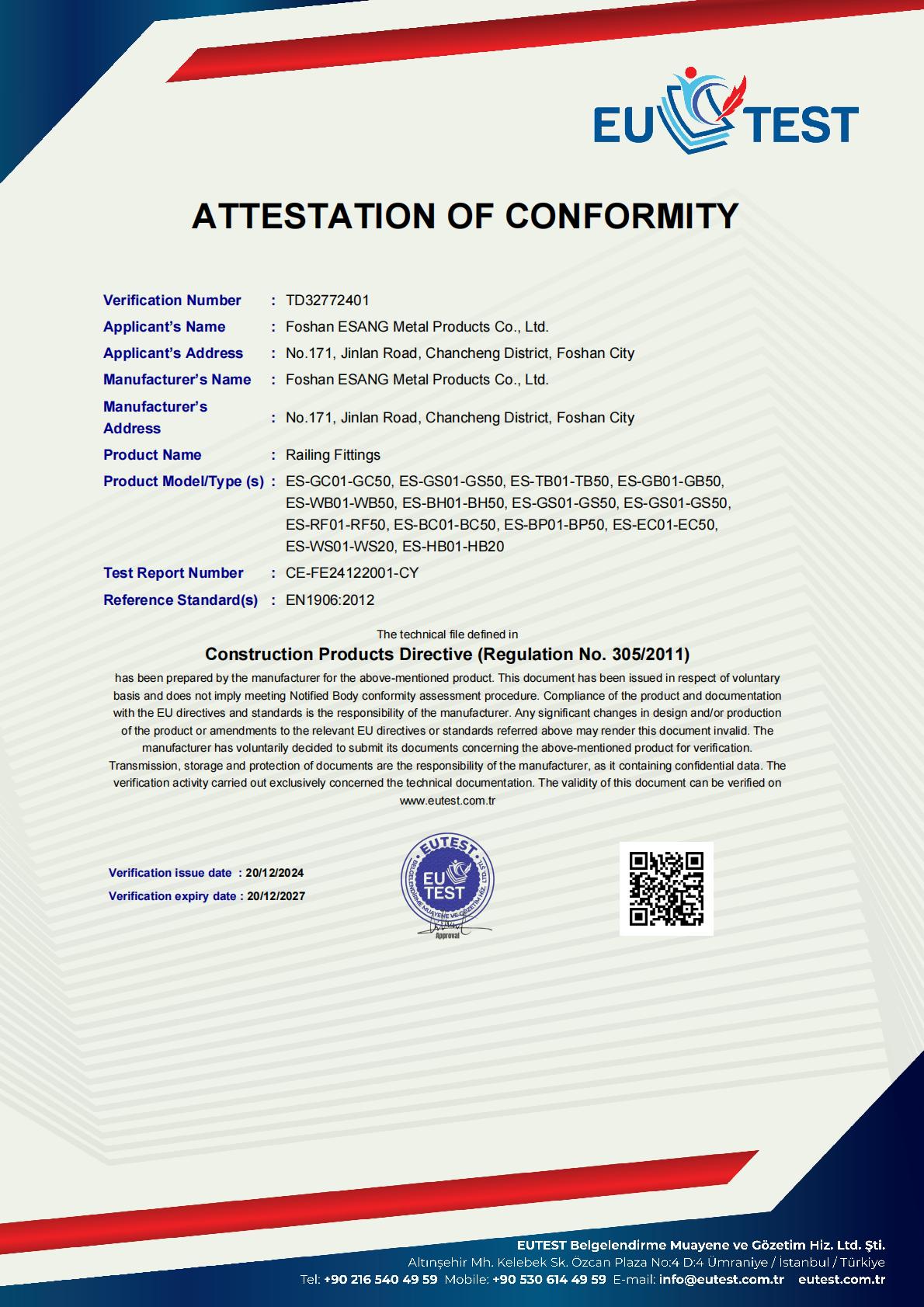
Foshan ESANG Metal Products se enorgullece de mantener Certificación CE (Verificación n.º TD32772401) en virtud de la Directiva sobre productos de construcción (Reglamento n.º 305/2011), lo que afirma nuestro compromiso con los más altos estándares europeos de seguridad y calidad.
Gama de productos certificados:
Nuestra amplia gama de herrajes para barandillas, que incluye abrazaderas de vidrio, tensores, soportes, soportes de pared, zapatas, herrajes para pasamanos, herrajes para cables y componentes para postes, satisface los requisitos más exigentes. EN1906:2012 garantizando la integridad estructural y la fiabilidad del rendimiento en todas las instalaciones.
Qué significa esto para su proyecto:
✓ Cumplimiento total de la normativa para los mercados europeos e internacionales
✓ Rendimiento de seguridad y durabilidad verificado de forma independiente.
✓ Soporte de documentación para las especificaciones arquitectónicas
✓ Tranquilidad gracias a la garantía de calidad de terceros
Certificación válida hasta 2027 | Informe de pruebas: CE-FE24122001-CY
Proyectos de Esang

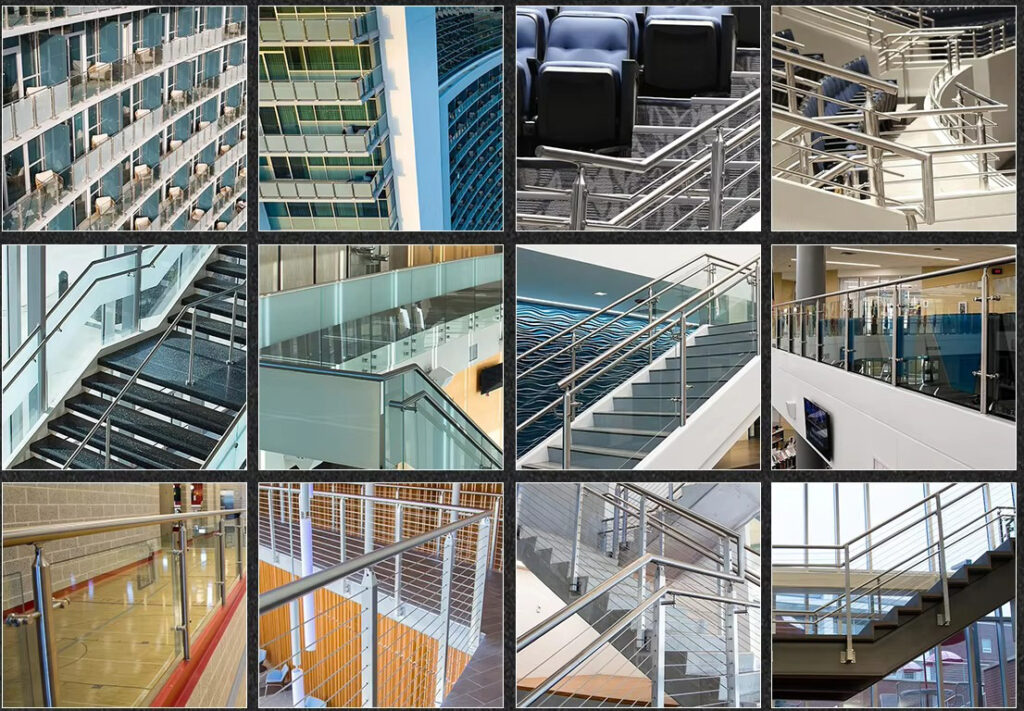
Productos de referencia