Sistemas de corrimão
Sistemas de corrimão
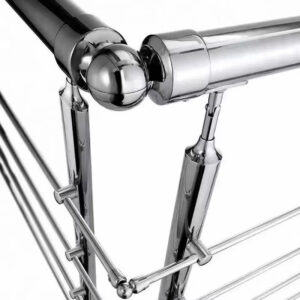
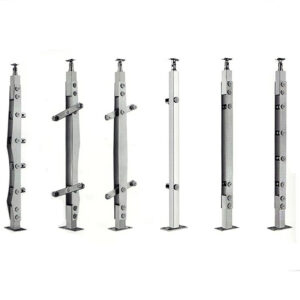
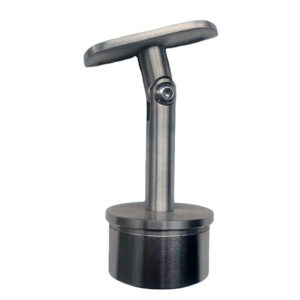
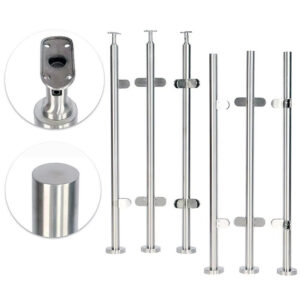
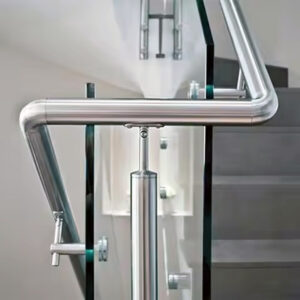
Os sistemas de corrimão ESANG são projetados para projetos arquitetônicos de grades em que o corrimão faz parte de uma solução completa de grades em aço inoxidável, e não apenas um tubo ou acessório isolado.
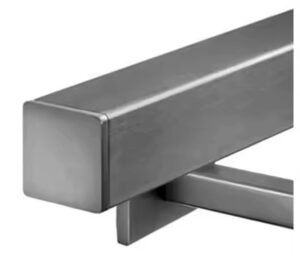
Esta categoria abrange Corrimãos para montagem em parede, Corrimãos Post Mount, Corrimãos para montagem em superfície, e Corrimãos contínuos para escadas, rampas, varandas, terraços, edifícios comerciais, projetos residenciais, sistemas de corrimãos de vidro, sistemas de corrimãos com cabos e aplicações externas.
Para empreiteiros, distribuidores, fabricantes e compradores de projetos, a questão fundamental não é apenas qual perfil de corrimão escolher. Uma boa especificação de corrimão também deve levar em consideração o método de fixação, as condições de suporte, o tipo de aço inoxidável, o acabamento superficial, os suportes e conectores relacionados, bem como o ambiente em que o sistema será instalado.
A ESANG fornece sistemas de corrimãos de aço inoxidável e acessórios relacionados para uso em projetos, pedidos OEM, requisitos ODM e fabricação sob medida com base em desenhos, dimensões, tipo de material, requisitos de acabamento e condições de instalação.
Opções de sistemas de corrimão
| Sistema de corrimão | Melhor usado para | Principais perguntas de seleção |
|---|---|---|
| Corrimãos para montagem em parede | Escadas, corredores, rampas, paredes de concreto, paredes de alvenaria e aplicações com montagem lateral | Qual material da parede suportará os suportes? Qual é a distância necessária em relação à parede? É necessária uma extremidade de retorno? |
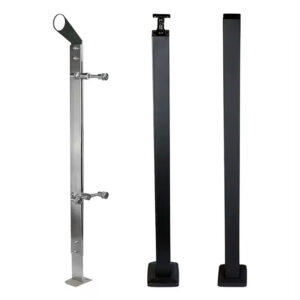
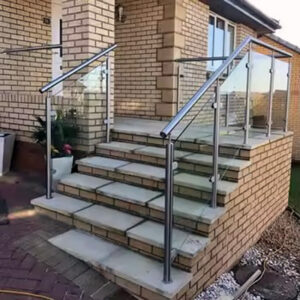
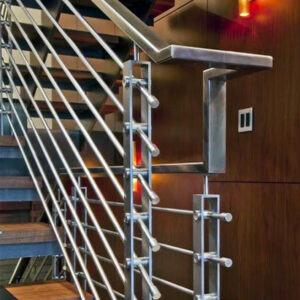
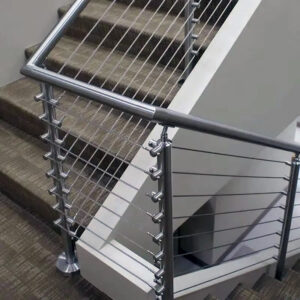
| Corrimãos Post Mount | Projetos de balaustradas, grades de varanda, corrimãos de escada, sistemas de guarda-corpos, corrimãos de vidro e corrimãos de cabo | Que tipo de poste é utilizado? Que tipo de suporte ou braçadeira para corrimão é necessário? O sistema é compatível com preenchimento de vidro, cabo ou barra transversal? |
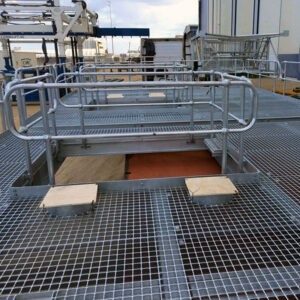
| Corrimãos para montagem em superfície | Decks, terraços, varandas, lajes de concreto, plataformas e sistemas de corrimão fixados ao piso | Que placa de base e método de fixação serão utilizados? A instalação será em ambiente interno, externo ou na região litorânea? |
| Corrimãos contínuos | Longes trechos de escadas, rampas, patamares, percursos comerciais e áreas de circulação voltadas para a acessibilidade | Onde estão as junções, os cotovelos, as transições e os retornos? Os usuários conseguem manter uma aderência contínua ao longo do percurso? |
Como escolher o sistema de corrimão certo
A escolha do sistema de corrimão adequado depende, em primeiro lugar, da forma como o corrimão é fixado. Um corrimão fixado na parede, um corrimão fixado em poste e um corrimão contínuo ao longo de uma rampa podem todos utilizar tubos de aço inoxidável, mas o projeto dos suportes, o método de conexão, os riscos de instalação e a decisão de compra são diferentes.
| Condição do projeto | Direção recomendada | Por que é importante |
|---|---|---|
| O corrimão é fixado diretamente na parede | Utilize corrimãos de parede com Suportes para montagem em parede e perfil do tubo | A resistência da parede, o espaçamento entre os suportes e a distância em relação à parede afetam tanto a segurança quanto o conforto. |
| O corrimão fica acima dos postes da grade | Utilize corrimãos com fixação em poste e Suportes para montagem em postes, conectores e ferragens para postes | O poste, o suporte e o tubo devem funcionar em conjunto como um único sistema. |
| O corrimão é instalado em um piso, laje ou deck | Utilize corrimãos de montagem superficial ou sistemas de postes de montagem superficial | O projeto da placa de base, a escolha das âncoras e a resistência do substrato são fatores essenciais. |
| O trajeto inclui curvas, escadas, rampas ou patamares | Utilize componentes contínuos para corrimãos, cotovelos, curvas, conectores e acessórios de retorno | Um trajeto contínuo de preensão melhora a usabilidade e pode ser exigido pelas regras do projeto. |
| O projeto é ao ar livre, na costa, à beira da piscina ou em ambiente úmido | Considere o aço inoxidável 316 e um acabamento superficial adequado | A resistência à corrosão se torna mais importante em ambientes úmidos ou expostos a cloretos. |
| O corrimão se encaixa em uma grade de vidro ou de cabos | Combine o corrimão com grampos para vidro, postes, espaçadores, acessórios para cabos ou componentes do trilho superior compatíveis | Os sistemas de corrimão mistos exigem dimensões e detalhes de conexão uniformes. |
Materiais, acabamentos e requisitos do projeto
Os sistemas de corrimão da ESANG podem ser fabricados de acordo com os requisitos do projeto, incluindo tipo de material, perfil do tubo, acabamento superficial, design dos suportes, dimensões, detalhes de conexão e requisitos de embalagem. Para projetos fora do padrão, os clientes podem fornecer desenhos, amostras, especificações desejadas ou condições de instalação para análise.
| Grau do material | Uso típico | Notas |
|---|---|---|
| Aço inoxidável 304 | Corrimãos internos, edifícios comerciais, escadas residenciais e ambientes secos em geral | Uma opção comum para muitos projetos de corrimãos arquitetônicos em ambientes internos. |
| Aço inoxidável 316 | Áreas externas, projetos costeiros, aplicações à beira de piscinas, ambientes úmidos e locais com maior corrosão | Normalmente, é preferível quando é necessária uma melhor resistência à corrosão. |
| Aço inoxidável 316L | Projetos que exigem melhor soldabilidade ou desempenho de corrosão mais exigente | Adequado quando a especificação exige aço inoxidável com baixo teor de carbono. |
Os aços inoxidáveis 316 e 316L costumam ser escolhidos para ambientes mais exigentes, mas não devem ser considerados automaticamente necessários para todos os projetos. Para muitas aplicações em ambientes internos, o aço inoxidável 304 pode ser suficiente e mais econômico.
| Opção de acabamento | Uso típico | Observações do comprador |
|---|---|---|
| Acabamento escovado ou acetinado | Interiores comerciais, escadas, edifícios públicos e a maioria dos projetos arquitetônicos de corrimãos | Ajuda a disfarçar melhor pequenos arranhões causados pelo manuseio e impressões digitais do que o polimento espelhado. |
| Polimento de espelho | Áreas decorativas, projetos residenciais de luxo, hotéis e aplicações selecionadas de grande impacto visual | Confere uma aparência brilhante, mas exige mais cuidado no manuseio e na manutenção. |
| Acabamento eletropolido | Setor de saúde, ambientes que possam ser higienizados ou projetos com requisitos mais rigorosos de limpeza de superfícies | Pode melhorar a lisura da superfície e facilitar a limpeza quando especificado corretamente. |
Componentes de corrimão em um sistema completo
Um sistema de corrimão é mais do que apenas um tubo visível. Dependendo do método de instalação, um sistema completo pode incluir:
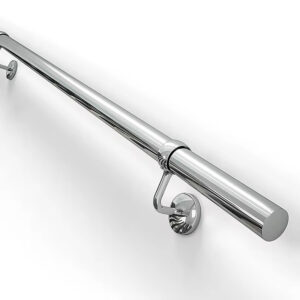
- Tubos de corrimão em aço inoxidável
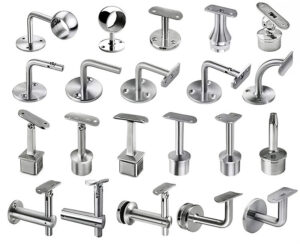
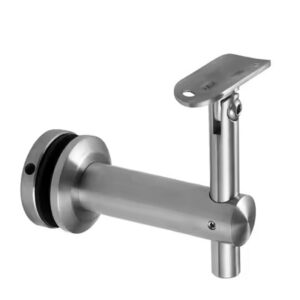
- Suportes de montagem na parede
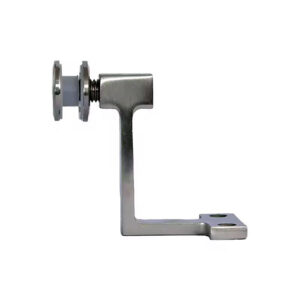
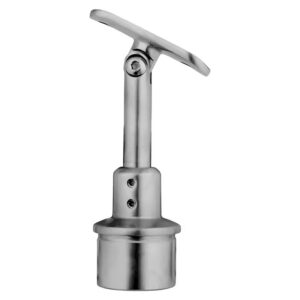
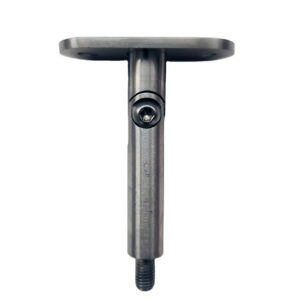
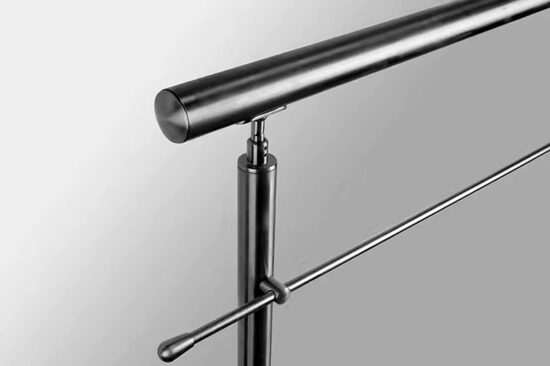
- Suportes para corrimão montados em postes
- Suportes ajustáveis
- Tampas de extremidade e extremidades de retorno
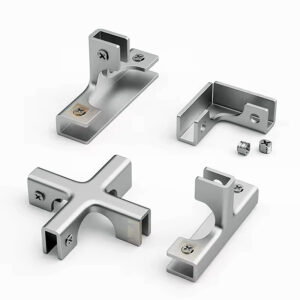
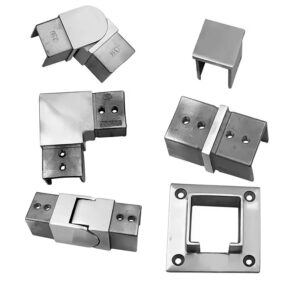
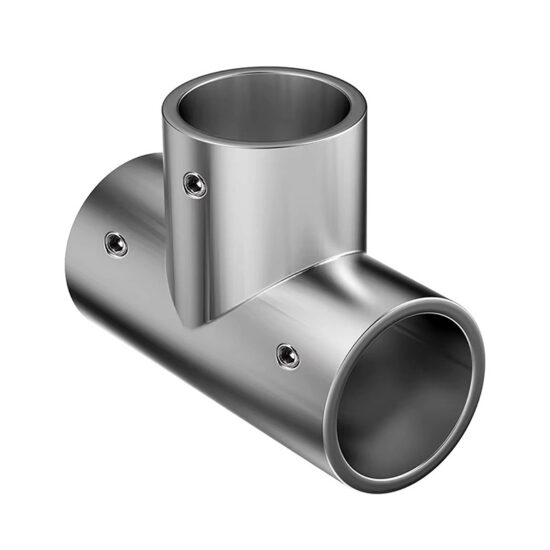
- Cotovelos, curvas e Conectores de trilho
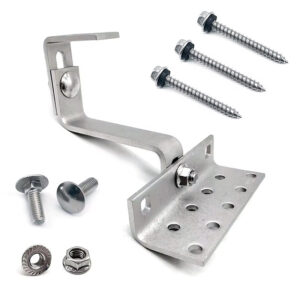
- Instalação do hardware e montagem
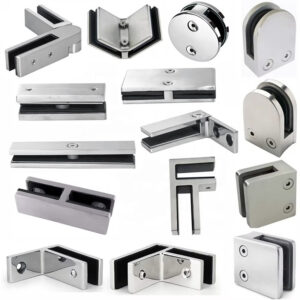
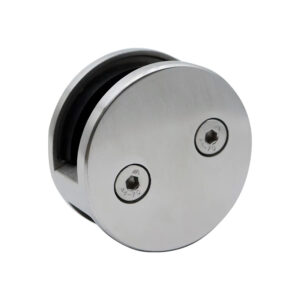
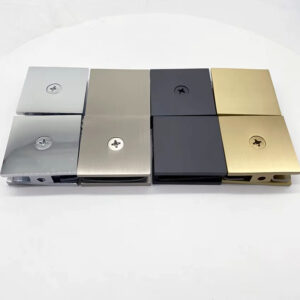
- Grampos e conectores para vidro ou adaptadores para corrimãos de vidro
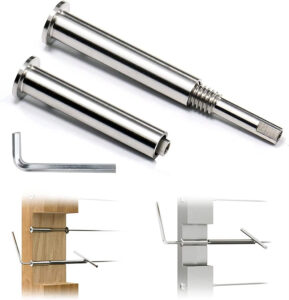
- Acessórios para cabos
- Fixadores e buchas selecionados para o substrato
Para a aquisição de materiais para projetos, geralmente é melhor confirmar o sistema completo em vez de encomendar peças isoladas. Isso reduz a incompatibilidade entre o diâmetro do tubo, o suporte, o tamanho do poste, a distância em relação à parede, o acabamento e o método de instalação.
Personalização para projetos orientados a padrões
Muitos projetos de corrimãos da ESANG não são produtos padronizados. Eles são fabricados de acordo com os desenhos do projeto, as dimensões exigidas, os tipos de materiais, os acabamentos de superfície e as condições de instalação. Quando os clientes precisam de um sistema de corrimãos que atenda a requisitos relacionados à ADA, ao IBC, à OSHA ou específicos do projeto, a ESANG pode fabricar componentes de acordo com os detalhes das especificações fornecidas.
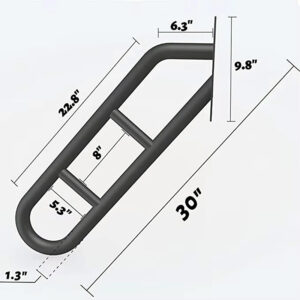
Em projetos voltados para a acessibilidade, os clientes podem especificar requisitos como o tamanho do apoio para as mãos, a distância da parede, a altura do corrimão, o desenho do retorno, a disposição dos suportes e a continuidade do corrimão. A ESANG pode fabricar os componentes necessários para atender a esses requisitos do projeto, embora a conformidade final deva ser confirmada com base no sistema instalado completo, nas condições do local, no método de instalação e na legislação local aplicável.
Considerações sobre instalação e código
Os projetos de corrimãos geralmente precisam atender aos códigos de construção locais, às normas de acessibilidade e aos requisitos de engenharia específicos do projeto. A ESANG pode oferecer suporte na seleção e fabricação dos produtos, mas a conformidade final deve ser confirmada pelo projetista, empreiteiro, engenheiro ou autoridade local responsável pelo projeto.
- Altura do corrimão
- Tamanho e perfil do punho
- Folga na parede
- Espaçamento do suporte
- Requisito de carga
- Fim da condição de retorno
- Continuidade ao longo de escadas, rampas e patamares
- Classe do material para o meio ambiente
- Tipo de âncora e resistência do substrato
- Compatibilidade com estruturas de vidro, a cabo, em postes ou montadas na parede
Para projetos nos EUA voltados para a acessibilidade, o Padrões ADA 2010 para design acessível fornecer requisitos de referência relacionados à altura, espaço livre, superfície de apoio e continuidade dos corrimãos. Projetos em locais de trabalho e de acesso público também podem precisar levar em consideração os requisitos relacionados a guarda-corpos e corrimãos em OSHA 1910.29 ou outras normas locais aplicáveis.
Como os códigos variam de acordo com o país, o estado, a cidade e o tipo de projeto, esses valores devem ser considerados como referências para o planejamento, e não como substituto da aprovação final da engenharia ou do código.
Cenários de aplicativos
Edifícios comerciais
Os sistemas de corrimãos comerciais são comumente utilizados em edifícios de escritórios, hotéis, shopping centers, hospitais, escolas, prédios públicos e instalações de transporte. Esses projetos geralmente exigem qualidade repetível do produto, acabamento estável, acessórios de fixação confiáveis e suporte claro às especificações.
Áreas de atendimento médico e de acesso público
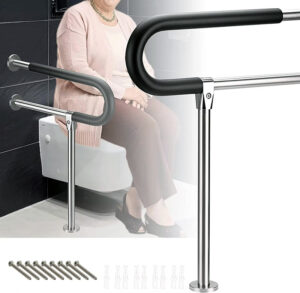
Corredores de unidades de saúde, áreas de terapia, rampas e zonas de circulação pública geralmente exigem corrimãos que sejam fáceis de limpar, confortáveis ao toque e compatíveis com os requisitos de projetos voltados para a acessibilidade. O aço inoxidável é comumente escolhido por oferecer uma superfície lisa e desempenho durável quando adequadamente especificado e mantido.
Projetos residenciais e de conjuntos habitacionais
Os sistemas de corrimãos residenciais podem ser utilizados em escadas internas, varandas, terraços, casas de campo, apartamentos e edifícios com várias unidades. Esses projetos costumam dar mais ênfase ao estilo visual, ao acabamento, ao conforto e à compatibilidade com os materiais ao redor, como vidro, pedra, madeira ou azulejo.
Projetos de corrimãos de vidro
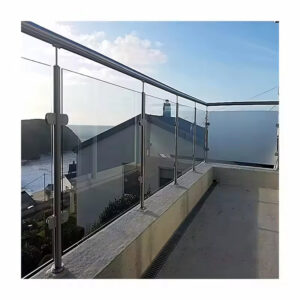
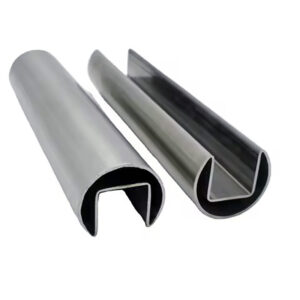
Os sistemas de corrimãos de vidro costumam utilizar corrimãos de aço inoxidável como corrimão superior, lateral ou de suporte, dependendo do projeto. Nesses projetos, o corrimão deve combinar com Torneiras e espaçadores de vidro, grampos, postes ou sistemas de trilhos.
Projetos de corrimãos com cabos
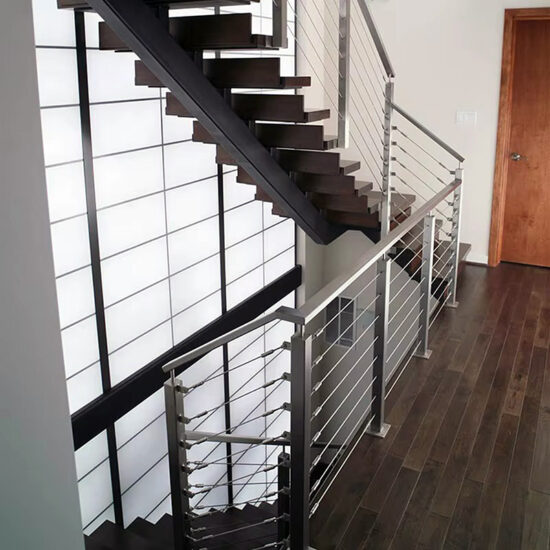
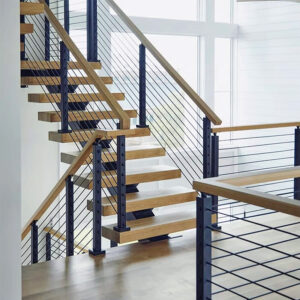
Os projetos de corrimãos com cabos exigem tubos e postes de corrimão que sejam compatíveis com os acessórios para cabos, os componentes de tensionamento e as condições nas extremidades. O corrimão faz parte da estrutura completa do corrimão e deve ser selecionado em conjunto com o sistema de cabos.
Áreas ao ar livre, costeiras e marinhas
Ambientes externos exigem maior atenção à qualidade do material, ao acabamento, à drenagem, à limpeza e à escolha dos fixadores. Para ambientes litorâneos, à beira de piscina, úmidos ou marinhos, o aço inoxidável 316 ou 316L costuma ser uma opção inicial mais adequada do que o aço inoxidável 304.
Comparação com alternativas comuns
| Opção | Vantagens | Limitações |
|---|---|---|
| Corrimãos de aço inoxidável | Durável, resistente à corrosão quando adequadamente selecionado, compatível com sistemas de corrimãos de vidro, cabo e metal | Custo inicial mais elevado do que o de alguns materiais básicos |
| Corrimãos de alumínio | Leve, fácil de manusear e, muitas vezes, econômico | É preciso levar em consideração a durabilidade do acabamento, a capacidade estrutural e a compatibilidade com metais |
| Corrimãos de madeira | Aparência aconchegante, adequada para alguns ambientes residenciais | Exige mais manutenção e pode não ser adequado para ambientes úmidos, ao ar livre ou com alto tráfego |
| Corrimãos de aço pintado | Resistente e amplamente disponível | Danos no revestimento podem causar corrosão; com o tempo, pode ser necessário repintar |
Categorias de produtos relacionados
- Corrimãos para montagem em parede
- Corrimãos Post Mount
- Corrimãos para montagem em superfície
- Corrimãos contínuos
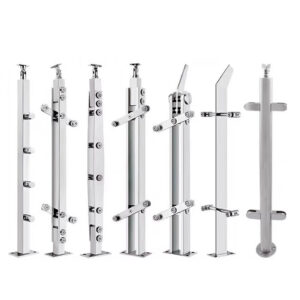
- Postes de aço inoxidável
- Suportes para montagem em parede
- Suportes para montagem em postes
- Conectores de trilho
- Grampos e conectores para vidro
- Acessórios para cabos
Perguntas frequentes
Qual é a diferença entre um corrimão e um parapeito?
Um corrimão é projetado principalmente para que os usuários o segurem como apoio ao caminhar, subir escadas ou utilizar rampas. Um corrimão de proteção é projetado principalmente para ajudar a impedir que as pessoas caiam de uma borda elevada. Em muitos projetos de corrimãos, o corrimão e o corrimão de proteção estão conectados, mas não têm a mesma função.
Devo escolher corrimãos para fixação na parede ou em poste?
Escolha corrimãos para montagem na parede quando o corrimão for fixado diretamente na parede. Escolha corrimãos para montagem em postes quando o corrimão for apoiado por postes de corrimão ou fizer parte de um sistema de balaustrada. Se o projeto utilizar preenchimento de vidro ou cabos, o sistema de postes e preenchimento deve ser verificado juntamente com o corrimão.
Qual é a diferença entre o aço inoxidável 304 e o 316 para corrimãos?
O aço inoxidável 304 é amplamente utilizado em projetos de interiores e arquitetura em geral. O aço inoxidável 316 contém molibdênio, o que aumenta a resistência à corrosão em ambientes mais exigentes, como áreas costeiras, à beira de piscinas, úmidas ou ao ar livre.
Quando se deve usar o aço inoxidável 316L?
O aço inoxidável 316L possui um teor de carbono inferior ao do aço inoxidável 316 padrão e costuma ser escolhido quando é necessário melhorar a soldabilidade ou atender a requisitos específicos de um projeto. Ele pode ser adequado para sistemas de corrimãos exigentes, sejam eles arquitetônicos, costeiros ou fabricados sob medida, dependendo da especificação.
A ESANG pode fabricar sistemas de corrimãos de acordo com os requisitos da ADA?
Sim. Quando os clientes fornecem as dimensões necessárias e as especificações do projeto, a ESANG pode fabricar componentes de corrimão que atendam aos requisitos da ADA, tais como tamanho do punho, distância em relação à parede, design do retorno e continuidade. A conformidade final deve ser confirmada com base no sistema instalado completo e nos requisitos da legislação local.
Como os corrimãos de aço inoxidável se comparam aos de alumínio?
Os corrimãos de aço inoxidável geralmente oferecem maior resistência, melhor durabilidade da superfície e melhor compatibilidade com diversos sistemas de corrimãos arquitetônicos. Os corrimãos de alumínio são mais leves e podem ser mais econômicos, mas podem exigir uma análise mais detalhada quanto à durabilidade do acabamento, capacidade estrutural e compatibilidade com outros metais.
Quais são as opções de montagem disponíveis?
As opções comuns de montagem incluem suportes para fixação na parede, conjuntos para fixação em postes, postes para montagem à superfície e suportes ajustáveis para corrimãos. O método correto de montagem depende da parede, do poste, da laje, do deck ou das condições estruturais do projeto.
Que acabamento de superfície devo escolher?
O acabamento escovado ou acetinado costuma ser adequado para projetos comerciais e residenciais com alto tráfego, pois disfarça melhor pequenas marcas. O polimento espelhado é adequado para áreas decorativas ou de destaque visual, mas requer um manuseio e uma limpeza mais cuidadosos. Os acabamentos eletropolidos podem ser considerados para projetos que exijam maior facilidade de limpeza.
A ESANG pode personalizar sistemas de corrimãos?
Sim. A ESANG oferece suporte à personalização para OEM, ODM e projetos específicos, incluindo tipo de material, acabamento superficial, perfil do tubo, tipo de suporte, projeto do conector e requisitos de embalagem. Desenhos, dimensões, quantidades e condições de instalação ajudam a agilizar a elaboração de cotações e a análise técnica.
Quais informações são necessárias para uma consulta sobre um sistema de corrimão?
As informações úteis para a consulta incluem o tipo de corrimão, o tamanho ou perfil do tubo, a classe do material, o acabamento da superfície, o método de instalação, a quantidade, a localização ou o ambiente do projeto, desenhos, se disponíveis, e acessórios relacionados, como suportes, conectores, tampas de extremidade, placas de base, grampos para vidro ou ferragens para cabos.
Como deve-se fazer a manutenção de corrimãos de aço inoxidável?
A limpeza de rotina geralmente é feita com detergente neutro, água limpa e um pano macio. Evite produtos de limpeza à base de cloreto, palha de aço e ferramentas abrasivas. As instalações ao ar livre e na região litorânea devem ser limpas com mais frequência para reduzir a contaminação da superfície e manter a aparência.
Posts relacionados:
Pier and Dock Railing Layout: Posts, Infill, Access, and Mounting
Plan pier and dock runs around post locations, infill modules, corners, gates, access routes, substrate edges, and mounting responsibility.
Coastal Railing Exposure: Salt Air, Splash, and Cleaning Access
Separate airborne salt, direct splash, retained wetness, deposits, and cleaning access before choosing coastal railing materials and details.
Replacing Core-Mounted Posts With Surface Bases: Precheck
Check the existing opening, slab condition, edge geometry, drainage, and revised load path before converting an embedded post to a surface base.
Railing Post Base RFQ Checklist for Project Buyers
Request comparable base hardware, substrate inputs, finishes, drawings, anchor boundaries, samples, and inspection documents in one project RFQ.
Adjustable Railing Post Bases for Sloped or Uneven Surfaces
Compare adjustable bases against the actual slope, bearing surface, leveling range, finish interface, and fixing access before selecting a detail.
Âncoras para bases de postes de corrimão: Informações para a revisão de engenharia
Defina o substrato, a geometria, as cargas, a exposição e as evidências de fixação antes da revisão de engenharia, para que a etiqueta do componente não seja confundida com o projeto da conexão.
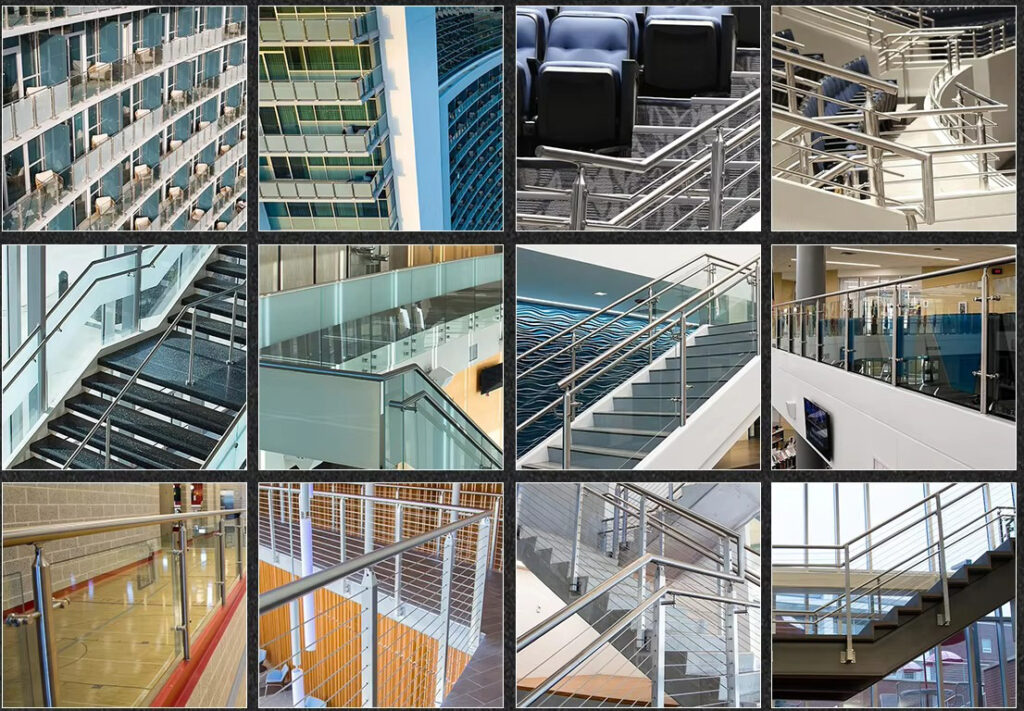
Projetos da Esang

Certificado da Esang
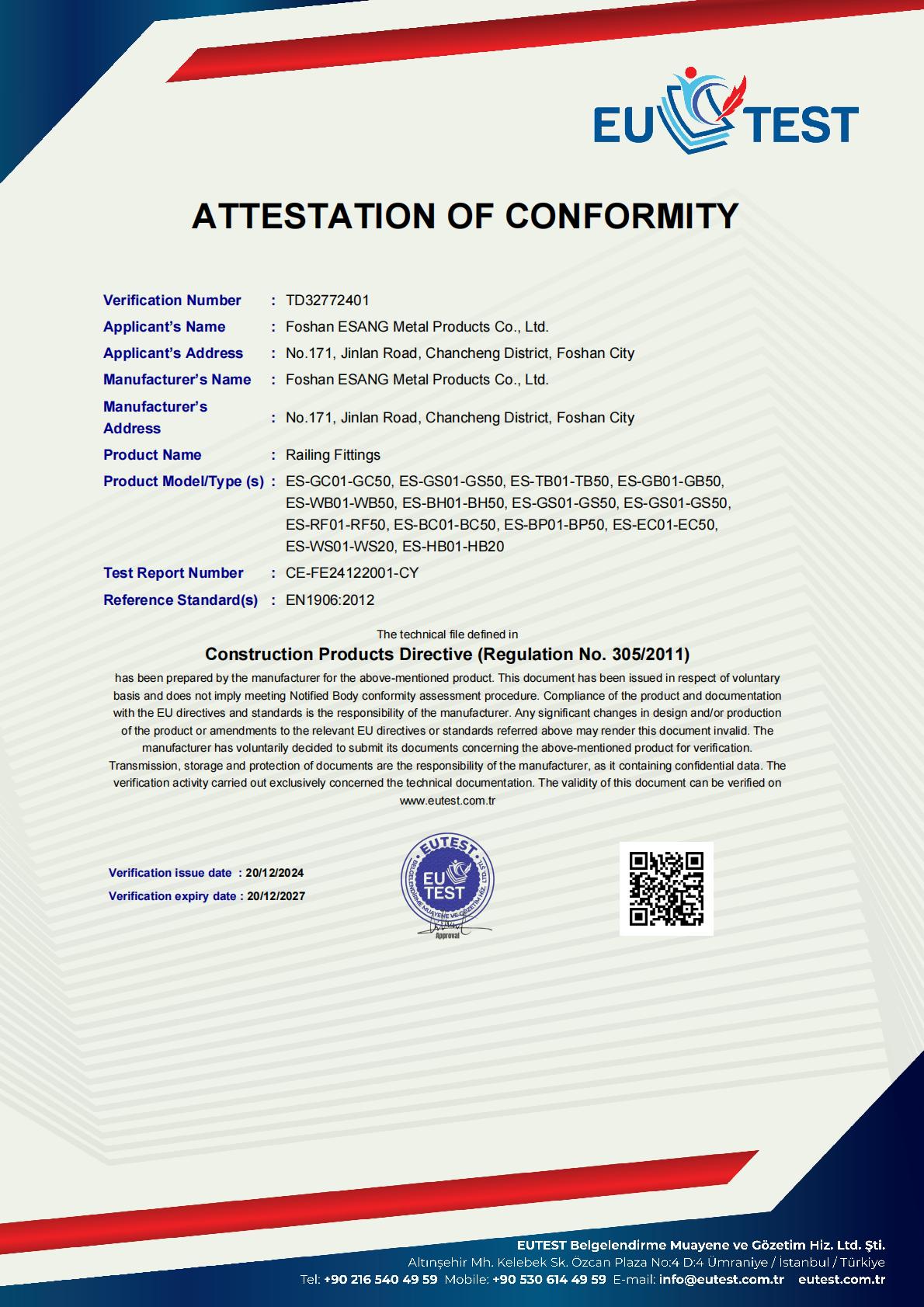
A Foshan ESANG Metal Products orgulhosamente mantém Certificação CE (Nº de verificação TD32772401) de acordo com a Diretiva de Produtos de Construção (Regulamento nº 305/2011), afirmando nosso compromisso com os mais altos padrões europeus de segurança e qualidade.
Certificado Linha de produtos:
Nosso abrangente portfólio de acessórios para guarda-corpos, incluindo braçadeiras de vidro, tensionadores, suportes, suportes de parede, sapatas de base, acessórios para corrimão, ferragens para cabos e componentes para postes, atende a EN1906:2012 garantindo a integridade estrutural e a confiabilidade do desempenho em todas as instalações.
O que isso significa para seu projeto:
Conformidade regulatória total para os mercados europeu e internacional
Desempenho de segurança e durabilidade verificado de forma independente
Suporte de documentação para especificações arquitetônicas
Tranquilidade com a garantia de qualidade de terceiros
Certificação válida até 2027 | Relatório de teste: CE-FE24122001-CY
Projetos da Esang

Produtos de referência